
Reviewed · MACHAME ROUTE CLIMBS
7-Day Machame Route Kilimajaro
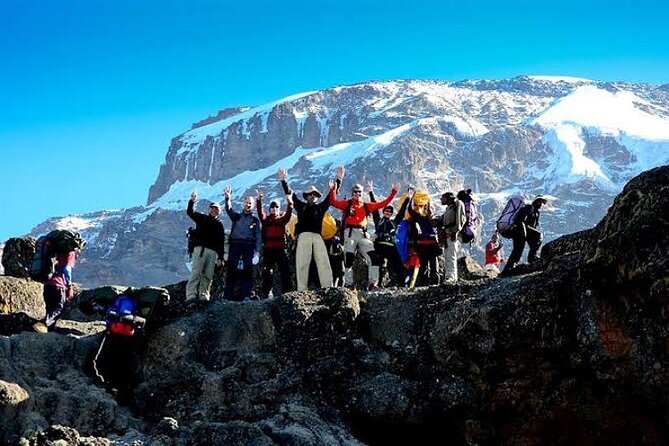
Kilimanjaro’s Machame Route gives you a full mountain story in seven days: coffee country and rainforest at the start, cold volcanic moorland in the middle, then a midnight push to Uhuru Peak at 5,895 meters. You travel with a guide, porters, and cook, so your main job is to walk, eat, rest, and keep your eyes on the changing scenery.
I like the built-in acclimatization pattern, especially the Lava Tower climb followed by a descent to Barranco Camp. I also like the practical support: pickup, meals, camping, rescue cover, and a crew that includes porters and a cook. The catch is simple: this is an advanced high-altitude hike, not a casual nature walk, and summit day is long, cold, steep, and tiring.
Key points to know before you book
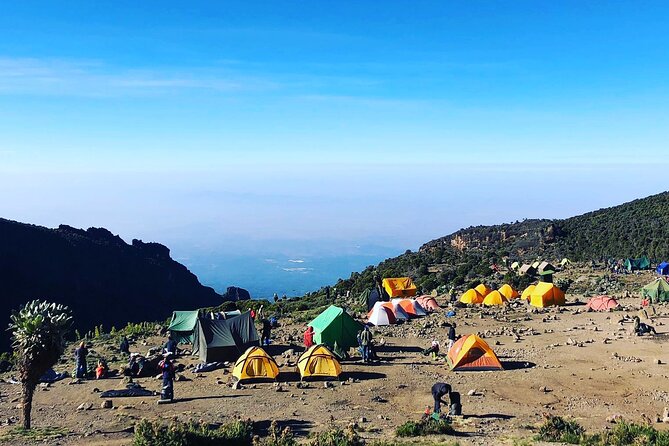
- Seven days on the mountain: The route includes six nights of climbing and a final walk out through rainforest.
- A strong acclimatization design: You climb to Lava Tower, then sleep lower at Barranco Camp before continuing upward.
- Midnight summit attempt: Expect four to five hours of steep scree walking before Stella Point, then another hour to Uhuru Peak.
- Full mountain support: Guides, porters, a cook, private transportation, meals, accommodation, and a rescue fee are included.
- Wildlife at the start: The rainforest section offers a chance to see black-and-white colobus monkeys and colorful birds.
- A substantial package price: At $2,550 per person, the value lies in the multi-day support system, not simply the park entry.
Why seven days on Machame is worth considering
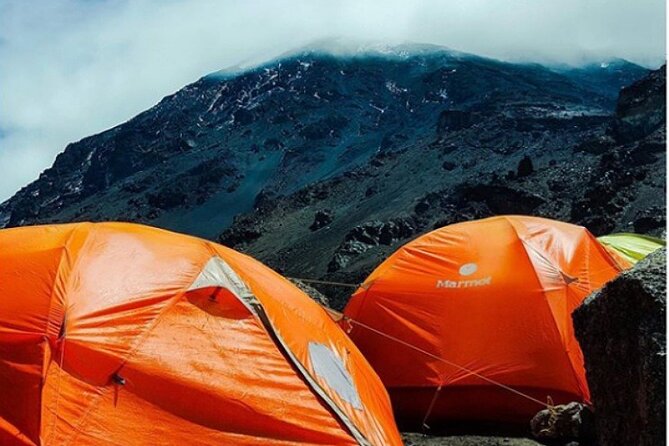
The Machame Route is often chosen for its changing scenery and its useful climb-high, sleep-lower rhythm. This seven-day version gives your body more time to adjust than a compressed climb, though altitude remains unpredictable and no itinerary can guarantee a summit.
You begin in Moshi, Tanzania, with pickup from your hostel or hotel. The drive to Machame Gate takes about 45 minutes. Pickup from the airport is also offered, which can save you the hassle of arranging a separate transfer after a long flight.
At the gate, registration comes first. Then the trail begins in forest, with a gradual climb toward the first camp. The support team handles the camp and cooking duties while you walk with your guide. That arrangement matters on a mountain like Kilimanjaro, where conserving energy is more useful than carrying a heavy load.
The listed maximum is 50 people. That is a large possible group size, so I would ask about the expected group size before paying. A smaller walking group can make the pace, meal times, and guide attention feel more personal.
More Machame Route Climbs in Kilimanjaro
- Kilimanjaro climb, Machame Route (7-day)
★ 5.0 · 262 reviews - Climbing Kilimanjaro – Machame Route
★ 5.0 · 170 reviews - Climbing Kilimanjaro through 7 days Machame Route
★ 5.0 · 151 reviews
Day 1: Machame Gate and the rainforest
The first day takes about six hours. You leave Moshi after breakfast and drive to Machame Gate, where registration and trail formalities can set the morning pace.
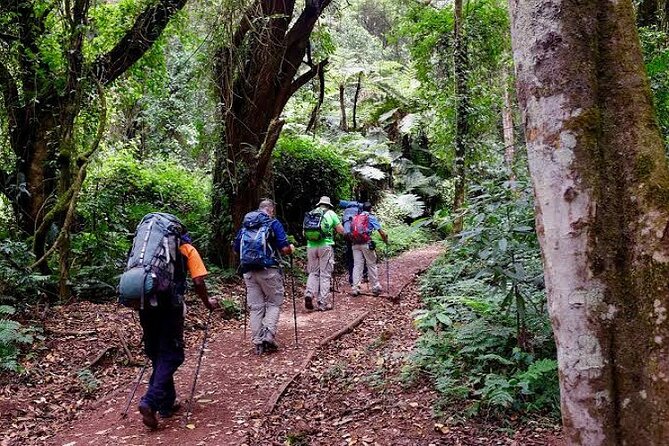
The path moves through Montane Forest and coffee-growing areas before entering dense rainforest. This is one of the most enjoyable sections for anyone who likes natural detail rather than only big summit views. Your guide can point out local plants and animals, and the route offers a good chance of seeing black-and-white colobus monkeys and brightly colored birds.
The climb is steady, with a gradual incline rather than a brutal opening push. You finish at Machame Camp, located near the upper edge of the rainforest. After this point, the trees begin to give way to more open vegetation and colder conditions.
I would not treat this day as easy simply because the slope is gradual. Six hours on a trail is a proper first day, and a slow pace from the start will help later. Keep your rain gear handy, since forest conditions can change, and use the first evening to organize clothing and sleeping items before temperatures fall.
Day 2: Moorland and the Shira Plateau
Day two takes around five to six hours and gains about 840 meters. The forest gives way to moorland, with a steeper trail and wider views toward Kibo, Kilimanjaro’s summit cone.
You follow a rocky ridge toward Shira Plateau, a collapsed volcanic crater and one of Kilimanjaro’s three volcanic cones. Once you reach the plateau, the route becomes less demanding for a time as you continue to Shira Camp.
This is the first day when the mountain feels broad and exposed. On a clear day, you can expect wide views across the plateau and toward the summit. At camp, conditions can be much colder than below, with temperatures dropping below freezing. The exposure is part of the appeal, but it also means you need warm layers, gloves, and a hat ready before evening.
The elevation gain is significant, so walk slowly even if you feel strong. The best use of this day is to settle into the mountain rhythm: steady steps, regular food, enough water, and rest whenever the guide advises it.
Day 3: Lava Tower and Barranco Valley
Day three is one of the most important days in the whole climb. The route enters a rocky semi-desert and heads toward Lava Tower, a volcanic rock formation about 300 feet high.
You climb a rocky scree path to Lava Tower for panoramic views, reaching a higher point before descending sharply into Barranco Valley. The day takes about seven hours. You finish at nearly the same elevation where you began, but the climb is not wasted. This up-and-down pattern gives your body useful altitude exposure before you sleep lower.
This is also the day when some people begin to notice altitude sickness. Headache, nausea, unusual tiredness, or poor appetite should not be brushed aside. Tell your guide promptly. The itinerary includes a rescue fee, but rescue cover does not replace sensible decisions or travel insurance.
Barranco Camp sits below the Barranco Wall in a sheltered valley. After the open Shira terrain and the high point at Lava Tower, this camp can feel protected and scenic. It also gives you a close look at the wall you will climb the next morning.
Same country, a completely different kind of safari:
- Kilimanjaro climb by Lemosho Route (7-day)
★ 5.0 · 651 reviews - Safari Serengeti And Ngorongoro
★ 5.0 · 288 reviews - Kilimanjaro Climbing Lemosho Route 8 Days.
★ 5.0 · 186 reviews - Kilimanjaro climb, Lemosho Route (8-day)
★ 5.0 · 148 reviews
Day 4: Climbing the Barranco Wall
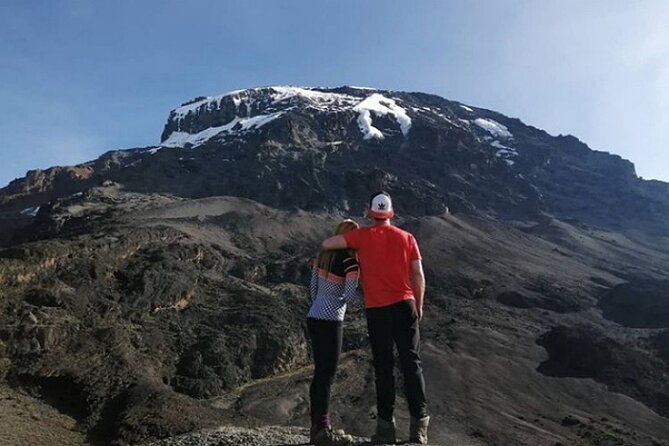
Day four is shorter, at roughly four to five hours, with only about 145 meters of elevation gain. It is designed as an easier acclimatization day, though the terrain still demands care.
After breakfast, you climb the Barranco Wall and cross a series of hills and valleys before descending into Karanga Valley. The wall looks intimidating from camp, but the route is described as easier than it first appears. You still need balance, patience, and a willingness to follow your guide’s line rather than rush.
The path includes glacial valleys and one steeper climb before Karanga Camp. Once there, you have an afternoon to rest before dinner. That quiet time is valuable. The next two days contain the most demanding section of the trip, so resist the temptation to spend the afternoon wandering around camp.
Karanga marks the shift into alpine desert. Vegetation becomes sparse, the air feels thinner, and the mountain takes on a harsher character. Keep drinking and eating even if your appetite has faded. Your body needs fuel for the summit attempt.
Day 5: Karanga to Barafu Camp
The walk from Karanga to Barafu Camp lasts about three to four hours and gains around 605 meters. You first reach the junction connecting with the Mweka Trail, then continue along a rocky ridge toward the high camp.
Barafu offers views of Kilimanjaro’s summit from several angles. The camp itself is pitched along a narrow, rocky ridge with strong winds. This is not a comfortable base in the usual sense, and you should take time to learn where your tent, dining area, and trail routes are before darkness arrives.
The short hiking time can be misleading. Barafu is where the schedule becomes serious. You need to rest, eat, prepare warm clothing, and organize your headlamp and summit-day supplies. The midnight departure leaves little room for frantic packing.
Your guide and crew are especially important here because the timing is tight. The included cook and meals mean you do not need to manage food preparation, but you still need to listen to your body and report any altitude symptoms before the summit attempt.
Day 6: Stella Point, Uhuru Peak, and the long descent
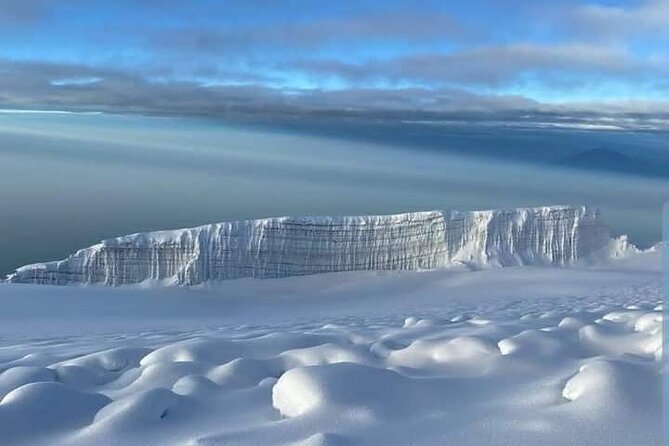
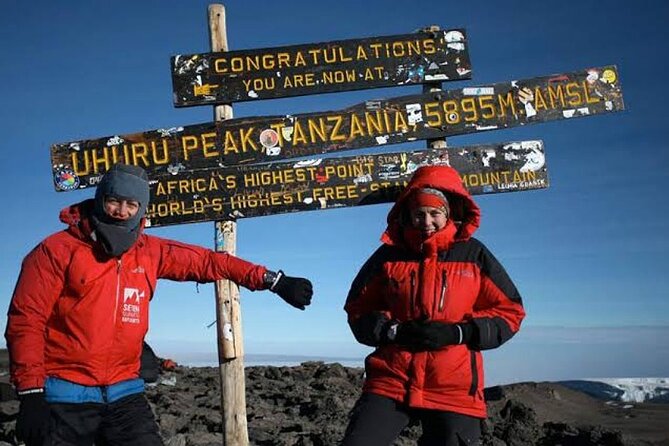
Summit day begins around midnight. You climb steeply over scree for four to five hours toward Stella Point at 5,739 meters. The footing can be loose, the air is thin, and the cold is serious.
The plan is to reach the crater rim around sunrise. From Stella Point, you can see ice cliffs inside the crater, along with views toward Mawenzi Peak and beyond. The final hour to Uhuru Peak brings you to 5,895 meters, the highest point in Africa.
Reaching Stella Point is treated as a successful milestone, while those who continue reach Uhuru Peak. That distinction matters because the last section can feel difficult after hours of climbing. Follow your guide’s advice rather than treating the final hour as a test of pride.
After the summit, you return to Stella Point and descend the scree slope to Barafu Camp for breakfast. Then the route continues downward to Millennium or Mweka Camp. The full day is listed at about seven hours, but the combination of a midnight start, summit climb, return to Barafu, and further descent makes it the physical centerpiece of the tour.
I would plan for very little energy on this day. Keep your summit clothing accessible, protect your water from freezing as far as possible, and do not underestimate the descent. Going down can be hard on tired knees, even when the air feels easier.
Day 7: Mweka Gate and the return to Moshi
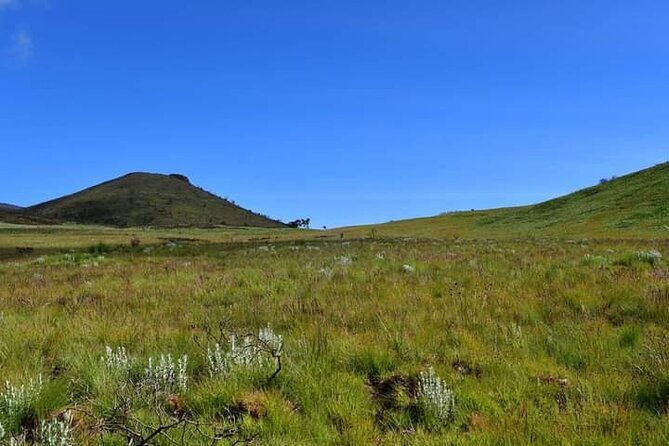
The final day is the easiest walking section, but it still takes about three to four hours. You descend through forest to Mweka Gate, losing about 1,280 meters.
The return through rainforest offers a sharp contrast with the alpine desert above. You finish the official mountain portion at the gate, where successful hikers who reached Stella Point and Uhuru Peak receive certificates. From there, private transportation takes you back to your hotel.
The final reward is practical rather than grand: a shower, dinner, and a Kilimanjaro beer. After several nights on the mountain, ordinary comforts suddenly feel luxurious.
What the $2,550 price includes
The $2,550 per-person price covers the main services needed for the climb:
- All fees and taxes
- Private transportation
- Mountain accommodation
- Rescue fee
- Seven breakfasts
- Seven lunches
- Seven dinners
That is a strong level of inclusion for a seven-day supported climb. You are paying for more than a walking route. You are paying for park access, camp logistics, food preparation, porters, guides, transport, and the structure that keeps the climb moving.
The price does not include flights, travel insurance, tips for guides, porters, and the cook, or meals and drinks at your hotel before and after the climb. Those excluded costs can add up, especially tips, which should be planned as part of your total budget rather than treated as an afterthought.
Accommodation is included during the hike, and the itinerary describes tents at Barafu Camp. The exact camp setup and sleeping arrangements are not specified, so ask what equipment is provided and what you must bring or rent.
The package also includes a rescue fee, but you still need travel insurance. Check that your policy covers high-altitude trekking and emergency evacuation. Do not assume a standard holiday policy will handle a Kilimanjaro climb.
Food, porters, and guide support
The cook is an important part of the package. Seven breakfasts, lunches, and dinners are included, which removes the need to carry all your food or prepare meals after a long day.
You hike with guides and porters, and the crew handles much of the camp work. The company has used guides named Leonard and Tom on past climbs, while William has handled trip planning and company arrangements. Your own guide may be different, so confirm the assigned lead guide before departure if that matters to you.
Past experiences with this operator also include equipment rental help and organized hotel arrangements in Moshi. Those details are not listed as part of this specific package, so treat them as possible add-ons or pre-climb services to confirm directly rather than assuming they are included.
Who should book this Machame climb?
This tour suits you if you want Kilimanjaro with a structured support team and a longer schedule for acclimatization. You should have a moderate level of physical fitness and be ready for several hours of walking on most days.
It is a good fit for people who value natural changes along the route: rainforest, moorland, rocky semi-desert, alpine desert, glaciers, and the summit crater. It also works well if you prefer one company to organize pickup, transport, food, mountain lodging, and rescue cover.
I would think twice if you want a relaxed holiday with only short walks. The summit day starts around midnight, and the route includes steep scree, cold nights, exposed camps, and altitude. A seven-day schedule improves the plan, but it does not make Kilimanjaro predictable.
The maximum group size of 50 is another point to check. Ask how many people are expected on your departure, how guides are assigned, and what happens if someone cannot continue. Those answers will tell you more about the day-to-day feel than the headline price.
Cancellation and booking details
You can cancel free of charge up to 24 hours before the experience begins for a full refund. Changes or cancellations made less than 24 hours before the local start time are not accepted for a refund.
Pickup is offered, and a mobile ticket is available. Confirmation is provided at booking. The activity is near public transportation, though your own airport and hotel transfers should be confirmed carefully before you arrive.
Should you book the 7-Day Machame Route?
I would book this climb if you want a well-supported Kilimanjaro attempt with a sensible acclimatization pattern and a clear seven-day plan. The strongest value comes from the included mountain services: guides, porters, cook, meals, accommodation, private transport, and rescue cover.
Before committing, confirm the group size, camping equipment, hotel arrangements, assigned guide, tipping expectations, and insurance requirements. If you are physically ready for long days and understand that summit night will be hard, the Machame Route offers a varied and rewarding way to reach Uhuru Peak.
FAQ
How long is the 7-Day Machame Route climb?
The experience lasts approximately seven days. The hiking times range from about three to seven hours per day, with the longest and hardest section occurring on summit day.
Is pickup included?
Yes. Pickup is offered from your hotel or airport. The first-day plan describes pickup from a hostel or hotel in Moshi, followed by a drive of about 45 minutes to Machame Gate.
Are meals included during the climb?
Yes. The package includes seven breakfasts, seven lunches, and seven dinners. A cook travels with the climbing team.
Are guides and porters included?
Yes. You hike with guides and porters as part of the supported group arrangement. Tips for guides, porters, and the cook are not included.
Does the price include flights and travel insurance?
No. Flights and travel insurance are not included. The package does include a rescue fee, but you should arrange suitable travel insurance separately.
What fitness level is required?
A moderate physical fitness level is required. The route includes steep climbs, rocky scree, cold high camps, and a midnight summit attempt reaching 5,895 meters at Uhuru Peak.
More 7-Day Experiences in Kilimanjaro
- 7 Days Kilimanjaro via Machame route affordable price
★ 5.0 · 110 reviews - Private Kilimanjaro Hike 7 Day Lemosho Route
★ 5.0 · 60 reviews - 7-Day Magical Tanzania Safari -Premium High End Package
★ 5.0 · 53 reviews - 7 Days Machame route – Kilimanjaro
★ 5.0 · 45 reviews
Just added around Kilimanjaro
- Mt Kilimanjaro 6 days Marangu route hike★ 5.0 · 3 reviews
- Wildlife Extravaganza: Manyara, Tarangire & Ngorongoro in 3 Days★ 5.0 · 3 reviews
- Private Cycle to Kilimanjaro Bike Park Safari★ 5.0 · 6 reviews
- 3 Days Private E-Bike Tour in West Kilimanjaro★ 5.0 · 3 reviews
- West Kilimanjaro cycling Adventures★ 4.5 · 8 reviews
- machame route★ 5.0 · 16 reviews
- Kilimanjaro Climb & Safari – Lemosho Route – 13 Day★ 5.0 · 10 reviews
- Kilimanjaro Climbing Umbwe Route★ 5.0 · 3 reviews
Machame Route Climbs, compared.



Climbing Kilimanjaro through 7 days Machame Route
Read our review →
7-Day Machame Kilimanjaro Summit Tour from Arusha
Read our review →
7 Days Kilimanjaro via Machame route affordable price
Read our review →
#1. Best Kilimanjaro Day hike Tour-Machame Route-ISMANI
Read our review →

The Best of Machame Route in 6 Days: Your World’s Summit Guide
Read our review →Browse the lists this tour appears in