
Reviewed · KILIMANJARO TOURS
Great Migration Safari In Tanzania
Northern Serengeti is the main event here. From July through October, this seven-day safari puts you in Lobo, Bologonya, and the Mara regions, where wildebeest gather before attempting the crocodile-filled Mara River crossing. That is a powerful reason to choose this route, though no safari can promise a river crossing on a particular day.
I like the private vehicle, which gives your group more say over the pace and stops. I also like the combination of Tarangire, two areas of Serengeti, and Ngorongoro, since you get elephants, predators, open plains, and a crater packed with wildlife. The main drawback is the amount of time spent on the road, especially on the long move between Karatu and northern Serengeti.
Key points
- Northern Serengeti in July to October: The route targets Lobo, Bologonya, and the Mara regions during the migration season.
- Private 4×4 safari: Only your group takes part, using a Land Rover or Toyota Land Cruiser.
- Four major safari settings: Tarangire, northern Serengeti, central Serengeti, and Ngorongoro are all included in the planned route.
- Long but rewarding game-drive days: Days 4 and 5 allow about 10 hours in the parks, useful when wildlife sightings are the priority.
- Experienced guide options: Past trips have been led by guides including Thomas, Ismail, Jackson, Samwel, Evarest, and Kisamo.
- Fully tailor-made format: You can discuss adjustments with Savannah Explorers, although the exact inclusions and route details should be confirmed before payment.
Why this safari works for a Great Migration trip
At $3,900 per person, this is a substantial purchase. You are paying for seven days of private guiding, park access on several days, a dedicated safari vehicle, transfers, and a route through some of Tanzania’s best-known wildlife areas.
The value depends on what matters most to you. If you want a private trip with room to shape the plan, this is more attractive than a fixed group departure. You are not sharing the vehicle with strangers, and your guide can focus on your interests, such as predators, elephants, birds, photography, or the migration.
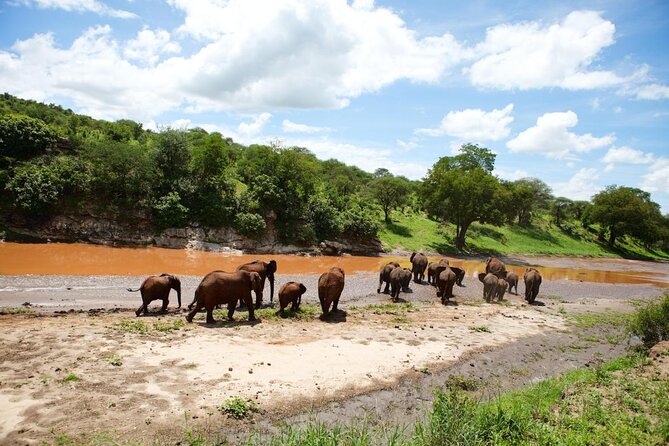
The route also makes sense as a wildlife sampler. Tarangire gives you a strong start with elephants and baobabs. The Serengeti offers the broad plains and predator sightings. Ngorongoro adds a concentrated final game drive inside a volcanic crater.
There is one important point to clear up before booking. The destination summary names Manyara, but the day-by-day plan lists Tarangire instead and does not give Manyara its own stop. Ask Savannah Explorers which park is actually included in your confirmed itinerary. A tailor-made trip should make that detail clear.
The listed experience is private, with pickup offered and a mobile ticket. The stated start time is 7:00 a.m. at Kilimanjaro Airport. Most people can take part, but you should be comfortable with long drives, early starts, dusty roads, and extended periods seated in a safari vehicle.
A few more Kilimanjaro trips to weigh up
- Safari Serengeti And Ngorongoro
★ 5.0 · 288 reviews - Big Five Safari In Tanzania
★ 5.0 · 99 reviews - Unforgettable Tanzania Safari And Zanzibar Beach
★ 5.0 · 97 reviews
Day 1: Kilimanjaro Airport to Karatu
Your first day is mainly a transfer. Savannah Explorers collects you at Kilimanjaro Airport and takes you by private car to Karatu, with the journey listed at about two hours.
Karatu is a practical base for the northern safari circuit. Depending on your arrival time, you may stop at a local market on the way or simply rest at the lodge. That flexibility is welcome after a flight, especially if you arrive tired or late in the day.
Do not expect a major wildlife experience on Day 1. This is a setup day that places you closer to the parks. If you have flown a long distance, I would use the evening to sleep well, organize your camera equipment, and prepare for an early start rather than trying to pack in too much.
The plan lists the Day 1 activity at about two hours, with no admission ticket required. Confirm whether your airport arrival time works comfortably with the stated 7:00 a.m. meeting time. The published details identify Kilimanjaro Airport as the start point and the return meeting point as the end.
Day 2: Tarangire and its elephant country
After breakfast, you drive from Karatu to Tarangire National Park, with the transfer listed at about one hour. The day includes a game drive and picnic lunch, with roughly seven hours set aside for the park.
Tarangire is not simply a warm-up for the Serengeti. It has its own look and its own appeal, especially its large elephant herds and giant baobab trees. The park is also noted for a high number of predators, so you have a good chance of seeing more than the famous gray giants.
I like placing Tarangire early in the trip. It gives you a varied first full safari day, and the park’s baobabs provide memorable scenery even when animals are not right beside the vehicle. You can expect to spend much of the day scanning the bush, watching animal behavior, and stopping when your guide finds something worth studying.
A picnic lunch keeps the day moving, but it also means you should be ready for a full outdoor day rather than a short sightseeing stop. The itinerary lists admission as included for the park activity, but you should still ask for a written breakdown of what the $3,900 covers, including accommodation, meals, park fees, transfers, and any airport arrangements.
Day 3: Crossing the Ngorongoro Conservation Area to northern Serengeti
Day 3 is one of the longest and most important days. After breakfast, you leave Karatu, pass through the Ngorongoro Conservation Area, and continue toward northern Serengeti, with about three hours of transfer time listed before the game-drive portion.
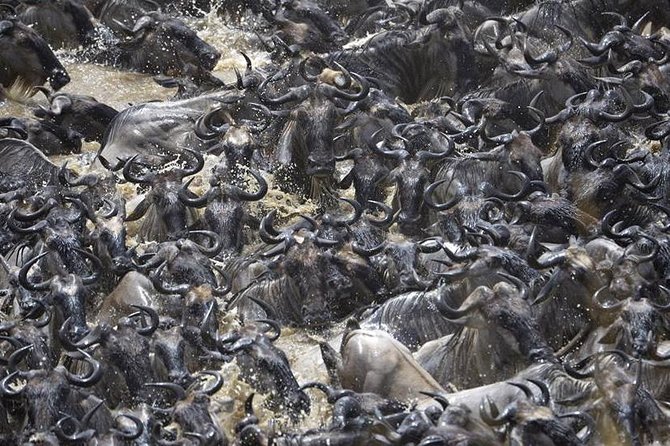
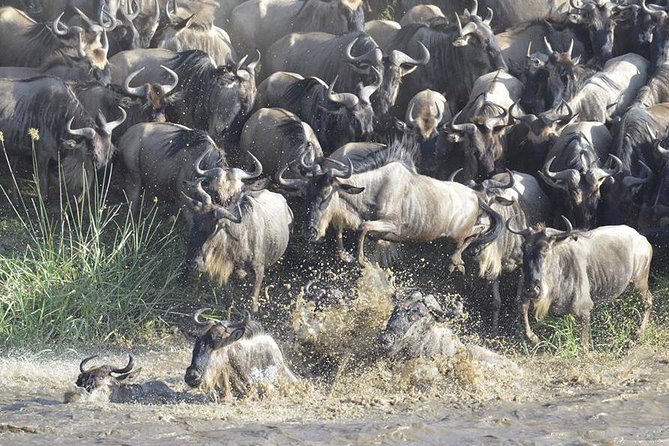
The route heads toward Lobo, Bologonya, and the Mara regions. These are the areas where you look for the migration during the July to October season. The herds gather in the north before the river crossings, while crocodiles wait in the Mara River.
The words look for matter. The Great Migration is a moving natural event, not a scheduled show. You may find large herds, fresh tracks, predators, or a river crossing, but the exact location changes from day to day. A good guide can improve your odds by reading current conditions and animal movement, but no operator can guarantee a crossing.
The listed day lasts about eight hours. That is enough time for a meaningful game drive, but the transfer makes it a busy day. I would choose this itinerary for the chance to reach northern Serengeti, not for a relaxed pace.
Same country, a completely different kind of safari:
- Kilimanjaro climb by Lemosho Route (7-day)
★ 5.0 · 651 reviews - Kilimanjaro climb, Machame Route (7-day)
★ 5.0 · 262 reviews - Kilimanjaro Climbing Lemosho Route 8 Days.
★ 5.0 · 186 reviews - Climbing Kilimanjaro – Machame Route
★ 5.0 · 170 reviews
Day 4: A full day in the northern Serengeti
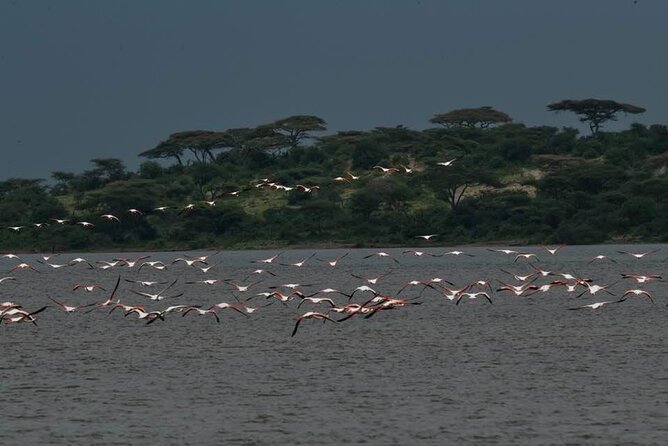
Day 4 gives you the best chance to settle into the migration search. After breakfast, you spend a full day on game drives in the northern Serengeti, with about 10 hours allocated to the activity.
This is where a private safari vehicle matters. Your group can spend longer at an interesting sighting, ask the guide to pause for photographs, or move on if a particular animal does not hold your attention. You are also less tied to the preferences of a larger mixed group.
The northern Serengeti is especially appealing from July through October because the herds may gather near the Mara River. You might see wildebeest packed across the plains, crocodiles along the river, and predators taking advantage of the concentration of prey. You might also spend hours searching without seeing a crossing. That uncertainty is part of the experience, but it is worth understanding before you commit a large part of your budget to migration season.
Ten hours in a safari vehicle is tiring. I would bring a hat, sun protection, water, and a camera setup you can use without constant rearranging. The route is built for people who prefer more time watching wildlife to more time at the lodge.
Day 5: From northern Serengeti to the central plains
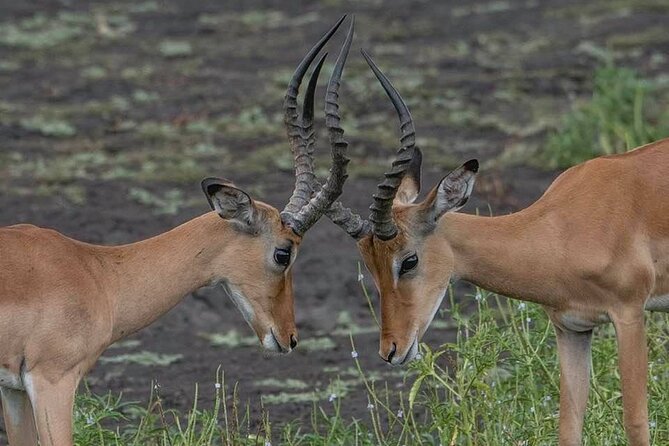
After breakfast, you leave Lobo, Bologonya, and the Mara area and travel toward central Serengeti. The transfer is listed at about three hours, followed by a full day of game driving, for roughly 10 hours in total.
Central Serengeti adds variety to the northern search. The park is described as a huge open plain, and the area is particularly good for feline sightings and predators in general. The migration moves through the wider park in search of fresh pasture, so even outside the north, you remain in an important wildlife zone.
This is a smart route design if you want more than a single migration story. Northern Serengeti focuses on the possible river crossing. Central Serengeti gives you another chance to see lions, cheetahs, leopards, and other predators while following a broader circuit through the park.
The drawback is another demanding road day. You may spend a good part of the day moving between regions rather than sitting in one place. Still, the transfer is also a game drive, so the journey itself can produce sightings. The itinerary lists admission as free for this day, while other park days list admission as included. That wording is unclear, and you should ask the operator to explain the difference.
Day 6: Ngorongoro Crater from the rim to the floor
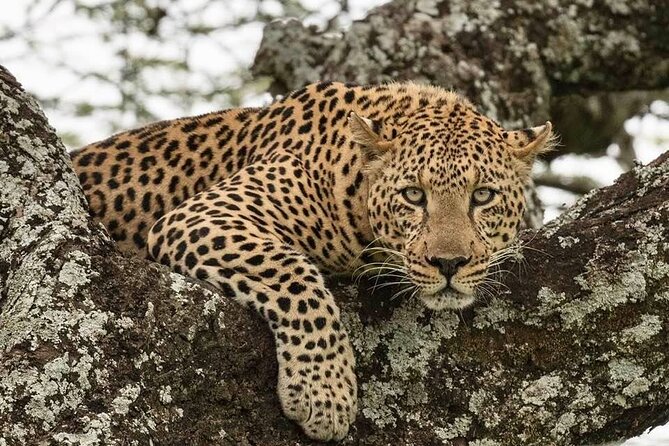
On Day 6, you leave Serengeti for the Ngorongoro Conservation Area. The transfer is listed at about two hours, followed by a descent into Ngorongoro Crater for a game drive and picnic lunch. The full activity is planned for about seven hours.
Ngorongoro is valuable because wildlife is concentrated within the crater. Rather than covering huge distances in search of animals, you may find many species in a relatively contained area. The crater also changes the visual rhythm of the safari, replacing the wide Serengeti plains with steep walls and a dramatic enclosed setting.
The conservation area is also more than a wildlife park. Maasai people and their livestock live there alongside wild animals. That shared use is an important part of the place, though this itinerary does not specify a separate Maasai visit or cultural activity. Do not assume one is included unless it is added to your confirmed plan.
The crater is an excellent final full safari day because it can deliver a concentrated set of sightings after the longer Serengeti drives. A picnic lunch keeps you in the area, but the day remains fairly short compared with the 10-hour Serengeti outings.
Day 7: Karatu to Arusha or Kilimanjaro Airport
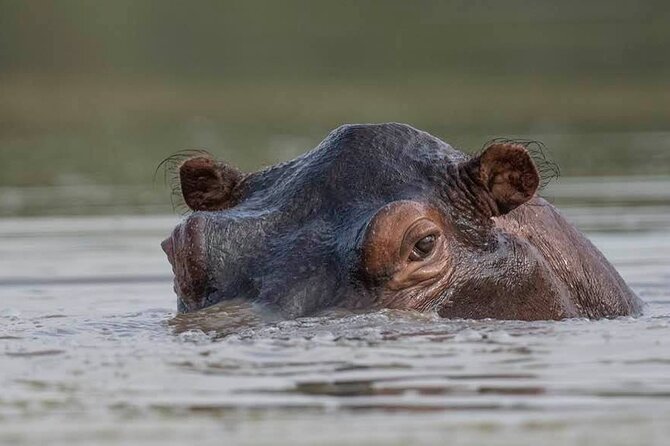
The final morning is deliberately light. You can relax at the lodge or shop if time allows, then transfer from Karatu toward Arusha or Kilimanjaro Airport. The drive is listed at about two to three hours.
This finish is useful if your flight schedule allows a slow morning. It is less comfortable if you have a tight departure time, so confirm the drop-off plan and allow plenty of room for delays. The published end point is back at the meeting point, but the itinerary also says transfer to Arusha or Kilimanjaro Airport, so state your preferred destination when arranging the trip.
The last day will not add a major park visit. Its value is practical: you return to the airport without trying to force another long game drive into the schedule.
The private 4×4 and guide make a real difference
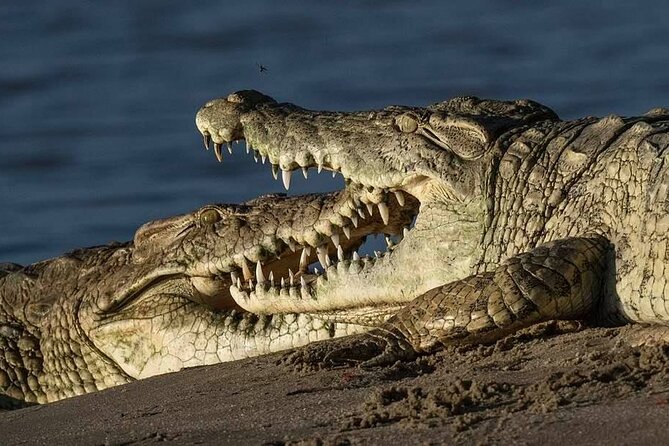
You travel in a 4×4 Land Rover or Toyota Land Cruiser with a professional safari guide. The private format means only your group participates, which is one of the strongest features of this experience.
Safari guiding is not just about naming animals. Your guide helps decide where to spend time, how to approach a sighting, and when a long drive is worth the effort. The strongest praise connected with this company centers on guides such as Thomas, Ismail, Jackson, Samwel Mangulai, Evarest, and Kisamo.
Thomas is repeatedly associated with warm service, safety, and a strong effort to find good sightings. Ismail is described as an effective guide for the Big Five and the wildebeest crossing. Jackson has led both family trips and Great Migration safaris, including a January itinerary where he spoke very good Italian as well as English. Samwel Mangulai received particular praise for finding spectacular wildebeest sightings during a short safari.
You cannot assume that a particular guide will be assigned to your booking. If language is important, ask about it before you pay. The guide can make a major difference on long days, so this is one detail worth discussing directly with the company.
Accommodation, meals, and what to confirm
The route uses lodges and tented camps, based on the accommodation details associated with similar trips from the operator. The available information describes stays as comfortable, with pleasant accommodation, good beds, scenic settings, and welcoming staff.
The day-by-day plan specifically includes picnic lunches on the Tarangire and Ngorongoro days. It does not provide a full list of included meals, lodge names, room categories, drinks, or camping arrangements. Ask for those details in writing before booking.
I would also confirm:
- The exact lodge or tented camp for each night
- Whether breakfast and dinner are included
- Whether park fees are included on every park day
- The final airport or Arusha drop-off
- Whether Manyara replaces Tarangire or is added to the route
- The language available from your assigned guide
The experience is non-refundable and cannot be changed for any reason once booked. That makes date selection and written confirmation especially important.
Is $3,900 a fair price?
The price can be reasonable for a private seven-day safari through northern Tanzania, but the value depends on the final package. Private guiding and a dedicated 4×4 cost more than a shared departure, and this route covers several major parks rather than one compact area.
You also pay for access to northern Serengeti during the migration season, when demand is high. The long drives are not a flaw in the pricing by themselves. They are the tradeoff for reaching the Mara region and then returning through central Serengeti and Ngorongoro.
Still, $3,900 is too much to judge from the headline alone. Compare the full inclusion list rather than just the number. If park fees, accommodations, meals, airport transfers, and private transport are all included, the package may offer solid value. If some of those are extra, the final cost could be much higher.
The 4.9 rating from 71 reviews and 99 percent recommendation figure suggest a strong record, particularly for organization, guide quality, communication, accommodation, and tailor-made planning. I would treat those figures as encouraging, not as a promise of a migration crossing.
Who should book this safari?
I would recommend this trip to you if your main goals are:
- Seeing northern Serengeti during the July to October migration period
- Having a private vehicle and guide
- Combining migration country with Tarangire and Ngorongoro
- Spending long days on game drives
- Building a trip around wildlife rather than a relaxed lodge schedule
- Traveling as a couple, family, honeymooners, or a small private group
Families can benefit from the private format because the pace is easier to adjust. The company has also handled family trips, including a safari with a 10-year-old child, and has arranged custom itineraries for families arriving with short planning windows.
I would think twice if you dislike long road transfers or want guaranteed river-crossing action. You should also ask for a revised schedule if Manyara is essential to you, since the published destination list and daily route do not match.
Should you book the Great Migration Safari in Tanzania?
Book it if you want a focused northern Tanzania safari with a real chance of seeing the migration and the freedom of a private 4×4. The mix of Tarangire elephants, northern Serengeti herds, central Serengeti predators, and Ngorongoro wildlife gives you more depth than a short single-park trip.
Before committing, confirm the exact parks, guide, accommodations, inclusions, and airport transfer in writing. Most important, approach the river crossing as a possibility rather than a guarantee. With those points settled, this is a strong choice for you if wildlife comes first and you are ready for several long days on Tanzania’s roads.
FAQ
Where does the safari start?
The safari starts at Kilimanjaro Airport in Tanzania. The stated start time is 7:00 a.m.
Where does the safari end?
The activity ends back at the meeting point. The final transfer can go toward Arusha or Kilimanjaro Airport, so confirm your preferred destination with Savannah Explorers.
How long is the safari?
The safari lasts approximately seven days.
Is this a private safari?
Yes. Only your group participates in the activity, and transport is provided in a 4×4 Land Rover or Toyota Land Cruiser.
Which parks and areas are included?
The planned route covers Tarangire, northern Serengeti, central Serengeti, and Ngorongoro. Manyara appears in the destination summary, but it is not listed as a separate stop in the daily itinerary, so you should confirm whether it is included.
When is the best time to look for the Great Migration on this route?
The northern Serengeti section is intended for the Great Migration from July through October, when herds may gather before crossing the Mara River. A specific river crossing is not guaranteed.
Just added around Kilimanjaro
- Mt Kilimanjaro 6 days Marangu route hike★ 5.0 · 3 reviews
- Wildlife Extravaganza: Manyara, Tarangire & Ngorongoro in 3 Days★ 5.0 · 3 reviews
- Private Cycle to Kilimanjaro Bike Park Safari★ 5.0 · 6 reviews
- machame route★ 5.0 · 16 reviews
- 3 Days Private E-Bike Tour in West Kilimanjaro★ 5.0 · 3 reviews
- West Kilimanjaro cycling Adventures★ 4.5 · 8 reviews
- Kilimanjaro Climb & Safari – Lemosho Route – 13 Day★ 5.0 · 10 reviews
- Kilimanjaro Climbing Umbwe Route★ 5.0 · 3 reviews
Kilimanjaro Tours, compared.






Climbing Kilimanjaro through 7 days Machame Route
Read our review →
