
Reviewed · WILDLIFE
7 Days Cultural and Wildlife Safari
This safari packs Tanzania’s best-known parks and two unusual cultural visits into one fast-moving week. You get Serengeti game drives, a crater safari in Ngorongoro, elephants among Tarangire’s baobabs, and the rare chance to spend time with Hadzabe and Datoga communities. The Lake Natron stop adds flamingoes and a waterfall walk, not just another vehicle-based wildlife day.
I like two things here: the private format, which means only your group takes part, and the range of experiences beyond standard game drives. Gilmag’s Mary is described as especially helpful when shaping plans around budget and changing schedules, while guide Erick has a strong reputation for finding animals and offering calm advice around lions. The main drawback is the pace: several long drives, early starts, packed lunches, and one night in many places leave little room for rest.
Key reasons to consider this safari
- Lake Natron combines Maasai culture, flamingoes, and a 2 to 3 hour waterfall hike.
- Lake Eyasi brings you close to Hadzabe hunting traditions and Datoga village life.
- Serengeti and Ngorongoro provide the tour’s strongest wildlife days.
- Tarangire is a smart final stop for elephants, baobabs, and quieter game viewing.
- Private travel gives your group more control than a large shared departure.
- Meals, bottled water, park fees, taxes, and Flying Doctor evacuation cover are included.
A seven-day safari with far more than the Big Five
The usual Northern Circuit route gives you famous wildlife, but this trip adds a human and geological side that many shorter safaris skip. You begin with Lake Natron, move through Manyara and Lake Eyasi, then reach Olduvai Gorge, Serengeti, Ngorongoro, and Tarangire.
That variety is the tour’s strongest point. You might watch flamingoes gather on a salt lake one day, follow a Hadzabe hunting party the next, then search for lions on the Serengeti plains. The route also shows how different Tanzania can feel from one region to the next.
At $3,748 per person, this is not a budget safari. Still, the price covers seven breakfasts, seven lunches, six dinners, bottled mineral water, taxes, park and activity fees, and emergency evacuation through Flying Doctor. Since it is a private activity, the cost can make better sense for a small group that wants flexibility rather than a fixed seat in a large vehicle.
You should also understand what the price does not cover. Tips for the guide are separate, and the itinerary does not name each lodge or tented camp. Ask for the exact accommodation list before paying, especially if bedding, bathroom style, or camp location matters to you.
A few more Kilimanjaro trips to weigh up
- Safari Serengeti And Ngorongoro
★ 5.0 · 288 reviews - Big Five Safari In Tanzania
★ 5.0 · 99 reviews - Unforgettable Tanzania Safari And Zanzibar Beach
★ 5.0 · 97 reviews
Day 1: Lake Natron and the Ngaresero waterfalls
After meeting Gilmag Safaris at Kilimanjaro International Airport, you receive a briefing before the drive toward Lake Natron. The route covers about 136 kilometers west of Arusha, but road conditions and gate clearances can make this feel like a full travel day.
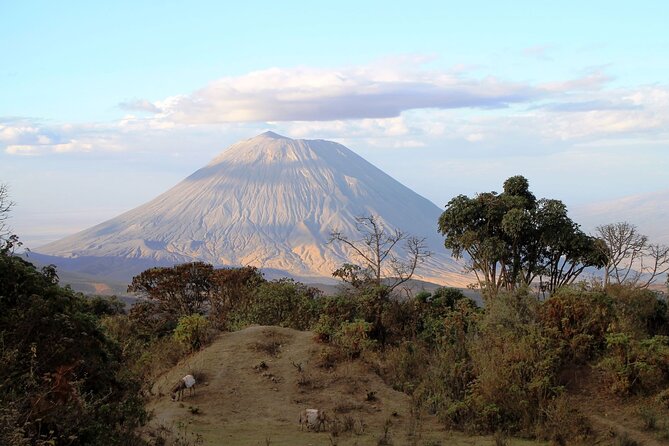
At Lake Natron, a local Maasai guide accompanies you through the gates and toward the Ngaresero River valley. The round hike takes about two to three hours and follows the riverbed, with several waterfalls where you can cool off. This is a welcome change from sitting in a safari vehicle, but you should be ready for uneven ground and a physical walk.
The cultural element matters here. You are not simply passing through a scenic stop. A local Maasai guide helps connect the river, the lake, and nearby semi-nomadic life. The experience is best for you if you want a more active first day and do not mind arriving tired at the lodge.
Day 2: Flamingoes, early walking, and Lake Manyara
Day two starts very early with an easy guided walk from the lodge toward the southern part of Lake Natron. The goal is to see the lake’s ecological variety and its flamingo breeding sites.
The number given for the flamingoes is huge, with as many as two million birds migrating to Lake Natron to nest during the dry season. Their presence depends on conditions, so you should treat the figure as a seasonal possibility rather than a guarantee on your particular morning. Even without a perfect bird spectacle, the salt lake setting gives this day a very different feel from the grasslands ahead.
The walk also includes a visit to an ancient human footprint site believed to date back roughly 120,000 years. That detail gives the outing real weight. You are looking at a place tied not only to wildlife, but also to early human movement around the Rift Valley.
After the lake visit, you leave through the three gates and drive toward Lake Manyara National Park for game viewing. The supplied schedule gives only a short outline for the Manyara portion, so confirm whether the park drive occurs that afternoon and where you sleep that night. Manyara is known on this route for forest, monkeys, birds, and varied scenery, but the amount of time available may depend on the morning’s activities and the road journey.
Day 3: Hunting traditions around Lake Eyasi
Lake Eyasi is one of the most distinctive parts of the trip. You leave with a packed lunch for time with the Hadzabe, one of East Africa’s last hunter-gatherer communities.
The visit includes a hunt using strong bows and arrows. The arrows are described as being treated with poison from the Desert Rose, while bow strings traditionally use giraffe tendon. This is a striking look at practical skills shaped by the local environment, but you should approach it with respect. The value is not in treating the visit as a staged show. It is in listening, observing, and remembering that these are living communities, not museum displays.
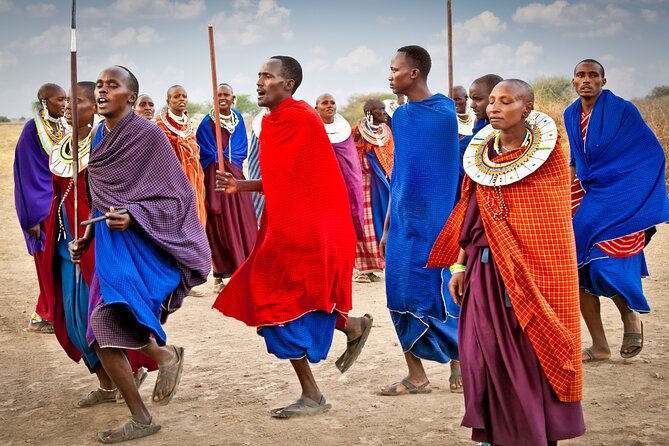
The Hadzabe language has links to the click languages of southern Africa, and their food traditions include many wild fruits and berries. You also meet members of the Datoga tribe, adding a second cultural perspective to the day.
A packed lunch keeps the schedule moving, though this is another day without much downtime. If you are mainly interested in large animals, Lake Eyasi may feel like a detour. If you want the safari to include present-day culture and older ways of living, it may be the most memorable stop.
Same country, a completely different kind of safari:
- Kilimanjaro climb by Lemosho Route (7-day)
★ 5.0 · 651 reviews - Kilimanjaro climb, Machame Route (7-day)
★ 5.0 · 262 reviews - Kilimanjaro Climbing Lemosho Route 8 Days.
★ 5.0 · 186 reviews - Climbing Kilimanjaro – Machame Route
★ 5.0 · 170 reviews
Day 4: Olduvai Gorge and the road into Serengeti
The fourth day takes you through the Ngorongoro Conservation Area toward Serengeti National Park. A stop at the Ngorongoro rim provides your first broad view of the crater, and the sight is a strong preview of the following day.
You then pass Olduvai Gorge, associated with the Leakey family and fossil discoveries dating back almost two million years. The area contains fossilized bones and stone tools that have helped scientists study human origins in Africa. The museum stop gives the wildlife itinerary a useful second layer: you are not only watching animals, but also moving through a region central to the story of early humans.
The route continues into the Serengeti, whose name means endless plain. The park covers about 6,900 square miles, and its scale becomes clear as the road opens out toward distant grassland. This is a long transfer day, but it is not empty time. Animals may appear along the way, and the change from crater rim to open plain is one of the trip’s great visual shifts.
Ask how much time you will have at Olduvai Gorge and at the crater rim. Exact stop lengths are not specified, and the practical balance may change with road conditions and wildlife sightings.
Day 5: A full Serengeti game drive
The fifth day is devoted to a full game drive with a packed lunch. That is important because the Serengeti is too large for a quick morning visit to do it justice.
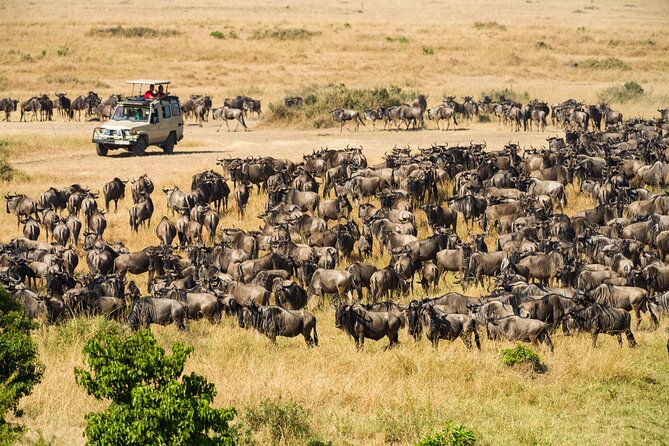
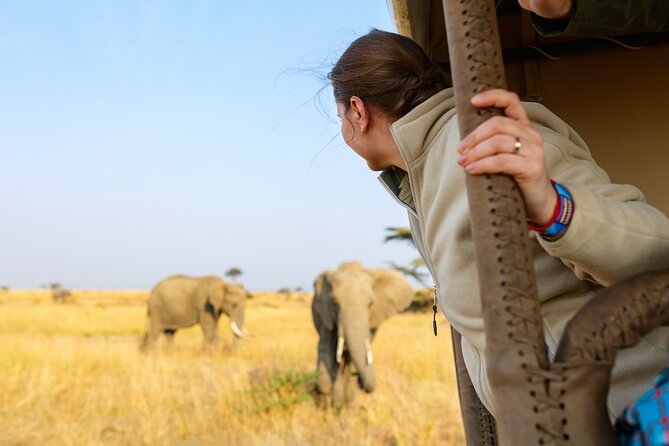
The Seronera area gives access to a wide range of habitats, including woodland, swamps, soda lakes, and short-grass plains. You may see elephants, buffalo, gazelles, zebra, lions, and other predators and herbivores. The resident wildlife makes Serengeti worthwhile outside the migration season, even though timing affects where the largest herds are found.
The migration is described as usually passing through the area in April, May, and November. Do not book this tour solely for a guaranteed migration sighting. The route can reach both the southern plains and the Mara River area, but animal movement changes from year to year.
A full day in one park is a major advantage. You have more time to wait quietly at a sighting and less pressure to rush from one park gate to another. The tradeoff is a long day in the vehicle, followed by dinner and another early start.
Day 6: Descending into Ngorongoro Crater
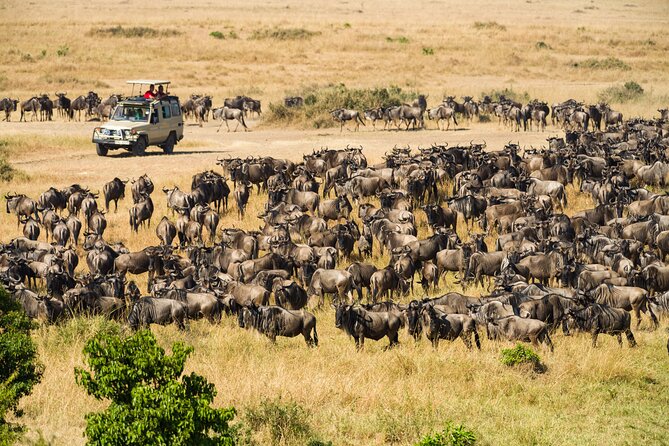
After breakfast, you drive toward the Ngorongoro Conservation Area and descend more than 600 meters into the crater. The crater’s enclosed setting makes this feel different from the open Serengeti. Grassland, woodland, water, and the crater walls create a compact area where many animals can be found.
The day may bring wildebeest, zebra, buffalo, eland, warthogs, hippos, and large African elephants. Lake Magadi, a shallow alkaline lake in the southwest corner, is one of the key stops and can attract wildlife as well as birds.
This is also the best part of the itinerary for looking for black rhinoceros. A sighting is never promised, but the crater gives you a serious chance to search in the right habitat. Your packed lunch is planned for the hippo pool, which saves time and keeps the day focused on the crater.
The drawback is timing. A full crater visit after a night in Serengeti means another early departure and a demanding day. The crater is a must-see for many people, but you should not expect a leisurely picnic-style outing.
Day 7: Tarangire’s elephants and baobabs
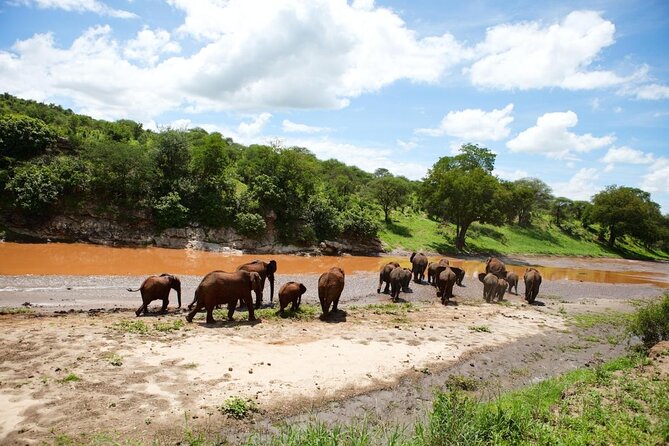
The final day moves to Tarangire National Park after an early breakfast. A short drive brings you into a park known for large elephant numbers and its striking baobab trees.
You eat a packed lunch overlooking the Tarangire River, then continue with an afternoon game drive. Possible sightings include elephants, leopards, ostriches, lions, warthogs, zebra, and cheetahs. Wild dogs are also listed as a possibility, though this is an endangered and uncommon sighting.
Tarangire is sometimes left off shorter Northern Circuit trips in favor of parks closer to the main route. That makes its inclusion worthwhile, particularly if you want elephants and big trees rather than another open plain. The park can also feel less pressured than the most famous stops, although the schedule still gives you only one day.
The listed duration is about 12 hours, so do not treat this as a gentle final morning. It is a full safari day and the trip ends back at the original meeting point.
How the private setup affects the experience
Only your group participates, which gives you a more personal arrangement than a large shared tour. You can ask questions, discuss the day’s plan, and speak up if you need a break. The format is especially useful for couples, families, or friends who want the same vehicle and guide throughout.
Gilmag’s planning contact Mary has been praised for working through different route options, budgets, and flexible schedules. That is useful here because the itinerary covers a lot of ground and includes several unusual stops. Before booking, use that contact to confirm driving times, accommodation, and how Lake Manyara fits into the second day.
Guide Erick has also earned strong praise for finding important animals in Tarangire, Serengeti, Ngorongoro, and Manyara. You cannot assume he will lead every departure, so request him if that is important to you. More broadly, ask who your actual guide will be and how many people are in your private group.
What is included, and what you still need to plan
The tour includes:
- Seven breakfasts
- Seven lunches
- Six dinners
- Bottled mineral water throughout
- All listed fees and taxes
- Flying Doctor emergency evacuation
- Park and admission fees where stated
The missing dinner is likely connected to the final day, but the supplied details do not explain it. Ask when the last dinner is served and where you will eat after the Tarangire drive.
Tips for the guide are not included. Carry a separate amount for that purpose and ask Gilmag for current guidance before departure. The tour offers pickup at Kilimanjaro International Airport and returns to the meeting point at the end.
Confirmation is normally issued at booking. If you book within 12 hours of departure, confirmation is subject to availability. The activity is non-refundable and cannot be changed after cancellation, so this is a poor choice if your dates remain uncertain.
Who should book this seven-day route?
I would choose this safari if you want a concentrated first look at Tanzania and value variety over slow travel. It suits people who want famous parks but also care about Maasai, Hadzabe, and Datoga culture, human origins, walking, and unusual scenery.
It is less suitable if you dislike rough roads, early breakfasts, long vehicle days, or changing accommodation. The route is ambitious. You cover four major parks or conservation areas, Lake Natron, Lake Eyasi, Olduvai Gorge, and several cultural stops in only seven days.
Families may appreciate the private format, but the waterfall walk and packed schedule require enough stamina. Most people can participate, according to the activity details, yet the physical effort at Ngaresero and the repeated early starts still deserve honest consideration.
Should you book it?
Book this safari if your priority is a broad, active introduction to northern Tanzania and you want more than a parade of game drives. The strongest features are the private vehicle, Serengeti and Ngorongoro coverage, Lake Natron’s flamingoes and waterfalls, and Lake Eyasi’s rare cultural access.
Before committing $3,748, ask for the full lodge and tented camp list, the exact Lake Manyara schedule, the name of your guide, and the expected driving times. If you are comfortable with the pace and the strict cancellation terms, Gilmag’s route gives you an unusually full week of wildlife, scenery, and culture.
FAQ
Where does the safari start?
The safari starts with pickup at Kilimanjaro International Airport on Kilimanjaro Airport Road in Tanzania.
Where does the safari end?
The activity ends back at the original meeting point.
How long does the safari last?
The safari lasts approximately seven days.
Is this a private tour?
Yes. Only your group participates in the activity.
Which national parks are included?
The route includes Lake Manyara National Park, Serengeti National Park, Ngorongoro National Park or Conservation Area, and Tarangire National Park.
Does the safari visit Lake Natron?
Yes. The Lake Natron portion includes a Maasai-guided walk toward the Ngaresero River waterfalls, a lake visit, and flamingo viewing.
Is Lake Eyasi included?
Yes. The Lake Eyasi day includes a hunt with the Hadzabe and time with the Datoga tribe.
Are meals included?
Yes. Seven breakfasts, seven lunches, and six dinners are included.
Are guide tips included in the price?
No. Tips for the guide are not included.
More 7-Day Experiences in Kilimanjaro
- Climbing Kilimanjaro through 7 days Machame Route
★ 5.0 · 151 reviews - 7 Days Kilimanjaro via Machame route affordable price
★ 5.0 · 110 reviews - Private Kilimanjaro Hike 7 Day Lemosho Route
★ 5.0 · 60 reviews - 7-Day Magical Tanzania Safari -Premium High End Package
★ 5.0 · 53 reviews
Just added around Kilimanjaro
- Mt Kilimanjaro 6 days Marangu route hike★ 5.0 · 3 reviews
- Private Cycle to Kilimanjaro Bike Park Safari★ 5.0 · 6 reviews
- Wildlife Extravaganza: Manyara, Tarangire & Ngorongoro in 3 Days★ 5.0 · 3 reviews
- 3 Days Private E-Bike Tour in West Kilimanjaro★ 5.0 · 3 reviews
- West Kilimanjaro cycling Adventures★ 4.5 · 8 reviews
- machame route★ 5.0 · 16 reviews
- Kilimanjaro Climb & Safari – Lemosho Route – 13 Day★ 5.0 · 10 reviews
- Kilimanjaro Climbing Umbwe Route★ 5.0 · 3 reviews
Wildlife, compared.

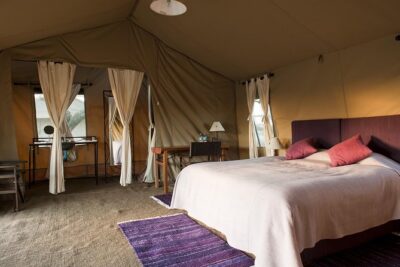
5 Days 4 Nights Tarangire, Serengeti , Ngorongoro & Manyara Wildlife Safari
Read our review →
4 Days Wildlife Safari and Cultural Experience in Tanzania
Read our review →
SAFARI WILDLIFE 3 DAYS 2 NIGHT FROM ZANZIBAR TO MIKUMI
Read our review →
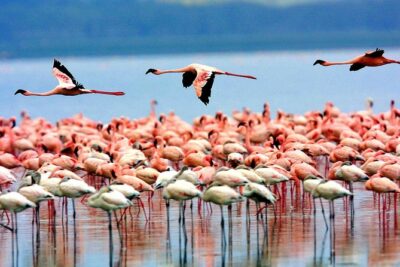
8 Days 7 Nights Tanzania Wildlife & Culture Lodge Safari
Read our review →Browse the lists this tour appears in