
Reviewed · COOKING CLASSES
NGO Lifted Strong – Traditional Tanzanian Cooking Class
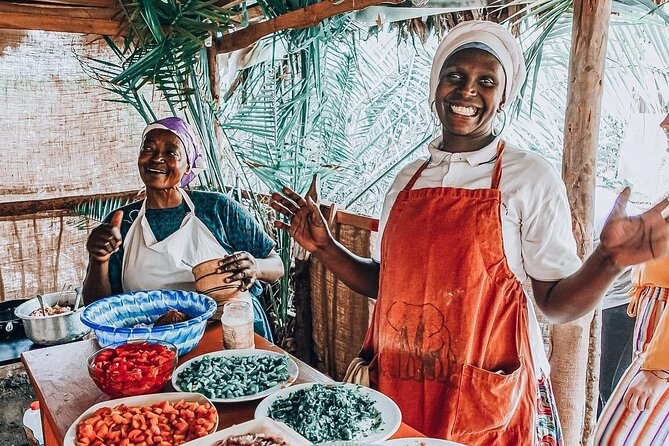
The most meaningful part of this Arusha cooking class is that the meal is only half the experience. You cook alongside women supported by Lifted Strong Community Organization, known as LISCO, while learning how everyday Tanzanian food comes together. I like the direct community connection and the chance to learn useful Swahili food names. I also like that Joyce and her team can discuss your preferred dish, vegetarian needs, or allergies before the class.
The main consideration is that this feels more like cooking together than a formal chef-led lesson. You may not receive a polished demonstration with a printed recipe for every step, and the walk from central Arusha can feel a little long. Still, the small group, flexible menu, and social setting make this a strong value at $50.
Key points to know before booking
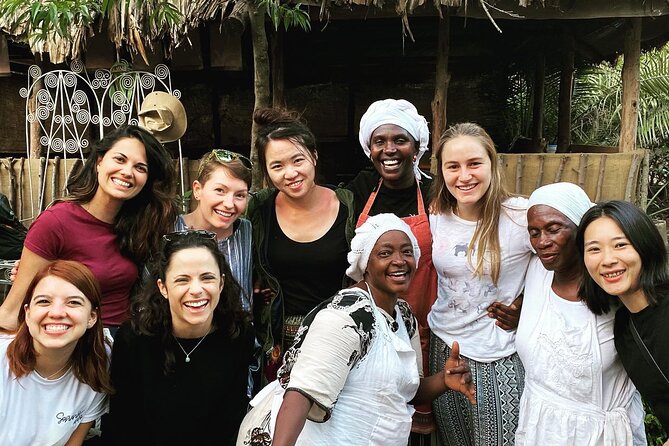
- Cook with LISCO’s Mamas: You prepare food with local women connected to a community organization that supports women facing poverty, HIV, domestic violence, and poor health.
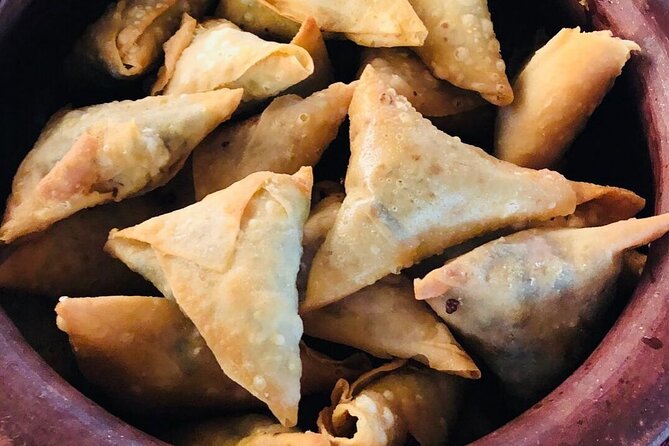
- Choose from familiar Tanzanian dishes: Past sessions have included samosas, soup, ugali with vegetables, rice, and cooked bananas.
- Learn food words in Swahili: Ingredients are introduced with their Swahili names as you prepare them.
- Expect a small group: The class accepts no more than 10 people, which leaves room for hands-on work and conversation.
- Plan around a 2 p.m. start: The activity lasts about three hours and ends at the same meeting point, leaving your evening free.
- Ask about pickup and food needs early: You can meet at the center or arrange pickup, and vegetarian or vegan meals can be accommodated with advance notice.
Cooking with LISCO’s Mamas in Arusha
This experience begins at the Lifted Strong center, listed at MJHR+GF in Arusha, Tanzania. You can meet the team there or ask about pickup when you book. The activity starts at 2 p.m. and runs for about three hours, so it fits neatly into an afternoon without taking over your whole day.
Joyce and her team welcome you into the work of LISCO before, or as part of, the cooking session. The organization supports women dealing with serious hardship, including HIV, domestic violence, poverty, and poor health. That background gives the class more weight than a standard food activity, because your booking helps fund a practical community effort rather than simply paying for a meal.
I appreciate the way the purpose is tied to the activity. You are not just hearing about a charity and then moving on to something unrelated. The cooking itself creates the setting for conversation, shared work, and support.
The class is capped at 10 people. That limit matters here. A very large food group can turn cooking into a demonstration where you stand at the back and watch. With fewer people, you have a better chance to handle ingredients, ask questions, and spend time with the women leading the session.
A few more Arusha trips to weigh up
- Arusha: Traditional Tanzania Cooking Class & Food Market Tour
★ 5.0 · 34 reviews - Cooking and Sewing & Jewelry Workshops in Arusha
★ 5.0 · 14 reviews - Arusha: Traditional Tanzania Cooking class& Food Market Tour
★ 4.9 · 12 reviews
Learning Tanzanian food one ingredient at a time
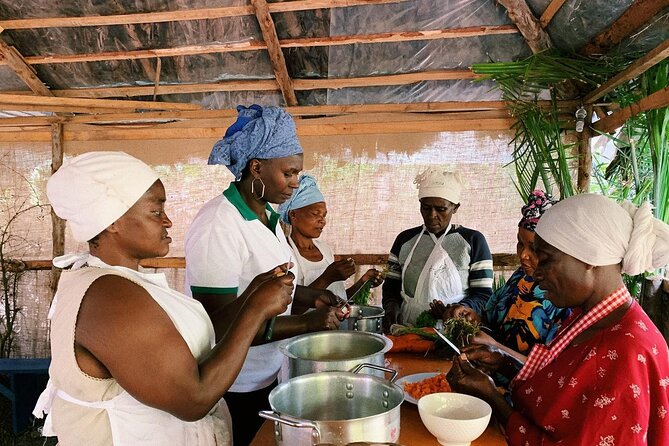
The cooking starts with preparation. You help work with local produce and learn the Swahili names for ingredients as you go. This is a simple idea, but it makes the lesson more useful once you leave Arusha. Instead of memorizing a few isolated words, you connect them to food you have touched, prepared, and eaten.
The exact menu is flexible. Joyce may contact you before the class to discuss what you would like to prepare. That is especially helpful if you want to focus on samosas, or if you have dietary restrictions. Past cooking sessions have included samosas and soup, as well as ugali with vegetables, rice, and cooked bananas.
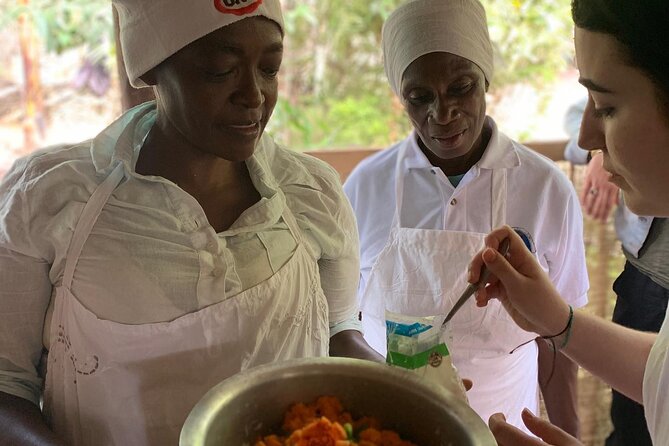
Samosas are a good choice if you want a hands-on lesson. You can expect to work through the techniques rather than simply watch someone else prepare them. One school group used the class to learn how to make samosas, and the Mamas were described as patient and encouraging with the children. That suggests the activity can work well for families and school-age groups, provided the children are comfortable taking part in a kitchen setting.
Ugali offers a different kind of lesson. It is a staple dish made from a stiff maize mixture, usually served with vegetables or other accompaniments. Preparing it alongside rice, vegetables, or cooked bananas gives you a broader look at the everyday food patterns of Tanzania rather than limiting the class to one snack.
Do not expect every session to follow one fixed menu. That flexibility is a benefit if you want to request a dish, but it also means the class is not ideal if you need a guaranteed, tightly scripted recipe lesson. Ask in advance what Joyce and the team plan to make.
A shared meal, not just a cooking demonstration
The strongest part of the class is the social rhythm. You work with the women, talk with them, and then eat what you have prepared. The atmosphere is described as welcoming and friendly, with a focus on getting to know the women as well as learning about the organization.
That makes this a good choice for you if food is a way to meet people. The class is less suited to someone who wants a quiet, technical lesson focused only on knife skills, precise measurements, and restaurant-style presentation.
The food itself is part of the reward. Samosas, soup, ugali with vegetables, rice, and cooked bananas have all featured in sessions. Portions may be generous. One group made enough food to take some home, though you should treat that as a pleasant possibility rather than a promised part of the booking.
I like that the meal gives the afternoon a natural ending. You have worked with the ingredients, shared the preparation, and then get to taste the result. The food is not an afterthought added to a charity visit.
What the $50 price really covers
At $50 per person, this is not the cheapest way to eat in Arusha. You could certainly find a less expensive meal. But the price covers more than food: it supports LISCO, gives you a guided cultural activity, and creates direct contact with the women involved in the organization.
The value depends on what you want from a cooking class. If you want several hours of formal culinary instruction and a take-home recipe booklet, this may feel light. If you want a personal community experience with food at its center, the price is easier to justify.
The small group improves the value. A maximum of 10 people means you are not paying for a crowded production. The class also leaves the rest of your day open, which is useful if you are fitting it around other Arusha plans.
I would think of the $50 as a combined cooking class and community contribution. That is the fairest way to assess it. You are paying for an experience that supports a cause, not just buying a plate of Tanzanian food.
Same country, a completely different kind of safari:
- Balloon Safari & Bush Breakfast in Serengeti – Miracle Experience
★ 5.0 · 1,646 reviews - Tanzania Classic – 7 Days
★ 5.0 · 1,151 reviews - 4 Days Group Camping Safari
★ 5.0 · 1,101 reviews - 5 Days Group Camping Safari
★ 5.0 · 730 reviews
Timing, meeting point, and pickup choices
The scheduled start is 2 p.m., and the class ends back at the meeting point after roughly three hours. This makes the activity easy to place between a morning outing and an evening meal.
The listed meeting point is MJHR+GF, Arusha. Since map codes can be less familiar than street addresses, confirm the exact directions with the operator before setting out. You may meet directly at the center or arrange pickup, so ask about that option when booking.
The center is not right on the main street. A walk there may take longer than you expect, though it is manageable for people comfortable walking through Arusha. Pickup is worth considering if you have limited time, are carrying luggage, or prefer not to navigate to an unfamiliar address.
A mobile ticket is provided, and confirmation arrives at booking. Service animals are allowed, and the center is near public transportation. These details make the outing fairly practical, but they do not replace checking the pickup point and timing ahead of the afternoon start.
Dietary needs and menu planning
Vegetarians and vegans can join the class. You need to tell the team in advance so the menu can be planned properly. Allergies should also be raised before the session, not when the cooking begins.
The flexible menu is one of the activity’s better features. Joyce has worked with participants to choose what they wanted to cook, and vegetarian cooking was handled without difficulty. Still, you should not assume that every ingredient will be automatically suitable for your diet. Send clear information before arrival.
If you are unsure what to request, samosas are a sensible option because they offer several steps and plenty of hands-on preparation. You might also ask about soup, ugali with vegetables, rice, or cooked bananas. The final selection depends on the arrangement made with the team.
Who will get the most from this afternoon
I would recommend this class to you if you want an activity that connects food with local community work. It is particularly suitable for couples, friends, solo visitors, families with older children, and small groups who enjoy taking part rather than sitting back.
It also works well for people with a free afternoon in Arusha. The class is short enough to leave time for other plans, yet long enough to feel like a real activity rather than a quick tasting.
Families should note that this is a working kitchen experience. Children may enjoy shaping and preparing food, and the women have been welcoming with younger participants, but the class is not described as a dedicated children’s program.
I would be more cautious about booking if you want a highly polished culinary school format. The teaching style is personal and informal. You will likely learn through shared preparation, conversation, and repeated practice rather than through a strict sequence of chef demonstrations.
Booking flexibility and the practical fine print
The experience offers free cancellation if you cancel at least 24 hours before the local start time. Changes or cancellations inside that 24-hour window are not accepted for a refund, so keep the 2 p.m. start in mind when making other plans.
The class requires a minimum number of participants. If LISCO cancels because that minimum is not met, you will be offered another date or experience, or receive a full refund.
The activity is often booked about 17 days ahead. That is useful planning information if your Arusha schedule is fixed, especially if you want to request a particular menu or need a pickup arrangement. Confirmation is provided when you book, and the mobile ticket makes the booking easy to carry on your phone.
Should you book the Lifted Strong cooking class?
Book it if you want good food, a small group, and a direct way to support women in Arusha. The class combines samosas, soup, ugali, rice, vegetables, or bananas with Swahili vocabulary and time spent with the LISCO team. Its strongest quality is the human connection.
Before booking, decide if you are comfortable with an informal cooking style and a menu that may change. Contact Joyce or the team early about pickup, allergies, vegan or vegetarian food, and the dish you would like to prepare.
At $50, the experience is best value for you when the community purpose matters as much as the meal. If that is what you are looking for, this is a thoughtful and practical addition to an Arusha visit.
FAQ
Where does the cooking class take place?
The class begins at Lifted Strong Community Organization in Arusha, listed at MJHR+GF, Arusha, Tanzania.
What time does the activity start?
The scheduled start time is 2 p.m.
How long does the cooking class last?
The experience lasts approximately three hours.
Where does the activity end?
It ends back at the meeting point.
How many people can join the class?
The maximum group size is 10 people.
Can I arrange pickup?
Yes. You can meet at the center or arrange pickup with the provider.
What Tanzanian dishes might I prepare?
Possible dishes include samosas, soup, ugali with vegetables, rice, and cooked bananas. The menu can be discussed with the team before the class.
Can vegetarians and vegans join?
Yes. Vegetarian and vegan requests can be accommodated when you provide advance notice.
What is the cancellation policy?
You can cancel for a full refund up to 24 hours before the local start time. Cancellations or changes made less than 24 hours before the start are not refunded or accepted.
Just added around Arusha
- 8 Days Serengeti Migration safari★ 5.0 · 11 reviews
- tarangire, ngorongoro & lake manyara park 3 days private tour★ 5.0 · 11 reviews
- tarangire & ngorongoro 2 days tour★ 5.0 · 14 reviews
- Mt. Kilimanjaro: Shira plateau to Cathedral point 3872m Day hike★ 5.0 · 7 reviews
- serengeti, ngorongoro & tarangire 4 days private tour★ 5.0 · 18 reviews
- serengeti & ngorongoro 3 days private tour★ 5.0 · 15 reviews
- 2 Days Tanzania Midrange Group Join Safari★ 5.0 · 7 reviews
- climb the KILIMANJARO via Lemosho route★ 5.0 · 4 reviews
Cooking Classes, compared.
Half-Day Kuza Cave Swimming Adventure and Cooking Class
Read our review →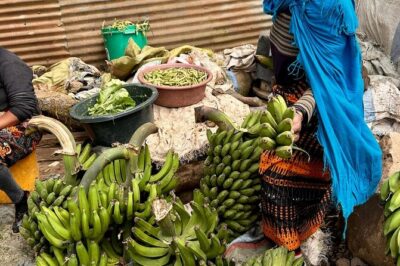
Traditional Tanzania Cooking Class & Food Market Tour
Read our review →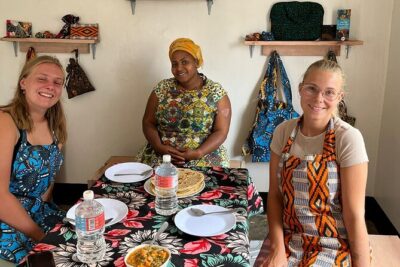
Cooking and Sewing & Jewelry Workshops in Arusha
Read our review →
Mnemba Dolphin Tour, Clear Kayak, Cooking Class, Horse Riding
Read our review →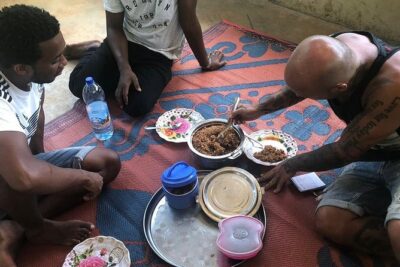
Traditional Zanzibar Cooking Class including Spice Tour
Read our review →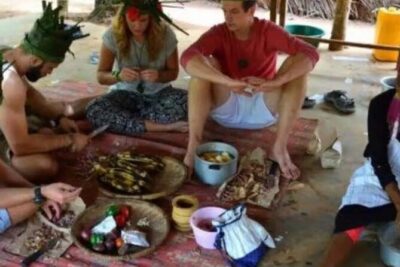
A private half day spice farm with a cooking lesson
Read our review →Browse the lists this tour appears in