
Reviewed · ZANZIBAR SPICE FARM TOURS
A private half day spice farm with a cooking lesson
Zanzibar’s spice story makes the most sense with your hands and nose involved. On this private outing, you walk among vanilla, cardamom, nutmeg, tropical fruits, and other plants, then turn what you have seen into a Swahili meal in a local home. The cooking lesson is the tour’s most personal touch.
I like the private format, since your group can set its own pace and ask questions without strangers crowding the walk. I also like the link between farm and kitchen: you do not just see spices on a display table, you learn how they fit into food such as coconut rice, pilau, and roasted plantains. The main drawback is the road time. One account describes about an hour in the car each way, so the half-day label can feel tight.
Key points at a glance

- Vanilla, cardamom, and nutmeg in the ground: See spices as living plants rather than packaged souvenirs.
- A cooking lesson in a local home: Prepare traditional Zanzibar food and eat what you make.
- Private transportation and hotel pickup: The day begins and ends where you are staying.
- Guides such as Machano, Messa, and Mussa: The strongest praise centers on clear explanations, friendly service, and good communication.
- Fresh tropical fruit to taste: The farm visit includes fruit tasting, not only plant identification.
- About $90 per person: The price makes more sense for couples, families, or small groups who value private transport and a hands-on meal.
Why Zanzibar is called the Spice Island
Zanzibar’s nickname is not just a souvenir-shop slogan. The island has long been associated with the cultivation and trade of spices, and this outing gives you a simple way to understand that connection.
Instead of encountering cinnamon, vanilla, or nutmeg in jars, you see plants growing in soil. Your guide explains what you are looking at and how spices may be used in cooking and, according to the tour information, in traditional medicine. That context is useful because many familiar kitchen spices look nothing like the dry ingredients in your cupboard.
The tour heads north from Zanzibar City after breakfast, with pickup set for 10:00 a.m. The exact farm is not named, but the setting is a working spice plantation or farm rather than a city attraction. You should expect a tropical walk, plant explanations, and time to look closely at fruit and spice crops.
The experience is especially good for people who enjoy learning through touch and taste. You may smell leaves, inspect pods, and sample tropical fruit during the visit. The precise fruit selection changes with the farm and season, so it is best to treat the tasting as part of the pleasure rather than expect a fixed menu.
More Zanzibar Spice Farm Tours in Zanzibar City
- Zanzibar: Stone Town, Spice Tour, Prison Island with Lunch
★ 4.4 · 1,219 reviews - Zanzibar: Prison Island, Stone Town, & Spice Farm Tour
★ 4.5 · 579 reviews - Zanzibar: Stone Town, Spice tour & Prison Island with Lunch
★ 4.6 · 453 reviews
The drive north from Zanzibar City
Private transport removes one of the day’s biggest practical problems. You do not need to arrange a taxi to a rural farm, find the entrance, or work out a return trip after the cooking class. Pickup and drop-off at your hotel are included, along with private transportation.
The trip is advertised as an approximate half-day activity, with the supplied duration shown as about four hours and 30 minutes. A past account describes roughly one hour of driving from the hotel to the farm and about three hours spent on the visit and cooking. Your actual timing may vary with your hotel’s location and road conditions.
That matters when planning the rest of your day. If you have a strict lunch booking, a ferry connection, or a sunset activity, leave a generous buffer. The tour begins at 10:00 a.m. after breakfast, but the return time is not stated as a fixed hour.
A private vehicle also makes this a sensible choice for a couple or family that wants an easy outing. You can focus on the guide’s explanations instead of transport details. On the other hand, the value is less obvious if you are staying very close to a farm and could arrange a shorter local visit at a lower price.
Walking through vanilla, cardamom, and nutmeg
The farm portion is the heart of the educational side of the day. Your guide introduces plants including vanilla, cardamom, and nutmeg, along with tropical fruit and other less familiar vegetation. The point is not simply to collect names. It is to connect a plant’s appearance and scent with the way it reaches a Zanzibar kitchen.
Vanilla is likely to be a favorite stop for many people because the finished spice is so familiar, while the growing plant is less so. Cardamom and nutmeg also become easier to appreciate once you see them in their natural setting. The guide may explain their culinary uses and medicinal associations, though the exact depth of the talk depends on the person leading your visit.
The strongest guide feedback is specific rather than vague. Machano is praised for clear information about fruits and spices, good language skills, and an engaging manner. Messa and Mussa are also named in the supplied material. Since more than one guide appears to lead this activity, ask at booking if you have a particular guide in mind, but do not assume that person will be assigned.
Expect a walk rather than a passive garden tour. Wear shoes that you do not mind using on a farm and bring protection from the sun. Bottled water is included, which is helpful in Zanzibar’s warm climate, but you should still dress for heat and humidity.
The farm is not presented as a formal botanical garden with labels, galleries, or a large visitor center. That is part of its appeal, but it also means the quality of the visit depends heavily on the guide’s explanations and the condition of the crops on the day you go.
Tropical fruit tasting adds a welcome surprise
The fruit tasting gives the walk an easy, memorable rhythm. You can see plants, hear about their uses, and then try some of the produce. Several accounts single out the fruit as delicious, and this part may be especially enjoyable if you are curious about flavors you do not often find at home.
Do not confuse this with a full food market tour. The information promises tropical fruits, spices, and other plants, but it does not list the exact varieties or amount you will taste. A good approach is to arrive curious and flexible.
The fruit also sets up the cooking class nicely. You have already spent time thinking about ingredients in their growing environment before moving on to food preparation. That connection gives the meal more meaning than a standard restaurant lunch.
Same country, a completely different kind of safari:
- From Zanzibar: Mikumi Safari Day Trip with Flights and Meal
★ 4.7 · 1,470 reviews - From Zanzibar: Day Selous Game Reserve Safari with Flights
★ 4.7 · 1,025 reviews - Quad Adventures in Zanzibar: Nungwi / Kendwa
★ 4.9 · 640 reviews - Stone Town Private Walking Tour
★ 5.0 · 371 reviews
Cooking Swahili food in a local home
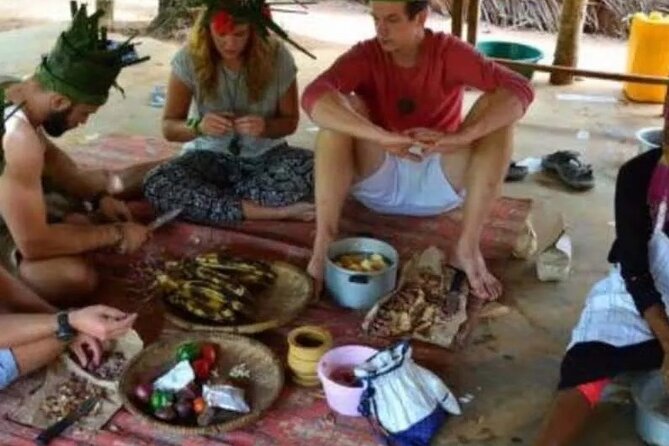
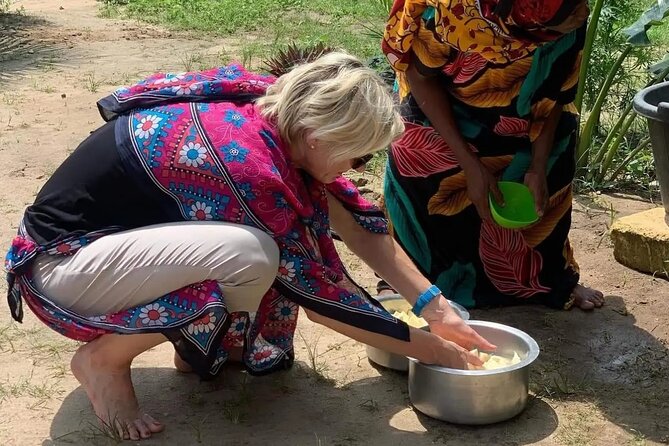
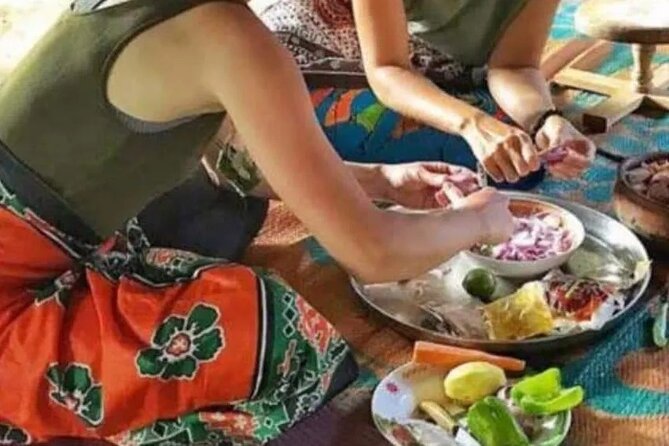
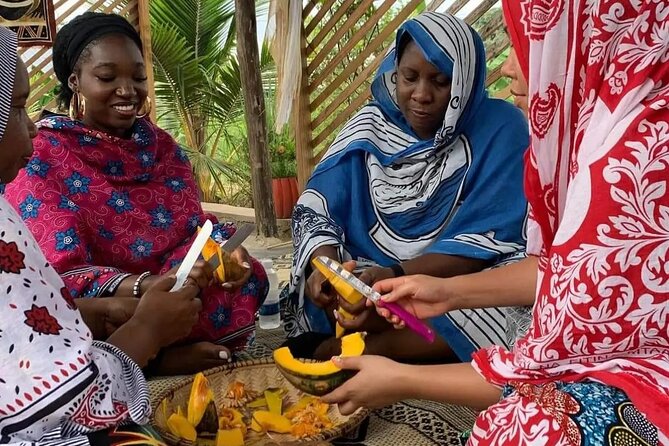
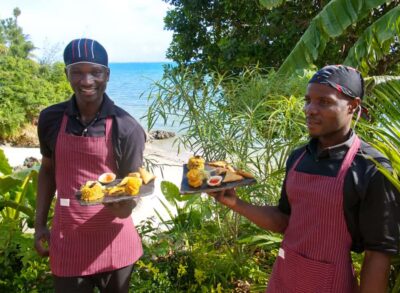
After the farm walk, you go to a local house for the cooking lesson. This change of setting is one of the tour’s best features. You leave the plantation and take part in a household-style activity, learning how a traditional Zanzibar dish is prepared.
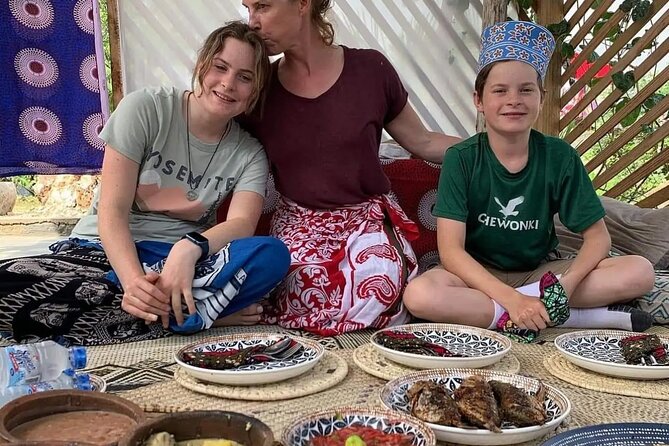
Possible dishes include plain rice cooked with coconut milk, pilau, and roasted plantains. The wording suggests that the exact menu can vary, so do not book expecting one guaranteed recipe. The important part is the hands-on process and the chance to eat the food afterward.
Pilau is spiced rice, and it offers a clear way to see how the flavors introduced on the farm are used in cooking. Coconut rice shows another side of Zanzibar’s food traditions, while roasted plantains bring a simple, familiar ingredient into the meal. The class is therefore more than a demonstration. You help prepare food, then sit down to taste it.
The supplied details include a spoon for cooking, but they do not promise a complete set of cooking equipment or a printed recipe. If you want to recreate the meal at home, ask your guide to repeat measurements and ingredient names while you cook. That small effort can turn a pleasant lunch into a useful take-home lesson.
The cooking class is also the most social part of the outing. You can ask about flavors, preparation, and how the dish fits into everyday life in Zanzibar. Keep your expectations grounded: this is a short cultural activity, not a professional culinary course.
What the $90 price delivers
At $90 per person, the tour is priced as a private, transport-included cultural outing rather than a simple farm entrance. The fee covers private transportation, bottled water, the cooking spoon, and all fees and taxes. Hotel pickup and return are also part of the arrangement.
For two people, the price buys convenience and personal attention. You get a guide for your own group, a farm walk, fruit tasting, and a meal you help prepare. A family may also find the private setup worthwhile because the pace can be more manageable than a large shared group.
The value is weaker if your main goal is only to see a few spice plants. You are paying for the combination of transport, explanation, food preparation, and privacy. If the cooking lesson is your priority, the price is easier to justify.
Alcoholic drinks are not included. Bicycle use is also excluded, though there is no suggestion that a bicycle is needed for the core activity. Bring money only if you want to buy extras or souvenirs, since the listed inclusions do not cover those purchases.
Who will enjoy this outing most
I would recommend this tour to you if you want a cultural activity that feels practical rather than staged. It suits people who enjoy food, gardens, local ingredients, and short guided walks. Couples will appreciate the private format, while families may like having their own vehicle and guide.
It is a good choice after a few days of beaches and swimming. The pace is different, and the farm plus kitchen combination gives you a better sense of daily life and local food traditions.
You may want another activity if you dislike car journeys, outdoor heat, or informal cooking spaces. The experience includes a farm walk and a trip north, and some of the time can be spent on the road. It is also not the right pick if you need a guaranteed menu, exact return time, or formal cooking-school facilities.
Most people can participate, and the meeting information says the activity is near public transportation, but pickup is offered, so you do not need to rely on public transit. The experience is private, meaning only your group takes part.
Practical advice before you go
Book with the weather in mind. The activity requires good weather, and if poor conditions force cancellation, you are offered another date or a full refund. For your own plans, wear light clothing, comfortable footwear, and sun protection for the farm walk.
The booking confirmation is provided at the time of booking. The operating hours shown for the activity are Monday through Sunday, 6:30 a.m. to 10:00 p.m., though the planned departure for this experience is 10:00 a.m.
Cancellation is flexible up to 24 hours before the start time. You receive a full refund if you cancel at least 24 hours ahead. Inside that window, cancellations and changes are not accepted and the amount paid is not refunded. The cut-off follows local Zanzibar time.
Because this is a private activity, the best practical step is to confirm your hotel address, pickup time, and expected return window in advance. Also ask which dish is planned if you have dietary needs. The supplied details do not specify vegetarian, vegan, allergy, or substitution arrangements, so do not assume these are available without checking.
Should you book the Zanzibar spice farm and cooking lesson?
Book it if you want more than a quick plantation stop. The strongest part is the complete chain from crop to plate: you see vanilla, cardamom, nutmeg, and fruit growing, then prepare food in a local home and eat it. The private car and hotel pickup make the day simple, while guides such as Machano, Messa, and Mussa have been praised for friendly service and clear explanations.
Skip it if you want a very short excursion or a polished cooking studio. The drive can take about an hour each way, the menu is not fixed, and the visit is shaped by the farm, the weather, and your guide.
For most people who enjoy food and local culture, $90 is fair for a private half-day outing with transport and a hands-on meal. Confirm the timing and menu, bring sensible clothes for the farm, and treat the day as an introduction to Zanzibar’s spice traditions rather than a formal class.
FAQ
Where does the spice farm and cooking tour take place?
The activity is based in Zanzibar City, Tanzania, and travels north from the city to a spice farm. The cooking lesson takes place afterward at a local house.
What time does the tour begin?
Pickup is scheduled for 10:00 a.m. after breakfast. The listed operating hours are Monday through Sunday from 6:30 a.m. to 10:00 p.m.
How long does the activity last?
The experience is described as a half-day tour lasting approximately four hours and 30 minutes. Timing can vary based on your hotel location and road conditions.
Is hotel pickup available?
Yes. Pickup is offered, and the activity begins and ends at your hotel. Private transportation is included.
Is this a private tour?
Yes. Only your group participates in the activity.
Which spices and plants will I see?
The tour specifically names vanilla, cardamom, and nutmeg. You can also see tropical fruits and other plant species, though the exact selection is not specified.
What food might I prepare?
Possible dishes include plain rice cooked with coconut milk, pilau, and roasted plantains. The exact dish may vary.
What is included in the $90 price?
The price includes bottled water, a cooking spoon, all fees and taxes, and private transportation.
What is the cancellation policy?
You can cancel at least 24 hours before the start time for a full refund. Cancellations or changes made less than 24 hours before the start are not refunded. If poor weather causes the operator to cancel, you are offered another date or a full refund.
More Farms in Zanzibar City
- Full-Day Private Stone Town +Spice Farm and Prison Island Tour
★ 4.5 · 216 reviews - Zanzibar full day Jozani forest + Spice farm and stone town
★ 4.7 · 90 reviews - Zanzibar Private Spice Farm and Stonetown Tour(Include Lunch)
★ 5.0 · 53 reviews - STONE TOWN, PRISON ISLAND AND SPICE FARM ( Lunch included )
★ 5.0 · 53 reviews
More Cooking Classes in Zanzibar City
- Zanzibar Cooking Class [Swahili food test ] and Spice farm Private tour
★ 4.5 · 6 reviews - Spice tour and cooking class (local food)
★ 5.0 · 5 reviews - Mnemba Dolphin Tour, Cooking Class, Spice Tour, Horseback Riding
★ 4.0 · 4 reviews - Zanzibar: Spice Farm Tour with Traditional Cooking Lesson
★ 4.8 · 77 reviews
Just added around Zanzibar City
- Zanzibar: Mikumi Wonderful Safari with Open Jeeps★ 4.9 · 15 reviews
- Zanzibar: Maalum Cave Natural Swimming Pool Tour in Paje★ 4.4 · 3 reviews
- Zanzibar: Jozani Forest Watching Colobus Monkeys Guided Tour★ 4.1 · 7 reviews
- Zanzibar: Jozani Forest, Salaam Cave & The Rock Restaurant★ 3.0 · 4 reviews
- Zanzibar: Jozani Forest Guided Tour,Red Colobus and transfer★ 3.9 · 6 reviews
- Zanzibar: Jozani Chwaka Bay National Park and Spice Farm …★ 4.6 · 5 reviews
- Zanzibar: Horse Riding and Kayaking with Video and Photos★ 4.9 · 10 reviews
- Zanzibar: Half-Day Private in Prison Island Tours★ 5.0 · 4 reviews
Zanzibar Spice Farm Tours, compared.

Stone Town, Spice Tour, Prison Island with Lunch
Read our review →
Stone Town, Spice tour & Prison Island with Lunch
Read our review →
Full-Day Private Stone Town +Spice Farm and Prison Island Tour
Read our review →

The Swahili Spice Experience – Spice Tour + Culinary Journey
Read our review →Browse the lists this tour appears in