
Reviewed · ZANZIBAR SPICE FARM TOURS
Spice tour and cooking class (local food)
Zanzibar’s spices make the most sense when you see the plants, smell the leaves, and then eat the results. This private day in Nungwi combines a farm walk with hands-on cooking, including spice rice, coconut sauce, and other local dishes prepared in a traditional home setting.
I like the small private format, which keeps the day personal, and I like the chance to cook with local women rather than simply watch a restaurant demonstration. The farm visit adds useful context, too. You might see details such as the many varieties of bananas, including a reported 11 types. The main drawback is the long eight-hour schedule, especially if you want a quick activity rather than a full day away from the beach.
Key points to know before booking
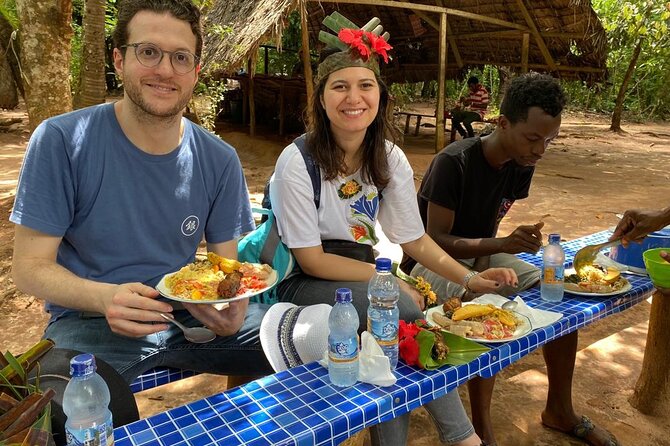
- The farm walk comes first: You tour spice plants and trees before cooking begins, with chances to see, smell, and taste ingredients.
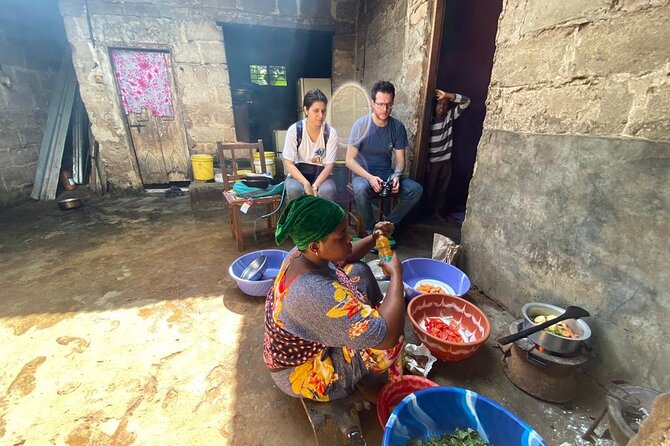
- Cooking takes place in a local home setting: Food is prepared on a cook’s front porch, with an interpreter explaining the process.
- You do more than watch: Expect to help prepare ingredients and follow instructions, though this is not presented as a fully independent chef’s class.
- Guide Sultan is part of the experience: He is identified as one of the main guides and is praised for making the day run well.
- The price covers up to two people: At $155 per group, the value improves when two people share the booking.
- Weather can affect the day: You can cancel for a full refund up to 24 hours ahead, but poor weather may lead to a new date or refund.
A spice farm before the cooking begins
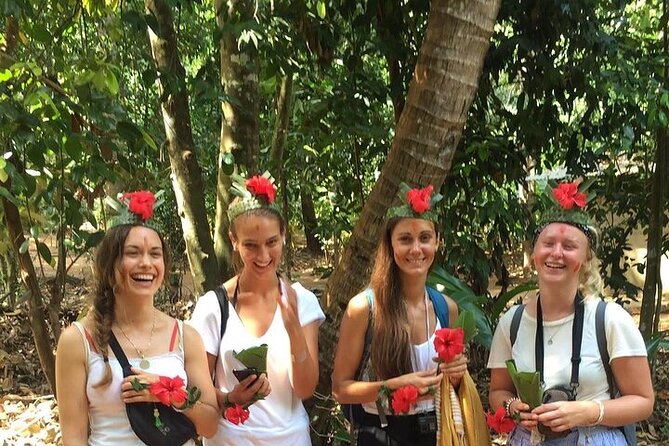
The day starts at a spice farm in or around Nungwi. Instead of meeting spices only as dried powders in a market, you see them growing on the plant. The walk gives you a practical look at the ingredients that shape Zanzibari cooking.
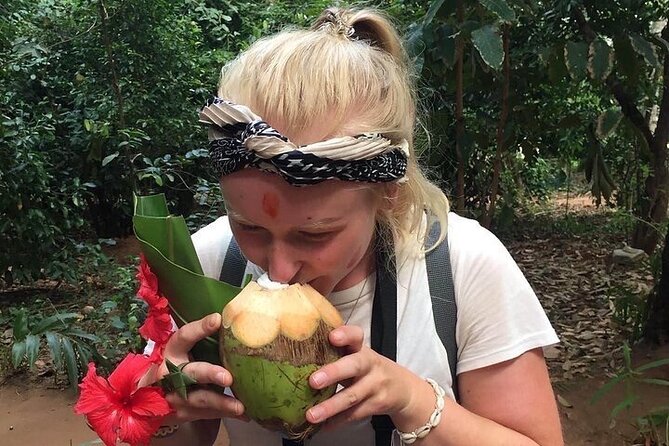
You can expect the guide to point out plants and trees, then encourage you to smell or taste some of what grows there. That sensory part matters. A spice such as cinnamon, clove, or another local ingredient has a different character when it is fresh than when it has been sitting in a jar.
The farm visit also gives the cooking class a clear purpose. You are not simply handed a recipe and told to stir. You first learn where some ingredients come from, then use local food in the kitchen. That connection is one of the strongest reasons to choose this experience over a standard hotel cooking lesson.
The farm can also surprise you with familiar foods in unfamiliar forms. One particularly memorable detail is the chance to learn about 11 types of bananas. That may sound like a small fact, but it shows how much local food culture can be missed when you stick to a resort menu.
The supplied description also refers to picking out ingredients at a local spice market. The exact balance between farm and market may depend on the day, so you should treat the experience as a farm-based food tour with ingredient selection rather than assume a long market-shopping session.
More Zanzibar Spice Farm Tours in Zanzibar City
- Zanzibar: Stone Town, Spice Tour, Prison Island with Lunch
★ 4.4 · 1,219 reviews - Zanzibar: Prison Island, Stone Town, & Spice Farm Tour
★ 4.5 · 579 reviews - Zanzibar: Stone Town, Spice tour & Prison Island with Lunch
★ 4.6 · 453 reviews
Cooking on a local front porch
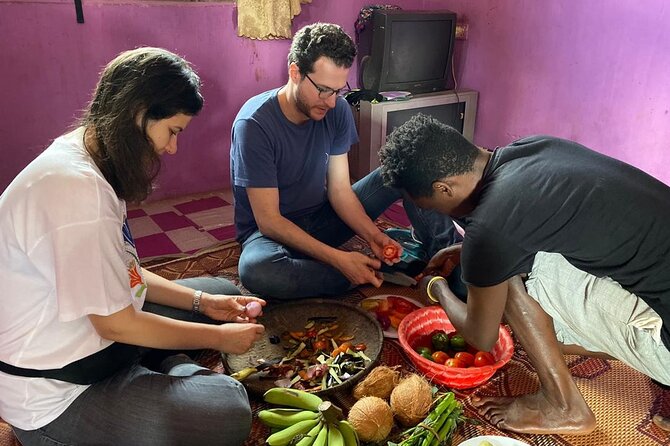
After the walking tour, you move into the cooking part of the day. The class uses traditional methods and takes place at a cook’s front porch, rather than in a polished culinary school. I see that as a strength if your main goal is contact with everyday food traditions.
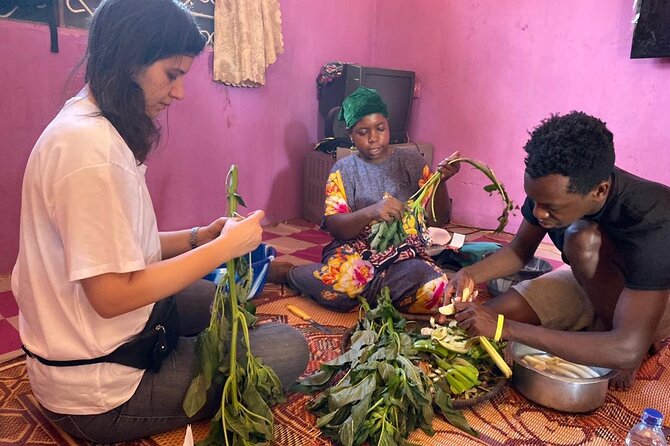
You will receive instructions and help prepare the ingredients. The class is hands-on, but the available details suggest that much of your role may involve chopping, sorting, and assisting rather than cooking every element from start to finish. One participant described the activity as mostly preparing the ingredients, so book this for the local setting and shared work, not for a formal chef-training session.
An interpreter helps explain what is happening. That is important because the value of a home-based class depends on understanding the steps, tools, and reasons behind them. The quality of that communication can shape the day, and the experience is specifically arranged with interpretation.
The menu includes local food, spice rice, and coconut sauce. The full selection may vary with available ingredients, but you should expect a range of dishes rather than a single recipe. You learn a cooking style that is hard to find in many cities, then eat what you helped prepare.
Cooking in a local home also changes the pace. This is not a quick class designed to rush you through a recipe before the next group arrives. The private format allows your group to spend the day with the guide and local cooks, though it can also mean the schedule feels relaxed and less tightly timed than a commercial kitchen session.
The meal is the payoff
At the end, you sit down and enjoy the food you made. That shared meal is more than a final course. It lets you taste how the spices, rice, coconut, and other ingredients work together after you have seen and handled them.
I like this structure because the meal has a clear story behind it. You walked through the farm, learned about ingredients, helped with preparation, and then ate the finished dishes. Restaurant fatigue is real on a longer island stay, and this gives you a way to spend a day connected to food without simply ordering another plate.
The food also appears to be a social part of the experience. You eat with the local cooks and the people involved in the tour, rather than being left at a table after the lesson ends. That can make the day feel more like an exchange than a demonstration.
Still, keep your expectations sensible. The menu is not fixed in the information provided, and there is no promise of a particular number of dishes or a set level of cooking complexity. If you have allergies, dietary restrictions, or strong food preferences, ask about them before booking. The available details do not state how special diets are handled.
What Sultan and the local team add

Sultan is named as a guide for this experience. He is praised for making the day enjoyable, and his role appears to include helping you understand the farm and coordinating the cooking session.
The local women involved in the lesson are central to its appeal. You cook in the traditional way with them, rather than watching a distant instructor recreate local food for an audience. That setting offers a better sense of how food is made in the community.
An interpreter is also involved during the cooking. You should expect explanations to pass through interpretation rather than assume the lesson is conducted entirely in your language. This is not a problem, but it may make the class slower and more conversational.
The strongest human element is the shared time. The guides are described as welcoming and well-informed, and the day is built around meeting people as well as learning recipes. If you want a highly technical class with exact measurements and printed instructions, this may feel informal. If you want a local food experience with real people, the informality is part of the point.
Same country, a completely different kind of safari:
- From Zanzibar: Mikumi Safari Day Trip with Flights and Meal
★ 4.7 · 1,470 reviews - From Zanzibar: Day Selous Game Reserve Safari with Flights
★ 4.7 · 1,025 reviews - Quad Adventures in Zanzibar: Nungwi / Kendwa
★ 4.9 · 640 reviews - Stone Town Private Walking Tour
★ 5.0 · 371 reviews
How the eight-hour schedule works
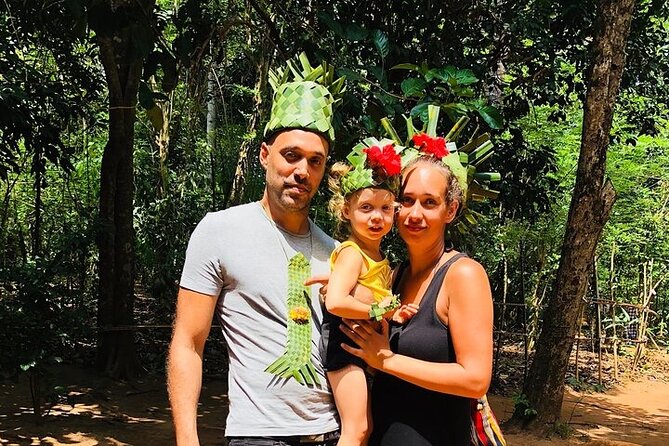
The advertised duration is about eight hours, and pickup is offered. The day therefore works best as your main activity rather than something squeezed between a morning swim and an evening reservation.
The basic order is clear:
- Pickup and arrival at the spice farm.
- A guided walk among the plants and trees.
- Ingredient selection and preparation.
- A cooking lesson using traditional methods.
- A shared meal featuring the food you helped make.
The exact pickup time and transport details are not provided, so confirm those before you reserve. The tour is listed for Zanzibar City and described as taking place in Nungwi, so you should also check the pickup area and driving time from your accommodation. Those details matter more than usual on an eight-hour outing.
The long duration is a plus if you enjoy an unhurried day. You have time for the farm, explanations, cooking, and eating without turning every part into a short photo stop. It is less suitable if you want a compact two-hour activity or if your schedule is already full.
Because the farm walk takes place outdoors, weather matters. The experience requires good weather. If conditions force cancellation, you are offered another date or a full refund.
Is $155 good value for two people?
The price is $155 per group of up to two people, not $155 per person. For a couple or two friends, that works out to $77.50 each before considering any separate costs not listed in the information.
I think the value is fair if you want a private day with pickup, a farm tour, a cooking session, and a meal. You are paying for access to a small local experience, not only for food or transportation. The price becomes less attractive for a solo participant because the group rate is the same.
The private format is useful for couples, friends, or anyone who wants to ask questions without competing with a large class. It also lets you set a more comfortable pace within the day. At the same time, a private booking does not mean you receive a professional cooking studio or a fixed gourmet menu. The setting is simple and local.
I would compare this price with the cost of a separate spice farm visit, a meal, and a cooking class in Zanzibar. The advantage here is that all three parts are linked. If you only want to sample spices, you can likely find a shorter activity. If you want a meaningful food day, the combined format makes more sense.
Who will enjoy this most?
I would recommend the experience to you if you enjoy food, local homes, and learning by doing. It suits couples especially well because the booking covers two people and the private format gives you space to share the work.
It also fits families with older children, provided everyone is comfortable with an eight-hour day and outdoor walking. The information does not specify age limits, child pricing, or accessibility, so ask before booking if those points matter to you.
This is a good choice for someone staying in Zanzibar long enough to move beyond standard restaurant meals. You return with a better understanding of local ingredients and a cooking method you may not encounter at home.
I would think twice if you dislike informal settings, translated instruction, or helping with preparation. The class is not described as a polished culinary workshop with precise professional equipment. Its appeal comes from the farm, the porch, the local cooks, and the shared meal.
Practical details that affect your decision
Confirmation is received at booking, and the activity is private for your group only. Pickup is offered, but the supplied details do not state the pickup zones, vehicle type, or exact start time. Confirm those points before paying.
Free cancellation is available if you cancel at least 24 hours before the local start time. Cancellations made within 24 hours are not refunded, and changes inside that period are not accepted.
The weather rule is important. Since the farm walk is outdoors, poor weather can lead to a different date or a full refund. If your Zanzibar schedule is tight, leave some flexibility rather than placing this on your final day.
Bring a practical attitude to the food. You may taste ingredients during the farm walk, work with several dishes, and eat a meal later. The menu is local and can vary, so this is not the place to expect the same familiar choices you would find at a hotel.
Should you book the spice tour and cooking class?
Book it if you want your Zanzibar food experience to include people, plants, preparation, and a shared meal. The combination of a spice farm walk, cooking with local women, interpreter support, and a private group gives the day more substance than a quick tasting stop.
The best reason to choose it is the link between the farm and the table. You learn where ingredients grow, help prepare local dishes, and then eat what you made. Sultan and the local team add a personal touch, while the eight-hour schedule gives the experience room to breathe.
Skip it if you want a short activity, a fixed menu, or a formal chef-led class. Also confirm pickup details and the Nungwi location if you are staying elsewhere in Zanzibar City. For two people who value local food and a slower day, $155 is a reasonable price for a full private experience.
FAQ
How long does the spice tour and cooking class last?
The experience lasts approximately eight hours.
Where does the experience take place?
It is listed in Zanzibar City, Tanzania, and the cooking and spice farm visit are described as taking place in Nungwi.
How much does the experience cost?
The price is $155 per group of up to two people.
Is pickup offered?
Yes. Pickup is offered, but the available information does not specify the pickup areas or exact transport arrangements.
Is this a private experience?
Yes. Only your group participates in the tour or activity.
What food will I learn to prepare?
The cooking lesson includes local food, spice rice, and coconut sauce. The full menu is not fixed in the available details.
Will I eat the food I prepare?
Yes. After the cooking lesson, you enjoy the food made during the class.
What happens if the weather is poor?
If poor weather causes the experience to be canceled, you will be offered a different date or a full refund. You can also cancel for a full refund up to 24 hours before the start time.
More Food & Drink in Zanzibar City
- Stonetown: Food Markets and Street Food Walking Tour
★ 4.7 · 151 reviews - Authentic Street Food Tours in Stone Town, Zanzibar
★ 5.0 · 46 reviews - Arusha: Traditional Tanzania Cooking Class & Food Market Tour
★ 5.0 · 34 reviews - Organic Coffee Tour and Local Food Experience in Arusha
★ 5.0 · 29 reviews
More Cooking Classes in Zanzibar City
- A private half day spice farm with a cooking lesson
★ 5.0 · 13 reviews - Zanzibar Cooking Class [Swahili food test ] and Spice farm Private tour
★ 4.5 · 6 reviews - Mnemba Dolphin Tour, Cooking Class, Spice Tour, Horseback Riding
★ 4.0 · 4 reviews - Zanzibar: Spice Farm Tour with Traditional Cooking Lesson
★ 4.8 · 77 reviews
Just added around Zanzibar City
- Zanzibar: Mikumi Wonderful Safari with Open Jeeps★ 4.9 · 15 reviews
- Zanzibar: Maalum Cave Natural Swimming Pool Tour in Paje★ 4.4 · 3 reviews
- Zanzibar: Jozani Forest Watching Colobus Monkeys Guided Tour★ 4.1 · 7 reviews
- Zanzibar: Jozani Forest, Salaam Cave & The Rock Restaurant★ 3.0 · 4 reviews
- Zanzibar: Jozani Forest Guided Tour,Red Colobus and transfer★ 3.9 · 6 reviews
- Zanzibar: Jozani Chwaka Bay National Park and Spice Farm …★ 4.6 · 5 reviews
- Zanzibar: Horse Riding and Kayaking with Video and Photos★ 4.9 · 10 reviews
- Zanzibar: Half-Day Private in Prison Island Tours★ 5.0 · 4 reviews
Zanzibar Spice Farm Tours, compared.

Stone Town, Spice Tour, Prison Island with Lunch
Read our review →
Stone Town, Spice tour & Prison Island with Lunch
Read our review →
Full-Day Private Stone Town +Spice Farm and Prison Island Tour
Read our review →

The Swahili Spice Experience – Spice Tour + Culinary Journey
Read our review →Browse the lists this tour appears in