
Reviewed · CITY TOURS
Essence of Arusha City Tour
Arusha’s best break from safari is not another game drive. It is a day among Tanzanian art, crafts, and working villages, ending at Bangata Waterfalls below Mount Meru. This private outing links four very different stops, so you see both polished galleries and ordinary local life.
I like the Cultural Heritage Centre for its wide collection from more than 120 Tanzanian tribes, and I like Shanga for its practical work with disabled artisans and recycled materials. The main caution is timing: the listed stops add up to about 10 hours, while the tour is described as lasting 3 to 8 hours and operating from 8:30 AM to 3:30 PM. Confirm the day’s exact plan before booking.
- Cultural Heritage Centre: Tanzanian sculpture, masks, jewelry, books, carvings, and gemstones in one large stop.
- Shanga Foundation: Recycled glass, beads, fabrics, and handmade gifts produced through an inclusive craft project.
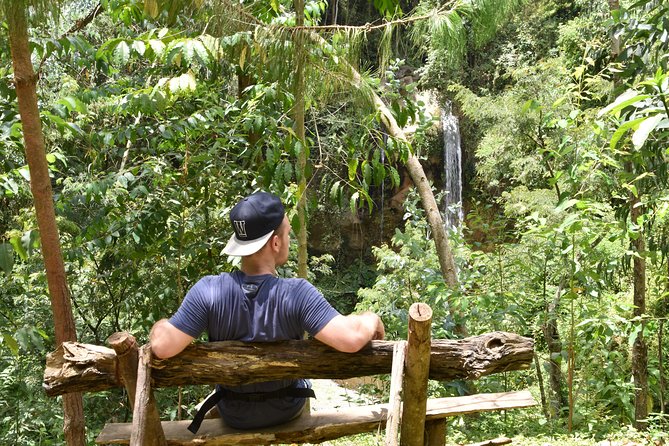
- Bangata Waterfalls: A countryside walk through farms, fish ponds, and small villages at Mount Meru’s foot.
- Maasai Market: A lively place to shop for crafts, spices, fruit, coffee, and souvenirs while practicing your bargaining.
- Private transport: Pickup and return at the Clocktower Roundabout, with a modern air-conditioned vehicle.
- Guide support: The guide is named Grifton in the tour information, while the provider’s response spells the name Gifton.
Arusha beyond the safari circuit
Arusha sits below Mount Meru on the eastern branch of the Great Rift Valley. Many people use the city as a launch point for safari, then leave without seeing much of it. This tour gives you a reason to pause.
The day moves between commercial art spaces, a social enterprise, a traditional craft market, and rural foothills. That variety matters. You are not spending the entire day in shops, and you are not being asked to walk for hours in the heat. The private format also means your group can ask questions, spend more time at a favorite stop, or move on when shopping has run its course.
The experience is sold at $160 per person. That is a serious price for a city tour, but it includes private transportation and entrance fees, and the route covers a full day’s worth of stops if the longer schedule applies. For a solo visitor or a small group, the cost may feel high. For several people sharing a private vehicle, it becomes easier to justify, especially if you value door-to-door service and a flexible guide.
Starting at the Cultural Heritage Centre
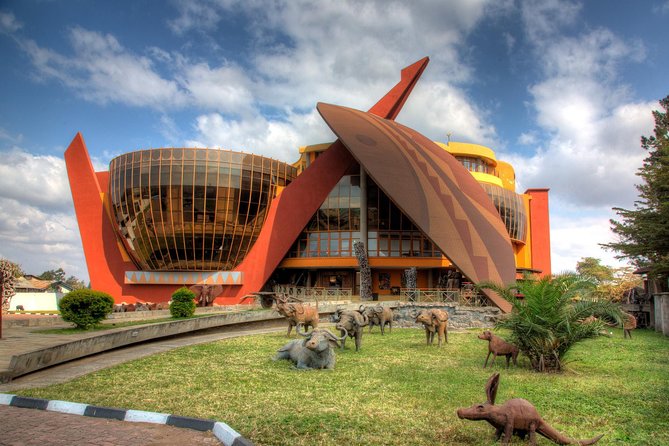
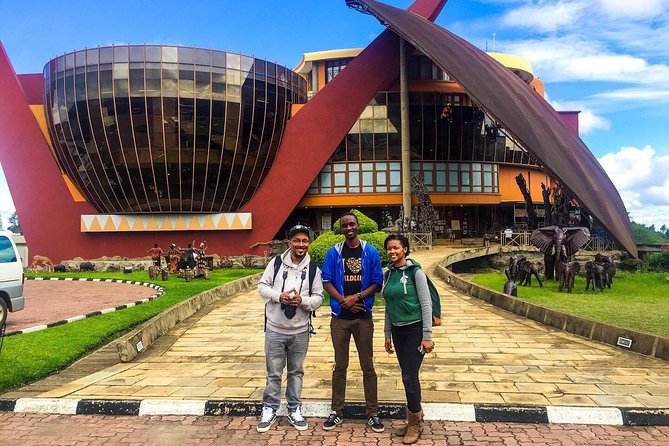
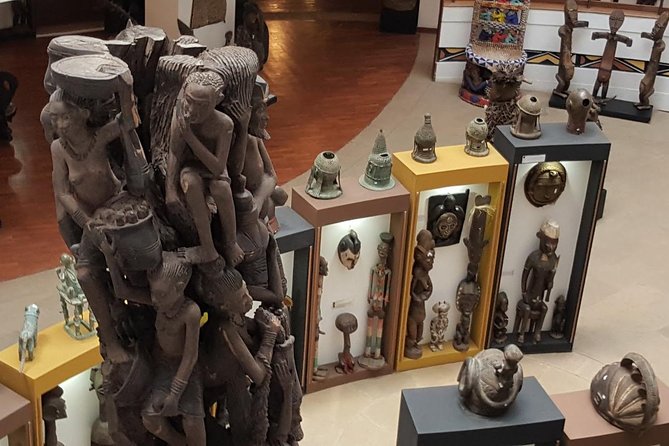
The Cultural Heritage Centre is the grandest and most polished stop. You can expect galleries filled with carved animals, masks, traditional handicrafts, and modern art. The collection draws from Tanzania’s more than 120 tribes, giving you a broad visual introduction before you encounter smaller local workshops and markets.
This is also a serious shopping stop. The complex includes a jewelry boutique, a restaurant, and a shop selling carvings, gemstones, and books. Tanzanite receives special attention, which makes sense in Arusha, one of the main places associated with this blue-violet stone.
I would give this stop time even if you are not buying anything. The art offers useful context for the rest of the day. You will see how symbols, materials, and animal forms appear in Tanzanian craft. The displays are also easier to browse than a crowded street market, where several sellers may approach you at once.
The drawback is that the centre is a private commercial establishment, not a national museum. Its polished galleries and gift shops may feel more like a high-end retail visit than a quiet cultural museum. If your interest is in everyday village life, this is the least intimate part of the route. Still, it is a convenient place to compare styles and prices before shopping elsewhere.
The centre has welcomed high-profile visitors, including former U.S. Presidents Bill Clinton and George W. Bush, King Harald of Norway, and former U.S. Secretary of State James Baker. That detail adds interest, but the real value is the range of Tanzanian work gathered under one roof.
A few more Arusha trips to weigh up
- Arusha Guided Walking City Tour, Culture, Lifestyle & History
★ 5.0 · 150 reviews - Full Day Arusha City Tour
★ 5.0 · 18 reviews - Arusha: City Walking Tour Historic and Modern Highlights
★ 4.5 · 12 reviews
Seeing how Shanga turns waste into useful art
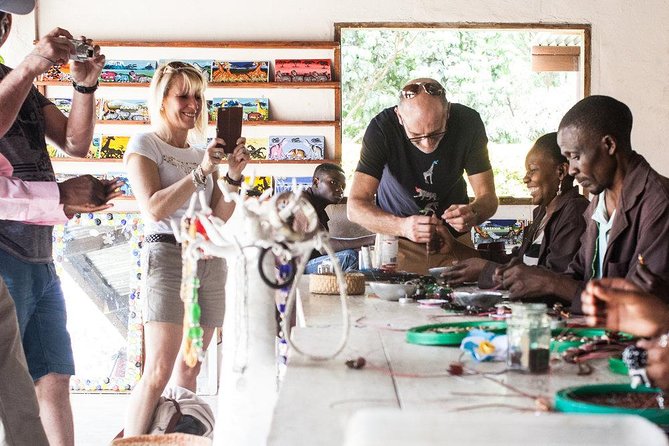
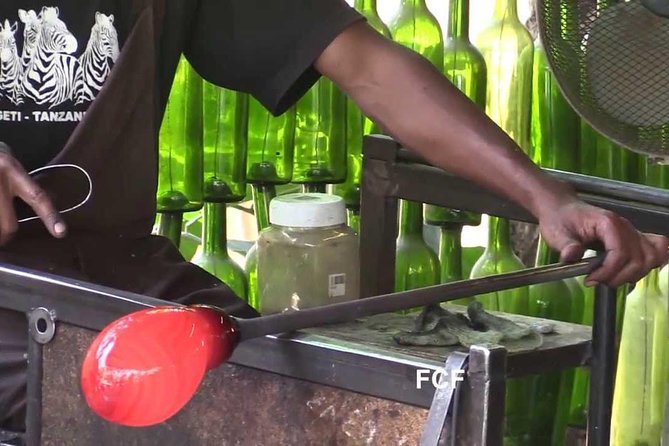
Shanga Foundation shifts the tone from gallery shopping to hands-on production. It is a craft workshop and store that supports disabled local artisans. You can see glassware, beads, paintings, fabrics, and household decorations, with recycled materials used in inventive ways.
Some of the most memorable details are built into the place itself. Walls made from recycled wine bottles catch and soften the light. When gently moved, they make a light, pleasant sound. You may also see beaded jewelry and cloth being made from reused materials, along with stuffed elephants fashioned from old men’s shirts.
That makes Shanga more than a stop for souvenirs. You can see the link between discarded objects, skilled work, and income. Buying something here gives you a useful reminder of how the piece was made, rather than simply another item pulled from a shelf.
The shopping can be tempting, so set a budget before you arrive. Beads, fabrics, glassware, paintings, and small decorative objects make easy gifts, but a private tour can lose time if everyone is browsing without a plan. I would look first, ask about materials, then choose one or two pieces that are easy to pack.
The itinerary also connects this stop with the Tanzanite Experience boutique, where you can order bracelets and necklaces. The supplied details do not state how long the shopping portion lasts or whether purchases are included, so treat jewelry as an optional expense beyond the tour price.
Walking through farms toward Bangata Waterfalls
The waterfall portion brings the strongest change of pace. The route leads through small agricultural villages beneath Mount Meru, with fields and roadside sellers offering coffee, maize, bananas, fruits, and vegetables. Here, you get a look at how goods move from farm production toward local sale and export.
At the waterfall entrance, the setting includes avocado plantations and fish ponds. You can learn about cultivation from planting through the point when produce is ready for export. The visit is not only about reaching the water. It also shows the food systems around the foothills.
The fish ponds add a hands-on touch. You can feed the fish before continuing down toward the waterfall. That detail may appeal to families, though anyone hoping for a long, quiet swim should check the conditions and schedule with the guide. The available information describes the waterfall as a place to relax, but it does not confirm swimming access or changing facilities.
This is the most countryside-focused part of the day, and it helps balance the shopping stops. You are not simply driven to a viewpoint, photographed, and sent back. You travel through villages and farming areas on the way in.
The listing calls this stop Mount Meru Waterfall in one place and Bangata Waterfalls in another. Those names appear to refer to the same part of the outing, but I would confirm the exact waterfall and walking conditions before departure. The route may involve descending toward the water, so comfortable shoes are sensible. No exact walking distance is provided.
Bargaining at the Maasai Market
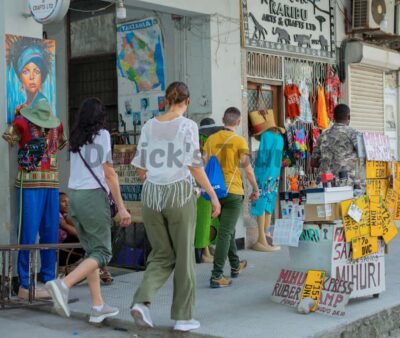
The Maasai Market is the liveliest shopping stop. Expect sellers offering African art, sculptures, artifacts, coffee, nuts, spices, fruit, and other goods. The atmosphere is energetic, and bargaining is part of the experience.
Go in with a friendly attitude and a clear idea of what you want. You do not need to buy from the first stall, and you should compare similar items before agreeing on a price. The tour description presents the market as a way to support local sellers directly, which gives your shopping a clear purpose.
The market may feel less relaxed than the Cultural Heritage Centre. Sellers are active, the range can be uneven, and prices may not be marked. That is normal for this kind of market, but it can tire you after a full day of galleries and workshops.
For carefully finished carvings and larger art pieces, the Cultural Heritage craft mall is suggested as a stronger option. For atmosphere, small gifts, spices, and the pleasure of bargaining, the Maasai Market is the better fit. I would use each place for what it does best rather than expecting one shopping stop to cover everything.
Same country, a completely different kind of safari:
- Balloon Safari & Bush Breakfast in Serengeti – Miracle Experience
★ 5.0 · 1,646 reviews - Tanzania Classic – 7 Days
★ 5.0 · 1,151 reviews - 4 Days Group Camping Safari
★ 5.0 · 1,101 reviews - 5 Days Group Camping Safari
★ 5.0 · 730 reviews
A private vehicle and a day that needs careful timing
Pickup is offered, and the stated meeting point is the Clocktower Roundabout in Arusha. The activity ends back at the meeting point. Transportation is private, and the vehicle is described as modern and air-conditioned, a useful feature when you are moving around the city and foothills during the warmer part of the day.
A private vehicle is especially helpful here because the route combines city stops with a rural waterfall visit. You avoid arranging separate taxis and can keep your purchases with you. It also gives your group more control than a shared coach, though the available information does not promise unlimited flexibility.
Timing deserves close attention. The four listed stops are described as lasting three hours, three hours, two hours, and two hours. Added together, that is roughly 10 hours, yet the overall duration is stated as approximately three to eight hours. The operating hours are Monday through Saturday, 8:30 AM to 3:30 PM. Those details do not line up neatly.
I would ask three simple questions before paying: Which stops are included on my date? How long will the waterfall walk take? Is the day closer to eight hours, or will the route be shortened? This is not a reason to reject the tour, but it is important if you have an evening flight, dinner reservation, or safari transfer.
The tour is private, and only your group participates. Most people can take part, and the meeting point is near public transportation. No special accessibility details are provided, so ask the operator directly if you need assistance with uneven paths, the descent to the waterfall, or vehicle access.
Food, drinks, and the small print
Private transportation, all fees and taxes, and snacks are included. The description also says coffee and tea are provided as light refreshments during the day, but the inclusion list says coffee and tea are not included. That contradiction should be cleared up before departure.
Dinner is not included. The Cultural Heritage Centre has a restaurant, but the information does not confirm whether your schedule includes a meal there or whether lunch is covered. Bring enough money for food and optional shopping, and ask the guide how meal timing will work.
The practical side of the tour is otherwise straightforward. Booking confirmation is sent at the time of booking, and free cancellation is available if you cancel at least 24 hours before the start time. Changes or cancellations inside that window are not refundable. Since the waterfall visit depends on good weather, a weather cancellation should result in a different date or a full refund.
Who will get the most from this Arusha day?
I would recommend this experience to you if you have one free day in Arusha and want several kinds of sightseeing in one private outing. It suits people who enjoy art, handmade goods, local shopping, and a countryside stop more than those seeking a single major monument.
It is also a good choice after a safari. The day is less demanding than a full wildlife excursion, and the air-conditioned vehicle gives you a break from dust and long rough-road drives. The waterfall and farm visit add fresh air and movement without making the whole day a strenuous hike.
Families may appreciate the fish ponds, crafts, and variety of short visits. Couples and small groups can make good use of the private format, especially if they want to shop for Tanzanite or locally made gifts. The tour also works for solo visitors who prefer a guide and private transport rather than negotiating the city alone.
I would hesitate if you dislike shopping. Three of the four stops have a strong retail element, even when the focus is art or social enterprise. I would also hesitate if your schedule is tight, because the duration information needs clarification and the waterfall route may take longer than expected.
Should you book the Essence of Arusha City Tour?
Book it if you want a broad, private introduction to Arusha rather than a museum-only visit or a simple market walk. The combination of the Cultural Heritage Centre, Shanga Foundation, village farms, Bangata Waterfalls, and Maasai Market gives the day real variety.
The most praised elements are the smooth start with guide Grifton, the Cultural Heritage Centre, Shanga Foundation, the waterfall picnic setting, and the chance to fit so much into one day. The provider’s response identifies the guide as Gifton, so confirm the spelling and meeting details when you book.
Before committing to the $160 price, confirm the exact duration, which stops will be visited, whether coffee and tea are included, and how food is handled. If those points are clear and you have the time, this is a useful way to see Arusha as more than a staging post for safari.
FAQ
Where does the tour start and end?
The tour starts at the Clocktower Roundabout in Arusha, Tanzania, and ends back at the same meeting point.
How long does the Essence of Arusha City Tour last?
The overall duration is listed as approximately three to eight hours. The individual stops are described as lasting three hours at the Cultural Heritage Centre, three hours at Shanga, two hours at Mount Meru Waterfall, and two hours at the Maasai Market, so you should confirm the exact schedule before booking.
Is transportation included?
Yes. Private transportation is included, with pickup offered in a modern, air-conditioned vehicle.
Is this a private tour?
Yes. Only your group participates in the activity.
What places are visited?
The route includes the Cultural Heritage Centre, Shanga Foundation, Bangata Waterfalls, also called Mount Meru Waterfall in the tour details, and the Maasai Market Curios and Crafts.
Is food included?
Snacks are included. Dinner is not included. The information about coffee and tea is inconsistent, since the tour description says they are provided while the inclusion list says they are not, so confirm this before booking.
Can I cancel for a full refund?
Yes, if you cancel at least 24 hours before the experience start time. Cancellations or changes made less than 24 hours in advance are not refunded. If poor weather causes the tour to be canceled, you are offered another date or a full refund.
Just added around Arusha
- 8 Days Serengeti Migration safari★ 5.0 · 11 reviews
- tarangire, ngorongoro & lake manyara park 3 days private tour★ 5.0 · 11 reviews
- tarangire & ngorongoro 2 days tour★ 5.0 · 14 reviews
- serengeti, ngorongoro & tarangire 4 days private tour★ 5.0 · 18 reviews
- serengeti & ngorongoro 3 days private tour★ 5.0 · 15 reviews
- Mt. Kilimanjaro: Shira plateau to Cathedral point 3872m Day hike★ 5.0 · 7 reviews
- 2 Days Tanzania Midrange Group Join Safari★ 5.0 · 7 reviews
- climb the KILIMANJARO via Lemosho route★ 5.0 · 4 reviews
City Tours, compared.

Arusha Guided Walking City Tour, Culture, Lifestyle & History
Read our review →

The Best/Top Rated Cultural City Tour in Dar es Salaam
Read our review →
Browse the lists this tour appears in