

Reviewed · HISTORICAL TOURS
Arusha: City Walking Tour Historic and Modern Highlights
Arusha reveals itself best at street level, where market stalls, historic buildings, beadwork, and daily errands all share the same few blocks. This three-hour walk takes you from Soko Kuu Central Market to the Clock Tower and the Natural History Museum, with time for snacks and conversation along the way.
I like the small-scale feel of a walking tour, since you can pause, ask questions, and notice details a vehicle would miss. I also like that the focus is not only on monuments. The guide points out local plants, trees, crafts, and ordinary city life, which gives you a more useful picture of Arusha than a quick drive through town.
The main drawback is physical: this is a walking tour with no wheelchair access and no suitability for people with mobility impairments. You should also expect sun, street noise, and the active pace of a city center.
Key points to know
- Soko Kuu brings Arusha’s daily life into view: Expect produce, spices, handmade goods, and plenty of movement rather than a quiet museum setting.
- The Clock Tower adds a memorable city landmark: It represents Arusha’s position between Cairo and Cape Town.
- The Natural History Museum occupies a German colonial fort: Its displays cover human evolution and local cultures.
- Guides make the difference: Elia has been praised for explaining plants, trees, and everyday life while allowing plenty of questions.
- Local food and crafts are part of the walk: You can sample traditional Tanzanian snacks and meet artisans working with beadwork and fabrics.
- The $45 price includes useful extras: Hotel pickup and drop-off, guiding, and snack sampling are included, but full meals, drinks, and personal purchases cost extra.
Arusha at street level, not from a safari vehicle
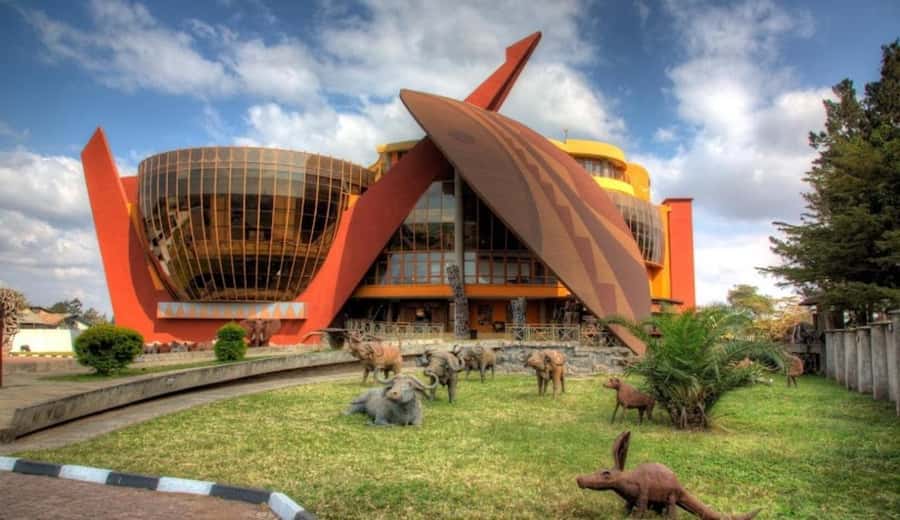
Arusha is best known as Tanzania’s safari base, but it is more than a place to sleep before heading toward the national parks. The city has its own pace and character. This tour gives you three hours to see it on foot, with a guide who can explain what you are looking at instead of leaving you to guess.
That matters because a city market can be hard to read at first. A pile of unfamiliar produce, a row of spices, or a workshop full of beadwork may look attractive, but a local guide can add the useful layer: what is sold, how it fits daily life, and how to approach people respectfully.
The walk also gives you a chance to ask questions as they occur. Christian from Germany specifically appreciated having time to ask everything he wanted, and that is a good sign for anyone who prefers conversation over a fixed speech. The guide’s role here is not just to lead the way. It is to help you make sense of the city.
The exact group size is not provided, so I would not book this expecting a guaranteed private tour. Still, the walking format should allow more direct contact than a large bus excursion, especially at the market and craft stops.
A few more Arusha trips to weigh up
- Arusha Guided Walking City Tour, Culture, Lifestyle & History
★ 5.0 · 150 reviews - Materuni Waterfalls & Coffee making Cultural Tour | BURIGI CHATO SAFARIS LTD
★ 5.0 · 15 reviews - Marangu waterfall & Coffee making Cultural Tour | BURIGI CHATO SAFARIS CO LTD
★ 5.0 · 12 reviews
Starting at Soko Kuu Central Market
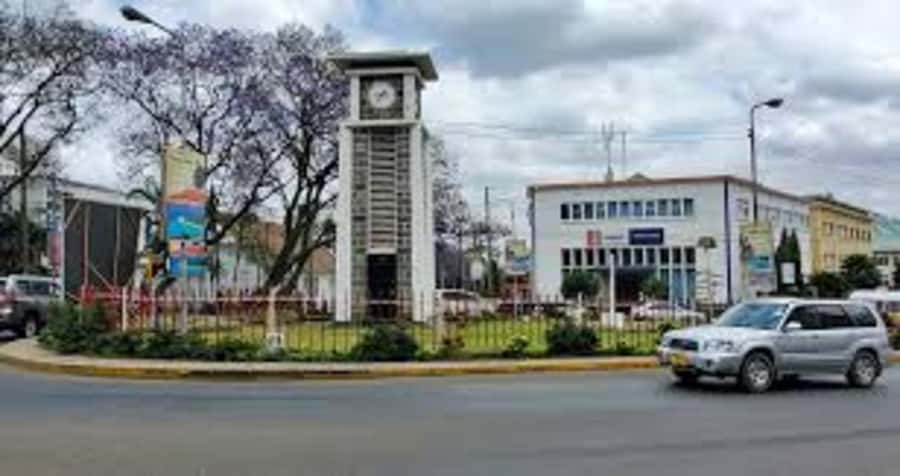
Soko Kuu is likely to be the most sensory part of the morning or afternoon. The market is filled with fresh produce, spices, handmade crafts, and the ordinary buying and selling that keeps the city moving. You will see more than a display prepared for tourists. This is a working market.
I like beginning here because it quickly gives you a sense of Arusha’s people and routines. You can look at colors and textures, but the guide can also explain what you are seeing. One especially useful detail from the tour is the attention to local plants and trees. That may sound small, but it helps connect the city to the wider region around Mount Meru and northern Tanzania.
Bring your camera, but use it with care. A market is not a stage, and not every person wants a photograph. Ask before taking close-up pictures, especially at stalls or while artisans are working. Your guide can help with local manners and may point out details that are easy to miss.
You should also expect the market to feel busy and active. This is not the best stop for anyone who wants a quiet, carefully arranged shopping experience. It is better for you if you enjoy movement, informal encounters, and the chance to see how a city functions.
The tour includes an opportunity to sample traditional Tanzanian snacks. The specific snacks are not named, so you should treat this as a tasting rather than a full meal. Meals and drinks are not included, and anyone with dietary concerns should ask the operator what will be offered before booking.
The Clock Tower and Arusha’s central symbol
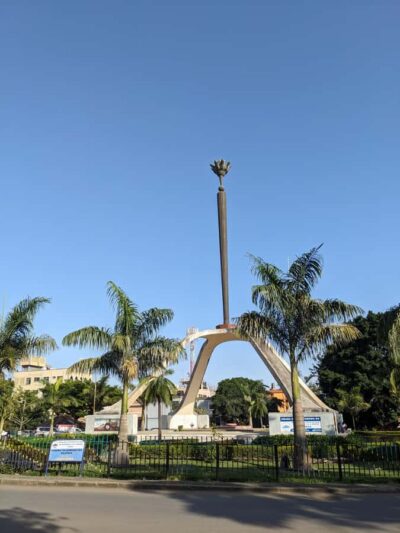
From the market, the walk continues to the Clock Tower Monument. The clock tower is one of Arusha’s best-known landmarks and is tied to the city’s unusual geographic claim: it symbolizes a position halfway between Cairo and Cape Town.
That fact gives the stop more meaning than a simple photo opportunity. It reflects Arusha’s place between northern and southern Africa, and it helps explain why the city has long been a meeting point for visitors, business, and regional activity.
Your guide can provide the context that a plaque cannot. Ask about the tower, the surrounding streets, and how the central area has changed. The tour description promises a look at both historic and modern Arusha, so this is a useful point for connecting the city’s older identity with its present-day role as the safari capital.
The Clock Tower stop is also a practical breather between market activity and the museum. It gives you a recognizable landmark around which to organize your mental map of the city. If you arrive in Arusha for a short stay, knowing this central reference point can make later independent walks feel less confusing.
Do not expect a long formal visit here. The tower is an outdoor landmark, not a large attraction with a series of rooms. Its value comes from the story attached to it and from seeing how it fits into the city around it.
Inside the Natural History Museum’s old fort
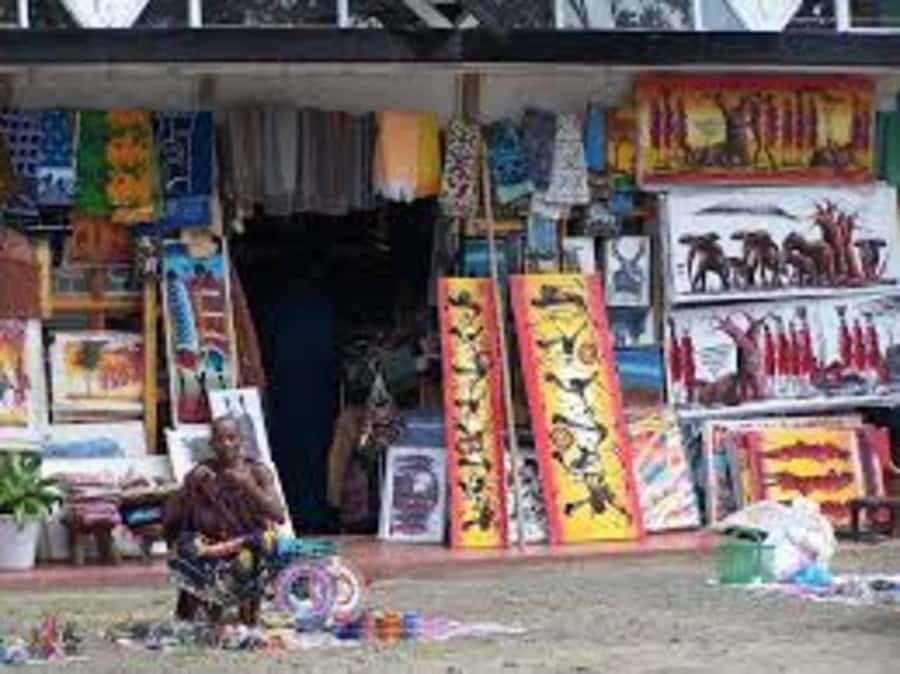
The Natural History Museum is set in a German colonial fort, which gives the visit a strong sense of place before you even reach the displays. The building itself links Arusha to the colonial period, while the exhibits turn toward human evolution and local cultures.
This stop adds depth to the street walk. Markets and landmarks show you the city in motion. The museum gives you a chance to pause and consider the wider human and regional story behind what you have seen.
The human evolution displays are especially relevant in northern Tanzania, a part of East Africa closely associated with major archaeological and anthropological discoveries. The tour information does not specify individual exhibits, so I would not book this expecting a particular fossil or gallery. Instead, think of it as a compact cultural and historical stop within a broader city tour.
The colonial fort setting may appeal to you if you like buildings with a visible past. It also raises questions about how Arusha developed and whose influence shaped its early institutions. A good guide can help connect the building to the city rather than treating it as an isolated museum visit.
Allow yourself time to ask questions here. The strongest part of this experience seems to be the guide’s willingness to explain and respond, rather than simply move you from one stop to the next.
Same country, a completely different kind of safari:
- Balloon Safari & Bush Breakfast in Serengeti – Miracle Experience
★ 5.0 · 1,646 reviews - Tanzania Classic – 7 Days
★ 5.0 · 1,151 reviews - 4 Days Group Camping Safari
★ 5.0 · 1,101 reviews - 5 Days Group Camping Safari
★ 5.0 · 730 reviews
Snacks, beadwork, and the human side of the walk
The tour includes contact with local artisans making beadwork and fabrics. This is one of the more personal parts of the route. Instead of seeing crafts only in a souvenir shop, you may get to watch how color, pattern, and handwork come together.
The description does not promise a formal workshop or a chance to make an item yourself. Think of it as a chance to meet craftspeople, see their work, and learn about the objects being made. If something catches your eye, personal purchases are not included in the tour price, so carry some money if you hope to buy a piece.
Beadwork and fabrics also make good reminders that culture is not confined to a museum. You see it in clothing, decoration, trade, and small businesses. The guide can help you understand the difference between a quick purchase and a more thoughtful interaction with the person who made or sells the item.
The snack stop works in a similar way. Food offers a simple entry into local life, but the tasting is limited. Since meals and drinks are excluded, eat beforehand if you need a substantial lunch, and bring water for the walk.
These parts of the tour are ideal for you if you prefer meeting people and seeing working traditions rather than spending all your time at major monuments. They are less suitable if you want a shopping trip with guaranteed products, prices, or a long market session.
What the guide adds to the experience
The guide is the key factor in this tour. The English-speaking guides are expected to lead the route, explain the city, and help with interactions. A guide named Elia received particular praise for showing everyday life in Arusha, explaining local plants and trees, and taking time to answer questions.
That kind of guiding is exactly what makes a city walk worthwhile. You can find the Clock Tower on a map. You can also walk through a market alone. What you cannot easily do on your own is know which details matter, how to read the setting, or how to connect an old fort, a market, and a modern city street.
The feedback is not uniformly glowing. One three-star assessment gave no detailed reason beyond the tour itself, so you should keep expectations realistic. The quality of a walking tour can depend on the particular guide, the day’s pace, and how much conversation you want.
The strongest available comments focus on guides being friendly, competent, and willing to give visitors time. Cyrille described the guide as competent and pleasant, while Christian valued the chance to ask questions. Greg simply found the city tour interesting and the guide excellent. Those comments point to a relaxed, people-focused style rather than a highly scripted lecture.
If you want the best experience, arrive with questions. Ask about the market goods, the Clock Tower’s story, the museum building, local plants, and the crafts you see. A curious attitude gives the guide more to work with.
Three hours and the real value of $45
The tour costs $45 per person and lasts three hours. That is not the cheapest way to walk around Arusha, since you could explore some central streets independently. The price makes more sense when you count the included hotel pickup and drop-off, live English-speaking guide, snack opportunity, and introductions to local artisans.
For a first visit, I see reasonable value here. You are paying for orientation and interpretation, not just distance covered. The guide can save you the awkwardness of entering a market without context and can help you spot details you might otherwise pass.
Hotel pickup and drop-off also matter after a long journey or before a safari departure. The details of the pickup area and timing are not provided, so check availability and the starting time when booking. The tour has several possible start times depending on availability, but the information does not specify morning or afternoon conditions.
The price does not cover meals, drinks, or personal expenses. Budget separately for water, any extra food, and crafts. You should bring cash if you hope to buy beadwork or fabrics, although the payment methods are not stated.
Free cancellation is available up to 24 hours before the activity for a full refund, and you can reserve now while paying later. Those terms are useful if your safari plans are still shifting. They do not remove the need to check the exact pickup and start details before you commit.
Walking conditions and what to bring
Wear comfortable walking shoes. This is the most important packing advice because the experience moves through market streets, central roads, and museum grounds rather than staying in one place.
Light clothing, a sun hat, sunscreen, and water are also recommended. Arusha’s city streets can expose you to strong sun, and a hat makes a real difference during an outdoor walk. Bring a camera, but remember that personal comfort and respectful photography matter more than collecting pictures.
Smoking is not allowed during the activity. The tour is not suitable for wheelchair users or people with mobility impairments. The information does not provide a distance, pavement description, or rest schedule, so anyone concerned about walking should ask the operator for more detail before booking.
I would avoid carrying too much. A small bag keeps your hands free in the market and makes it easier to browse crafts or take notes. Keep personal belongings secure in crowded areas, as you would in any busy city market.
Who should book this Arusha walk
I would recommend this tour to first-time visitors who want a quick but meaningful introduction to Arusha. It works particularly well before a safari, when you have a free half-day and want to understand the city beyond your hotel or lodge.
It also suits you if you like food tastings, local crafts, museums, and conversations with guides. The mix is nicely varied: market life, a landmark, a museum, snacks, and artisans. You are unlikely to spend three hours doing the same thing.
This is less suitable for someone seeking a major archaeological excursion, a full food tour, or an extensive shopping trip. It is also not the right choice if walking is difficult or if you prefer an air-conditioned sightseeing vehicle.
Families with older children may enjoy the variety, but the supplied information does not specify a minimum age or child pricing. Ask before booking if that matters for your group.
Should you book the Jovial Safaris city tour?
Book it if you have three hours in Arusha and want a guide to explain the city’s ordinary details, not just point out a famous landmark. The best reasons are the market access, the Natural History Museum in its old fort, the chance to try local snacks, and the guide-led contact with artisans.
I would be especially comfortable choosing it if Elia is confirmed, since his focus on plants, trees, everyday life, and open questions fits the experience well. Still, guide assignment is not guaranteed in the information provided, so ask who will lead your date if that is important.
At $45, the tour earns its price through pickup, guiding, and local context. It is a solid choice for an active visitor who wants an introduction rather than a full-day cultural program. Skip it if you have mobility limits, need a full meal included, or want a completely flexible self-guided stroll.
FAQ
How long is the Arusha city walking tour?
The tour lasts three hours.
What places are visited during the tour?
The route includes Soko Kuu Central Market, the Clock Tower Monument, and the Natural History Museum, which is located in a German colonial fort.
Is hotel transportation included?
Yes. Hotel pickup and drop-off are included.
What language does the guide speak?
The live guide speaks English.
Does the tour include food?
The tour includes an opportunity to sample traditional Tanzanian snacks. Full meals and drinks are not included.
Is the tour suitable for wheelchair users?
No. The activity is not suitable for wheelchair users or people with mobility impairments.
What should I bring?
Bring comfortable walking shoes, light clothing, a sun hat, sunscreen, water, and a camera.
Just added around Arusha
- 8 Days Serengeti Migration safari★ 5.0 · 11 reviews
- tarangire, ngorongoro & lake manyara park 3 days private tour★ 5.0 · 11 reviews
- tarangire & ngorongoro 2 days tour★ 5.0 · 14 reviews
- Mt. Kilimanjaro: Shira plateau to Cathedral point 3872m Day hike★ 5.0 · 7 reviews
- serengeti, ngorongoro & tarangire 4 days private tour★ 5.0 · 18 reviews
- serengeti & ngorongoro 3 days private tour★ 5.0 · 15 reviews
- 2 Days Tanzania Midrange Group Join Safari★ 5.0 · 7 reviews
- climb the KILIMANJARO via Lemosho route★ 5.0 · 4 reviews
Historical Tours, compared.

Stone Town Historical Cultural Walking Guided Tour
Read our review →
Arusha Guided Walking City Tour, Culture, Lifestyle & History
Read our review →
Stone Town’s Hidden History: Private Guided Walking Tour
Read our review →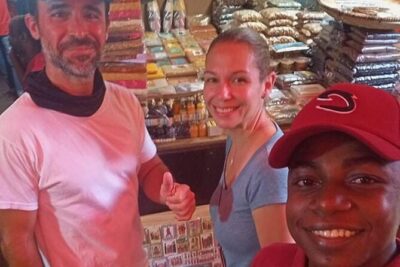


Zanzibar Stone Town Historical Tour and Spice Farm Tour
Read our review →Browse the lists this tour appears in