
Reviewed · KILIMANJARO TOURS
9 Days – Best of Tanzania Safari
The real strength of this nine-day private safari is its range. You move from Tarangire’s elephant country to the flamingo-lined shores of Lake Manyara, then into Ngorongoro Crater and the Serengeti. It is a big wildlife circuit, not a quick park visit.
I like the open-roof 4×4, which gives you a clear view above the window line, and I like the private format, since your group controls the pace inside each park. Guide Bariki is praised for finding wildlife and helping solve problems along the way. The main drawback is the amount of time spent driving between parks, especially on the longer route toward Ndutu and the Serengeti.
Key things to know before booking
- Five major safari areas: Tarangire, Lake Manyara, Ngorongoro Crater, Lake Ndutu, and Serengeti are all included.
- Private open-roof vehicle: Your own group travels in a custom 4×4 built for game viewing.
- Strong migration timing: Ndutu is best linked with wildebeest calving from December through April, while July through October is the favored period for the northern migration.
- Comfort-level lodging: Expect a mix of hotels, tented lodges, and tented camps, all with private bathrooms.
- Mostly full-board travel: Breakfast, lunch, dinner, bottled water, park fees, and accommodation are included.
- Flight costs are separate: The final transfer is to Seronera airstrip, but flights are not included in the advertised price.
A nine-day route through Tanzania’s Northern Circuit
At $4,000 per person, this is not a bargain-basement safari. It is priced as a private, comfort-category trip with accommodation, meals, park fees, a dedicated vehicle, and a driver-guide. The value depends on how much you want handled for you.
You are not just paying for entrance tickets. You are paying for a connected route, a private vehicle, and someone who knows how to work the parks. Four published ratings give the experience five stars, and the strongest praise centers on the planning, the guides, and the way the trip works for different ages. One booking included three generations, which tells you something useful: this is designed for a broad range of people, not only hardened safari fans.
The route is ambitious. It covers plenty of ground, so you should expect early starts, long drives, and several changes of accommodation. In exchange, you get a far broader view of northern Tanzania than you would on a shorter itinerary.
A few more Kilimanjaro trips to weigh up
- Safari Serengeti And Ngorongoro
★ 5.0 · 288 reviews - Big Five Safari In Tanzania
★ 5.0 · 99 reviews - Unforgettable Tanzania Safari And Zanzibar Beach
★ 5.0 · 97 reviews
Day 1: A gentle arrival in Arusha
Your safari begins with a pickup at Kilimanjaro International Airport. A driver-guide meets you, then takes you to your selected hotel in Arusha.
This first day is intentionally light. After an international flight, that is a good thing. You have time to settle in, meet the person leading your safari, and get an introduction to Arusha and Tanzania before the game drives begin.
The start time listed for the safari is 8:00 a.m. from Arusha. If your international flight arrives later, confirm the first-night plan and pickup timing before you book. The package offers pickup, but the exact airport and hotel arrangements should be clear in your final confirmation.
Day 2: Tarangire and the elephant playground
The first park is Tarangire National Park, reached by an early departure from Arusha. You arrive around midday for lunch at your lodge, then head out for an afternoon game drive.
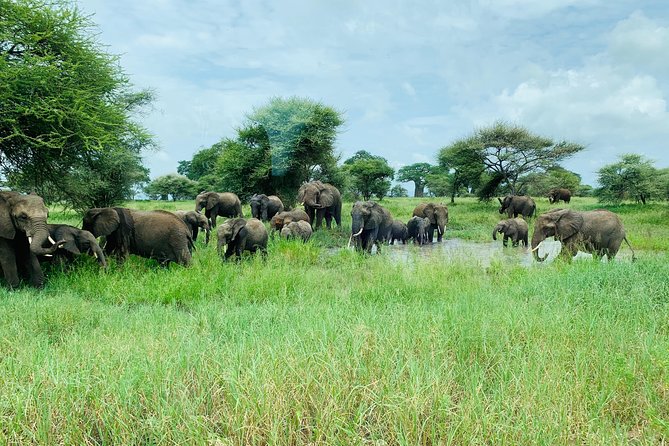
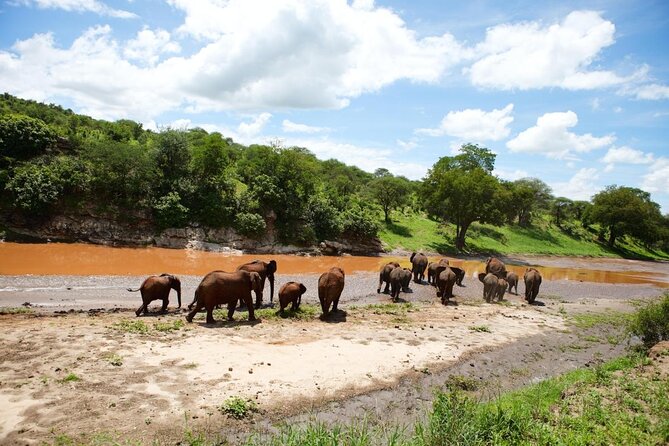
Tarangire is a fine opening act because it gives you a chance to see large herds and a wide range of animals without waiting for the Serengeti. Elephants are the park’s signature sight. Lions, cheetahs, leopards, zebras, wildebeest, buffalo, antelopes, and many bird species are also possible.
The timing matters. Arriving for lunch and using the afternoon for wildlife viewing keeps the first park day manageable. You still need energy for the next morning, but you get a real game drive rather than a short stop.
I especially like the birding potential here. Many safari programs focus so heavily on lions and elephants that smaller wildlife gets ignored. Tarangire gives bird watchers a strong start, while the open vehicle helps you scan trees and skies as well as the road ahead.
Day 3: Lake Manyara’s forest, lake, and Rift Valley setting
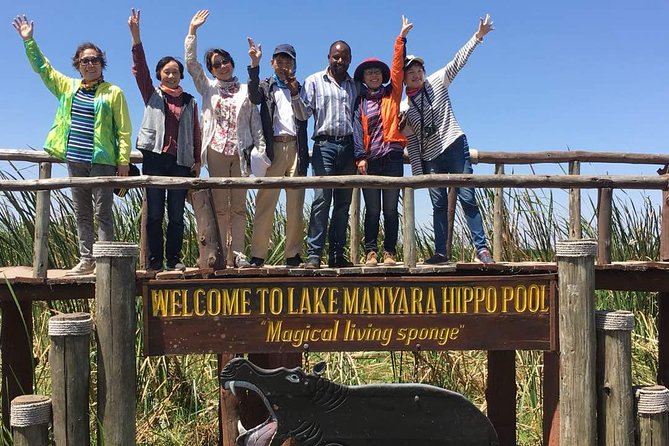
After breakfast, you leave Tarangire with a picnic lunch and make the short drive to Lake Manyara National Park. The park sits at the base of the Great Rift Valley Escarpment, with woodland, open plains, and the shallow alkaline lake creating a varied setting in a compact area.
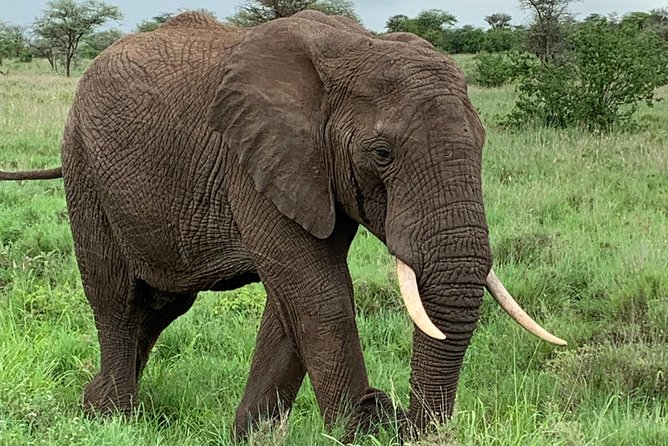
You may see buffalo, elephants, giraffes, impalas, hippos, and other animals. Lake Manyara is also associated with tree-climbing lions, though no safari can promise that particular sight. The park is well suited to a morning exploration because the scenery changes quickly as you move between forest, open ground, and the lake shore.
This is one of the more varied days on the route. It is not simply a search for big cats across open grassland. You get water, woodland, birds, and the dramatic escarpment in the same park.
The practical tradeoff is that Lake Manyara may feel shorter than the Serengeti sections. You are here for one main exploration period before moving onward, so consider it a scenic and wildlife-filled stop rather than the central event of the trip.
Same country, a completely different kind of safari:
- Kilimanjaro climb by Lemosho Route (7-day)
★ 5.0 · 651 reviews - Kilimanjaro climb, Machame Route (7-day)
★ 5.0 · 262 reviews - Kilimanjaro Climbing Lemosho Route 8 Days.
★ 5.0 · 186 reviews - Climbing Kilimanjaro – Machame Route
★ 5.0 · 170 reviews
Day 4: Ngorongoro Crater and a dense concentration of animals
After breakfast, you head to the Ngorongoro Conservation Area and descend about 600 meters into Ngorongoro Crater for a game drive. The crater floor supports a permanent population of more than 30,000 animals, making this one of the most concentrated wildlife settings on the route.
The crater’s high walls limit most migration in and out. That makes sightings feel more dependable than in a huge open park, although wildlife is still wildlife and nothing is guaranteed. Lions, elephants, giraffes, zebras, hippos, flamingos, jackals, antelopes, and many bird species are possible. The rare black rhino is also found here.
An early game drive is important. It gives you more time inside the crater and improves your chance of seeing animals when they are active. The day can be demanding, with an early start and a full schedule, but this is one of the stops that justifies the pace.
The crater is also a place where vehicle traffic can affect the mood. Its famous status means you may not have the same sense of empty space found in the Serengeti. Still, the combination of steep walls, wildlife, and the chance to see several major species in one drive makes this a key part of the trip.
Days 5 and 6: Ndutu during the wildebeest cycle
After breakfast on Day 5, you travel to the Lake Ndutu area. Ndutu lies in the Ngorongoro Conservation Area and forms part of the southern Serengeti ecosystem. The area includes soda lakes, swamps, woodland, and short-grass plains.
You arrive around lunch, then set out for an afternoon game drive. The schedule becomes more focused here, with two nights and a full day devoted to Ndutu. That is a smart choice if your dates line up with the seasonal movement of wildebeest.
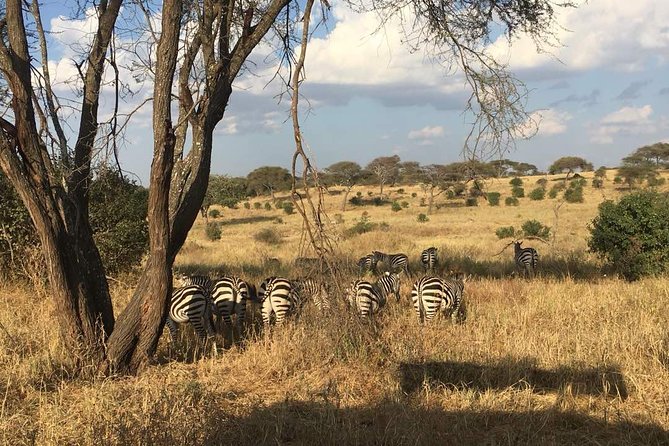
From December through April, large numbers of wildebeest usually gather on the short-grass plains. Around February, calving normally lasts about three weeks. Newborn calves can run within minutes and generally become strong enough to follow the herd within three days. That abundance of young animals also draws predators.
The full Day 6 drive gives you time to explore beyond one waterhole or one stretch of road. You may pass through woodland, wetlands, soda lakes, and open grassland in a single day. Wildebeest and zebra are central to the experience, but elephants and birds are also common sights in the area.
The key caution is seasonal. If you book outside December through April, you should not expect the main calving spectacle. Ndutu remains a wildlife area, but the reason for spending two nights there changes with the calendar. Ask Silver Sky Travel to explain the expected conditions for your dates before paying.
Day 7: Entering central Serengeti and the Seronera area
After breakfast, you continue to central Serengeti, known as Seronera. The route leads into the heart of the park, where the Seronera River provides an important water source and helps attract a broad mix of species.
You arrive around lunchtime, then take an afternoon game drive. Seronera is a useful base because it is not dependent on one seasonal animal sighting. The river area supports resident wildlife, so the day has value even when the Great Migration is elsewhere.
This transfer also marks a change in feel. Ndutu is tied closely to seasonal movement and calving. Seronera gives you a more general view of Serengeti wildlife, with the chance to see different species in a large open setting.
The cost of this variety is another transfer day. You will spend part of the morning moving between areas rather than watching animals. That is normal for a circuit safari, but it is worth remembering if you prefer slow mornings at one camp.
Day 8: A full Serengeti game drive in Wagakuria
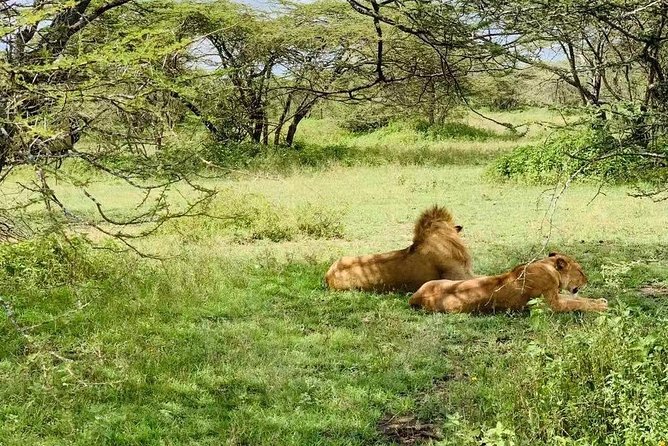
Day 8 is devoted to a full-day game drive in the Wagakuria area of the Serengeti. The program describes resident wildlife numbers as especially high, including lion prides that can reach 30 animals.
This is the kind of day that rewards patience. You are not just checking a park off a list. You have a full day to watch changing animal behavior, look for predators, and let your guide choose the best route based on conditions.
Timing again matters. July through October is described as the preferred period for seeing the Great Migration in the northern Serengeti, when more than two million wildebeest, zebras, and gazelles move through the Serengeti and Masai Mara ecosystems in search of pasture.
Do not treat those months as a guarantee of a particular crossing or herd location. The migration moves according to food, rain, and animal behavior. The useful point is that this itinerary gives you a chance to be in the Serengeti during one of the better-known migration periods, rather than promising a fixed show.
Day 9: A final morning drive and the trip home
You begin with an early morning game drive in the Serengeti. This is often a productive time because animals may be leaving their nighttime hiding places or returning from a hunt.
You then return for a hot breakfast before transferring to Seronera airstrip. The supplied plan says you catch a flight to Kilimanjaro, but flights are explicitly excluded from the package price. Treat the airstrip transfer as included transport and budget separately for the flight itself.
This final morning is a good use of time. You get one last chance to see wildlife instead of spending the whole day waiting for a road transfer. Still, confirm the departure time, flight booking, and onward arrangements carefully. The listed package covers the safari service, not every part of your journey home.
What the private vehicle changes
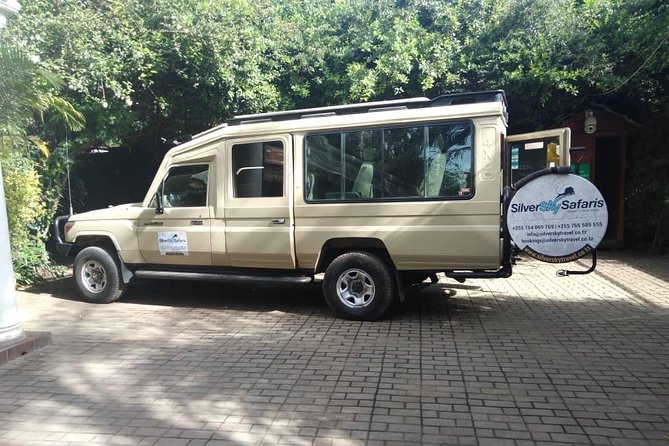
The custom-designed 4×4 has an open roof for game viewing and air conditioning for comfort. That combination matters in a safari vehicle, where you may spend many hours on the road and want both fresh sight lines and relief from heat.
The private setup is one of the strongest reasons to consider this trip. Only your group participates, so you are not sharing the vehicle with strangers who want a different pace. You can discuss how long to stay at a sighting, how much time to spend bird watching, and when you are ready to move on.
The vehicle also includes onboard WiFi and bottled water. WiFi on safari should be treated as a useful extra rather than the main reason to book. Coverage and performance can vary, and the supplied information does not promise constant service.
Lodging, meals, and what the $4,000 covers
Accommodation is described as comfort category, with a combination of hotel, tented lodge, and tented camps. Each has a private bathroom. That gives you a middle path between basic camping and high-end luxury lodges.
Meals include dinner, lunch, and breakfast, along with bottled water. Alcoholic drinks are not included, and neither are laundry, phone calls, visas, or other personal expenses. Flights are also separate.
At $4,000 per person, the package makes the most sense if you value a private vehicle and a ready-made route through five major areas. A shorter or shared safari may cost less, but it may also offer fewer days, less control, or fewer parks.
I would ask for the exact names of the hotels and camps before booking. The category tells you the general comfort level, but not the setting, room size, distance from park entrances, or tent style. Those details can affect how much you enjoy the early starts.
Guide quality and the importance of wildlife spotting
A safari guide is not just a driver. The guide reads animal behavior, chooses routes, handles practical problems, and helps you understand what you are seeing.
Bariki is specifically praised for being kind, responsive, and effective at finding wildlife. Another published response from the company highlights the expectation that staff go the extra mile, and Bariki is singled out by name. You should still confirm who your assigned guide will be, since the available information does not guarantee that Bariki leads every departure.
The four five-star ratings focus on careful planning, professional service, and the ability to make the trip work for a group spanning three generations. That is useful evidence for families or mixed-age groups. It does not remove the need to ask about daily driving times, walking requirements, and the exact accommodation plan.
Who should book this safari?
This trip suits you if you want the major Northern Circuit parks in one organized journey and prefer a private vehicle. It also fits people who want comfort, private bathrooms, included meals, and a guide handling the route.
It is a good choice for wildlife photographers, first-time safari visitors, families, and groups with different interests. Bird watchers get worthwhile time in Tarangire and Lake Manyara. Big-cat fans get several strong areas, while migration watchers can target Ndutu or northern Serengeti according to season.
I would hesitate if you dislike long drives, frequent hotel changes, or early mornings. I would also think twice if you want luxury lodges, a slow pace, or a safari built around one park only. This is a broad circuit, and breadth requires movement.
Should you book the Best of Tanzania Safari?
Book it if you want a serious nine-day overview of Tanzania’s most famous northern parks, with a private vehicle and comfort-level lodging included. The mix of Tarangire elephants, Lake Manyara scenery, Ngorongoro’s dense wildlife, Ndutu’s calving season, and Serengeti game drives gives you a strong range of experiences.
Before you commit, confirm three points: the exact camps, the guide assigned to your departure, and the separate cost and timing of the Seronera to Kilimanjaro flight. Also match your dates to your goal. Choose December through April for the best chance of seeing the Ndutu calving period, or July through October for a better chance of encountering migration in the northern Serengeti.
For a private safari that covers a lot of ground and includes the major park fees, meals, accommodation, and vehicle, $4,000 can be fair value. Just arrive ready for early starts and long transfers. Tanzania rewards patience, and this route gives you plenty to be patient for.
FAQ
Where does the safari start?
The safari starts in Arusha, Tanzania, at 8:00 a.m. Pickup is offered, and the first day includes transfer from Kilimanjaro International Airport to Arusha.
How long is the safari?
The experience lasts approximately nine days.
Is this a private safari?
Yes. Only your group participates, and the package includes a private vehicle.
What kind of vehicle is used?
The safari uses a custom-designed 4×4 vehicle with an open roof for game viewing. The vehicle is air-conditioned and includes WiFi on board.
Which parks and areas are included?
The route includes Tarangire National Park, Lake Manyara National Park, Ngorongoro Crater, the Lake Ndutu area, and Serengeti National Park.
Is accommodation included?
Yes. Accommodation is included in hotels, tented lodges, and tented camps. The listed comfort category includes private bathroom facilities.
Are meals included?
Yes. Breakfast, lunch, and dinner are included as part of the package. Bottled water is also included.
Are flights included?
No. Flights are listed under items not included. On the final day, you are transferred to Seronera airstrip to catch a flight to Kilimanjaro, but you must arrange and pay for that flight separately.
When is the best time to see wildebeest calving at Ndutu?
The main wildebeest migration is normally found around Ndutu from December through April. Calving usually takes place around February and lasts about three weeks.
Can I cancel for a full refund?
Yes, if you cancel at least 24 hours before the experience start time. Cancellations made less than 24 hours in advance are not refunded, and changes within that period are not accepted. If poor weather or an insufficient minimum number of participants cancels the trip, you are offered another date or experience, or a full refund.
Just added around Kilimanjaro
- Mt Kilimanjaro 6 days Marangu route hike★ 5.0 · 3 reviews
- Wildlife Extravaganza: Manyara, Tarangire & Ngorongoro in 3 Days★ 5.0 · 3 reviews
- Private Cycle to Kilimanjaro Bike Park Safari★ 5.0 · 6 reviews
- 3 Days Private E-Bike Tour in West Kilimanjaro★ 5.0 · 3 reviews
- West Kilimanjaro cycling Adventures★ 4.5 · 8 reviews
- machame route★ 5.0 · 16 reviews
- Kilimanjaro Climb & Safari – Lemosho Route – 13 Day★ 5.0 · 10 reviews
- Kilimanjaro Climbing Umbwe Route★ 5.0 · 3 reviews
Kilimanjaro Tours, compared.






Climbing Kilimanjaro through 7 days Machame Route
Read our review →
