
Reviewed · KILIMANJARO TOURS
8 Days Tanzania Adventure Tented Camps Safari
Tanzania’s northern circuit gives you the big safari scene in one well-packed trip: elephants by the Tarangire River, flamingos at Lake Manyara, lions across the Serengeti, and a crater floor crowded with wildlife. You also get Arusha National Park, Olduvai Gorge, and a final village experience, so this is more than a quick Serengeti run.
I like the private vehicle and guide, which let your group set the pace, and I like the mix of lodges and tented camps. You get a comfortable base in Arusha, full-board nights on safari, and the special feel of sleeping closer to the bush. The tradeoff is time on the road, with several long days and early departures.
Key points to know before booking
- Five major northern Tanzania areas: Arusha, Tarangire, Lake Manyara, Serengeti, and Ngorongoro all appear in one eight-day route.
- Two UNESCO-listed destinations: Serengeti and Ngorongoro bring the trip’s biggest wildlife and scenery moments.
- Private safari format: Only your group participates, with private transport and a professional guide.
- Accommodation changes with the setting: You sleep at Moivaro Coffee Lodge, Eileen’s Trees Inn Lodge, Marera Valley Safari Lodge, and several tented camps.
- Most costs are bundled: Lodging, meals, transfers, park fees, game drives, taxes, and mineral water are included.
- The route is active: Expect full-day drives, rough park roads, long transfers, and an early start on several mornings.
Why this route works so well in eight days
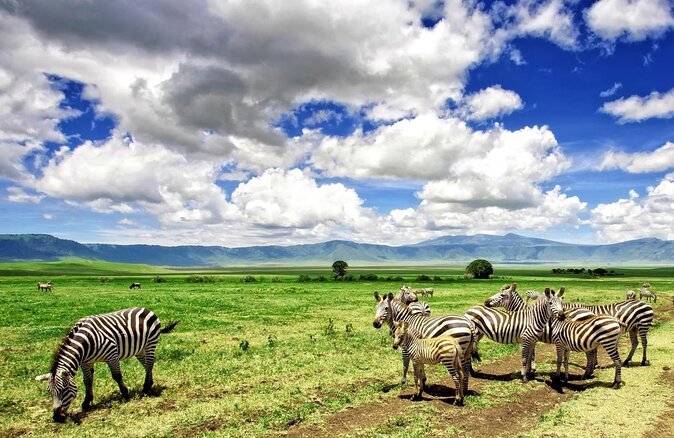
This safari is designed for you to see variety rather than stay in one park for a week. Arusha provides forest and mountain scenery, Tarangire brings elephants and dry-country wildlife, Lake Manyara adds birds and Rift Valley cliffs, and the Serengeti supplies the open plains people picture when they think of Tanzania.
Ngorongoro then gives you a concentrated final wildlife stop. The crater walls hold animals in a relatively enclosed area, making it one of the strongest places on this route for seeing several large species in a single day.
The private format matters. You are not sharing the vehicle with a large mixed group, and the itinerary says only your party participates. That gives you more room to discuss what you want to see, spend longer at an animal sighting, or move on when you have had enough.
The price is listed at $3,400 per person. That is not a budget safari, but the package includes private transport, all accommodation, meals, transfers, professional guiding, game drives, park-related fees, taxes, and mineral water. You are paying for a full northern circuit rather than a single park visit, and the private vehicle adds real value.
Still, ask for the exact vehicle arrangement, accommodation details, and final departure timing before paying. The program covers a lot of ground, and you should know how much time will be spent driving between parks.
A few more Moshi trips to weigh up
- Safari Serengeti And Ngorongoro
★ 5.0 · 288 reviews - Big Five Safari In Tanzania
★ 5.0 · 99 reviews - Unforgettable Tanzania Safari And Zanzibar Beach
★ 5.0 · 97 reviews
Day 1: Coffee farms and a useful Arusha briefing
You can arrive at Kilimanjaro International Airport and meet a safari driver for the transfer to Arusha. The first overnight is at Moivaro Coffee Lodge, set among coffee farms, with the rest of the day free.
This is a sensible first night. Instead of starting with a park drive after an international flight, you get time to rest, eat, and adjust to the pace of the trip. The pre-safari briefing also gives you a chance to check equipment and confirm mandatory medical coverage and travel insurance.
Dinner is included, and the night is on a half-board basis. Since the airport pickup is included, your main job is to provide accurate arrival information and keep your luggage ready for the morning.
One detail deserves clarification: the meeting information gives a 7:00 am start, while Day 1 says you may arrive at any time. Confirm the pickup plan if your flight arrives later in the day.
Day 2: Arusha National Park and Mount Meru views
The first park day takes you through Arusha National Park, a compact area with a surprisingly broad mix of scenery and animals. The program includes the Ngurdoto Crater, the Momela Lakes, and views of Mount Meru.
Buffalo herds are a major sight around the crater. At the lakes, you might find flamingos among the birdlife, while giraffes, zebras, colobus monkeys, leopards, and hyenas are listed among the park’s wildlife.
The picnic lunch is part of the appeal. You are not simply ticking off animals from a vehicle. You get a break with views of wooded savannah and rolling hills, plus a first lesson in how varied Tanzania’s habitats can be.
Arusha National Park is not the place to expect the same wide-open game viewing as the Serengeti. Its value is the mix of forest, lakes, crater scenery, and Mount Meru, and it makes a good opening chapter before the larger parks.
You return to Moivaro Coffee Lodge for a second night. Dinner is included, and the night remains half board.
Day 3: Tarangire’s river and elephant country
The route moves to Tarangire National Park, a smaller park with strong game viewing, especially in dry periods. Wildlife and birds gather around the Tarangire River, a permanent water source, so the river becomes the natural focus of the drive.
You might see elephants, buffalo, and a wide range of birdlife. The park’s appeal is less about rushing from one famous sight to another and more about watching animals gather around water in a dry setting.
The day is listed at about seven hours, including the drive and park time. That is a full day, but it is a manageable introduction to the longer road rhythm ahead.
You spend the night at Eileen’s Trees Inn Lodge, outside the park, with dinner, breakfast, and lunch included as part of the full-board arrangement. Staying outside the park can mean a longer start or finish to the next drive, but it can also provide a more comfortable lodge base than an in-park camp.
Same country, a completely different kind of safari:
- Kilimanjaro climb by Lemosho Route (7-day)
★ 5.0 · 651 reviews - Kilimanjaro climb, Machame Route (7-day)
★ 5.0 · 262 reviews - Kilimanjaro Climbing Lemosho Route 8 Days.
★ 5.0 · 186 reviews - Climbing Kilimanjaro – Machame Route
★ 5.0 · 170 reviews
Day 4: Lake Manyara’s birds and Rift Valley cliffs
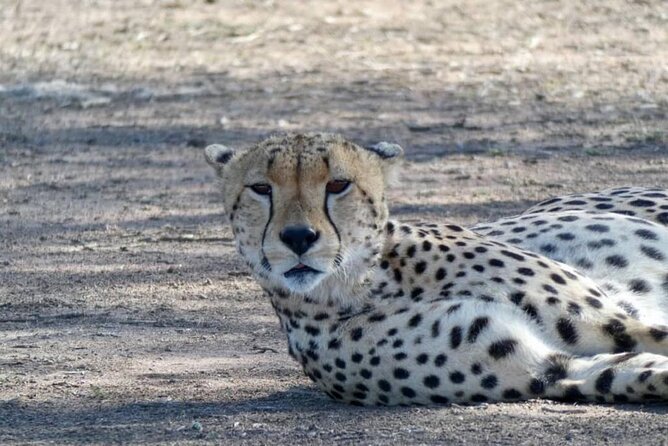
Lake Manyara National Park is small, yet it changes the tone of the safari. The lakeshore draws large numbers of birds, and you might also spot one of the park’s famous tree-climbing lions.
The setting is especially attractive. The lake sits below dramatic cliffs of the Rift escarpment, and the combination of water, forest, open areas, and cliffs gives you plenty to look at even when the animals are not close to the road.
Lake Manyara can be a good day for birdwatchers. The itinerary calls out flamingos and broad birdlife, including the chance to see species that do not dominate the larger grassland parks.
The tree-climbing lions are a possibility, not a promise. That is worth keeping in mind, since wildlife sightings depend on season, weather, animal movement, and luck.
After about seven hours, you make a shorter journey to Marera Valley Safari Lodge. This is another full-board night, with meals included. The lodge stop breaks up the route before the long push toward the Serengeti.
Day 5: Olduvai Gorge and the first Serengeti plains
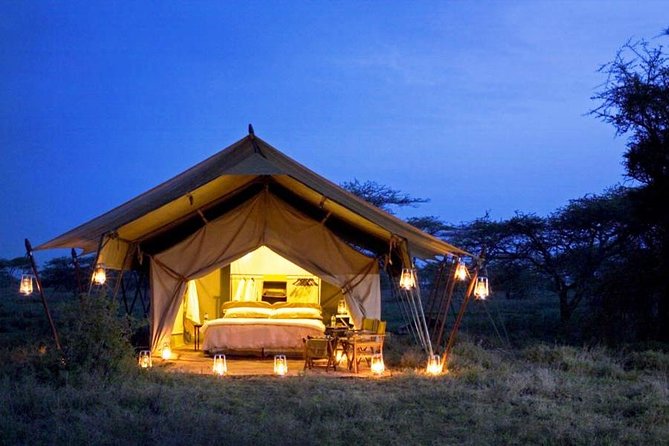
Day 5 is one of the route’s longest transitions. You head toward Serengeti National Park, with the option to visit Olduvai Gorge along the way.
Olduvai Gorge is important because archaeological discoveries there include evidence of human ancestors dating back about 2.5 million years. A small museum provides context, giving you something meaningful to do between wildlife drives and adding a human story to the natural history of the region.
After lunch, you enter the Serengeti. The first view is the classic one: broad plains, scattered acacia trees, and occasional rocky kopjes. These stone outcrops often give animals higher ground and add shape to an otherwise open setting.
The program points to December, January, and February as the period when large herds of wildebeest, zebra, and gazelle may be encountered during migration. Do not treat that seasonal note as a guarantee of seeing the migration in one exact place. Herd movements change, but those months can offer strong possibilities in the southern Serengeti area.
The day is listed at about six hours, although borderless safari timing can shift with road conditions, stops, and animal sightings. You begin to feel the scale of the Serengeti here. Distances are large, and the reward is the sense of open space.
Day 6: A full Serengeti day at Kati Kati Camp
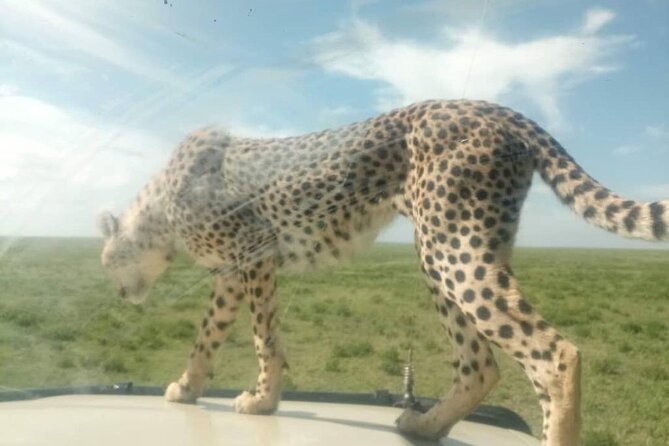
A second full day in Serengeti is essential. One afternoon is not enough to understand a park this large, and an early start gives you better use of the cooler part of the day.
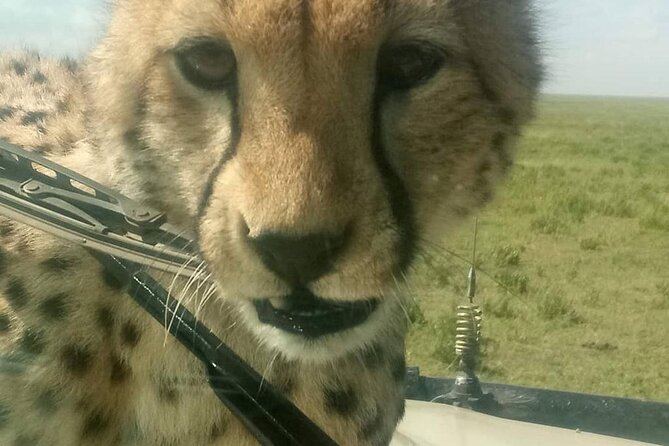
The target list includes elephants, giraffes, zebras, wildebeest, lions, leopards, and cheetahs. You might also see secretary birds, ostriches, and other birdlife. The important point is variety: the Serengeti is not only about large cats, and a good guide can help you notice smaller and less famous species.
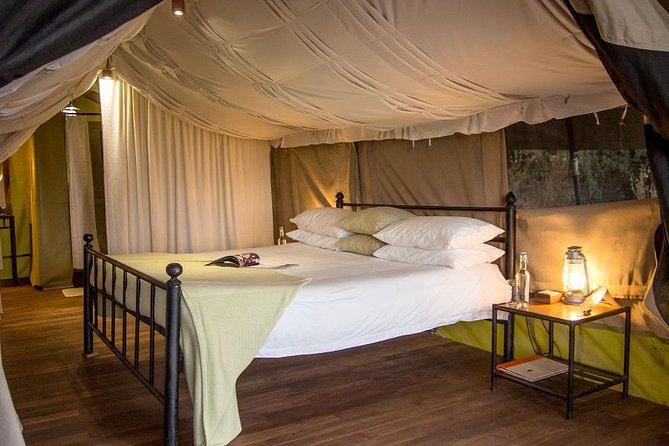
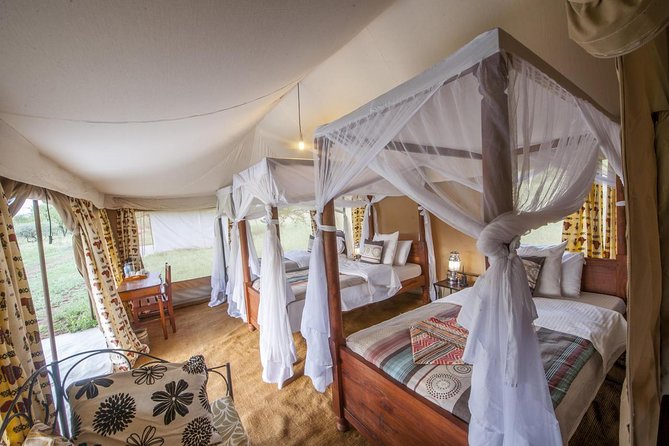
Your overnight is at Serengeti Kati Kati Tented Camp. Tented accommodation adds atmosphere without removing the basic comfort promised by the package. Ask in advance what facilities are provided in your tent, since the term tented camp can cover several levels of comfort.
This day is listed at about seven hours. Bring patience. A safari vehicle can cover substantial distance while looking for wildlife, and some of the best moments come from staying quiet and watching ordinary animal behavior rather than chasing a checklist.
Day 7: Early Serengeti drive and Ngorongoro Crater
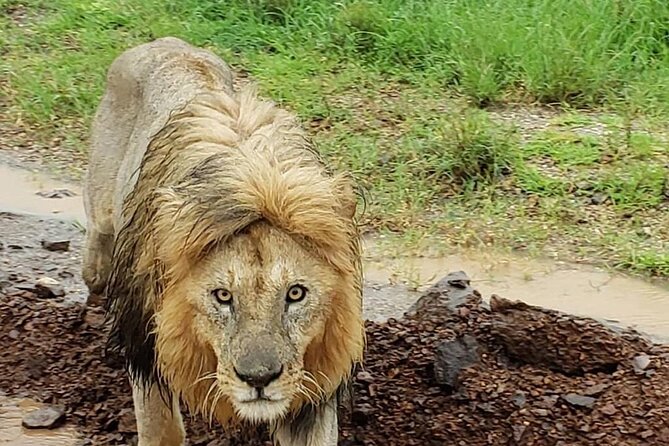
The day begins with an early morning game drive before you leave for the Ngorongoro Conservation Area. This is another reason to pack light and keep your camera ready the night before.
Later, you descend into Ngorongoro Crater. The crater walls form a natural enclosure, and the floor can offer sightings of lions, elephants, buffalo, rhinos, and, with luck, leopards.
The itinerary points out one notable absence: giraffes are not normally seen on the crater floor because the steep sides are difficult for them to manage. That small detail helps you understand that each park has its own animal pattern rather than delivering the same wildlife list every day.
Ngorongoro can feel concentrated after the Serengeti’s open distance. In one setting, you may find several large mammals, but the crater can also be busy with vehicles. The tradeoff is simple: more compact wildlife viewing, less solitude.
You spend the night at Ngorongoro Kirurumu Tented Camp, outside the conservation area, with full board. The listed activity time is about four hours, though the early drive and transfer make this a significant travel day.
Ngorongoro and Serengeti are the route’s two UNESCO-listed highlights. Their value is not just the title. Together, they show two very different forms of protected nature: a huge moving grassland system and a crater with a contained ecosystem.
Day 8: A relaxed finish and airport transfer
The final morning is free for rest or for exploring Arusha, including the Maasai market. This gives you a softer ending after several early starts and long drives.
An Arusha village experience is also included in the day’s plan. The available details do not specify its exact format or length, so ask the operator what you will see and who leads it before you arrive.
The return transfer to Kilimanjaro International Airport is included. The day is listed at about six hours, but confirm the timing against your flight. You do not want a late airport transfer after a market visit if your departure is early.
Lodges, tented camps, and meals
The accommodation changes often, but the variety fits the route. You begin at Moivaro Coffee Lodge, then use Eileen’s Trees Inn Lodge and Marera Valley Safari Lodge before moving into Serengeti Kati Kati and Ngorongoro Kirurumu tented camps.
Moivaro’s coffee-farm setting gives the arrival night a distinct sense of place. The tented camps should appeal to you if you want a closer-to-nature stay rather than identical hotel rooms throughout the trip.
Breakfast is included for eight days, while lunch and dinner are included for seven days. Day 1 is half board, and the later safari nights are full board. Tips are not included, so carry money for gratuities and ask your operator how the guide and support staff are normally tipped.
Mineral water is included, which is useful on long drives. You should still confirm whether there are limits on the daily amount and bring personal snacks if you prefer to eat between scheduled meals.
What the private format is worth
A private safari is more expensive than joining a shared vehicle, but it gives you control over the experience. You can ask your guide to explain conservation work, animal behavior, and the local ecosystem as you go, rather than waiting for a group consensus at every stop.
The program also calls for fully equipped game-drive vehicles and private transportation. I would ask what equipment is supplied, especially if you care about charging, camera storage, roof access, or seating arrangements.
The guiding team matters more than polished marketing. Names connected with the company include Clinton, James, Sengoro, and Verah, but the supplied information does not assign each person to this exact safari. Confirm your guide’s name before departure and use the pre-safari briefing to discuss your interests.
Past praise connected with the company places special weight on safety, support, organization, and quick communication through WhatsApp or email. Those are useful qualities on a safari, where road timing and park conditions can change the shape of a day.
Who should book this safari
You should consider this trip if you want a private northern Tanzania circuit with major parks, included meals, and a blend of lodges and tented camps. It suits first-time safari visitors who want a broad introduction without arranging each transfer themselves.
It also suits families, since the private setup keeps the group together and avoids sharing a vehicle with strangers. One supplied account describes a family of four taking an eight-day safari through Tarangire, Serengeti, Ngorongoro, and Lake Manyara, followed by a Zanzibar extension. That does not prove every family arrangement will be identical, but it shows the route can fit a family itinerary.
You may want a different plan if your priority is a slow, luxury stay in one reserve. This program moves frequently, includes long drives, and aims for range. It is active, road-based, and built around seeing several habitats in one trip.
The tour is listed as suitable for most participants, with pickup offered and a mobile ticket. Travel insurance and mandatory medical coverage must be confirmed, and gratuities remain your responsibility.
Should you book the 8 Days Tanzania Adventure Tented Camps Safari?
I would book this if you value variety and a private guide more than a leisurely pace. The strongest parts are the two Serengeti days, the concentrated wildlife of Ngorongoro, Tarangire’s river, and the chance to connect the parks with conservation and human history at Olduvai Gorge.
At $3,400 per person, the package has solid value because so many costly pieces are included. Before confirming, get the exact accommodation descriptions, guide assignment, vehicle details, arrival pickup time, and airport transfer schedule in writing.
If those details suit you, this is a practical way to cover Tanzania’s northern circuit in eight days. Just arrive ready for early mornings, changing camps, and long stretches of road between the unforgettable sightings.
FAQ
Where does the safari start?
The safari starts with pickup at Kilimanjaro International Airport in Tanzania, followed by transfer to Arusha.
How long is the experience?
The safari lasts approximately eight days.
Is this a private tour?
Yes. Only your group participates, and private transportation is included.
Which parks and conservation areas are included?
The route includes Arusha National Park, Tarangire National Park, Lake Manyara National Park, Serengeti National Park, and the Ngorongoro Conservation Area.
Are Serengeti and Ngorongoro UNESCO-listed destinations?
Yes. The tour identifies Serengeti and Ngorongoro among its UNESCO-listed highlights.
What accommodation is included?
Accommodation includes Moivaro Coffee Lodge, Eileen’s Trees Inn Lodge, Marera Valley Safari Lodge, Serengeti Kati Kati Tented Camp, and Ngorongoro Kirurumu Tented Camp.
Are meals included?
Yes. Breakfast is included for eight days, while lunch and dinner are included for seven days.
Is the airport return transfer included?
Yes. The return transfer to Kilimanjaro International Airport is included at the end of the safari.
Are tips included in the price?
No. Tips are not included.
Can I cancel for a full refund?
Yes, if you cancel at least 24 hours before the experience start time. Cancellations within 24 hours are not refunded, and changes within 24 hours are not accepted.
Just added around Moshi
- Mt Kilimanjaro 6 days Marangu route hike★ 5.0 · 3 reviews
- Private Cycle to Kilimanjaro Bike Park Safari★ 5.0 · 6 reviews
- Wildlife Extravaganza: Manyara, Tarangire & Ngorongoro in 3 Days★ 5.0 · 3 reviews
- 3 Days Private E-Bike Tour in West Kilimanjaro★ 5.0 · 3 reviews
- West Kilimanjaro cycling Adventures★ 4.5 · 8 reviews
- machame route★ 5.0 · 16 reviews
- Kilimanjaro Climb & Safari – Lemosho Route – 13 Day★ 5.0 · 10 reviews
- Kilimanjaro Climbing Umbwe Route★ 5.0 · 3 reviews
Kilimanjaro Tours, compared.






Climbing Kilimanjaro through 7 days Machame Route
Read our review →
