
Reviewed · MACHAME ROUTE CLIMBS
7 Days Machame Route
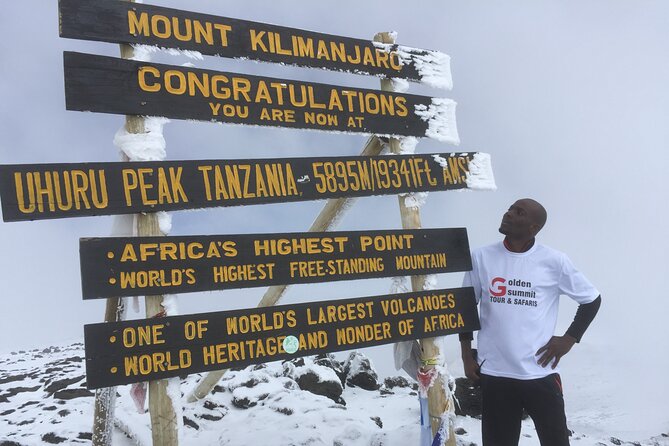
Kilimanjaro’s Machame Route gives you the mountain in changing moods: mossy rainforest, open heather, high moorland, glaciers, scree, and a sunrise summit at 5,895 meters. The seven-day plan is the wiser version of this trek, since the extra day gives your body more time to adjust to thin air.
I like the route’s climb high, sleep low pattern, especially on the Lava Tower day, and I like the practical support from Golden Summit Adventures, including porters who carry the tents and help look after belongings during the summit push. The main drawback is the summit day: up to 15 hours on foot, with a midnight start and a steep climb over loose scree.
Key points to know before booking
- Seven days gives you better acclimatization: The route can be done in six days, but this longer plan allows more time at altitude.
- The scenery changes every day: You move from cloud forest to Shira Plateau, high moorland, glaciers, and rocky summit terrain.
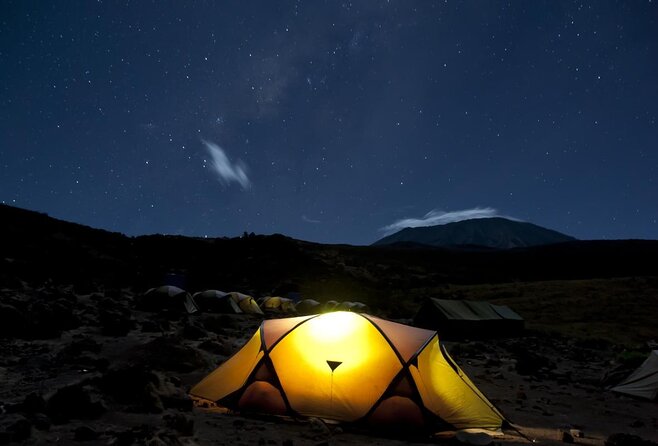
- You sleep in tents: Porters carry the camping equipment up the mountain.
- The summit day is very demanding: Expect a midnight start, 4 to 5 hours to the crater rim, a further hour to Uhuru Peak, then a long descent.
- The group is limited to 15 people: That is small enough to keep the trek organized without making it a private outing.
- The price is $2,000 per person: Its value depends on what your booking includes beyond the stated park tickets, transport, guiding, camping, and support.
Why seven days is the right length for Machame
The Machame Route is popular for good reason. It is scenic, varied, and shaped in a way that helps with acclimatization. You gain height during the day, then often descend to a lower camp for the night. That rhythm gives your body a better chance to handle Kilimanjaro than a rushed ascent.
I would choose seven days over six if your schedule allows it. Kilimanjaro is not simply a long walk. Altitude can affect strong, fit people, and the extra time makes the schedule less punishing. It does not remove the risk of altitude sickness, but it gives you more time to adjust.
The route is also a good match if you want a full mountain experience rather than a quick summit attempt. You spend several days moving through different plant zones before the final climb. The reward is not only the summit certificate. It is the gradual change from wet forest to bare volcanic rock.
The advertised price is $2,000 per person. That is a serious spend, but a guided Kilimanjaro trek requires park access, mountain staff, camping equipment, food, transport, and route management. The supplied details confirm included admission tickets, pickup, porters carrying tents, and a guided group capped at 15. Before paying, I would ask for a written list of everything included, particularly hotel nights, meals, tips, transfers, and personal equipment, since those details are not stated.
More Machame Route Climbs in Kilimanjaro
- Kilimanjaro climb, Machame Route (7-day)
★ 5.0 · 262 reviews - Climbing Kilimanjaro – Machame Route
★ 5.0 · 170 reviews - Climbing Kilimanjaro through 7 days Machame Route
★ 5.0 · 151 reviews
Day 1: From Moshi to the cloud forest
The opening hike takes you through Kilimanjaro’s moss-covered cloud forest. This is a cool, damp start, with thick vegetation and a clear sense that the mountain is changing around you.
The walk lasts about six hours. As you gain height, the forest thins and gives way to heathers, tall grasses, and wildflowers. That change is one of the first pleasures of the Machame Route. You are not walking through the same kind of scenery for a week.
This first day is long enough to test your boots and pacing, but it is not the brutal summit day ahead. I would use it to settle into a slow walking rhythm. You want to conserve energy from the start, not prove how fast you can climb.
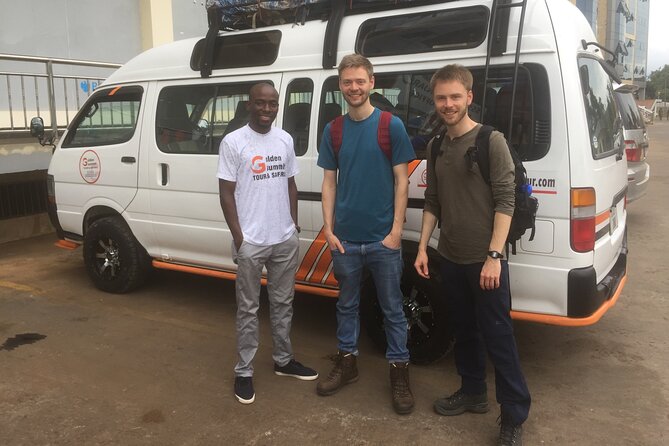
Pickup is offered, and the stated meeting time is 8:00 am. Since the exact pickup details are not provided, confirm the location and departure plan before the trek.
Day 2: Climbing to the Shira Plateau
Day two continues upward through the forest before a steeper ascent toward the Shira Plateau. The walk takes about five hours, so the day is shorter than the opening hike, but the climb feels more direct.
The Shira Plateau brings a major change in scenery and gives you rewarding views of Kilimanjaro. Looking back, you may see Mount Meru rising above the area around Arusha. This is a fine point to pause and notice how quickly you have climbed from the lower forest.
The main consideration here is exposure to altitude. Five hours may sound easy after day one, but the air is thinner and the terrain is higher. Follow your guide’s pace and do not race ahead. On a mountain trek, a steady arrival is more valuable than an impressive morning pace.
Day 3: Lava Tower and the walk-high, sleep-low plan
The third day is the route’s key acclimatization day. You walk across high moorland, pass beneath Lava Tower, and reach terrain near the final section of the Western Breach. The highest point of the day reaches about 4,600 meters.
The walking time is listed as eight hours. That makes this a demanding day, but its value is not only the scenery. You spend time high on the mountain, then sleep lower, following the mountaineering principle of walk high, sleep low.
This is also where the terrain becomes more severe. The forest is gone, replaced by open volcanic ground and wide views. You may find the air noticeably thinner, and a slow pace becomes essential.
Lava Tower is a useful test of how your body is responding. Tell your guide if you develop a headache, nausea, unusual tiredness, or other altitude problems. The supplied information does not provide a medical protocol, so ask the company before departure how altitude concerns are handled.
More Machame Route Climbs in Moshi:
- #1. Best Kilimanjaro Day hike Tour-Machame Route-ISMANI
★ 4.2 · 47 reviews - 7 Days Machame route – Kilimanjaro
★ 5.0 · 45 reviews - The Best of Machame Route in 6 Days: Your World’s Summit Guide
★ 5.0 · 44 reviews - Best Kilimanjaro Adventure 7 days Machame route Trekking
★ 5.0 · 42 reviews
Day 4: A shorter day at high altitude
The fourth day is listed as about four hours. Its description repeats the previous day’s high moorland and Lava Tower section, so the exact route between camps is not fully clear. I would ask Golden Summit Adventures to confirm the camp names and walking direction for this day before booking.
Even with that unclear wording, the purpose of the schedule is easy to understand. You are not rushing straight to Barafu. The shorter day gives your body more time at altitude while keeping the walking load manageable.
That slower structure is one of the strongest reasons to select seven days. A six-day plan may reduce one night or combine sections, while this itinerary gives you a quieter transition before the final approach.
Day 5: Toward Barafu Camp and the glaciers
After breakfast, you hike toward Barafu Camp, the high camp used before the summit attempt. The walking time is about four hours, and the route includes views of several of Kibo’s glaciers.
You also pass the junction connecting the Mweka descent route with the Machame trail. The route description refers to the Heim, Kersten, and Decken Glaciers, adding a striking reminder that Kilimanjaro is a volcanic mountain with an icy summit zone.
Barafu is not a place to treat as a normal overnight stop. The next climb begins around midnight, so this afternoon is mainly about eating, resting, and preparing for a very early start. Keep your summit-day clothing and essentials easy to reach. The less time you spend sorting your bag in the dark, the better.
The trek uses tents carried by porters. The practical support matters most here, when you need to protect your energy for the summit rather than carry a full camping load.
Day 6: The midnight climb to Uhuru Peak
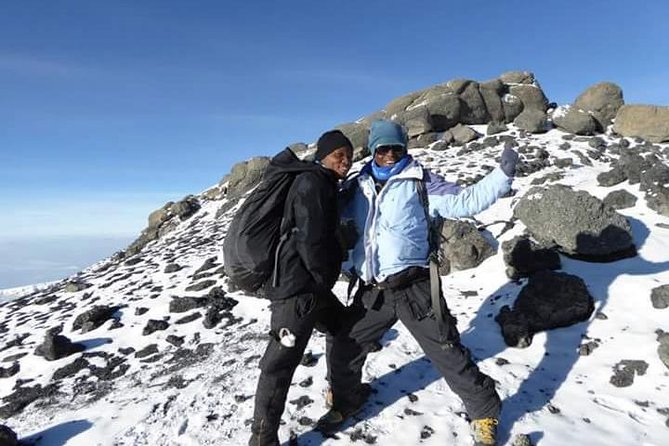
This is the day that defines the trip. You start around midnight and climb steeply toward the summit glaciers. The ascent over scree takes four to five hours, but the route gains a great deal of height in a short distance.
You aim to reach Stella Point on the crater rim at 5,739 meters as the first light appears. From there, you can see ice cliffs inside the crater, along with Mawenzi Peak and the wider mountain views. Another hour takes you to Uhuru Peak at 5,895 meters, the highest point in Africa.
The timing creates a special experience, but it also makes the day hard. You are walking through the night after several demanding days, and the cold, darkness, altitude, and loose rock all add effort. The stated duration is about 15 hours, including the return to Barafu and the descent to Mweka Camp.
After reaching Uhuru Peak, you return to Stella Point and descend the scree slope to Barafu for breakfast. Then you continue down to Mweka Camp for a long rest. This double descent is easy to underestimate. Reaching the summit does not mean the day is finished.
The company’s support is especially important during this stretch. The operation is described as organized, with porters helping look after belongings during the summit attempt, guides focused on safe progress, and meals intended to remain filling and varied. Those are not small matters on a 15-hour day.
Day 7: Down through rainforest to Mweka Gate
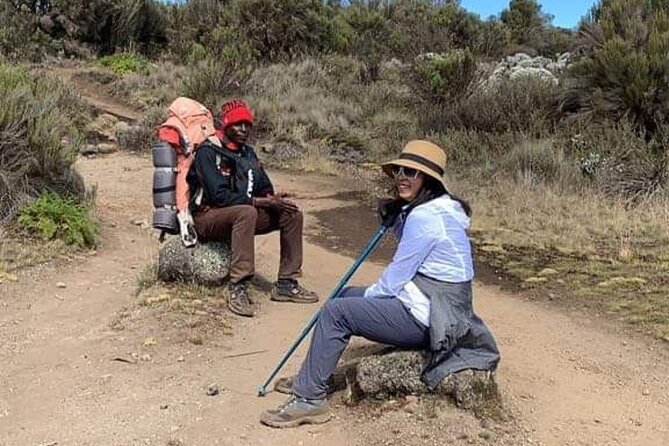
The final trek is a gentler three-hour descent through rainforest to Mweka Gate. After the bare upper mountain, the return to thicker vegetation feels like a dramatic change.
At the gate, you complete park formalities and receive certificates. Transport then takes you back to your hotel in Moshi, where you can shower and celebrate with cold drinks. The itinerary says you spend the night at your arranged hotel, but it does not say that this hotel night is included in the $2,000 price, so confirm that detail.
The final day is shorter, but your legs may still feel the summit push. Keep your pace controlled and use walking poles if you have them. The goal is to reach the gate comfortably, not to race down the mountain.
Guides, porters, food, and group size
Golden Summit Adventures is praised for experienced guides and careful organization. The strongest practical details include porters looking after belongings during the summit climb, filling meals, and clear support from the first briefing through the return to Moshi.
No guide names are provided, so I cannot tell you who will lead your specific group. Ask for the lead guide’s name, the guide-to-climber ratio, and the company’s altitude safety plan before departure.
The maximum group size is 15 people. That is not a private trek, but it is still a workable size for a mountain route. A group of this size can include mixed walking speeds, so ask how the company handles different paces and whether smaller walking groups are used when needed.
Food also matters more than many people expect. The available information points to meals that are interesting and filling, but it does not list menus or dietary arrangements. Tell the company about dietary needs before you go and ask what meals are supplied each day.
Who will get the most from this trek
This trip suits you if you want:
- A scenic route with several vegetation zones
- A seven-day schedule rather than the faster six-day version
- Tented mountain camping with porter support
- A guided climb with a maximum of 15 people
- A serious physical challenge ending at Uhuru Peak
- Pickup and a return transfer to Moshi
You should think carefully if you dislike camping, struggle with long walking days, or want a relaxed holiday with only short hikes. The summit day alone lasts about 15 hours, and the route requires a moderate level of fitness at minimum.
You do not need to be a technical climber based on the information provided, but you do need stamina, patience, and comfort with steep uphill walking. The biggest challenge is not one dramatic rock climb. It is the repeated effort, followed by a night climb at high altitude.
Is $2,000 good value?
At $2,000 per person, this is not a budget day trip. It is a week-long mountain expedition with park admission, guides, porters, tents, meals, and transport described as part of the operation. A smaller group and an extra acclimatization day can also make the price easier to justify.
Still, do not judge value from the headline alone. The supplied details do not clearly spell out hotel nights, tips, personal gear, airport transfers, or every meal before and after the mountain. Ask for an itemized inclusion list.
I would also check the company’s porter support and guide arrangements directly. Good organization, solid meals, and reliable help with belongings matter far more than a glossy promise of reaching the summit. The available feedback gives this company its strongest marks for customer care, food, guide support, and attention to small details.
Cancellation is flexible up to 24 hours before the 8:00 am start time, with a full refund. Inside that 24-hour window, the payment is not refunded and changes are not accepted.
Should you book the seven-day Machame Route?
I would choose this trip if you want the classic Machame scenery and can handle a demanding tented trek. The seven-day schedule is a sensible choice because it gives you more time to adjust, and the climb-high, sleep-low pattern is built into the route.
Before booking, get written answers about the exact day four camp, hotel nights, meals, tips, equipment, and altitude procedures. If those details suit you, the combination of varied terrain, porter support, a small group, and a full summit attempt makes this a strong option for a first Kilimanjaro climb.
If your fitness is only moderate in the everyday sense, take that warning seriously. You need to prepare for long uphill days, a midnight start, loose scree, and a 15-hour summit day. The mountain rewards patience, not bravado.
FAQ
How long is the Machame Route experience?
The trek lasts approximately seven days, including the return to Moshi on day seven.
What time does the experience start?
The stated start time is 8:00 am.
Is pickup available?
Yes. Pickup is offered, though the exact pickup location should be confirmed before departure.
Where does the trek take place?
The trek takes place on Mount Kilimanjaro, with the experience based in Moshi, Tanzania.
How high is Uhuru Peak?
Uhuru Peak is listed at 5,895 meters.
How long is the summit day?
The summit day takes approximately 15 hours, beginning around midnight and ending at Mweka Camp after the summit and descent.
Where do you sleep during the trek?
You sleep in tents carried up the mountain by porters.
How large is the group?
The maximum group size is 15 people.
What is the cancellation policy?
You can cancel at least 24 hours before the experience start time for a full refund. Cancellations or changes made within 24 hours are not accepted and are not refunded.
More 7-Day Experiences in Moshi
- Kilimanjaro climb by Lemosho Route (7-day)
★ 5.0 · 651 reviews - Private Kilimanjaro Hike 7 Day Lemosho Route
★ 5.0 · 60 reviews - 7-Day Magical Tanzania Safari -Premium High End Package
★ 5.0 · 53 reviews - Kilimanjaro climb, Rongai Route (7-day)
★ 5.0 · 40 reviews
Just added around Moshi
- Mt Kilimanjaro 6 days Marangu route hike★ 5.0 · 3 reviews
- Wildlife Extravaganza: Manyara, Tarangire & Ngorongoro in 3 Days★ 5.0 · 3 reviews
- Private Cycle to Kilimanjaro Bike Park Safari★ 5.0 · 6 reviews
- 3 Days Private E-Bike Tour in West Kilimanjaro★ 5.0 · 3 reviews
- West Kilimanjaro cycling Adventures★ 4.5 · 8 reviews
- machame route★ 5.0 · 16 reviews
- Kilimanjaro Climb & Safari – Lemosho Route – 13 Day★ 5.0 · 10 reviews
- Kilimanjaro Climbing Umbwe Route★ 5.0 · 3 reviews
Machame Route Climbs, compared.



Climbing Kilimanjaro through 7 days Machame Route
Read our review →
7-Day Machame Kilimanjaro Summit Tour from Arusha
Read our review →
7 Days Kilimanjaro via Machame route affordable price
Read our review →
#1. Best Kilimanjaro Day hike Tour-Machame Route-ISMANI
Read our review →

The Best of Machame Route in 6 Days: Your World’s Summit Guide
Read our review →Browse the lists this tour appears in