
Reviewed · MACHAME ROUTE CLIMBS
7 Day Trek To The Roof Of Africa Kilimanjaro via Machame Route
Kilimanjaro’s Machame Route takes you from rainforest to glacier country in less than a week of walking. You’ll cross heather, moorland, alpine desert, and high snowfields before making the final push to Uhuru Peak at 19,341 feet.
I like the route’s careful acclimatization plan, especially the climb to Lava Tower before sleeping lower at Barranco. I also like the practical support: three hot meals a day, two health checks, emergency oxygen, and guides trained in wilderness first response. The catch is simple: this is a hard climb, and the summit day demands a long night of walking at extreme altitude.
Key points to know before booking
- The route takes nine calendar days: Seven mountain days are joined by an arrival day and a final hotel or airport day.
- Lava Tower is the acclimatization test: You climb to 15,190 feet, then sleep at Barranco Camp at 12,960 feet.
- The summit day is the toughest stretch: From Barafu Camp, you climb to Uhuru Peak, then descend all the way to Mweka Camp.
- Meals and health checks are included: The crew prepares three daily meals and checks your oxygen level twice each day.
- The group can have up to 15 people: That keeps the trip social, but it is not a private climb.
- The $3,190 price covers major essentials: Park fees, permits, camping, transport, hotel nights, meals, guides, porters, and safety equipment are included.
Why Machame is Kilimanjaro’s classic route
The Machame Route earns its reputation through variety. On the first day of walking, you are under tall rainforest. A few days later, you are crossing open moorland and high alpine desert with the mountain’s glaciers in view.
That change is not just pretty. It gives the climb a strong sense of progress. Each day looks and feels different, which helps break up the physical work. You are not simply walking uphill for a week.
The route also gives you a useful acclimatization pattern. On Day 4, you climb to Lava Tower at 15,190 feet, then descend to Barranco Camp for the night. This climb high and sleep lower approach is valuable because altitude, not distance, is the main challenge for many people on Kilimanjaro.
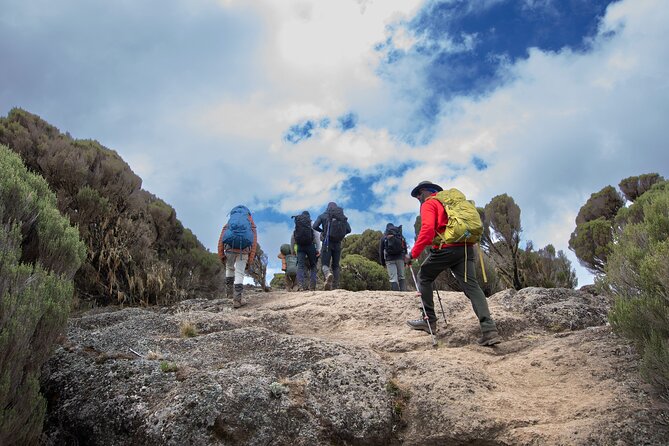
You should still treat the Machame Route as a serious expedition. The itinerary describes a moderate fitness requirement, but that wording should not fool you. You need to be comfortable walking for several hours on uneven ground, carrying your personal day gear, and continuing when the air becomes thin.
More Machame Route Climbs in Kilimanjaro
- Kilimanjaro climb, Machame Route (7-day)
★ 5.0 · 262 reviews - Climbing Kilimanjaro – Machame Route
★ 5.0 · 170 reviews - Climbing Kilimanjaro through 7 days Machame Route
★ 5.0 · 151 reviews
Day 1: Airport pickup and a night in Moshi
Your trip begins with pickup at Kilimanjaro International Airport. Ground transportation is included, along with two hotel nights in Moshi at Kili Wonders Hotel or a similar property.
This first night gives you time to arrive, rest, and prepare before the climb. Breakfast is included at the hotel. Lunch and dinner are not included there, so budget separately for those meals.
The airport transfer is especially useful if you arrive tired or late. Kilimanjaro International Airport is not in central Moshi, and having the company arrange the first ride removes one piece of airport negotiation from an already busy arrival day.
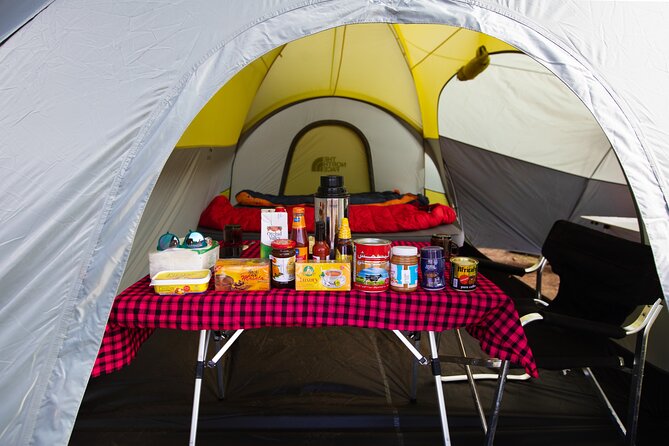
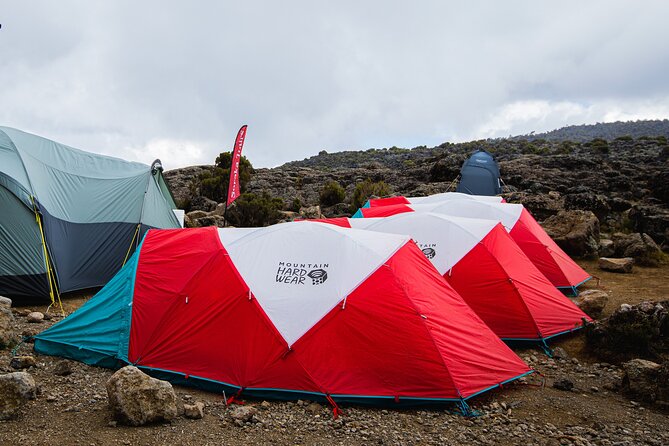
Use this time to confirm your personal equipment. Sleeping bags, hiking boots, and personal climbing gear are not included. The operator supplies warm sleeping mats and four-season Mountain Hardware tents, with two people sharing each tent unless you pay extra for single accommodation.
Day 2: Machame Gate to Machame Camp
The mountain portion begins at Machame Gate, at 5,905 feet. From there, the trail climbs to Machame Camp at 9,875 feet through rainforest.
This is a gradual introduction to the mountain. The forest is the wettest and most enclosed section of the route, so your clothing and daypack should be ready for changing conditions. The first day is less about speed than rhythm. Walk steadily, follow your guide’s pace, and avoid burning energy early.
You will notice the altitude gain by the time you reach camp, but the elevation remains manageable compared with the days ahead. The crew sets up the tented camp, dining tent, tables, chairs, and cooking system. You sleep on a warm mat in a shared tent.
Three freshly prepared meals are included each day on the mountain. Vegetarian, gluten-free, halal, and kosher meal plans can be accommodated, but you should state your needs when booking.
Day 3: Heather and moorland to Shira Camp
The trail leaves the thick forest and enters heather and moorland as you climb to Shira Camp at 12,600 feet.
This is a major visual change. The trees thin out, the sky opens, and the mountain feels larger around you. The walk is shorter in distance than many ordinary hiking days, but the altitude makes every climb more demanding.
Shira Camp is high enough that your body may begin to protest. Headaches, poor sleep, tiredness, and a reduced appetite can occur at altitude. The included twice-daily health checks are useful here. A guide uses an oximeter and asks specific health questions, giving the crew a regular way to watch for problems instead of relying only on how cheerful you feel.
Those checks are not a guarantee against altitude illness. You still need to speak plainly if you feel unwell. A strong guide should prefer an honest health update to a brave performance.
More Machame Route Climbs in Moshi:
- #1. Best Kilimanjaro Day hike Tour-Machame Route-ISMANI
★ 4.2 · 47 reviews - 7 Days Machame route – Kilimanjaro
★ 5.0 · 45 reviews - The Best of Machame Route in 6 Days: Your World’s Summit Guide
★ 5.0 · 44 reviews - Best Kilimanjaro Adventure 7 days Machame route Trekking
★ 5.0 · 42 reviews
Day 4: Lava Tower and the Barranco Camp acclimatization day
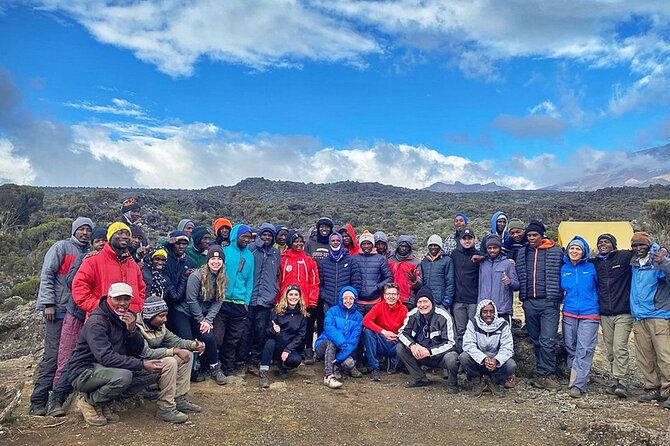
Day 4 is one of the smartest parts of the route. You climb from Shira Camp to Lava Tower at 15,190 feet, then continue to Barranco Camp at 12,960 feet.
At Lava Tower, you get a close look at the high volcanic terrain and views toward the Western Breach and Southern Glacier. The climb is a real test because you reach an elevation higher than your sleeping altitude that night.
Then comes the descent to Barranco. This is where the route’s acclimatization design makes sense. You spend time high, but you sleep lower than Lava Tower. It does not make the walking easy, yet it gives your body more useful exposure to altitude than a simple steady climb would.
Barranco Camp is also the base for one of the route’s most memorable features, the Barranco Wall. Do not expect a flat, gentle trail. You will use your hands at points and work your way across uneven volcanic terrain. The wall is not described as a technical rock climb, but it can feel intimidating if you dislike exposed or steep ground.
Day 5: The Barranco Wall to Karanga Camp
From Barranco Camp, you climb the famous Barranco Wall and continue to Karanga Camp at 13,270 feet.
This section is rewarding because the view improves as you rise above the camp. It also demands patience. The trail can narrow and slow the group, so do not judge your progress by distance alone.
Karanga Camp is only a little higher than Barranco, which makes this day another useful step rather than a dramatic leap in elevation. You are preparing for the final camps without racing upward.
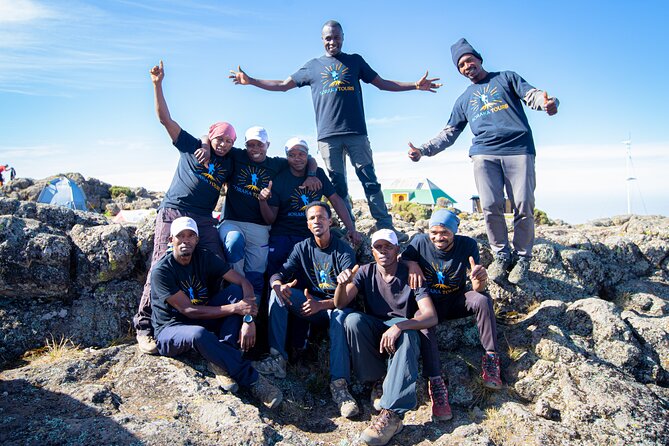
The professional crew matters here. Guides and porters handle camp logistics while you concentrate on walking. Soraka Tours says its guides have more than ten years of climbing experience each, and the company uses certified Wilderness First Responder guides. The mountain crew is also paid according to fair-wage standards set by KINPA, an important point for anyone who wants their money to support responsible trekking practices.
Day 6: Karanga Camp to Barafu Camp
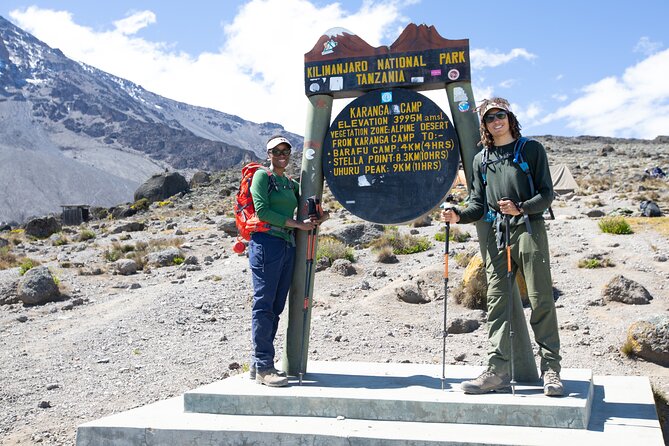
The trail climbs from Karanga Camp to Barafu Camp at 15,190 feet through high alpine desert.
By now, the scenery is spare and severe. Vegetation becomes limited, the air feels thinner, and the climb has a direct purpose: reaching the camp from which you will attempt the summit.
Barafu is not a place to linger for fun. It is the final camp before the summit attempt, and the schedule requires rest. You need to eat, drink, organize warm layers, and prepare your daypack before trying to sleep.
The trip supplies camping equipment and a dining setup, but your comfort still depends on your personal gear. Warm, reliable clothing and suitable boots are your responsibility. Travel insurance is also not included, and it should cover trekking at Kilimanjaro’s full altitude.
Day 7: Barafu Camp to Uhuru Peak and Mweka Camp
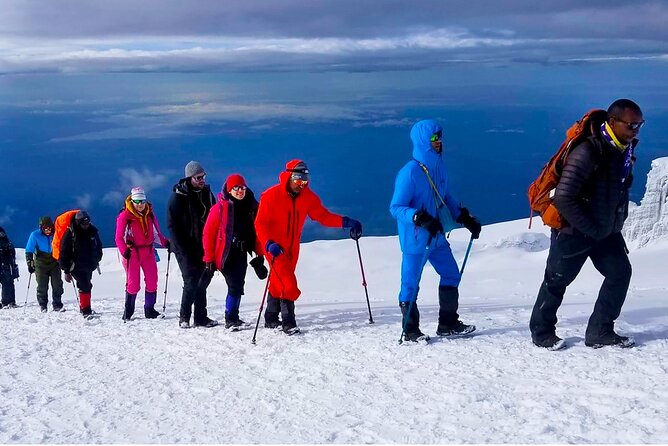
Summit day begins from Barafu Camp at 15,190 feet and climbs to Uhuru Peak at 19,341 feet. After reaching the summit, you descend to Mweka Camp at 10,170 feet.
This is the hardest day by a wide margin. You gain more than 4,000 vertical feet to the summit, then lose about 9,000 feet on the descent. The walk usually begins around the hours when you would normally be asleep, although an exact start time is not provided.
The summit section is about endurance rather than speed. The sunrise views, glaciers, and surrounding peaks provide a powerful reward, but you should not assume the final approach will feel magical every minute. Cold, darkness, thin air, and fatigue can make the climb feel slow.
The guides and porters are especially important on this day. One past climb included support with carrying some luggage during the summit push, but you should confirm exactly what personal items the crew will carry and what must remain in your daypack.
Reaching Stella Point, mentioned as a major achievement in one account, is not the same as reaching Uhuru Peak. Be clear with yourself and your guide about the day’s goal, and understand that turning back can be the correct safety decision if your health deteriorates.
The descent to Mweka Camp is a welcome change in altitude, but it is not easy. Your knees and feet will feel the miles, and loose volcanic ground can make the downhill portion tiring. Arriving at camp gives you a proper chance to rest before the final walk out.
Day 8: Mweka Camp to Mweka Gate
The final mountain day drops from Mweka Camp at 10,170 feet to Mweka Gate at 5,380 feet. From the gate, you return to the hotel.
This descent brings you back toward lower vegetation and a more familiar climate. It can feel surprisingly long because your body is tired from the summit day, even though the altitude is now helping.
At the hotel, you have a more comfortable base than the mountain camps. Breakfast is included on the hotel nights, while lunch and dinner remain your own expense.
Day 9: Airport transfer or more time in Tanzania
The final day is set aside for transfer to the airport or for continuing into a safari adventure.
That flexibility is useful, but it also means you need to plan your onward arrangements carefully. The experience includes airport pickup and drop-off, but airfare, visa fees, and safari costs are not included.
If you are flying home, allow enough time between the mountain finish and your flight. The supplied information does not state a fixed transfer schedule, so confirm the pickup time with Soraka Tours before you leave the hotel.
What the $3,190 price really covers
At $3,190 per person, this is a major purchase. The value depends on whether you want a properly supported climb rather than a stripped-down camping trip.
The price includes Kilimanjaro National Park fees, rescue and camping fees, airport transfers, all ground transportation, two hotel nights, mountain tents, sleeping mats, dining equipment, three mountain meals each day, guides, porters, emergency oxygen, and a medical kit.
That is a substantial bundle. Park and rescue charges alone are not minor extras, and arranging a supported climb independently would require managing permits, food, transport, camp equipment, and staff.
You still need to budget for airfare, visas, travel insurance, personal equipment, alcohol, hotel lunches and dinners, and tips for the mountain crew. Tips are not a small afterthought on a guided climb, so ask Soraka Tours for current guidance before you go.
Single tent accommodation costs extra. The standard arrangement is two people per tent, which is reasonable for a mountain trip but worth considering if sleep and privacy are important to you.
Guides, safety, and group size
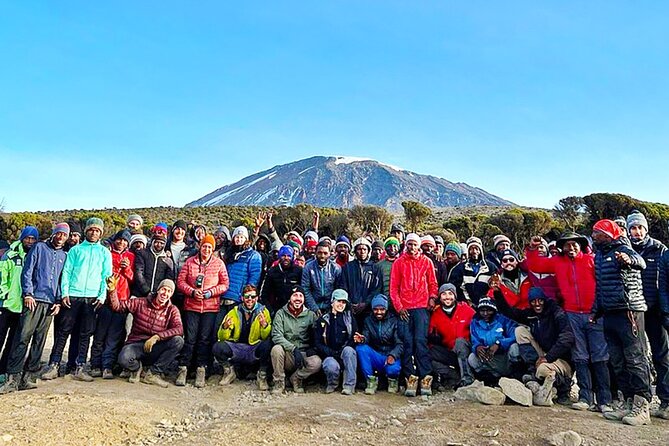
The group limit is 15 people. That is small enough for a shared experience, but large enough that walking speeds and summit decisions may vary.
The company provides certified Wilderness First Responder guides, guides with more than ten years of climbing experience, emergency oxygen, a medical kit, and two health checks each day. These are meaningful safety measures, particularly on a route reaching 19,341 feet.
Guides named Baraka and Baltasari have led climbs for the company. Baraka was also the head guide on one December ascent that reached Stella Point. You can ask at booking who will lead your particular departure, how many assistant guides will join the group, and how the team handles different fitness levels.
The most useful habit you can bring is honesty. Tell the guide about headaches, nausea, breathlessness, unusual weakness, or confusion. No summit photograph is worth hiding symptoms.
Who should book this Kilimanjaro climb?
I would recommend this trip to a fit novice who wants a full-service mountain experience and is willing to prepare seriously. You do not need to arrive as an expert climber, but you do need to accept long walking days, shared tents, limited personal comfort, and a demanding summit attempt.
It also suits experienced hikers who value route variety and organized logistics. The Machame Route gives you striking changes in scenery and a better acclimatization structure than a rushed climb.
I would hesitate to recommend it to anyone seeking a relaxed holiday, private rooms every night, or a predictable summit result. The itinerary is demanding, and the price does not include your personal equipment or insurance.
The five available ratings are all top marks, with especially strong praise for the guides, porters, food, organization, and emotional support. That fits the structure of the trip: the route is difficult, but the support system is designed to keep you focused on walking safely.
Should you book the Machame Route?
Book it if you want Kilimanjaro with strong logistical support, varied scenery, prepared meals, health monitoring, and a route that gives you a real acclimatization day. The inclusion of park charges, rescue fees, transport, hotel nights, and mountain staff makes the $3,190 cost easier to justify.
Before paying, confirm the exact hotel, guide team, summit-day schedule, equipment requirements, tipping expectations, and transfer timing. Also buy suitable travel insurance and prepare for the possibility that altitude, not fitness, may decide how far you go.
For a first major high-altitude trek, this is a sensible choice if you respect the mountain and prepare for the hard parts. It is not a casual hike with a big view at the end. It is a demanding, carefully supported climb that can leave you with a genuine sense of achievement.
FAQ
How long does the Kilimanjaro experience last?
The full experience lasts approximately nine days. This includes an arrival day, seven days on the mountain, and a final day for an airport transfer or further safari plans.
Where does the trek begin?
The mountain trek begins at Machame Gate in Kilimanjaro National Park, at an elevation of 5,905 feet. Airport pickup is provided from Kilimanjaro International Airport.
What is included in the $3,190 price?
The price includes national park fees, rescue and camping fees, mountain meals, airport pickup and drop-off, ground transportation, two hotel nights with breakfast, shared tent accommodation, sleeping mats, dining equipment, guides, porters, emergency oxygen, and a medical kit.
Are meals provided during the climb?
Yes. Three freshly prepared meals are provided each day on the mountain. Vegetarian, gluten-free, halal, and kosher meal plans can be accommodated.
Do I need to bring my own sleeping bag and hiking boots?
Yes. Personal climbing equipment, including sleeping bags and hiking boots, is not included. The tour does provide four-season tents and warm sleeping mats.
Can I cancel for a full refund?
Yes, if you cancel at least 24 hours before the experience start time. Cancellations or changes made less than 24 hours in advance are not accepted for a refund.
More 7-Day Experiences in Moshi
- Kilimanjaro climb by Lemosho Route (7-day)
★ 5.0 · 651 reviews - 7-Day Magical Tanzania Safari -Premium High End Package
★ 5.0 · 53 reviews - Kilimanjaro climb, Rongai Route (7-day)
★ 5.0 · 40 reviews - 7-Day Tanzania Odyssey Safari- High End Tour
★ 5.0 · 35 reviews
More Hiking & Trekking in Moshi
- Private Kilimanjaro Hike 7 Day Lemosho Route
★ 5.0 · 60 reviews - Best Kilimanjaro hiking day trip tour with Kilinge Adventures
★ 4.5 · 54 reviews - Kilimanjaro 7 Day Private Trekking Experience
★ 5.0 · 40 reviews - The Best & Unique Kilimanjaro Hiking tour 7 days Machame route
★ 5.0 · 34 reviews
Just added around Moshi
- Mt Kilimanjaro 6 days Marangu route hike★ 5.0 · 3 reviews
- Wildlife Extravaganza: Manyara, Tarangire & Ngorongoro in 3 Days★ 5.0 · 3 reviews
- Private Cycle to Kilimanjaro Bike Park Safari★ 5.0 · 6 reviews
- 3 Days Private E-Bike Tour in West Kilimanjaro★ 5.0 · 3 reviews
- West Kilimanjaro cycling Adventures★ 4.5 · 8 reviews
- machame route★ 5.0 · 16 reviews
- Kilimanjaro Climbing Umbwe Route★ 5.0 · 3 reviews
- Kilimanjaro Climb & Safari – Lemosho Route – 13 Day★ 5.0 · 10 reviews
Machame Route Climbs, compared.



Climbing Kilimanjaro through 7 days Machame Route
Read our review →
7-Day Machame Kilimanjaro Summit Tour from Arusha
Read our review →
7 Days Kilimanjaro via Machame route affordable price
Read our review →
#1. Best Kilimanjaro Day hike Tour-Machame Route-ISMANI
Read our review →

The Best of Machame Route in 6 Days: Your World’s Summit Guide
Read our review →Browse the lists this tour appears in