
Reviewed · 7-DAY EXPERIENCES
7 Day Safari in Tanzania National Parks
The best part of this seven-day safari is the range. You get a short walking safari in Arusha National Park, unusual wildlife in Tarangire, a close look at animals in Ngorongoro Crater, and several full days in the Serengeti. That gives you far more than a quick park visit and leaves room for wildlife sightings to unfold at their own pace.
I like the private vehicle and the practical kit: a new Land Cruiser with a pop-up roof, refrigerator, power sockets, Wi-Fi in much of the route, and binoculars for each car. I also like the guides named in past trip arrangements, including Daniel, Stephen, Anold, and Noel, who are praised for their patience, good animal spotting, and friendly company. The main drawback is the long time spent on rough park roads, with remote lodges and limited access for people who use mobility aids.
Key points at a glance
- Four major wildlife areas: Arusha National Park, Tarangire, Ngorongoro Crater, and Serengeti National Park all appear in one seven-day route.
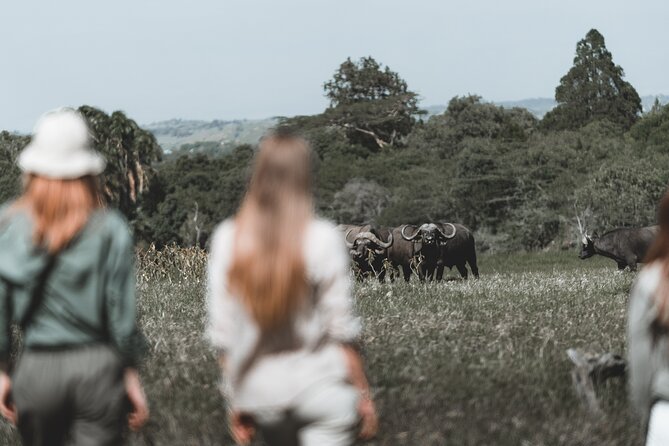
- A rare walking safari: A 1.5-hour bush walk with an armed ranger brings you close to giraffes, bushbuck, buffalo, and warthogs.
- Private travel: Only your own group rides in the safari vehicle, so you can ask the guide to pause, search for a species, or change the pace.
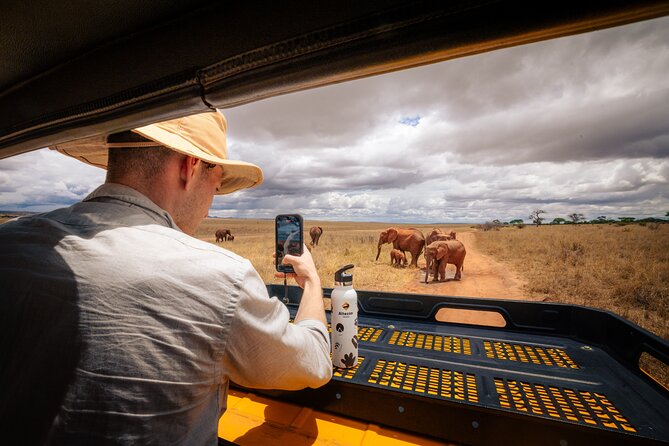
- Strong vehicle setup: The Land Cruiser has a pop-up roof, ergonomic seats, a refrigerator, power sockets, bottled water, hot drinks, and one set of binoculars.
- Three days in central Serengeti: The extra time helps you explore beyond the first cluster of sightings and look for lions, elephants, cheetahs, leopards, kopjes, and rhinos.
- Full-board lodging: Six breakfasts, seven lunches, seven dinners, and 3 to 4-star accommodation are included, while drinks at the lodges cost extra.
Why Seven Days Gives You a Better Safari
A short safari can produce fine sightings, but it often feels like a race between park gates, picnic stops, and hotel check-ins. This route gives you a week, with three days in central Serengeti alone. That matters because wildlife does not follow a schedule. A lion may be asleep in the morning and hunting by late afternoon. A leopard may stay hidden until the guide takes one more turn down a track.
The route also changes character as you go. Arusha is green and varied, Tarangire is known for elephants and unusual dry-country animals, Ngorongoro packs a remarkable number of species into a contained area, and Serengeti opens into huge plains. You get several kinds of safari instead of seeing the same type of scenery each day.
This is a private tour, not a shared vehicle. Your group can discuss what you want to see, take time for photographs, and ask the guide to spend longer with a pride of lions or a bird perched far from the road. The tradeoff is price. At $4,802 per person, it is a major purchase, but park fees, full-board meals, private transport, support, medical cover, and seven days of guiding are included.
A few more Kilimanjaro trips to weigh up
- Safari Serengeti And Ngorongoro
★ 5.0 · 288 reviews - Big Five Safari In Tanzania
★ 5.0 · 99 reviews - Unforgettable Tanzania Safari And Zanzibar Beach
★ 5.0 · 97 reviews
Day 1: Walking Near Mount Meru in Arusha National Park
Arusha National Park is a smart first stop because it eases you into safari life without starting with the largest and busiest-feeling parks. The park brings together Mount Meru, Momella Lakes, forest, and open savanna. Its most unusual feature is the chance to walk outside the vehicle with an armed ranger.
The walk lasts about 1.5 hours. You might see giraffes, bushbuck antelopes, buffalo, and warthogs at close range. Walking changes your sense of scale. You notice tracks, plants, sounds, and animal behavior in a way that is harder to do from a moving vehicle.
After the walk, you continue by Land Cruiser toward Momella Lakes and the open plains. A stop at the Ngurdoto Museum can add context about wildlife and human-wildlife conflict. This is a useful part of the day because it connects the protected area to the people who live around it.
The full stop is listed at about six hours. Since this is your first day, take the chance to settle into the vehicle, learn how the pop-up roof works, and tell your guide which animals matter most to you. You will have several more days, so there is no need to treat every early sighting as a race.
Days 2 and 3: Tarangire’s Elephants, Gerenuks, and Birdlife
The first Tarangire day usually begins with a 7:30 a.m. pickup from your hotel or agreed meeting point. You reach the park at about 10 a.m. and begin the game drive. That late-morning arrival gives you a simple first look at the park, while the second day takes you into different sections.
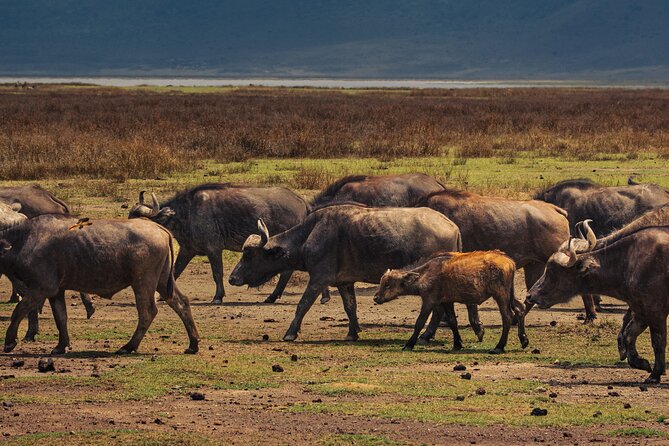
Tarangire is especially useful for people who want more than the standard lion-and-zebra checklist. You may see elephants, giraffes, buffalo, warthogs, and other familiar African animals, but the park is also known for long-necked gerenuks and oryx. These species are not typically found in the Serengeti, so Tarangire adds real variety to the route.
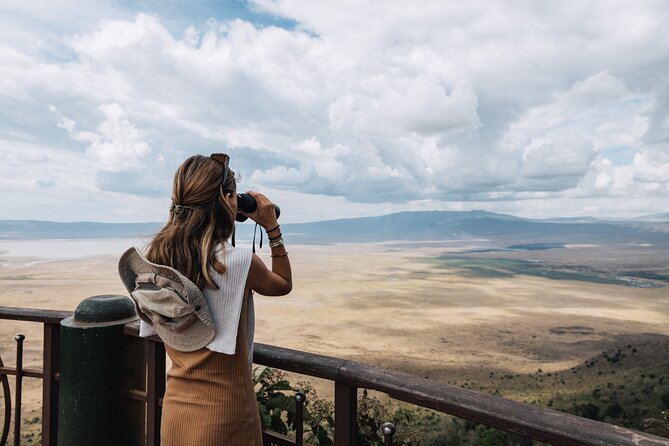
The park has more than 550 bird species. If you enjoy birds, ask the guide to slow down when something unusual appears. One set of high-resolution binoculars is supplied per car, which is helpful for distant birds and small animals. If your group has several serious bird-watchers, you may want to clarify how the binoculars will be shared.
Hyraxes are another small surprise. They look a little like oversized rodents, but they are closely related to elephants. You can often get close enough for good photographs, though you should never touch wild animals, even when they seem calm.
Two full days here give you a better chance to see the park’s less obvious species. The first drive introduces the area, while the second can focus on new routes and specific animals. The six-hour schedule is long enough for a proper game drive, but you should still expect heat, dust, and stretches when little happens. That quiet time is part of safari, not a sign that the day has failed.
Day 4: Ngorongoro Crater’s Dense Wildlife
Ngorongoro Crater changes the rhythm again. The descent takes about half an hour, passing through lush forest before you reach the crater floor. The volcanic bowl holds tens of thousands of wild animals, often within a relatively compact area.
This is one of the strongest days for people who want to see many animals without driving huge distances between sightings. You may encounter buffalo, lions, elephants, zebras, and other species in a single morning. The area is also one of the places where you have a chance of seeing a rhino, an important point for anyone hoping to complete the Big Five.
The morning game drive ends with a picnic stop near Lake Magadi. It is a practical break, but it also gives you a chance to rest after the early drive and take in the crater setting. Keep food secure and follow your guide’s instructions around animals. Wildlife can be close.
Ngorongoro is not a quiet, empty wilderness in the same way as parts of Serengeti. Its compact wildlife viewing can mean more vehicles around popular sightings, and the crater roads can be dusty and busy. Still, the concentration of animals makes this a valuable day, especially if you prefer frequent viewing opportunities to long open-road searches.
Same country, a completely different kind of safari:
- Kilimanjaro climb by Lemosho Route (7-day)
★ 5.0 · 651 reviews - Kilimanjaro climb, Machame Route (7-day)
★ 5.0 · 262 reviews - Kilimanjaro Climbing Lemosho Route 8 Days.
★ 5.0 · 186 reviews - Climbing Kilimanjaro – Machame Route
★ 5.0 · 170 reviews
Days 5 to 7: Three Days in Central Serengeti
After breakfast on Day 5, you transfer toward central Serengeti and the Seronera area. This is the heart of the safari, and the extra time here is one of the main reasons to choose this itinerary over a shorter circuit.
The guide can tailor the search to your interests. If lions are your priority, you can spend time checking likely resting areas. If you want elephants, cheetahs, leopards, or birds, tell the guide early. The strongest guides from the trip arrangements, including Daniel, Stephen, Anold, and Noel, are praised for staying alert, explaining animal behavior, and working hard to find the species their groups hoped to see.
Around lunchtime, you can stop at the Serengeti Visitor Center. A lunchbox is provided, and the center offers information about animal populations and the park’s past. Another option is to return to camp for a quick meal and nap, then go back out for the late afternoon and golden-hour drive.
That choice is worth considering. A rest break can make the final game drive more enjoyable, especially after several days on the road. Staying out can give you more time in the field, but you should not underestimate the value of sleep during a seven-day safari.
Day 6 brings another full day in central Serengeti. You may see lions resting one day and moving with purpose the next. Elephants can approach the vehicle, and a cheetah might appear on or near the safari car. Wildlife sightings are never guaranteed, but three days in the same broad area gives your guide more chances to read patterns and try new places.
Look for kopjes, the rounded volcanic rock formations scattered across the plains. They make strong photo subjects and often provide shade for resting animals. Simba Rock is also highlighted as the real-life inspiration for the scene in which Mufasa presents baby Simba in The Lion King. It is a fun stop for film fans, though the real Serengeti is far less tidy and predictable than a cartoon.
Day 7 offers another chance to explore new parts of the park before the return to Arusha. The Serengeti is too large to understand in one day, so this final drive helps you see a broader range of its plains and wildlife. By dinner, you are scheduled to reach your Arusha hotel, with other drop-off points possible on request.
The final transfer may be tiring. This is a route for people who accept long drives as part of the price of seeing several famous parks. The reward is a much fuller picture of northern Tanzania than you get from a two or three-day outing.
What the Land Cruiser and Lodging Mean on the Road
The vehicle is a new Land Cruiser 4×4 with a pop-up roof and ergonomic seats. The raised roof gives you a clear view when animals are nearby, while the refrigerator keeps drinks cool. Power sockets are useful for phones and cameras, although you should still bring your own charging plan.
Bottled water, soft drinks, hot coffee, and tea are supplied during safari drives. Free Wi-Fi is available, but only across about 60 to 75 percent of the route. Treat it as a bonus rather than a dependable connection. Remote park areas are part of the appeal, and the signal will not follow you everywhere.
Accommodation is in 3 to 4-star lodges named in the program, with full-board meals included. Breakfast, lunch, and dinner are covered, but drinks at the lodges are extra. If you have dietary needs, state them when booking. The operator accepts pescatarian, vegetarian, vegan, halal, gluten-free, lactose-free, and other meal preferences.
This setup offers a sensible middle ground. You are not paying for the most luxurious safari camps, but you are also not handling your own meals, park fees, or daily transport. Past trip arrangements also describe the lodging as comfortable, which fits the price and the practical focus of this tour.
Guides, Wildlife, and the Big Five
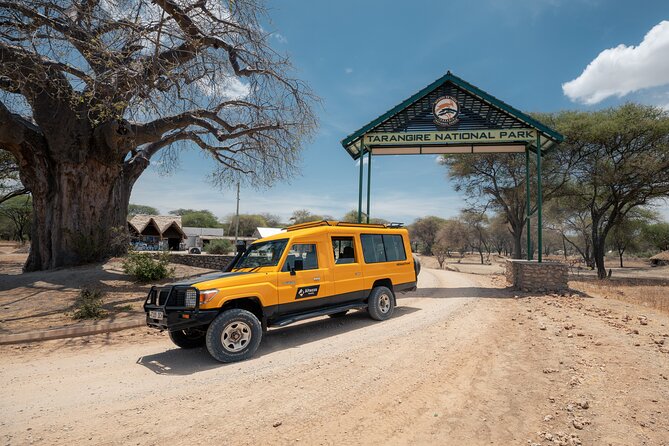
A safari guide can shape the entire week. The guide drives, reads tracks, explains behavior, answers questions, and decides when a sighting deserves more time. Guides associated with these trips include Daniel, Stephen, Anold, and Noel. Sophia has handled coordination on one trip arrangement. Assignments can change, so the name of your guide should be confirmed before departure.
The strongest praise attached to this safari focuses on the guides’ friendliness, animal spotting, and willingness to search. That is important because a good safari is not just a list of places. You need someone who can notice a distant shape, explain why an animal is behaving in a certain way, and keep the day pleasant when sightings are slow.
The route gives you a genuine chance to look for the Big Five: elephant, buffalo, leopard, rhino, and lion. No operator can promise all five. Ngorongoro is especially useful for rhino possibilities, while Serengeti offers long stretches for searching for big cats. Tarangire adds elephants and less common species, and Arusha gives you a more personal walking experience.
The package also includes an AMREF Flying Doctors air ambulance service and a medical kit. Those provisions do not remove the normal risks of remote travel, but they add a practical layer of support to a route far from major towns.
Price, Timing, and Who Should Book
At $4,802 per person, this safari is best judged as a complete seven-day package rather than a daily excursion. Park entry and concession fees are included, as are the vehicle, guide, lodging, meals, drinks in the jeep, binoculars, medical kit, air ambulance cover, and drop-off in Arusha. Those inclusions reduce the number of extra costs you need to manage.
Group discounts may improve the value for larger parties, even though the tour itself is private. A private vehicle is a real advantage for families, couples, and small groups with different priorities. You are paying more than you would for a shared safari, but you gain control over the pace and conversation.
The 7:30 a.m. start is standard for the first safari day, and many days run about six or seven hours. Expect early mornings, rough roads, heat, dust, and long transfers. You should be comfortable sitting in a vehicle for much of the day and staying in remote lodges.
This tour suits you best if you want the major northern parks in one trip, prefer 3 to 4-star comfort, and care about having a private guide. It is less suitable if you want a slow luxury holiday, dislike long road journeys, or need special vehicle storage and seating for mobility aids. The safari is not designed for people using special mobility equipment.
The cancellation terms are worth noting before you pay. Cancel at least six full days before the local start time for a full refund. Cancel two to six days ahead for a 50 percent refund, and cancellations within two days are not refunded. If poor weather forces a cancellation, you are offered another date or a full refund.
Should You Book This Tanzania Safari?
I would book this tour if you want a broad, well-supported northern Tanzania safari and you value time in the Serengeti over a rushed park checklist. The private Land Cruiser, full-board plan, park fees, medical support, and several days with a guide make the $4,802 price easier to justify.
Choose it with clear expectations. You may see an extraordinary concentration of animals, including lions close to the vehicle, elephants, giraffes, rhinos, cheetahs, leopards, and buffalo, but nature does not run on a promise. You will also spend long hours on rough roads and sleep in remote areas.
For the best fit, book if you want variety, private guiding, and serious wildlife time. Skip it if you need resort-style ease or a short, light schedule. This is a full safari, with the rewards and physical demands that come with it.
FAQ
What parks are included in the seven-day safari?
The route includes Arusha National Park, Tarangire National Park, Ngorongoro Crater, and Serengeti National Park.
Is this a private tour?
Yes. Only your own group participates, and you travel in a private safari vehicle.
What time does the safari start?
The typical starting time is 7:30 a.m. Pickup is arranged from your hotel or another agreed location.
Are meals and accommodation included?
Yes. The package includes the listed 3 to 4-star accommodation, six breakfasts, seven lunches, and seven dinners. Drinks at the lodges are extra.
Is Wi-Fi available during the safari?
Free Wi-Fi is included, but signal is available in only about 60 to 75 percent of the areas covered by the route.
How far ahead must I cancel for a full refund?
You must cancel at least six full days before the experience start time, based on local time. Poor-weather cancellations offer a different date or a full refund.
More 7-Day Experiences in Kilimanjaro
- Climbing Kilimanjaro through 7 days Machame Route
★ 5.0 · 151 reviews - 7 Days Kilimanjaro via Machame route affordable price
★ 5.0 · 110 reviews - Private Kilimanjaro Hike 7 Day Lemosho Route
★ 5.0 · 60 reviews - 7-Day Magical Tanzania Safari -Premium High End Package
★ 5.0 · 53 reviews
Just added around Kilimanjaro
- Mt Kilimanjaro 6 days Marangu route hike★ 5.0 · 3 reviews
- Private Cycle to Kilimanjaro Bike Park Safari★ 5.0 · 6 reviews
- Wildlife Extravaganza: Manyara, Tarangire & Ngorongoro in 3 Days★ 5.0 · 3 reviews
- 3 Days Private E-Bike Tour in West Kilimanjaro★ 5.0 · 3 reviews
- West Kilimanjaro cycling Adventures★ 4.5 · 8 reviews
- machame route★ 5.0 · 16 reviews
- Kilimanjaro Climb & Safari – Lemosho Route – 13 Day★ 5.0 · 10 reviews
- Kilimanjaro Climbing Umbwe Route★ 5.0 · 3 reviews
7-Day Experiences, compared.

7-Day Premium Luxury Tanzania Safari All-Inclusive
Read our review →
Group Safari 7 Days in Tanzania’s Main Parks
Read our review →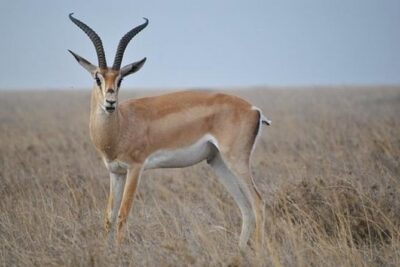

Climbing Kilimanjaro through 7 days Machame Route
Read our review →
7-Day Machame Kilimanjaro Summit Tour from Arusha
Read our review →Browse the lists this tour appears in