
Reviewed · MACHAME ROUTE CLIMBS
7-Day Kilimanjaro Trekking Tour via Machame Route
Kilimanjaro’s Machame Route earns its nickname, the Whiskey Route, honestly. It is steeper and more demanding than some alternatives, but it also gives you changing scenery, fine camps, and a proper sense of progress toward Uhuru Peak. The best moments come in layers: rainforest on day one, Shira’s open moorland, the alpine desert near Lava Tower, and sunrise above Africa.
I like the built-in acclimatization day, which takes you high to Lava Tower before dropping you to Barranco Camp. I also like the strong human side of the operation. Guides including Mwinyi, Gloria, Kelvin, and their wider crew are repeatedly praised for careful support, while the cooks and porters handle the practical work that lets you focus on walking.
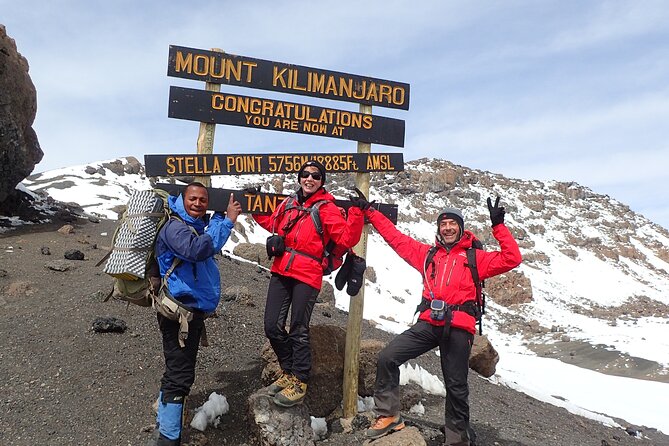
The main catch is the schedule. Summit day is long and tiring, with a midnight start, up to seven hours to Stella Point, another one to two hours to Uhuru Peak, and a descent afterward. You need moderate fitness, patience, warm gear, and a willingness to spend seven days camping at altitude.
Key details before you commit
- The route reaches 5,895 meters at Uhuru Peak, the highest point in Africa.
- Shira Camp offers sunset views, while Barranco is well suited to stargazing.
- Day four helps with acclimatization by taking you to about 4,640 meters at Lava Tower before sleeping lower at Barranco.
- The Barranco Wall requires hands and feet, but the route description says you will be secured if needed.
- Porters carry most of the group gear, and the camp setup includes a separate dining tent with tables and chairs.
- The price is $2,850 per person, including the private seven-day mountain program, airport pickup, park access, crew support, meals, camping, and the post-trek transfer as described.
Why the Machame Route is worth the extra effort
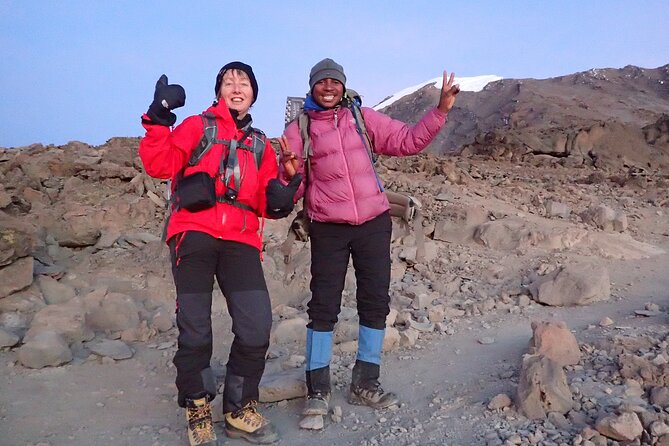
You do not climb Kilimanjaro for technical climbing alone. This is a long high-altitude walk, with steep sections, cold nights, thin air, and a final push that begins while most people are asleep. The reward is the variety of the route and the feeling that every camp has its own character.
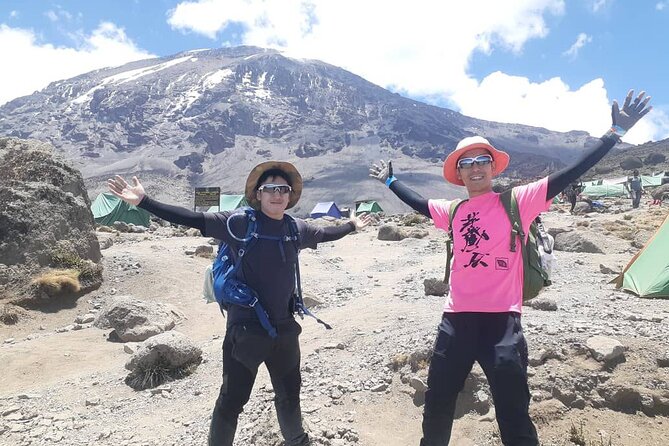
Machame begins in thick rainforest and then climbs through heath and moorland. Later, the trees disappear, replaced by volcanic rock, open slopes, giant Senecio plants, and small lobelias in the Barranco Valley. You get a much fuller picture of the mountain than you would on a route that follows one type of terrain for most of the climb.
This route is also good for people who value memorable camps. Shira gives you a broad view and sunset over the mountain range. Barranco can be a fine place to look up at the night sky. Karanga offers striking views when the weather clears. These are not just places to sleep. They help break the climb into distinct chapters.
The route is not gentle. The ascent and descent sections are steeper, and day five includes repeated ups and downs before Barafu Camp. If you want the easiest possible path to the top, this is not the obvious choice. If you want a scenic route with a strong mountain feel, the added effort makes sense.
More Kilimanjaro Climbs in Kilimanjaro
- Kilimanjaro climb by Lemosho Route (7-day)
★ 5.0 · 651 reviews - Kilimanjaro climb, Machame Route (7-day)
★ 5.0 · 262 reviews - Kilimanjaro Climbing Lemosho Route 8 Days.
★ 5.0 · 186 reviews
Day one: a practical start in Moshi
The experience begins with a meet and greet at Kilimanjaro International Airport, followed by a drive to Keys Hotel in Moshi. The stated start time is 8:00 a.m., and the first day includes a briefing and an overnight stay.
This hotel night matters. It gives you a place to settle in before the mountain begins, meet the operator’s staff, and check your clothing and equipment. Use the briefing to ask direct questions about the summit morning, water, layers, daypack size, and how the porter system works.
The first day is not a mountain walk, but it is part of the trip’s value. A rushed arrival straight into the forest would make the whole experience harder. Moshi gives you a buffer, though you should confirm the exact airport pickup timing when you book because the published schedule lists the airport meeting and the 8:00 a.m. start.
Day two: from Machame Gate into the rainforest
After breakfast, the drive from Keys Hotel to the Kilimanjaro National Park gate takes about one hour. Your guide handles the entrance forms while you watch the mountain crews sort food, tents, and other supplies.
That preparation gives you an early lesson in how a Kilimanjaro trek works. This is not a self-supported hike with one small backpack. Porters carry much of the equipment, and the whole camp moves ahead of you. The system makes the trek possible for many people, but it also reminds you to pack responsibly and keep your own daypack light.
From the gate, you walk for roughly five to six hours to Machame Camp. The forest is the star of this first walking day, with ancient trees and humid green cover. The pace should feel measured rather than hurried. On a high mountain, slow walking is not wasted time. It is part of managing your energy for the days ahead.
Machame Camp is your first night on the mountain. The published duration is about six hours including the day’s walking program, though actual progress can vary with conditions and the group’s pace. Do not judge your chances of reaching the summit by how easy or difficult this first day feels.
Day three: heath, moorland, and Shira Plateau
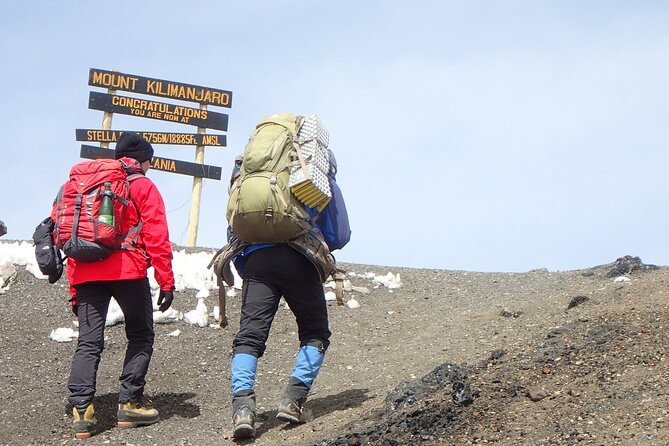
Day three is shorter in distance than day two, but it still begins early and takes around six hours. The forest gradually gives way to heath and moorland, so you can feel the mountain opening around you.
The reward is Shira Camp on the Shira Plateau. The camp sits high enough to give you a dramatic view of the mountain range, and the Kibo glacier may catch the last light as the sun sets. This is one of the route’s strongest evening stops.
You should bring a warm layer within easy reach for camp. The change from forest to open high ground can make the evening feel much colder and more exposed. Shira is also a good point to pay attention to your body. Headache, nausea, unusual fatigue, or poor appetite should be reported to your guide rather than brushed aside.
More Machame Route Climbs in Kilimanjaro
- Climbing Kilimanjaro – Machame Route
★ 5.0 · 170 reviews - Climbing Kilimanjaro through 7 days Machame Route
★ 5.0 · 151 reviews - #1. Best Kilimanjaro Day hike Tour-Machame Route-ISMANI
★ 4.2 · 47 reviews - 7 Days Machame route – Kilimanjaro
★ 5.0 · 45 reviews
Day four: Lava Tower for acclimatization, Barranco for the night
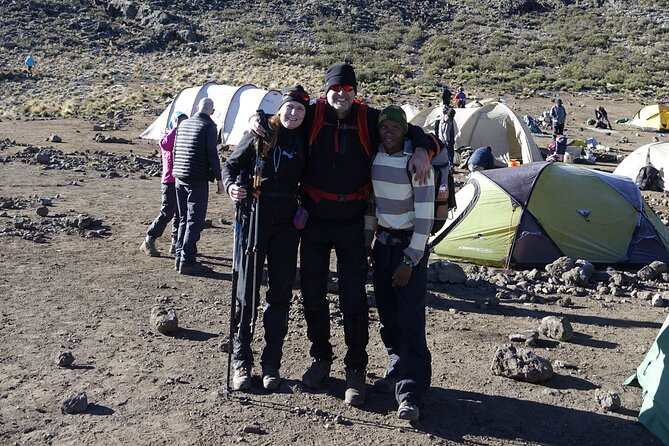
Day four is one of the smartest parts of this schedule. You climb about 700 meters to Lava Tower at approximately 4,640 meters, rest there, and then descend through the Barranco Valley to camp at a lower level than Lava Tower.
That pattern gives your body time to adjust to altitude without forcing you to sleep at the highest point reached that day. The walking takes around six to seven hours and passes through alpine desert, a stark change from the greenery below.
The Barranco Valley adds botanical detail to an otherwise spare setting. Small lobelia plants and giant Senecio plants give the valley an unusual, almost prehistoric look. Barranco Camp is also prized for its night sky. If conditions are clear, this may be one of the best places to spend a few quiet minutes looking upward.
You should treat this as a real workday, not a rest day. The altitude gain and descent can take more out of you than the hours suggest. Eat dinner, drink steadily, and keep your evening routine simple. The next morning brings one of the route’s most talked-about physical sections.
Day five: the Barranco Wall and the climb to Barafu
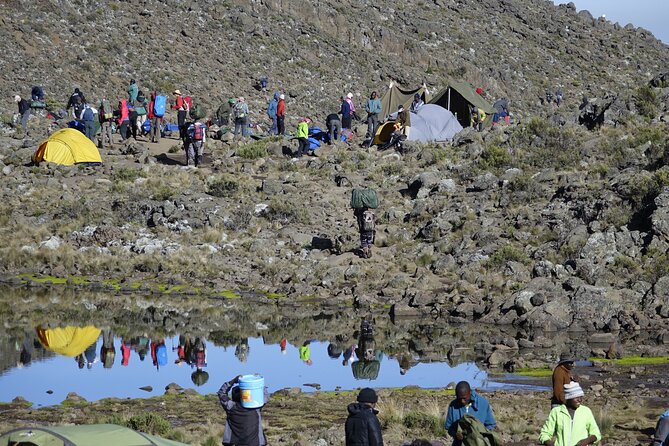
The day begins with the Barranco Wall. It looks more intimidating than it is, but you will use your hands and feet in places. The route information says safety comes first and that you may be secured if necessary.
This is not described as a technical climb, but it is a section where you should follow the guide closely. Keep three points of contact when possible, move slowly, and let faster people pass only when the guide says it is sensible. The wall is a good example of why the Machame Route feels more demanding than a simple uphill trail.
After the wall, the trail rises and falls repeatedly. You cross streams, wind through the mountain, and stop for lunch in Karanga Valley. Karanga Camp is known for its views when the weather is clear, but you should also see it as an important rest point before the final high camp.
After lunch, expect another two to three hours of climbing to Barafu Camp at about 4,640 meters. The total day is around eight hours. Barafu is the launch point for the summit, so your priorities are simple: drink plenty, try to eat even if your appetite is weak, and get to bed early.
The camp’s height and the following night’s schedule can make sleep difficult. That is normal for this kind of trip, but it is still worth resting as much as you can. Put your warm summit clothing, headlamp, water, and daypack where you can reach them without unpacking everything in the dark.
Day six: the midnight push to Uhuru Peak
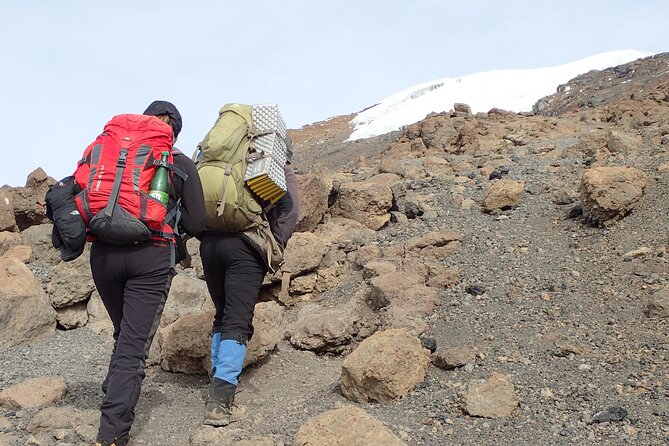
Summit day begins around midnight with tea and a biscuit. You dress warmly, switch on your headlamp, and begin the slow climb toward Stella Point.
The ascent takes about five to seven hours. The route is deliberately slow, often described by the Swahili phrase pole pole, meaning slowly, slowly. That pace is not a sign of poor fitness. It is how you conserve energy and handle the altitude.
Stella Point sits on the crater rim. From there, you walk another one to two hours along the rim to Uhuru Peak at 5,895 meters. The early morning light over the surrounding country is the payoff, but do not underestimate this final section. At this height, even a gradual trail can feel hard.
After reaching the summit, you return toward Barafu Camp by the same route. The descent may feel easier on your lungs, but the volcanic ash can be dusty once it warms. The supplied schedule gives the summit day a duration of about ten hours, though your exact timing can change with weather, pace, and how long you remain near the top.
This is the day when good guide support matters most. The operation’s highly praised crew includes Mwinyi, Kelvin, Gloria, David, James, Maulid, Ombeni, Prosper, and Amiri on one larger group, with other guides and cooks assigned depending on the party. The key point for you is to confirm your own guide team before departure and make sure you know who to speak with if you feel unwell.
Day seven: farewell, rainforest, and a proper shower
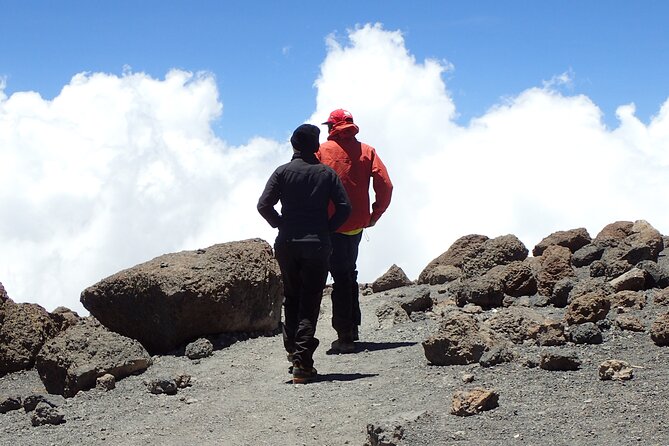
After breakfast, the mountain crew holds a traditional farewell ceremony. This is a meaningful close to several days of shared work. The guides, cooks, and porters have helped move the camp, food, and equipment up and down the mountain, so the ceremony gives you a chance to acknowledge that effort directly.
The final walk takes about two to three hours through the rainforest to Mweka Gate. A driver then returns you to Keys Hotel for a shower, cold drink, debrief, and certificate of achievement.
The published walking time is about four hours. The rest of the day is free for rest and reflection. That hotel return is a small but valuable comfort after summit day and the descent. You can clean up, repack, and think about the trip before moving on to another part of Tanzania.
What the support team adds to the price
At $2,850 per person, this is a major purchase, but the cost is tied to more than a guide walking in front of you. The program includes airport pickup, a Moshi hotel night, park entry arrangements, guides, cooks, porters, camp support, meals, the mountain route, the return transfer, and a certificate.
A separate dining tent with a table and chairs is part of the setup. That matters more than it may sound. After several hours of walking, having a protected place to sit and eat is a welcome break from your sleeping tent and the weather.
The food is another strong point. The available feedback describes large, multi-course meals, with enough food to satisfy a group after long days. You should still tell the operator about dietary needs before departure, since the supplied information does not specify menus or special meal policies.
The porter system brings comfort and raises an ethical question. You carry your personal daypack, while porters handle much of the food and equipment. Pack lightly, avoid unnecessary items, and ask the operator how porter loads, wages, tips, and working conditions are handled. A good trekking experience should support the mountain crew as carefully as it supports you.
Who should book this trek?
This tour suits you if you want a private activity, changing scenery, organized camping, and a seven-day schedule that includes a proper acclimatization pattern. It is also a good match if you value a local crew and want practical support from guides, cooks, and porters.
You should have a moderate level of physical fitness. The route includes six to eight-hour walking days, a hands-and-feet section on the Barranco Wall, repeated climbs and descents, and a ten-hour summit day that begins at midnight.
It may not suit you if you dislike camping, struggle with early starts, or want a short and gentle mountain holiday. The private format means only your group participates, but the mountain itself will still be busy at times, and the fixed route schedule leaves limited room for an easy day if you fall behind.
The score attached to the experience is 5 out of 5 from 12 ratings, with 100 percent recommending it. That is a positive signal, but you should still ask clear questions before paying, especially about the exact inclusions, tipping, gear rental, dietary needs, and what happens if you cannot continue above a camp.
The cancellation terms are simple: you receive a full refund if you cancel at least 24 hours before the start time. Cancellations within 24 hours are not refunded, and changes within that window are not accepted.
The practical booking decision
I would choose this trek for the route itself and for the balance between challenge and support. Shira’s sunset, Barranco’s stars, the Lava Tower acclimatization climb, and the final sunrise at Uhuru Peak give you a fuller Kilimanjaro experience than a bare summit attempt.
I would book only after checking the fine print and preparing properly. Confirm the airport pickup, hotel arrangements, crew names, included meals and equipment, and the full tipping plan. If you are comfortable with long days, high altitude, cold nights, and a midnight summit start, this is a strong choice. If you need a relaxed walking holiday, choose a different kind of trip.
FAQ
Where does the trek start?
The experience starts with a meet and greet at Kilimanjaro International Airport, also identified as JRO. The stated start time is 8:00 a.m.
Where do I stay before the climb?
You stay overnight at Keys Hotel in Moshi town after airport pickup, briefing, and arrival arrangements.
How long is the tour?
The tour lasts approximately seven days.
How much does the tour cost?
The listed price is $2,850 per person.
Is airport pickup included?
Yes. Pickup is offered, and the first day includes transfer from Kilimanjaro International Airport to Keys Hotel.
Is this a private tour?
Yes. Only your group participates in the private tour or activity.
How fit do I need to be?
You should have a moderate physical fitness level. The route includes long walking days, steep sections, and a demanding summit day.
How high is Uhuru Peak?
Uhuru Peak is 5,895 meters above sea level.
Does the trek include the Barranco Wall?
Yes. Day five includes the Barranco Wall, where you use your hands and feet. The route information states that you may be secured if needed.
Can I cancel for a full refund?
Yes, if you cancel at least 24 hours before the experience start time. Cancellations made within 24 hours are not refunded, and changes in that period are not accepted.
More Machame Route Climbs in Moshi
- The Best of Machame Route in 6 Days: Your World’s Summit Guide
★ 5.0 · 44 reviews - Best Kilimanjaro Adventure 7 days Machame route Trekking
★ 5.0 · 42 reviews - 6 Days Machame Route Kilimanjaro Climbing
★ 5.0 · 42 reviews - 6 Days Private Mount Climbing in Kilimanjaro Machame Route
★ 5.0 · 38 reviews
More Kilimanjaro Climbs in Moshi
- Kilimanjaro climb, Lemosho Route (8-day)
★ 5.0 · 148 reviews - Kilimanjaro climb, Lemosho Route (6-day)
★ 5.0 · 129 reviews - Kilimanjaro climb, Marangu route (6-day)
★ 5.0 · 72 reviews - Private Kilimanjaro Hike 7 Day Lemosho Route
★ 5.0 · 60 reviews
Just added around Moshi
- Mt Kilimanjaro 6 days Marangu route hike★ 5.0 · 3 reviews
- Private Cycle to Kilimanjaro Bike Park Safari★ 5.0 · 6 reviews
- Wildlife Extravaganza: Manyara, Tarangire & Ngorongoro in 3 Days★ 5.0 · 3 reviews
- 3 Days Private E-Bike Tour in West Kilimanjaro★ 5.0 · 3 reviews
- West Kilimanjaro cycling Adventures★ 4.5 · 8 reviews
- machame route★ 5.0 · 16 reviews
- Kilimanjaro Climb & Safari – Lemosho Route – 13 Day★ 5.0 · 10 reviews
- Kilimanjaro Climbing Umbwe Route★ 5.0 · 3 reviews
Machame Route Climbs, compared.



Climbing Kilimanjaro through 7 days Machame Route
Read our review →
7-Day Machame Kilimanjaro Summit Tour from Arusha
Read our review →
7 Days Kilimanjaro via Machame route affordable price
Read our review →
#1. Best Kilimanjaro Day hike Tour-Machame Route-ISMANI
Read our review →

The Best of Machame Route in 6 Days: Your World’s Summit Guide
Read our review →Browse the lists this tour appears in