
Reviewed · MACHAME ROUTE CLIMBS
7-Day Kilimanjaro Climb Machame Route
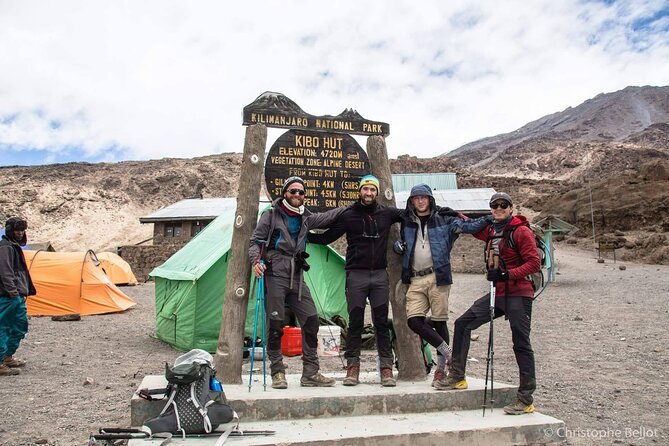
Mount Kilimanjaro’s Machame Route gives you the mountain’s biggest change of scenery in a single week. You begin in dripping rain forest, cross open moorland and volcanic rock, then face a long, cold summit night toward Uhuru Peak, Africa’s highest point. It is the popular route for good reason, but it is no easy stroll.
I like the route’s excellent acclimatization pattern, especially the high Lava Tower approach followed by a descent to Barranco. I also like the value: at $2,280 per person, the price includes park fees, accommodation, meals, and airport transfers. The main drawback is the pace. The final ascent is physically and mentally demanding, and camping on steep trails feels much tougher than the hut-based Marangu Route.
Key points to know before you book
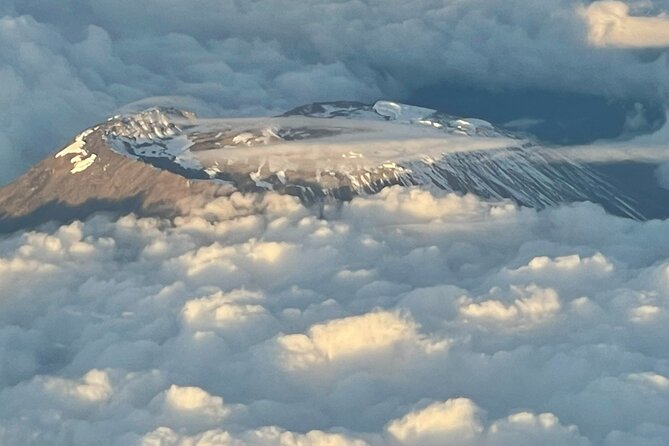
- Seven days on the Machame Route: You hike from Machame Gate to Mweka Gate through five distinct habitats.
- High point at 19,341 feet: The goal is Uhuru Peak, reached after passing Stella Point at about 18,600 feet.
- A useful acclimatization day: Day three climbs toward Lava Tower before dropping to Barranco Camp.
- Camping instead of huts: This is the tougher Whiskey Route, with tents and steeper trails.
- $2,280 includes major trip costs: Park fees, accommodation, six breakfasts, six dinners, seven lunches, and airport transfers are included.
- Small enough to feel manageable: The group limit is 20 people, and pickup is offered.
Why Machame is Kilimanjaro’s popular route
Machame is often called the Whiskey Route, a playful contrast with the easier Marangu, or Coca Cola, Route. The nickname tells you what to expect: steeper paths, longer walking days, and tent camping rather than hut accommodation.
About half of Kilimanjaro climbers use Machame. Its popularity comes from the scenery and the way the trail circles the southern side of the mountain. You get changing views of the summit, a mix of plant zones, and a route that gives your body some time to adjust to altitude.
The seven-day version is especially important. A shorter Machame itinerary can feel rushed, while this one includes the high-and-low acclimatization pattern on Day 3 and a shorter Day 4. Those details matter more than a low advertised price. On Kilimanjaro, extra time on the mountain can give you a better chance of reaching the top.
Still, seven days is not a soft option. You need a moderate level of fitness, and you should be ready for mud, cold, loose volcanic scree, and a very early summit start. The route is popular, so you should not expect solitude all day, especially on the busier sections.
More Kilimanjaro Climbs in Kilimanjaro
- Kilimanjaro climb by Lemosho Route (7-day)
★ 5.0 · 651 reviews - Kilimanjaro climb, Machame Route (7-day)
★ 5.0 · 262 reviews - Kilimanjaro Climbing Lemosho Route 8 Days.
★ 5.0 · 186 reviews
Day 1: Machame Gate to Machame Camp
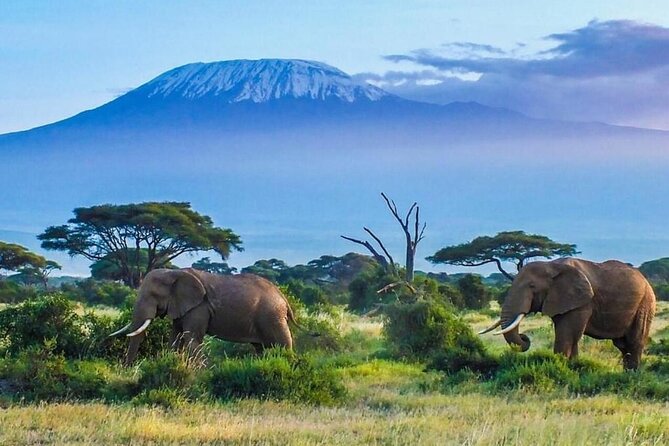
Your climb begins with a drive of about 50 minutes from Moshi to Mount Kilimanjaro National Park Gate. The road passes through Machame village on the lower slopes, giving you a quick look at the community connected to this side of the mountain.
After park entry formalities, you start walking through the rain forest. The trail winds upward along a ridge, covering 11 kilometers in about five to seven hours. You gain roughly 4,000 feet, moving from 5,400 to 9,400 feet.
This first day is a good introduction to the route’s character. The forest is green and shaded, but the lower trail can be muddy and slippery. I would put gaiters and trekking poles near the top of your packing list, not at the bottom. Waterproof footwear also matters here, since wet feet on the first day can become a real problem later.
Machame Camp is your first overnight stop. The itinerary lists accommodation and meals as included, while the route description makes clear that Machame uses tents. You should confirm the exact camping setup and sleeping equipment with the operator before departure, since personal gear rentals are not part of the price.
Day 2: Moorland and the climb to Shira Camp
After breakfast, the trail leaves the rain forest and climbs into moorland. You cross a small valley and follow a steep, rocky ridge covered with heather before turning west toward a river gorge.
This is a shorter walking day by distance, only five kilometers, but the altitude gain is significant. You rise from 9,400 to 12,500 feet over four to six hours. That combination can feel harder than the numbers suggest. The air is thinner, and your walking rhythm needs to slow down.
Shira Camp gives you a very different setting from the forest. The trees thin out, the air feels cooler, and the mountain begins to look less like a tropical hike and more like a high-altitude expedition. Keep warm layers handy even if Moshi was hot when you left.
I like the way this day gets you high without demanding a huge mileage total. The drawback is that the altitude may arrive quickly for some people. Walk slowly, drink regularly, and tell the guides if you feel unwell. The published details do not specify a medical protocol, so ask the operator what support is available before you set out.
Day 3: Lava Tower, the Shark’s Tooth, and Barranco
Day 3 is the route’s most useful acclimatization day. From the Shira Plateau, you head east along a ridge, pass a junction toward Kibo, and continue southeast toward Lava Tower, also known as the Shark’s Tooth.
The stated route rises from 12,500 to 13,000 feet, but the path climbs much higher before descending. It reaches the Lava Tower area and a second junction toward Arrow Glacier at about 16,000 feet, then drops to Barranco Camp at 13,000 feet. The total distance is 10 kilometers, taking six to eight hours.
This is classic high-altitude planning: climb high, sleep lower. Even though you finish the day close to your starting elevation, your body gets valuable practice at a higher level. That is why Day 3 deserves more respect than its modest net elevation gain suggests.
The habitat is described as semi-desert. Expect exposed ground, volcanic rock, and fewer signs of the lush lower mountain. Barranco Camp is a dramatic overnight setting, with the Barranco Wall rising nearby.
The day can be tiring because you spend hours walking upward before giving back some of that height. You may also feel the first real effects of altitude. The steady support and motivation praised in the published feedback will matter most here and during the summit push.
More Machame Route Climbs in Kilimanjaro
- Climbing Kilimanjaro – Machame Route
★ 5.0 · 170 reviews - Climbing Kilimanjaro through 7 days Machame Route
★ 5.0 · 151 reviews - #1. Best Kilimanjaro Day hike Tour-Machame Route-ISMANI
★ 4.2 · 47 reviews - 7 Days Machame route – Kilimanjaro
★ 5.0 · 45 reviews
Day 4: The Barranco Wall to Karanga Valley
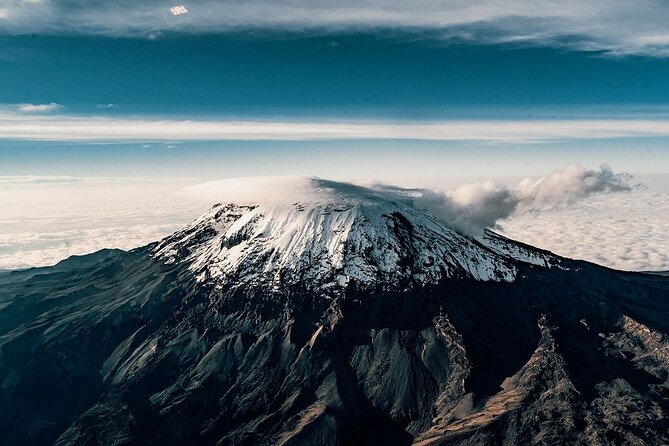
After breakfast, you tackle the steep ridge beside the Barranco Wall and continue to Karanga Valley. This is a short acclimatization day, five kilometers and roughly four to five hours.
The elevation change is small, from 13,000 to 13,100 feet, and the route enters alpine desert. Do not mistake a short day for an easy one. The Barranco Wall is steep and can require careful foot placement, but the limited distance gives you time to move patiently.
This is one of the days I like most on paper. You get a hard feature early, then a shorter schedule that lets you rest, eat, and prepare for the summit. On a mountain where fatigue accumulates quickly, a shorter day can be worth more than another scenic detour.
Karanga Camp also marks your continued progress around the southern circuit. Keep your evening simple. Organize your headlamp, warm clothes, water, and personal items before dinner so you are not searching through your bag in the dark the next morning.
Day 5: Karanga to Barafu Camp
From Karanga, you reach the junction with the Mweka Trail and continue to Barafu Hut, covering only four kilometers in about four to five hours. The route rises from 13,100 to 15,300 feet through alpine desert.
Although the distance is short, this is a high camp. You are now preparing for the summit rather than simply hiking from one scenic stop to the next. The itinerary identifies Barafu as the completion of the South Circuit, with views of both Mawenzi and Kibo. The changing angles on the summit are a major reason to choose Machame.
At Barafu, you make camp, eat dinner, rest, and prepare for the summit day. Sleep may be difficult because of the altitude, the early start, or simple anticipation. That is normal to plan for, but the supplied information does not promise a particular sleeping arrangement beyond included accommodation.
This is the point to check your personal gear. Rentals are not included, so you need to arrange any needed equipment separately. The operator includes meals and accommodation, but you remain responsible for items such as personal clothing and gear rentals, plus mountaineering insurance.
Day 6: Stella Point and Uhuru Peak
Summit day begins very early. You climb northwest between the Rebmann and Ratzel glaciers, moving through heavy scree toward Stella Point on the crater rim at about 18,600 feet.
This is the hardest section of the climb. The trail is steep, the ground is loose, and the altitude makes every step feel deliberate. The itinerary gives eight hours for the day, but the exact timing will depend on the group and conditions.
At Stella Point, you stop for a short rest. If the weather cooperates, sunrise provides the day’s great reward. From there, you may encounter snow during the approximately one-hour ascent to Uhuru Peak. At the summit, you reach 19,341 feet, the highest point on Kilimanjaro and in Africa.
The summit is not guaranteed. Weather, altitude sickness, exhaustion, and trail conditions can all affect the outcome. The strongest practical advice is to treat the summit as a goal, not a promise. A professional guide can encourage you, but you still need to communicate honestly about how you feel.
After reaching the top, you descend, although the supplied schedule does not give full details for the rest of Day 6. You should ask the operator how far you descend that day and where you sleep before booking, since this affects both recovery and the length of Day 7.
Day 7: Mweka descent and the return to Moshi
After breakfast, you descend to Mweka Park Gate. The listed section covers 10 kilometers in three to four hours, dropping from about 10,000 to 5,400 feet through rain forest.
The return through lower forest can be wet and muddy. Gaiters and trekking poles are useful again. Shorts and a T-shirt may be comfortable at this elevation, but keep rain gear and warmer clothing within reach because mountain weather can change.
At Mweka Gate, you receive your summit certificates. You then walk for about another hour to Mweka village, where a vehicle takes you back to your hotel in Moshi.
This final day sounds easy after the summit, but tired legs and downhill walking can make it surprisingly uncomfortable. Leave some patience in reserve. The reward is a proper shower, a bed, and time to think about what you have just done.
What the $2,280 price really covers
The price is $2,280 per person. That is a substantial amount, but it covers several costs that can add up quickly on Kilimanjaro:
- Airport transfers
- All national park fees
- Accommodation
- Six breakfasts
- Six dinners
- Seven lunches
That package gives the trip solid value if you need airport transfers and are comparing operators with similar safety and staffing arrangements. Park fees alone are a major part of a Kilimanjaro climb, and including meals reduces the amount you need to organize yourself.
The price does not include personal gear rentals, a visa, international flights, or mountaineering insurance. These exclusions are important. Your actual trip cost will be higher once you add flights, travel documents, insurance, clothing, and any equipment you do not already own.
The listing does not specify the number of guides, porters, tents, or exact accommodation standards. I would ask for those details before paying. For a high-altitude climb, the lowest price is not always the best value. Clear information about staff, equipment, and emergency procedures matters.
Food, support, and group size
The included meal schedule covers the main days of the climb, with six breakfasts, six dinners, and seven lunches. That means you should ask about drinks, snacks, dietary requests, and meal arrangements if those are important to you. The available information does not specify them.
The maximum group size is 20 people. That is not a private climb, but it is still a manageable limit compared with a large mass departure. A group of this size can offer company and shared encouragement, though the slowest pace and summit decisions may affect everyone.
Published feedback gives the strongest praise to the staff’s organization, guidance, motivation, and hospitality. Several accounts specifically highlight the importance of support on summit night. That is exactly where a capable team earns its fee. You should still ask for the names and experience of your assigned guides, since no guide names are provided here.
Who should choose this climb
I would recommend this trip to you if you want:
- A scenic Kilimanjaro route with several habitat zones
- A seven-day schedule with useful acclimatization
- Tent camping rather than hut accommodation
- A group climb with a maximum of 20 people
- A package that includes park fees, meals, accommodation, and airport transfers
- A demanding but established route with a strong focus on reaching Uhuru Peak
I would be more cautious if you want short walking days, guaranteed summit success, private guiding, or hotel-style accommodation throughout. Machame is not the right choice for someone looking for a gentle mountain holiday.
You also need enough time to prepare physically. The operator asks for moderate fitness, but that phrase is broad. The itinerary includes steep ridges, long days, loose scree, mud, and extreme altitude. Training for sustained uphill walking and getting used to carrying your daypack would be sensible.
Booking confirmation is provided at the time of booking, pickup is offered, and the activity ends back at the meeting point after the Moshi transfer. Free cancellation is available up to 24 hours before the local start time. Inside that window, the payment is not refunded and changes are not accepted.
Should you book the 7-day Machame Route?
I would book this climb if your priority is scenery, a recognized route, and a seven-day schedule that gives acclimatization a fair chance. The included park fees, meals, accommodation, and transfers make $2,280 a reasonable package price, provided the operator gives clear answers about equipment, staff, camping, and mountain safety.
I would not book it without clarifying the incomplete details around summit-day sleeping arrangements, personal gear, guide teams, and the exact descent after Uhuru Peak. If those answers are satisfactory, Unique Planet Safaris appears to offer the kind of organized, encouraging support that matters when the trail turns steep and cold.
FAQ
How long is the Kilimanjaro Machame Route experience?
The climb lasts approximately seven days.
Where does the climb begin?
The experience begins in Moshi, Tanzania, with a drive to Mount Kilimanjaro National Park Gate near Machame village.
How high is Uhuru Peak?
Uhuru Peak is about 19,341 feet above sea level.
How high is Stella Point?
Stella Point is listed at approximately 18,600 feet on the crater rim.
Is airport pickup included?
Yes. Transfers to and from the airport are included, and pickup is offered.
Are park fees included?
Yes. All park fees are included in the price.
Are meals included?
Yes. The package includes six breakfasts, six dinners, and seven lunches.
Is personal equipment included?
No. Personal gear rentals are not included.
How many people can join the group?
The activity has a maximum group size of 20 people.
What fitness level is required?
The operator states that participants should have a moderate level of physical fitness.
More Machame Route Climbs in Moshi
- The Best of Machame Route in 6 Days: Your World’s Summit Guide
★ 5.0 · 44 reviews - Best Kilimanjaro Adventure 7 days Machame route Trekking
★ 5.0 · 42 reviews - 6 Days Machame Route Kilimanjaro Climbing
★ 5.0 · 42 reviews - 6 Days Private Mount Climbing in Kilimanjaro Machame Route
★ 5.0 · 38 reviews
More Kilimanjaro Climbs in Moshi
- Kilimanjaro climb, Lemosho Route (8-day)
★ 5.0 · 148 reviews - Kilimanjaro climb, Lemosho Route (6-day)
★ 5.0 · 129 reviews - Kilimanjaro climb, Marangu route (6-day)
★ 5.0 · 72 reviews - Private Kilimanjaro Hike 7 Day Lemosho Route
★ 5.0 · 60 reviews
Just added around Moshi
- Mt Kilimanjaro 6 days Marangu route hike★ 5.0 · 3 reviews
- Wildlife Extravaganza: Manyara, Tarangire & Ngorongoro in 3 Days★ 5.0 · 3 reviews
- Private Cycle to Kilimanjaro Bike Park Safari★ 5.0 · 6 reviews
- 3 Days Private E-Bike Tour in West Kilimanjaro★ 5.0 · 3 reviews
- West Kilimanjaro cycling Adventures★ 4.5 · 8 reviews
- machame route★ 5.0 · 16 reviews
- Kilimanjaro Climb & Safari – Lemosho Route – 13 Day★ 5.0 · 10 reviews
- Kilimanjaro Climbing Umbwe Route★ 5.0 · 3 reviews
Machame Route Climbs, compared.



Climbing Kilimanjaro through 7 days Machame Route
Read our review →
7-Day Machame Kilimanjaro Summit Tour from Arusha
Read our review →
7 Days Kilimanjaro via Machame route affordable price
Read our review →
#1. Best Kilimanjaro Day hike Tour-Machame Route-ISMANI
Read our review →

The Best of Machame Route in 6 Days: Your World’s Summit Guide
Read our review →Browse the lists this tour appears in