
Reviewed · 6-DAY EXPERIENCES
6 Days Tanzania Classic Safari
The big draw here is variety. In six days, you move from Tarangire’s baobab country to the wildlife-packed Ngorongoro Crater, then spend real time in the Serengeti before finishing with Lake Manyara’s flamingos and birdlife. You get Tanzania’s famous northern parks without committing to a much longer safari.
I like two things in particular: the private vehicle and guide, which let your own group set the pace, and the mix of lodge and tented-camp stays, including Kubu Kubu in the central Serengeti. Guides such as Eric, Gilbert, Nickson, Chris, and Abu have been singled out for their park knowledge, patience, and care with families and first-time safari visitors.
The trade-off is a busy schedule. You cover long distances, start early, and spend many hours in the vehicle. Day 3 combines Ngorongoro with a drive to the Serengeti, while the final day pairs Lake Manyara with the return to Arusha and Kilimanjaro International Airport. This is a strong sampler, not a slow-paced safari.
Key points at a glance
- Four major safari areas: Tarangire, Ngorongoro Crater, Serengeti, and Lake Manyara all fit into six days.
- Private touring: Only your group participates, with pickup and a private guide included.
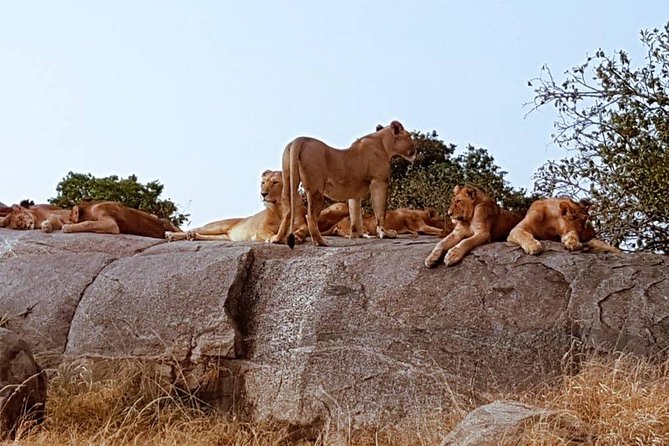
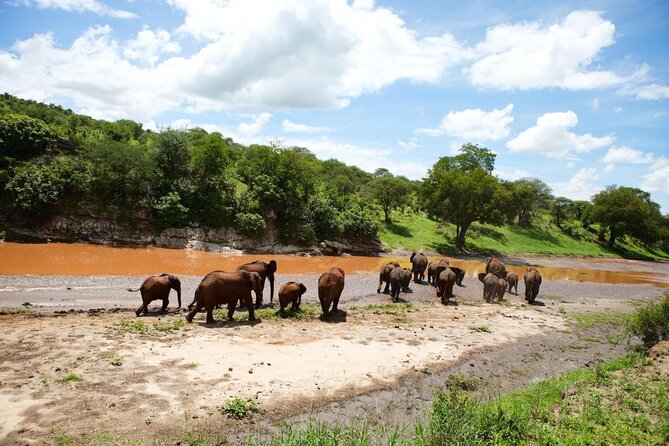
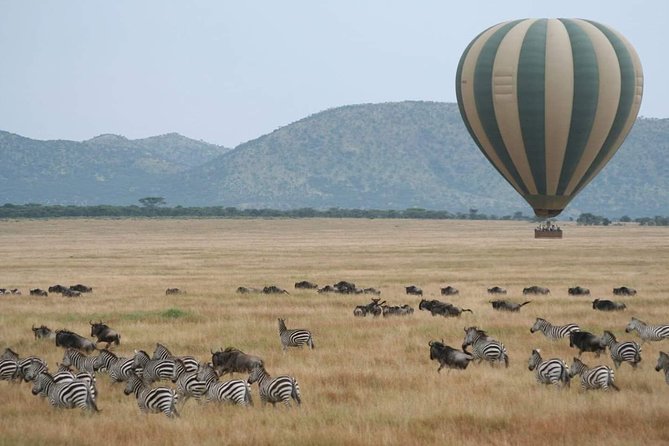
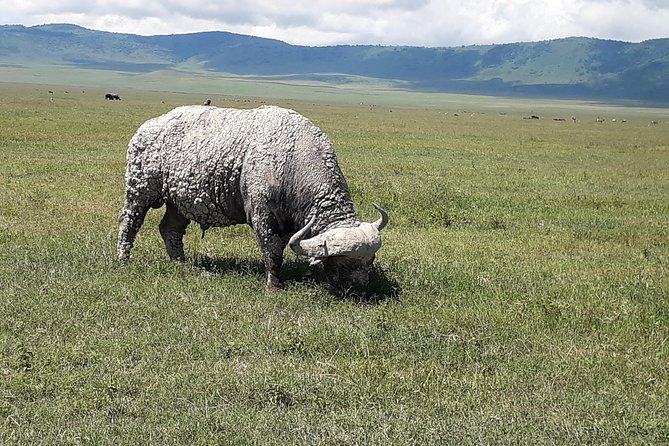
- Wildlife variety: Look for elephants, lions, buffalo, zebras, gazelles, hippos, flamingos, monkeys, and possibly black rhino or wild dog.
- Comfortable overnight plan: The route includes Elewana Arusha Coffee Lodge, Kubu Kubu Tented Lodge, and Kitela Lodge.
- Meals and park fees included: Five breakfasts, five lunches, five dinners, drinking water, and entry fees are covered.
- Strong guide service: Eric, Gilbert, Nickson, Chris, and Abu are named in positive feedback, with particular praise for their care and practical support.
A smart six-day introduction to Tanzania
At $4,297 per person, this is not a budget outing. But the price covers a private safari, park entry fees, five breakfasts, five lunches, five dinners, drinking water, airport pickup, and several comfortable lodges and camps.
That matters in Tanzania, where park fees and long overland transfers can make a short safari expensive even before accommodation is added. You are paying for a tightly arranged route through four important wildlife areas, not just for game drives.
The value is strongest if you want one well-organized trip and do not want to manage separate transfers, lodging, meals, and park admissions. It is less appealing if you are looking for the lowest possible price or prefer to spend several nights in one park.
The safari is private, so your group does not share the vehicle with other participants. That gives you more control over stops, photography, and the daily rhythm. It also means the price is likely easier to justify for a family or small group than for one solo visitor.
A few more Kilimanjaro trips to weigh up
- Safari Serengeti And Ngorongoro
★ 5.0 · 288 reviews - Big Five Safari In Tanzania
★ 5.0 · 99 reviews - Unforgettable Tanzania Safari And Zanzibar Beach
★ 5.0 · 97 reviews
Arrival in Arusha at Elewana Arusha Coffee Lodge
Your first day begins at Kilimanjaro International Airport. A Gilmag Safaris representative meets you after customs and immigration, then takes you to Arusha for dinner, an overnight stay, and a briefing about the safari ahead.
Elewana Arusha Coffee Lodge gives the first night a comfortable start. The timing is sensible: you avoid beginning a long game-drive day immediately after an international flight, and you have a chance to meet the safari team and confirm the plan.
The arrival day is listed as lasting about 12 hours, but most of that reflects the arrival and transfer schedule rather than a full day of sightseeing. If your flight arrives late, your first evening will be mainly about dinner and rest.
The briefing is useful because the next five days involve early departures, packed lunches, long drives, and changing accommodation. Listen closely to the guide’s advice about timing and what to keep in the vehicle.
Tarangire’s elephants and baobabs
After breakfast, your private guide picks you up and drives about 125 kilometers from Arusha to Tarangire National Park. You carry a packed lunch and begin game viewing after entering the park.
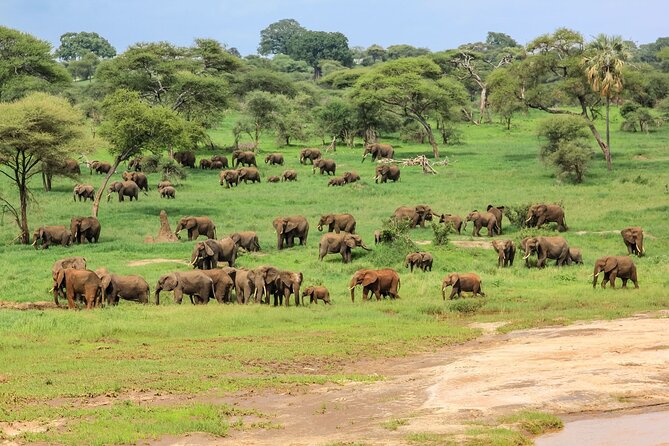
Tarangire is a fine first safari park because it gives you a strong sense of Tanzania’s scale without immediately sending you to the most famous destination. The park is known for its many baobabs and large elephant population. The Tarangire River helps draw animals, and a picnic lunch overlooking it adds a memorable setting to the day.
You might see elephants, lions, leopards, ostriches, warthogs, zebras, and cheetahs. Wild dog is also possible, though never something a responsible guide can promise. The important point is that Tarangire is not only about large mammals. The baobabs, open spaces, and river country give the day a distinct character.
The schedule includes game viewing followed by an afternoon drive. Since you are also driving from Arusha, this is a full day. You should expect a lot of time on the road and in the safari vehicle, but the route makes good use of the day.
Tarangire is slightly away from the main northern circuit route, which can help it feel different from the busier stops later in the trip. Your guide’s ability to read animal behavior and choose useful viewing areas will matter greatly here. Nickson, Eric, Gilbert, Chris, and Abu have all been praised for their guiding on Gilmag trips, so you can ask in advance whether one of them is available for your departure.
Ngorongoro Crater, a concentrated wildlife day
Day 3 starts early, with breakfast at about 6:00 AM. You leave with lunch boxes and drive to the Ngorongoro Conservation Area, where you descend roughly 600 meters to the crater floor.
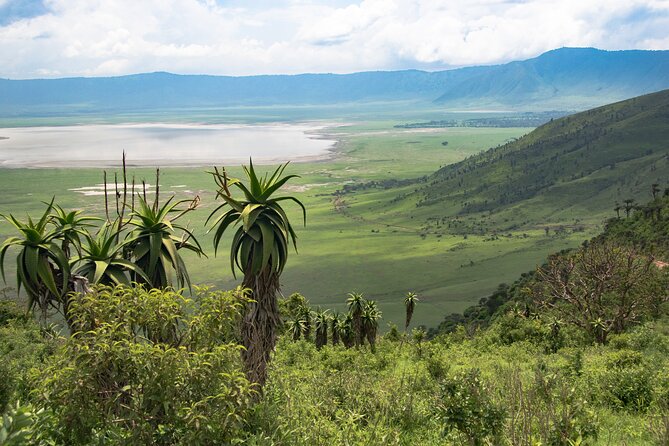
Ngorongoro is one of the most efficient wildlife stops in Tanzania. Within the crater, grassland, woodland, wet areas, and Lake Magadi support a wide range of animals in a compact setting. You can look for Thomson’s and Grant’s gazelles, zebras, warthogs, hippos, waterbucks, hyenas, jackals, and lions.
This is also the place where you have a chance of seeing the endangered black rhino. Flamingos may gather at Lake Magadi, adding a splash of color to the crater floor. The setting itself is a major part of the experience: you are looking across a huge collapsed volcanic caldera with wildlife spread below.
The schedule allows most of the day for the crater before you ascend at about 3:00 PM and continue toward the central Serengeti. That combination is efficient, but demanding. You get a major wildlife experience and then a long transfer on the same day.
You should be ready for a very early start and limited downtime. If you want a more relaxed Ngorongoro visit, ask Gilmag whether the plan can be adjusted, though the supplied program is built around reaching the Serengeti that evening.
Dinner and overnight are at Kubu Kubu Tented Lodge in the central Serengeti. A tented lodge can give the night a more outdoors-oriented feel while still providing a proper base after a long day.
Same country, a completely different kind of safari:
- Kilimanjaro climb by Lemosho Route (7-day)
★ 5.0 · 651 reviews - Kilimanjaro climb, Machame Route (7-day)
★ 5.0 · 262 reviews - Kilimanjaro Climbing Lemosho Route 8 Days.
★ 5.0 · 186 reviews - Climbing Kilimanjaro – Machame Route
★ 5.0 · 170 reviews
Central Serengeti and the search for predators
Day 4 is the safari’s main Serengeti day. After breakfast, you leave with a packed lunch for a full-day game drive, covering as much of the park as practical before returning to Kubu Kubu for dinner.
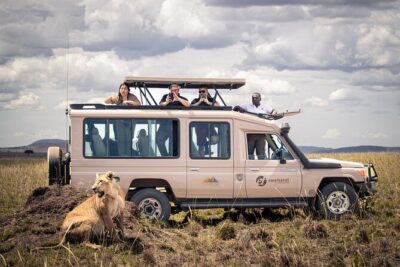
The central Seronera area is a useful base because resident wildlife can be seen throughout the year. You might find elephants, buffalo, gazelles, zebras, lions, and other predators and herbivores. The route can include swamps, woodland, soda lakes, and the Serengeti’s broad short-grass plains.
This is the day when your guide’s judgment really counts. The Serengeti is vast, and no single drive can cover it all. A skilled guide helps you spend time in productive areas rather than simply driving long distances in search of a famous sight.
The migration timing listed for this program points to April, May, and November in the area. Wildlife movements vary, so you should not book this itinerary on the assumption that a particular migration scene is guaranteed. The central Serengeti has resident animals year-round, which gives this route value outside migration periods.
A full day in the Serengeti is one of the program’s best choices. The schedule could easily have reduced the park to a quick pass-through, but this day gives you time to watch animal behavior, compare habitats, and make several stops for photographs and lunch.
A final Serengeti morning before Karatu
Day 5 begins with another early breakfast and a half-day game drive in the Serengeti. You then exit the park and drive through the Ngorongoro Conservation Area to Karatu, arriving at Kitela Lodge for dinner and the night.
This morning is useful because it gives you one more chance to find animals near the central Serengeti before leaving. It also breaks up the long route back toward Arusha. You do not simply rush from the Serengeti to the next park.
Still, this is another day with a great deal of driving. After several early mornings, you may feel the pace. The Karatu overnight helps, but the itinerary is designed to maximize park coverage rather than relaxation.
Kitela Lodge provides a comfortable stopping point before the final park. At this stage, the accommodation plan shifts you from a Serengeti tented camp to a lodge near the Ngorongoro and Manyara area, keeping the route practical.
Lake Manyara’s flamingos, monkeys, and birdlife
The final safari day starts early. You leave Kitela Lodge with lunch boxes and drive to Lake Manyara National Park for game viewing.
Lake Manyara is smaller than the Serengeti and has a different feel. The soda lake can attract pink-hued flamingos, while the park is also known for baboons, monkeys, elephants, giraffes, hippos, impalas, dik-dik, waterbucks, and many other animals.
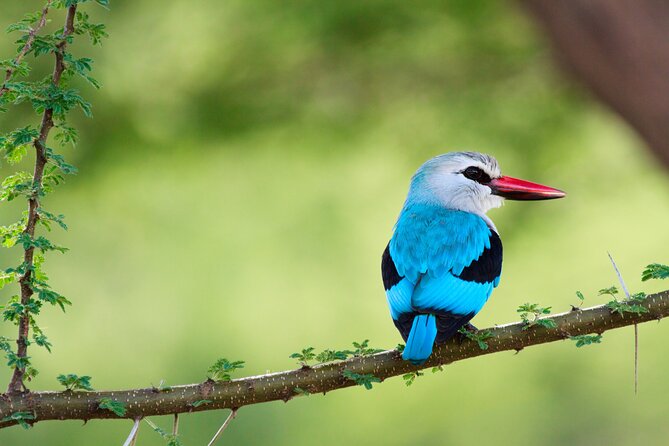
Birdwatchers have a particular reason to value this stop. More than 500 bird species are associated with the park, according to the tour information. You might see a wide range of water and woodland birds, even if your main interest is mammals.
Tree-climbing lions and leopards are possible sightings. They are not guaranteed, but the chance adds interest to a park that already offers strong views, lake scenery, and a high concentration of birdlife.
After game viewing, you drive back to Arusha and continue to Kilimanjaro International Airport for your onward flight. This makes the last day especially important to plan carefully. The experience does not end at the park gate, and you should confirm that your flight time leaves a comfortable margin for the drive.
What the driving and daily rhythm are really like
The itinerary lists each main day at about 12 hours. That tells you something important: this is an active safari with early starts and long road sections.
You will usually have breakfast early, carry a packed lunch, spend much of the day in the vehicle, and return to a lodge or camp for dinner. The reward is access to several very different parks in a short period. The cost is less free time at your accommodation and fewer slow mornings.
A private tour makes the pace easier to handle. Your guide can discuss your interests and may be able to adjust how long you stay at a sight, within park rules and the day’s route. You still need to be realistic. Moving between Tarangire, Ngorongoro, Serengeti, Karatu, Manyara, Arusha, and the airport takes time.
A moderate level of physical fitness is requested. You do not need to be an athlete, but you should be comfortable with early mornings, repeated vehicle rides, getting in and out of the safari vehicle, and full days outdoors.
Bring patience as well as a camera. Animal sightings are never guaranteed, and the best moments may come from watching a common zebra herd, a troop of baboons, or elephants moving quietly through the trees.
Guides and service make the difference
Gilmag’s strongest feature appears to be its personal service. Mary and Diana are described as prompt and patient during trip planning, while guides named Eric, Gilbert, Nickson, Chris, and Abu receive praise for their organization, good humor, park skills, and care.
That matters more than flashy promises. A guide who explains animal behavior, manages timing, and helps when plans change can shape the entire safari. One account also describes the company helping with luggage problems after arrival, a practical detail that can matter greatly at the start of an expensive trip.
Families appear to be a good match for this style of tour. The itinerary has been adjusted for personal needs, and a 14-year-old joined one six-day safari. Couples, small groups, and first-time safari visitors should also appreciate having one private guide rather than joining a large vehicle.
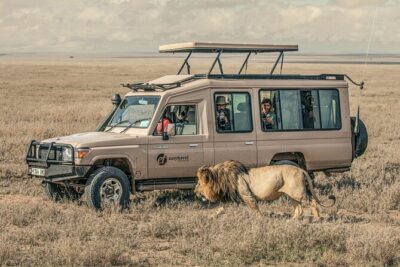
When booking, ask which guide is assigned, what vehicle will be used, and whether the accommodation names in the plan are confirmed. The listed properties are Elewana Arusha Coffee Lodge, Kubu Kubu Tented Lodge, and Kitela Lodge, but safari operators can sometimes change lodging based on availability.
What the $4,297 price includes
The package includes:
- Private safari touring
- Pickup
- All park entry fees
- Five breakfasts
- Five lunches
- Five dinners
- Unlimited drinking water
- Overnight stays in lodges and a tented camp
You pay separately for laundry, alcoholic and nonalcoholic drinks, and tips. Budget for those extras before you arrive, especially if you plan to use laundry service or order drinks at the lodges.
The price makes the most sense when you value convenience and a private vehicle. It is also helped by the number of park fees and meals already covered. Group discounts are offered, so a small private group should ask for the current rate rather than assuming the listed per-person price is final.
The package does not promise a specific animal sighting, migration event, or guide. Those depend on season, weather, animal movement, and park conditions. The strength of the program is the range of places and habitats, not certainty about a particular photograph.
Who should book this safari?
You should consider it if you want a classic northern Tanzania route in a compact six-day plan, prefer private touring, and value having the major arrangements handled for you. It is especially suitable for couples, families, and small groups that want Tarangire, Ngorongoro, Serengeti, and Manyara in one trip.
You may want a longer itinerary if you dislike frequent hotel changes or want more time in the Serengeti. You may also prefer a slower plan if long driving days are difficult for you.
Free cancellation is available when you cancel at least 24 hours before the local start time. Changes made within 24 hours are not accepted, so check your flight and arrival details carefully before the final cutoff.
Should you book the 6 Days Tanzania Classic Safari?
I would book this if your priority is seeing a broad slice of Tanzania’s northern parks with a private guide and comfortable overnight stops. The itinerary gives you Tarangire’s elephants, Ngorongoro’s concentrated wildlife, a full Serengeti day, and Lake Manyara’s birds and flamingos.
I would pause if you want a restful holiday or if your budget is tightly limited. This is a costly, fast-moving program, and the long drives are part of the deal.
Ask about guide availability, accommodation confirmation, group discounts, and the timing of your final airport transfer. If those details work for you, this is a well-rounded first safari that packs a remarkable amount into six days.
FAQ
How long is the safari?
The experience lasts approximately six days.
Where does the safari begin?
It begins with pickup at Kilimanjaro International Airport, followed by a transfer to Arusha.
Where does the safari end?
After game viewing at Lake Manyara, you return to Arusha and continue to Kilimanjaro International Airport for your onward flight.
Is this a private tour?
Yes. Only your group participates in the activity.
Which national parks and wildlife areas are included?
The program includes Tarangire National Park, the Ngorongoro Conservation Area and Crater, Serengeti National Park, and Lake Manyara National Park.
Which accommodations are named in the itinerary?
The named properties are Elewana Arusha Coffee Lodge, Kubu Kubu Tented Lodge, and Kitela Lodge.
Are meals included?
Yes. The package includes five breakfasts, five lunches, and five dinners.
Is drinking water included?
Yes. An unlimited supply of drinking water is included.
Are park entry fees included?
Yes. All park entry fees are included.
What is not included in the price?
Laundry service, alcoholic and nonalcoholic beverages, and tipping are not included.
Is there a fitness requirement?
You should have a moderate level of physical fitness. The safari includes early mornings, long drives, and repeated game-viewing days.
Can I cancel for a full refund?
You can cancel at least 24 hours before the local start time for a full refund. Cancellations or changes made less than 24 hours in advance are not accepted for a refund.
Just added around Kilimanjaro
- Mt Kilimanjaro 6 days Marangu route hike★ 5.0 · 3 reviews
- Wildlife Extravaganza: Manyara, Tarangire & Ngorongoro in 3 Days★ 5.0 · 3 reviews
- Private Cycle to Kilimanjaro Bike Park Safari★ 5.0 · 6 reviews
- machame route★ 5.0 · 16 reviews
- 3 Days Private E-Bike Tour in West Kilimanjaro★ 5.0 · 3 reviews
- West Kilimanjaro cycling Adventures★ 4.5 · 8 reviews
- Kilimanjaro Climb & Safari – Lemosho Route – 13 Day★ 5.0 · 10 reviews
- Kilimanjaro Climbing Umbwe Route★ 5.0 · 3 reviews
6-Day Experiences, compared.

Private 6-Day Tarangire Manyara Crater and Serengeti with Mid-Range Lodges
Read our review →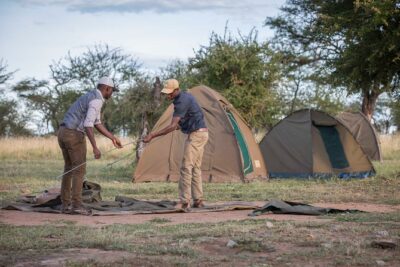



Browse the lists this tour appears in