
Reviewed · SERENGETI SAFARIS
4 Days Tanzania Luxury Safari Serengeti and Ngorongoro Crater
The Serengeti plains are the main event here, with three nights devoted to game drives rather than a quick overnight stop. You cover central Seronera, where lions and leopards are often a major focus, then finish with an early descent into Ngorongoro Crater for a concentrated morning of wildlife viewing.
I like the flexible second-day schedule, which lets you choose an early drive or a slower breakfast. I also like the practical all-in setup: transport, guide, park fees, four lunches, three dinners, and three breakfasts are included. The catch is the word luxury. This is camping, and the long, bumpy road days may feel more adventurous than luxurious.
Key points to know before booking
- Three Serengeti nights: You get more time in the park than on a rushed one-night visit.
- Central Seronera wildlife: This area is known for strong chances of seeing lions and leopards.
- Five-hour crater drive: An early descent into Ngorongoro gives you a focused morning among elephants, buffalo, hippos, hyenas, cheetahs, and possibly black rhinos.
- Private group format: Only your party participates, so the pace and game-drive choices are more personal.
- Experienced guide names: Okuli is praised for driving, directions, and wildlife explanations, while Moses is noted for punctual, friendly service.
- Camping, not resort luxury: Expect close contact with nature and basic comfort rather than a high-end lodge stay.
Three nights that put the Serengeti first
This four-day Tanzania safari packs two famous parks into a short schedule, but it gives the Serengeti the larger share of your time. You spend the first three nights on safari, with the first two nights focused on Serengeti game drives and the final night in the Ngorongoro Conservation Area.
That balance matters. Many short northern Tanzania safaris spend so much time driving between parks that the wildlife viewing feels like an afterthought. Here, the central Serengeti receives a full day, plus parts of the first and third days.
The advertised price is $1,900 per person. That is a serious sum, but it covers the guide, park fees, meals, transport during the safari, and three nights of camping. Since this is a private activity, the value improves if you are sharing the cost with family or friends. If you expect polished lodges, private plunge pools, or hotel-style service, you should compare carefully. The trip offers a luxury safari in the sense of a private, fully arranged wildlife journey, but the sleeping setup is camping.
More Luxury Safaris in Kilimanjaro
- 8-Day Essence of Tanzania Safari – Luxury
★ 5.0 · 72 reviews - Tanzania Luxury Safari
★ 5.0 · 48 reviews - 10-Day Predators Tanzania Safari Luxury Package
★ 5.0 · 24 reviews
Day 1: The long road from Arusha to Serengeti
Pickup begins around 8:00 AM at your hotel in Arusha. From there, you travel roughly 240 kilometers toward Serengeti National Park, with the drive listed at about six hours. In practice, this is a major part of the day, so bring patience and keep your expectations realistic.
The reward is that wildlife viewing begins as part of the journey through the park. A picnic lunch is taken during the day’s game drive, rather than stopping for a long restaurant meal. That keeps you out among the animals, but it also means the first day can feel full and tiring.
This is not a gentle arrival followed by a short afternoon outing. You have the transfer, park entry, game driving, and camp arrival in one stretch. Wear comfortable clothing, keep water close, and protect your camera from dust. The itinerary describes a roughly seven-hour day, followed by dinner and rest at the accommodation.
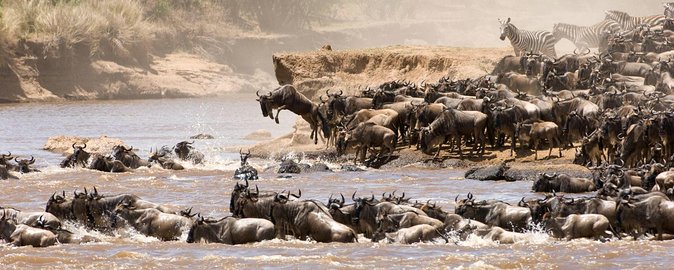
The first afternoon is a useful introduction to the Serengeti’s huge open spaces. If the timing matches the Great Migration, you might see large movements of wildebeest and zebra across the plains. Migration sightings depend on the season and the animals’ location, so do not treat them as guaranteed.
Day 2: A full day around Seronera
Day two is the safari’s strongest wildlife day because you spend it exploring central Serengeti. The Seronera area is known for its concentration of wildlife, especially lions and leopards, and the schedule gives your guide time to respond to sightings rather than simply ticking off a quick park visit.
You have two choices. You can enjoy a relaxed breakfast, leave around 9:00 AM with a packed lunch, and return around 6:00 PM. Or you can leave at about 6:00 AM for an early morning drive, return for breakfast and a short rest, then head out again in the afternoon with lunch packed.
I like having that choice. The early option gives you cooler morning hours and a better chance to catch animals at the start of the day, while the later departure may suit you if you are worn out from day one. The split schedule also gives you a break, though it involves more movement in and out of camp.
Your guide’s judgment matters here. Okuli is specifically praised for explaining wildlife, driving safely, and finding his way across the park. A safari vehicle can cover a lot of ground, but a good guide helps you understand what you are seeing and chooses a sensible pace. Other trip arrangements have also used Moses, who is described as friendly, punctual, and informative.
Keep your camera ready, but do not spend the whole day staring through a screen. Seronera is about watching animal behavior, not collecting a checklist. Lions and leopards are a central focus, and elephants, zebras, wildebeest, and other species may also appear.
Day 3: From Serengeti wildlife to Ngorongoro’s crater rim
After breakfast, you take a morning game drive in Serengeti before leaving for the Ngorongoro Conservation Area. A picnic lunch is provided for the journey, and the day ends at accommodation in the Ngorongoro area.
This transition gives you one last chance to view animals in the Serengeti before the setting changes. You may find the day less packed with concentrated wildlife than day two, but the contrast is valuable. The Serengeti offers broad plains and moving herds, while Ngorongoro brings you toward a contained volcanic basin with water sources and a high density of animals.
The crater is an immense collapsed volcanic caldera, with a floor of about 260 square kilometers and a depth of more than 2,000 feet. Its enclosed shape helps keep many animals within a relatively compact area, which is why the final morning can produce a large number of sightings in a short period.
The main drawback is road time. This safari covers substantial distances on rough routes, and the third day combines a morning drive with the transfer toward Ngorongoro. If you dislike long drives, a longer itinerary with extra nights may suit you better.
More Ngorongoro Crater Tours in Kilimanjaro
- Safari Serengeti And Ngorongoro
★ 5.0 · 288 reviews - 5 Days Camping Tarangire, Serengeti & Ngorongoro crater & Visiting Maasai
★ 5.0 · 58 reviews - 4 Days Group Joining Camping Safari to Tarangire Serengeti Ngorongoro Crater
★ 5.0 · 50 reviews - 3-Day Ngorongoro Crater Manyara and Tarangire Safari from Arusha
★ 5.0 · 49 reviews
Day 4: An early descent into Ngorongoro Crater
The final day starts quickly. After a fast breakfast, you descend into the crater at about 6:30 AM for a five-hour game drive. That early start is worth taking seriously. It gives you a longer morning on the crater floor and avoids turning the final day into a rushed lookout stop.
Ngorongoro is especially good for people who want many types of wildlife in one setting. The itinerary lists African elephants, buffalo, black rhinos, hippos, hyenas, cheetahs, and lions. You should still remember that wild-animal sightings are never promised, but the crater’s compact setting makes the morning feel productive.
A picnic lunch is served near the Hippo Pool. This is a scenic place to pause, but stay attentive to guide instructions around wildlife and water. After lunch, you climb the steep road out of the crater and continue toward the end of the safari. The listed final day lasts about six hours.
The crater drive has a different rhythm from the Serengeti. Instead of spending hours scanning open plains, you often move between watering holes and known animal areas. That makes Ngorongoro a good final chapter, especially if you want a concentrated wildlife morning before returning to your next destination.
What camping means on this so-called luxury safari
The trip includes three nights of camping accommodation. That can be a real strength if you want to feel close to the bush. One arrangement described a tent camp where zebras grazed nearby, with a private bathroom available, giving the stay a strong connection to the setting without removing basic comfort.
At the same time, camping varies. The information supplied does not specify tent size, bedding, electricity, hot-water arrangements, or whether the bathroom is private at every camp. Ask those questions before paying if comfort is important to you.
You also receive three breakfasts, three dinners, and four lunches. Picnic lunches make sense on game-drive days because they let you stay in the park instead of losing time at a dining room. Vegetarian food is available if you request it when booking.
The meals and camping reduce the need for daily planning, but you should pack for changing conditions. The safari operates in all weather, so bring clothing that works in sun, dust, cool mornings, and possible rain. A light layer, hat, closed shoes, and protection for cameras and phones are sensible choices.
The guide can make or break the long drives
A safari guide is not just a driver. You spend many hours in the vehicle, often on rough roads, so driving skill, patience, route-finding, and communication all affect the experience.
Okuli receives the strongest specific praise in the supplied material. He is described as an excellent driver with strong directional skills and a clear way of explaining wildlife. He has also been credited with helping a group see the Big Five, including a leopard. That does not guarantee the same sightings for you, but it shows why guide quality matters.
Moses is another named guide associated with the company. He is described as friendly, punctual, fun, and informative. If you have a preference for a particular guide, ask what can be arranged, since guide assignments may depend on availability.
The private format is useful here. Only your group takes part, so you can discuss whether you prefer a dawn drive, a slower breakfast, extra time with a particular animal, or a return to camp for a rest. The schedule still has fixed transfer times, but the second-day choice gives you some breathing room.
What the $1,900 price really buys
At $1,900 per person, this is not a budget safari. Its value comes from combining two major destinations with a private guide and including the costs that can quickly add up in Tanzania.
Included are all fees and taxes, professional guiding, three nights of camping, three breakfasts, three dinners, and four lunches. Hotel pickup from Arusha is also part of the arrangement. You do not have to build each park fee, meal, and transfer into a separate budget.
Tips are not included. The stated guidance is a tip of no more than $50, so carry that separately and treat it as discretionary.
I would compare this tour with lodge-based options before booking. If your priority is private access, substantial Serengeti time, and a practical camp stay, the price may make sense. If your priority is a high-end room and polished camp service, the word luxury may set the wrong expectation.
The best value comes when you share the private trip with people who enjoy the same pace. A family group, couples traveling together, or friends who want their own vehicle can make better use of the format than a solo booker paying the full per-person rate.
Who should book this safari?
I would recommend it to you if you want the classic northern Tanzania combination in four days: Serengeti plains, central Seronera, and Ngorongoro Crater. It suits people who are willing to trade long drives and camping for more time in the parks.
Families can participate, and a child rate applies when a child shares with two paying adults. Children must be accompanied by an adult. Most people can take part, and the activity runs in all weather.
You should think twice if you need short driving days, guaranteed migration views, or hotel-level accommodation. This is an active schedule, especially on the first and third days, and the roads can be rough.
The experience also suits photographers and first-time safari visitors who want a broad sample of Tanzania without organizing every meal, permit, and transfer themselves. Keep expectations grounded: nature decides the sightings, and the itinerary covers a lot of territory.
Final verdict: a strong wildlife itinerary with basic camping
Book this safari if your main goal is wildlife time, especially in central Serengeti and Ngorongoro Crater, and you appreciate having a private group with a guide such as Okuli or Moses. The flexible second day, included meals, and three Serengeti nights give it more substance than a rushed park-hopping trip.
Skip it or request more details if you are choosing it for luxury accommodation. The camp setting can be memorable and close to nature, but the schedule is demanding and the drives are long.
Free cancellation is available when you cancel at least 24 hours before the start time. Changes or cancellations inside that window are not accepted for a refund. That gives you some useful flexibility, but confirm all camping and guide details before the deadline.
FAQ
How long is the safari?
The safari lasts approximately four days and includes three nights of accommodation.
Where does pickup take place?
Pickup is offered from your hotel in Arusha, with the first-day departure scheduled for around 8:00 AM.
Which parks and protected areas are included?
The trip includes Serengeti National Park and the Ngorongoro Conservation Area, including a game drive inside Ngorongoro Crater.
Is this a private safari?
Yes. Only your group participates in the private tour or activity.
What type of accommodation is included?
Three nights of camping accommodation are included.
Are meals included?
Yes. The package includes three breakfasts, three dinners, and four lunches.
Can I request vegetarian meals?
Yes. A vegetarian option is available, but you should advise the provider when booking.
Is a child rate available?
Yes. The child rate applies when the child shares with two paying adults. Children must be accompanied by an adult.
What is the cancellation policy?
You can cancel at least 24 hours before the experience starts for a full refund. Cancellations or changes made less than 24 hours before the start time are not accepted for a refund.
More Safari in Kilimanjaro
- Big Five Safari In Tanzania
★ 5.0 · 99 reviews - Unforgettable Tanzania Safari And Zanzibar Beach
★ 5.0 · 97 reviews - Great Migration Safari In Tanzania
★ 5.0 · 71 reviews - 6 Days 5 Night Safari
★ 5.0 · 57 reviews
More Serengeti Safaris in Kilimanjaro
- 4 Day Private Tour Throughout Tarangire, Serengeti and Ngorongoro
★ 5.0 · 42 reviews - 7 Days Safari. Serengeti, Tarangire, Lake Manyara & Ngorongoro Crater.
★ 5.0 · 34 reviews - Safari in Tanzania 5 days: Manyara, Ngorongoro, Serengeti
★ 5.0 · 29 reviews - 5-Day Lake Manyara, Serengeti, Ngorongoro Crater and Tarangire
★ 5.0 · 28 reviews
Just added around Kilimanjaro
- Mt Kilimanjaro 6 days Marangu route hike★ 5.0 · 3 reviews
- Private Cycle to Kilimanjaro Bike Park Safari★ 5.0 · 6 reviews
- Wildlife Extravaganza: Manyara, Tarangire & Ngorongoro in 3 Days★ 5.0 · 3 reviews
- 3 Days Private E-Bike Tour in West Kilimanjaro★ 5.0 · 3 reviews
- West Kilimanjaro cycling Adventures★ 4.5 · 8 reviews
- machame route★ 5.0 · 16 reviews
- Kilimanjaro Climb & Safari – Lemosho Route – 13 Day★ 5.0 · 10 reviews
- Kilimanjaro Climbing Umbwe Route★ 5.0 · 3 reviews
Serengeti Safaris, compared.

Serengeti Balloon Safari and authentic bush breakfast
Read our review →
3 Days Serengeti & Ngorongoro Group Camping Safari
Read our review →
5-Day Highlights mid-Range Crater, Serengeti, Tarangire
Read our review →


Private 6-Day Tarangire Manyara Crater and Serengeti with Mid-Range Lodges
Read our review →
5 Days Camping Tarangire, Serengeti & Ngorongoro crater & Visiting Maasai
Read our review →