
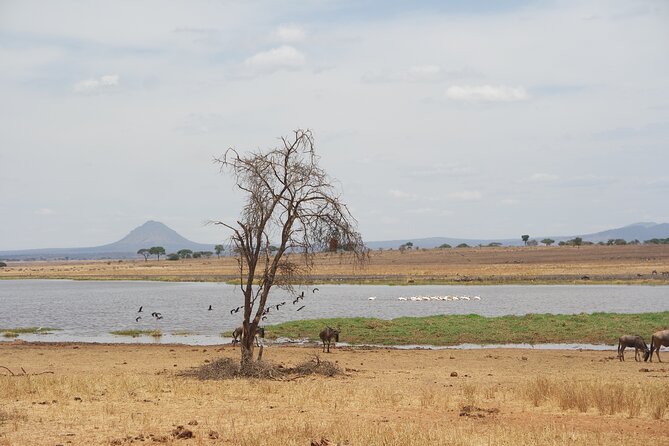
Reviewed · 4-DAY EXPERIENCES
4-Day Shared Safari Tour with Complete Meals
Tarangire’s elephant herds, Serengeti’s open plains, and Ngorongoro’s black rhinos make this four-day safari a fast, wildlife-packed route through northern Tanzania. You get three major parks, shared transport, meals, campsites, and pickup from your hotel.
I like the variety: one day brings elephants and baobab country, another follows the road toward the Serengeti, and the final morning takes you into the crater. I also like the human touch reported by past customers, with Peter handling arrangements and guides such as Mike and Godfrey earning special praise for their care and sense of humor.
The main drawback is the pace. You will spend long hours on rough roads and in the safari vehicle, with only a short time in each park. A shared group can reach up to 15 people, so vehicle space and daily rhythm depend on the other passengers.
Key points at a glance
- Three major parks in four days: Visit Tarangire, Serengeti, and Ngorongoro Crater on one compact route from Moshi.
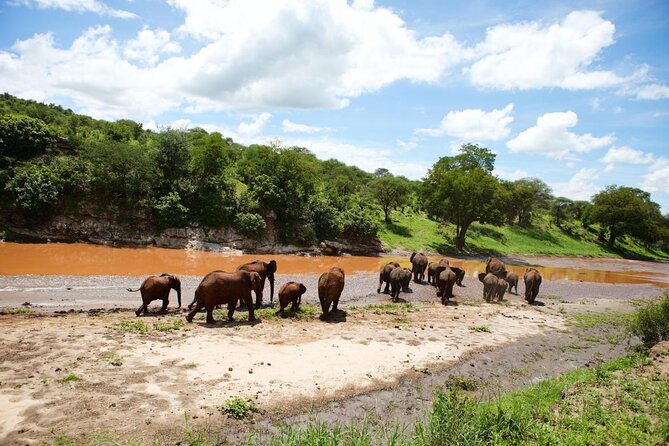
- Elephants lead the opening act: Tarangire is known for large elephant herds and offers roughly four to six hours of game viewing.
- A full Serengeti day: Day three includes an early game drive, bush breakfast, more wildlife viewing, and a hot lunch at camp.
- Campsite-based safari: Nights are spent at Kizumba and Simba campsites, with dinner and breakfast included as part of the trip.
- Shared means better value: The price is $1,000 per person, but the vehicle may include as many as 15 people.
- Strong guide element: Peter organizes arrangements, while guides including Mike and Godfrey have been praised for their care, wildlife knowledge, and practical help.
Why this four-day route works from Moshi
This safari gives you a taste of northern Tanzania’s main wildlife areas without stretching the trip into a week. From Moshi, you first head toward Tarangire, then continue toward the Serengeti, and finish at Ngorongoro Crater before returning toward Arusha.
That route covers a lot of ground. I would choose it if you have four days available and want the classic parks in one go. You will see changing habitats rather than the same type of scenery each day, which helps the long drives feel worthwhile.
The tradeoff is that this is not a slow safari. The Serengeti journey takes about seven hours on the second day, and the game drive on day three lasts about nine hours. You need to be comfortable with early starts, road time, and a schedule that leaves little room for delay.
Pickup is offered, and the experience uses a mobile ticket. Confirmation is provided at booking, and the activity is listed as suitable for most people. The stated meeting hours run Monday through Sunday, from midnight to noon, which reflects the early pickup window more than a normal sightseeing opening time.
A few more Moshi trips to weigh up
- Safari Serengeti And Ngorongoro
★ 5.0 · 288 reviews - Big Five Safari In Tanzania
★ 5.0 · 99 reviews - Unforgettable Tanzania Safari And Zanzibar Beach
★ 5.0 · 97 reviews
Day 1: Elephants and open country in Tarangire
Pickup is scheduled for 7 a.m. from your hotel. From there, you drive toward Tarangire National Park, the first proper wildlife stop and a good introduction to safari country.
Tarangire is especially associated with elephants. The tour description also places the park’s total animal population near 250,000, and the appeal here is the chance to see big herds moving through a park with a distinct feel from the Serengeti. You are not simply ticking off the first park on a list. Tarangire gives you a different setting and a useful early chance to learn how game drives work.
You should expect about four to six hours of game viewing. That is enough time for a substantial drive, but not an entire day. Your guide will be looking for animals and choosing routes based on conditions and sightings, so the exact sequence is not fixed.
The itinerary then takes you out of the park to Kizumba campsite for dinner and the first overnight stay. The word campsite matters here. This is a practical safari trip, not a lodge holiday, and you should choose it for access to the parks and included meals rather than for private-room comfort.
The first day is also when you begin to feel the distances involved. Tarangire is the closest of the three main parks on this route, but you still have a full day of driving and wildlife viewing. Keep your expectations realistic: the goal is a good first game drive, not a guaranteed checklist of every famous animal.
Day 2: The long road from Ngorongoro toward Serengeti
After breakfast, you leave for Serengeti National Park, often called the endless plains. This is the longest transfer-focused day, with around seven hours set aside for the journey.
The road passes through the Ngorongoro Gate, where the permit is handled. You also pass through the Ngorongoro area, where Maasai people live alongside wildlife. That detail gives the drive more meaning. You are seeing a place shaped not only by animals and park boundaries, but also by people whose lives remain connected to this setting.
The route offers a gradual change in scenery as you travel toward the Serengeti. Still, do not mistake this for seven hours of nonstop game viewing. The second day is largely about reaching the next park, and long transfer days are one of the costs of fitting three major destinations into four days.
I would pack patience for this stretch. Shared safari vehicles can make the drive more sociable, especially if your group gets along, but they also mean that everyone follows the same schedule. Past arrangements have included groups of four other people, with enough room in the vehicle, but the published maximum is 15 participants. Your actual group size may vary.
The reward comes when the Serengeti opens up. This is the park most people picture when they think of a Tanzanian safari, and getting there is the reason this day feels necessary. You spend the night with the main wildlife days still ahead, rather than rushing straight back after a brief visit.
Day 3: A long central Serengeti game drive
Day three is the heart of the safari. You wake early for a morning game drive through the central Serengeti plains, followed by a bush breakfast.
That early start is worth taking seriously. Morning is the first major wildlife session of the day, and the schedule gives you a chance to see the Serengeti before returning to camp for a hot lunch. The bush breakfast also breaks up the routine of eating at camp and makes the day feel more tied to the place around you.
After breakfast, you continue game viewing until noon. You then return to the campsite for lunch before heading on to Simba campsite for dinner and the overnight stay.
The full day lasts about nine hours, so bring a patient attitude. You may spend time watching one sighting, waiting for animals to appear, or driving between areas. Wildlife does not follow a tour timetable, and a good guide needs room to adjust the plan.
The tour aims to show you at least four of the Big Five, and some departures have produced all five. That is an attractive possibility, but no safari can promise a complete list on fixed dates. The fair way to view this claim is as a goal, not a guarantee. Your guide’s ability to share facts, explain animal behavior, and keep the day enjoyable matters just as much as luck.
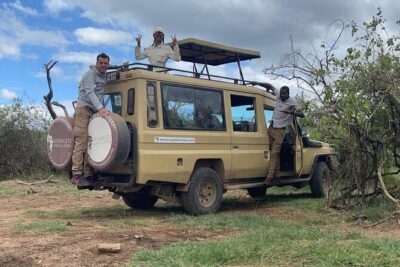
Guide quality appears to be one of this company’s strongest points. Peter is involved in organizing trips, while Mike has been singled out for making a shared safari easy and fun. Godfrey has also been praised as a good driver. Guide assignments can change, but these names give you a useful sense of the personal service associated with the operator.
Same country, a completely different kind of safari:
- Kilimanjaro climb by Lemosho Route (7-day)
★ 5.0 · 651 reviews - Kilimanjaro climb, Machame Route (7-day)
★ 5.0 · 262 reviews - Kilimanjaro Climbing Lemosho Route 8 Days.
★ 5.0 · 186 reviews - Climbing Kilimanjaro – Machame Route
★ 5.0 · 170 reviews
Day 4: Ngorongoro Crater and the return to Arusha
The final day begins early again, with a drive to Ngorongoro Crater for game viewing. The crater is known here as a natural breeding site for the endangered black rhino in East Africa, making it a particularly important wildlife stop rather than just a scenic finale.
You have a bush breakfast and then continue viewing animals before heading back toward Arusha in the evening. The day is listed at about seven hours, but that should not be read as seven hours of uninterrupted crater viewing. It includes the early drive, time inside the crater, breakfast, and the return journey.
Ngorongoro works well at the end because it provides a concentrated final wildlife experience. After the wide Serengeti, the crater offers a different sense of place and a chance to finish with one of Tanzania’s most recognizable natural areas.
The return to Arusha is useful if you are continuing with other northern Tanzania plans. The listed tour location is Moshi, but the itinerary and past arrangements show connections involving Arusha, including hotel pickup there and transfers organized by Peter. Confirm your exact pickup and drop-off details before departure, particularly if you are staying in Moshi but ending in Arusha.
Meals, campsites, and what the $1,000 price covers
At $1,000 per person, this is not a budget day trip. It is a four-day, three-park safari with transport, game drives, campsite nights, breakfast, lunch, dinner, and park access included according to the itinerary.
That price can make sense if you want to combine the major parks without arranging separate permits, drivers, camps, and meals yourself. The shared format helps keep the cost below a private safari, while the meal plan removes one of the daily practical worries.
Food has been a strong part of the experience. Meals have been described as excellent, and vegetarian diets have been accommodated. If you have other dietary needs, you should still state them clearly at booking, but the existing arrangements show that the operator can adapt at least some meal plans.
The cost is harder to justify if you want privacy or a relaxed pace. A group of up to 15 can mean less control over seating, stops, and departure times. You are paying for access to three major parks and a functioning safari setup, not a private vehicle or a luxury lodge stay.
I would compare the price with the time you save. Organizing Tarangire, Serengeti, and Ngorongoro independently involves more decisions and more risk of poor connections. Here, the route, meals, permits, and campsite nights are tied together. That convenience is the main value.
Shared safari realities and group size
Shared safaris work best when you enjoy meeting people and can accept a group schedule. One past arrangement had four other people in the vehicle and still offered enough space, but the official maximum is 15. Those are very different group experiences, so ask about the expected number in your departure group.
A smaller group usually makes it easier to hear the guide, take turns at good viewing positions, and agree on breaks. A larger group may reduce personal space and make decisions slower. The tour’s shared design is therefore a real feature to weigh, not a footnote.
The upside is company during long drives. Several days in a safari vehicle can feel easier when you have friendly companions, especially on the seven-hour transfer toward Serengeti. The downside is that you cannot simply change the plan whenever you feel tired.
This trip suits you if you are willing to trade some control for a lower shared-safari price. If your priority is solitude, photography time, or a particular animal, a private option would give you more say, though at a higher cost.
What to pack for four days on the road
The supplied details do not specify a packing list, so keep it simple and practical. Bring clothing suited to early mornings and warm daytime drives, along with personal items for campsite nights.
A small bag is easier to manage than a large suitcase in a shared vehicle. Carry the essentials you want close at hand during long drives, since the itinerary includes several hours on the road each day.
You should also bring any personal snacks or medication you need, even though complete meals are included. A mobile ticket is useful for the booking side, but it does not replace the basics you need for four days away from town.
Most people can participate, according to the tour information. Even so, the long drives and early departures are worth considering if you have mobility concerns or find extended vehicle time difficult. Ask the operator directly about any personal requirement before booking.
The guide can shape the whole safari
Wildlife is the headline, but the guide determines how much you get from each park. A good guide does more than point toward an animal. You want clear facts, sensible route choices, patience at sightings, and a good handle on the group.
This operator has a personal style built around arranging details and helping with transfers. Peter has handled trip planning, and Mike and Godfrey have received particularly warm praise for their work behind the wheel and with the group. The guide you receive may differ, but it is worth requesting the name of your assigned guide and driver before departure.
I also like that the guides are described as ready to share facts and fun details. That matters during quiet stretches, when the vehicle is moving between sightings. A safari is not only about how many animals you see. It is also about learning how the parks differ and why wildlife uses each area.
Booking, cancellation, and practical fit
Pickup is offered, confirmation arrives at booking, and the activity uses a mobile ticket. It is listed as operating Monday through Sunday within the published schedule, and the tour requires a minimum number of participants.
Free cancellation is available if you cancel at least 24 hours before the start time. If you cancel later, the payment is not refunded, and changes made within that period are not accepted. If the minimum group size is not reached and the operator cancels, you are offered another date or experience, or a full refund.
These terms are fairly clear, but check the local start time carefully. The listed opening window begins at midnight and runs to noon, which suggests that early pickups are part of normal operations.
Who should book this safari?
I would recommend this trip to you if you have four days, want Tanzania’s major northern parks, and prefer a shared price with meals arranged. It is especially suitable if you are happy with campsite accommodation, long drives, early mornings, and a group setting.
It also works well for first-time safari visitors who want one organized package. You get Tarangire’s elephants, the Serengeti’s central plains, and Ngorongoro’s rhino habitat without having to coordinate each park yourself.
I would hesitate if you need a slow schedule, luxury accommodation, or complete control over the vehicle. Four days is enough for a strong introduction, but not enough to linger in every park or guarantee every Big Five sighting.
Should you book the four-day shared safari?
Book it if variety and convenience matter more to you than privacy. The strongest reasons are the three-park route, included meals, organized campsite stays, and guides with a record of making the practical side easy.
Before paying, ask how many people are expected in your vehicle, confirm your Moshi or Arusha pickup, and share dietary requirements. If you can handle long road days and a basic campsite setup, $1,000 buys a serious wildlife itinerary with a lot packed into four days.
If you want maximum comfort or time at each sighting, choose a longer or private safari instead. For a compact first look at northern Tanzania, this is a sensible, energetic choice.
FAQ
How long is the safari?
The safari lasts approximately four days, with daily schedules ranging from about six to nine hours.
Which national parks are included?
The route includes Tarangire National Park, Serengeti National Park, and Ngorongoro Crater.
Is hotel pickup available?
Yes. Pickup is offered, and the first day describes pickup from your hotel at 7 a.m.
How many people can join the shared safari?
The maximum group size is 15 people. The actual number in your vehicle may be smaller.
Are meals included?
Yes. The experience includes complete meals, with breakfast, lunch, and dinner scheduled during the safari. Vegetarian meals have also been accommodated.
Where do you stay overnight?
The itinerary lists Kizumba campsite for the first night and Simba campsite for the third night. Campsite accommodation is part of the shared safari setup.
What is the cancellation policy?
You can cancel for a full refund up to 24 hours before the experience begins. Cancellations or changes made less than 24 hours before the start time are not accepted for a refund.
Just added around Moshi
- Mt Kilimanjaro 6 days Marangu route hike★ 5.0 · 3 reviews
- Wildlife Extravaganza: Manyara, Tarangire & Ngorongoro in 3 Days★ 5.0 · 3 reviews
- Private Cycle to Kilimanjaro Bike Park Safari★ 5.0 · 6 reviews
- 3 Days Private E-Bike Tour in West Kilimanjaro★ 5.0 · 3 reviews
- West Kilimanjaro cycling Adventures★ 4.5 · 8 reviews
- machame route★ 5.0 · 16 reviews
- Kilimanjaro Climbing Umbwe Route★ 5.0 · 3 reviews
- Kilimanjaro Climb & Safari – Lemosho Route – 13 Day★ 5.0 · 10 reviews
4-Day Experiences, compared.


4 Days Join Group tour Tarangire Serengeti and Ngorongoro crater
Read our review →
4-Day Safari from Arusha: Tarangire, Serengeti and Ngorongoro
Read our review →

4 Days Tarangire, Serengeti and Ngorongoro Mid-Range Group Safari
Read our review →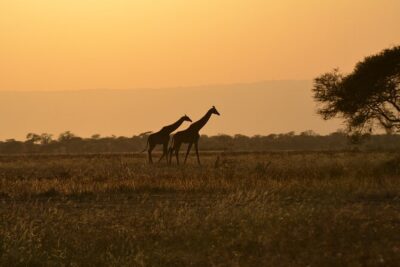
4 Days Tanzania Lodge Safari With Two Nights at Serengeti
Read our review →
Browse the lists this tour appears in