
Reviewed · CITY TOURS
Dar es Salaam: Experience the real Dar es Salaam (City Tour)
Dar es Salaam reveals itself best in its markets, and this tour gets you into that daily world quickly. You’ll see fish arriving at Kivukoni, goods changing hands at Kariakoo, old monuments, churches, museums, carved wood, and the Indian Ocean in one full day. Saed, the named guide, leads the experience in English or Swahili.
I like two things here. First, you get a useful mix of formal sights and ordinary city life, not just a drive past buildings. Second, the private format lets you ask about subjects such as food shortages, family life, crime, politics, and Tanzania’s past. The main drawback is the pace: eight hours, several markets, and two museums can feel full, especially in heat and traffic.
Key points to know before booking
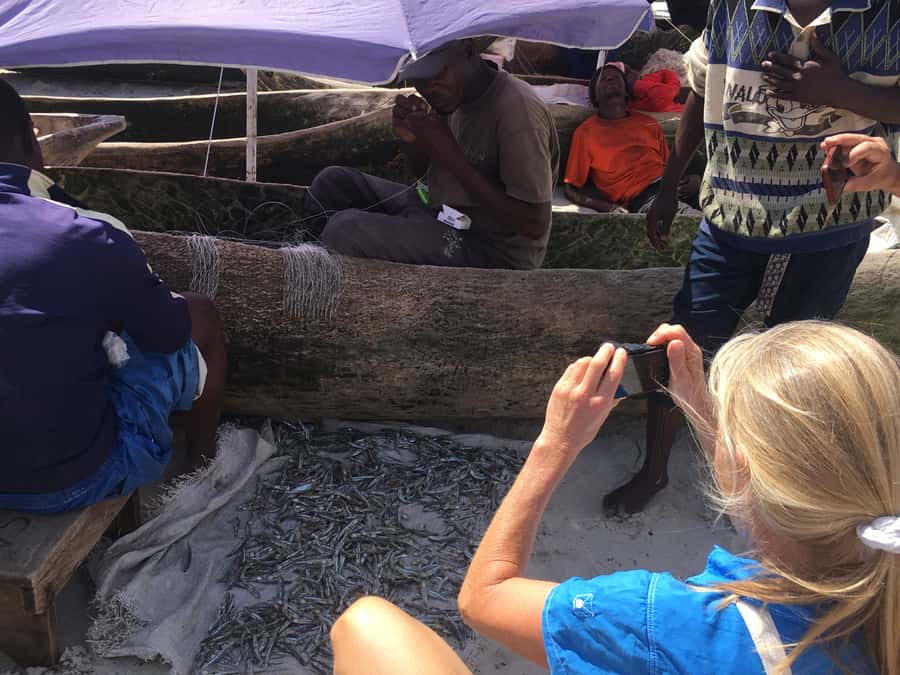
- Kivukoni Fish Market gets wet: Wear sturdy shoes rather than slippers, since the floor can be very slick.
- Saed adds the context: His explanations connect markets, monuments, museums, and daily life in a way that makes each stop more useful.
- The private vehicle saves time: Air conditioning, bottled water, WiFi, and private transport are included.
- The day covers a lot: Expect Kariakoo, Kivukoni, historic churches, the National Museum, Tinga Tinga art, Makumbusho Village Museum, and Slipway.
- Coastal views finish the day: The waterfront and Slipway provide a calmer close after the noise and movement of the markets.
- The price is easiest to justify for a small group: At $99 per person, the value improves when the cost is shared across a private party.
Why this Dar es Salaam tour works
Many city tours give you a monument, a museum, and a photo stop. This one tries to show how Dar es Salaam functions. You move from trade and food to national history, religious buildings, local art, traditional boats, and a modern oceanfront complex.
That range matters because Dar es Salaam is not a city you understand from one viewpoint. The National Museum can explain the country’s past, but the fish market shows how people work today. A cathedral tells part of the colonial story, while Kariakoo gives you a closer look at commerce and everyday movement.
I also like that this is a private group rather than a large coach tour. You can ask Saed to explain something properly, pause when a market scene catches your attention, or talk through a subject that interests you. The guide’s role seems especially important here because the city’s most interesting details are not always labeled or easy to interpret on your own.
Pickup is available from Julius Nyerere International Airport or the Hyatt Regency Dar es Salaam, The Kilimanjaro. You can also be collected from accommodation, with the meeting arranged in the lobby, or from the arrivals lounge at the airport. That makes this a useful first-day option, provided you are ready for a long and active day.
A few more Dar Es Salaam trips to weigh up
- Dar es Salaam: City Tour
★ 4.7 · 159 reviews - Dar es Salaam City Center: Walking Tour
★ 4.8 · 102 reviews - Dar es Salaam City Tour – Everyday
★ 5.0 · 64 reviews
Kariakoo and Kivukoni: start with working Dar
The early part of the tour focuses on markets, where you get the clearest sense of the city’s energy. Kariakoo is known for its crowded commercial activity and colorful stalls. You will see a side of Dar that is practical and local, rather than designed for sightseeing.
This is a good place to have questions ready. Saed can help explain how markets support food access and how traders fit into the wider city economy. You are not simply looking at piles of goods. You are watching a system at work.
The Kivukoni Fish Market brings a different kind of action. Fishermen bring in fresh catch, and the market becomes a center of trade. The stop is useful for seeing how Dar’s coastal setting shapes daily life, but it is not polished or dry.
Take the footwear warning seriously. The surface is usually very wet, so slippers are a poor choice. Wear shoes with a secure sole, and use sunscreen because much of the day involves outdoor walking and waiting in the heat.
The markets may be the most memorable part of the day, but they can also be the most demanding. Expect noise, movement, strong smells, and uneven footing. If you prefer quiet museum visits, this section may test your patience. If you want a close look at local life, it is one of the tour’s strongest features.
Askari Monument and the city’s colonial story
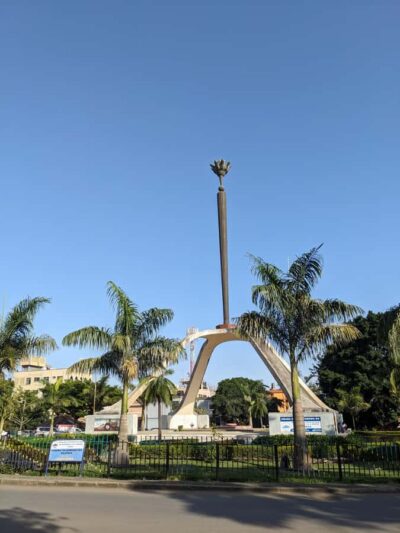
The Askari Monument gets about 20 minutes of guided attention. That may sound brief, but it gives Saed a chance to place the city’s public spaces in their historical setting. The memorial is linked to Tanzania’s colonial past and the legacy of the First World War.
This stop is not about spending a long time at one statue. It works as a short outdoor history lesson between the markets and the city’s religious architecture. Saed can also help explain why some memorials have not been updated, a subject that adds useful perspective to the visit.
You will also make brief guided stops at other central city sites. The exact details of two stops are not fully specified in the schedule, so think of these as short orientation points rather than separate major attractions. That flexibility can be helpful in a private tour, though it means the day is not planned around long visits at every location.
St. Joseph’s Cathedral and Azania Front Cathedral
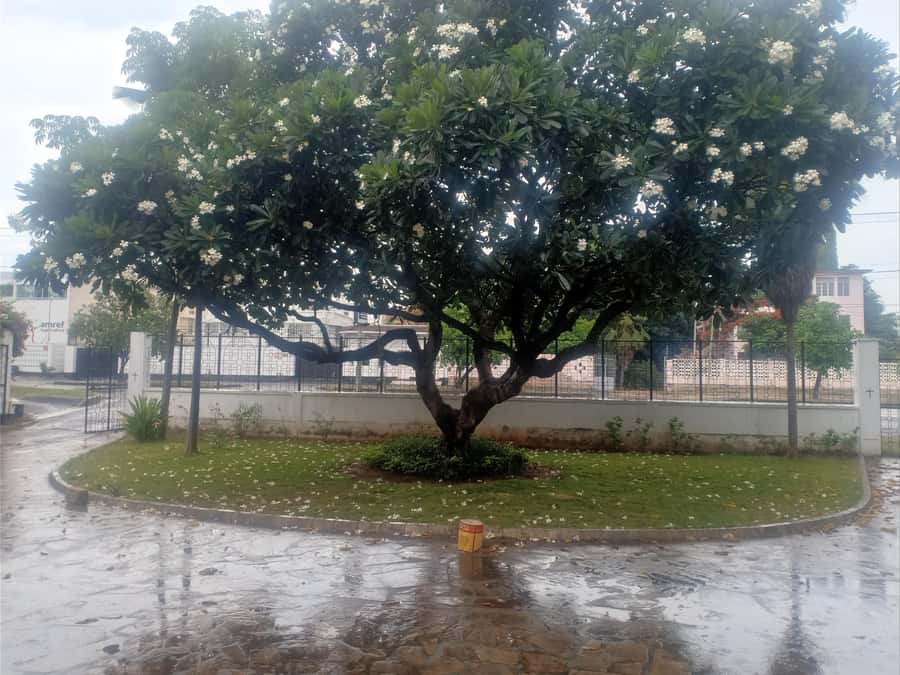
The schedule includes KKKT Azania Front Cathedral, also referred to in the tour information as the Arabia Front Cathedral, along with St. Joseph’s Cathedral in the wider description. These churches help you read Dar es Salaam’s architecture and religious history.
Allow about an hour for the cathedral portion of the day. You can expect a guided look at the buildings and an explanation of the influences that shaped them. The value here is not only the design. These sites show how different communities, institutions, and periods affected the growth of the city.
This is also a welcome change of rhythm. After the fish market and central streets, a church visit gives you time to look upward, notice construction details, and listen. Modest timing is still important, since this is one part of a packed route rather than a full architectural study.
Same country, a completely different kind of safari:
- MIKUMI NATIONAL PARK – 3 Days
★ 4.5 · 63 reviews - 2 nights 3 days safari to mikumi national park
★ 5.0 · 62 reviews - 2 Days 1 Night Mikumi National Park from Dar es salaam
★ 5.0 · 60 reviews - The Best/Top Rated Cultural City Tour in Dar es Salaam
★ 5.0 · 57 reviews
National Museum: useful context, imperfect presentation
The National Museum and House of Culture gives you a structured account of Tanzania through art, archaeology, and history. The visit lasts about an hour and a half, which is enough time to see key displays without turning the entire day into a museum marathon.
I would not expect a highly polished museum presentation at every turn. Some parts of the country’s story could be presented more fully, and the displays may leave you with questions. That is where Saed adds real value. He can explain gaps in the presentation and connect the objects to Tanzania’s broader political and social story.
This stop suits anyone who wants more than photographs. You can ask about the country’s past, the First World War memorial, politics, and how historical events still affect life today. The museum is also a useful counterweight to the markets, giving you facts and structure after several hours of observation.
If your main interest is shopping or coastal scenery, you may find 90 minutes here longer than needed. If you enjoy asking why a country looks and feels the way it does, this is one of the most worthwhile stops.
Tinga Tinga art and the search for a real souvenir
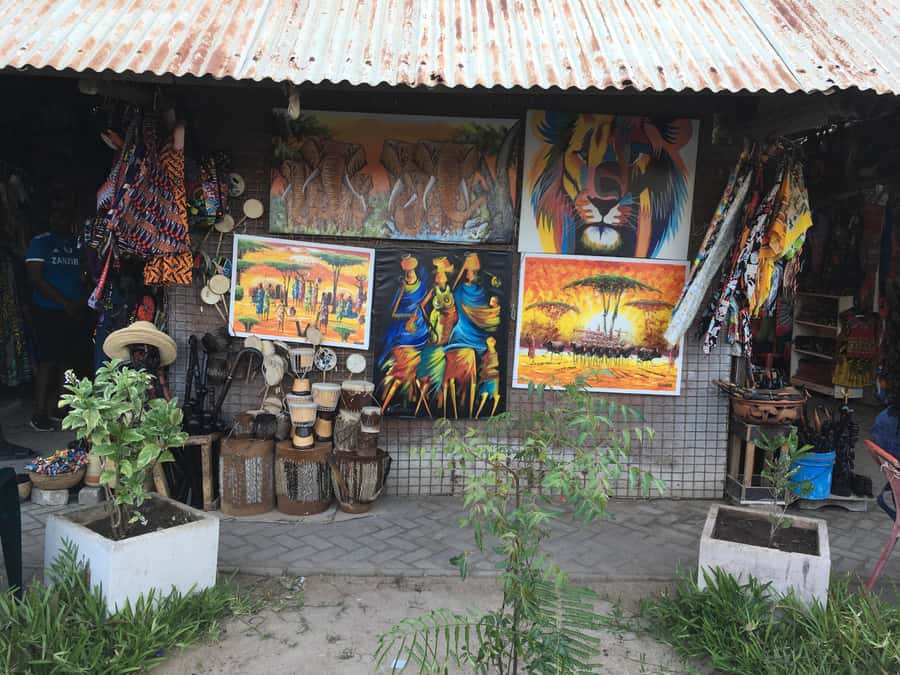
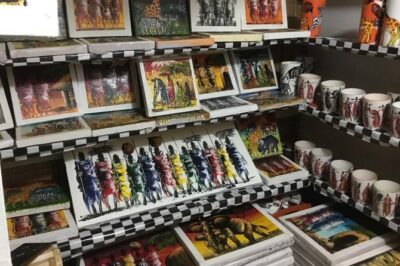
The Tinga Tinga Arts Cooperative Society provides about an hour for art and crafts. This is a better place to look for a meaningful souvenir than a generic airport shop because you can see the work up close and consider the skill behind it.
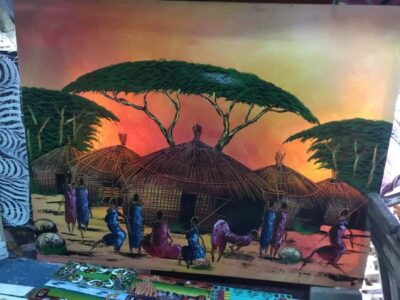
Tinga Tinga art is known for bold painted scenes and strong color. The stop gives you time to browse rather than forcing a quick photograph and a return to the vehicle. You might find paintings or other handmade pieces, but prices and stock are not specified, so bring realistic expectations and ask about anything you are considering.
The tour also includes the Mwenge Woodcarvers Market in its broader description. This is another chance to see hand-carved art and buy a keepsake. The two craft stops give you different shopping experiences: painted work at the arts cooperative and carved pieces at Mwenge.
You should decide before the tour if you want to buy something. A private guide can help you understand what you are seeing, but you still need to judge size, price, packing, and whether an item is practical to carry through the rest of your trip.
Makumbusho Village Museum: culture in an open-air setting
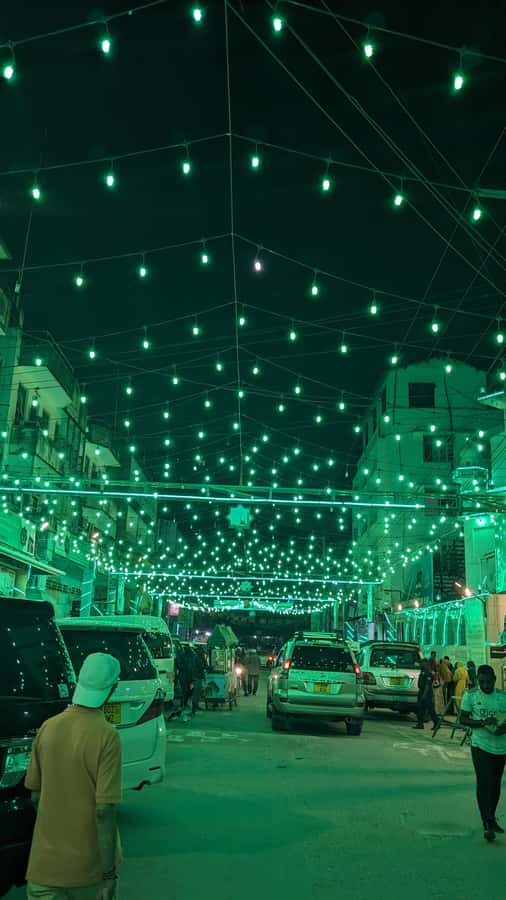
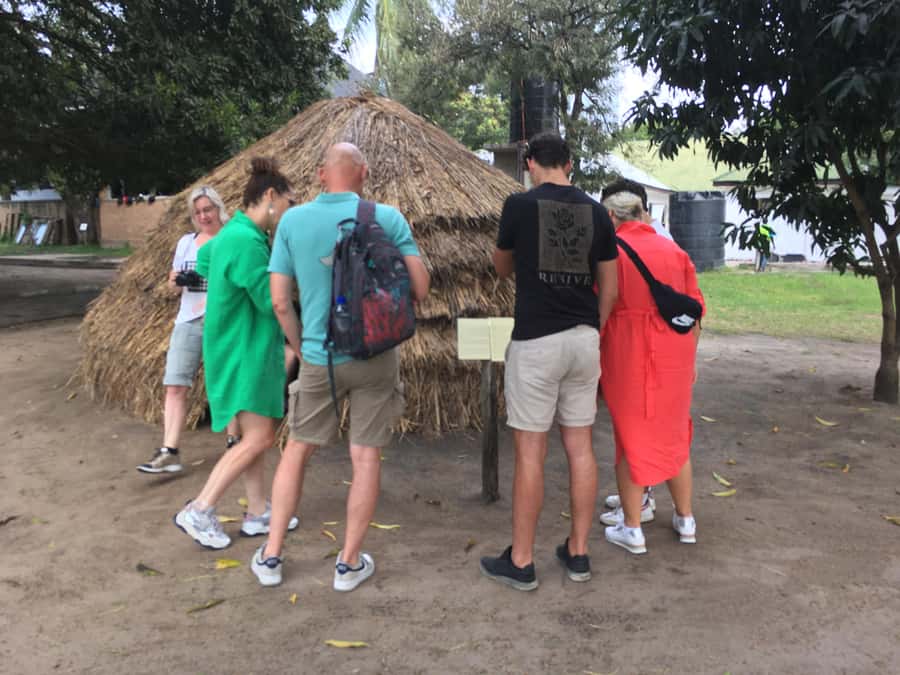
Makumbusho Village Museum receives about an hour and a half of guided time. It adds another layer to the day by presenting Tanzanian cultural traditions in a setting built for interpretation rather than ordinary city trade.
After the National Museum’s indoor exhibits, the Village Museum changes the focus. You can expect a more physical sense of local building styles, crafts, and cultural life. The visit helps you compare national history with the ways communities have lived and worked.
This stop is especially useful if you are new to Tanzania and want more than a quick city introduction. Saed can answer questions as you go, which matters because an open-air cultural site can otherwise become a series of buildings without much meaning.
The trade-off is time. With 90 minutes here, plus the National Museum and the markets, the middle of the tour is information-heavy. You may want a short pause for water and food rather than trying to absorb every detail at once.
Slipway and the Indian Ocean close
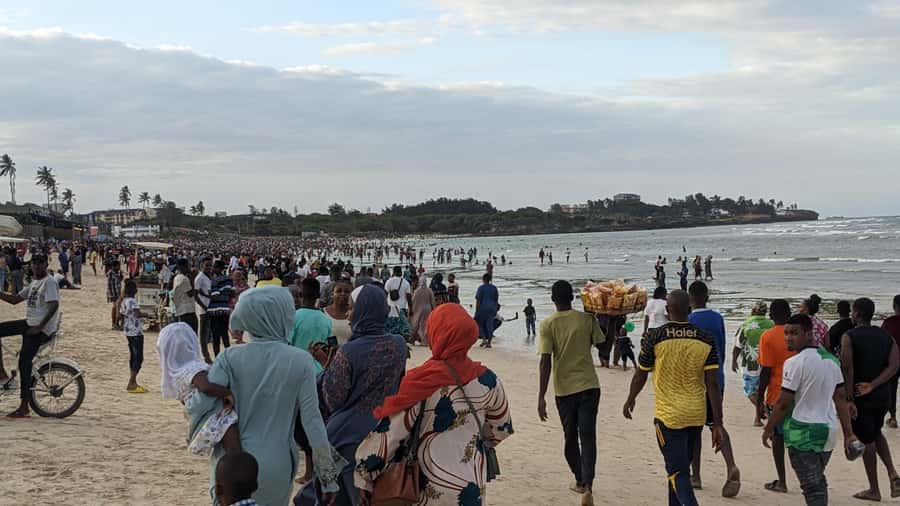
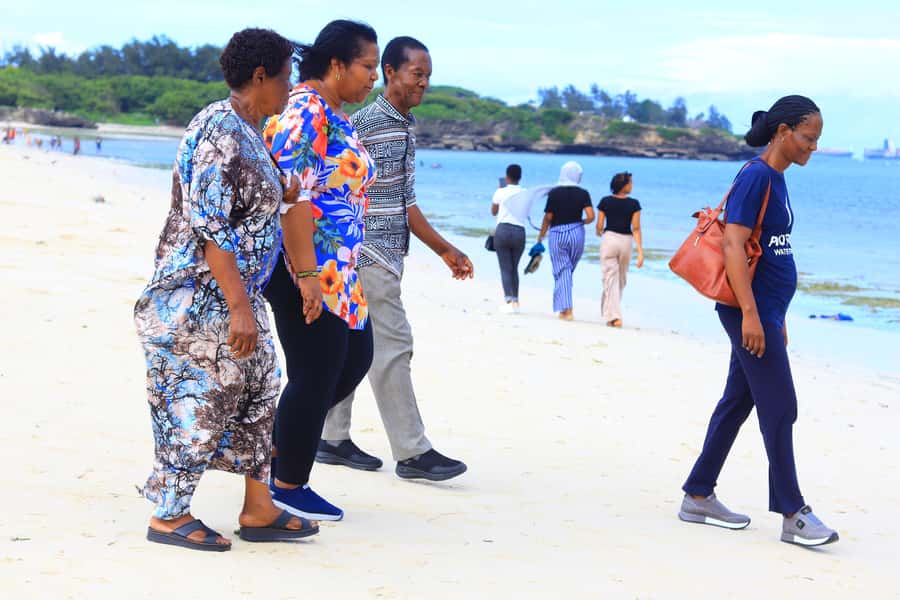
The day ends with a break at sunset, with Slipway listed as the final destination in the tour description. This shopping and dining complex sits by the ocean and gives you a chance to slow down after the city’s crowded markets and busy roads.
I like this ending because it is not another formal lecture. You can relax near the water, look across the harbor, and watch traditional dhow boats in the coastal setting. The contrast is useful: Dar es Salaam is both a working port city and a place for an easy evening by the sea.
Lunch is not listed as included, but you can ask Saed for help finding local food. He has directed visitors toward a place serving local dishes and fresh juices, which makes the meal an opportunity to keep learning rather than defaulting to familiar international food.
The one limitation is that Slipway is a modern shopping and dining complex, not a purely local neighborhood. That does not make it a poor stop. It simply gives you a more comfortable, commercial finish after the rawer market scenes.
Is $99 good value for eight hours?
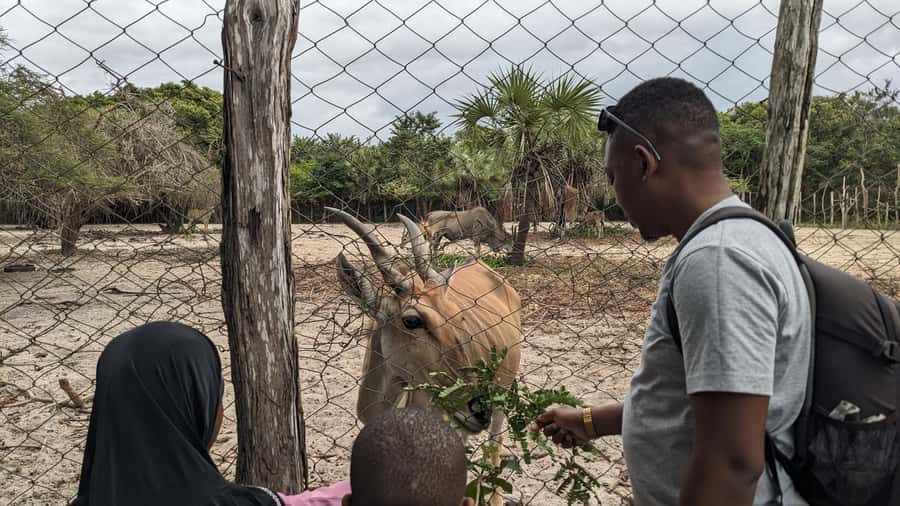
At $99 per person, the price is reasonable when you want a private introduction to Dar es Salaam and would otherwise need to arrange several rides, entrances, and explanations yourself. Air-conditioned transport, private travel, WiFi onboard, and bottled water are included.
The value comes mainly from the guide and the route. You are covering a large area and combining places that would be difficult to connect efficiently without local help. The private format also means your questions can shape the experience.
The price is less compelling if you only want a short transfer and a few photographs. You are paying for a full eight-hour day, not a quick highlights loop. For a couple or a small group, the cost makes more sense because you receive dedicated transport and guiding rather than joining a crowded vehicle.
Lunch, shopping, and any craft purchases are not listed among the included items. Keep extra money available if you want food, drinks, or souvenirs.
Who should book this city tour?
I would choose this for a first day in Dar es Salaam, especially if you want to understand the city before exploring on your own. The route gives you practical bearings, historical context, and several ideas for places you might want to revisit.
It suits history fans, culture-focused visitors, photographers, and people who enjoy markets more than monuments. It is also a strong choice if you like asking direct questions about daily life, family values, food supply, crime, politics, and work.
You should think twice if you dislike crowds, wet markets, long drives, or tightly scheduled days. Eight hours is a lot, and the combination of heat, traffic, walking, and concentrated sightseeing can wear you down.
The tour is offered in English and Swahili. Free cancellation is available up to 24 hours before the start, and you can reserve now and pay later. Sunscreen is essential, and proper shoes are more than a minor detail at Kivukoni.
Should you book it?
Book this tour if you want Dar es Salaam explained from the inside, with markets and working city life given as much attention as museums and monuments. Saed’s strongest contribution is the conversation: he helps you connect what you see with the way Tanzania works.
Skip it if you want a slow beach day or a short, polished sightseeing route. For an active first look at the city, though, the mix of Kariakoo, Kivukoni, churches, museums, art, Village Museum, and Slipway offers unusually broad value in one private day.
FAQ
How long does the Dar es Salaam city tour last?
The tour lasts eight hours. The schedule includes guided visits, market stops, museum visits, craft centers, and a sunset break at Slipway.
Where can pickup and drop-off take place?
Pickup and drop-off are available at Julius Nyerere International Airport and the Hyatt Regency Dar es Salaam, The Kilimanjaro. Airport pickup takes place in the arrivals lounge, while accommodation pickup is arranged in the lobby.
Is the tour private?
Yes. This is a private group experience with private transportation.
Which languages does the guide speak?
The live tour guide is available in English and Swahili.
Is transportation included?
Yes. The tour includes an air-conditioned vehicle, private transportation, WiFi onboard, and bottled water.
What should I wear or bring to the fish market?
Bring sunscreen and wear secure shoes rather than slippers. The fish market surface is usually very wet.
Just added around Dar Es Salaam
- Zanzibar: 3 Days to Mikumi and Chizua Waterfalls★ 3.5 · 5 reviews
- 3 Days Explore Selous Game Reserve + Boat safari + bushman walking★ 5.0 · 5 reviews
- 2 Day Wildlife Experience and Masai Culture Mikumi Park★ 5.0 · 5 reviews
- Explore Dar es Salaam: Full-Day Private City Tour★ 5.0 · 18 reviews
- Sunrise Beach Walk with Picnic Breakfast Activity★ 5.0 · 3 reviews
- 3 Days Safari to Nyerere National Park (Selous Game Reserve)★ 5.0 · 8 reviews
- 5 Days Selous/Nyerere & Mikumi NP Game drive, Maasai and Walking★ 5.0 · 13 reviews
- Mikumi Np Mid Range Tour 3 Days★ 5.0 · 3 reviews
City Tours, compared.

Arusha Guided Walking City Tour, Culture, Lifestyle & History
Read our review →
The Best/Top Rated Cultural City Tour in Dar es Salaam
Read our review →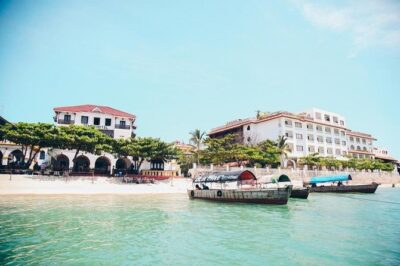
Browse the lists this tour appears in