
Reviewed · COOKING CLASSES
Arusha: Local Tanzanian Cooking Class by Kingstone Asilia
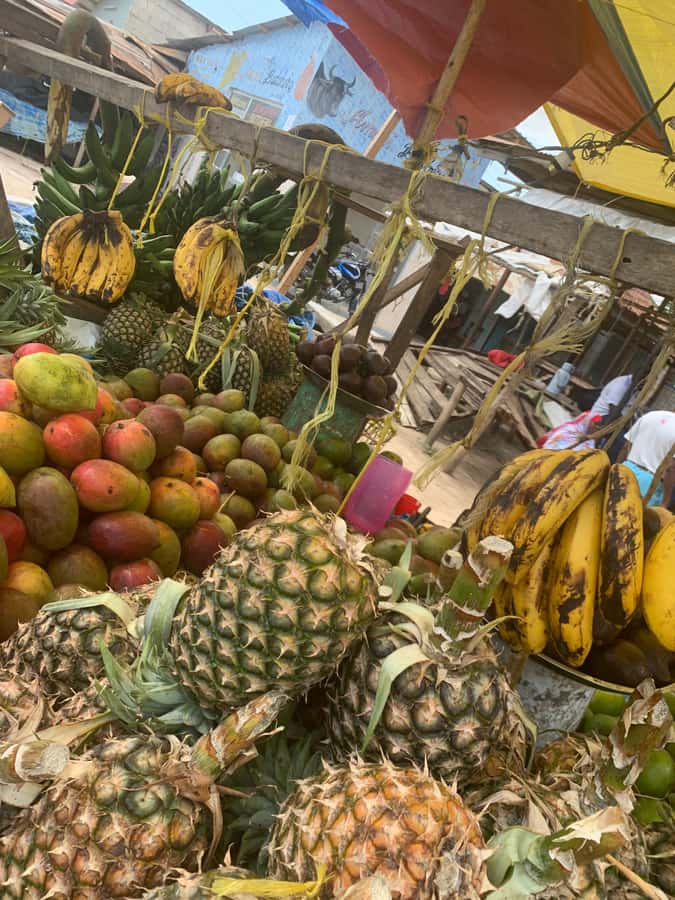
The best part of this Arusha experience happens before lunch: you go to a local food market, choose vegetables, and bargain over prices before cooking them at a family farm. It gives you a useful look at daily food shopping, not just a staged kitchen lesson.
I like the hands-on cooking and the peaceful wooden hideaway overlooking the farm. I also like that your meal is vegetarian, cooked fresh, and can be adjusted for dietary needs. The main drawback is transport: pickup and dropoff from central Arusha costs an extra $15, while the independent meeting point takes a bus and then a motorbike ride.
Key points to know before you book
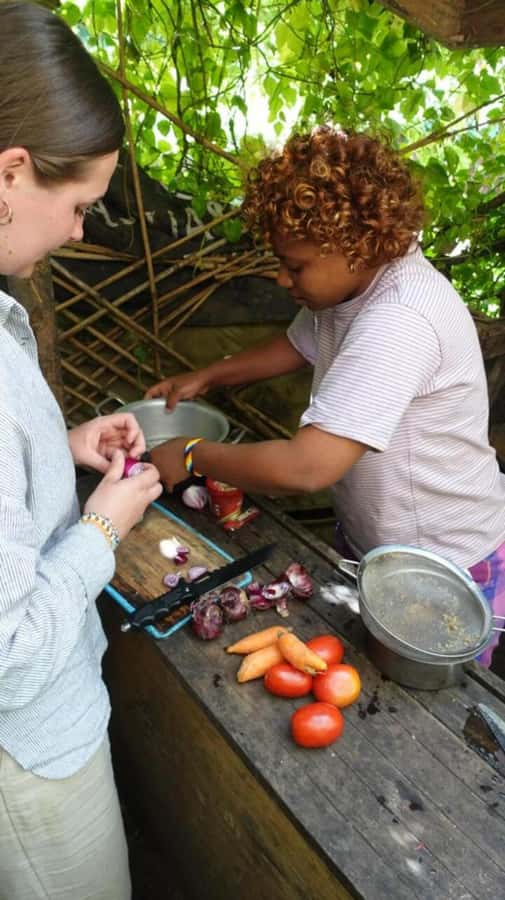
- Market shopping comes first: You select vegetables and ingredients, with a chance to practise bargaining.
- Up to six Tanzanian dishes: The class focuses on traditional vegetarian food, prepared and eaten by the group.
- A family-run farm setting: Cooking takes place in a wooden nature hideaway on the green outskirts of Arusha.
- Coffee may be part of the visit: You might taste coffee from the family’s own farm, and monkeys may pass through the area.
- Ozili can add a plant walk: He has shown visitors nearby trees and plants while explaining the local surroundings.
- Plan transport and cash carefully: Town pickup costs $15 total, and extra coffee, gifts, or bar drinks require cash.
A market visit that gives the class its flavour
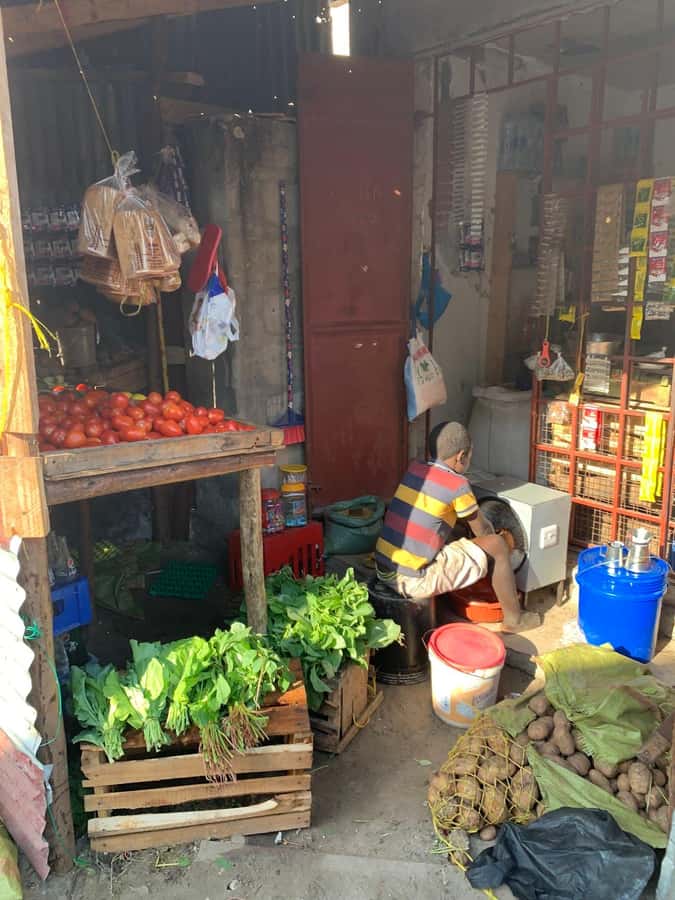
This is not a cooking lesson that begins with pre-measured ingredients lined up on a table. Your first stop is a local fresh-food market, where you help choose the vegetables and other ingredients for the meal.
That small change matters. You get to see how food enters an ordinary Tanzanian kitchen, rather than hearing a polished explanation after everything has already been bought. You can also negotiate prices, an everyday skill that makes the market visit more engaging than a simple walk through the stalls.
The information available does not set out the exact market name or a fixed shopping list. That is useful to remember if you want a precise, repeatable menu. The meal depends on the fresh produce selected that day, so you should expect a local, flexible experience rather than a restaurant-style cooking course with a published menu.
The market also sets the tone for the rest of the morning. You are not only learning recipes. You are seeing the ingredients in their normal setting, then following them from the market to the cooking area. For me, that connection is one of the strongest reasons to choose this class.
A few more Arusha trips to weigh up
- NGO Lifted Strong – Traditional Tanzanian Cooking Class
★ 5.0 · 39 reviews - Arusha: Traditional Tanzania Cooking Class & Food Market Tour
★ 5.0 · 34 reviews - Cooking and Sewing & Jewelry Workshops in Arusha
★ 5.0 · 14 reviews
From Arusha town to the Kingstone Asilia family farm
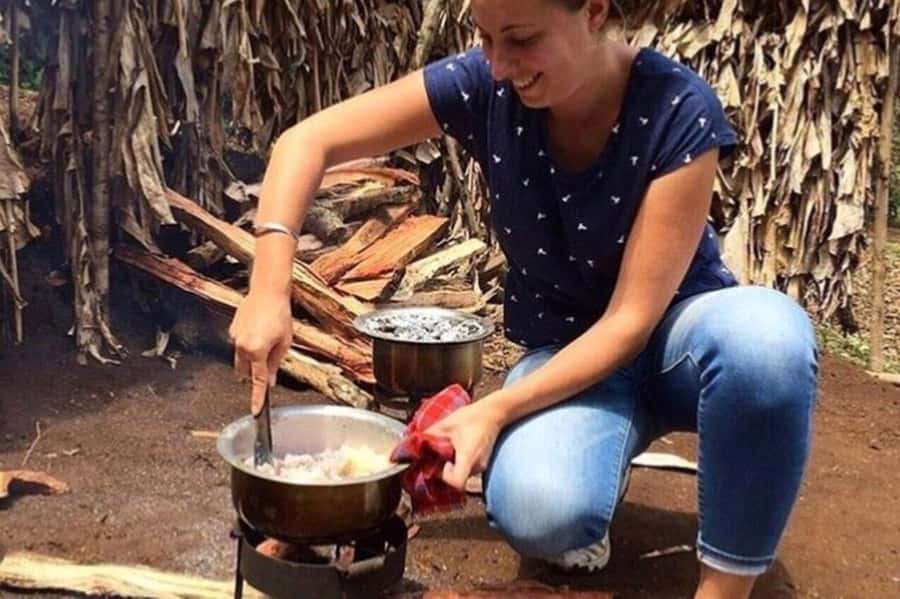
After shopping, you continue to the Kingstone Asilia Family Farm on the outskirts of Arusha. The setting is described as green and peaceful, with a wooden hideaway built by the family and positioned to overlook the farm grounds.
You should allow yourself to enjoy the change of pace. The class is still a food experience, but the farm setting gives it room to feel social and unhurried. After the noise and decisions of the market, you can settle into a quieter place to prepare lunch and talk with the family.
The word family is important here. This is presented as a project run by the Kingstone Asilia family, not a large commercial kitchen with a rotating team of instructors. That can make the experience feel more personal, though it also means you should not expect the systems or polish of a professional culinary school.
The surroundings may offer a few pleasant surprises. Coffee from the family’s own farm has been served during the workshop, and monkeys may sometimes be seen moving through the area. Neither is guaranteed, so treat them as possible bonuses rather than promised parts of the schedule.
Learning traditional methods, not just copying recipes
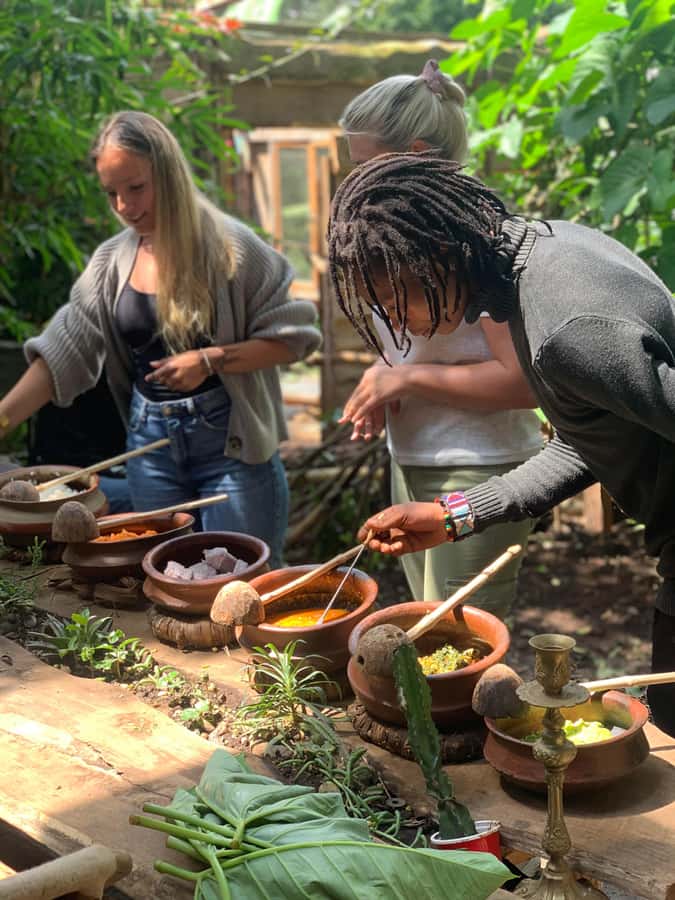
Once you reach the farm, the cooking begins with traditional ways of preparing ingredients. The class is hands-on, so you should expect to help with the preparation rather than simply watch someone cook in front of you.
The exact teaching sequence is not specified, but the experience is designed to show you how typical Tanzanian dishes are made using the vegetables selected at the market. You can ask questions, share stories, and compare food customs as you work.
One useful point is the chance to state dietary requirements or food preferences before the tour. The dishes can be adjusted to suit your needs while keeping the meal connected to local cooking. You should provide that information in advance, since the ingredients are bought for the class at the market.
The food is vegetarian. One participant learned to prepare at least six Tanzanian vegetarian dishes, which gives you a good idea of the possible range. Still, the number and type of dishes may change with the day’s ingredients and the group’s preferences, so do not book expecting a fixed six-course menu.
I like this format because it gives you something practical to remember. You are not only tasting an unfamiliar dish and trying to recall its name later. You are handling the ingredients and seeing the steps that turn market produce into lunch.
A fresh vegetarian buffet at the end
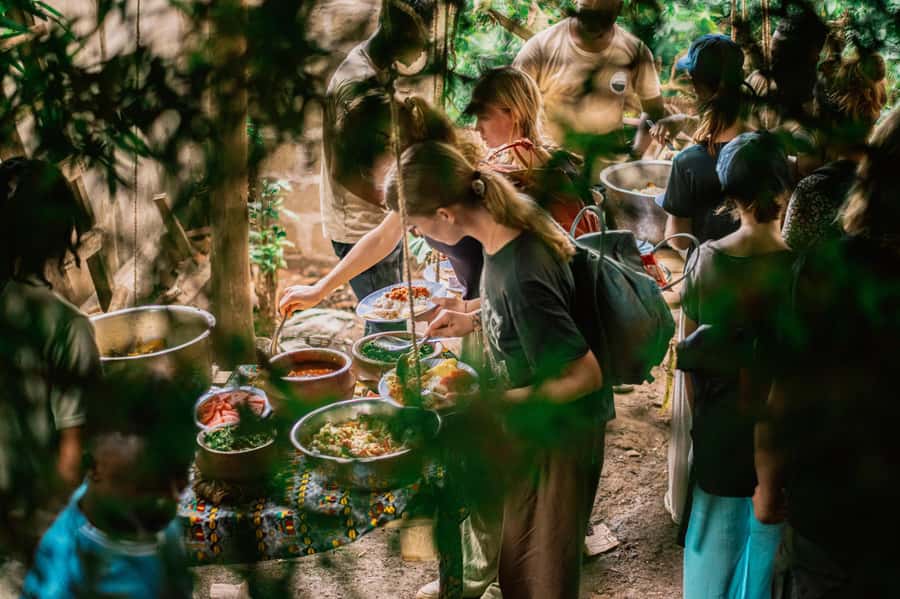
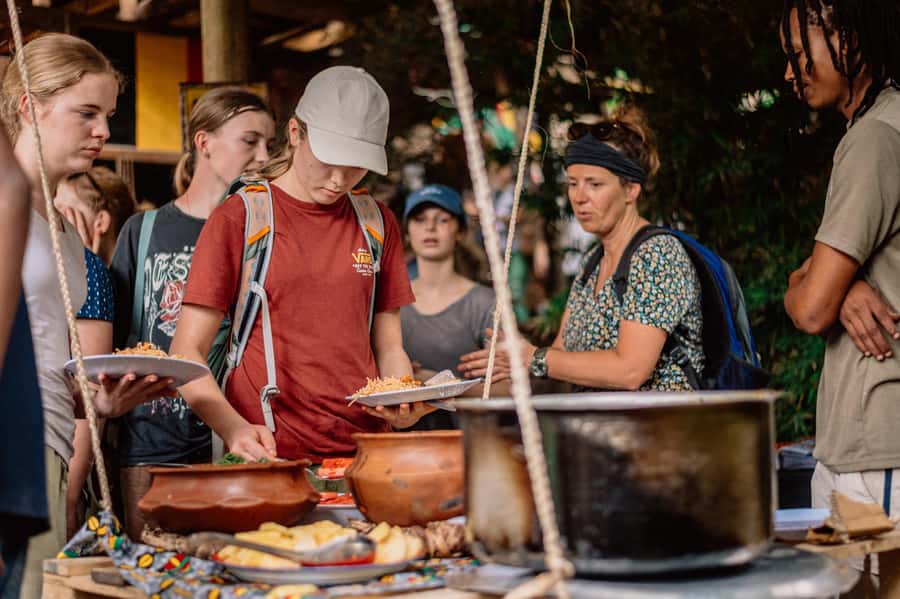
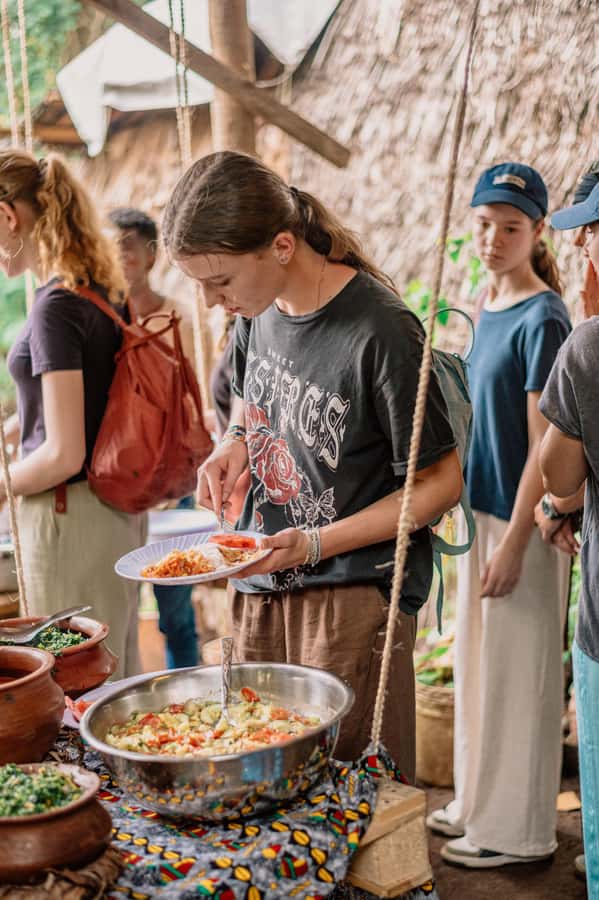
The reward is a freshly prepared vegetarian buffet, cooked with local ingredients and eaten at the farm. The meal is included in the $50 price, along with the other food and drink provided during the experience.
A buffet works well for a shared cooking class. You can sample several dishes, compare flavours, and see how the different preparations fit together. It also makes the meal social, particularly if you enjoy swapping stories with the family and other people in the group.
You should not expect a meat-focused introduction to Tanzanian food here. The class is specifically vegetarian, and that is both its strength and its limitation. Vegetarians and anyone curious about plant-based local cooking should find the format especially appealing. If you are hoping to learn meat dishes, you will need to ask before booking if an alternative is possible.
The food is cooked fresh, but the information does not specify every drink included. Coffee from the farm may be served, which adds a welcome local touch. Alcohol is not included if you buy it at the bar, and coffee or gifts purchased to take home cost extra.
Same country, a completely different kind of safari:
- Balloon Safari & Bush Breakfast in Serengeti – Miracle Experience
★ 5.0 · 1,646 reviews - Tanzania Classic – 7 Days
★ 5.0 · 1,151 reviews - 4 Days Group Camping Safari
★ 5.0 · 1,101 reviews - 5 Days Group Camping Safari
★ 5.0 · 730 reviews
The human side of a five-hour visit
Food is only half the point. The organisers set aside time to exchange stories and talk about different cultures and life experiences. That makes this a good choice if you prefer meeting local people to moving quickly from one photo stop to the next.
The tone appears to be informal and family-led. A host has been praised for a warm welcome, and the experience includes the chance to ask about local food and daily life as you cook. You should come ready to participate in conversation, not treat the class as a silent demonstration.
Ozili may also take you around the nearby area and explain the trees and plants you see. This adds a small nature element to the visit and helps place the farm in its local setting. The details of that walk are not fixed, so think of it as an added possibility rather than a separate botanical tour.
The setting may suit you if you want time away from Arusha’s central streets. It is still close enough to visit as a half-day activity, but the farm gives you a different view of the region. You get food, conversation, plants, and a family project in one outing.
Is $50 good value in Arusha?
At $50 per person, this class sits above the price of a basic market visit or a simple local lunch. The value comes from the combination of several elements: market shopping, price negotiation, transport to the farm if you arrange it separately, instruction, all food and drink, a full meal, and time with the family.
The experience is also more than a meal. You are paying for access to a family farm and for the chance to take part in the preparation. If you enjoy cooking, the practical part can make the price feel fair, especially since you may learn several dishes in one session.
The extra transport charge deserves attention. Pickup and dropoff from central locations in Arusha costs $15 total, or 45,000 Tanzanian shillings, paid in cash. If you use that option, your total cost becomes $65 per person before any other purchases.
You can also reach the meeting area independently. Take a bus to Kambi Ya Chupa Madukani, then ask a motorbike driver to take you to Kingstone. The directions say you can also arrange pickup from Kambi Ya Chupa. This option may reduce the extra cost, but it requires more navigation and a separate motorbike ride.
All extras require cash at present. That includes additional coffee, gifts, and alcoholic drinks from the bar. Handwritten receipts are available if you want one. I would carry the right amount of Tanzanian shillings and confirm the pickup plan before setting out.
Timing, language, and practical planning
The activity lasts five hours, but the starting time depends on availability. That is long enough to include the market, the trip to the farm, preparation, lunch, and conversation without forcing every step into a tight schedule.
The class is conducted in English. If you need to discuss food restrictions, say so before the tour begins. The provider specifically asks you to share dietary requirements and preferences in advance so the dishes can be planned around them.
Pickup is not automatically included. You need to request the $15 town service, or make your own way to the meeting point. The easiest option for many visitors will be arranging the town pickup, especially if they are unfamiliar with Arusha’s bus routes or do not want to negotiate a motorbike ride.
The meeting directions are practical but not especially detailed. You can find Kingstone on Google, or use Kambi Ya Chupa Madukani as the reference point. If you choose the independent route, allow extra time for finding the right motorbike driver and reaching the farm.
The activity allows free cancellation up to 24 hours before the start for a full refund. You can also reserve and pay later, which helps if your safari schedule is still shifting.
Who will enjoy this class most
I would recommend this experience to you if you want a personal, food-centred introduction to Arusha and prefer a working farm to a formal restaurant kitchen. It is particularly well suited to:
- Vegetarians and people who want to learn plant-based Tanzanian cooking
- Visitors who enjoy markets, bargaining, and local ingredients
- Couples, friends, and solo visitors who like relaxed conversation
- People with a free half-day before or after a safari
- Anyone interested in community-based, family-run projects
It may be less suitable if you want a precise cooking syllabus, a luxury dining setting, or a lesson focused on meat and seafood. It may also frustrate you if you dislike flexible schedules or arranging local transport.
The five-hour length is worth considering. You are not squeezing in a quick demonstration between other appointments. You need to give the experience a proper half-day, including the market and the ride to the farm.
How this compares with a standard food tour
A standard food tour often takes you from one tasting stop to another. This class asks you to take part in the full chain, from choosing ingredients to preparing them and sitting down to eat.
That makes it more useful for you if you want to bring a little of Tanzania home. You may remember a cooking method, a vegetable combination, or the way a dish was shared at the table. The market bargaining also gives you a small lesson in local shopping customs.
The tradeoff is variety. A food tour might let you taste dishes prepared by several businesses, while this class gives you one family’s setting and one shared vegetarian meal. You gain participation but give up some of the range found on a wider tasting route.
The farm also changes the mood. You are not simply consuming food in town. You are spending time in a wooden hideaway surrounded by the family’s grounds, with the possibility of coffee from the farm and monkeys in the area. For many people, that slower pace will be the point.
Should you book the Kingstone Asilia cooking class?
Book it if you want a five-hour local experience built around food, conversation, and a family farm. The market visit, bargaining, hands-on preparation, fresh vegetarian buffet, and quiet setting give you a fuller picture of everyday food culture than a restaurant meal can offer.
The strongest reasons to go are the personal setting and the chance to cook several dishes, possibly as many as six. Ozili’s explanations of nearby plants can add another layer, while farm coffee and occasional monkeys may provide memorable extras.
Think twice if you need a fixed menu, easy included transport, or a class centred on meat. Otherwise, at $50 per person, it offers solid value for a half-day, especially for people who care about local food and community-based projects. Arrange pickup in advance, state your dietary needs, and carry cash for any extras.
FAQ
How long does the cooking class last?
The experience lasts five hours. This includes the local market visit, ingredient shopping, cooking at the farm, and the shared meal.
What food will I learn to cook?
You will prepare typical Tanzanian vegetarian dishes using fresh local ingredients. The exact menu can vary, and one participant learned to make at least six dishes.
Is food and drink included?
Yes. All food and drink for the experience are included, including the freshly cooked vegetarian buffet lunch. Extra coffee, gifts, and alcoholic drinks purchased at the property are not included.
Is pickup from Arusha included?
No. Pickup and dropoff from central locations in Arusha costs an additional $15, or 45,000 Tanzanian shillings, paid in cash. You can also make your own way to the meeting point.
How can I reach the meeting point without town pickup?
Take a bus to Kambi Ya Chupa Madukani, then ask a motorbike driver to take you to Kingstone. Pickup from Kambi Ya Chupa can also be arranged.
What language is the class conducted in?
The live tour guide speaks English. You should also share any dietary requirements or food preferences before the experience begins.
Just added around Arusha
- 8 Days Serengeti Migration safari★ 5.0 · 11 reviews
- tarangire, ngorongoro & lake manyara park 3 days private tour★ 5.0 · 11 reviews
- tarangire & ngorongoro 2 days tour★ 5.0 · 14 reviews
- Mt. Kilimanjaro: Shira plateau to Cathedral point 3872m Day hike★ 5.0 · 7 reviews
- serengeti, ngorongoro & tarangire 4 days private tour★ 5.0 · 18 reviews
- serengeti & ngorongoro 3 days private tour★ 5.0 · 15 reviews
- 2 Days Tanzania Midrange Group Join Safari★ 5.0 · 7 reviews
- climb the KILIMANJARO via Lemosho route★ 5.0 · 4 reviews
Cooking Classes, compared.
Half-Day Kuza Cave Swimming Adventure and Cooking Class
Read our review →
NGO Lifted Strong – Traditional Tanzanian Cooking Class
Read our review →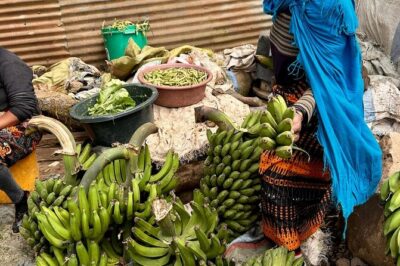
Traditional Tanzania Cooking Class & Food Market Tour
Read our review →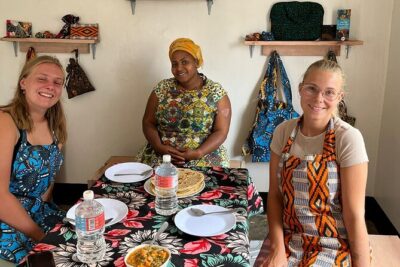
Cooking and Sewing & Jewelry Workshops in Arusha
Read our review →
Mnemba Dolphin Tour, Clear Kayak, Cooking Class, Horse Riding
Read our review →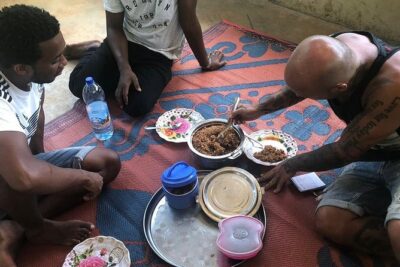
Traditional Zanzibar Cooking Class including Spice Tour
Read our review →Browse the lists this tour appears in