
Reviewed · HISTORICAL TOURS
Arusha: Cultural Heritage, Tanzanite Tour
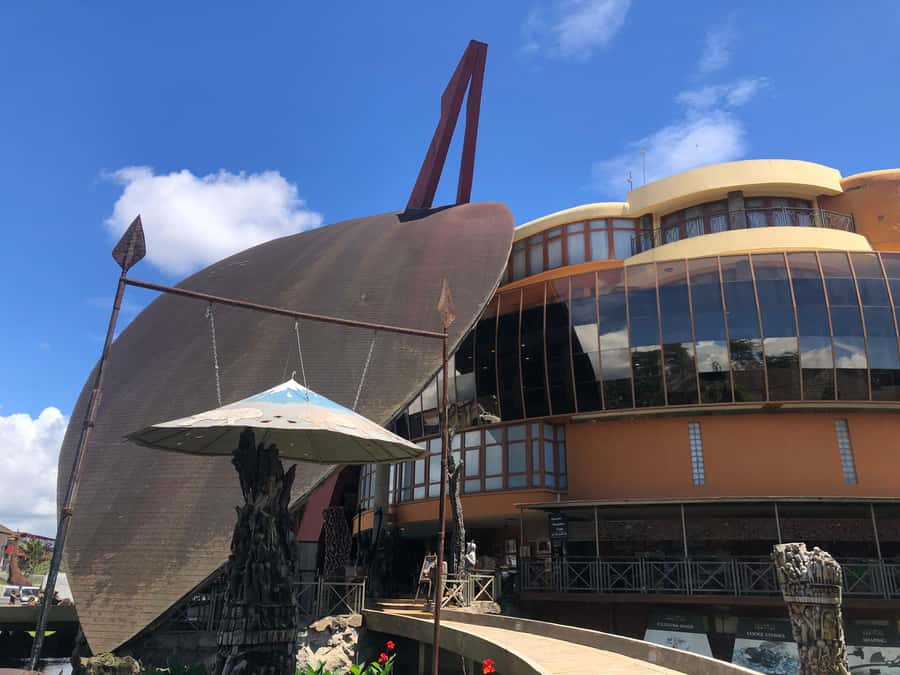
Arusha’s Cultural Heritage Centre gives this tour its strongest opening: one building packed with African sculpture, masks, paintings, jewelry, and artifacts from across the continent. You get art, local culture, and shopping in one stop, rather than spending your day on a standard city drive.
I like the clear focus on Tanzanite, a rare blue stone found only in Tanzania, and the visit to a foundation where artists with disabilities turn recycled materials into useful goods. The main consideration is simple: art and shopping are the heart of this experience, so it will suit you far better than someone seeking wildlife, historic ruins, or a long outdoor excursion.
Key points
- African art under one roof: See contemporary and traditional works, including sculptures, masks, paintings, and artifacts from several parts of the continent.
- Tanzanite explained properly: A specialist covers the stone’s mining, processing, scientific qualities, and cultural importance.
- A social enterprise visit: Meet artists with disabilities who make jewelry, blankets, and household items from recycled materials.
- Useful Arusha pickup: Hotel pickup and drop-off in Arusha are included, which makes the tour easy to fit into a city stay.
- Good for gifts: The art centre and foundation offer plenty of distinctive items to browse and buy.
- Small price, broad range: At $29 per person, the tour includes guiding, entry fees, refreshments, and transport within Arusha.
Why this Arusha tour is different
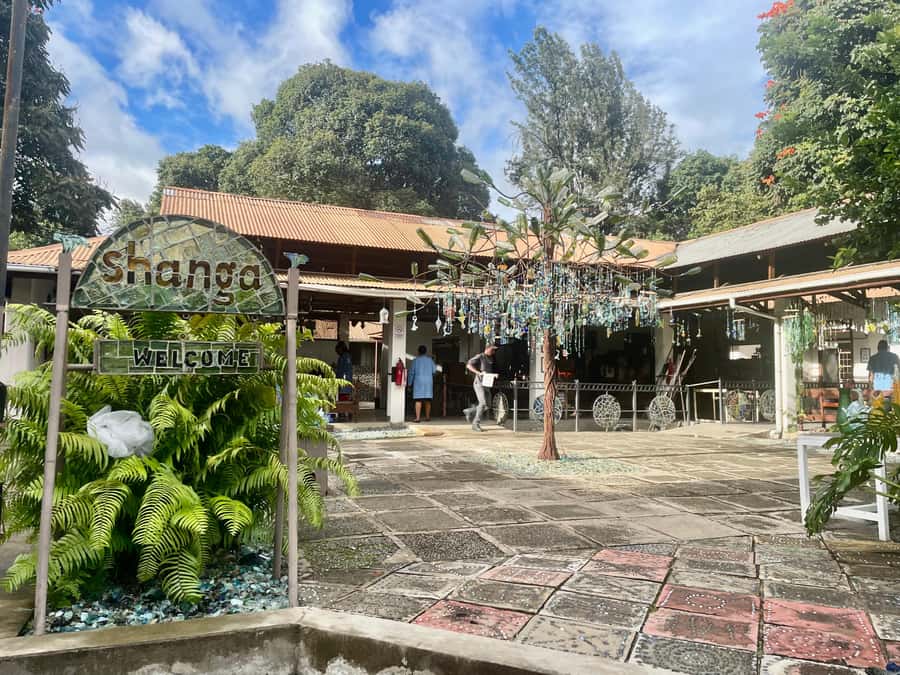
Many city tours give you a quick look at a market, a monument, or a museum, then send you on your way. This one follows three connected ideas: African creativity, Tanzanian Tanzanite, and practical craft work.
That combination gives you a better sense of Arusha as a working city. You see how art is displayed and sold, how a local resource becomes jewelry, and how discarded materials can become products with real use. The day is not only about looking. It also gives you a chance to understand how creative work supports people and communities.
The experience is guided in English or Swahili. A local guide helps connect the stops and explain what you are seeing. The available information does not name the individual guide, and the tour description does not give a fixed duration or group size, so check those details before booking if they matter to your plans.
A few more Arusha trips to weigh up
- Arusha Guided Walking City Tour, Culture, Lifestyle & History
★ 5.0 · 150 reviews - Materuni Waterfalls & Coffee making Cultural Tour | BURIGI CHATO SAFARIS LTD
★ 5.0 · 15 reviews - Arusha: City Walking Tour Historic and Modern Highlights
★ 4.5 · 12 reviews
Starting with African art at the Cultural Heritage Centre
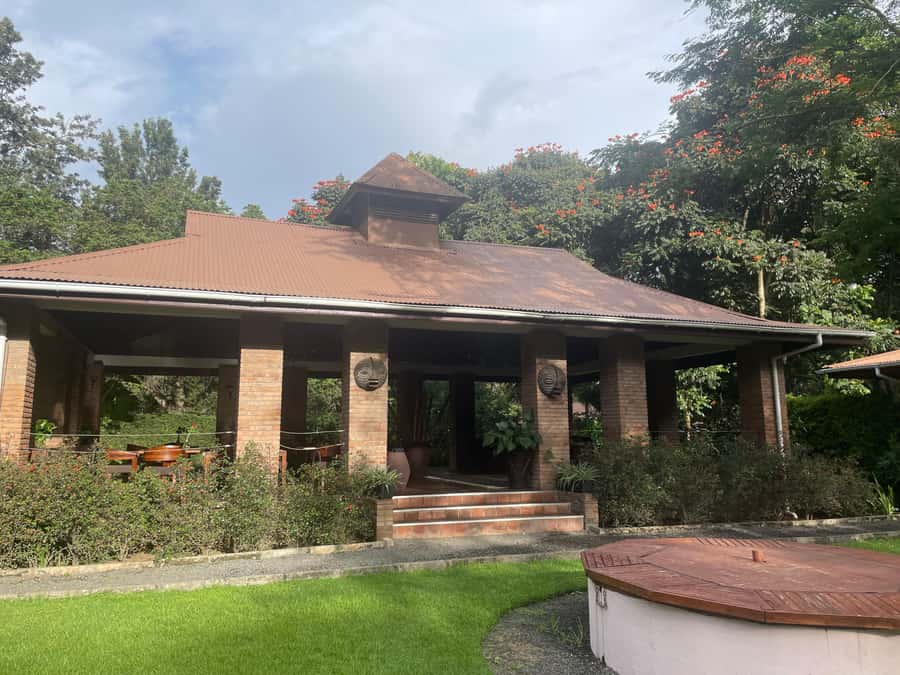
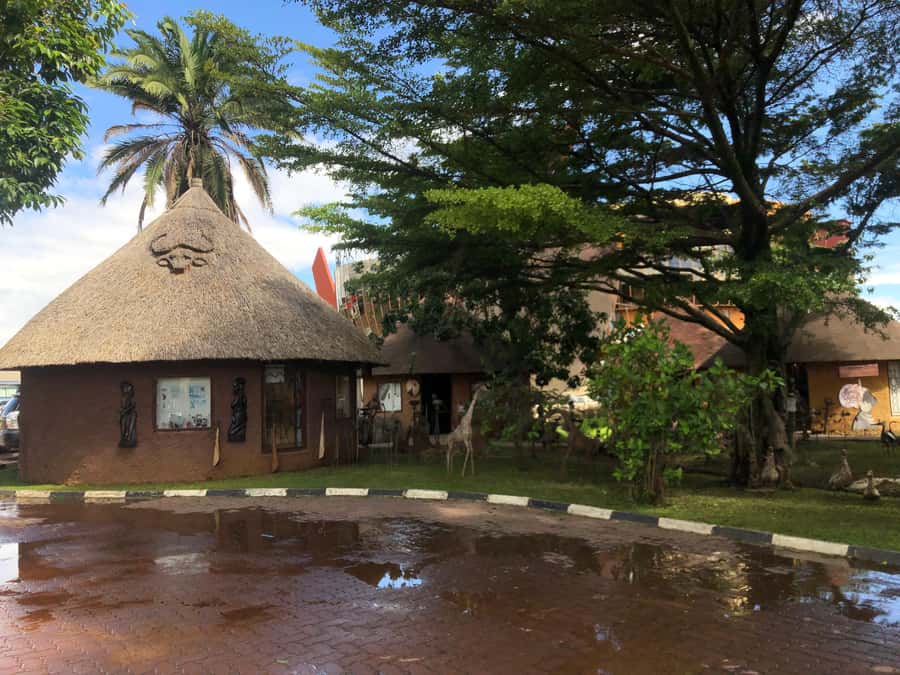
The Cultural Heritage Centre is the anchor of the tour. You begin among works from across Africa, with galleries devoted to both traditional and contemporary art.
Expect to see sculptures, masks, paintings, and artifacts. The range matters. A mask and a modern painting may sit within the same visit, but they tell different stories about materials, design, identity, and artistic practice. Your guide can help you look past the obvious shapes and colors and notice how the works fit into a wider African setting.
The centre is also useful for first-time visitors to Tanzania. You can get a broad introduction to African art without needing to visit several separate institutions. If your trip is built around a safari, this stop adds a cultural layer that is easy to miss when most of your time is spent outside town.
I would allow yourself time to browse rather than rush from room to room. The listed plan does not give a detailed schedule, and the number of galleries or exact time spent inside is not specified. Ask your guide how long you have before you settle into a serious look at the displays or start shopping.
The art centre should appeal most to you if you enjoy visual culture, handmade objects, and finding gifts with a stronger connection to place. It may feel less satisfying if you want a formal museum lecture or a tightly dated account of Tanzanian history. The focus here is the art itself, supported by a guide’s explanation.
Learning what makes Tanzanite special
The Tanzanite portion adds a distinctly Tanzanian subject. This blue stone is found only in Tanzania, making its origin part of its appeal. A specialist explains how it is mined, processed, and turned into jewelry.
That process is important because a finished necklace or ring can hide the amount of work behind it. You learn to connect the unprocessed stone with the cut and polished piece sold in a shop. The specialist also covers the gem’s scientific qualities and cultural importance, so the presentation is not limited to sales talk.
This is one of the best parts of the tour for anyone who has heard of Tanzanite but never understood why it commands attention. You can ask questions about the stone as it moves from the ground to the jeweler’s bench. The information supplied does not specify whether purchases are expected or how much time is set aside for shopping, so treat this as an educational stop with a buying opportunity, not as a promise of a particular piece or price.
I appreciate that the tour places Tanzanite beside African art rather than treating it as an unrelated shopping stop. Both sections show skilled work made into something people value. The difference is that the art centre presents finished cultural objects, while the Tanzanite visit follows a material through several stages.
If you are considering a purchase, take your time. Ask the specialist to explain what you are seeing, compare pieces carefully, and keep your budget in mind. The tour makes the stone easier to understand, but it does not state that jewelry purchases are included in the $29 price. The advertised cost covers the tour’s listed inclusions, not a Tanzanite souvenir.
Meeting artists who use recycled materials
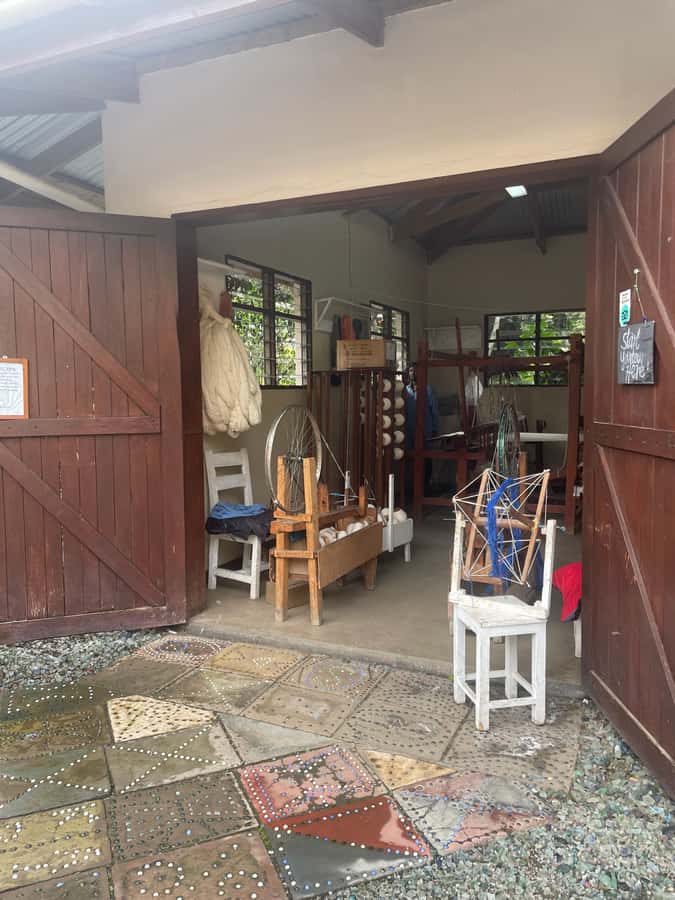
The final visit takes you to a local foundation where people with disabilities make handcrafted items from recycled materials. You can meet the artists and hear their stories while seeing how discarded materials become jewelry, blankets, and household goods.
This stop gives the tour its most human focus. You are not only looking at finished products. You see the people behind them and the work involved in making useful objects. The connection between creativity and sustainability is clear without needing a grand speech: materials that might otherwise be thrown away are given another purpose.
It is also a good place to find gifts that feel more personal than a mass-produced souvenir. Jewelry is easy to pack, while blankets and household items may require more room in your luggage. The tour information does not specify which products will be available on the day, so think of the list as examples rather than a guarantee of stock.
The foundation visit may be especially meaningful if you prefer purchases that support a local project directly. At the same time, keep your expectations practical. This is not described as a workshop, so you should not assume that you will make an item yourself. The point is to meet the artists, learn about their work, and see the finished crafts.
This stop also balances the commercial side of the day. The Cultural Heritage Centre and Tanzanite presentation can naturally lead you toward shopping. At the foundation, the emphasis shifts to people, skills, recycled materials, and social purpose.
Same country, a completely different kind of safari:
- Balloon Safari & Bush Breakfast in Serengeti – Miracle Experience
★ 5.0 · 1,646 reviews - Tanzania Classic – 7 Days
★ 5.0 · 1,151 reviews - 4 Days Group Camping Safari
★ 5.0 · 1,101 reviews - 5 Days Group Camping Safari
★ 5.0 · 730 reviews
What the $29 price covers
At $29 per person, the price is reasonable for a guided Arusha outing because several common extras are included. You receive hotel pickup and drop-off in Arusha, entry fees, and refreshments.
The transfers are useful. You do not need to arrange separate transport between your hotel and the activity, and the price is easier to judge because admission costs are already handled. Refreshments are included as well, though the available details do not say what they are or when they are served.
The strongest value comes from the range of the day. You get an art visit, a specialist explanation of Tanzanite, a foundation visit, transport, and guiding for less than the cost of arranging several separate stops. For a short stay in Arusha, that can be a smart way to use part of a day.
Still, price alone does not make every tour a good fit. If you have no interest in art, jewelry, or handmade crafts, much of what you pay for will not matter to you. You are paying for a focused cultural and shopping experience, not a general sightseeing tour of every major Arusha attraction.
Who will enjoy this most
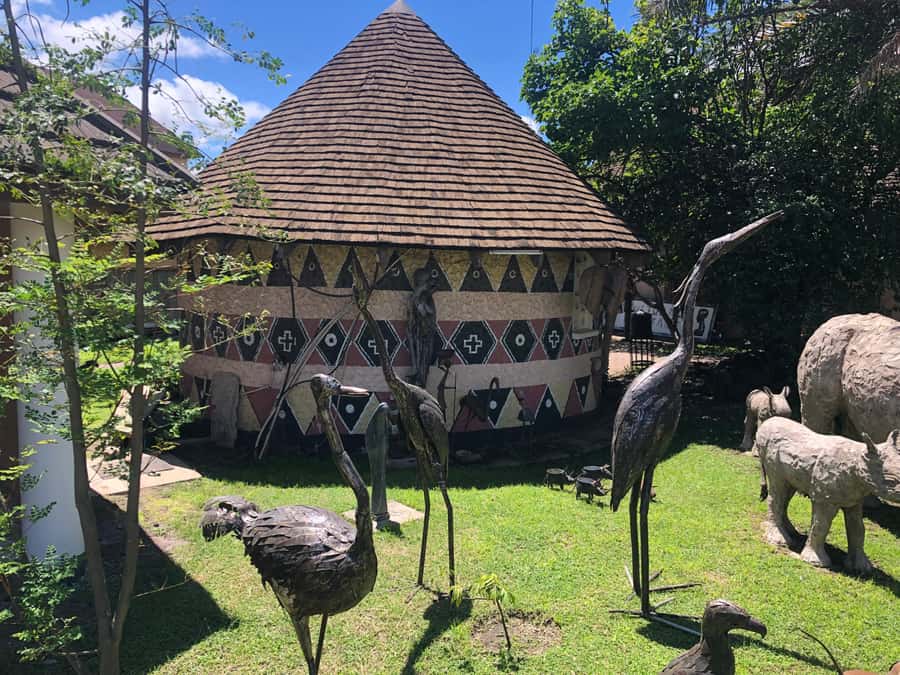
I would recommend this experience to you if you like art museums, local crafts, unusual gifts, or learning how a regional product is made. It is also a useful choice if you have a free day in Arusha before or after a safari and want something more thoughtful than idle time at your hotel.
Art lovers get the broadest range from the Cultural Heritage Centre. Jewelry shoppers gain background on Tanzanite before making any purchase. Visitors who care about social projects get a direct look at artists with disabilities using recycled materials.
Families may also find the three-part structure helpful because it changes focus during the day. Children who lose interest in paintings might pay closer attention to a blue gemstone or handmade object. The tour details do not state a minimum age, child price, or special family arrangement, so confirm those points if you are booking with children.
This is less suitable for you if your priority is wildlife, hiking, nightlife, old buildings, or a food-focused tour. Nothing in the supplied plan suggests a safari, nature walk, historical monument visit, cooking activity, or local meal. It is best understood as an indoor and craft-centered cultural outing.
Practical advice before you go
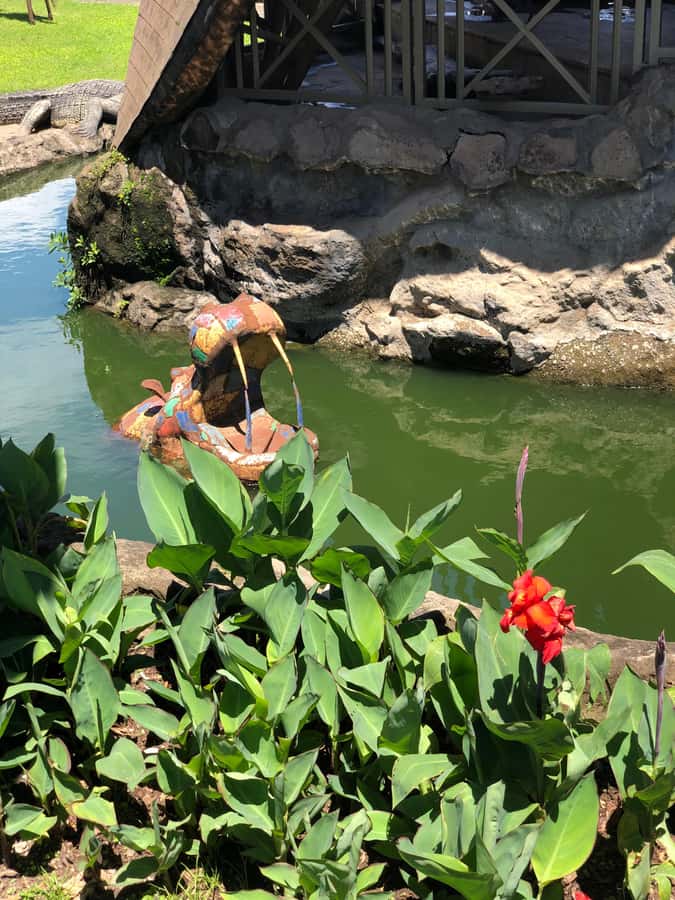
Bring a camera. The art centre, jewelry displays, and recycled crafts provide the main photo opportunities, although you should follow any photography rules at each stop.
Wear something comfortable for walking through galleries and moving between venues. The exact amount of walking is not specified, so I would avoid treating this as a strenuous excursion, but comfortable shoes are still sensible for any city activity.
Keep some room in your luggage if you like to shop. The day includes several places where you might find art, Tanzanite jewelry, or handmade goods. You do not need to buy anything to benefit from the tour, but the range of objects makes this a better choice for gift hunters than a basic sightseeing loop.
Your hotel must be in Arusha for the stated pickup and drop-off service. The information does not identify a pickup time, total duration, group size, or specific hotel zones, so ask the provider for those details before you finalize a tight travel schedule.
The operator is Uhuru Adventures. You can reserve now and pay later, which is handy if your plans are still shifting. Cancellation is allowed up to 24 hours in advance for a full refund, giving you some flexibility if your Arusha schedule changes.
How this compares with a simple shopping stop
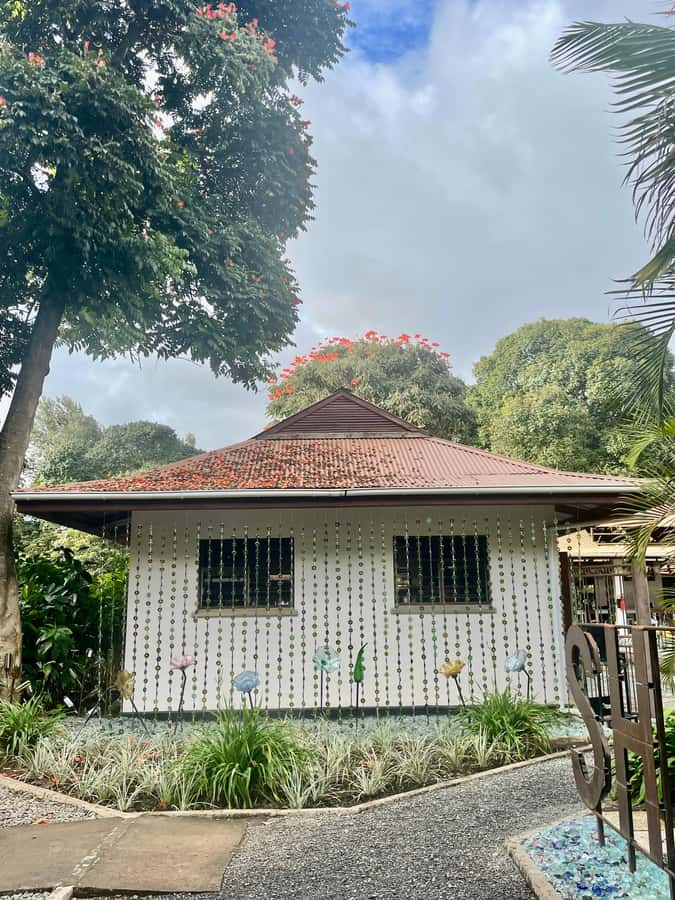
A quick shopping visit lets you browse, but it may not explain what you are seeing. This tour adds context before you buy.
At the Cultural Heritage Centre, you can compare different forms of African art. At the Tanzanite stop, you can ask how the stone is mined and processed. At the foundation, you can connect a handmade item with the artist and the recycled material used to create it.
That context is the main reason to choose the guided option. You are not simply taken from one shop to another. The guide and specialist help you understand the objects, which can make your purchases more considered.
The tradeoff is time. A guided cultural tour follows its own schedule, so you may have less freedom than you would with a private shopping trip. Since the activity details do not state the length of each stop or the group size, confirm how much independent browsing time is available if shopping is your main goal.
Should you book the Cultural Heritage and Tanzanite tour?

Book it if you want a reasonably priced, easy-to-arrange introduction to Arusha’s art, Tanzanite, and handmade crafts. The strongest reasons are the personable local guiding, the useful Tanzanite explanation, and the foundation visit, which gives the day a clear social and environmental purpose.
I would especially choose it for an art lover, a first-time visitor with a free day in Arusha, or someone searching for distinctive gifts. The 5 out of 5 rating from three submitted reviews matches the tour’s main strengths: it is informative, interesting, friendly, and different from a standard city outing.
Skip it if you want open-air scenery, wildlife, or major historic sights. At $29, the value is good for the transport, admissions, refreshments, and three-part program, but only if those subjects appeal to you.
FAQ
How much does the Arusha Cultural Heritage and Tanzanite tour cost?
The tour costs $29 per person.
What does the price include?
The price includes hotel pickup and drop-off in Arusha, all entry fees, and refreshments.
Which languages are available?
The tour is available in English and Swahili.
What will I see at the Cultural Heritage Centre?
You will see contemporary and traditional African art, including sculptures, masks, paintings, and artifacts from across the continent.
Will I learn how Tanzanite becomes jewelry?
Yes. A specialist explains how Tanzanite is mined, processed, and transformed into jewelry, along with its scientific and cultural qualities.
Can I cancel for a full refund?
Yes. You can cancel up to 24 hours in advance for a full refund.
Just added around Arusha
- 8 Days Serengeti Migration safari★ 5.0 · 11 reviews
- tarangire, ngorongoro & lake manyara park 3 days private tour★ 5.0 · 11 reviews
- tarangire & ngorongoro 2 days tour★ 5.0 · 14 reviews
- Mt. Kilimanjaro: Shira plateau to Cathedral point 3872m Day hike★ 5.0 · 7 reviews
- serengeti, ngorongoro & tarangire 4 days private tour★ 5.0 · 18 reviews
- serengeti & ngorongoro 3 days private tour★ 5.0 · 15 reviews
- climb the KILIMANJARO via Lemosho route★ 5.0 · 4 reviews
- 2 Days Tanzania Midrange Group Join Safari★ 5.0 · 7 reviews
Historical Tours, compared.

Stone Town Historical Cultural Walking Guided Tour
Read our review →
Arusha Guided Walking City Tour, Culture, Lifestyle & History
Read our review →
Stone Town’s Hidden History: Private Guided Walking Tour
Read our review →


Zanzibar Stone Town Historical Tour and Spice Farm Tour
Read our review →Browse the lists this tour appears in