
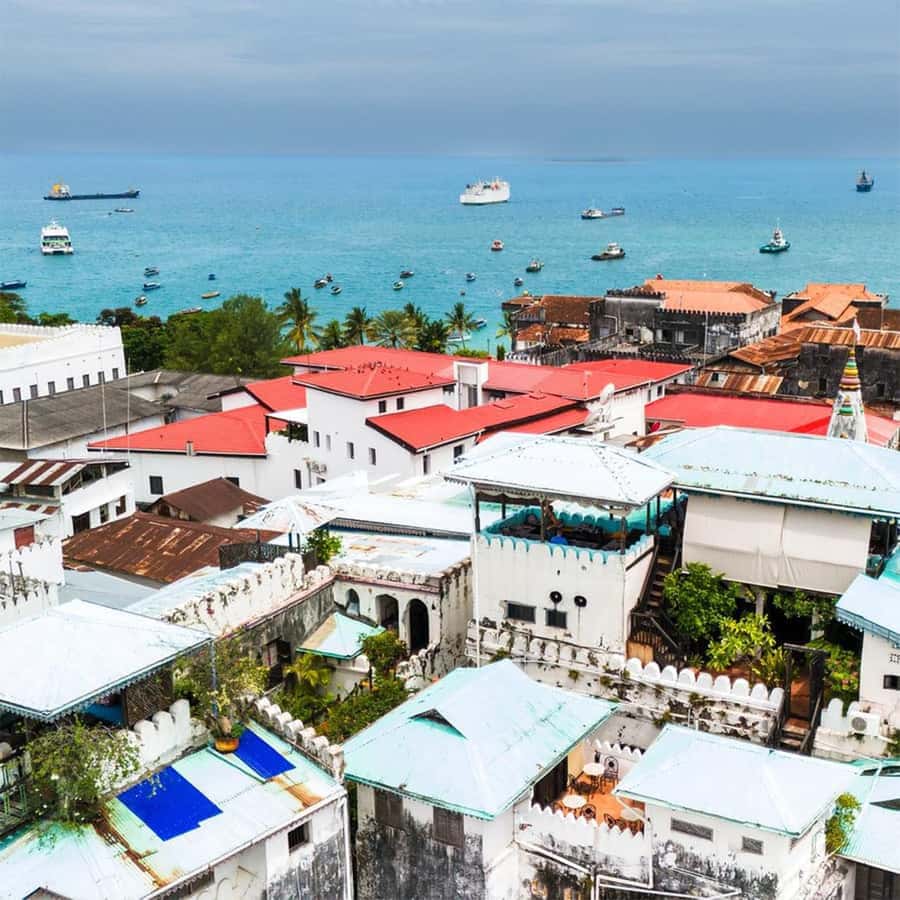
Reviewed · STONE TOWN WALKING TOURS
Stone Town Guided Tour: Culture, Slave Market & Spice Market
Stone Town’s most powerful sights are packed into a maze of alleys, and this tour puts the difficult history right alongside the daily life of Zanzibar. You’ll move from the former Slave Market and Anglican Cathedral to old palaces, carved doors, food stalls, and the waterfront.
I like the local guide-led storytelling and the way the walk mixes major landmarks with ordinary markets. I also like the flexible feel: Abdul has accommodated late starts, shopping stops, ATM visits, and SIM-card errands. The main consideration is that two to three hours goes quickly, and admission fees may not be included in the $29 price.
Key points to know before you book

- The former Slave Market is the emotional center: The site and Anglican Cathedral give serious context to Zanzibar’s role in the slave trade.
- Abdul receives especially strong praise: He is described as friendly, patient, lively, and easy to understand in English.
- You see both famous sights and working Stone Town: Darajani Market brings spices, vegetables, meat, fish, crafts, and everyday commerce into the walk.
- It is a private walking tour: That makes it easier to ask questions, adjust the pace, or spend longer shopping.
- The $29 price is good for orientation: Check exactly which museum admissions are covered before paying for an upgraded option.
- Forodhani Gardens can extend the day: Ask about a late start or an evening finish if you want to pair the tour with street food.
Why Stone Town makes a good first walk
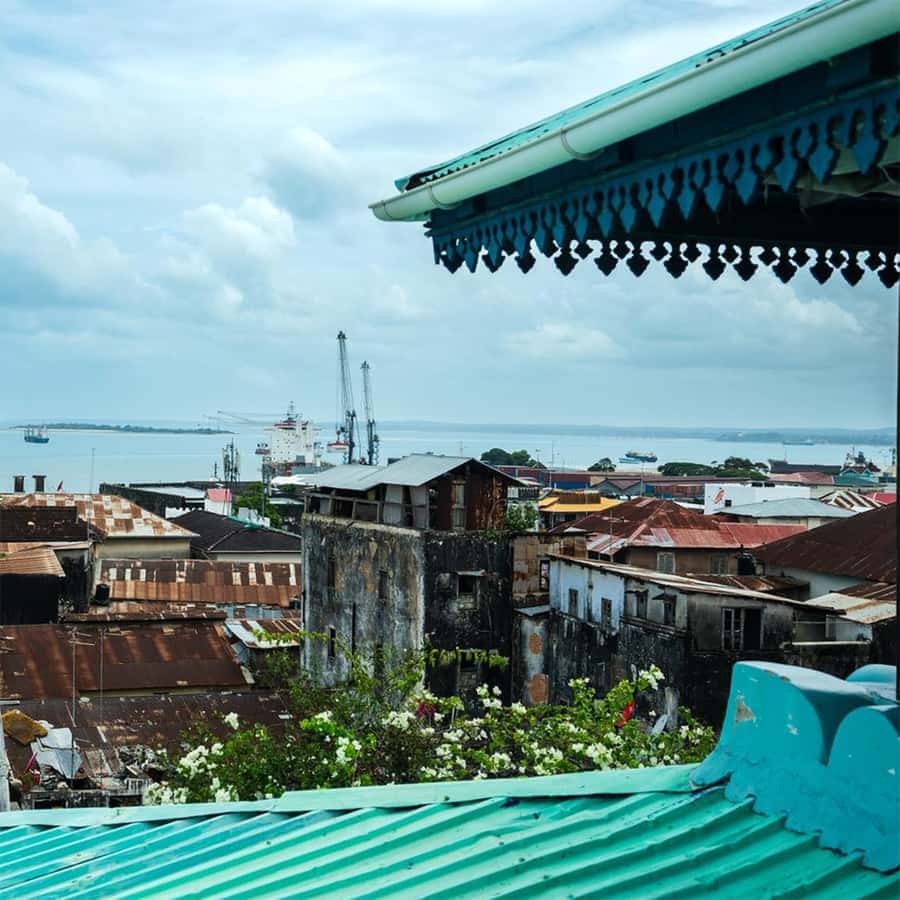
Stone Town is not a place you understand well from a car window. Its narrow lanes twist between coral-stone buildings, small shops, old residences, market stalls, and grand structures from several periods of Zanzibar’s past.
A guide helps you connect the pieces. Indian, Arab, African, and European influences appear in the buildings, food, religion, doors, and street life. Without local direction, you may walk past a finely carved doorway or historic building without understanding what you are seeing.
The walk lasts about two to three hours, with roughly six minutes of walking between some stops. That is manageable for most people, but the streets can be uneven and cramped. Wear comfortable shoes and expect a warm, active morning rather than a museum-style outing.
This is a private group experience, so you can ask questions without holding up a large party. That matters in Stone Town, where the best parts of the walk are often the small details: why a door looks the way it does, how a market is arranged, or how different cultures shaped one street.
More Stone Town Walking Tours in Zanzibar City
- Zanzibar: Stone Town, Spice Tour, Prison Island with Lunch
★ 4.4 · 1,219 reviews - Zanzibar: Prison Island, Stone Town, & Spice Farm Tour
★ 4.5 · 579 reviews - Zanzibar: Stone Town, Spice tour & Prison Island with Lunch
★ 4.6 · 453 reviews
House of Wonders and the old waterfront
The route includes the House of Wonders, one of Stone Town’s best-known landmarks. Its name hints at the building’s former importance and its connection to the sultans of Zanzibar.
Here, your guide helps place the building within the wider story of the town. You are not simply checking off a grand facade. You are learning how power, trade, and foreign influence shaped the waterfront.
Allow about 15 minutes for the guided stop. That is enough for an explanation and photographs, though not enough for a slow museum visit if exhibitions or interior areas are available. The experience is built around the town itself, so the emphasis is on seeing the building in context.
Bring a camera, but keep it away during sensitive explanations and ask before photographing people in the market areas. A walking tour works best when you stay alert to both the architecture and the people using these streets today.
The Old Fort and Stone Town’s changing rulers

The Old Fort gets about 25 minutes, making it one of the longer landmark stops. Its heavy walls offer a clear contrast to the delicate doors and decorative details found elsewhere in town.
The fort represents the military and political side of Zanzibar’s story. It also helps you see how Stone Town was shaped by changing rulers and outside connections. Your guide can make this stop more useful by explaining what the fort meant to the city, rather than treating it as just another photo stop.
You will have time for a guided look, but do not expect a long, unhurried exploration of every corner. The tour covers several major sites in a short period. If the fort interests you most, ask your guide whether the schedule can be adjusted.
The private format helps here. A guide such as Abdul can respond to your questions and give more time to the subjects that catch your attention. That flexibility is harder to achieve on a large group walk.
Freddie Mercury’s House, a lighter stop
The stop at Freddie Mercury’s House changes the mood. After the difficult subject of the slave trade and the formal history of the old buildings, this is a more modern and familiar connection to Stone Town.
The Queen frontman was born in Zanzibar, and the site links the town to popular music far beyond East Africa. The tour includes about 15 minutes with a guide, giving you time to see the location and hear its connection to Freddie Mercury.
This is best treated as a brief cultural stop, not the main reason to book the tour. If you are a Queen fan, it adds a personal point of interest. If you are mainly interested in architecture or the history of Zanzibar, you may find the fort, cathedral, and market more substantial.
More Zanzibar Spice Farm Tours in Zanzibar City
- Full-Day Private Stone Town +Spice Farm and Prison Island Tour
★ 4.5 · 216 reviews - Zanzibar: Spice Tour & Stone Town Walking Tour
★ 4.8 · 115 reviews - Zanzibar: The Swahili Spice Experience – Spice Tour + Culinary Journey
★ 4.7 · 96 reviews - Zanzibar full day Jozani forest + Spice farm and stone town
★ 4.7 · 90 reviews
The Anglican Cathedral and the former Slave Market
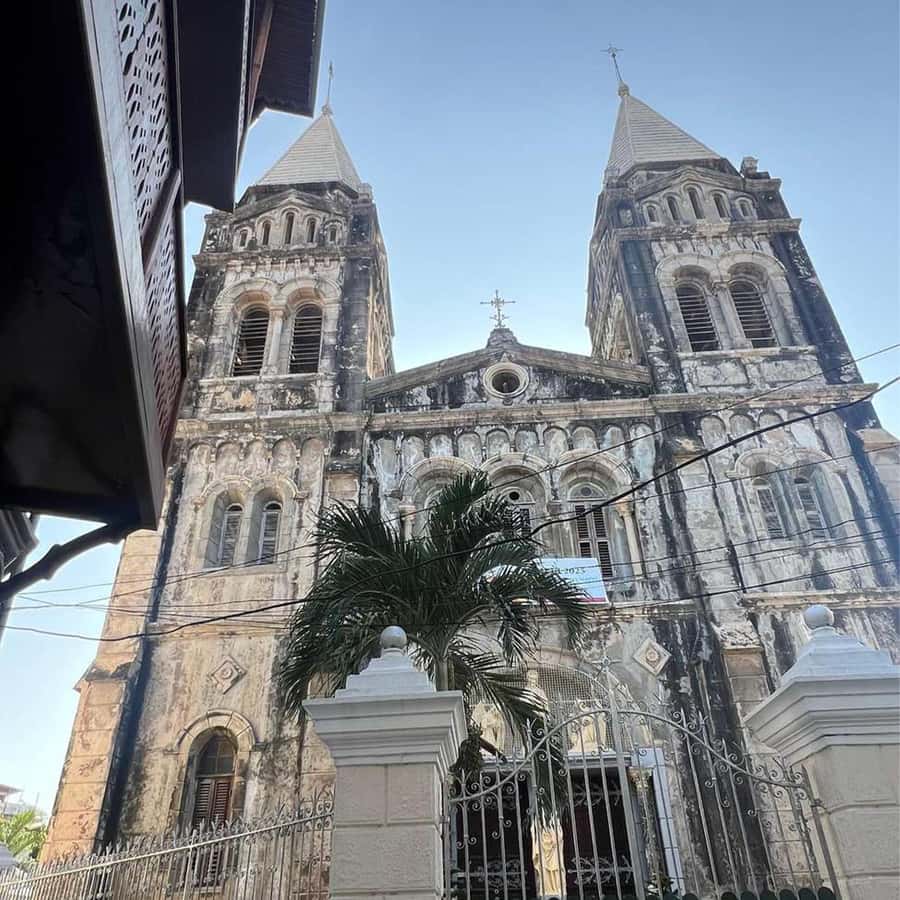
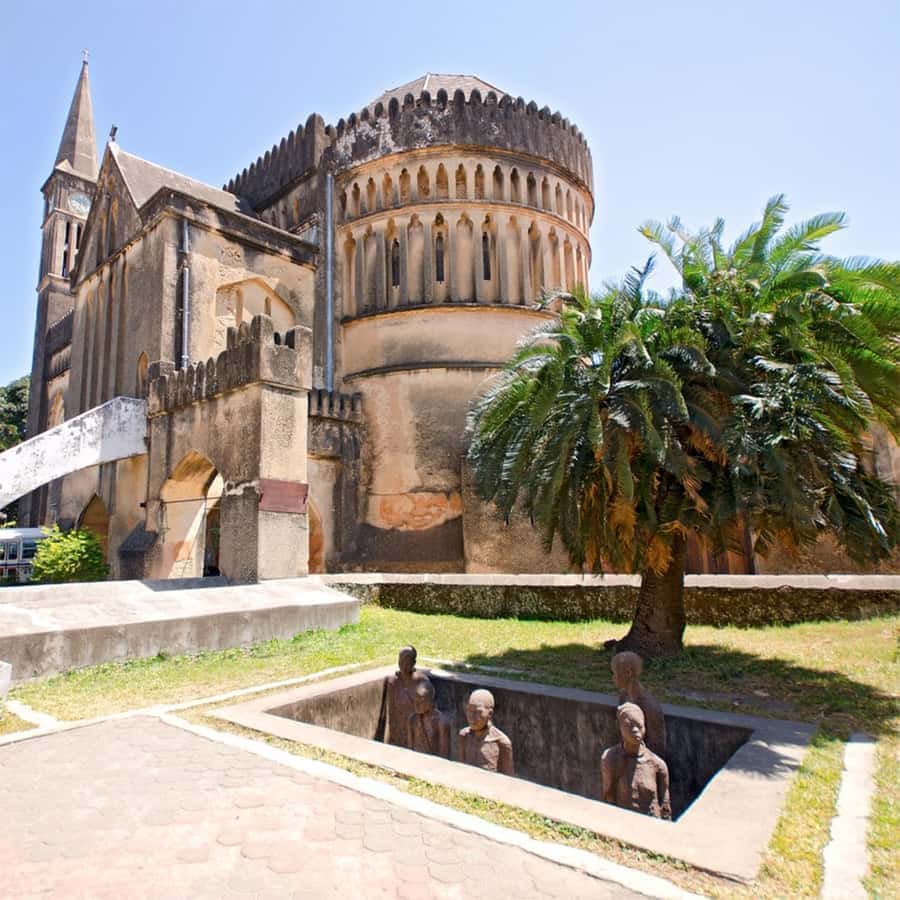
The former Slave Market is the most serious part of the experience. The tour allows about 30 minutes at the site, followed by the Anglican Cathedral, which is closely tied to the history of the slave trade in Zanzibar.
This stop calls for attention and respect. The subject is painful, and the value of a guide is especially clear here. You need more than dates and labels. You need someone who can explain the place within Zanzibar’s wider past and answer questions without turning tragedy into a quick photo opportunity.
The cathedral adds another layer to the visit. Its presence at the former market site reflects efforts to mark and confront that history. The two locations are best understood together, and the guide’s explanation helps make that connection.
One practical point matters: admission to the former Slave Market may cost extra. One person paid an additional $5 for entry, while another found that an admissions-inclusive option cost $45 instead of $20 and covered only one museum priced at $10. Since the supplied tour details say food, drinks, and extra charges are not included, ask before booking what the $29 covers and what you will pay at the door.
This is not a reason to skip the site. It is a reason to confirm the fee clearly. The former Slave Market is one of the most important stops, and you should know the total cost before setting out.
Darajani Market, where Stone Town feels most immediate
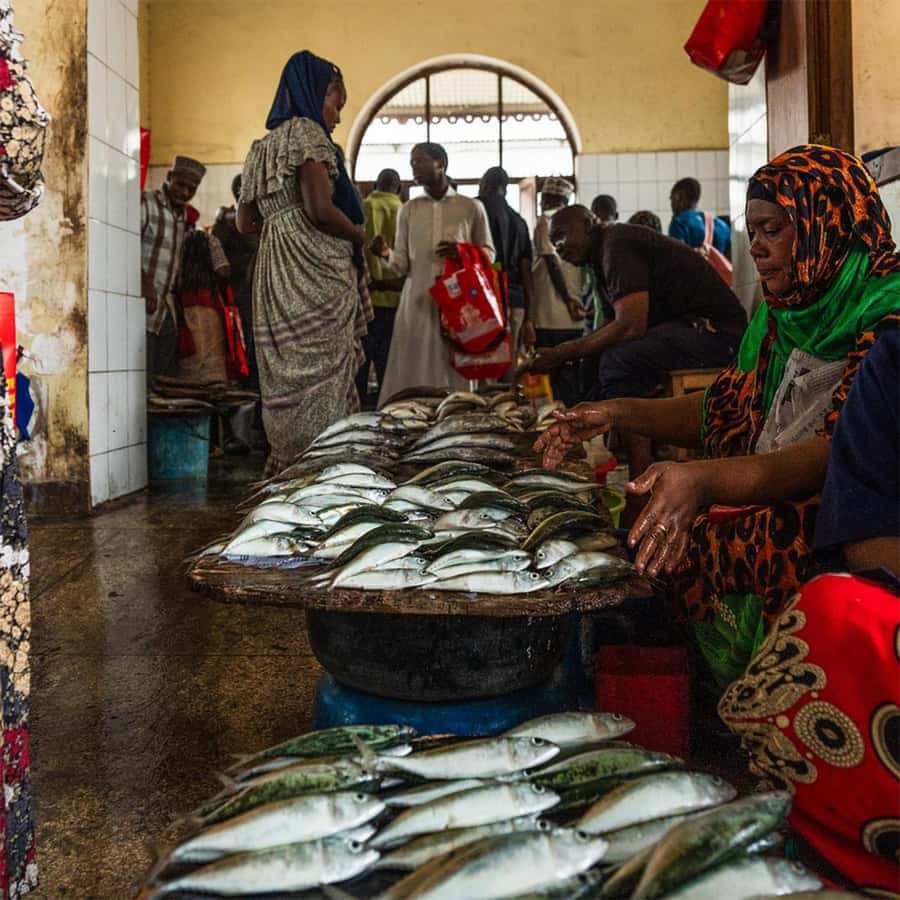
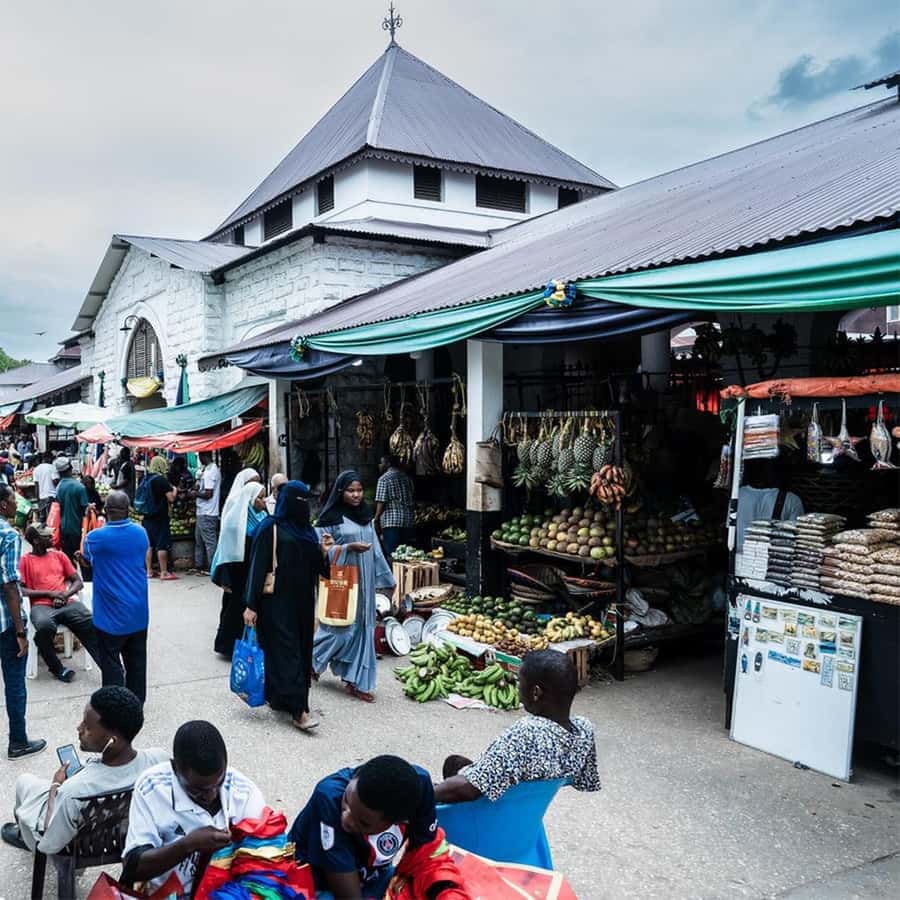
Darajani Market gives the walk its strongest connection to present-day life. The route includes a guided visit of about 20 minutes, with food, spices, and arts and crafts in the mix.
You might see stalls selling spices, vegetables, meat, and fish. The market is not arranged for sightseeing alone. It is a working place, and that makes it more revealing than a polished souvenir shop.
A local guide can help you read the scene without getting in the way. You can ask about ingredients, local shopping habits, and the role of the market in daily life. You may also find crafts or small items to buy, but the tour does not include food or beverages.
If you want to shop, say so early. Abdul has allowed plenty of time for shopping on some walks, and the private format makes that kind of adjustment possible. Still, your time is limited. A few careful purchases are realistic, while a serious shopping session may need a separate return visit.
The market can be crowded and crowded spaces demand attention. Keep your belongings secure, follow your guide, and ask before photographing stalls or people. Comfortable shoes matter here as much as at the historic sites.
Doors, alleys, and the details between the stops
The route is not only about named attractions. Some of the best material comes while walking between them.
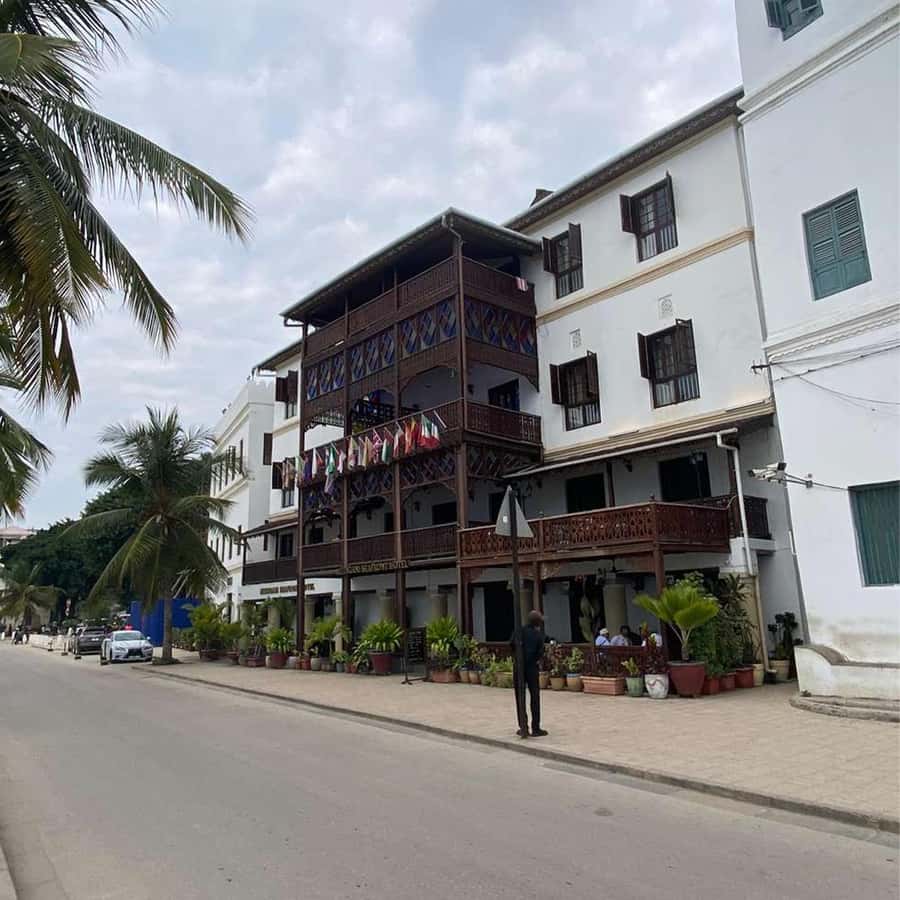
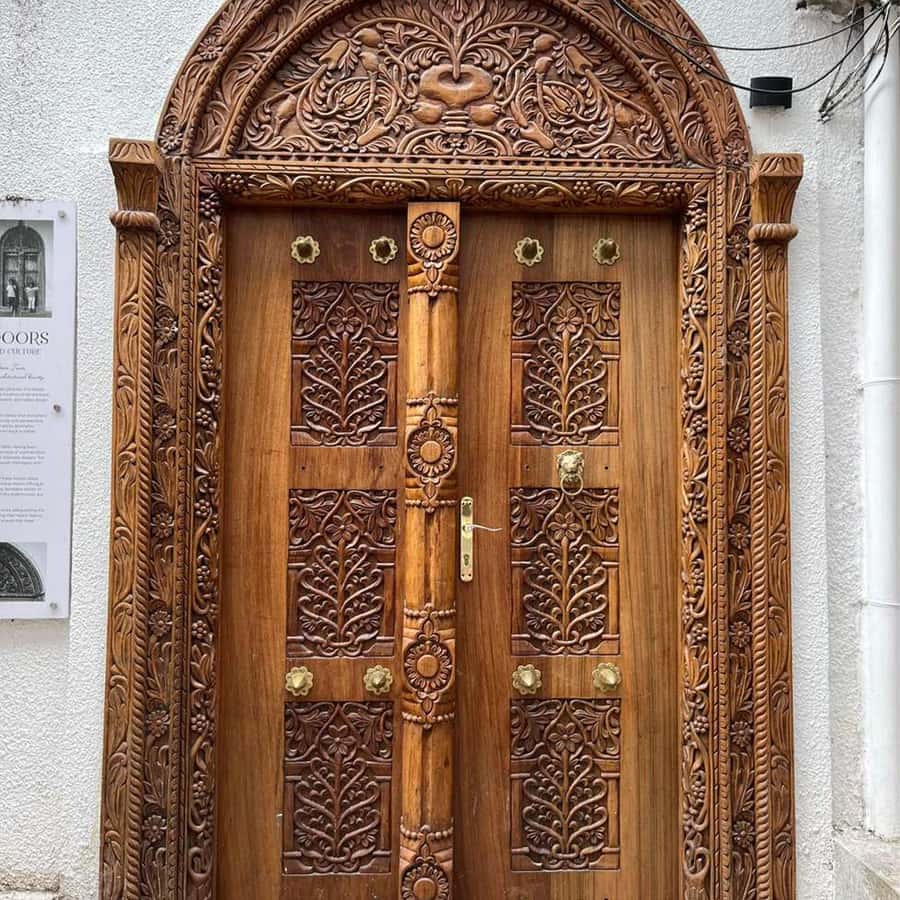
Stone Town’s doors are a good example. Their carvings, shapes, and materials reflect the mix of cultural influences that shaped the town. A guide can point out details you would likely miss on your own, then explain how architecture connects to status, trade, religion, and family life.
The six-minute walking sections listed for parts of the route are short, but the alleys themselves make the experience feel slower. You may pause for a doorway, a shop, a street scene, or a question. This is where a private tour feels more personal than a fixed bus excursion.
Google Maps is not always easy to use in Stone Town’s twisting streets. One solo visitor found a guide especially useful for finding the way and felt safe walking with him. That is practical value, not just historical commentary.
The tour is marked wheelchair accessible, but you should still discuss your needs when booking. Narrow alleys and street conditions can affect how easy each section feels, even when an activity is listed as accessible.
What the guide adds
The guide can make or break a short city walk. The strongest pattern here is the praise for Abdul, who is described as friendly, enthusiastic, patient, and easy to talk with. He has also helped with practical errands, including finding an ATM and buying a SIM card.
That does not mean every guide will deliver the same style. Mundhir is also named as a guide, and the key service language is English. If you have a preference, request a particular guide when booking, though availability may vary.
Abdul’s style appears well suited to first-time visitors. He encourages questions, explains Stone Town without overwhelming people, and can adjust the pace. That is useful when you want both history and room to look around.
The tour is not designed as an academic lecture. You will get a broad picture of Zanzibar’s Swahili, Arab, African, Indian, and European influences, along with an introduction to its difficult past. If you want a very detailed museum study, you will need more time at individual sites after the walk.
Timing, pickup, and the best way to use your afternoon
Pickup and drop-off are available within the Stone Town area. If you are staying outside Stone Town, an extra fee may apply, although a lower-cost transfer can be requested.
The standard duration is two to three hours. That makes it a good first activity after arrival, a sensible choice when you have only one day in Stone Town, or a compact introduction before exploring on your own.
You can request a later start. One useful approach is to take the historical walk earlier or later according to your schedule, then finish near the waterfront. Forodhani Gardens is offered as an optional ending, where you can try street food or watch the sunset by the sea.
Food at Forodhani is not included, so bring money for anything you want to eat. The tour ends at two possible drop-off locations in Stone Town, giving you some flexibility about where you continue your evening.
The activity includes bottled water, which is welcome in Zanzibar’s heat. You should still wear light, comfortable clothing and shoes suitable for walking. Alcohol and drugs are not allowed.
Is $29 good value?
At $29 per person, the tour is a solid value if you want a guide, a planned route, bottled water, and Stone Town pickup within the local area. The price is especially appealing for a private group, since you are not simply joining a large crowd and following a guide at a fixed pace.
The value depends partly on admissions. The base information says extra charges are not included, and the former Slave Market may require about $5. An optional admissions package has also been priced higher, but it may not cover every site or represent good value for your interests.
Ask these questions before confirming:
- Which entrances are included in the price?
- Is the former Slave Market admission included?
- Does the tour finish at Forodhani Gardens?
- Is pickup outside Stone Town available, and what is the added cost?
- Can you request Abdul or Mundhir?
The answers will tell you the real cost. Even with a modest entrance fee, the tour can still be worthwhile for the orientation and local explanation.
Who should book this Stone Town walk?
I would choose this tour if you are visiting Stone Town for the first time, have only one day, or want a clear introduction before exploring independently.
It suits solo visitors, couples, families, and small private groups who prefer to ask questions and pause for shopping. It is also helpful if you worry about losing your way in the alleys or want practical assistance during your first hours in Zanzibar.
History-focused visitors should be prepared for the emotional weight of the former Slave Market. The stop is important, but it is not light entertainment. People mainly seeking food might prefer to use the walk as an introduction, then return to Darajani Market or Forodhani Gardens on their own.
You may want a longer, more specialized tour if your main interests are museums, architecture, or the slave trade. This experience covers many subjects in two to three hours, so it offers breadth rather than extended time at each site.
Should you book it?
Book it if you want Stone Town to make sense quickly. The strongest reasons are the private format, the route through both major landmarks and local markets, and the guide-led explanation of a complicated past.
Abdul appears to be a particularly good choice for travelers who value patience, clear English, and flexibility. Request him if possible, but confirm availability. Also confirm museum fees before paying for an admissions upgrade.
For $29, this is a practical first look at Stone Town, not a full study of every historic building. Add a little time at Forodhani Gardens, keep your schedule flexible, and let the guide point out the doors, alleys, markets, and stories that a map will miss.
FAQ
How long does the Stone Town guided tour last?
The tour lasts about two to three hours. The listed route includes short walks between several stops and guided visits at the main landmarks.
What language is the tour conducted in?
The live tour guide speaks English.
Is hotel pickup included?
Pickup and drop-off are included for hotels in the Stone Town area. Pickup outside Stone Town may require an additional fee.
Is this a private tour?
Yes. The activity is offered for a private group.
Are entrance fees included in the $29 price?
Extra charges are not included in the stated tour details. Admission to the former Slave Market may cost about $5, and you should confirm exactly what any admissions option covers before booking.
What sights are included?
The route includes the House of Wonders, Old Fort, Freddie Mercury’s House, the Anglican Cathedral, the former Slave Market, and Darajani Market. Forodhani Gardens is an optional ending.
What should I bring?
Bring a camera and wear comfortable walking shoes. Bottled water is included, while food and beverages are not.
More Shopping Tours in Zanzibar City
- Tanzanite experience tour – Tanzanite shopping in Arusha
★ 5.0 · 12 reviews - Stone Town walking tour, shopping, history and culture
★ 5.0 · 6 reviews - Full-Day Moshi Private Forest Walk and Local Market Tour
★ 5.0 · 4 reviews - 24 Hours in Arusha—Arusha Museum, Cultural Heritage, Maasai Market, Shanga
★ 5.0 · 4 reviews
More Markets in Zanzibar City
- Arusha: Traditional Tanzania Cooking Class & Food Market Tour
★ 5.0 · 34 reviews - Stone Town Private Tour with Slave Market Tickets
★ 5.0 · 13 reviews - Arusha: Traditional Tanzania Cooking class& Food Market Tour
★ 4.9 · 12 reviews - Private Market Tour and Tanzanian Cooking Class in Moshi
★ 5.0 · 7 reviews
Just added around Zanzibar City
- Zanzibar: Mikumi Wonderful Safari with Open Jeeps★ 4.9 · 15 reviews
- Zanzibar: Maalum Cave Natural Swimming Pool Tour in Paje★ 4.4 · 3 reviews
- Zanzibar: Jozani Forest Watching Colobus Monkeys Guided Tour★ 4.1 · 7 reviews
- Zanzibar: Jozani Forest, Salaam Cave & The Rock Restaurant★ 3.0 · 4 reviews
- Zanzibar: Jozani Forest Guided Tour,Red Colobus and transfer★ 3.9 · 6 reviews
- Zanzibar: Jozani Chwaka Bay National Park and Spice Farm …★ 4.6 · 5 reviews
- Zanzibar: Horse Riding and Kayaking with Video and Photos★ 4.9 · 10 reviews
- Zanzibar: Half-Day Private in Prison Island Tours★ 5.0 · 4 reviews
Stone Town Walking Tours, compared.

Stone Town, Spice Tour, Prison Island with Lunch
Read our review →
Stone Town, Spice tour & Prison Island with Lunch
Read our review →

3 Hours Private Stone Town walking Tour with Guide
Read our review →
Full-Day Private Stone Town +Spice Farm and Prison Island Tour
Read our review →
Stone Town Historical Cultural Walking Guided Tour
Read our review →