
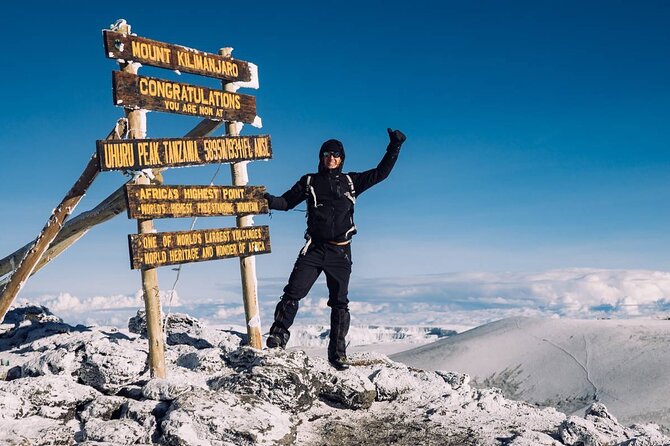
Reviewed · MACHAME ROUTE CLIMBS
Climbing Kilimanjaro – Machame Route
Kilimanjaro’s Machame Route gives you a full sampler of the mountain in six demanding days: rainforest, open moorland, high volcanic rock, icy summit views, and a long night walk to Uhuru Peak. The climb is managed by a guide team, porters, cook, and waiter, so you can focus on pacing yourself and staying healthy at altitude.
I like the route’s constant change of scenery, especially the sunset views near Shira and the dramatic approach to Barranco. I also like the practical support: boiled water, hot meals, tents, mattresses, rescue fees, pulse oximeters, and transport are built into the package. The main caution is the schedule. Six days is a hard push, and the long day before the summit leaves little time to rest.
Key points to know before you book
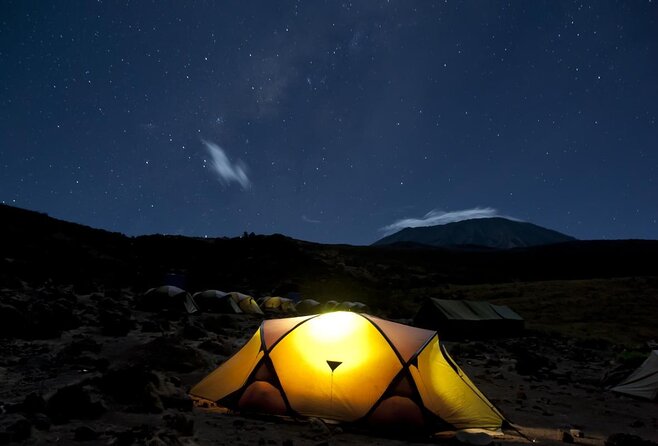
- The route reaches 5,895 meters at Uhuru Peak, with a summit attempt beginning around 11:30 p.m.
- You cross several climate zones, from montane forest to moorland, semi-desert, alpine desert, and summit scree.
- A full mountain crew handles the practical work, including carrying supplies, cooking, serving meals, and setting up camp.
- The Lava Tower day is important for altitude adjustment, but it is also one of the toughest hiking days.
- The six-day plan is scenic but strenuous, and some people may prefer a longer Machame itinerary.
- The price is $2,322.06 per person, including hotel nights, park fees, meals, crew, transfers, and camping equipment.
Why the Machame Route is worth the effort
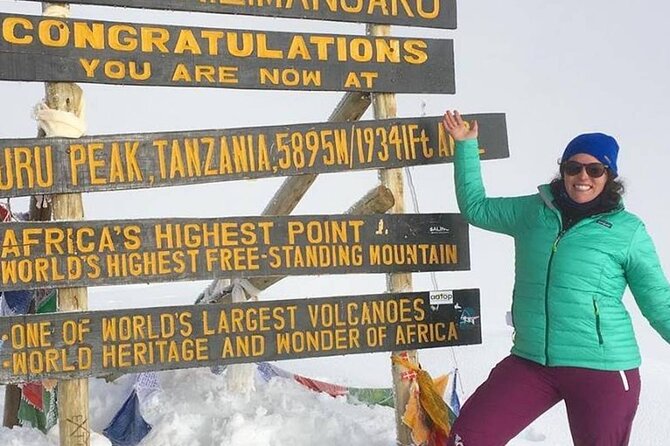
Machame is often called the scenic route for good reason. You do not simply walk uphill through one unchanging zone. The mountain keeps shifting around you, from thick forest and dripping mist to open ridges, giant volcanic rock, and cold high-altitude camps.
The route also uses a useful acclimatization pattern on Day 3. You climb to Lava Tower at 4,630 meters, then descend to Barranco Camp at about 3,950 meters. That climb high and sleep lower pattern makes the day useful for your body, even though it can feel rough at the time.
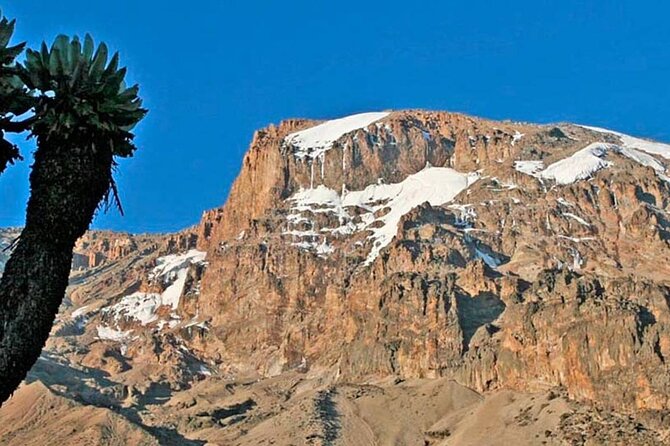
I especially like the way the route brings you close to Kilimanjaro’s distinctive features. You see the Western Breach and glaciers from the Shira Plateau, pass beneath the Barranco Wall, and reach the crater rim at Stella Point before continuing to Uhuru Peak.
The tradeoff is real. This is not a relaxed walking holiday. The daily distances may look manageable on paper, but altitude, cold, uneven ground, and the summit night change the equation. The package is better suited to a fit hiker who accepts slow progress and basic camping than to someone seeking comfort or an easy introduction to mountain trekking.
More Machame Route Climbs in Kilimanjaro
- Kilimanjaro climb, Machame Route (7-day)
★ 5.0 · 262 reviews - Climbing Kilimanjaro through 7 days Machame Route
★ 5.0 · 151 reviews - #1. Best Kilimanjaro Day hike Tour-Machame Route-ISMANI
★ 4.2 · 47 reviews
What the $2,322.06 price covers
At first glance, the cost may seem high for six days of hiking. The price makes more sense once you see how much is being arranged behind the scenes.
You receive two nights at Springlands Hotel in Moshi, one before and one after the climb. The package also includes transport from Moshi to the mountain and back, airport transfers to and from Kilimanjaro International Airport, national park fees, rescue fees, mountain tents, sleeping mattresses, and a mess tent with tables, chairs, candles, cutlery, and crockery.
Food is included throughout the climb. Breakfast, lunch, and dinner are supplied, along with boiled water for drinking and washing. The crew’s accommodation and entry fees are also covered, as are salaries for the guides, porters, cook, and waiter.
That is a strong package for anyone who wants one company to coordinate the moving parts. You are still responsible for tips, personal gear, visas, extra hotel nights, unspecified food and drinks, and any single-room supplement at Springlands Hotel. Emergency oxygen is not included, so you should clarify the operator’s medical and safety procedures before departure.
Day 1: Machame Gate to Machame Camp
The first morning begins with a briefing, breakfast, and a drive of about 45 minutes from Moshi to Machame village. The road condition affects how close the vehicle can get to the gate. If the final road section is too muddy, you may walk roughly 3 kilometers from the village to Machame Gate.
After registration, you enter the montane forest. The official hiking distance is about 18 kilometers, with around seven hours on foot, and you finish at Machame Camp at approximately 2,980 meters.
This is a long opening day, especially when you add registration, equipment preparation, and the possible walk to the gate. The forest is the reward. It is the greenest section of the route, and the trees provide shade before the mountain opens up higher on the trail.
You receive a packed lunch at the gate. The porters and guides handle the supply operation, but you should still keep your own water, rain protection, and a few snacks close by. The first day sets the tone: walk slowly, listen to your guide, and do not burn energy trying to get ahead.
Day 2: Machame Camp to the Shira Plateau
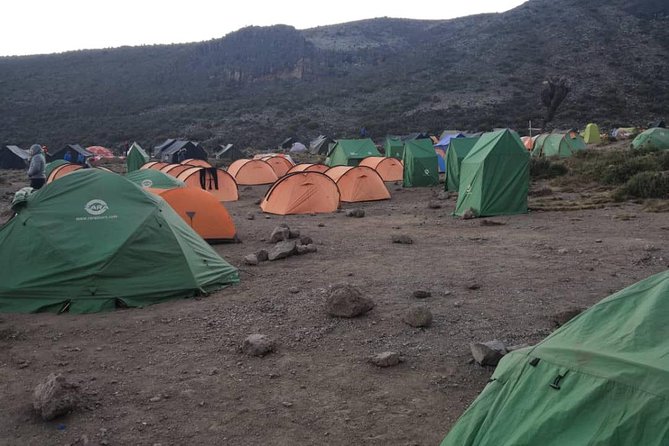
From Machame Camp, the trail climbs for about an hour toward the top of the forest. The route then becomes gentler for roughly two hours as you enter the moorland zone.
After lunch and a rest, you follow a rocky ridge onto the Shira Plateau. The day covers about 9 kilometers and takes approximately six hours of hiking, ending at Shira Camp around 3,840 meters.
This is one of the most rewarding visual changes on the route. The forest falls away, and the open plateau gives you broader views toward Kibo. You may also see the Western Breach and its glaciers to the east.
Shira Camp is exposed, and the cold can be severe. Temperatures may fall well below freezing, so your sleeping bag, warm layers, gloves, and dry night clothing matter from the start. The crew boils water for drinking and washing, but washing facilities remain basic. This is mountain camping, not a hotel room with a view.
More Machame Route Climbs in Moshi:
- 7 Days Machame route – Kilimanjaro
★ 5.0 · 45 reviews - The Best of Machame Route in 6 Days: Your World’s Summit Guide
★ 5.0 · 44 reviews - Best Kilimanjaro Adventure 7 days Machame route Trekking
★ 5.0 · 42 reviews - 6 Days Machame Route Kilimanjaro Climbing
★ 5.0 · 42 reviews
Day 3: Shira to Lava Tower and Barranco
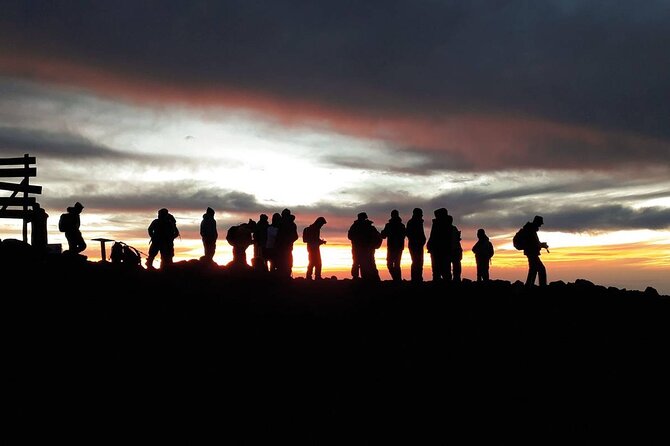
Day 3 is the route’s key acclimatization stage and one of its hardest days. You leave Shira and head east through semi-desert terrain toward Lava Tower.
The climb reaches 4,630 meters after about five hours. Lunch is served in a designated area, followed by a descent of nearly 680 meters to Barranco Camp at roughly 3,950 meters. The full day takes around seven hours and covers about 15 kilometers.
At Lava Tower, you may notice breathlessness, a headache, or irritability. These symptoms can occur at altitude, and you should report how you feel rather than trying to hide it. Guides carry first-aid supplies and use pulse oximeters, but no device replaces honest communication and careful decisions.
The descent to Barranco is not wasted effort. It helps your body adjust to the height reached earlier in the day while placing you at a lower sleeping altitude. The scenery also becomes more severe and dramatic, with rocky ground and giant high-altitude plants giving way to a stark volcanic setting.
Barranco Camp is famous for its position beneath the Barranco Wall. Mist can make the rock face appear and disappear, which adds to the sense that the mountain is changing by the minute.
Day 4: Barranco Wall to Barafu Camp
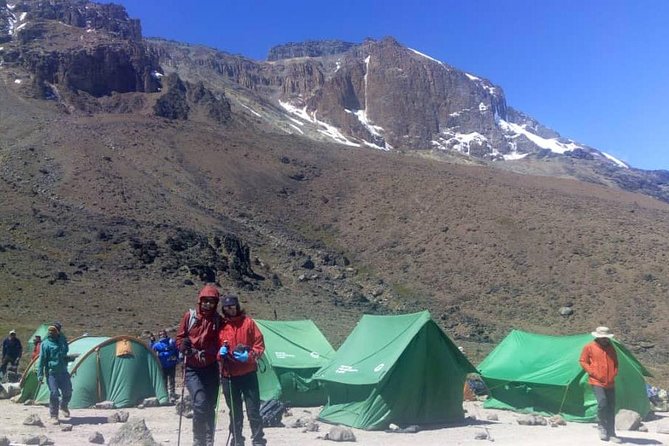
Day 4 takes you from Barranco through Karanga Valley and onward to Barafu Camp at about 4,550 meters. The route covers approximately 13 kilometers and takes around seven hours.
The Barranco Wall is the day’s great feature. It looks intimidating from camp, but the itinerary describes a rocky route rather than a technical climbing pitch. You should expect uneven ground, careful foot placement, and a steady pace.
The final approach to Barafu is more exposed. The tents sit on a narrow, stony ridge where strong winds can be present. The camp may feel less comfortable than the lower sites, and you need to organize your clothing and equipment before darkness.
This is also the point to prepare for the summit attempt. Check your headlamp, camera batteries, spare batteries, warm clothing, gloves, and walking poles. Water can freeze in cold conditions, so protect your bottles and carry enough for the night. The summit push begins only a few hours after you settle at camp, which is why this day can feel especially short on rest.
Day 5: Barafu to Uhuru Peak and Mweka
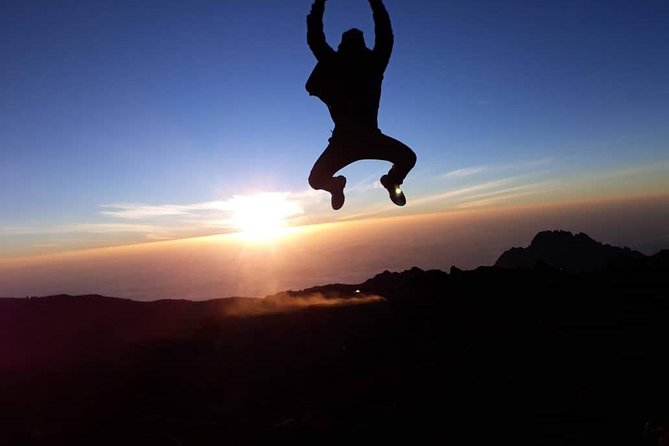
Summit day begins around 11:30 p.m. with tea and biscuits. You walk into the darkness over heavy scree, heading toward Stella Point on the crater rim at approximately 5,685 meters.
The climb to Stella Point takes about six hours and is often the hardest section mentally and physically. The ground is loose, the air is thin, and the cold comes at a time when your body wants sleep. Your guide will set the pace, but you still need to manage your breathing and energy carefully.
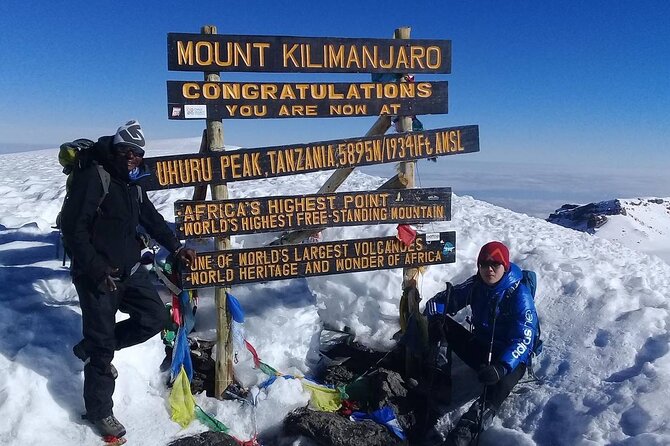
Sunrise at Stella Point is the great payoff. From there, you continue along the crater rim to Uhuru Peak, the highest point in Africa, at 5,895 meters. The summit section adds roughly two hours, depending on conditions and pace.
The ascent is about 7 kilometers, but the entire day is much longer because the descent continues all the way to Mweka Camp at 3,100 meters. The stated descent is around 23 kilometers and can take seven or eight hours.
This is where the six-day schedule reveals its cost. You summit after a short night, then keep walking for much of the day. Some people reach Uhuru Peak and continue successfully; others may turn around at Stella Point or earlier. That is not a failure. Altitude affects people unpredictably, and a safe decision matters more than a certificate.
If you reach Uhuru Peak, you receive a gold summit certificate. Climbers who reach Stella Point receive a green certificate. The distinction gives you a clear record of how far you climbed, but the real achievement is completing the mountain safely.
Day 6: Mweka Camp to Moshi
The final hike descends from Mweka Camp at 3,100 meters to Mweka Gate at about 1,980 meters. The walking time is listed as roughly three hours, over approximately 15 kilometers through forest.
The trail can be muddy, and the long descent may be harder on tired knees than expected. Trekking poles are useful here, and you should keep rain protection handy until you are off the mountain.
From the gate, the journey continues to Mweka village, followed by transport to Springlands Hotel. A hot lunch and shower provide a proper return to ordinary life. Certificates are issued at the hotel, and tips can be given to the guide there.
Guides, porters, meals, and camp life
The crew is central to this experience. Names associated with particularly strong guiding include Salim, Yesse Lema, Julius, Godlisten, Abdallah Chombo, also known as Soap, Festo, Mike, Reggie, Nicolas, Enjoylight, Winnie, and Killian. The exact team will depend on your departure, so you should not assume a particular guide will lead your group.
The role of the crew goes well beyond pointing out the route. Guides monitor your progress and support summit decisions. Porters carry equipment and supplies. The cook prepares the meals, and a waiter may help serve them in the mess tent.
Food is one area where expectations may pleasantly change. The menu is described as varied, with meals that can include different types of food rather than only basic camp fare. Still, tell the operator about dietary needs before you arrive, since the supplied information does not specify special-diet arrangements.
Sleeping under the stars sounds romantic, but high camps can be cold, windy, and exposed. The tents and mattresses are supplied, yet you must bring suitable personal clothing and climbing gear. The package does not include gear rental or personal items, so make a full equipment plan before flying to Tanzania.
Fitness, altitude, and the six-day question
The stated requirement is moderate physical fitness, but I would treat that as a starting point rather than a full description of the challenge. You need to walk for several hours on consecutive days, manage steep and rocky ground, and recover quickly enough for the next stage.
The summit day is the main test. You may walk eight hours to Uhuru Peak, then another seven or eight hours down to Mweka. The previous day is also long, and your rest at Barafu may be limited.
A seven-day Machame plan would provide more time than this six-day version. The supplied information includes a direct caution from a group that the six-day schedule was too physically hard and left too little time for rest and food intake. If you are unsure about your fitness, have limited hiking experience, or want a larger margin for acclimatization, ask Zara Tours about a longer option before booking.
The guides, first-aid kit, rescue fees, and pulse oximeters add useful safety support. Emergency oxygen is not included, however, and the information does not promise a specific altitude protocol or evacuation arrangement. Ask clear questions about these points before departure.
Group size, transfers, and hotel nights
The maximum group size is 12 people. That is small enough for a shared trek to feel manageable, while still giving you companions during the long days and summit night.
Pickup is offered, and the package includes airport transfers to Kilimanjaro International Airport, plus return transport between Moshi and the mountain. You should confirm your arrival details and hotel arrangements at booking, especially if you plan to add nights before or after the two included Springlands Hotel nights.
The listed meeting point is Kilimanjaro Airport, and the operating period is shown through June 18, 2026. The experience is available daily according to the supplied schedule. Confirmation is received at booking, and the cancellation policy allows a full refund if you cancel at least 24 hours before the start time. Changes or cancellations inside that window are not accepted.
Who should book this climb?
I would choose this trek if you want a classic Kilimanjaro route with strong scenery and a complete support crew. It suits fit hikers who are comfortable camping, walking slowly for long hours, and facing cold conditions without expecting luxury.
The route may also work well for people who value organization. Park fees, transport, meals, tents, rescue fees, and crew costs are bundled, which removes much of the planning burden.
I would hesitate if you want a gentle introduction to high-altitude hiking. The six-day schedule leaves limited recovery time, and the summit descent is especially demanding. In that case, ask about adding a day rather than assuming determination alone will solve the problem.
Should you book Zara Tours’ Machame Route?
At $2,322.06 per person, this is a substantial but defensible price for a supported Kilimanjaro climb. The inclusion of hotel nights, airport transfers, park fees, crew, meals, camping gear, boiled water, and rescue fees gives you a clear sense of what you are paying for.
The strongest reasons to book are the scenery, the well-supported logistics, and the chance to experience several mountain zones in one compact trip. The strongest reason to pause is the six-day schedule. If you are fit, prepared, and willing to accept a tough summit day, this Machame itinerary offers a powerful route to Uhuru Peak. If you want more rest and a better altitude margin, choose a longer version before you commit.
FAQ
How long is the Machame Route experience?
The climb is planned for approximately six days, including the mountain trek and the return to Moshi.
What is the highest point reached?
The summit is Uhuru Peak at 5,895 meters. Stella Point on the crater rim is approximately 5,685 meters.
Is accommodation included?
Yes. Two nights at Springlands Hotel in Moshi are included, one before and one after the climb. Tents and sleeping mattresses are supplied for the mountain.
Are meals included?
Yes. Breakfast, lunch, and dinner are included on the mountain, along with boiled water.
Are airport transfers included?
Yes. Return airport transfers to Kilimanjaro International Airport are included, along with transport from Moshi to and from the mountain.
Are guides and porters included?
Yes. Qualified guides, porters, a cook, and waiter are included. Their salaries, mountain accommodation, and entry fees are covered. Tips are not included.
What should I bring?
You must provide your own climbing gear and personal items. Warm clothing, a headlamp, spare batteries, and suitable protection for cold and wet conditions are specifically important for the summit attempt.
What happens if I reach the summit?
Climbers who reach Uhuru Peak receive a gold summit certificate. Those who reach Stella Point receive a green certificate, issued at Springlands Hotel after the descent.
Just added around Moshi
- Mt Kilimanjaro 6 days Marangu route hike★ 5.0 · 3 reviews
- Wildlife Extravaganza: Manyara, Tarangire & Ngorongoro in 3 Days★ 5.0 · 3 reviews
- Private Cycle to Kilimanjaro Bike Park Safari★ 5.0 · 6 reviews
- 3 Days Private E-Bike Tour in West Kilimanjaro★ 5.0 · 3 reviews
- West Kilimanjaro cycling Adventures★ 4.5 · 8 reviews
- machame route★ 5.0 · 16 reviews
- Kilimanjaro Climb & Safari – Lemosho Route – 13 Day★ 5.0 · 10 reviews
- Kilimanjaro Climbing Umbwe Route★ 5.0 · 3 reviews
Machame Route Climbs, compared.


Climbing Kilimanjaro through 7 days Machame Route
Read our review →
7-Day Machame Kilimanjaro Summit Tour from Arusha
Read our review →
7 Days Kilimanjaro via Machame route affordable price
Read our review →
#1. Best Kilimanjaro Day hike Tour-Machame Route-ISMANI
Read our review →

The Best of Machame Route in 6 Days: Your World’s Summit Guide
Read our review →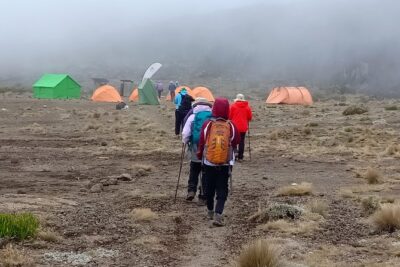
Best Kilimanjaro Adventure 7 days Machame route Trekking
Read our review →Browse the lists this tour appears in