
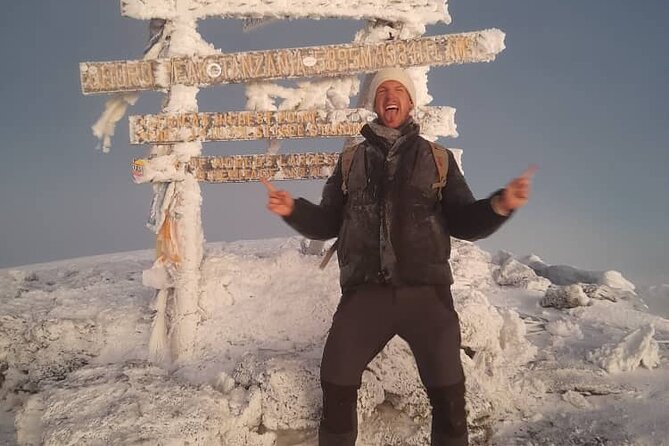
Reviewed · MACHAME ROUTE CLIMBS
6 Days Private Mount Climbing in Kilimanjaro Machame Route
Kilimanjaro’s Machame Route gives you the mountain in broad strokes: forest on day one, the open Shira Plateau, high volcanic rock, ice fields, and a cold summit at 5,895 meters. The trail is scenic and varied, but its popularity means you will not have the mountain to yourself.
I like the strong acclimatization pattern, especially the climb toward Lava Tower followed by sleep at lower Barranco Camp. I also like the private format, which gives your own group direct support from the guides and crew. The main catch is the six-day schedule: it is demanding, and the short time at altitude leaves less margin for a slow adjustment.
Key points before you book
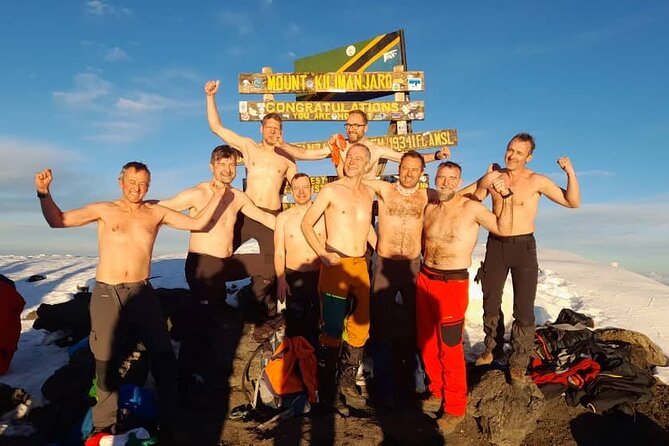
- Five climate zones in six days: You move from lower mountain forest to alpine desert and a glaciated summit environment.
- A useful high-and-low acclimatization day: The route rises to Lava Tower before dropping to Barranco Camp.
- A private climb for your group only: You do not share the activity with an assigned group of strangers.
- A full camping operation: Tents, mattresses, dining tent, meals, boiled water, cooking and dining equipment, and a mountain crew are included.
- A hard summit day: You climb from Barafu Camp to Uhuru Peak, then descend all the way to Mweka Camp.
- A popular but challenging route: Machame is steeper than Marangu and Rongai in places, though the overall route is considered easier than those sections suggest.
Why Machame is Kilimanjaro’s scenic choice
Machame approaches Kilimanjaro from the southwest and descends on the Mweka Route. That matters because you see different surroundings on the way down instead of retracing your steps.
The route crosses five climatic zones. Lower sections feel more sheltered and plant-filled, while upper camps become colder, drier, and more exposed. By the summit approach, the scenery is spare and volcanic, with the mountain’s southern ice field visible along the traverse.
The trail is not simply a steady uphill walk. You gain height, lose some of it, and then climb again. This is tiring, but it helps your body adjust. The clearest example comes on day three, when you climb to about 4,000 meters at Lava Tower and then descend to Barranco Camp at 3,850 meters.
Machame is more physically demanding than the Marangu and Rongai routes in certain sections. The reward is a more varied route and stronger acclimatization opportunities. You should still treat six days as a serious mountain schedule, not a casual sightseeing holiday.
More Machame Route Climbs in Kilimanjaro
- Kilimanjaro climb, Machame Route (7-day)
★ 5.0 · 262 reviews - Climbing Kilimanjaro – Machame Route
★ 5.0 · 170 reviews - Climbing Kilimanjaro through 7 days Machame Route
★ 5.0 · 151 reviews
What the private format changes
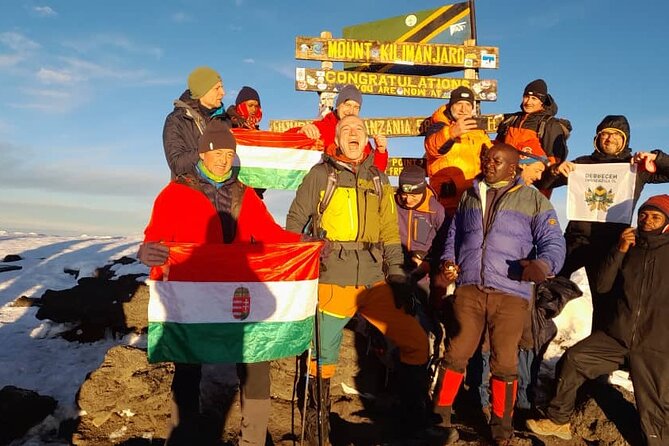
The private setup is valuable if you want attention focused on your own pace, concerns, and summit goal. Only your group participates, so you can discuss the day’s effort directly with the guides instead of adjusting to a large mixed party.
Past climbs have involved guides and crew members such as Teacher, Haji, Joeffrey, Musa, Felix, Jamleck, Kivase, Fabian, Chris, and William. Do not assume a particular guide will lead your departure, but these names give you a sense of the wider team associated with the operator.
The most consistent strength in the feedback is the human support. Edward, also called Teacher in several accounts, is praised for clear planning, quick replies, and help before arrival. On the mountain, guides are repeatedly described as patient, encouraging, and attentive during the toughest summit hours.
That support does not make the climb easy. It makes the hard parts more manageable. You still need to carry yourself up steep ground, cope with cold and altitude, and finish the long descent after the summit.
Day 1: Moshi to Machame Camp
The climb begins with pickup in Moshi at about 8:00 a.m. Transport takes you to the mountain starting point, with return transport later from Mweka Gate to your hotel.
From roughly 1,830 meters, you walk 11 kilometers to Machame Camp at about 3,050 meters. The expected hiking time is five to six hours.
This first day introduces the route without throwing you straight into the highest terrain. The gain in height is still substantial, so a moderate fitness level is important. Walk steadily rather than racing the group. The day’s purpose is to get your body moving and begin the adjustment to altitude.
You sleep in the supplied mountain tents. Mattresses, meals, dining equipment, and a mess tent are included, so you are not arranging camp services yourself after the walk.
Day 2: Machame Camp to the Shira Plateau
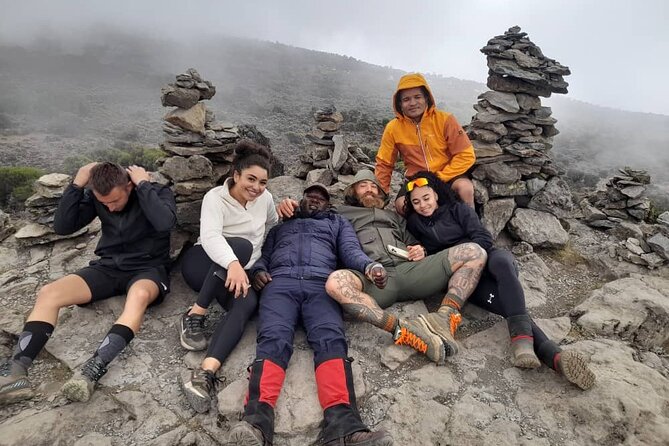
Day two covers only about 5 kilometers, but it climbs from 3,050 to 3,850 meters. Walking time is listed at four to five hours.
The shorter distance lets the route focus on height rather than mileage. You reach Shira Camp, where the open plateau becomes the main attraction. The setting feels broader and less enclosed than the lower trail, with views across the high volcanic terrain.
This is one of the reasons I prefer Machame to a straightforward up-and-down route. You get a clear change in scenery early in the climb, and the route begins to show why people accept its steeper stretches.
The downside is that the altitude gain comes quickly. You may feel the effort even though the day is shorter. Keep your pace gentle, follow the guide’s instructions, and use the rest periods well.
More Machame Route Climbs in Moshi:
- #1. Best Kilimanjaro Day hike Tour-Machame Route-ISMANI
★ 4.2 · 47 reviews - 7 Days Machame route – Kilimanjaro
★ 5.0 · 45 reviews - The Best of Machame Route in 6 Days: Your World’s Summit Guide
★ 5.0 · 44 reviews - Best Kilimanjaro Adventure 7 days Machame route Trekking
★ 5.0 · 42 reviews
Day 3: Lava Tower and Barranco Camp
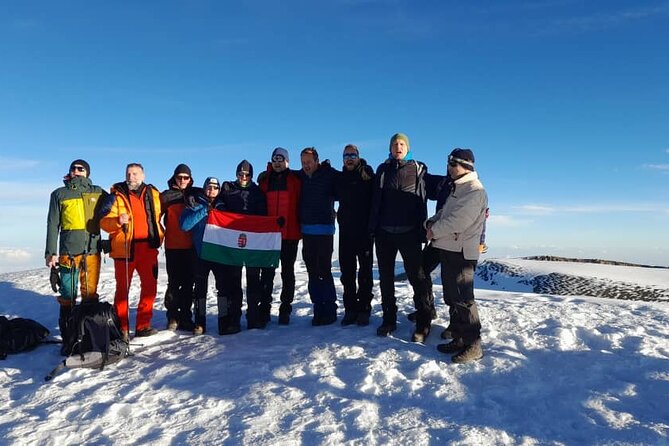
Day three is the route’s classic acclimatization day. You travel 10 kilometers from Shira Camp toward Lava Tower at about 4,000 meters, then descend to Barranco Camp at 3,850 meters. The walking time is five to six hours.
The optional scramble up Lava Tower adds a more active challenge for those who choose it. It is not presented as a required part of the day, so you can discuss your condition with the guide before attempting it.
The key benefit is the walk high, sleep low pattern. Your body experiences a higher elevation during the day, but you spend the night slightly lower than Lava Tower. That approach cannot remove altitude risk, but it gives the schedule a sensible acclimatization rhythm.
Barranco Camp also positions you beneath the striking Barranco Wall. The evening view sets up the next morning’s work, and the location gives the route a strong sense of progression.
Day 4: The Barranco Wall to Barafu Camp
Day four covers 9 kilometers and takes six to eight hours. You climb from 4,000 meters at Barranco to Barafu Camp at 4,700 meters.
The Barranco Wall is the day’s defining feature. This section is steeper and more hands-on than an ordinary mountain trail, so you should expect a slower pace and careful footing. It is one of Machame’s memorable sections, but it is also a clear reminder that this route is physically demanding.
After Barranco, the route traverses below Kilimanjaro’s southern ice field before reaching Barafu. The surroundings become more exposed and severe as you gain height.
Barafu is the launch point for the summit. You have a long day ahead, so rest here as much as the schedule allows. The climb is not finished when you reach camp. In practical terms, this is the point where the trek changes from a normal full-day hike to a summit operation.
Day 5: Uhuru Peak and the long descent
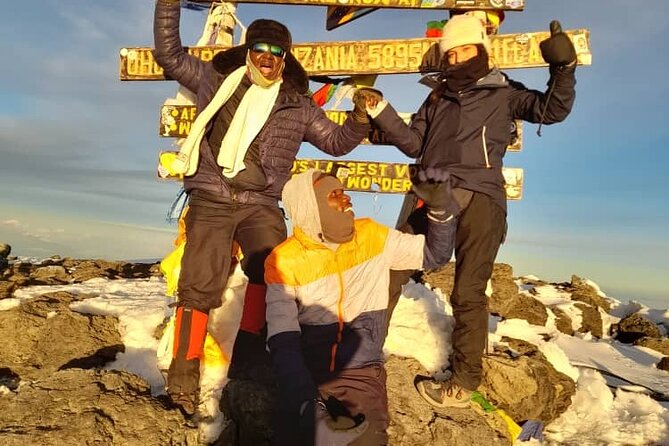
Summit day begins from Barafu Camp at 4,700 meters and reaches Uhuru Peak at 5,895 meters. The listed distance is 5 kilometers up and 13 kilometers down, with five to seven hours for the ascent and another five to six hours for the descent.
The summit push is the most difficult part of the experience. You face the greatest altitude, coldest conditions, and a punishing total workload. The guides and crew become especially important here, and past accounts give particular credit to leaders such as Teacher, Musa, and William for steady encouragement during the hardest hours.
After reaching the summit, you descend to Mweka Camp at approximately 3,090 meters. That drop is welcome, but do not underestimate the downhill. Tired legs, loose ground, and the sheer length of the day make the descent a test of its own.
The schedule lists a summit ascent of five to seven hours, but the exact experience can vary. Weather, group pace, physical condition, and altitude all affect the day. A private trip helps your guides focus on your group, but it cannot guarantee a summit.
Day 6: Mweka Camp to Moshi
The final hiking day covers 10 kilometers from Mweka Camp at 3,090 meters to Mweka Gate at about 1,680 meters. Walking time is three to four hours.
The lower elevation makes this a gentler finish than summit day, though your legs may still be tired. At the gate, transport returns you to your Moshi hotel.
This final transfer is useful because you do not need to arrange a separate vehicle after descending. It also gives you a clean end to the mountain portion of the trip, with the climb completed in six days.
What the $1,999 price includes
At $1,999 per person, the price covers much more than guiding. Included services are return transport from Moshi, national park fees, qualified guides, porters, a cook and waiter, tents, sleeping mattresses, a dining tent, tables, mini camping chairs, candles, meals, boiled water, and mountain accommodation for the crew.
Climbing gear is also listed as included. Before departure, ask exactly what that means for your booking. The supplied details do not specify individual items, sizes, or whether personal clothing and footwear are included.
The package also includes a first-aid kit and pulse oximeters, plus rescue support. These are useful safeguards, though they do not replace your own preparation or a proper conversation with the operator about altitude and medical needs.
The price offers solid value if you would otherwise need to arrange park access, food, transport, camping equipment, and a sizeable support team separately. It is less attractive if you already own or have independently arranged most of that equipment, but the convenience of one coordinated operation still matters on a mountain.
Tips are listed separately, with a note that they should not exceed $50. Clarify the expected tipping arrangement before you go, especially if your group includes several crew members.
Food, camping, and mountain support
You receive breakfast, lunch, and dinner each day on the mountain. Boiled water is provided, which reduces the need to organize your own water treatment system, though the information does not specify bottle or filtration arrangements.
Meals are served in a mess tent with supplied cutlery, crockery, and eating utensils. Mini camping chairs and tables are included too. Those small comforts matter after a long day on steep ground.
The mountain crew includes guides, porters, a cook, and a waiter. The listed package covers their salaries, accommodation, and entry fees on the mountain. That creates a working camp rather than a bare-bones hiking trip.
I would still ask before booking how luggage is handled, what personal gear you must bring, and the exact sleeping arrangement. Those details are not provided here, and they affect how you pack.
Fitness, timing, and practical concerns
The operator asks for a moderate level of physical fitness. That is a sensible minimum, but the itinerary includes long days, steep sections, major altitude gain, and a summit day that lasts up to twelve hours of combined ascent and descent.
You should be comfortable walking for several hours and prepared for a slower, sustained effort. The Barranco Wall and the summit push are the clearest physical tests. The route is not technical mountaineering in the sense of a rope-and-pitons climb based on the supplied details, but it is still a high-altitude mountain trek.
Pickup is offered, and the stated start time is 8:00 a.m. Mobile ticketing is available. Confirmation is received at booking, and the activity is near public transportation.
Free cancellation applies if you cancel at least 24 hours before the local start time. Inside that window, payment is not refunded and changes are not accepted.
Who should choose this six-day climb
I would choose this route if you want dramatic scenery, a private support team, and a compact schedule. It suits people who value direct contact with guides and do not want to join a large assigned group.
It is also a good match if you care about route variety. The Shira Plateau, Lava Tower option, Barranco Wall, southern ice-field traverse, summit, and Mweka descent give you plenty to remember beyond simply reaching the top.
I would hesitate if your priority is the gentlest possible acclimatization schedule. Six days is efficient, but a longer climb can offer more time for adjustment. The supplied experience does not provide a rest day or an extra acclimatization day.
The route’s popularity is another consideration. You gain scenic variety, but you may encounter increased numbers of people on the trail. If solitude is your main reason for climbing Kilimanjaro, this is not the strongest match.
Should you book the Machame Route?
Book it if you want the most scenic six-day option described here, a private group, a full mountain crew, and a well-organized package from Moshi to Mweka Gate. The strong points are the varied route, high-and-low acclimatization pattern, included camping operation, and repeated praise for the care and encouragement of guides and staff.
Think twice if you need a slower altitude schedule, dislike steep terrain, or want a quiet trail. Before paying, confirm the assigned guide team, the exact climbing gear supplied, personal equipment requirements, and how the $50 tipping note applies. With those points clear, this is a demanding but well-supported way to attempt Africa’s highest mountain.
FAQ
Where does the climb begin?
The experience begins with pickup in Moshi and transport to the Machame starting point on the mountain.
What time does the activity start?
The stated start time is 8:00 a.m.
How long is the Machame Route experience?
The climb lasts approximately six days.
Is this a private tour?
Yes. Only your group participates in the activity.
What level of fitness is required?
You should have a moderate level of physical fitness. The route includes steep sections, long hiking days, high altitude, and a demanding summit day.
What is the highest point reached?
The summit is Uhuru Peak at 5,895 meters, or 19,340 feet.
Are meals included?
Yes. Breakfast, lunch, and dinner are included on the mountain.
Is camping equipment provided?
Yes. Tents, sleeping mattresses, a mess tent, mini camping chairs, tables, and dining utensils are included.
What happens if I cancel?
You receive a full refund if you cancel at least 24 hours before the local start time. Cancellations or changes made within 24 hours are not accepted and are not refunded.
More 6-Day Experiences in Moshi
- Kilimanjaro climb, Lemosho Route (6-day)
★ 5.0 · 129 reviews - Kilimanjaro climb, Marangu route (6-day)
★ 5.0 · 72 reviews - 6 Days 5 Night Safari
★ 5.0 · 57 reviews - 6 Days Machame Route Kilimanjaro Climbing
★ 5.0 · 42 reviews
Just added around Moshi
- Mt Kilimanjaro 6 days Marangu route hike★ 5.0 · 3 reviews
- Wildlife Extravaganza: Manyara, Tarangire & Ngorongoro in 3 Days★ 5.0 · 3 reviews
- Private Cycle to Kilimanjaro Bike Park Safari★ 5.0 · 6 reviews
- 3 Days Private E-Bike Tour in West Kilimanjaro★ 5.0 · 3 reviews
- West Kilimanjaro cycling Adventures★ 4.5 · 8 reviews
- machame route★ 5.0 · 16 reviews
- Kilimanjaro Climbing Umbwe Route★ 5.0 · 3 reviews
- Kilimanjaro Climb & Safari – Lemosho Route – 13 Day★ 5.0 · 10 reviews
Machame Route Climbs, compared.



Climbing Kilimanjaro through 7 days Machame Route
Read our review →
7-Day Machame Kilimanjaro Summit Tour from Arusha
Read our review →
7 Days Kilimanjaro via Machame route affordable price
Read our review →
#1. Best Kilimanjaro Day hike Tour-Machame Route-ISMANI
Read our review →

The Best of Machame Route in 6 Days: Your World’s Summit Guide
Read our review →Browse the lists this tour appears in