
Reviewed · MACHAME ROUTE CLIMBS
6 Days Machame Route Hike
The Machame Route gives you Kilimanjaro with fewer comforts and more scenery. You start in the rain forest, sleep in tents each night, and finish by descending the Mweka Trail. It is often called the Whiskey route, a useful warning that this is a serious mountain hike, not a gentle park walk.
I like the six-day pace, which gives your body more time to adjust than a shorter climb. I also like the private format, since your group can move with its own guide team rather than follow a large mixed party. The trade-off is clear: you need reasonable fitness, some hiking experience, and a willingness to handle mud, cold, fatigue, and basic camping.
Key points to know before you book
- Machame Gate is about 45 minutes from Moshi, with the drive passing through the village of Machame on Kilimanjaro’s lower slopes.
- The first hiking day covers 11 kilometers, taking roughly five to six hours through montane forest.
- All nights are spent in tents, with meals served in a dinner tent or outdoors on a blanket.
- The descent uses the Mweka Trail, with the final mountain night at either Mweka Camp or Millennium Camp.
- The trip suits physically fit hikers, especially those with some previous hiking experience.
- Guide teams have included Patrick, Michael, Jeremiah, Joseph, Kelvin, Baboon, Cosmas, Ringo, and Nemence, with French-speaking support available on some departures.
Why the Machame Route feels different from Marangu
Kilimanjaro has several routes, but the Machame Route has a distinct character. It is the second most popular route and is known for its scenery, though the supplied itinerary gives specific detail only for the opening day and the descent. You should think of this as a tent-based mountain expedition, not a lodge-to-lodge trek.
The nickname Whiskey route points to its tougher feel compared with the Marangu route, often nicknamed Coca Cola. That does not mean every hour is punishing. The first four trekking days have been described as manageable by people who completed the climb, but the later summit push brings the real test: muscle pain, fatigue, cold, and darkness.
The six-day schedule is important. A climb over six days is generally easier to adjust to than a rushed itinerary, but it remains a compact plan for a high-altitude mountain. The high success rate associated with this route should not make you careless. Fitness, steady pacing, and careful attention to your guide still matter.
More Machame Route Climbs in Kilimanjaro
- Kilimanjaro climb, Machame Route (7-day)
★ 5.0 · 262 reviews - Climbing Kilimanjaro – Machame Route
★ 5.0 · 170 reviews - Climbing Kilimanjaro through 7 days Machame Route
★ 5.0 · 151 reviews
From Moshi to Machame Gate
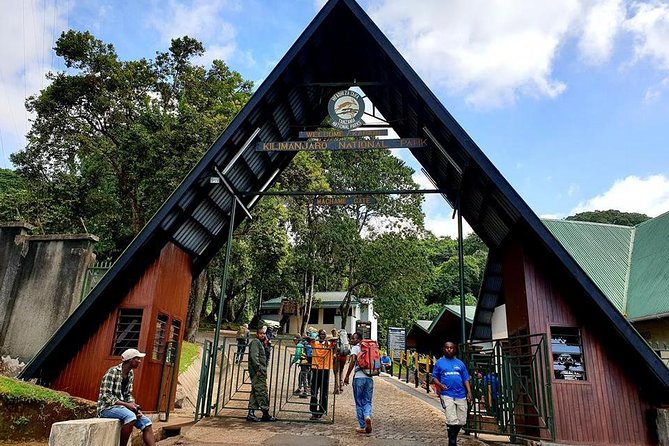
Your trip begins in Moshi Urban, Tanzania, with pickup offered. The drive to Kilimanjaro National Park’s Machame Gate takes about 45 minutes, a short transfer that lets you move quickly from town to the mountain’s lower slopes.
The road passes through Machame village. That detail matters because the climb does not begin in an empty wilderness. You first see the settled lower slopes, then move toward the park entrance and the forest trail.
At the gate, the walking portion begins. The route winds upward along a ridge through montane forest. This is a good opening section because the trees provide a clear sense of leaving ordinary daily life behind, while the gradual rise lets you settle into the rhythm of a multi-day hike.
The first day covers about 11 kilometers, or seven miles. The stated hiking time is five to six hours, and the elevation rises from roughly 1,830 meters, or 6,000 feet, to 3,050 meters, or 9,950 feet, at Machame Camp.
That elevation gain is substantial for a first day. You may find the distance manageable, but the uphill work and thinner air can still make the hours feel long. Your best approach is a slow, even pace. This is not the day to prove how fast you can walk.
The rain forest opening and Machame Camp
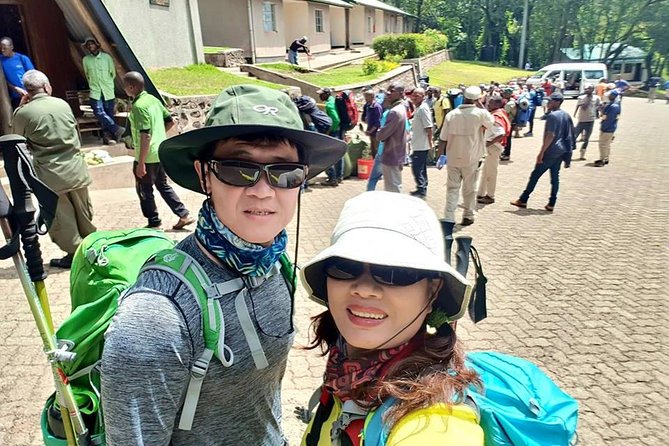
The forest section is scenic, but it can also be wet and awkward underfoot. At lower elevations, the trail may be muddy and slippery. Gaiters are a smart addition, especially if you dislike wet socks or mud working into your boots.
Trekking poles are also useful here. They give you extra balance on slick sections and reduce some strain on the knees during uneven walking. You do not need to treat them as specialist gear. On this trail, they are simply practical tools.
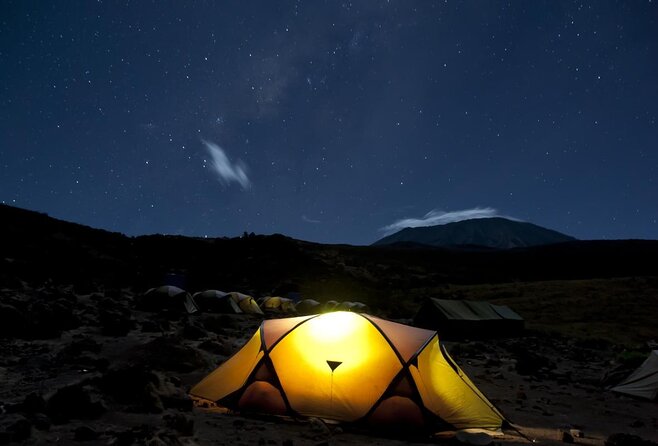
The first night is at Machame Camp. Tents are included, and meals are served in a dinner tent or outside on a blanket. This camping setup is one of the defining parts of the experience. You are not returning to a room, shower, or restaurant after the day’s walk. You eat, rest, and sleep within the mountain camp.
The meal arrangement also gives the group a shared routine. Dinner in a tent feels more organized, while eating outside on a blanket can feel pleasantly simple when the weather cooperates. Conditions can change, so it is wise to expect the more basic version rather than count on a comfortable outdoor meal every night.
What the six-day schedule means for your body
The main advantage of six days is time. Kilimanjaro is not only about walking distance. Your body also needs to adjust as the elevation rises, and spreading the climb across more days can make that adjustment less abrupt.
The supplied information describes the route as having a fairly high success rate and says that acclimatization is easier over six days. Treat that as an advantage, not a guarantee. People respond to altitude in different ways, and the climb’s later stages can still be demanding.
The practical lesson is to walk slowly and listen to the guide. Several guide names appear in accounts of this experience, including Patrick, Joseph, Kelvin, and Cosmas. Assistant guide Michael and assistant guide Baboon are also named, while Jeremiah is identified as a cook on one departure. The exact team can vary, so you should confirm who will lead your group.
The strongest pattern in the team feedback is personal support. Guides are described as attentive, adaptable, encouraging, and good-humored. That matters most when the climb stops feeling like a pleasant hike and becomes a test of patience and stamina.
One account describes the chef guide Patrick suggesting a six-day completion instead of a planned seven-day version, while still considering acclimatization. That shows why you should discuss the pace openly with the guide team. Do not assume that a shorter schedule is automatically better. The right choice depends on how your group is coping.
More Machame Route Climbs in Moshi:
- #1. Best Kilimanjaro Day hike Tour-Machame Route-ISMANI
★ 4.2 · 47 reviews - 7 Days Machame route – Kilimanjaro
★ 5.0 · 45 reviews - The Best of Machame Route in 6 Days: Your World’s Summit Guide
★ 5.0 · 44 reviews - Best Kilimanjaro Adventure 7 days Machame route Trekking
★ 5.0 · 42 reviews
Camping, food, and the daily mountain routine
All climbers sleep in tents on this trip. The tents are included, which removes one large equipment concern, though the available information does not specify tent size, sleeping bags, mattresses, or luggage limits. Ask those questions before departure.
Meals are served in a dinner tent or on a blanket outside. Food has received particularly warm praise, with one climber calling it excellent. A cook named Jeremiah is associated with one group, while other accounts praise the kitchen team without naming every member.
Food quality is not a minor detail on a mountain. After several hours of walking, a dependable meal helps you recover and keeps the group moving the next morning. Still, you should not expect a hotel dining room. The setting is a camp, and the meal service is built around practicality.
The experience also depends heavily on the wider support crew. Accounts describe porters as helpful and cheerful, and several teams are praised for kindness and good spirits. That human side is a major part of the climb, but it also gives you a reason to ask how the company handles porter welfare, equipment, pay, and load limits before booking.
The harder later days and the summit push
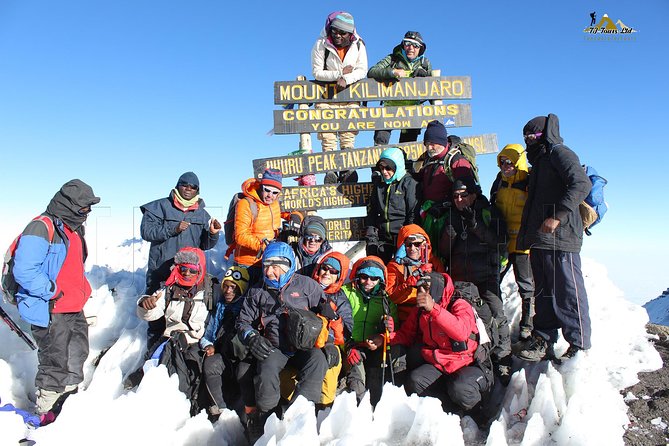
The opening day is clearly described, but the available itinerary does not provide the exact camps, distances, or walking times for Days 2 through 6. You should request a full day-by-day route plan before paying, especially if you want to compare this climb with a seven-day Machame itinerary.
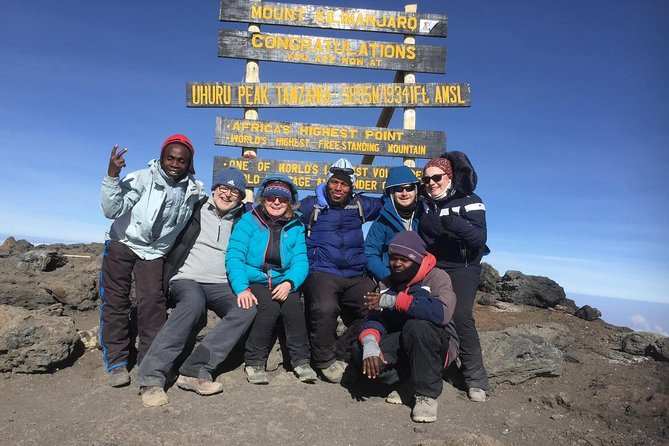
What is clear is that the first four trekking days are considered less difficult than Day 5. The later push is where fatigue, cold, darkness, and sore muscles become serious factors. Even a fit person can find this section emotionally demanding.
You should prepare for long hours rather than focus only on the mileage. The mountain asks for steady effort, warm clothing, patience, and close cooperation with the guides. A guide named Joseph is credited with helping one climber through the most difficult stretch, while Kelvin is described as attentive and able to adapt to changing situations.
The route description does not provide a separate summit-day schedule, exact summit elevation, or the planned summit camp. Do not fill in those gaps with assumptions. Ask about the start time, expected summit duration, rest stops, emergency plans, and what happens if someone needs to turn back.
That conversation is not pessimistic. It is good mountain planning.
Descending by the Mweka Trail
After the climb, the descent follows the Mweka Trail. The final night on the mountain is at either Mweka Camp or Millennium Camp, according to the operating plan.
Using a different route for the descent gives the trip a sense of movement rather than sending you back over the same ground. It also means the final section has its own trail conditions and rhythm. Your knees may appreciate the change, but downhill walking can still be tiring after the summit effort.
Because the available information does not give the exact final-day distance or transfer arrangement, confirm when you will leave the mountain and when you will return to Moshi. The activity ends back at the meeting point in Moshi Urban.
The guide team is part of the value
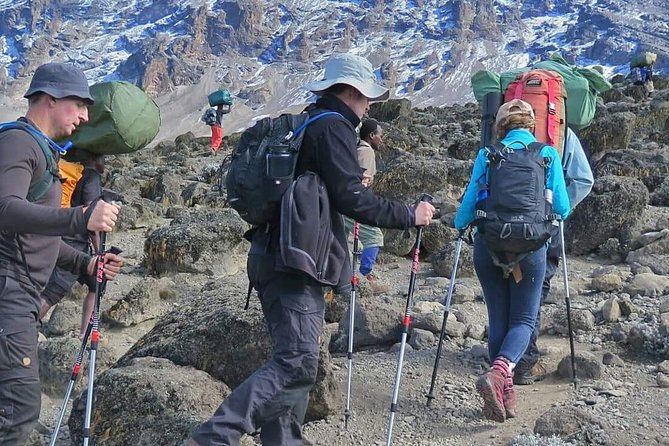
At $2,342.95 per person, this is a major purchase. The price is easier to judge when you look beyond the number and consider what the trip is trying to provide: a private six-day climb, pickup, tents, camp meals, guide support, and the logistics of moving a group up and down Kilimanjaro.
The supplied details do not list every inclusion, such as park fees, transfers after the mountain, sleeping equipment, tips, drinks, or insurance. You should ask for a written breakdown before booking. That is the only fair way to compare this price with other operators.
The private format is valuable if you want direct contact with your guide team and a pace suited to your group. It can also be useful when one person needs encouragement or a short adjustment. On the other hand, private does not mean easy. You still face the same mountain, weather, altitude, and camping conditions.
Tanzania Joy Tours is the named provider. The people connected with past climbs include guides called Ringo, Nemence, Patrick, Joseph, Kelvin, and Cosmas. Michael has served as an assistant guide, and Jeremiah has worked as a cook. One account specifically notes French-speaking support, so ask about language availability if that matters to you.
Who should choose this six-day climb
I would point this experience toward an active person who already enjoys hiking and is comfortable sleeping in a tent. You do not need to be a professional mountaineer, but the moderate fitness requirement should be taken seriously.
This route is a good match if you want:
- A scenic route rather than the most comfortable one
- A six-day schedule with more time for acclimatization than a rushed climb
- A private group
- A tent-based mountain experience
- Support from a dedicated guide and camp crew
- A route that descends by the Mweka Trail
I would be more cautious if you have little hiking experience, dislike muddy trails, or expect a soft adventure with predictable comfort. The first four days may feel reasonable, but the later climb can bring cold, darkness, exhaustion, and considerable muscle soreness.
You should also be ready for simple communication before departure. Confirm the full itinerary, equipment, included services, group size, and guide names. The activity offers a mobile ticket, and confirmation is received at booking. Pickup is offered, and the starting and ending point is in Moshi Urban.
Cancellation and booking flexibility
Free cancellation is available if you cancel at least 24 hours before the experience start time. A cancellation made less than 24 hours before the start does not qualify for a refund, and changes made inside that period are not accepted.
The cut-off follows local time. Since this is a six-day mountain trip with a high price, read the cancellation terms carefully and make sure your travel insurance covers the parts that this policy does not.
Should you book the Machame Route in six days?
Book it if you want a demanding, scenic Kilimanjaro climb with tent camping, a private team, and a schedule that allows more acclimatization than a very short ascent. The guide support, camp crew, and food are important strengths, and the Mweka descent gives the route a satisfying change of scenery.
Pause before booking if you need a fully detailed itinerary now, since the supplied plan does not spell out every day after the opening hike. Ask for those details, confirm every inclusion in the $2,342.95 price, and make sure your fitness and hiking background match the route.
For the right person, this is a serious but rewarding mountain trip. Go in prepared for mud on Day 1 and fatigue near the top. Pack gaiters and trekking poles, walk slowly, and let the guide team set the rhythm.
FAQ
Where does the hike start and end?
The experience starts in Moshi Urban, Tanzania, with pickup offered. It ends back at the meeting point in Moshi Urban.
How long is the Machame Route hike?
The activity lasts approximately six days.
How far is the first hiking day?
Day 1 covers about 11 kilometers, or seven miles, from Machame Gate to Machame Camp.
How long does the first day of hiking take?
The first hiking day takes about five to six hours.
Where do climbers sleep?
All climbers sleep in tents, and the tents are included. Meals are served in a dinner tent or outside on a blanket.
Can I cancel for a full refund?
Yes. You can receive a full refund if you cancel at least 24 hours before the experience start time. Cancellations made less than 24 hours before the start are not refunded.
More 6-Day Experiences in Moshi
- Kilimanjaro climb, Lemosho Route (6-day)
★ 5.0 · 129 reviews - Kilimanjaro climb, Marangu route (6-day)
★ 5.0 · 72 reviews - 6 Days 5 Night Safari
★ 5.0 · 57 reviews - 6 Days Machame Route Kilimanjaro Climbing
★ 5.0 · 42 reviews
More Hiking & Trekking in Moshi
- Private Kilimanjaro Hike 7 Day Lemosho Route
★ 5.0 · 60 reviews - Best Kilimanjaro hiking day trip tour with Kilinge Adventures
★ 4.5 · 54 reviews - Kilimanjaro 7 Day Private Trekking Experience
★ 5.0 · 40 reviews - The Best & Unique Kilimanjaro Hiking tour 7 days Machame route
★ 5.0 · 34 reviews
Just added around Moshi
- Mt Kilimanjaro 6 days Marangu route hike★ 5.0 · 3 reviews
- Wildlife Extravaganza: Manyara, Tarangire & Ngorongoro in 3 Days★ 5.0 · 3 reviews
- Private Cycle to Kilimanjaro Bike Park Safari★ 5.0 · 6 reviews
- 3 Days Private E-Bike Tour in West Kilimanjaro★ 5.0 · 3 reviews
- West Kilimanjaro cycling Adventures★ 4.5 · 8 reviews
- machame route★ 5.0 · 16 reviews
- Kilimanjaro Climb & Safari – Lemosho Route – 13 Day★ 5.0 · 10 reviews
- Kilimanjaro Climbing Umbwe Route★ 5.0 · 3 reviews
Machame Route Climbs, compared.



Climbing Kilimanjaro through 7 days Machame Route
Read our review →
7-Day Machame Kilimanjaro Summit Tour from Arusha
Read our review →
7 Days Kilimanjaro via Machame route affordable price
Read our review →
#1. Best Kilimanjaro Day hike Tour-Machame Route-ISMANI
Read our review →

The Best of Machame Route in 6 Days: Your World’s Summit Guide
Read our review →Browse the lists this tour appears in