
Reviewed · NYERERE NATIONAL PARK SAFARIS
3-Day Selous Reserve mid-Range Safari
The best reason to choose this safari is its sense of remote Africa. Selous is far less visited than Tanzania’s northern parks, and the Rufiji River gives you a different way to see wildlife, with hippos, crocodiles, elephants, and birds close to the water.
I like the mix of a boat safari and two game-drive periods, and I like that the tour is private, with transport, food, water, lodging, and hotel transfers bundled together. The trade-off is the long road journey from Dar es Salaam, plus the fact that wildlife here can be less predictable because animals are more wary in a former hunting area.
Key points before you book
- The Rufiji River is the first major wildlife encounter, with hippos, crocodiles, elephants, and many bird species viewed from a boat.
- The second day gives you two game drives, one in the morning and one in the afternoon, making it the main wildlife day.
- This is a private safari, so only your own group rides in the vehicle and sets the pace.
- The price includes most practical costs, including accommodation, meals, bottled water, guide service, and round-trip transport.
- Remote Selous feels quieter than Tanzania’s northern parks, but sightings may require more patience.
- Guides Laban and James have been praised for personal care, friendly service, and thoughtful touches such as a drink prepared in the bush.
Why Selous makes a different safari choice
Many first-time safari visitors head north to the Serengeti and Ngorongoro Crater. Selous offers another kind of trip. It is one of Tanzania’s more remote protected areas, and the setting is much less associated with large tourist convoys.
The supplied information describes Selous in two different ways: one section gives a core area of 5,000 square kilometers, while another cites 54,600 square kilometers for the wider reserve. The useful point for you is simple: this is a very large protected area, with plenty of room beyond the usual safari circuit.
That scale affects the experience. You are not promised a parade of animals at every turn. The reserve was originally used for hunting, so animals are described as more cautious than those in Tanzania’s northern parks. You may need to wait longer, scan carefully, and trust your guide’s eyes.
That is also part of the appeal. A safari here is less about checking off a famous view and more about seeing how wildlife behaves in a quieter setting. If you enjoy open country, river scenery, and a slower search, Selous is a strong match.
More Nyerere National Park Safaris in Dar es Salaam
- 3 Days Selous (Nyerere National Park)
★ 5.0 · 43 reviews - 3 Days Safari – Selous Game Reserve
★ 5.0 · 21 reviews - 3 Days Nyerere NP [Selous GR] Game, Walking and Boat
★ 5.0 · 19 reviews
The road from Dar es Salaam to the reserve
Your driver-guide collects you in Dar es Salaam and takes you toward Selous in a private vehicle. The tour includes a picnic lunch for the journey, which matters because the first day is not a quick transfer.
The exact driving time is not provided, so you should ask the operator for the current estimate before booking. The route is a major part of the trip, not a minor connection between attractions. You will spend much of the first day on the road, then settle into camp in the early afternoon.
I see the private vehicle as a real advantage here. You are not sharing the schedule with a large group, and your own party can ask questions, pause for comfort, and travel with the guide who is looking after you. A private safari also makes the long transfer easier to manage.
The tour requires at least two people per booking. That makes it better suited to couples, families, or friends traveling together than to a solo visitor seeking an inexpensive seat in a shared vehicle. Children must be accompanied by an adult, and a moderate level of physical fitness is recommended.
The Rufiji River boat safari on day one
After reaching camp and settling in, you head out by boat on the Rufiji River. This is the most distinctive part of the three-day program. Instead of sitting in a vehicle and watching the bush, you look across the water and along the banks.
The Rufiji is formed by the meeting of the Kilombero and Luwegu rivers and runs for about 600 kilometers. Its size helps explain why it supports such a strong concentration of water-loving wildlife. Hippos and crocodiles are the headline sightings, while elephants are drawn to the river as well.
From a boat, you get a low, open view of the river. That can make the experience feel less staged than a standard roadside stop. You are looking for movement in the water, shapes along the bank, and birds in the surrounding habitat.
Birdlife is another good reason to pay attention. Selous is associated with about 350 bird species, so the boat trip is not only about large animals. Even if a hippo stays mostly submerged or crocodiles remain still, the river can keep your attention with bird activity and changing views of the banks.
The scheduled stop is listed as about five hours, although the precise division between travel, arrival, and the boat outing is not explained. Bring patience. Water-based wildlife viewing is rewarding, but it does not guarantee constant action.
The first day is likely to feel full. You leave Dar es Salaam, eat lunch on the road, arrive at camp, settle in, and then go on the river. If you prefer a gentle first afternoon, this schedule may feel demanding. If you want to start seeing the reserve as soon as possible, it makes good use of limited time.
The main wildlife day, morning and afternoon
Day two is the heart of the safari. After breakfast, you set out for a morning game drive and return for an afternoon drive. The split is useful because wildlife activity and light can change during the day, and two outings give you more than one chance to find animals.
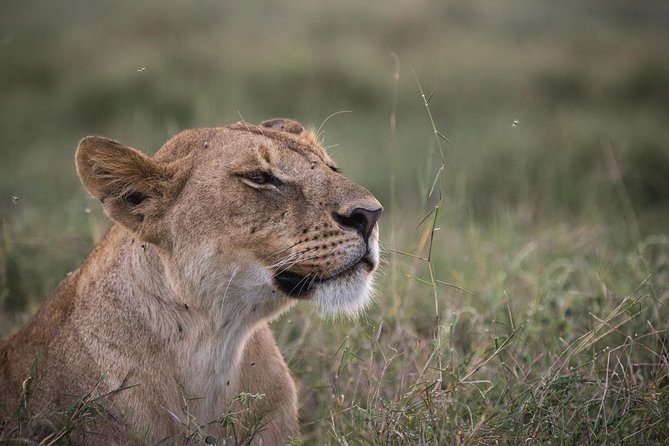
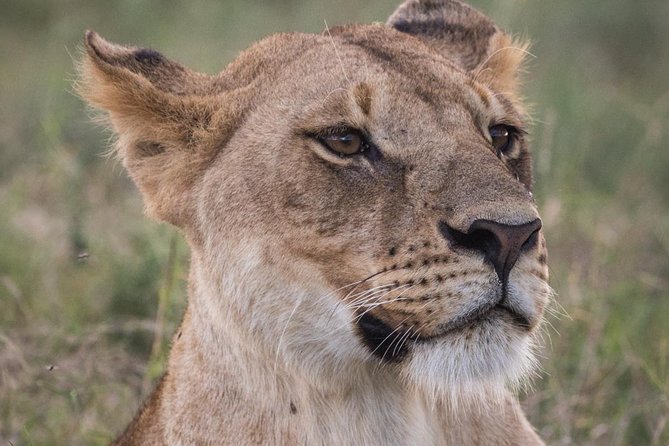
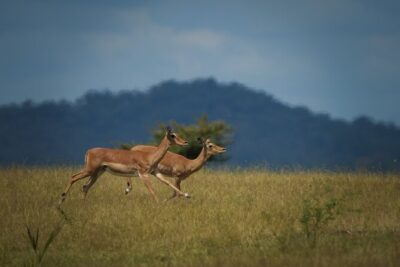
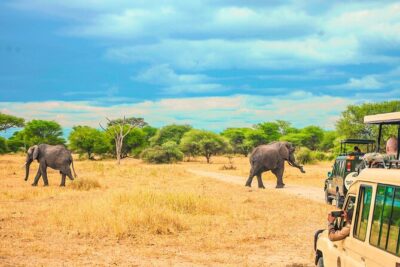
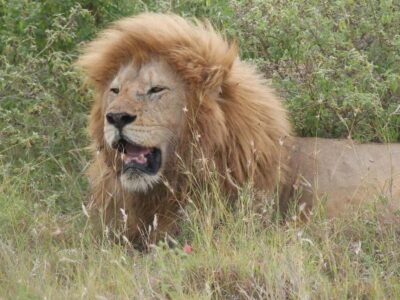
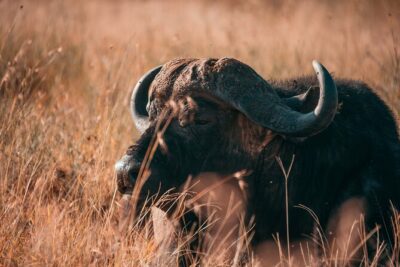
Selous is especially associated with elephants. You might also see lions, wild dogs, buffaloes, bushbuck, impalas, elands, baboons, zebras, and greater kudus. These are possibilities, not guarantees, and the more remote setting means you should not judge the trip only by how many species you can list afterward.
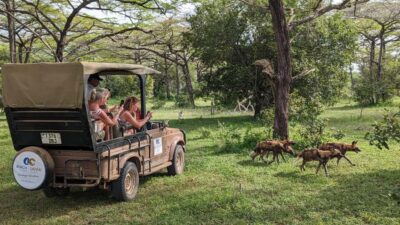
Wild dogs are a particularly notable possibility. The supplied information identifies them among the animals commonly seen, but no safari can promise a sighting. Your guide’s skill, current animal movement, weather, and luck all matter.
The private format helps on this day. You can spend more time observing an interesting animal rather than following a fixed group schedule. You also have a better chance to ask the guide about behavior, tracks, and the reserve’s former role as a hunting area.
The history of that land use has a practical effect. Animals may be shy and keep their distance. You could have an excellent drive with fewer close views than you might expect in a heavily visited park. The reward is often the feeling of searching rather than simply arriving at a known viewing spot.
A five-hour activity listing is given for the day, but the description specifically includes both morning and afternoon drives. Ask how the hours are divided and when meals are served. Breakfast is included, and the package also lists lunch and dinner, but the exact meal timing is not stated.
Same country, a completely different kind of safari:
- Dar es Salaam: City Tour
★ 4.7 · 159 reviews - Dar es Salaam City Center: Walking Tour
★ 4.8 · 102 reviews - Dar es Salaam City Tour – Everyday
★ 5.0 · 64 reviews - MIKUMI NATIONAL PARK – 3 Days
★ 4.5 · 63 reviews
Camp nights and what the package covers
Accommodation is included for the nights in the itinerary, though the property name and room type are not supplied. You should confirm the camp category, sleeping arrangements, bathroom setup, and whether the accommodation is inside or outside the protected area before paying.
This matters because mid-range safari lodging can mean different things in different places. The word mid-range tells you the general price position, but it does not tell you whether you will sleep in a tented room, a permanent room, or another style of camp.
Meals are included. The package lists breakfast, lunch, and dinner, as well as bottled water. Alcoholic drinks are not included, but they are available to buy. Tell the operator about dietary needs when you book, rather than waiting until you arrive.
The meal plan is helpful on a remote safari. You are not left searching for restaurants after a long drive or game viewing session. Still, because the supplied meal count lists three lunches, two breakfasts, and three dinners for a three-day program, I would ask the operator to confirm exactly what is covered on each date.
The long return to Dar es Salaam
After breakfast on day three, you drive back to Dar es Salaam with a picnic lunch for the journey. The tour ends at the original meeting point, and hotel pickup and drop-off are included.
This final day is mainly a transfer day. Do not book a tight onward flight or important appointment unless you have confirmed the return timing directly with the operator. The listing gives no exact arrival hour, and road conditions can affect a long overland journey.
The return drive may feel less exciting than the river and game drives, but it completes the tour without requiring you to arrange separate transport. That is useful if you are staying in Dar es Salaam before and after the safari.
Guides, service, and the private format
The operator is Gosheni Safaris (T) Limited. The strongest praise connected with this experience concerns guide care and personal service. Laban is singled out for looking after the group closely and even preparing a cocktail in the middle of nowhere. James is also associated with warm, attentive, family-style care.
You should not assume a particular guide will be assigned unless the company confirms it. Still, these details show the kind of service the operator aims to provide: practical help, attention to comfort, and small personal touches beyond simply driving between sightings.
A private tour also means your group is the only group participating. That does not remove the normal uncertainties of a safari, but it does give you a more personal setup than a large shared departure.
The guide is central to the value of this trip. In a huge reserve with cautious animals, a good guide can help you notice movement and understand what you are seeing. Ask questions, speak up about comfort, and tell the guide what matters most to you, such as elephants, birds, predators, or scenery.
Is $2,066.67 per person good value?
At $2,066.67 per person, this is not a budget safari. The price becomes easier to assess when you count what is included: round-trip transport from Dar es Salaam, a private vehicle, a driver-guide, accommodation, meals, bottled water, a boat safari, and game drives.
You are paying for access to a remote reserve and for a private arrangement, not just for park admission. The road transfer alone takes a substantial part of the trip, and the operator handles the food and transport during that journey.
The value is strongest if you are already based in Dar es Salaam and want a short, self-contained safari without arranging each part yourself. It is weaker if your main goal is maximum wildlife density or the lowest possible cost. A three-day schedule gives you only one full wildlife day, even though the river outing adds a second type of safari experience.
I would compare this price with the cost of arranging a shared trip, separate transfers, lodging, meals, and activities. You should also confirm the camp standard and any park fees not clearly listed. The package says admission tickets are included for the listed activities, but asking for a full cost breakdown is sensible at this price.
Who will enjoy this safari most
I would recommend this trip to you if you want a private safari from Dar es Salaam and care about a quieter setting. It suits couples, families with adult supervision for children, and friends who prefer their own vehicle and guide.
It is also a good fit if you want more than a standard game drive. The Rufiji River boat safari gives the trip a clear identity, and the mix of hippos, crocodiles, elephants, and birdlife can make the first afternoon memorable even before the full game-drive day begins.
You may want a different plan if you dislike long road journeys, need guaranteed animal sightings, or want several full days inside a park. The schedule is compact, and the first and third days are partly occupied by transport.
Pack for a physically active trip, even though the exact walking requirements are not provided. The company recommends moderate physical fitness. Bring any dietary information at booking time, and confirm accommodation details, driving time, and the daily meal schedule.
My verdict: book it for the river and the quiet
I would book this safari if your priority is a private, well-organized introduction to southern Tanzania from Dar es Salaam. The Rufiji River outing, remote setting, and two game drives offer a good range of experiences in only three days.
I would not choose it solely because you want the biggest possible list of animals. Selous rewards patience, and its cautious wildlife can make sightings less predictable. At this price, ask for clear details on camp quality, travel times, and what the 5,000 and 54,600 square kilometer figures refer to.
For the right person, the charm is the combination of wilderness, water, and personal guide service. If you value that more than a quick, guaranteed wildlife checklist, this is a worthwhile short safari.
FAQ
Where does the safari start and end?
The safari starts in Dar es Salaam, Tanzania, with pickup offered. It ends back at the meeting point in Dar es Salaam.
How long does the safari last?
The experience lasts approximately three days.
Is this a private tour?
Yes. Only your group participates, and transport is provided by private vehicle.
What activities are included?
The program includes a boat safari on the Rufiji River and morning and afternoon game drives in Selous Game Reserve.
What animals might I see?
Possible sightings include hippos, crocodiles, elephants, lions, wild dogs, buffaloes, bushbuck, impalas, elands, baboons, zebras, and greater kudus. About 350 bird species are also found in the reserve.
Are meals included?
Yes. Breakfast, lunch, and dinner are included according to the itinerary. Bottled water is also provided. Alcoholic drinks cost extra.
Are children allowed on the safari?
Yes, but children must be accompanied by an adult.
What is the cancellation policy?
You can receive a full refund if you cancel at least six full days before the start time. A cancellation made two to six full days beforehand may receive a 50 percent refund. Cancellations made less than two full days before the start time are not refunded. The booking requires at least two people, and a cancellation caused by not meeting that minimum offers a different date or experience, or a full refund.
More Safari in Dar es Salaam
- 2 nights 3 days safari to mikumi national park
★ 5.0 · 62 reviews - 3 Days Safari to Mikumi NP – Accommodation Inside the Park
★ 5.0 · 40 reviews - 2 Days and 1 Night Mikumi Safari Private Tour
★ 5.0 · 32 reviews - 2 Days – Mikumi safari depart from Zanzibar or Dar es salaam
★ 5.0 · 21 reviews
More Mid-Range Safaris in Dar es Salaam
- Mikumi Np Mid Range Tour 3 Days
★ 5.0 · 3 reviews - 5-Day Highlights mid-Range Crater, Serengeti, Tarangire
★ 5.0 · 296 reviews - Private 6-Day Tarangire Manyara Crater and Serengeti with Mid-Range Lodges
★ 5.0 · 238 reviews - 5-Day Private midrange Tour in Arusha with Airport Pickup
★ 5.0 · 160 reviews
Just added around Dar es Salaam
- Zanzibar: 3 Days to Mikumi and Chizua Waterfalls★ 3.5 · 5 reviews
- 3 Days Explore Selous Game Reserve + Boat safari + bushman walking★ 5.0 · 5 reviews
- 2 Day Wildlife Experience and Masai Culture Mikumi Park★ 5.0 · 5 reviews
- Explore Dar es Salaam: Full-Day Private City Tour★ 5.0 · 18 reviews
- Sunrise Beach Walk with Picnic Breakfast Activity★ 5.0 · 3 reviews
- 3 Days Safari to Nyerere National Park (Selous Game Reserve)★ 5.0 · 8 reviews
- Mikumi Np Mid Range Tour 3 Days★ 5.0 · 3 reviews
- Saadani National Park Day Tour★ 5.0 · 3 reviews
Nyerere National Park Safaris, compared.
Day Safari tour to Selous Game Reserve from Zanzibar
Read our review →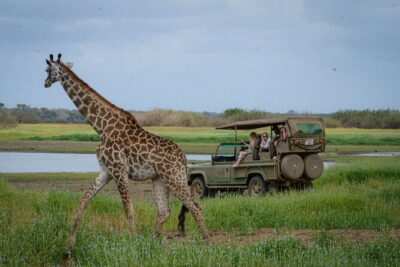
1-Day Selous (Nyerere National Park) Fly-In Safari from Zanzibar
Read our review →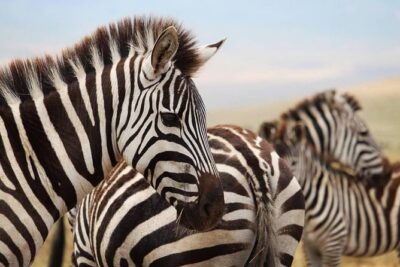
Browse the lists this tour appears in