
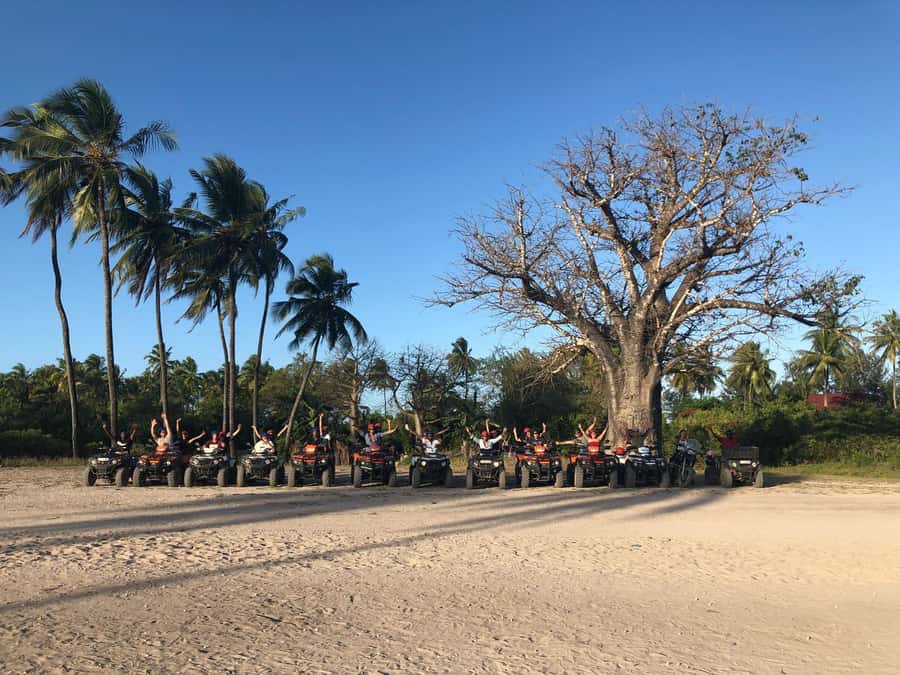
Reviewed · CYCLING TOURS
Zanzibar: Quad Bike Adventure Tour to a Local Village
Zanzibar’s best quad-bike ride is not just about speed. It takes you off the paved road and into rice fields, village lanes, spice plots, and coastal settlements, giving you a close look at daily life beyond the resort belt. You ride through the middle of Unguja, visit a rural community, share fresh fruit, and finish beside the sea.
I like the mix of activities. You get real time on the quad, not just a short photo ride, and the stops have purpose: local homes, farming, spices, and the difference between inland and coastal life. I also like the friendly guide team. Names such as Hussein, Musa, Ibrahim, Poonie, Peno, and Ebra appear in the guiding crew, with Hussein often handling the explanations and others keeping the ride lively.
The main drawback is practical: you may need to make a fuel stop before the ride begins, and one group reported waiting about 30 minutes in the heat. The operator made up the lost time, but Zanzibar sun is not shy. Bring water, sunscreen, and patience.
What makes this Zanzibar quad tour worth considering

- A four-hour route with real variety: Ride on and off road through fields, villages, plantations, and coastal paths rather than circling one small track.
- A one-hour village visit: Spend meaningful time with local families and children instead of simply passing through for a photograph.
- Spice growing in its natural setting: See cinnamon, cloves, lemon grass, and other plants cultivated by village residents.
- Fresh tropical fruit shared locally: Expect madafu and seasonal fruit, with pineapple specifically praised as a memorable treat.
- A beach finish: Reach Pwani Majangani and its fishermen’s village before riding back to the starting point.
- Simple group pricing: The listed price is $153 for one quad carrying up to two people, so the value improves when two people share a bike.
From the Zanzibar Quad Adventure office to the open road

You begin at the Zanzibar Quad Adventure office. The first section follows the main road toward Pwani Majangani for about 4 kilometers, giving you time to settle into the machine before the route leaves the tarmac.
The guides provide instructions before you set off. That matters if you have never used a quad bike, since the ride combines ordinary roads with uneven farm tracks and sand roads. The exact pace depends on the group, but the setup is designed to get everyone moving together.
The tour operates with one rider or two people per quad. One quad can carry a maximum of two passengers, two quads can carry four people, and so on, up to eight quads and 16 people. If you are booking for a group, state the exact number of quads you need, not only the total number of people. Two people sharing one quad is the key point for the price.
The first few minutes may feel more like transport than adventure. That is normal. The interesting part begins when you leave the paved road and enter the fields.
A few more Zanzibar trips to weigh up
- Zanzibar: Quad Bike Adventure departing from Kendwa or Nungwi
★ 4.9 · 1,233 reviews - 1-Day Moshi Villages bike tour
★ 5.0 · 59 reviews - Chagga Villages in Mount Kilimanjaro Cycling Day Trip
★ 5.0 · 42 reviews
Rice fields and a short lesson about island life
The route turns off toward rice fields and inland tracks. Here, the guide stops for roughly 15 minutes to explain how rural communities earn a living, how village life is organized, and how farming shapes the middle part of Unguja.
This stop gives the ride some context. You are not simply looking at palm trees and red soil through a helmet visor. You learn why the fields matter, how village economies differ from the coast, and how much of Zanzibar’s daily life takes place away from the hotel areas.
The ride itself is one of the strongest parts of the experience. You pass farmland, open areas with cattle, and narrow tracks between homes and cultivated plots. The route is scenic, but it is also active. You need to watch the surface, follow the guide, and keep your attention on other quads.
Do not expect a technical off-road course built for jumps or racing. This is a sightseeing ride with enough rough ground and changing surfaces to make it feel adventurous. If your main goal is maximum speed, this may seem tame. If you want to see more of the island while riding, the balance works well.
The village visit and shared tropical fruit
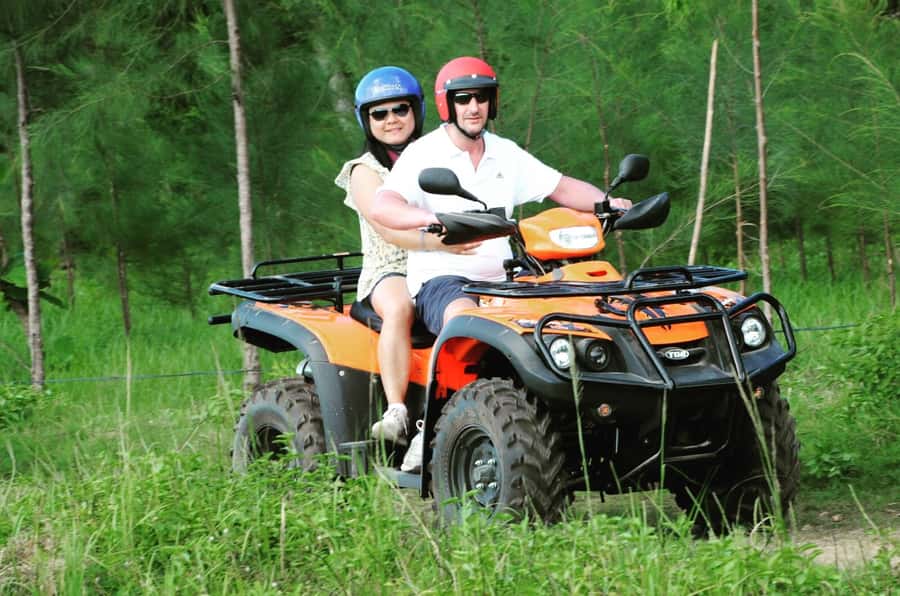
The rural village is the emotional center of the tour. You stay for about an hour, which is long enough to do more than stop, take a picture, and leave.
You have time to meet local residents, spend time with children, and see how people live in the village. The guide helps explain the community and gives you a bridge into the visit. That guidance is useful because a village encounter can feel awkward if you do not know how to begin. A friendly greeting, modest clothing, and a respectful attitude go a long way.
The fruit stop is simple but memorable. The guide offers fresh local fruit, including madafu and seasonal varieties. Pineapple has been singled out as a highlight, but the exact selection depends on what is available during your visit.
You can buy food at a small shop near the start of the route and offer it as a present to the village. This is optional, but it gives you a practical way to arrive prepared. Some people have wished they had brought small items for the children. If you choose to bring something, keep it modest and useful, such as food, coloring books, or small toys. Avoid turning the visit into a public gift-giving show. Ask your guide how to handle anything you bring.
The village visit can also be confronting. You may see poverty more directly than you would from a resort or a standard sightseeing bus. That can feel uncomfortable. The value comes from treating the encounter as a human meeting, not as a display staged for photographs.
Inside a traditional rural home
The stop known as the House of Mad gives you a closer look at a typical rural home. The guide explains aspects of Zanzibarian family life, customs, and everyday routines as you look around the house.
This part works best if you are curious about practical details. How is space used? What does a rural home tell you about local priorities? How does life here differ from the coastal communities you may see later? The guide’s explanation helps connect the building to the wider culture.
Do not expect a museum with polished displays or a formal historical presentation. This is a living village setting. The appeal is the chance to see an ordinary home in context, with a guide explaining what you are seeing.
The tour’s guides have received especially strong praise for clear explanations and good humor. Hussein is often described as the informative member of the team, while guides such as Poonie, Peno, and Ebra have been noted for keeping the atmosphere fun. The exact team can change, but the format calls for a live guide in English or Italian.
Same country, a completely different kind of safari:
- Zanzibar: Prison Island and Nakupenda Boat Trip with Lunch
★ 4.1 · 882 reviews - Skydive Zanzibar | Tandem Skydive
★ 5.0 · 877 reviews - Mnemba Island: Dolphin Swim & Snorkeling with Optional Lunch
★ 4.3 · 591 reviews - Zanzibar: Prison Island & Nakupenda Boat Tour with BBQ Lunch
★ 4.4 · 554 reviews
Cinnamon, cloves, and Zanzibar’s spice country
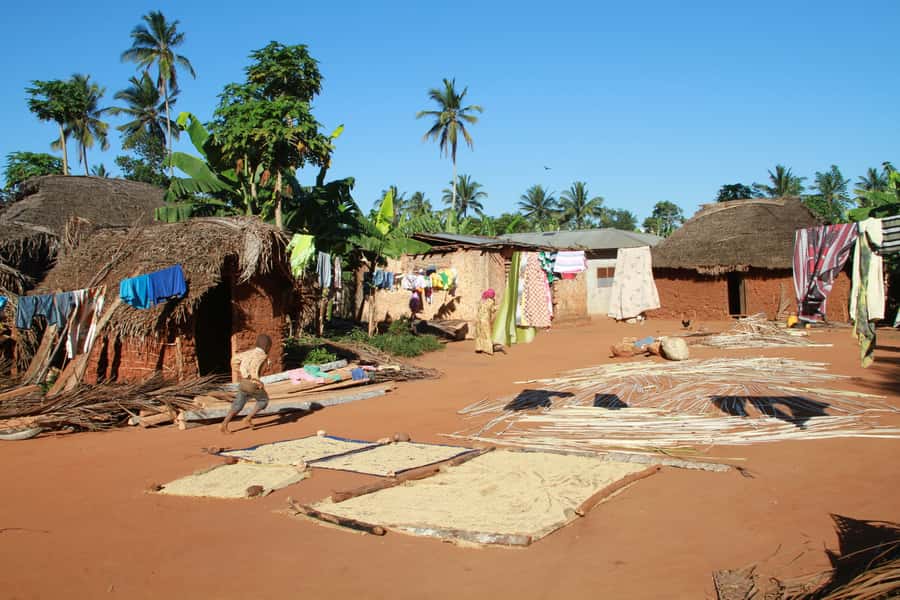
Before leaving the inland village, you visit plantations where local people grow cinnamon, cloves, lemon grass, and other plants.
This is not the large, theatrical spice-farm presentation found on some dedicated spice tours. Here, the plants appear as part of village life and local work. That makes the stop especially useful if you have eaten or bought these spices for years but never seen how they grow.
You learn to connect Zanzibar’s familiar aromas with actual plants in the soil. The visit also shows that spices are not merely a tourist theme. They form part of the local economy and the work of village families.
There may be an opportunity to buy spices, as one account describes purchasing a few during the stop. Treat that as a possibility rather than a guaranteed shopping session. The main point is seeing the crops and hearing how they fit into village life.
The stop is short enough to keep the day moving. If you want a long, specialist lesson about cultivation, processing, and export, book a separate spice tour. If you want a useful introduction during a broader quad ride, this is a good fit.
From inland homes to Pwani Majangani’s fishermen
After the village and plantations, you ride toward Pwani Majangani. This section shifts the focus from inland farming to the coast.
The guide stops at a fishermen’s village to explain how coastal communities differ from rural villages in the center of the island. That comparison gives the route a clear thread. You see two kinds of settlement within one half-day: one shaped by fields, spices, and village agriculture, and another tied to the sea.
The road becomes a sand track passing by fishermen’s houses. You should expect a more informal surface here, with the quad doing the work over the sand. The guide leads the way and controls the pace, but you still need to ride carefully.
The coastal stop is brief, then you continue to the beach. It is not a full beach day with loungers, swimming time, or a seafood lunch. Think of it as a scenic pause and a pleasant final chapter to the ride.
The beach break is valuable because the route does not keep you inland. You get the contrast of farm country and shoreline in one outing, with a few minutes to take photographs before returning to the office.
How much riding do you really get?

The advertised duration is four hours, including instruction, explanations, the village visit, fruit, plantations, coastal stops, and the return ride. You will not spend all four hours continuously driving.
That is a strength if you want a cultural outing with an adventure component. The breaks give your arms and attention a rest, and they make the ride accessible to people who are interested in Zanzibar beyond the machinery.
It is less suitable if you want four hours of uninterrupted quad action. The village stop alone lasts about an hour, and the guide pauses often to explain the area. The tour’s appeal comes from the combination.
Past groups have sometimes lost time at the fuel station before the ride. The heat can make that wait unpleasant. The operator has extended the outing when this happened, but you should still plan for the starting period to be flexible.
Price, group size, and what you receive

The listed price is $153 per group of up to two, calculated per quad. Since one quad carries one or two people, two people sharing makes this roughly $76.50 each before any separate transport costs.
The price includes the quad, fuel, helmet, live guide, and tropical fruit. It does not include pickup and drop-off from accommodation in the Kiwengwa area, so check your transfer plan before booking. You meet at the activity provider’s office rather than automatically being collected from your hotel.
For two people who want both riding and cultural stops, the price is reasonable. You are paying for a half-day route, equipment, instruction, a guide, and access to several settings rather than a short ride around a single field. Larger groups should calculate carefully, since the total rises with each additional quad.
The booking terms are flexible: you can reserve and pay later, and cancellation is free up to 24 hours before the activity for a full refund. Starting times depend on availability.
What to wear and who should skip it
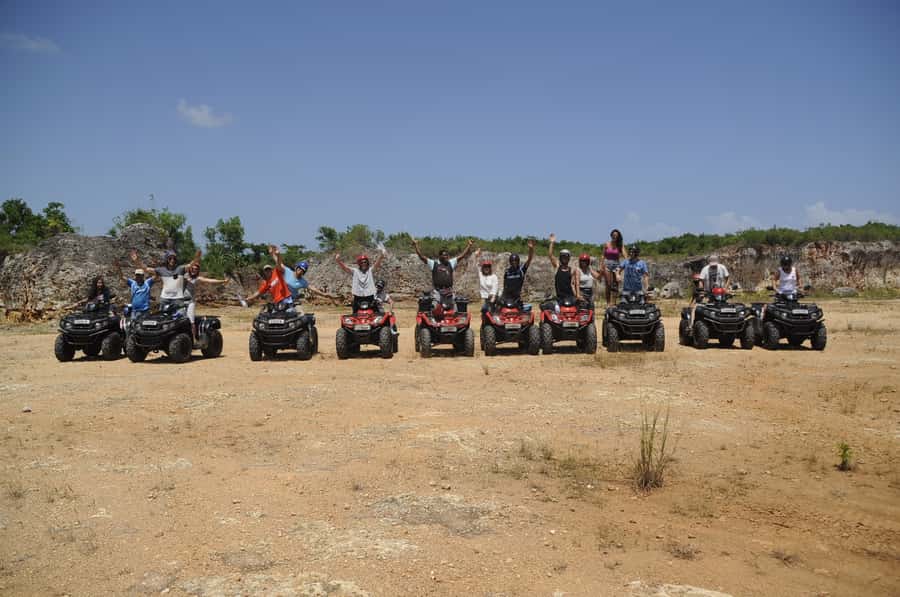
Wear modest clothing suitable for a village visit. Long, light clothing can also help with sun, dust, and the general practicality of riding.
Closed shoes are required. Sandals and flip flops are not allowed, and riding barefoot is not allowed. Bring sunglasses, sunscreen, and a camera or video recorder if you want photographs. Alcohol and drugs are prohibited.
This tour is not suitable for children under three, pregnant women, or people with mobility impairments. The provider does not give a minimum driving experience in the supplied details, so ask before booking if you are unsure about operating a quad.
I would choose this trip for couples, friends, and small groups who want a guided ride with real local contact. It is also a good choice for someone who has already spent enough time on the beach and wants to see farms and villages without committing to a full-day inland excursion.
I would think twice if you dislike heat, dust, uneven roads, or social encounters in poor communities. The visit is not a polished cultural show. That is part of its value, but it also means you should arrive with respect and realistic expectations.
Should you book the Zanzibar village quad tour?
Book it if you want a lively four-hour outing that combines quad riding with village life, spice plants, and a beach stop. The route has enough variety to keep it from feeling repetitive, and the one-hour village visit gives the cultural side real weight.
The strongest reasons to book are the friendly guide team, the clear explanations, the chance to see Zanzibar’s inland economy, and the amount of time spent away from the main road. Sharing a quad with one other person also makes the price easier to justify.
Skip it if your idea of a quad tour means racing, jumps, or nonstop engine time. Also consider another activity if you prefer carefully staged cultural visits or do not feel comfortable entering local homes and meeting village children.
For most active visitors staying in Zanzibar, this is a well-rounded way to see a side of Unguja that a standard beach holiday misses. Just wear proper shoes, protect yourself from the sun, and confirm the number of quads your group needs.
FAQ
How long does the Zanzibar quad bike village tour last?
The tour lasts about four hours, including riding, village and plantation stops, explanations, the coastal visit, and the return to the starting point.
Where does the tour begin and end?
You meet at Zanzibar Quad Adventure, and the activity returns to the same starting point.
How many people can ride one quad?
Each quad can carry one or two people. Group bookings must specify the exact number of quads required. The maximum stated group size is eight quads, or 16 people.
What is included in the price?
The price includes the helmet, petrol, quad bike, live guide, and tropical fruit.
Is hotel pickup included?
Pickup and drop-off from accommodation in the Kiwengwa area are not included. You need to make your own way to the activity provider’s office.
What languages are available, and can I cancel?
The live tour guide is available in English or Italian. You can cancel up to 24 hours in advance for a full refund, and reserve now while paying later.
Just added around Zanzibar
- Zanzibar: Maasai village and Nungwi turtles experience trip★ 4.9 · 16 reviews
- Zanzibar: Mnemba Atoll, Spice farm, Jozani forest & Lunch★ 3.9 · 3 reviews
- Zanzibar: Maasai World Tour with Cultural Practices★ 4.0 · 4 reviews
- Zanzibar: Kendwa Beach Professional Photoshoot★ 5.0 · 5 reviews
- ZANZIBAR: Jozani Forest,Salaam Cave, The Rock & Blue Lagoon★ 4.8 · 8 reviews
- Zanzibar: Jozani Red Colobos Monkey & Salaam Turtle Santuary★ 4.6 · 3 reviews
- Zanzibar: Jozani Forest Walking Tour★ 5.0 · 3 reviews
- Zanzibar: Jozani Forest,Red colobus,the Rock Restaurant tour★ 4.5 · 21 reviews
Cycling Tours, compared.


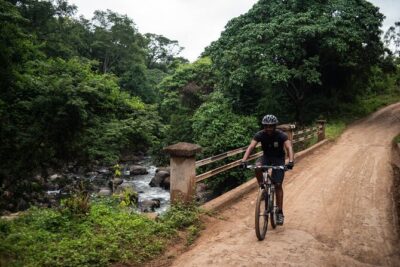
Chagga Villages in Mount Kilimanjaro Cycling Day Trip
Read our review →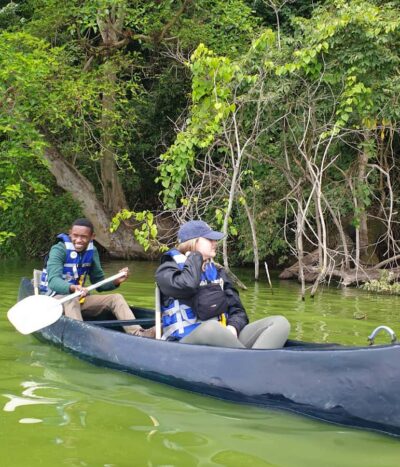
Canoeing/Kayaking &/or Cycling Adventure (with Lunch)
Read our review →

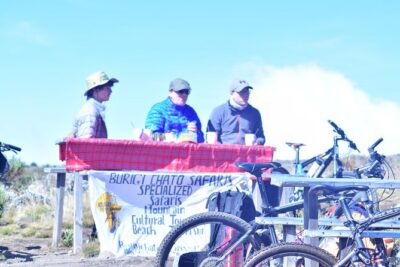
Top 6 Days Mt. Kilimanjaro Bike trek Tour by Marangu-Kilema Route
Read our review →
Browse the lists this tour appears in