
Reviewed · CAMPING SAFARIS
Tanzania Wildlife Safari Budget Camping
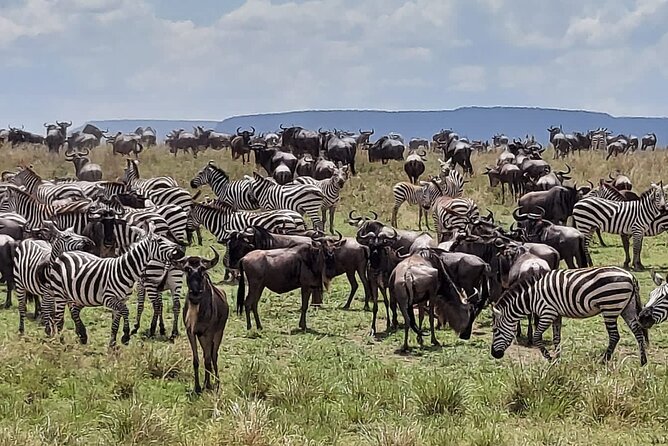
The great appeal here is the sheer variety packed into five days and four nights. You move from baobab country and elephant herds to Lake Manyara’s birdlife, the wide Serengeti, and the wildlife-filled floor of Ngorongoro Crater. It is a fast, full safari, not a slow lodge holiday.
I like the price, $1,155 per person, because it includes transport, park fees, camping, and all listed meals. I also like the human side of the operation: guides such as James and Emmanuel, known for sharp animal spotting, and Vincent, who is praised for quick help before and during trips.
The tradeoff is time. Several days involve about seven hours of driving and game viewing, and the route covers a lot of ground. Budget camping keeps the cost down, but you should be comfortable with basic conditions and long days in a vehicle.
Key points to know before booking
- Four major safari areas in five days: Tarangire, Lake Manyara, Serengeti, and Ngorongoro Crater all make the route.
- Elephants are Tarangire’s headline: Baobab trees and the Tarangire River give the first day a strong visual identity.
- Olduvai Gorge adds human history: The museum and archaeological site break up the drive toward Serengeti.
- The Serengeti gets two game-drive periods: You arrive for an afternoon drive, then set out early the next morning.
- Camping is part of the value: Tents are set up and taken down for you, with a thicker mat and blanket noted as part of the camping arrangement.
- The group can reach 15 people: That may help the price, though a larger vehicle group can feel less private.
A fast route through Tanzania’s Northern Circuit
This safari is designed for people who want the classic northern Tanzania route without paying lodge prices. In five days, you see four famous protected areas, sleep at campsites, eat included meals, and return to Arusha after the Ngorongoro visit.
That speed is both the selling point and the main caution. You are not lingering in one park for several days. Instead, each morning brings a new setting, with long transfers between some stops. I would choose this plan if your time is limited and you want range. If you prefer quiet mornings, longer stays, or a higher level of comfort, the pace may feel demanding.
The trip starts at 7:00 a.m., with the meeting point listed as Arusha Airport. Hotel pickup is offered, so confirm the exact pickup location when you book, especially if you are staying in Arusha rather than arriving at the airport. The group size can reach 15 people, a useful detail for anyone comparing safari prices or deciding how much personal space matters.
More Camping Safaris in Arusha:
- 4 Days Group Camping Safari
★ 5.0 · 1,101 reviews - 5 Days Group Camping Safari
★ 5.0 · 730 reviews - 3 Days Serengeti & Ngorongoro Group Camping Safari
★ 5.0 · 574 reviews
Day 1: Elephants and baobabs in Tarangire
Your first full safari setting is Tarangire National Park. It is especially well known for elephants, and the park’s great appeal is the way the animals fit into a distinctive dry-country setting. Large baobab trees rise above the smaller wildlife, giving you memorable views even before you spot a major herd.
The Tarangire River is important to the day’s wildlife viewing. During the dry period described in the program, the river may be reduced, but it still draws animals from a wide area. Elephants, in particular, are a major reason to begin here. You may see family groups walking slowly through the park, with the trees providing scale.
The day includes a picnic lunch and a game drive, followed by a campsite overnight. The listed duration is about seven hours, though the actual feel of the day depends on driving time, animal sightings, and the route your guide takes. Bring patience. A safari is not a checklist with guaranteed appearances, and the first day is partly about learning how the guide reads the park.
Tarangire also gives you an early taste of budget-safari rhythm: morning collection, road time, wildlife viewing, lunch outdoors, and a night under canvas. The camping arrangement is practical rather than fancy. Information connected with this operation describes tents being set up and taken down for you, with a thicker mat and blanket available. That helps, but you are still choosing camping, not a permanent room.
Day 2: Birdlife, floodplain, and forest at Lake Manyara
After breakfast, you drive to Lake Manyara National Park. This is the shortest listed park day, at about six hours, and it shifts the emphasis from Tarangire’s elephants to birds, water, forest, and open grassy areas.
Lake Manyara is a strong introduction to Tanzania’s birdlife. More than 400 species have been recorded in the park, including flamingos, pelicans, cormorants, and storks. The lake’s alkaline water and changing shoreline create good conditions for water birds, though the exact view depends on season and water levels.
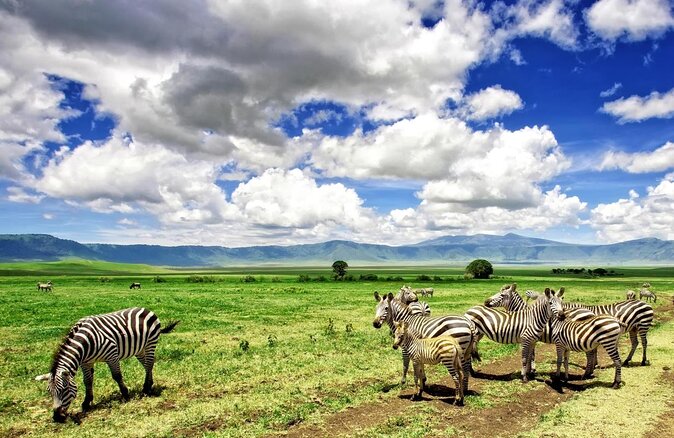
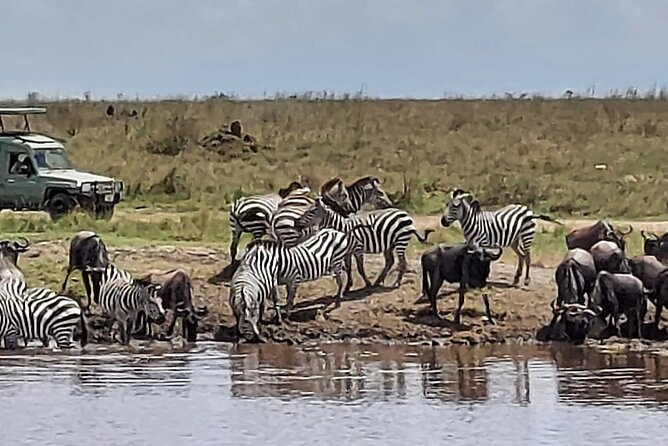
The park is not only about birds. Buffalo, wildebeest, zebra, and giraffes gather on the grassy plains. The setting is especially attractive when you can look across the lake toward the blue volcanic peaks beyond the Maasai Steppe. Forest and floodplain occur close together, so the scenery changes quickly during the drive.
This stop works well as a contrast to Tarangire. If you care about photography, you get more than large mammals here. If you are mainly focused on big cats, Manyara may feel less essential than Serengeti or Ngorongoro. Still, it adds a different habitat and makes the five-day route more varied.
You should also keep expectations realistic about flamingos. The program highlights them, but wildlife and bird concentrations change. Your guide can help identify what you see, but no safari company can promise a particular flock on a particular day.
Day 3: Olduvai Gorge and the first Serengeti game drive
The third day takes you toward Serengeti National Park by way of Olduvai Gorge. This is more than a scenic roadside pause. The site is associated with important evidence of prehistoric humans, and the museum and on-site interpretation give you a useful connection between Tanzania’s wildlife and its human past.
Olduvai Gorge breaks up a long transfer and adds meaning to the route. You are not simply crossing from one park to another. You get time to consider the people who lived in this part of East Africa long before modern safari roads and camps existed.
After the museum visit, you continue to Serengeti, Tanzania’s best-known national park. The afternoon game drive begins on arrival, followed by an overnight at Seronera Public Campsite. The listed duration is about seven hours, so expect a day with substantial road time as well as wildlife viewing.
Serengeti is the point in the trip where open space becomes the main story. The park is famous for large concentrations of mammals, and the broad setting makes animal movement easier to watch from a distance. Your guide’s skill matters here. James is associated with this operation and is praised for strong animal knowledge, while Emmanuel, also called Manu, is known for spotting animals that are easy to miss.
A public campsite can feel more basic than a private lodge or upgraded tented camp. That is part of the lower price. You gain access to a famous park at a much smaller cost, but you give up some privacy and comfort. If you want the best value, I would focus on the quality of the guide and vehicle rather than expecting hotel-style service.
A few more Arusha trips to weigh up
- Balloon Safari & Bush Breakfast in Serengeti – Miracle Experience
★ 5.0 · 1,646 reviews - 7-Day Premium Luxury Tanzania Safari All-Inclusive
★ 5.0 · 426 reviews - 3-Day Classic Serengeti Safari
★ 5.0 · 263 reviews - 8 Days Great Wildebeest Calving Migration Safari from Arusha
★ 5.0 · 254 reviews
Day 4: An early Serengeti drive and the road to Ngorongoro
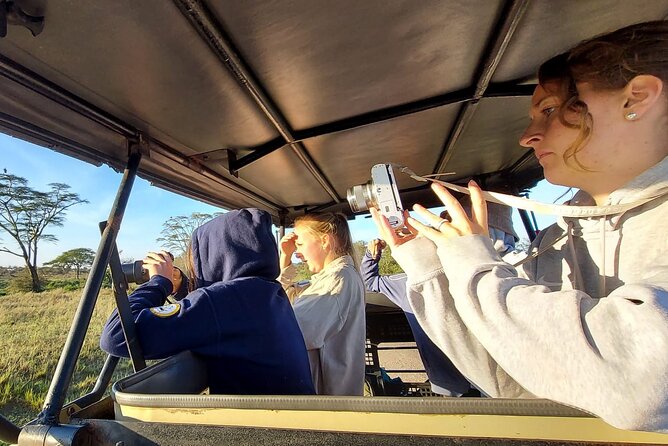
Day four begins with a picnic breakfast and an early morning game drive in Serengeti. This is a smart use of the park’s time. The early hours give you another chance to see animals before you leave, and the program specifically notes the possibility of witnessing hunting behavior.
That possibility needs a sensible reading. You might see a dramatic predator scene, but it is never guaranteed, and nature does not follow a schedule. The value of the early drive is broader than a possible kill. You get another period in the park, another chance at animals missed the day before, and a quieter transition before the road to Ngorongoro.
After the morning drive, lunch is either at the accommodation or as a picnic in the park, depending on the arrangement. Then you travel to the Ngorongoro Crater rim and spend the night at Simba Campsite.
This is another long day, listed at about seven hours. The route is rewarding, but you should not picture four relaxed hours of viewing followed by a short hop. The safari combines driving, park roads, meals, and changes in elevation. Wear comfortable clothing, protect your camera, and keep water close.
The crater-rim campsite is well placed for the next day’s descent. Its main value is location within the five-day plan, not luxury. By this point, you will have spent several nights camping and several days in a safari vehicle. That makes the final crater visit efficient, but it also means fatigue may be a factor.
Day 5: The Ngorongoro Crater finale
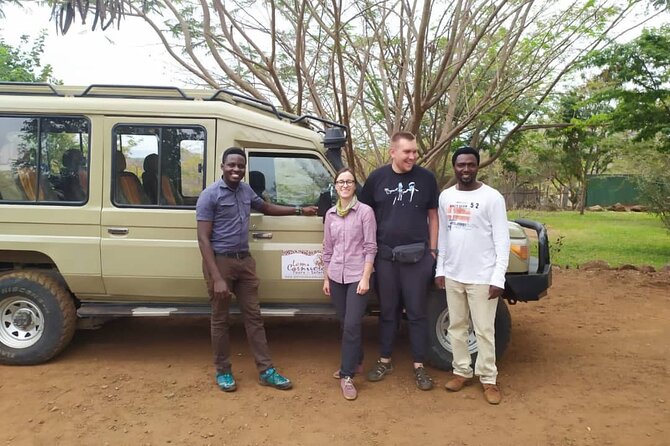
Ngorongoro Crater provides a powerful final day. The crater is a huge caldera formed when an ancient volcano collapsed, leaving a broad enclosed area with fertile soil and permanent water. Those conditions support a dense collection of wildlife in a relatively compact setting.
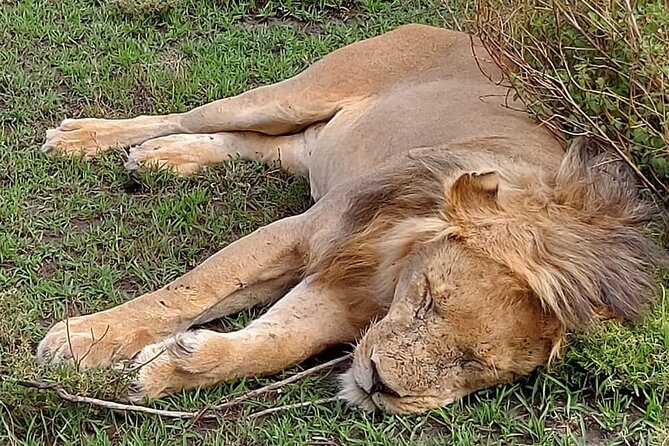
After breakfast, you descend to the crater floor for a game drive. The program highlights rhinoceros, black-maned lions, giant-tusked elephants, and other animals. The enclosed setting can make the day feel different from Serengeti, where the horizon seems to go on without end.
Ngorongoro is also one of the places where the guide’s eyesight and local experience can make a real difference. James is associated with successful sightings of both leopard and rhino, while Emmanuel has been praised for finding a wide range of animals, including the Big Five. Those animals are never guaranteed, but good spotting can turn a passing shape into a memorable sighting.
The crater floor is not the whole day. You must descend and later climb back to the rim, then continue toward Arusha. The listed duration is about seven hours. The final return is useful for anyone with a flight or onward plan, but confirm your timing before booking anything tight. The schedule gives an approximate day length, not a fixed arrival guarantee.
What $1,155 includes, and where the value lies
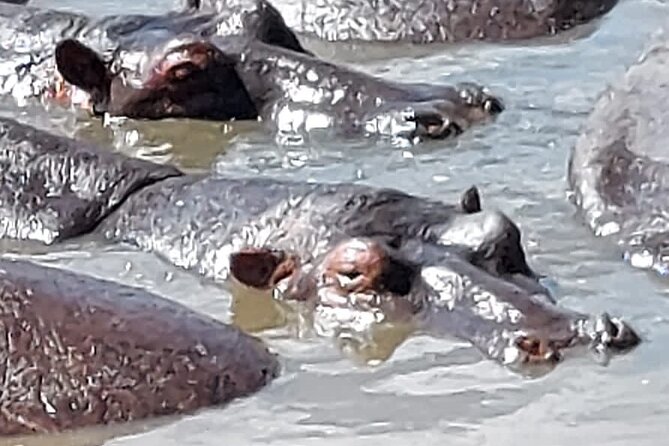
At $1,155 per person, the cost is best judged against the number of major parks covered. The price includes all fees and taxes, breakfast for five days, lunch for five days, and four dinners. It also includes the camping safari arrangement and the park admission listed for Ngorongoro.
That is a substantial package for someone who wants the Northern Circuit in a short window. Park fees alone can make Tanzania expensive, and this route includes Tarangire, Manyara, Serengeti, and Ngorongoro rather than only one or two areas.
The price does not include tips, personal expenses, or a visa. Plan for those separately. Tips are not a small detail on a guided safari, so ask for current local guidance before you leave and carry a way to pay for personal purchases.
The strongest value comes from the combination of park access, meals, guiding, and transport. The weakest point is comfort. You are paying for a working safari with public-campsite nights, not a polished lodge circuit. If the main goal is seeing wildlife and covering ground, that tradeoff makes sense. If sleep, privacy, and slower pacing matter most, you may want to compare a longer or more comfortable option.
Guides, group size, and the practical feel
The company is Lem Carnivores Tours. Vincent is associated with trip organization and has been praised for quick communication, help with onward arrangements, and checking in during the safari. That kind of contact matters in Tanzania, where a small change in road conditions, timing, or accommodation can affect the day.
Guides named in connection with the safari include James and Emmanuel, known as Manu. The available information points to three useful strengths: animal spotting, natural-history explanation, and direct help when plans need attention. Guide assignments can vary, so ask who will lead your specific departure if that is important to you.
The maximum group size is 15. A larger group can make a major route more affordable, but it may also mean less control over stopping time and seating. Before booking, ask how the vehicle is arranged and how many people are expected on your departure. The mobile ticket and pickup option make the start simple, but confirm whether you will be collected at your hotel or meet at Arusha Airport.
Most people can participate, and the experience is listed near public transportation. The key physical issue is not a special activity but the long days, repeated vehicle rides, and basic camping. You should be ready for early starts and changing conditions.
Who should book this camping safari?
I would recommend it to a first-time safari visitor who wants the classic highlights and has only five days. It suits couples, small groups, and budget-minded people who would rather spend money on park access than on a lodge room.
It also suits anyone who values variety. Tarangire gives you elephants and baobabs. Manyara brings birds and a lake setting. Serengeti offers broad plains and two game-drive periods. Ngorongoro provides a concentrated final look at wildlife. Few short itineraries cover such different settings.
I would hesitate if you dislike camping, need a quiet schedule, or want several unhurried days in one park. The route is ambitious. You will spend a good deal of time moving between areas, and the four-night camping format asks you to accept simple conditions.
The safari has free cancellation if you cancel at least 24 hours before the local start time. Changes or cancellations inside that window are not accepted for a refund, so check your plans before the cutoff.
Should you book it?
Book this safari if your priority is maximum Northern Circuit coverage at a controlled price. The route gives you the major names, includes meals and park costs, and puts real emphasis on guides who can find animals rather than simply drive you through the parks.
Before paying, confirm three things: your exact pickup point, the camping setup for your departure, and the expected group size. If you accept long days and basic nights, this is a strong five-day introduction to Tanzania’s wildlife. If you want more comfort or a slower pace, spend the same budget over fewer parks instead.
FAQ
How long is the Tanzania Wildlife Safari Budget Camping experience?
The safari lasts approximately five days and includes four nights of camping.
Which parks and sites are included?
The route includes Tarangire National Park, Lake Manyara National Park, Serengeti National Park, Olduvai Gorge, and Ngorongoro Crater.
Where does the safari start?
The listed meeting point is Arusha Airport in Arusha, Tanzania, with a 7:00 a.m. start time. Pickup is offered, so confirm the exact collection point when booking.
What meals are included?
Breakfast is included for five days, lunch for five days, and four dinners are included.
What is not included in the price?
Tips, personal expenses, and a visa are not included.
What is the maximum group size?
The activity can have a maximum of 15 participants.
Can I cancel for a full refund?
Yes, you can cancel for a full refund if you cancel at least 24 hours before the experience start time. Cancellations or changes made less than 24 hours before the start are not accepted for a refund.
More Wildlife in Arusha
- Tanzania Wildlife Encounters – 6 Days
★ 5.0 · 277 reviews - 6 Day Tanzania Wildlife Mid range Safari
★ 5.0 · 54 reviews - 5 Days 4 Nights Tarangire, Serengeti , Ngorongoro & Manyara Wildlife Safari
★ 5.0 · 40 reviews - 4 Days Wildlife Safari and Cultural Experience in Tanzania
★ 5.0 · 23 reviews
Just added around Arusha
- 8 Days Serengeti Migration safari★ 5.0 · 11 reviews
- tarangire, ngorongoro & lake manyara park 3 days private tour★ 5.0 · 11 reviews
- tarangire & ngorongoro 2 days tour★ 5.0 · 14 reviews
- Mt. Kilimanjaro: Shira plateau to Cathedral point 3872m Day hike★ 5.0 · 7 reviews
- serengeti, ngorongoro & tarangire 4 days private tour★ 5.0 · 18 reviews
- serengeti & ngorongoro 3 days private tour★ 5.0 · 15 reviews
- climb the KILIMANJARO via Lemosho route★ 5.0 · 4 reviews
- 2 Days Tanzania Midrange Group Join Safari★ 5.0 · 7 reviews
Camping Safaris, compared.



3 Days Serengeti & Ngorongoro Group Camping Safari
Read our review →
5 Days Camping Tarangire, Serengeti & Ngorongoro crater & Visiting Maasai
Read our review →
2 Days Tarangire and Ngorongoro Group Camping Safari
Read our review →

3 Days Tarangire, Ngorongoro & Lake Manyara Group Camping Safari
Read our review →
5-Day private Camping Safari Tour in Tanzania
Read our review →Browse the lists this tour appears in