
Reviewed · WORKSHOPS
Arusha: Maasai-style Beaded Jewelry Lesson
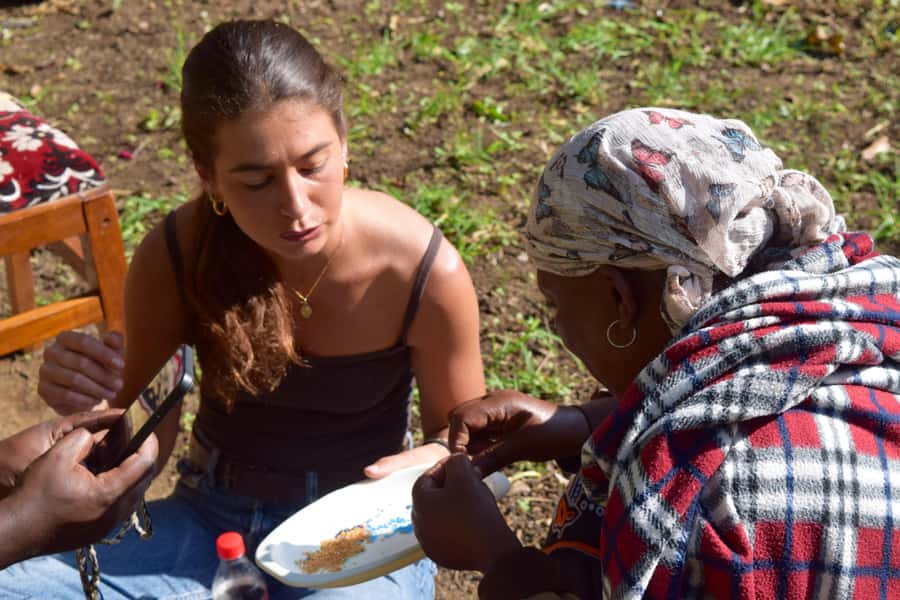
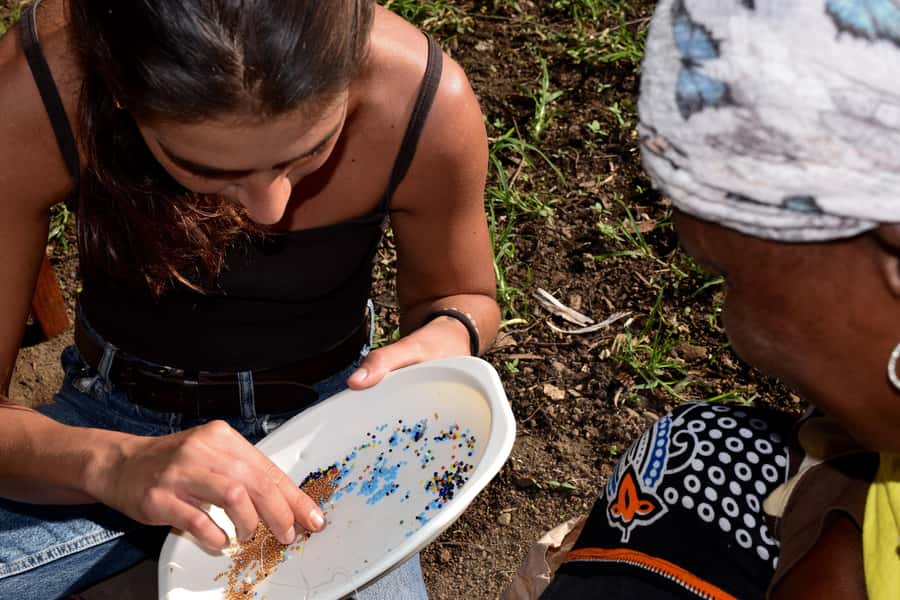
The best part of this Arusha experience is simple: you sit with a local artisan, handle the beads yourself, and leave with jewelry you made by hand. At Mama Aziz Homestay in Sanawari, the lesson feels more personal than a quick souvenir stop, since the setting is a local home and the skill stays with you.
I like the choice of projects, from a small bracelet or anklet to a necklace or custom design. I also like the optional homemade brunch, especially for anyone with dietary needs. The main thing to consider is the length: four to five hours is a sizeable block of your Arusha day, and the $20 price covers the bead lesson, while transport and brunch are optional extras.
Key points to know before booking
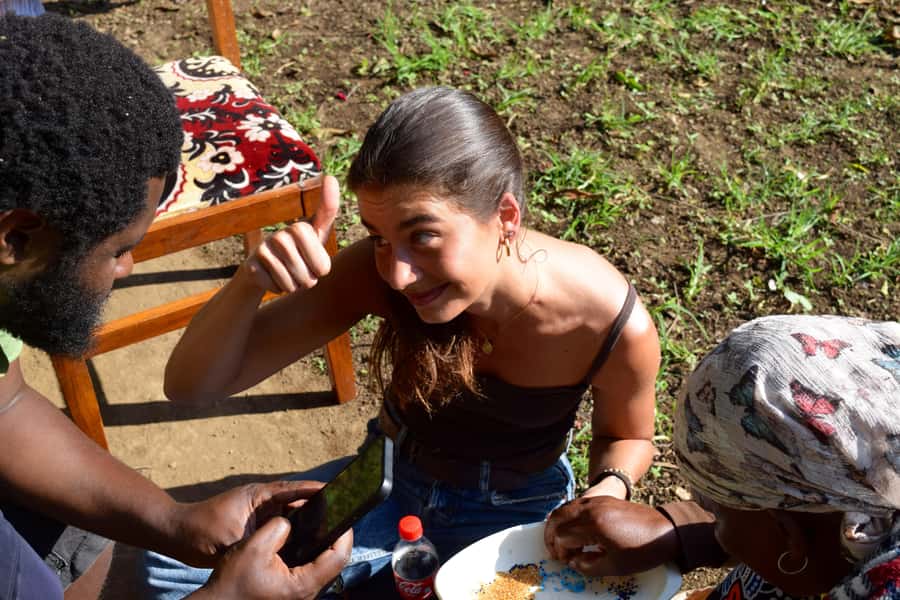
- Learn by making: You create a bracelet, necklace, anklet, or custom piece rather than only watching a demonstration.
- Meet at a local home: Mama Aziz Homestay in Sanawari gives the lesson a more personal setting than a standard workshop.
- Work with a local artisan: Instruction is available in English and Swahili.
- David may add to the visit: He is part of the hosting team and has been praised for keeping the session fun and entertaining.
- Brunch can make it a half-day outing: Homemade food is available, with diets catered for.
- Transport can simplify the day: Hotel or residence pick-up and drop-off are offered as optional services.
Making jewelry at Mama Aziz Homestay
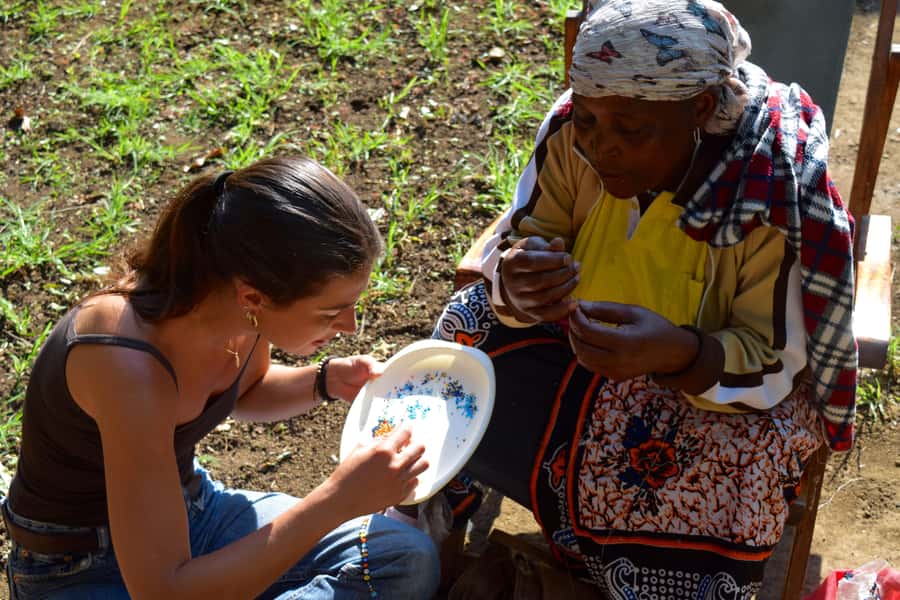
You begin at Mama Aziz Homestay in Sanawari, an area of Arusha that gives the activity a home-based setting. That detail matters. You are not being moved through a large craft outlet or asked to choose from finished goods behind glass. You are there to learn a process from a local artisan.
The central activity is a Maasai-style beading lesson. You choose what to make, then work through the design with guidance. Your options include a bracelet, necklace, anklet, or a custom piece. That range lets you match the project to your patience, your taste, and the amount of time you want to spend on detailed work.
I would suggest a bracelet if you want a straightforward first project or need to keep an eye on the clock. A necklace or custom design gives you more room to create something personal, but it may require more decisions and more beadwork. The exact bead selection and design choices are not specified, so you should treat the session as a guided craft lesson rather than a fixed model-making class.
The result is useful in two ways. You take home a piece of jewelry, and you also learn a method you can use again. That makes the $20 lesson more than a purchase of a finished souvenir. You are paying for time with an artisan, materials for your project, and a skill that can continue to interest you after you leave Tanzania.
A few more Arusha trips to weigh up
- NGO Lifted Strong – Traditional Tanzanian Cooking Class
★ 5.0 · 39 reviews - Arusha: Traditional Tanzania Cooking Class & Food Market Tour
★ 5.0 · 34 reviews - Cooking and Sewing & Jewelry Workshops in Arusha
★ 5.0 · 14 reviews
Why the hands-on format works
A craft lesson gives you a slower look at local culture than a quick photograph or shopping stop. You have time to focus on the work, ask questions, and see how color, pattern, and repetition shape the finished piece.
The phrase Maasai-style is important. The activity teaches a style of beadwork, but the supplied information does not say that the instructor is Maasai or that each design has a specific ceremonial meaning. I would enjoy the class for the making and the local connection, while avoiding claims about symbolism unless the artisan explains it during your visit.
You also control the pace of your project to some degree. A finished bracelet may come together more easily than a larger custom piece. If you are traveling with children or with friends who have different levels of interest in crafts, the choice of project helps keep the activity flexible.
The class is also a good break from a tightly packed safari schedule. Safaris and city tours often keep you moving. Here, the point is to sit down and use your hands. That change can be welcome, though you should not book it on a day when you need to rush to an airport, lodge, or timed excursion.
The role of the local artisan and David
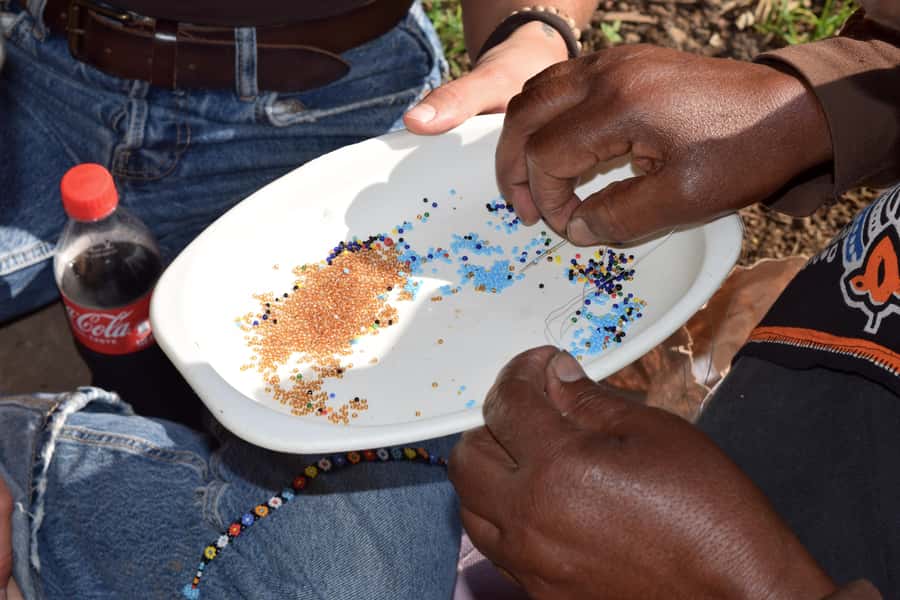
The teaching is led by a local artisan, with English and Swahili available. That makes the activity workable for English-speaking visitors, while the use of Swahili keeps the setting tied to local communication rather than making it feel designed only for tourists.
A guide called David is also connected with the experience. He has been noted for helping create an entertaining visit, so you may find that the day includes conversation and humor alongside the beadwork. The information does not provide a full biography or formal title for David, so I would think of him as part of the hosting team rather than assume he is the bead artisan himself.
That human element is one of the strongest reasons to book. The craft gives you something to do, but the welcome and attention from the people hosting you shape how comfortable the visit feels. One strong point in the available feedback is the sense of being well cared for and having fun together. For a home-based experience, that kind of personal attention matters.
Still, a small cultural activity depends on the people present that day. The exact flow may vary with the artisan, the group, and the selected design. If you prefer a highly scripted class with a fixed start, fixed pattern, and exact end time, this may feel more informal than you expect.
Adding a homemade brunch in Sanawari
You can add a homemade brunch to the visit. This turns the bead lesson into a fuller half-day outing and may be a good choice if your hotel breakfast is early or you want a meal tied to the local setting.
The food option is especially practical for people with dietary restrictions because all diets are catered for. You should still share your requirements when booking or arranging the activity. The available information does not name the menu, so do not book this expecting a particular dish or meal style.
I like the brunch option because it gives the visit a natural pause. Beadwork takes concentration, and a meal can make the experience feel less like a class and more like time spent in a home. It also gives you another reason to choose the activity if you want a cultural stop that includes food but does not center on a formal restaurant.
Brunch is optional, so the base price should not be read as including it. Ask for the current cost when you reserve. The same applies to transport.
Same country, a completely different kind of safari:
- Balloon Safari & Bush Breakfast in Serengeti – Miracle Experience
★ 5.0 · 1,646 reviews - Tanzania Classic – 7 Days
★ 5.0 · 1,151 reviews - 4 Days Group Camping Safari
★ 5.0 · 1,101 reviews - 5 Days Group Camping Safari
★ 5.0 · 730 reviews
Hotel pick-up and drop-off
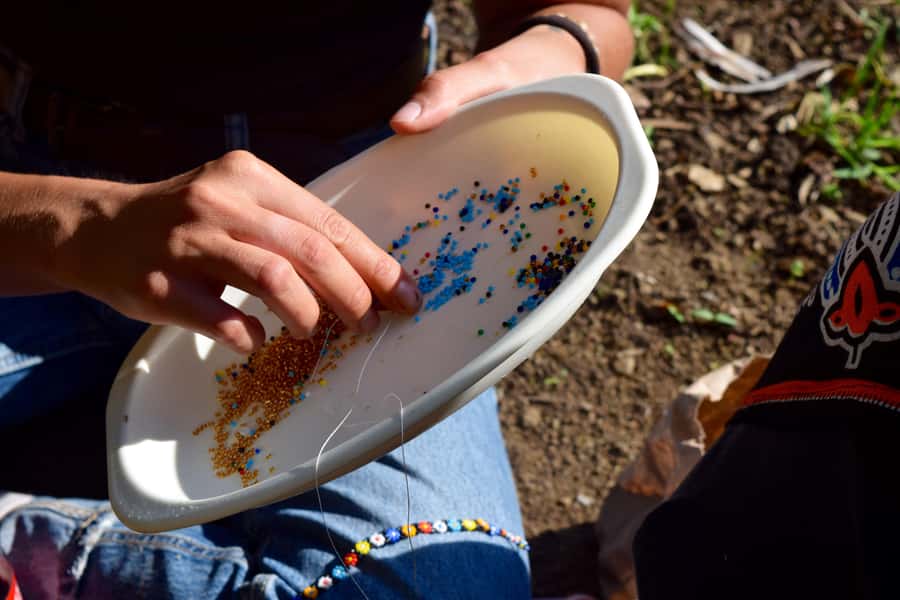
Optional pick-up and drop-off from your hotel or residence can remove one of the main practical problems of a home visit: finding the address and arranging a return ride. If you are new to Arusha, traveling with children, or carrying luggage between bookings, that convenience may be worth paying for.
Transport is not part of the required bead lesson. Confirm the price, meeting point, and timing before you go. The activity description says that transport is offered, but it does not give a fixed transfer fee or a list of every covered area.
If you arrange your own ride, keep the activity location handy and allow time for traffic and navigation. The visit lasts four to five hours, and that figure should not be treated as including the time needed to reach Sanawari. Pick-up can make the schedule easier, but you still need to confirm the collection time.
The home setting is part of the appeal, yet it also means the experience may not have the signs and formal check-in system of a major attraction. Clear arrangements matter. Ask where the driver will meet you and who to contact if your plans change.
What the four to five hours may feel like
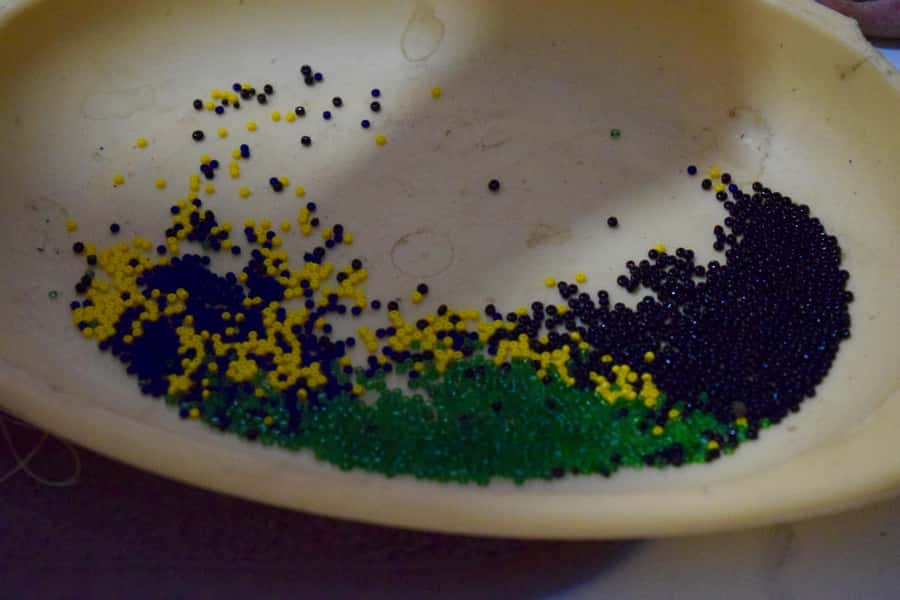
The total duration gives you room to settle in, learn the basic method, choose a design, and finish a piece without treating the class like a rushed souvenir purchase. It also allows space for conversation and, if selected, brunch.
The exact order is not provided, so I would expect the session to center on these practical stages:
- Arriving at the homestay and meeting the host or artisan
- Learning the basic Maasai-style beading method
- Selecting a bracelet, necklace, anklet, or custom design
- Building the piece with guidance
- Finishing the jewelry and taking it home
- Having brunch if you added the meal
Your own design choice will affect how quickly the work progresses. A small bracelet may suit someone who wants a clear, manageable project. A custom necklace can be a better fit if you enjoy careful handwork and want a larger keepsake.
Because no group size is given, you should ask how many people will attend on your date. A small group would likely allow more direct help, while a larger class could mean waiting for assistance. That is not a stated problem, but it is a useful question for anyone who wants close instruction.
Is $20 good value?
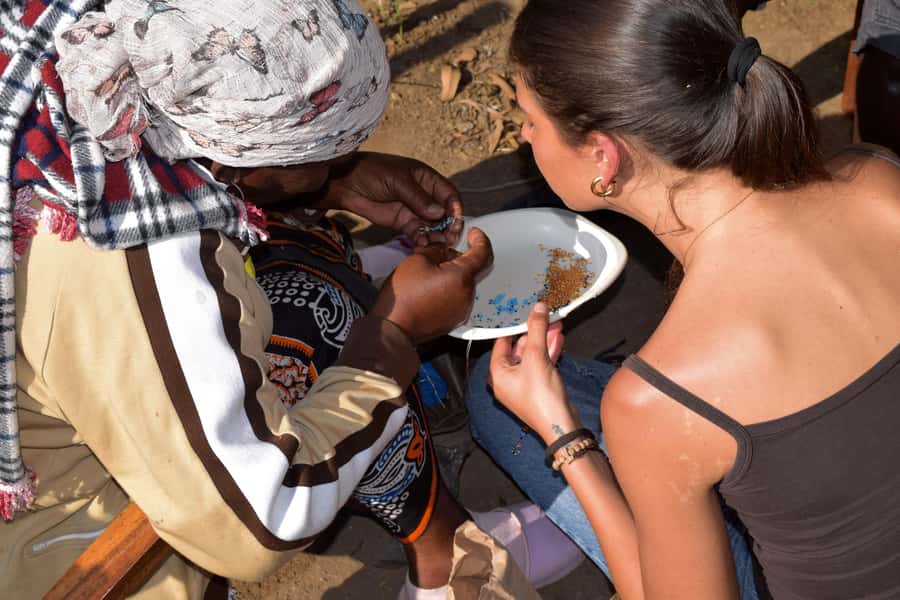
At $20 per person, the bead lesson is priced within reach for most visitors to Arusha. The value depends on what you want from a cultural activity.
If you only want a cheap souvenir, buying a finished bracelet may take less time. But that purchase would not give you the lesson, the time at the homestay, or the ability to make similar jewelry later. I see the $20 as fair for a hands-on class that produces something you can keep.
The value improves if you enjoy creative work and want a slower local experience. It is less compelling if you dislike repetitive handwork or want a short activity between major tours. Four to five hours is long for a casual stop, so the time commitment should be part of your calculation.
Remember that transport and brunch are optional. The advertised $20 should be understood as the price for the bead lesson per person, not automatically as an all-inclusive half-day package. Get the added costs before confirming so you can compare the final total with other Arusha activities.
Who should book this activity?
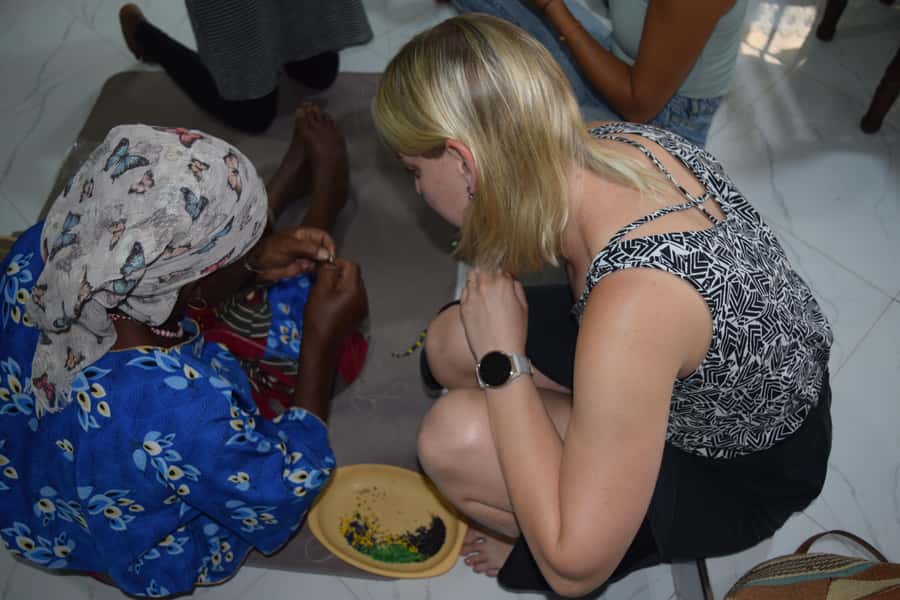
I would recommend it to you if you want a personal cultural activity, enjoy making things, or prefer taking home an object with a story behind it. It suits solo visitors, couples, families, and friends who are happy to spend several hours at a relaxed pace.
It may also work well for a mixed-age group because the project can be a bracelet, anklet, necklace, or custom item. The available information does not set an age minimum, though younger children may need help with small beads and careful handwork.
The English and Swahili instruction makes communication easier, and the wheelchair accessibility is a useful feature for visitors who need an accessible activity. You should still confirm the specific access arrangements for transport and the homestay, since the information does not describe doorways, washrooms, seating, or the route inside.
I would be more cautious about booking if your Arusha schedule is already full. The four to five hour duration, plus transport time, can take up much of a day. I would also ask about the design process if you want a lesson with set cultural explanations rather than a practical bead-making workshop.
Booking details that affect your decision
You can cancel up to 24 hours before the activity for a full refund. That gives you some room to adjust a safari schedule or respond to changes in your plans.
A reserve-now, pay-later option is also available. You can hold a place without paying at the time of booking, which is useful when you are arranging several activities before your Tanzania trip is fully settled.
Check the available starting times because the class does not list one fixed departure time. You should also confirm whether you want brunch and transport before the day of the activity. Both are optional, and neither should be assumed to be included in the $20 lesson price.
The activity is provided by Adventure Bats. The supplied details give the location as Arusha Region and the workshop setting as Mama Aziz Homestay in Sanawari.
Should you book the Maasai-style beading lesson?
Book it if you want to slow down, meet a local artisan, and make a useful keepsake rather than simply buy one. The strongest reasons are the hands-on format, the choice of jewelry projects, the home setting, and the option to add a homemade brunch that can suit all diets.
Think twice if you have only a few free hours or if craft work does not appeal to you. The $20 price is attractive, but the lesson lasts four to five hours, and optional transport and brunch add to the total.
For the right visitor, this is a warm, practical way to spend part of an Arusha day. You leave with a bracelet, necklace, anklet, or custom piece, but the real value is knowing how you made it.
FAQ
Where does the beading lesson take place?
The lesson takes place at Mama Aziz Homestay in Sanawari, in the Arusha Region of Tanzania.
How much does the experience cost?
The listed price is $20 per person for the bead lesson. Transport and brunch are optional, so confirm their additional prices before booking.
How long does the activity last?
The experience lasts four to five hours. Check availability for the starting times offered on your date.
What can I make during the class?
You can make a bracelet, necklace, anklet, or a custom design.
Is brunch included?
Brunch is optional and is not part of the required bead lesson. Homemade brunch is available, and all diets are catered for.
Is hotel transport included?
Hotel or residence pick-up and drop-off are offered as an optional transport service. Confirm the cost and arrangements when booking.
Which languages are available?
The instructor and activity support English and Swahili.
Is the activity wheelchair accessible?
Yes, the activity is listed as wheelchair accessible.
Can I cancel for a full refund?
Yes. You can cancel up to 24 hours in advance for a full refund.
Do I have to pay when I reserve?
No. A reserve-now, pay-later option lets you book your place and pay later.
Just added around Arusha
- 8 Days Serengeti Migration safari★ 5.0 · 11 reviews
- tarangire, ngorongoro & lake manyara park 3 days private tour★ 5.0 · 11 reviews
- tarangire & ngorongoro 2 days tour★ 5.0 · 14 reviews
- Mt. Kilimanjaro: Shira plateau to Cathedral point 3872m Day hike★ 5.0 · 7 reviews
- serengeti, ngorongoro & tarangire 4 days private tour★ 5.0 · 18 reviews
- serengeti & ngorongoro 3 days private tour★ 5.0 · 15 reviews
- 2 Days Tanzania Midrange Group Join Safari★ 5.0 · 7 reviews
- climb the KILIMANJARO via Lemosho route★ 5.0 · 4 reviews
Workshops, compared.

Half-Day Kuza Cave Swimming Adventure and Cooking Class
Read our review →
NGO Lifted Strong – Traditional Tanzanian Cooking Class
Read our review →

Traditional Tanzania Cooking Class & Food Market Tour
Read our review →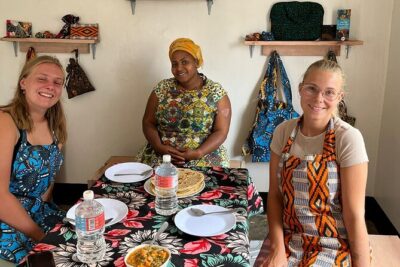
Cooking and Sewing & Jewelry Workshops in Arusha
Read our review →
Mnemba Dolphin Tour, Clear Kayak, Cooking Class, Horse Riding
Read our review →Browse the lists this tour appears in