
Reviewed · CAMPING SAFARIS
4 days Tanzania Camping Safari
Tarangire’s elephants, the Serengeti’s predators, and Ngorongoro’s crater floor make this four-day safari a compact introduction to Tanzania’s northern circuit. You spend long hours in a safari vehicle, sleep in mobile tents, and move through three very different wildlife areas.
I like the strong value: park fees, camping gear, meals, water, and airport transfer are included in the $950 price. I also like the chance to share the trip with up to 14 other people, which keeps the cost down and can make camp life sociable. The tradeoff is a demanding schedule with long drives, basic camping, and some uncertainty over the exact accommodation setup, so confirm those details before paying.
Key points to know before booking
- Three major parks in four days: Tarangire, Serengeti, and Ngorongoro all appear on the route.
- Guide Abouh is specifically named: He is praised for animal knowledge, route familiarity, and a friendly manner.
- Camping keeps the price low: Sleeping bags, mattresses, meals, and at least three liters of bottled water per day are included.
- A Maasai village visit costs extra: The optional visit has a stated $20 entrance fee.
- Expect long safari days: Most game-drive sections last about six hours, often beginning early.
- The group can reach 15 people: This suits social, budget-minded visitors more than anyone seeking a private safari.
Why this route works so well in four days
This trip packs Tanzania’s best-known wildlife areas into a short run from Arusha. You do not get a slow, leisurely safari, but you do get a useful contrast between Tarangire’s elephant country, the open Serengeti, and the enclosed wildlife world of Ngorongoro Crater.
The route is also practical for a first safari. You see large herbivores, big cats, birds, dramatic scenery, and a Maasai cultural option without arranging separate transport between parks. The schedule makes good use of the northern circuit, though you should expect early breakfasts, dusty roads, and several hours in the vehicle each day.
The price is $950 per person. That is not simply a fee for game drives. It covers park entrances and taxes, camping equipment, three breakfasts, four lunches, three dinners, bottled water, and an airport transfer. Those included costs matter in Tanzania, where park charges and food can add up quickly.
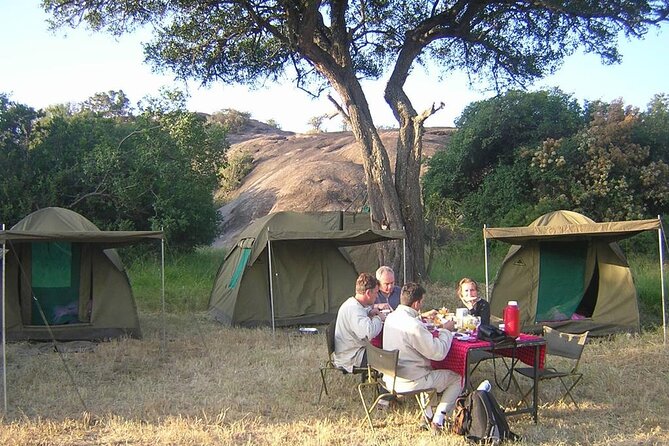
Still, this is a budget trip. The description promises mobile tents, not permanent luxury tents or high-end lodges. Some trip feedback refers to comfortable lodges, while the stated package centers on camping equipment, so I would ask exactly where you sleep each night and what kind of tent is supplied.
More Camping Safaris in Arusha:
- 4 Days Group Camping Safari
★ 5.0 · 1,101 reviews - 5 Days Group Camping Safari
★ 5.0 · 730 reviews - 3 Days Serengeti & Ngorongoro Group Camping Safari
★ 5.0 · 574 reviews
Day one: elephants and big game in Tarangire
The safari begins with pickup at Arusha Airport at 7:30 a.m. The first major stop is Tarangire National Park, where you spend about six hours on a game drive.
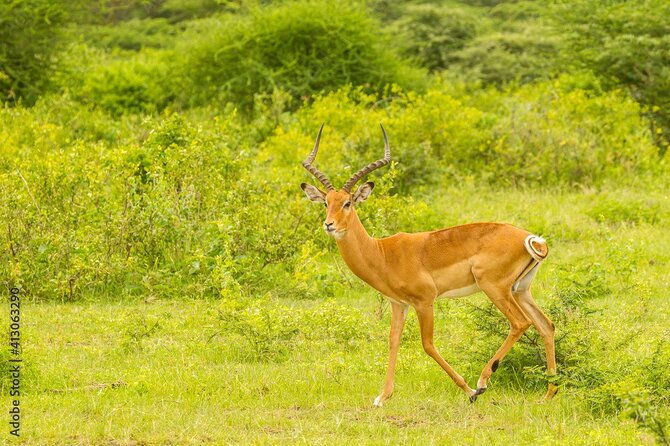
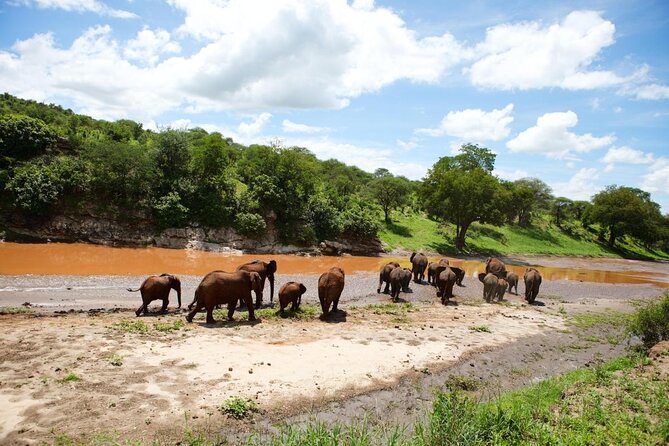
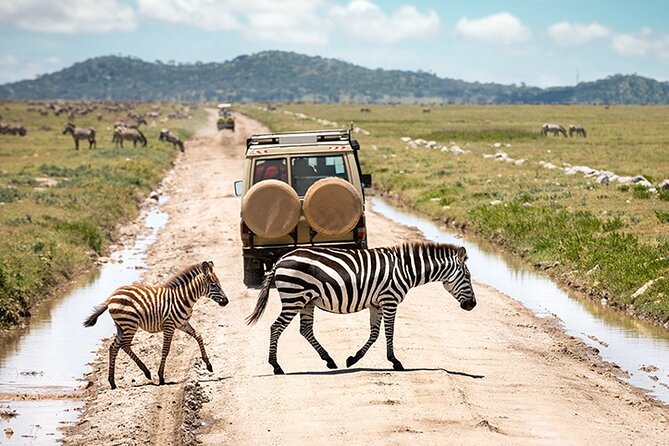
Tarangire is a good opening act because it can offer close views of large animals. Elephants are a major draw, and you may also see wildebeest, buffaloes, zebras, and gazelles. Lions, cheetahs, and leopards are listed as possible sightings, though no safari can promise a particular animal.
I like the way this first day gets you into the parks quickly. You are not spending the opening day on a short orientation drive or a long transfer with no wildlife time. Instead, the plan gives you a full game-drive block, which is where the real value of a safari lies.
The drawback is the early start and the amount of ground covered. Pickup from Arusha Airport is useful if you are arriving that morning, but you should make sure your flight lands early enough for the 7:30 a.m. meeting time. The supplied information does not state a later hotel pickup time or a different start option.
Lunch is included, and the trip specifically makes an outing of eating in the safari setting. That can be one of the memorable parts of the day, but keep your expectations practical: this is a mobile camping safari, not a restaurant-based tour.
Day two: the Ngorongoro viewpoint and the long run to Serengeti
Day two begins around the Ngorongoro Conservation Area. The first stop is the Ngorongoro viewpoint, where you have about 20 minutes to look across the crater.
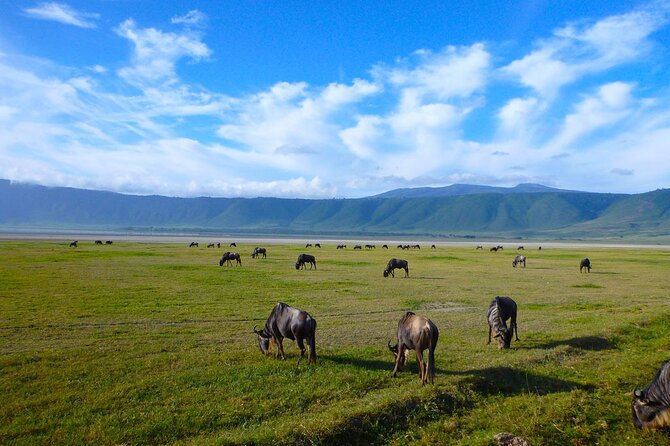
The view is one of the trip’s strongest scenery stops. From above, the crater reads as a huge natural bowl, and the short stop gives you a quick sense of its scale before the route continues. Twenty minutes is enough for photographs and orientation, but not enough for a relaxed walk or extended time at the viewpoint.
The itinerary then offers an optional visit to a Maasai village for about 45 minutes. The stated entrance fee is $20, paid separately. This is a useful choice for anyone interested in local culture, but it should be approached respectfully and with realistic expectations. The visit is brief, and it is not a substitute for learning about every part of Maasai life.
The description references traditions such as lion hunting and drinking animal blood, while also noting that many of these customs are now in the past, apart from blood drinking. Treat that wording as a starting point rather than a complete cultural explanation. If you join the visit, listen carefully and avoid reducing a living community to a few dramatic stories.
Later, you continue to Serengeti National Park and reach the Seronera area, the central part of the park. The plan allows roughly six hours for an afternoon and late-evening game drive, followed by camp.
This is an ambitious day. You get the crater viewpoint, an optional cultural stop, a long transfer, and a substantial game drive. The reward is arriving in central Serengeti with time to look for animals and watch the sunset, but you should be ready for a tiring stretch.
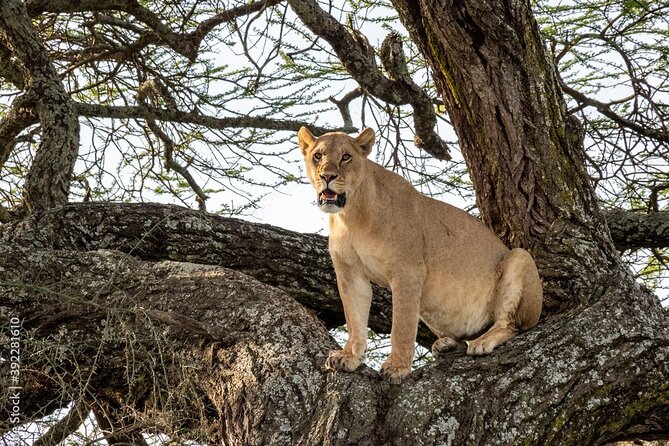
Seronera is important because it is a central wildlife area, and the plan puts you there at a useful time of day. You may see herbivores and, with good timing, a predator hunting or feeding. The seasonal migration may also be present, but its exact location changes throughout the year, so no fixed sighting should be expected.
The night is at a Seronera campsite. The information says animals can sometimes be seen around camp, including hyenas, and that active rangers provide protection. That does not mean you should wander around after dark. Follow camp instructions, stay with your guide, and treat every wild animal as wild, even when it appears far away.
Day three: Serengeti wildlife before the crater campsite
The third day starts with an early breakfast and an early game drive. This is the right rhythm for a safari because animals may be active early, and the cooler morning can be more comfortable than the midday heat.
The planned wildlife time is about six hours. After the morning drive and lunch, you continue out of the Serengeti toward Simba Campsite near Ngorongoro.
The route description uses Ngorongoro Crater as the day three stop heading, but the actual plan describes leaving the Serengeti and driving toward the crater campsite. That distinction matters. Your main crater-floor game drive comes on day four, not on this day.
This is another long day in the vehicle, but it gives you one more chance to see Serengeti wildlife before leaving the park. You may spot animals even around campsites, although the main purpose of the campsite is rest and positioning for the next morning.
The camping gear supplied includes a sleeping bag and sleeping mattress. Meals are covered, and bottled water is supplied at three liters or more per person per day. That is helpful in a hot, dusty environment, though you should still bring personal items such as clothing, toiletries, and any preferred snacks.
The description does not spell out whether staff pitch the tents, what washroom facilities are available, or how many people share each tent. Those are sensible questions to ask before departure. They affect comfort more than the headline price does.
A few more Arusha trips to weigh up
- Balloon Safari & Bush Breakfast in Serengeti – Miracle Experience
★ 5.0 · 1,646 reviews - 7-Day Premium Luxury Tanzania Safari All-Inclusive
★ 5.0 · 426 reviews - 3-Day Classic Serengeti Safari
★ 5.0 · 263 reviews - 8 Days Great Wildebeest Calving Migration Safari from Arusha
★ 5.0 · 254 reviews
Day four: the Ngorongoro Crater floor
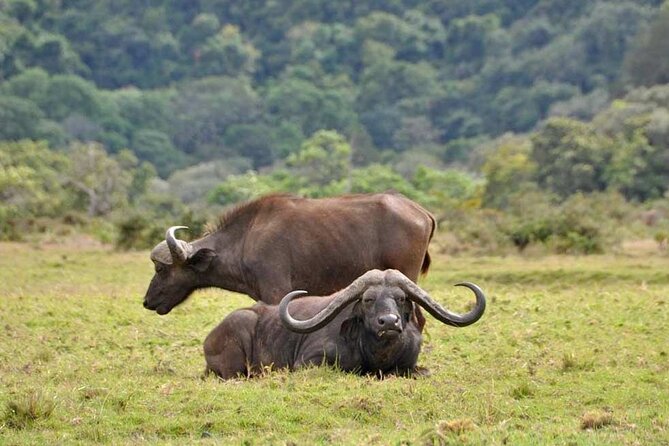
The final safari day starts early with a descent into Ngorongoro Crater. The focus is the black rhino, described as the hardest major animal to spot in the crater.
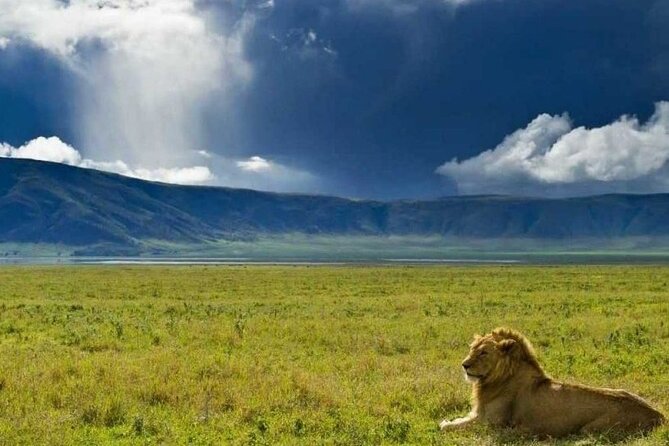
The crater is well suited to a concentrated game drive because its floor holds many animals within a relatively enclosed setting. You may find it easier to see a range of wildlife here than in the wide Serengeti, but the rhino remains a matter of luck, patience, and timing.
The planned game-drive period is about six hours, including time before and after lunch. After the crater drive, you ascend to camp, pack up, and return to Arusha town.
This final day gives you a strong closing scene, but it also makes the four-day schedule feel full. You should not book an important evening flight or a fixed appointment in Arusha unless you have plenty of extra time. The supplied details do not give a precise return hour.
I like that the itinerary saves the crater floor for the end. You finish with a different kind of safari from the Serengeti, shifting from wide grassland searching to wildlife viewing inside the crater. The climb back toward camp and the drive to Arusha then close the loop without adding another park.
What the guide can add to the experience
Guide Abouh is the guide name most closely associated with this trip. He is described as friendly, helpful, good with explanations about animals and plants, and familiar with the roads through the parks.
That matters on a safari. A good guide does more than point out an elephant. You want someone who can explain animal behavior, read the setting, choose sensible routes, and help you understand why one park feels different from another.
The trip feedback also gives Abouh credit for helping with photographs and for knowing where to go. Those are valuable skills, but sightings still depend on season, weather, animal movement, and plain luck. Ask at booking whether Abouh will lead your departure, since guide assignment can change.
The company name supplied for the experience is Makanjanja Safaris, while the written trip feedback refers to Sandpiper Safaris. I would confirm the operating company, guide, vehicle, and emergency contact before departure. This is not a reason to reject the safari, but clear paperwork is especially important on a camping trip far from town.
Camping, food, and daily comfort
Camping is the central budget choice here. You sleep in mobile tents and receive a sleeping bag and mattress, rather than paying for a lodge-based itinerary.
For you, that means closer contact with the park setting and a lower overall cost. It also means less control over noise, temperature, insects, washroom arrangements, and sleeping comfort. If you already enjoy camping, this can feel like part of the adventure. If you need a firm bed and private facilities, ask about an upgrade or choose a lodge safari instead.
Food and water are included. The package lists three breakfasts, four lunches, and three dinners, along with at least three liters of bottled water per day.
Four lunches are listed because the safari covers lunch on each day, including the return day. Bring any special dietary requests to the operator before departure. The supplied details do not explain the menu or confirm how dietary restrictions are handled.
Shared meals can become a pleasant part of the trip, especially when the group is up to 15 people. At the same time, a larger vehicle group can mean slower departures and less freedom over where to stop. If you care about a window seat or more space for photography, ask how seating is arranged.
The $950 price and the group-size tradeoff
At $950 per person, this safari offers a lot of included ground services. Park entrances and taxes are covered, which is important because access fees are a major part of any northern Tanzania route. Transport, food, water, camping gear, and airport transfer are also included.
The strongest value comes from combining three famous areas without making you arrange separate transfers. You are paying for access, a guide, transport, meals, and several long game-drive periods in a single package.
The group can be as large as 15 people. That helps spread vehicle and guide costs, but it may reduce flexibility. A smaller group can be easier for photography, quick stops, and personal questions, while a larger group may feel more social and affordable.
Tips, flights, and visa fees are not included. The optional Maasai village visit costs $20. Build those items into your real budget rather than treating $950 as the final amount.
Who should book this safari
I would choose this trip if you want the classic northern Tanzania route at a controlled price and you are comfortable with basic camping. It is particularly well suited to solo participants and friends who enjoy meeting people, since the shared format can reach 15 participants.
It also suits anyone who wants a concentrated first safari. In four days, you can see elephants in Tarangire, search for predators in the Serengeti, and look for rhinos in Ngorongoro.
I would think twice if you dislike early mornings, long drives, shared facilities, or uncertain wildlife sightings. The schedule is not designed for slow travel. You will spend much of the day in a safari vehicle, and the final return time to Arusha is not specified.
The trip is also a better fit for people who value time in the parks over polished accommodation. The included camping equipment keeps the price sensible, but comfort is not the main selling point.
Booking details worth confirming
Pickup is offered, with the stated starting point at Arusha Airport and a 7:30 a.m. start. A mobile ticket is available, and confirmation is provided at booking.
Before you commit, confirm the airport meeting plan, the exact camp locations, tent arrangements, toilet and shower facilities, the guide assigned to your departure, and the name of the operating company. These questions are practical, not fussy. They tell you what the $950 experience will feel like day to day.
Free cancellation is available if you cancel at least 24 hours before the local start time. Cancellations or changes made within 24 hours are not refunded or accepted.
Should you book it?
Book this safari if your priority is seeing Tanzania’s best-known parks in a short time while keeping meals, park fees, water, transport, and camping gear in one price. The route is strong, the wildlife potential is excellent, and guide Abouh is associated with many of the trip’s most praised qualities.
Do not book it expecting a relaxed lodge holiday or guaranteed migration, leopard, cheetah, or rhino sightings. Confirm the camping standard and guide assignment first. If you accept long days and simple accommodation, this is a sensible, high-value introduction to Tarangire, Serengeti, and Ngorongoro.
FAQ
How long is the safari?
The safari lasts approximately four days.
Where does the safari start?
The stated starting point is Arusha Airport in Arusha, Tanzania.
What time does the safari start?
The listed start time is 7:30 a.m.
Which parks and protected areas are included?
The route includes Tarangire National Park, Serengeti National Park, and the Ngorongoro Conservation Area, including Ngorongoro Crater.
Are park entrance fees included?
Yes. All park entrances and taxes are included.
Is camping equipment provided?
Yes. A sleeping bag and sleeping mattress are included.
Are meals and water included?
Yes. The package includes four lunches, three dinners, three breakfasts, and at least three liters of bottled water per day.
How many people can join the safari?
The maximum group size is 15 participants.
What is the cancellation policy?
You receive a full refund if you cancel at least 24 hours before the experience start time. Cancellations or changes within 24 hours are not refunded or accepted.
More 4-Day Experiences in Arusha
- 4 Days Join Group tour Tarangire Serengeti and Ngorongoro crater
★ 5.0 · 219 reviews - 4-Day Safari from Arusha: Tarangire, Serengeti and Ngorongoro
★ 5.0 · 173 reviews - 4 Days safari Tour Tanzania
★ 5.0 · 159 reviews - 4 Days Tarangire Serengeti Ngorongoro Crater
★ 5.0 · 117 reviews
Just added around Arusha
- 8 Days Serengeti Migration safari★ 5.0 · 11 reviews
- tarangire, ngorongoro & lake manyara park 3 days private tour★ 5.0 · 11 reviews
- tarangire & ngorongoro 2 days tour★ 5.0 · 14 reviews
- Mt. Kilimanjaro: Shira plateau to Cathedral point 3872m Day hike★ 5.0 · 7 reviews
- serengeti, ngorongoro & tarangire 4 days private tour★ 5.0 · 18 reviews
- serengeti & ngorongoro 3 days private tour★ 5.0 · 15 reviews
- 2 Days Tanzania Midrange Group Join Safari★ 5.0 · 7 reviews
- climb the KILIMANJARO via Lemosho route★ 5.0 · 4 reviews
Camping Safaris, compared.



3 Days Serengeti & Ngorongoro Group Camping Safari
Read our review →
5 Days Camping Tarangire, Serengeti & Ngorongoro crater & Visiting Maasai
Read our review →
2 Days Tarangire and Ngorongoro Group Camping Safari
Read our review →

3 Days Tarangire, Ngorongoro & Lake Manyara Group Camping Safari
Read our review →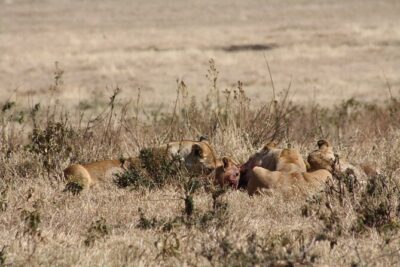
5-Day private Camping Safari Tour in Tanzania
Read our review →Browse the lists this tour appears in