
Reviewed · GUIDED
4 Days Guided Tour to Safari Tanzania
The best part of this four-day safari is the amount of Tanzania it fits into a short trip. From Arusha, you reach Tarangire’s elephant country, spend a night near Serengeti’s Seronera area, then finish with a crater-floor game drive at Ngorongoro.
I like the small group limit of six, which should make the safari jeep less crowded, and I like the mix of wildlife zones: Tarangire for elephants, Serengeti for open-country viewing, and Ngorongoro for a compact concentration of animals. The trade-off is a busy schedule, with long drives and early starts. This is a fast, rewarding safari, not a slow holiday.
Key points at a glance
- Three major wildlife areas in four days: Tarangire National Park, Serengeti National Park, and Ngorongoro Crater.
- A real camping safari: Nights are spent at Seronera Campsite and Ngorongoro Simba Campsite.
- Small group format: The maximum group size is six people.
- Strong wildlife variety: Expect elephants, buffalo, impala, zebra, wildebeest, giraffes, lions, and possible leopard and rhinoceros sightings.
- Early starts matter: Day three begins at 6:00 am for coffee, sunrise, and a morning game drive.
- Good short-trip value: At $1,060 per person, park fees, transport, and meals are included, though tips and visas are extra.
Three parks, four days, and a lot of road time
This safari is built for you if your calendar is tight but you still want more than one Tanzanian park. Starting and ending in Arusha keeps the plan straightforward, while the route links three of the Northern Circuit’s biggest names.
You get a useful progression. Tarangire introduces you to Tanzania’s wildlife with large elephant groups and striking baobab country. Serengeti gives you a wider sense of distance and the chance to spot animals across open plains. Ngorongoro then brings the action into a contained volcanic crater where permanent water draws wildlife throughout the year.
The price is $1,060 per person. That is not simply the cost of a vehicle and a guide. It includes transportation, all park fees, three dinners, four lunches, and four breakfasts. For a four-day safari covering these distances, those inclusions make the price easier to assess.
You should still budget for tips to the crew and a visa, since neither is included. Ask for a clear explanation of the camping setup before you pay, particularly if you have never taken a camping safari before.
A few more Arusha trips to weigh up
- Balloon Safari & Bush Breakfast in Serengeti – Miracle Experience
★ 5.0 · 1,646 reviews - 4 Days Group Camping Safari
★ 5.0 · 1,101 reviews - 5 Days Group Camping Safari
★ 5.0 · 730 reviews
Day one: Tarangire and its elephant herds
Your first morning begins after breakfast with pickup from your hotel in Arusha. The drive to Tarangire is a direct start to the safari, and a picnic lunch keeps the day moving rather than sending you away from the park for a formal meal.
Tarangire is a strong opening park because it offers a good chance of seeing big mammals without requiring you to wait until the Serengeti. The park is especially noted here for elephant groups of roughly 10 to 30 animals. Watching a family group move through the savannah, stop to feed, or gather around water gives you the kind of close wildlife scene that makes a safari feel immediate.
Keep looking up. Leopard sightings are never guaranteed, but the trees are worth checking for a resting cat. You can also expect buffalo, impala, and other plains animals during the game drive. The supplied schedule allows about seven hours at Tarangire, giving you a substantial first day rather than a quick pass through.
Tarangire also gives you your first lesson in safari patience. Animal viewing depends on timing, movement, and luck. A guide can help you scan the right places, but no responsible itinerary can promise a leopard or any other particular animal.
The main drawback is the long first day. After hotel pickup, the drive, picnic lunch, and game drive, you may be ready for an early night. That is not a flaw in the park, but it is worth knowing if you are arriving in Tanzania after a long flight.
Day two: crossing toward the Serengeti
Day two starts with breakfast and the practical work of loading camping gear into the safari vehicle. You then head toward Serengeti by way of Manyara and the Rift Valley escarpments.
This is one of the route’s more interesting sections because the drive is part of the experience. You are not simply being transferred between parks. The road takes you through changing scenery, with the escarpments providing a strong visual contrast to the flatter country ahead.
There is also an optional Masai village visit. The word optional matters. If you want cultural context as well as wildlife, ask how the visit works and what it includes before deciding. A short cultural stop can add another dimension to the trip, but your time is limited, and the day already involves many hours on the road.
As you approach Serengeti, the sense of scale changes. The park is famous for wide open country and large animal movements, but the very size that makes it special can also make sightings feel more spread out. You may see animals along the route, then reach the park’s Seronera area for an evening game drive.
The plan is to continue toward Seronera Campsite, eat dinner, and sleep in the park. Camping inside the Serengeti gives you a closer connection to the setting than a quick daytime visit. You are spending the night where the next morning’s wildlife viewing begins.
This is also the tour’s longest-feeling transition day. The schedule lists about eight hours, and road conditions, park gates, wildlife stops, and the optional village visit can affect the pace. Bring patience, water, sun protection, and something small to occupy you during stretches between sightings.
Day three: a Serengeti sunrise before Ngorongoro
Day three starts at 6:00 am with coffee and sunrise in the Serengeti. That early hour is one of the smartest parts of the plan. Morning game drives give you a chance to see the park before the day grows hot, and the light is excellent for photographs.
You then return to camp for brunch before continuing toward the Ngorongoro Conservation Area. The route includes another game drive, so you are not giving up all wildlife viewing for the transfer.
The best way to approach this day is to treat it as two experiences: a proper morning in Serengeti and a moving safari route toward the crater. You might see a different mix of animals from the previous evening, simply because conditions and animal behavior change from hour to hour.
After the drive, you spend the night at Ngorongoro Simba Campsite. This keeps you near the crater for the final day and avoids trying to squeeze a crater visit and a long return drive into the same afternoon.
The camping routine requires some flexibility. You load and unload gear, eat at set points, and follow the rhythm of the group and the park. If you prefer private rooms, leisurely breakfasts, and plenty of downtime, this itinerary may feel demanding. If you like being outdoors and want to place wildlife ahead of comfort, the arrangement makes sense.
Same country, a completely different kind of safari:
- Tanzania Classic – 7 Days
★ 5.0 · 1,151 reviews - Materuni Waterfalls, coffee tour & Kikuletwa Hot Springs
★ 5.0 · 643 reviews - 3 Days Serengeti & Ngorongoro Group Camping Safari
★ 5.0 · 574 reviews - 7-Day Premium Luxury Tanzania Safari All-Inclusive
★ 5.0 · 426 reviews
Day four: down into the Ngorongoro Crater
After breakfast, you make the short drive to the descent gate, then drop about 650 meters to the crater floor. The half-day crater game drive is the trip’s final major wildlife session.
Ngorongoro is special because its enclosed setting concentrates animals around permanent water. Many creatures remain in the crater year-round rather than moving across a huge area. That gives you a reasonable chance of seeing a broad range of wildlife during a relatively compact drive.
Rhinoceros are one of the possible prizes. The wording here is important: you have a chance, not a guarantee. Wildlife is wild, and sightings depend on where animals happen to be. Still, the crater’s water supply and resident animal population make it one of Tanzania’s most worthwhile places for a final game drive.
You return to the rim for lunch, then continue back toward Arusha. The day is listed at about eight hours, so the crater visit is not a leisurely add-on. You will need to be ready for an early start, a half-day on rough roads, and a long return after the game drive.
The final drive also means the tour ends with a full travel day. If you have a flight from Arusha that evening, confirm the timing carefully before booking. The schedule says the tour starts and ends in Arusha, but it does not give a guaranteed arrival hour.
What the small group changes
The maximum group size is six people. That is a practical advantage on a safari, where everyone wants a clear view from the vehicle and enough room for cameras, bags, and movement.
A smaller group can also make stops easier. You may spend less time waiting for a large party to board, eat, or gather. Communication with the guide should be simpler, and the group’s preferences may be easier to discuss.
The exact vehicle arrangement and seating setup are not specified, so you should ask about them if personal space matters to you. A six-person maximum is promising, but it does not tell you whether the vehicle is shared with other bookings or how luggage is handled.
The guide’s role will shape much of the safari. The available details describe guides as informative, accommodating, safe, and good-humored. One guide taught the Swahili names for the animals being seen, which is a small touch that can make the drive more engaging. You should not expect every guide to have the same personality, but asking the provider to note your interests can help.
Meals, camping, and daily comfort
The package includes four breakfasts, four lunches, and three dinners. That fits the four-day structure, with dinner on the first three nights and the final day ending after lunch on the return route.
Lunch is included each day, with a picnic lunch specifically planned for Tarangire. This is useful because park days are governed by wildlife and distance, not by restaurant opening hours.
The two named overnight stops are Seronera Campsite in Serengeti and Ngorongoro Simba Campsite. The material describes this as a camping safari and includes camping gear in the day-two routine, but it does not spell out tent type, bathroom arrangements, showers, bedding, or whether staff handle camp setup.
That is the most important practical question to ask before booking. A camping safari can be a wonderful fit, but comfort levels differ sharply between basic public camping and more equipped arrangements. Ask what you need to bring, what equipment is supplied, and how meals are prepared.
You should also pack for changing conditions. The schedule includes open-air game drives, early mornings, picnic meals, and long road sections. Keep essentials accessible in the vehicle rather than buried in larger luggage.
Is $1,060 good value?
I see this price as strong value for a short safari, provided the camping standard suits you. Three parks, all park fees, transport, and 11 listed meals are included. Park fees alone can make Northern Circuit safaris expensive, so having them folded into the price helps avoid unpleasant surprises.
The value is strongest for someone who wants variety. You are not paying for four days in one small park. You are paying for a route that includes elephant country, the Serengeti, and the Ngorongoro Crater.
The trade-off is time. The itinerary covers a lot of ground, which means fuel, driving, packing, and early mornings are part of the package. A longer safari would let you spend more time in each park and reduce the feeling of rushing between major stops.
For a first safari or a short add-on to a Tanzania visit, the price is sensible. For a luxury trip, it is not the right comparison. This is an affordable guided camping safari, not a lodge-based holiday.
Who should book this safari?
I would point this trip toward solo visitors, couples, and small groups of friends who have only four days and want the major Northern Circuit highlights. The group limit also makes it suitable for people who prefer a more personal setting than a large coach tour.
It may suit you particularly well if you want to see elephants, hope for Big Five sightings, and enjoy the idea of sleeping near the parks. The itinerary gives you several chances to view wildlife, including an evening Serengeti drive, a sunrise start, and a half-day in the crater.
You should think twice if you need a slow pace, dislike long drives, or want guaranteed private accommodation. The schedule is active from the first morning to the final return. Moderate physical fitness is requested, and that is a fair description of the trip’s pace.
The tour also works well for a short visit from Arusha. You do not need to arrange separate transport between the parks or calculate park-entry costs on your own. Pickup is offered, and the stated start time is 6:00 am, so confirm your hotel location and pickup details ahead of time.
Booking details worth checking
Confirmation is provided at booking, and free cancellation is available if you cancel at least 24 hours before the local start time. Cancellations or changes made inside that 24-hour window are not accepted for a refund.
Tips for the crew and a visa are excluded. Set aside money for both if they apply to you, and ask the provider about recommended tipping practice if this is your first safari.
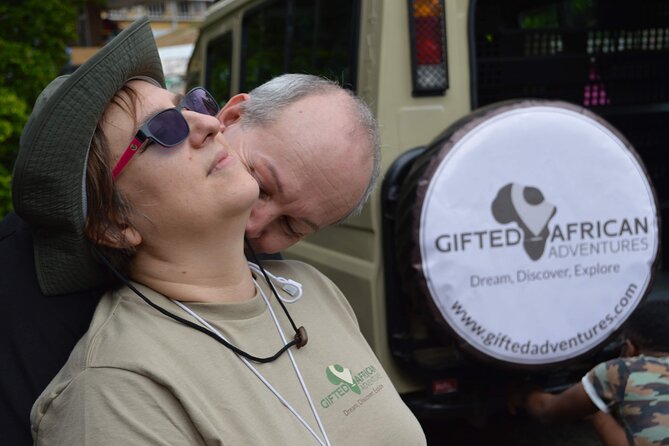
The experience provider is Gifted African Adventures. The tour information also uses the name Serengeti African Tours in its description, so check the exact company name shown on your confirmation and keep its contact details handy.
Should you book it?
Book this safari if you want maximum wildlife variety in four days and are comfortable with camping, early starts, and long drives. The route is ambitious but well chosen: Tarangire, Serengeti, and Ngorongoro each bring a different setting and a different style of animal viewing.
I would not choose it for a restful break or a polished lodge experience. I would choose it for the chance to see elephants in Tarangire, wake to the Serengeti, and finish among the crater’s resident wildlife without paying for a longer itinerary.
Before committing, confirm the camping facilities, vehicle seating, pickup details, and expected return time to Arusha. If those basics fit your expectations, $1,060 is a practical way to make a short Tanzania safari count.
FAQ
Where does the safari start and finish?
The safari starts and ends in Arusha, Tanzania. Hotel pickup is offered, and the stated start time is 6:00 am.
How many people can join the tour?
The tour has a maximum of six travelers.
Which parks and wildlife areas are included?
The route includes Tarangire National Park, Serengeti National Park, the Ngorongoro Conservation Area, and Ngorongoro Crater.
Are meals included?
Yes. The package includes four breakfasts, four lunches, and three dinners.
Are park fees and transportation included?
Yes. Transportation and all park fees are included in the tour price.
What is not included, and when can I cancel?
Tips for the crew and a visa are not included. You can cancel for a full refund up to 24 hours before the experience start time. Changes or cancellations made less than 24 hours before the start are not accepted for a refund.
Just added around Arusha
- 8 Days Serengeti Migration safari★ 5.0 · 11 reviews
- tarangire, ngorongoro & lake manyara park 3 days private tour★ 5.0 · 11 reviews
- tarangire & ngorongoro 2 days tour★ 5.0 · 14 reviews
- Mt. Kilimanjaro: Shira plateau to Cathedral point 3872m Day hike★ 5.0 · 7 reviews
- serengeti, ngorongoro & tarangire 4 days private tour★ 5.0 · 18 reviews
- serengeti & ngorongoro 3 days private tour★ 5.0 · 15 reviews
- climb the KILIMANJARO via Lemosho route★ 5.0 · 4 reviews
- 2 Days Tanzania Midrange Group Join Safari★ 5.0 · 7 reviews
Guided, compared.

3 Hours Private Stone Town walking Tour with Guide
Read our review →

Stone Town Historical Cultural Walking Guided Tour
Read our review →
Arusha Guided Walking City Tour, Culture, Lifestyle & History
Read our review →

Stone Town’s Hidden History: Private Guided Walking Tour
Read our review →
Red Colobus Monkeys in Jozani Forest Guided Tour
Read our review →
Browse the lists this tour appears in