
Reviewed · CAMPING SAFARIS
4-Day fascinating Camping Safari in Tanzania
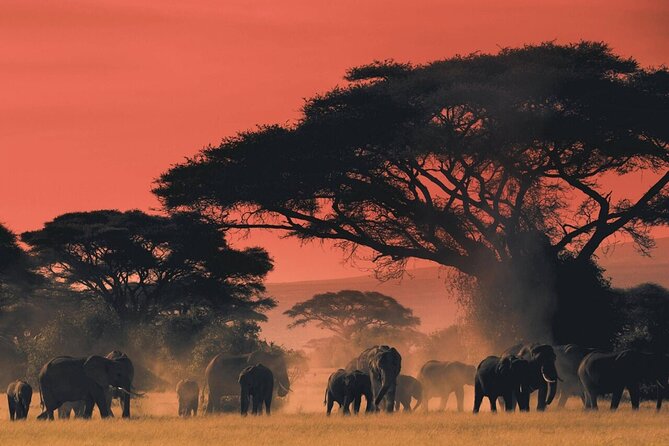
Tanzania packs a remarkable amount of wildlife into four days here. You begin among Tarangire’s giant baobabs and elephants, cross the Ngorongoro highlands into the Serengeti, then finish below the crater rim at Ngorongoro, where lions, hippos, buffalo, and possibly rhinos may appear.
I like the clear value: park fees, meals, camping equipment, sleeping bags, and transfers are included, so the $935 price covers much more than a seat in a safari vehicle. I also like the guides’ role. Past departures have been led by people such as Hasan, Maximilian, Bakari, Fidelis, and John, with strong praise for their animal-spotting skills and explanations.
The catch is the pace. Day 2 is listed at about 16 hours, and several days involve long drives on rough park roads. A maximum group size of 50 also means you should ask how your particular departure is arranged before booking if you want a small, quiet safari.
Key points before you book
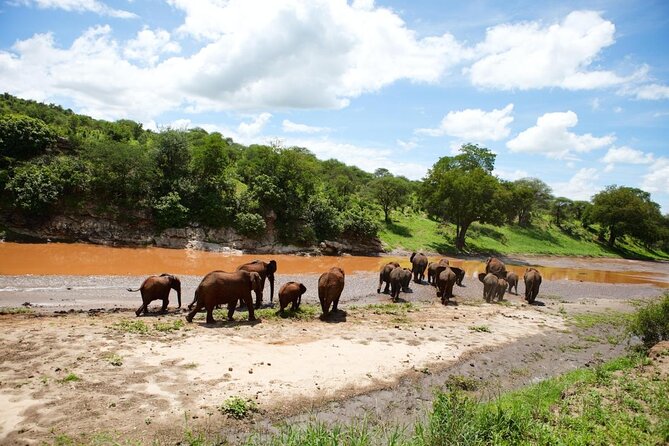
- Three major wildlife areas in four days: Tarangire, Serengeti, and Ngorongoro give you three distinct safari settings.
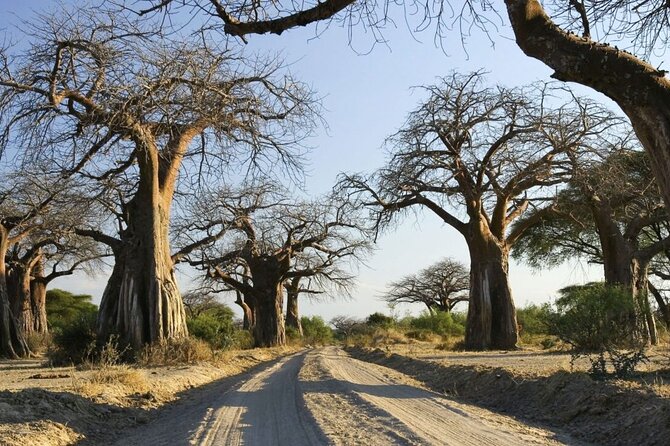
- Tarangire is the elephant day: Baobab trees and a large seasonal elephant population give the first game drive a strong sense of place.
- Seronera offers the best central Serengeti access: The river draws wildlife and gives you a useful chance to see several species in one area.
- Ngorongoro includes a crater-floor game drive: You descend more than 600 meters and visit Lake Magadi on the final morning.
- The price covers the expensive basics: Park fees, three nights of accommodation, camping equipment, sleeping bag, meals, guide, taxes, and transfers are included.
- Expect long safari days: The schedule favors wildlife coverage over slow mornings and extended time at camp.
Three parks, three different safari moods
This four-day Tanzania camping safari is designed for you if you want a concentrated introduction to the northern safari circuit. Instead of spending all four days in one park, you move through Tarangire, Serengeti, and the Ngorongoro Conservation Area.
That variety matters. Tarangire is known for elephants and baobabs. The Serengeti gives you broad open plains and the famous Seronera area. Ngorongoro offers a compact crater setting where water and grass support a large mix of animals.
At $935 per person, the trip sits in the budget to mid-range camping category rather than the luxury safari bracket. The value comes from what is bundled. You are not paying park fees, camping gear, meals, a professional driver-guide, taxes, and round-trip transfers on top of the advertised cost.
I would still read the schedule carefully. Four days sounds short because it is short. The route covers substantial ground, and the longest day is scheduled at about 16 hours. You gain access to several headline sites, but you give up spare time and flexibility.
More Camping Safaris in Arusha:
- 4 Days Group Camping Safari
★ 5.0 · 1,101 reviews - 5 Days Group Camping Safari
★ 5.0 · 730 reviews - 3 Days Serengeti & Ngorongoro Group Camping Safari
★ 5.0 · 574 reviews
Day 1: Tarangire’s elephants and baobabs
The morning begins with a 6:00 am start. After breakfast, the group heads into Arusha town for last-minute purchases before driving toward Tarangire National Park.
That town stop is useful. It gives you a final chance to buy personal items before the safari begins, which is especially helpful since personal items are not included. The supplied details do not specify exactly what shops or supplies are available, so it is wise to handle important purchases before departure.
Tarangire is the right opening park for a short safari. Its visual character differs from the Serengeti, with large baobabs and a reputation for big elephant herds. The park forms part of a seasonal migration route that can include up to 3,000 elephants, 25,000 wildebeest, and 30,000 zebras.
Those figures describe the wider annual movement, not a promise for your particular game drive. Wildlife numbers and locations change with water, rainfall, and season. Still, Tarangire gives you a strong chance to see why elephants are its calling card.
You will have a game drive with a picnic lunch inside the park. The day is listed at roughly 10 hours, including the journey, park time, and stops. Afterward, dinner and camping are scheduled at either Jambo campsite or Fanaka campsite.
I like the way this first day eases you into the trip with a clearly defined theme. You are not simply checking off a park. You are entering a place shaped by elephants, baobabs, and seasonal movement.
The limitation is that the first day includes the Arusha shopping stop and the drive from town to the park. If you are hoping for an extended afternoon watching one animal group, the schedule may feel brisk.
Day 2: Crossing the highlands into the Serengeti
Day 2 is the hardest day on paper. After breakfast, you travel through the high farmland around Karatu and the Ngorongoro Conservation Area before descending toward the Serengeti.
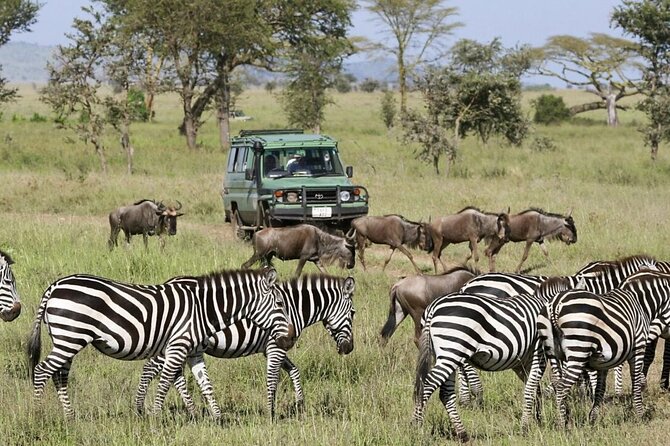
The change in scenery is one of the best parts of the route. You leave the higher country behind and reach the open plains associated with the Serengeti. The drive is not just a transfer. It shows how quickly northern Tanzania shifts from cultivated highlands to large, open wildlife country.
The afternoon is focused around Seronera, the central Serengeti area. The Seronera River supplies water and draws wildlife, making this one of the park’s most productive zones. You may find a broad mix of species here, including the predators and grazing animals that make the Serengeti famous.
The schedule allows arrival around lunchtime, followed by an afternoon game drive. The full day is listed at about 16 hours, so you should prepare for a very early start, a long road journey, and a late finish. The exact timing may depend on road conditions, wildlife sightings, and the group’s pace.
This is the day when a capable guide matters most. Several guides connected with past departures, including Maximilian, Hasan, Bakari, and Fidelis, were praised for spotting animals at a distance, explaining animal behavior, and adjusting the pace around sightings. You cannot assume one of those guides will lead your departure, but the guide’s skill is a major part of the safari’s value.
A good guide does more than point at an animal. You want someone who can explain why animals gather near water, how to read movement across the plains, and where to look for smaller or well-camouflaged species. The information supplied about this operator suggests that guide quality has been one of the strongest parts of the experience.
The tradeoff is comfort. A full Serengeti crossing in one day leaves less time for rest. If you dislike long road transfers, consider asking the operator whether a longer itinerary is available before committing to this four-day version.
Day 3: From Seronera to the Ngorongoro rim
Day 3 gives you a slower morning by comparison. After breakfast, you have a relaxing morning and an early lunch before traveling through the Serengeti toward Ngorongoro Crater.
Your driver-guide is scheduled to explain the wildlife and natural features along the route. That makes the transfer more useful than a silent drive, especially because the trip connects two very different environments.
The night is spent on the crater rim at Simba campsite. This is a practical location for the final morning, since you can start early and descend into the crater without first making a long approach from Arusha or another distant camp.
The day is listed at about 12 hours. That length includes the drive through the Serengeti and onward to the crater area, so do not think of the relaxing morning as a full day off.
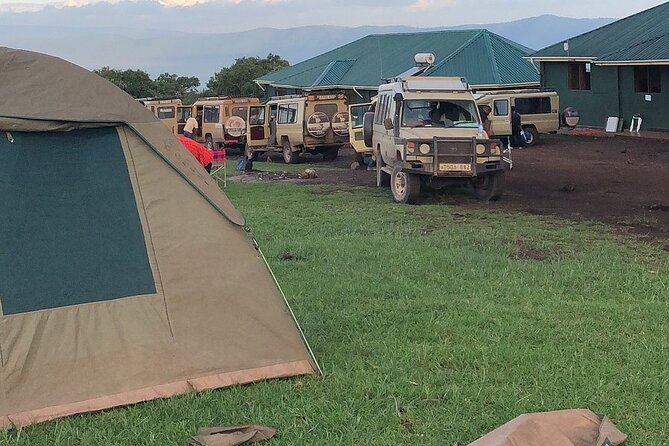
Camping is central to the experience. Equipment and sleeping bags are supplied, and accommodation is included. Bath towels are not included, so pack your own. The supplied details do not describe tent types, shower facilities, or toilet arrangements, so ask about those points if camp comfort matters to you.
Food appears to be another strong point. Three breakfasts, three dinners, and four lunches are included, with hot meals praised in the supplied comments. A cook named Johnson was singled out for good meals on one departure, while John was praised on another. Cook assignments can change, but you can reasonably expect food to be part of the organized camp service rather than something you must arrange yourself.
The crater-rim campsite also brings the practical side of camping into focus. Temperatures can differ sharply between Arusha, the low-lying parks, and the rim. Pack layers, along with personal toiletries, a towel, and any medication you need.
A few more Arusha trips to weigh up
- Balloon Safari & Bush Breakfast in Serengeti – Miracle Experience
★ 5.0 · 1,646 reviews - 7-Day Premium Luxury Tanzania Safari All-Inclusive
★ 5.0 · 426 reviews - 3-Day Classic Serengeti Safari
★ 5.0 · 263 reviews - 8 Days Great Wildebeest Calving Migration Safari from Arusha
★ 5.0 · 254 reviews
Day 4: Descending more than 600 meters into Ngorongoro
The final day starts with an early breakfast and a descent of more than 600 meters into Ngorongoro Crater. This is the trip’s most concentrated wildlife outing.
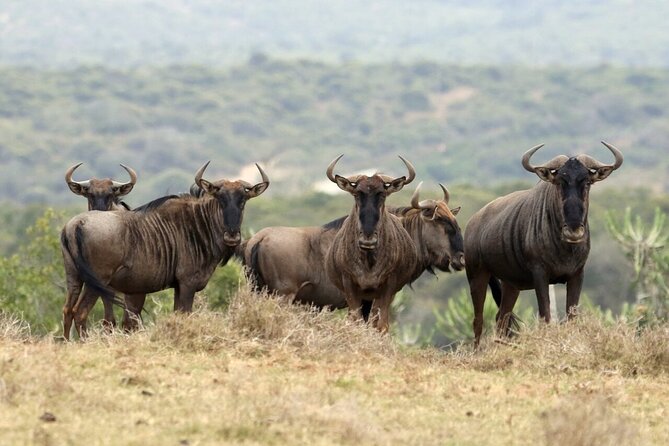
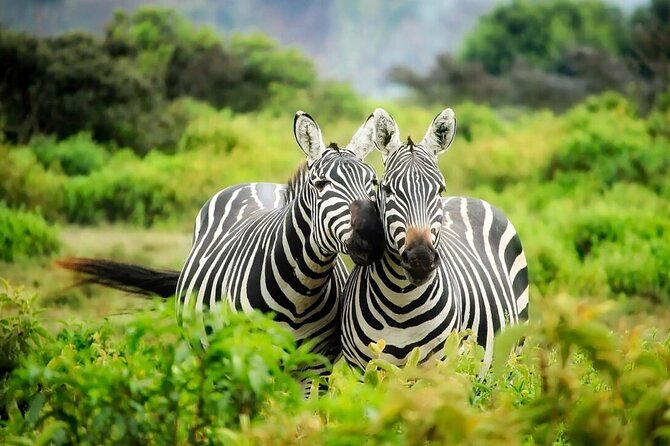
Ngorongoro has a year-round water supply and grazing areas, supporting wildebeest, zebra, buffalo, eland, warthog, hippo, and African elephants. The enclosed crater setting can make animal viewing feel especially rewarding because the habitat is compact compared with the wide Serengeti plains.
Predators are another major draw. Lions, hyenas, jackals, cheetahs, and leopards are listed among the species found here. Sightings are never guaranteed, and leopards in particular can require a trained eye and patience. The guide’s ability to scan the terrain is important.
The game drive includes Lake Magadi, a large, shallow alkaline lake in the southwestern part of the crater. It is one of the crater’s main features and can attract wildlife, though the conditions and animal activity will vary.
The drive is scheduled for about six hours before you return to Arusha. That makes Ngorongoro the final major activity rather than a quick photo stop. You get a substantial crater visit, but the return journey means the day still requires energy.
I like ending here. After the open plains of the Serengeti, the crater offers a different visual frame and a high chance of seeing several types of wildlife during one outing. The drawback is that six hours in a crater vehicle can feel packed, especially after three earlier days of early starts and long drives.
What $935 includes, and what it leaves out
The advertised $935 price includes the major fixed costs that can make a Tanzanian safari expensive:
- Park fees
- Accommodation
- Camping equipment
- Sleeping bag
- Professional driver-guide
- All taxes and VAT
- Round-trip airport transfer
- Four lunches
- Three dinners
- Three breakfasts
This is a useful package for someone comparing safari prices. A cheaper-looking option may add park fees, food, gear, or transfers later. Here, those core items are grouped into one price.
International flights are not included. You also pay for tips and personal items, and you need to bring a bath towel. Since the listed start time is 6:00 am, confirm where pickup will occur and how the airport transfer fits your arrival and departure plans.
The phrase round-trip transfers is especially helpful if you are flying into the area, but the overview also refers to pickup from Arusha. Confirm whether your specific booking includes airport pickup and return, hotel pickup, or both. The information supplied lists airport transfer as included, but a quick confirmation avoids a surprise.
Guide quality can shape the whole safari
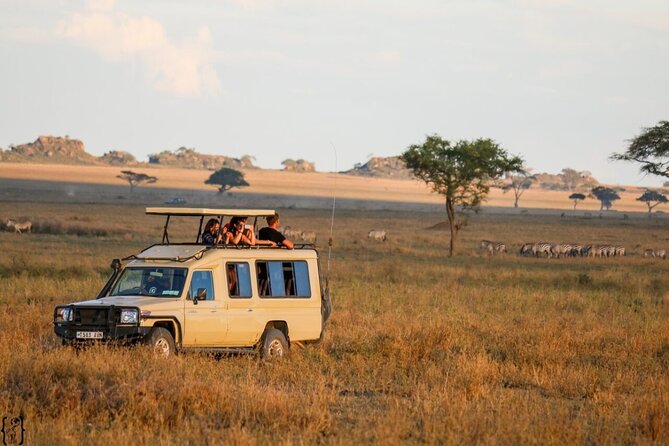
Safari vehicles do not find animals by themselves. A guide who knows how to scan a plain, interpret tracks, and position the vehicle can make the difference between a distant glimpse and a clear sighting.
Past guide names connected with this operator include Maximilian, Hasan, Bakari, Fidelis, and John. The strongest praise centers on patient animal spotting, friendly service, explanations about wildlife and Tanzania, and a willingness to wait when an important sighting develops.
That last point matters for photography. One departure included a photographer who credited the driver’s dedication with helping create better opportunities. The trip is not described as a specialist photography safari, but the guide’s patience may suit you if you want time to watch and photograph animals.
You should not book on the assumption that a particular named guide will be assigned. Ask when you reserve if you have a strong preference. The company is Sky View Adventure Tours & Safaris, and communication was repeatedly described as prompt and helpful, including airport pickup and adjustments to personal needs.
Group size, camping, and daily comfort
The maximum group size is listed as 50. That is a sizable cap for a safari, although the information does not explain how many people ride in each vehicle or whether a departure is split among several vehicles.
Ask those questions before paying. Vehicle size affects window access, personal space, how quickly the group can stop, and how easy it is to hear the guide. If you want a private safari, the supplied comments indicate that private versions have been available, but this specific offer is presented as a camping tour with group discounts, not as a guaranteed private departure.
Camping gear and sleeping bags are provided. Meals are included, and food received repeated praise, including hot meals. That makes the trip easier for first-time safari campers who do not want to carry cooking equipment.
You still need to pack for basic outdoor living. Bring a towel, personal items, suitable clothing layers, and anything you need for long days in the vehicle. The tour data does not specify luggage limits, tent arrangements, shower access, or power at camp, so get those details directly from the operator.
Who should book this four-day safari?
I would choose this tour if you want to see the three headline parks quickly and prefer an organized package over arranging permits, transport, camping gear, food, and guides yourself.
It suits first-time safari visitors, couples, families, and people working with a tight Tanzania schedule. The included airport transfer can also make the first and last parts of the trip easier, particularly if you are arriving in Arusha for the safari.
It is less suitable if you want leisurely camp mornings, long stays in one area, or a small-group guarantee. The 16-hour Serengeti day is a serious commitment, and the 50-person maximum deserves clarification.
The supplied experiences also include a Maasai village visit on some departures, but that stop is not part of the stated four-day route. Treat it as something to ask about, not something included in the base itinerary.
Should you book it?
Book this safari if your priority is maximum park variety in minimum time and you value an all-in price. Tarangire, Seronera, and Ngorongoro each offer a different setting, while included meals, gear, fees, and transfers keep the planning load low.
Before booking, confirm your pickup location, group and vehicle arrangements, campsite facilities, and the exact guide assignment. If you can handle long drives and simple camping, $935 is a strong package for a concentrated northern Tanzania safari. If comfort and slow pacing matter more than seeing three major parks, choose a longer or more private option.
Free cancellation is available when you cancel at least 24 hours before the local start time. Changes made within 24 hours are not accepted, and the tour requires a minimum number of participants. If that minimum is not reached, you are offered another date or experience, or a full refund.
FAQ
Where does the safari start?
The tour starts from Arusha, with a listed start time of 6:00 am.
How long is the safari?
The experience lasts approximately four days.
Which parks and protected areas are included?
The route includes Tarangire National Park, Serengeti National Park, and the Ngorongoro Conservation Area.
Is the Ngorongoro Crater included?
Yes. On the fourth day, you descend more than 600 meters into the crater for a game drive.
Are park fees included?
Yes. Park fees are included in the tour price.
Is camping equipment provided?
Yes. Camping equipment and a sleeping bag are included.
Are meals included?
Yes. The package includes four lunches, three dinners, and three breakfasts.
Is airport transportation included?
Round-trip airport transfer is listed as included. The overview also mentions pickup from Arusha, so confirm the exact pickup arrangement for your booking.
Is there a maximum group size?
Yes. The tour can have a maximum of 50 participants.
What is not included?
International flights, bath towels, tips, and personal items are not included.
Can I cancel for a full refund?
Yes, if you cancel at least 24 hours before the experience start time. Cancellations made less than 24 hours in advance are not refunded.
More 4-Day Experiences in Arusha
- 4 Days Join Group tour Tarangire Serengeti and Ngorongoro crater
★ 5.0 · 219 reviews - 4-Day Safari from Arusha: Tarangire, Serengeti and Ngorongoro
★ 5.0 · 173 reviews - 4 Days safari Tour Tanzania
★ 5.0 · 159 reviews - 4 Days Tarangire Serengeti Ngorongoro Crater
★ 5.0 · 117 reviews
Just added around Arusha
- 8 Days Serengeti Migration safari★ 5.0 · 11 reviews
- tarangire, ngorongoro & lake manyara park 3 days private tour★ 5.0 · 11 reviews
- tarangire & ngorongoro 2 days tour★ 5.0 · 14 reviews
- Mt. Kilimanjaro: Shira plateau to Cathedral point 3872m Day hike★ 5.0 · 7 reviews
- serengeti, ngorongoro & tarangire 4 days private tour★ 5.0 · 18 reviews
- serengeti & ngorongoro 3 days private tour★ 5.0 · 15 reviews
- 2 Days Tanzania Midrange Group Join Safari★ 5.0 · 7 reviews
- climb the KILIMANJARO via Lemosho route★ 5.0 · 4 reviews
Camping Safaris, compared.



3 Days Serengeti & Ngorongoro Group Camping Safari
Read our review →
5 Days Camping Tarangire, Serengeti & Ngorongoro crater & Visiting Maasai
Read our review →
2 Days Tarangire and Ngorongoro Group Camping Safari
Read our review →

3 Days Tarangire, Ngorongoro & Lake Manyara Group Camping Safari
Read our review →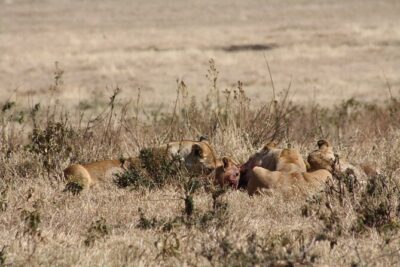
5-Day private Camping Safari Tour in Tanzania
Read our review →Browse the lists this tour appears in