
Reviewed · ZANZIBAR SPICE FARM TOURS
Zanzibar Cooking Class & Spice Tour
Zanzibar’s food makes more sense once you have handled the ingredients yourself. This five-hour experience takes you from Darajani Market to a spice farm, then into a local kitchen where you help prepare and eat several Zanzibari dishes.
I like the practical route: you shop for the food before cooking it, and you taste spices and tropical fruits where they grow. I also like the small maximum of 10 people, which can make the market and kitchen time more personal. The main caution is timing. Late pickups and a slow market visit have caused problems for some people with evening flights.
I would book this for the food, not just for a quick spice-farm photo stop. Hosts named Lutfia, Latfiya, and Rashid have earned especially warm praise for friendly instruction, but service can vary, so confirm pickup details and leave plenty of time after the tour.
Key points before you book
- Darajani Market comes first: You help shop for ingredients instead of simply watching a cooking demonstration.
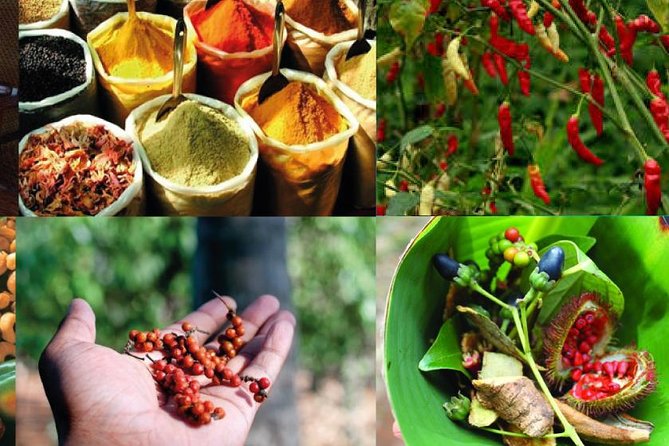
- Azusa Spice Farm may be included: The farm visit features explanations, spice tastings, and tropical fruits.
- The cooking class is the main event: You prepare several Zanzibari dishes and sit down to eat the meal afterward.
- Pilau tips are part of the lesson: You can pick up useful advice for making Zanzibar-style spiced rice and banana dishes.
- Morning or afternoon starts: Pickup is listed for about 9:00 AM or 3:00 PM, with hotel transfers in Stone Town.
- Small group size: The activity accepts no more than 10 people, though private-feeling groups have also occurred.
Starting at Darajani Market in Stone Town
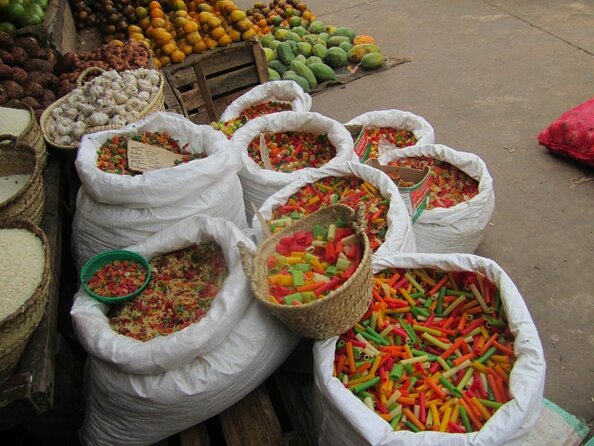
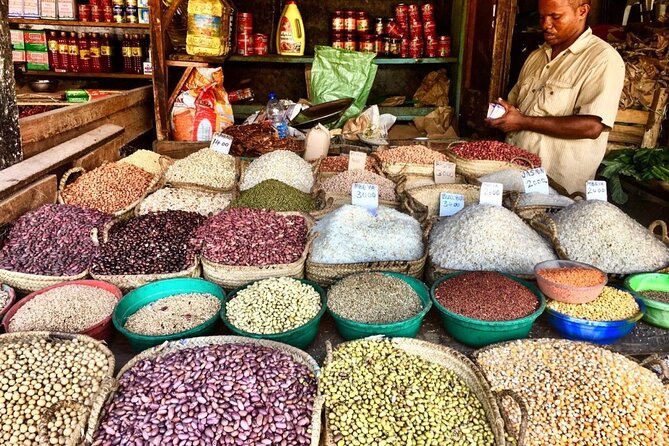
The tour begins at Darajani Market, Zanzibar’s main local food market, where your host leads a short walk and buys ingredients for the cooking class. This is a smart way to start. Instead of seeing spices in neat jars, you encounter the raw materials as they are sold and used locally.
The market portion is not described as a long guided history tour. Expect a focused visit built around shopping. Your host speaks with vendors, chooses produce, and gathers what the kitchen needs. You may have time to look around, but the goal is to prepare for the meal rather than cover every corner of the market.
I like this hands-on approach because it gives the cooking class a clear purpose. You are not cooking from a fixed demonstration basket. The food you see and help buy becomes the meal you later prepare.
There is one practical point to keep in mind. The market can take longer than expected if communication with vendors is slow or if the guide spends too much time chatting. One disappointing experience involved a participant who had a flight that evening and felt rushed after a late pickup and a lengthy market stop. If your departure is on the same day, this is not the activity I would schedule close to the airport transfer.
More Zanzibar Spice Farm Tours in Zanzibar
- Spice Tour + Stone Town Tour + Prison Island
★ 4.5 · 130 reviews - Zanzibar: Stone Town & Spice Farm Tour with Lunch
★ 4.5 · 97 reviews - Zanzibar:Stone Town & Spice Farm Private Tour Lunch Included
★ 4.2 · 94 reviews
Moving from market stalls to a Zanzibar spice farm
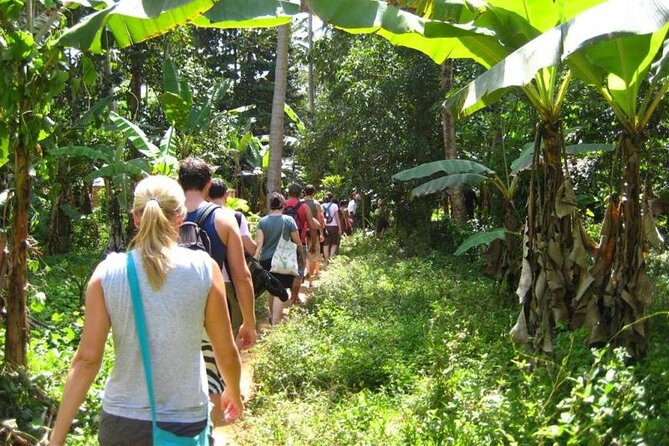
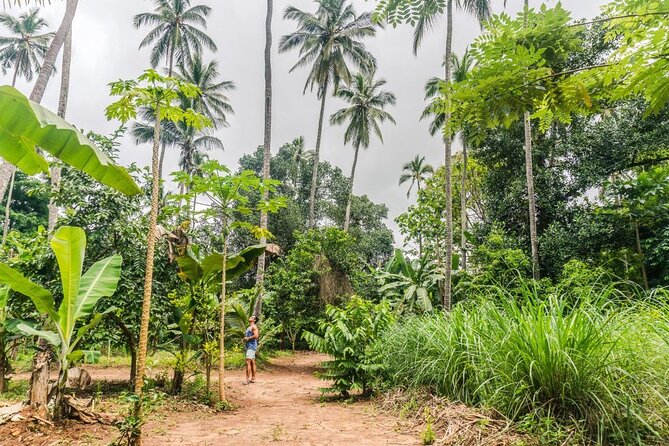
After Darajani Market, the group heads to a spice farm. One experience specifically names Azusa Spice Farm, while another describes the site as a community farm. The exact farm may depend on the operating day, but the purpose is consistent: learn where Zanzibar’s famous spices and tropical crops come from, then taste them.
The farm visit is interactive. Your guide explains and shows different spices and fruits, and you get to sample many of them. That tasting matters. Smelling a spice is one thing, but tasting it in its fresh or natural form gives you a better sense of how it changes once dried, ground, or cooked.
The activity description mentions spice-fruits, which can make this more interesting than a standard walk past rows of plants. You might see familiar cooking ingredients alongside tropical produce you have not encountered before. The supplied details do not name every crop, so I would not book this expecting a fixed botanical checklist.
The best farm guides make this stop useful by connecting plants to cooking. The strongest feedback praised explanations that went beyond pointing at leaves, with the guide showing how ingredients are used. That connection prepares you for the kitchen later.
The farm also has a commercial side. Some visitors have felt pressured to buy products, and one account describes the welcome becoming less friendly after the person declined to purchase anything. You should feel free to treat the farm visit as an educational stop, not a shopping obligation. Ask questions, taste what is offered, and buy only what you actually want.
Cooking several local dishes with a host
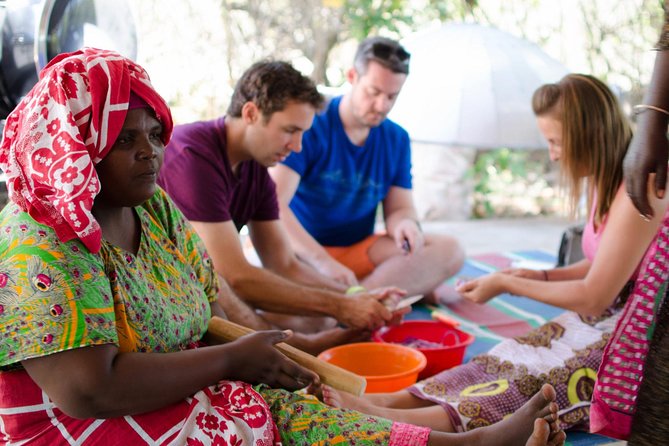
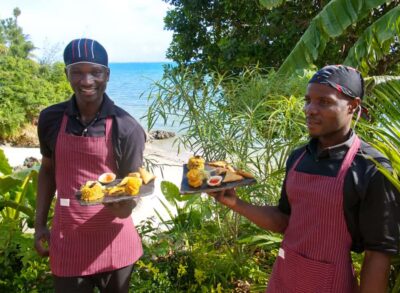
The cooking class is where this experience earns its price. After the market and farm, you work with a local cook to prepare classic Zanzibar dishes, then eat the finished meal. The lesson is described as a four-plate meal in one particularly enthusiastic account, with pilau and banana dishes receiving special attention.
Do not expect a formal culinary-school class with printed recipes and exact measurements. This is a local kitchen experience, and the cooking style may feel less precise than what you are used to in Europe. That is part of its appeal, but it also means you should watch closely, ask questions, and take notes if you want to repeat the dishes at home.
Pilau is a useful example. The class includes tips for preparing spiced rice, a central part of the region’s food culture. You can learn not only which spices go into the dish, but also how the cook handles the ingredients. The supplied information does not provide a full recipe, so you should not expect a guaranteed take-home formula.
Banana cooking is another distinctive detail. Bananas appear in savory East African cooking in ways that may be new to many people. Preparing them during the lesson gives the class a local focus rather than turning it into a generic international cooking course.
The cook is also the person who shapes the mood of the day. Lutfia and Rashid are named as hosts who combined cooking skill with warm, friendly instruction. Another participant had the class largely to herself with Latfiya and felt well cared for. Names vary in the supplied accounts, so you should treat them as examples of hosts associated with the experience, not a promise of a particular instructor.
The meal at the end is more than a convenient lunch. It lets you taste the balance of spices and textures after seeing each step. You also get the satisfaction of knowing which ingredients came from the market and which plants you encountered at the farm.
Why the five-hour format works

At about five hours, this is a half-day activity rather than a quick add-on. The length gives each part room to breathe: market shopping, farm tasting, cooking, and the meal.
The schedule offers a morning session beginning around 9:00 AM and an afternoon session around 3:00 PM. Hotel pickup and drop-off are included for hotels in Stone Town, which saves you from arranging separate transport for each stop.
The afternoon option deserves careful thought. The information says the tour ends back at the meeting point, and the activity notes hotel transfers. It does not provide a firm end time, so you should not assume that a 3:00 PM start will finish early in the evening. If you have a flight, ferry, dinner reservation, or another fixed appointment, choose the morning or leave a generous buffer.
Pickup reliability is another point to confirm. Most of the supplied experiences describe smooth pickup and drop-off, but one person reported waiting 40 minutes after the operator failed to arrive or answer calls. That is a serious service problem. Confirm the meeting point, keep the operator’s contact details handy, and do not build a tight schedule around this tour.
Same country, a completely different kind of safari:
- Zanzibar: Quad Bike Adventure departing from Kendwa or Nungwi
★ 4.9 · 1,233 reviews - Zanzibar: Prison Island and Nakupenda Boat Trip with Lunch
★ 4.1 · 882 reviews - Skydive Zanzibar | Tandem Skydive
★ 5.0 · 877 reviews - Mnemba Island: Dolphin Swim & Snorkeling with Optional Lunch
★ 4.3 · 591 reviews
Is the $40 price good value?
At $40, the experience bundles several activities into one half-day: local transport, a market visit, a farm tour, tastings, a cooking class, and a meal. If all parts run as planned, that is a fair price, especially for someone who would otherwise pay separately for a spice farm visit and a cooking lesson.
The value depends on how much time and attention you receive. A strong host turns the market into a lesson, explains the plants at the farm, and lets you take an active role in the kitchen. A weaker experience could feel like a short market stop, a sales-oriented farm visit, and a cooking demonstration where you do little.
The group cap of 10 helps protect the experience from becoming too crowded. Smaller groups can ask more questions and get closer to the cooking process. Still, group size on your date is not guaranteed to be tiny. The activity can occasionally feel almost private, but you should book with the stated maximum in mind.
Group discounts are available, which may improve the value for families or friends. The provided details do not state the discount amount, so check the current price before booking.
What the day feels like in practice
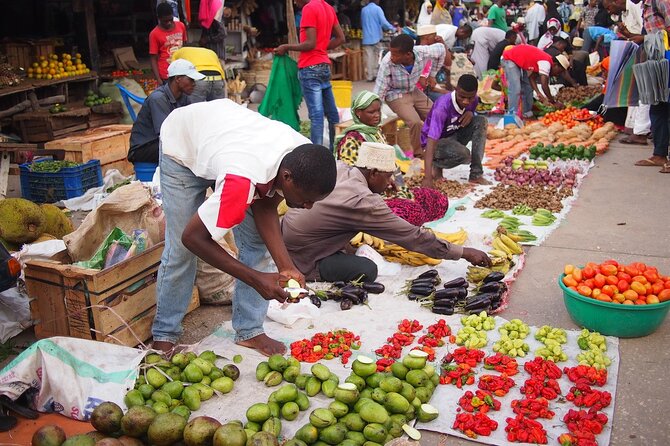
The day moves through three different kinds of Zanzibar. Darajani shows you food as a daily necessity and a market trade. The farm shows you the plants behind the island’s spice reputation. The kitchen brings the two together in a meal you help make.
I especially like that the ingredients are not treated as decoration. You shop for them, see related plants, then use them in cooking. That sequence gives the experience more meaning than a farm walk followed by an unrelated restaurant lunch.
The social side can be just as important. A friendly host may explain local habits, joke with vendors, and adjust the cooking pace to the group. The most successful accounts describe Lutfia or Latfiya as warm and attentive, with the cooking class becoming the highlight of the day. But the uneven accounts show why expectations should stay practical. Guide quality, punctuality, and communication matter a great deal here.
You should also expect local cooking methods to differ from European routines. The class may be less about exact timing and more about learning by watching and doing. If you enjoy asking questions and trying unfamiliar methods, that is a plus. If you need a polished demonstration with written instructions, it may feel loose.
Who should book this Zanzibar food tour?
This is a good match for you if food is one of the main reasons you travel. It suits curious cooks, couples, families, and small groups who want more contact with local ingredients than a restaurant meal provides.
It also works well for a first visit to Stone Town because it combines several useful introductions in one outing. You get a market, a farm, local cooking, and a meal without having to arrange each piece yourself.
I would be more cautious if you dislike market noise, farm visits with a shopping element, or informal instruction. The activity is not designed as a quiet, polished food studio class. It is a local experience with some rough edges.
Families may enjoy the fruit tasting and hands-on cooking, but the supplied details do not state a minimum age or child pricing. Ask before booking if those points matter to you.
The mobile ticket and included Stone Town transfers make the booking simple, and confirmation is issued at the time of booking. The experience is non-refundable and cannot be changed for any reason, so make sure your schedule is firm before paying.
Should you book the Zanzibar Cooking Class and Spice Tour?
I would book it if you want a practical introduction to Zanzibar food and can keep your schedule flexible. The strongest part is the link between market, farm, and kitchen, with the cooking class and final meal providing the real payoff.
Choose the morning departure if you have evening plans. Confirm pickup details before the day, and do not count on a particular guide, since names and staffing can vary. If you want recipes, bring a phone or notebook and write down the cook’s advice, especially for pilau and banana dishes.
For $40, the combination is appealing when the host is punctual, attentive, and willing to let you cook. It is less convincing if you only want a short spice-farm visit or need guaranteed timing. Food-focused visitors with half a day to spare should give this one serious consideration.
FAQ
Where does the Zanzibar cooking class begin?
The activity starts at R5QQ+697, Zanzibar, Tanzania. Hotel pickup is included for Stone Town hotels.
What time does the tour start?
The morning session begins at about 9:00 AM. An afternoon session is also listed for about 3:00 PM.
How long does the experience last?
The tour lasts approximately five hours.
What places are included?
The experience includes a short visit to Darajani Market, a spice-farm tour with tastings, and a cooking class with a local cook.
Is food included?
Yes. You help prepare authentic Zanzibar dishes and eat the meal afterward.
How many people can join?
The activity has a maximum of 10 travelers.
Does the tour include hotel drop-off?
Yes. The stated plan includes drop-off at your hotel, and the experience ends back at the meeting point.
Can I cancel or change the booking?
No. This experience is non-refundable and cannot be changed for any reason.
More Workshops in Zanzibar
- Cooking Class Tour
★ 5.0 · 9 reviews - Spice Tour & Cooking Class in Zanzibar
★ 5.0 · 3 reviews - Spice Farm Tour with Traditional Cooking Lesson
★ 5.0 · 3 reviews - NGO Lifted Strong – Traditional Tanzanian Cooking Class
★ 5.0 · 39 reviews
More Cooking Classes in Zanzibar
- Zanzibar: Spice Farm Tour with Traditional Cooking Lesson
★ 4.8 · 77 reviews - Half-Day Kuza Cave Swimming Adventure and Cooking Class
★ 4.5 · 44 reviews - Traditional Zanzibar Cooking Class including Spice Tour
★ 4.5 · 14 reviews - Full-Day Private Tour in Zanzibar with Cooking Class
★ 5.0 · 11 reviews
Just added around Zanzibar
- Zanzibar: Maasai World Tour with Cultural Practices★ 4.0 · 4 reviews
- Zanzibar: Maasai village and Nungwi turtles experience trip★ 4.9 · 16 reviews
- Zanzibar: Mnemba Atoll, Spice farm, Jozani forest & Lunch★ 3.9 · 3 reviews
- Zanzibar: Kendwa Beach Professional Photoshoot★ 5.0 · 5 reviews
- ZANZIBAR: Jozani Forest,Salaam Cave, The Rock & Blue Lagoon★ 4.8 · 8 reviews
- Zanzibar: Jozani Red Colobos Monkey & Salaam Turtle Santuary★ 4.6 · 3 reviews
- Zanzibar: Jozani Forest Walking Tour★ 5.0 · 3 reviews
- Zanzibar: Jozani Forest,Red colobus,the Rock Restaurant tour★ 4.5 · 21 reviews
Zanzibar Spice Farm Tours, compared.

Stone Town, Spice Tour, Prison Island with Lunch
Read our review →
Stone Town, Spice tour & Prison Island with Lunch
Read our review →
Full-Day Private Stone Town +Spice Farm and Prison Island Tour
Read our review →

The Swahili Spice Experience – Spice Tour + Culinary Journey
Read our review →Browse the lists this tour appears in