
Reviewed · KUZA CAVE TOURS
Half-Day Kuza Cave Swimming Adventure and Cooking Class
Kuza Cave gives you a fine reason to leave Zanzibar’s beach strip for a few hours. You swim in clear water inside an ancient sacred cave, then cook a Swahili meal and may hear local musicians play. The cave swim and the community purpose are the two things I like most.
I also like the simple price: $13 includes lunch, all fees, and taxes. It is a lot of culture for a half-day outing. The main caution is organization. With up to 30 people and several groups on site, you may need to ask for the full set of sights, and you should bring a screenshot or printed booking confirmation.
Key points at a glance

- Swim in an ancient cave: The clear water and quiet jungle setting are the main event.
- Cook with Zanzibar ingredients: Learn to blend local spices and make fresh coconut milk for rice or mchuzi.
- Support local education: The Kuza Cave Culture Centre is a social enterprise that directs income toward local community and school projects.
- See more than a beach: Archaeological artefacts and a Swahili history timeline add context to the cave.
- Music may be part of the afternoon: Local artists and musicians often stop in for African drumming and dancing.
- Plan your own transport: The meeting point is Kuza Cave in Kibigija, near Jambiani, and private transportation is not included.
Why Kuza Cave is worth leaving the beach for
Zanzibar can make it easy to spend every day beside the sea. That is pleasant, but it gives you only one slice of the island. Kuza Cave adds food, music, local history, and a community project to your day without asking for a full-day commitment.
The setting does much of the work. You walk into a cave with clear water and a peaceful jungle around it. The place has sacred importance, and the visit includes archaeological artefacts plus a timeline of Swahili history that reaches back to the story of humans originating in East Africa. You are not just stopping for a swim, though the swim is likely to be the most memorable part.
The centre also supports local artists and musicians, as well as education projects. That gives the $13 price more weight. Your payment is not simply covering an attraction and a meal. It helps keep a local cultural space operating.
The experience has a strong average score of 4.4 out of 5, with 91 percent of bookers recommending it. That does not mean every part will run with the same polish. The cave receives the clearest praise, while the organization of the wider visit can depend on how busy the centre is.
More Kuza Cave Tours in Zanzibar
- Dolphin Tour, Jozani Forest Tour, Kuza Cave Tour, Paje Beach,The Rock Restaurant
★ 4.5 · 37 reviews - Mnemba Island, Turtle Tour, Kuza Cave, The Rock
★ 4.6 · 26 reviews - Zanzibar: Prison Island, Monkeys, and Kuza Cave Private Tour
★ 4.9 · 21 reviews
Arriving at 10:00 am in Kibigija
The tour begins at 10:00 am at Kuza Cave in Kibigija, near Jambiani. It ends at the same meeting point around 2:00 pm, so you need to arrange your own way there and back.
Private transportation is not included. The location is near public transportation, which helps if you are staying close enough to use it, but you should still allow time to reach the cave. The experience does not offer a hotel pickup in the information provided, so do not assume one is part of the price.
Bring your mobile ticket, but also save a screenshot or print the confirmation. One visitor was asked to show proof of payment even though the booking had already been made. The centre apparently could not find the reservation through its own system at that moment. This is a small precaution, but it can prevent a needless delay at the gate.
The group limit is 30 people. That is not an enormous number, but it is large enough for the day to feel less personal if several groups arrive together. If you want to see every part of the site, ask your guide what is included when you arrive.
The cave swim is the main attraction
The cave water is described as crystal clear, and the swim is the strongest reason to book this outing. You can relax in the cool water while the jungle creates a quiet setting above and around the cave.
This is not presented as a fast photo stop. The first part of the morning gives you time to swim and enjoy the place. A review described the caves as the most beautiful the writer had seen, while another called the swim breathtaking and worth the cost. Those are strong words, but they point to a clear pattern: the natural setting carries the experience.
The cave has sacred importance, so treat it with care. The value is not only the water itself. You are visiting a place tied to local belief and community use, not a standard hotel pool with a dramatic roof.
You should be comfortable around water before booking. The supplied information does not state that lifeguards, changing rooms, towels, or swimming equipment are provided, so do not count on those extras. Pack what you need for a wet activity and keep your booking proof somewhere dry.
Archaeology and the Swahili story
After or around your swim, you can see archaeological artefacts from the cave and a timeline of Swahili history. The display reaches back to East Africa and the early human story, giving the site a wider frame than its attractive water.
This part matters because Zanzibar’s culture did not begin with modern beach tourism. The Swahili world developed through long contact between African communities and the wider Indian Ocean region. The information provided for this tour does not promise a formal museum visit or a long lecture, so expect a modest interpretive display rather than a large cultural institution.
A guide explains aspects of Zanzibar’s culture and history during the visit. The quality of that explanation may vary with crowd levels. One person found that the guide was attending to four groups and had to be asked to show the other attractions. I would be direct but polite: after the swim, ask where the artefacts and history timeline are, and ask who will walk you through them.
That simple step can turn a quick cave visit into a more complete cultural outing.
Same country, a completely different kind of safari:
- Zanzibar: Quad Bike Adventure departing from Kendwa or Nungwi
★ 4.9 · 1,233 reviews - Zanzibar: Prison Island and Nakupenda Boat Trip with Lunch
★ 4.1 · 882 reviews - Skydive Zanzibar | Tandem Skydive
★ 5.0 · 877 reviews - Mnemba Island: Dolphin Swim & Snorkeling with Optional Lunch
★ 4.3 · 591 reviews
Cooking lunch with coconut and spice
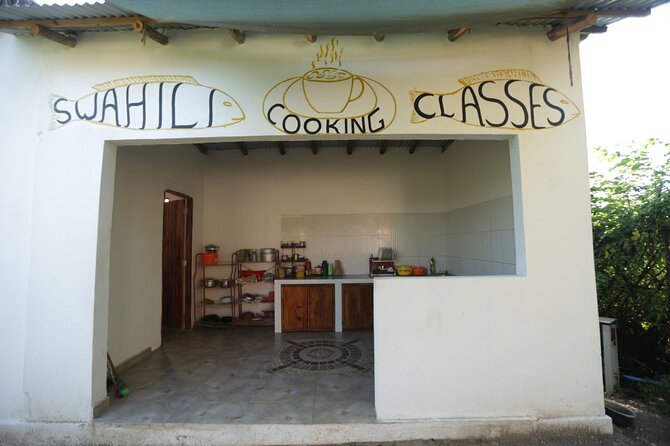
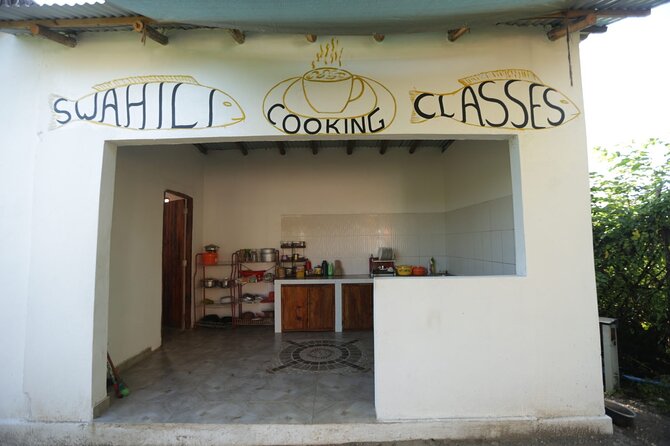
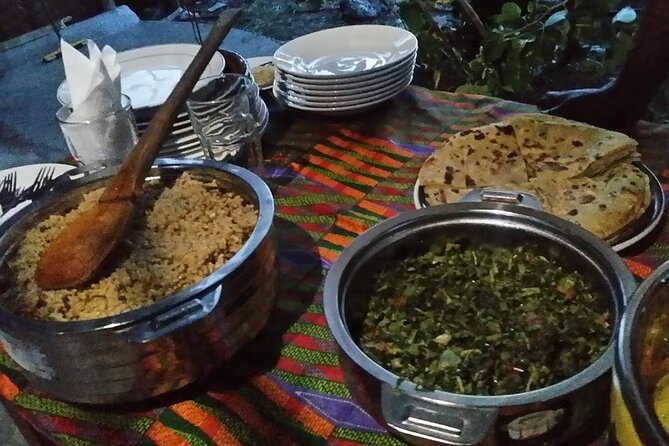
At about 11:30 am, the group moves to the open-plan kitchen for lunch and a cooking session. You learn how to blend Zanzibar spices gently and make fresh coconut milk. The coconut milk can be used with rice or in mchuzi, a local sauce.
This is a hands-on lesson rather than a cooking demonstration described from a distance. You get to work with ingredients and then eat the meal. The food is included in the $13 cost, so the class adds both an activity and a substantial part of the value.
The lesson also explains why local food tastes the way it does. Spices are not just decoration on a plate, and coconut milk is not an afterthought. Learning how they are combined gives you a practical link to Swahili home cooking.
The cooking staff are described as friendly and pleasant. One person could not take part because of illness, which is a useful reminder that the cooking portion is optional in practical terms. If you are not feeling well, you can still focus on the cave and the cultural setting, though lunch remains part of what is included.
The information does not specify the exact menu, so do not expect to choose individual dishes. The meal is based on local Swahili food, with rice or mchuzi connected to the coconut preparation.
Music, dancing, and the social enterprise
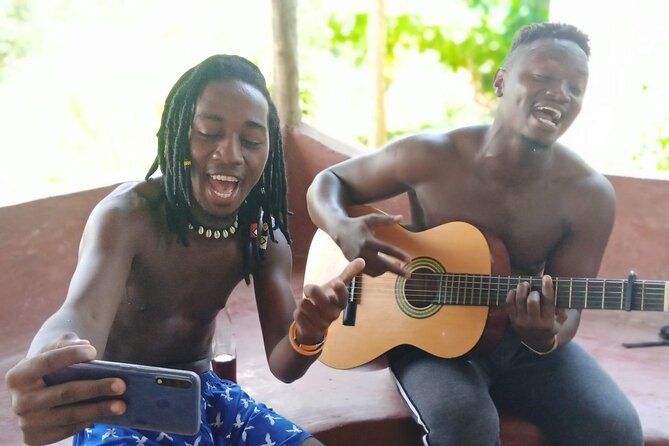
The Kuza Cave Culture Centre supports local artists and musicians who often drop in for an afternoon of traditional African drumming and dancing. This gives the visit a less staged feel than a fixed performance designed only for tour groups, though the exact music program can vary.
One person especially enjoyed the music and described the drumming and dancing as a highlight. You may be invited to join the musicians in a jam session, adding another chance to take part rather than simply watch.
A separate booking is needed for a dedicated drum or dance lesson. That distinction matters. The standard experience may include music and dancing when artists are present, but it does not automatically include a formal lesson.
The social enterprise model is one of the best reasons to choose this activity over a simple cave stop. Income from the caves supports the local community and schools. You still receive a swim, lunch, and cultural programming, but your visit also helps fund education projects. If that kind of direct local benefit matters to you, the price looks especially good.
What the $13 price really buys

At $13 per person, this is one of the easier Zanzibar activities to justify financially. The price includes all fees and taxes, lunch, the cave visit, the cultural setting, and the cooking class. It does not include private transportation.
I see the best value in the combination. A cave swim alone might fill an hour, but the added food lesson, history display, and possible music make the four-hour schedule feel fuller. You are not paying for a luxury guided tour, and the low price comes with a few limits in organization and personal attention.
The experience is also priced for people who want something beyond the beach without committing to a costly full-day excursion. Couples, families, and solo visitors staying around Jambiani may find it an easy addition to a Zanzibar itinerary.
The value is weaker if you want a tightly managed tour with constant guide attention. A maximum of 30 people can create waiting or confusion, especially when several groups share the centre. You may need to take some responsibility for asking questions and finding out what happens next.
The four-hour rhythm
The schedule has a sensible shape:
- 10:00 am: Arrive at Kuza Cave, swim, explore the jungle setting, and see the cave displays.
- 11:30 am: Join the kitchen session, prepare coconut milk and spices, then eat local Swahili food.
- Afternoon: Enjoy traditional drumming, dancing, or a music jam when local artists are present.
- 2:00 pm: Finish back at Kuza Cave.
The timing leaves enough room for the main parts without turning the day into a rushed checklist. The transition from water to food also makes sense. You begin with the place itself, then connect it to local history and cooking.
Keep in mind that the music is not described as a guaranteed scheduled concert. Artists often drop in, so the afternoon atmosphere may change from one date to another. A formal drum or dance lesson requires another booking.
The centre may also have other attractions, such as a tea garden. One person found the tea garden disappointing, so I would not make that the reason for booking. Come for the cave, cooking, and community setting. Treat extra displays as an addition.
Who should book this experience?
I would recommend it to you if you want a short cultural outing near Jambiani and do not want to spend the whole day in a vehicle. The cave gives you a striking natural stop, while the kitchen and music add contact with local life.
It suits visitors who enjoy participation. You cook, blend spices, make coconut milk, swim, and may join a music session. It is less suited to someone who wants a silent nature visit or a polished private tour.
Families may appreciate the mix of water, food, and music, though the information does not specify child pricing or age rules. Couples can pair it with a beach day, and solo visitors have several natural ways to take part in the group.
You should also book it if supporting local schools and artists is important to you. The social enterprise gives the visit a clear purpose beyond sightseeing.
Practical tips for a smoother visit
Save your confirmation on your phone and carry a printed copy if possible. The booking system may not be available to staff on site, so proof of payment is useful.
Arrange transport before the morning begins. The meeting point is Kuza Cave in Kibigija, and private transport is not included. The centre is near public transportation, but the exact route and timing depend on where you are staying.
If the site feels busy, ask for a guide to show you the archaeological artefacts and the Swahili history timeline. This is especially helpful when staff are managing several groups.
Bring the basics for a swim and expect to prepare food. The supplied details do not confirm towels, lockers, changing facilities, or special dietary arrangements, so ask the provider directly if any of those are important to you.
You can cancel for a full refund if you do so at least 24 hours before the start time. Cancellations or changes made within 24 hours are not refunded or accepted, and the cut-off uses Zanzibar local time.
Should you book Kuza Cave?
Book this half-day experience if you want clear cave water, local food, and music at a very low price, and you are willing to handle your own transport. The cave swim is the reliable centrepiece, while the cooking class and social enterprise give the visit real substance.
Skip it if you need a private guide, a fixed performance, or tightly controlled timing. The group can reach 30 people, and you may need to ask for some of the displays.
For most visitors staying near Jambiani, I think the balance is favorable. You get a memorable swim, lunch, a taste of Swahili cooking, and a direct contribution to local education projects for $13. Bring your booking proof, ask questions on arrival, and let the day’s music be an extra rather than a promise.
FAQ
Where does the Kuza Cave experience start?
It starts at Kuza Cave in Kibigija, near Jambiani, Tanzania.
Where does the activity end?
The activity ends back at the Kuza Cave meeting point.
How long does the experience last?
The experience lasts approximately four hours, from 10:00 am until 2:00 pm.
Is transportation included?
No. Private transportation is not included. The meeting point is near public transportation.
Is lunch included?
Yes. Lunch and all fees and taxes are included in the price.
What food do you prepare?
You learn to blend Zanzibar spices and make fresh coconut milk for rice or mchuzi, a local sauce.
Is a drum or dance lesson included?
No. A separate booking is required for a drum or dance lesson. Local musicians and artists may still provide traditional drumming and dancing during the visit.
How many people can join the activity?
The maximum group size is 30 people.
Will I receive booking confirmation?
Yes. Confirmation is received at the time of booking. It is also wise to keep a screenshot or printed copy of the confirmation with you.
What is the cancellation policy?
You can cancel at least 24 hours before the local start time for a full refund. Cancellations or changes made less than 24 hours before the start time are not accepted and are not refunded.
More Workshops in Zanzibar
- Cooking Class Tour
★ 5.0 · 9 reviews - Spice Tour & Cooking Class in Zanzibar
★ 5.0 · 3 reviews - Spice Farm Tour with Traditional Cooking Lesson
★ 5.0 · 3 reviews - NGO Lifted Strong – Traditional Tanzanian Cooking Class
★ 5.0 · 39 reviews
More Cooking Classes in Zanzibar
- Zanzibar: Spice Farm Tour with Traditional Cooking Lesson
★ 4.8 · 77 reviews - Zanzibar Cooking Class & Spice Tour
★ 4.5 · 77 reviews - Traditional Zanzibar Cooking Class including Spice Tour
★ 4.5 · 14 reviews - Full-Day Private Tour in Zanzibar with Cooking Class
★ 5.0 · 11 reviews
Just added around Zanzibar
- Zanzibar: Maasai village and Nungwi turtles experience trip★ 4.9 · 16 reviews
- Zanzibar: Mnemba Atoll, Spice farm, Jozani forest & Lunch★ 3.9 · 3 reviews
- Zanzibar: Maasai World Tour with Cultural Practices★ 4.0 · 4 reviews
- Zanzibar: Kendwa Beach Professional Photoshoot★ 5.0 · 5 reviews
- ZANZIBAR: Jozani Forest,Salaam Cave, The Rock & Blue Lagoon★ 4.8 · 8 reviews
- Zanzibar: Jozani Red Colobos Monkey & Salaam Turtle Santuary★ 4.6 · 3 reviews
- Zanzibar: Jozani Forest Walking Tour★ 5.0 · 3 reviews
- Zanzibar: Jozani Forest,Red colobus,the Rock Restaurant tour★ 4.5 · 21 reviews
Kuza Cave Tours, compared.
Dolphin tour, Jozani Forest, Jambiani Kuza Cave, Paje Beach &The Rock restaurent
Read our review →
Swim with Sea Turtles, Kuza Cave, Paje Beach, The Rock Lunch
Read our review →
Jozani Forest, Kuza Cave, Paje Beach and The Rock Restaurant
Read our review →
Dolphin Tour, Jozani Forest Tour, Kuza Cave Tour, Paje Beach,The Rock Restaurant
Read our review →
Mnemba Snorkeling, Kuza Cave, Blue Lagoon, Starfish Tour, The Rock Restaurant
Read our review →
Jozani Forest, Kuza Cave and Stand Up Paddle Tour
Read our review →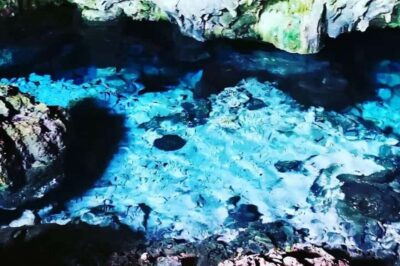
Salaam Cave Tour, Kuza Cave, Paje Beach, Lunch at The Rock
Read our review →
Secret Beach, Kuza Cave and Jozani with transfer
Read our review →Browse the lists this tour appears in