
Reviewed · HISTORICAL TOURS
Maasai Boma Cultural Tour
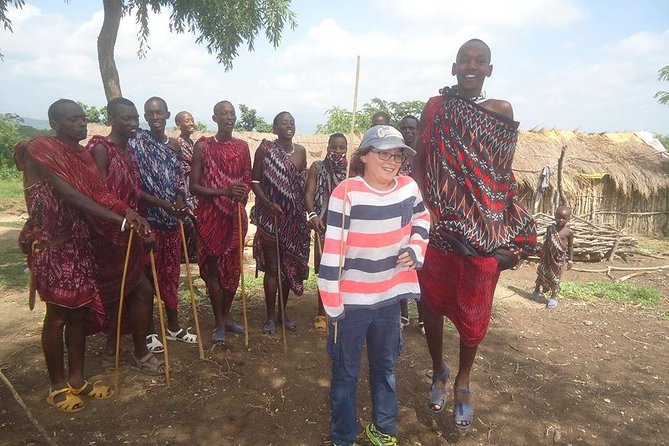
The heart of this experience is simple: you are invited into a Southern Maasai boma, a family settlement, to learn how people organize work, homes, food, medicine, and daily life. This is not a long safari activity or a staged dance show added to a park visit. It is a short cultural visit built around conversation and welcome.
I like two things right away. The village development fund is included, so part of your ticket supports local needs rather than ending only with transport and guiding. I also like the small time commitment and hotel pickup, which make this easy to fit around a safari or a busy day near Mikumi.
The main consideration is the short length. Two hours gives you a useful introduction, but not a full picture of every part of Maasai life. Group size can reach 25 people, so ask about the expected group for your date if quiet conversation matters to you.
Key points to know before you book
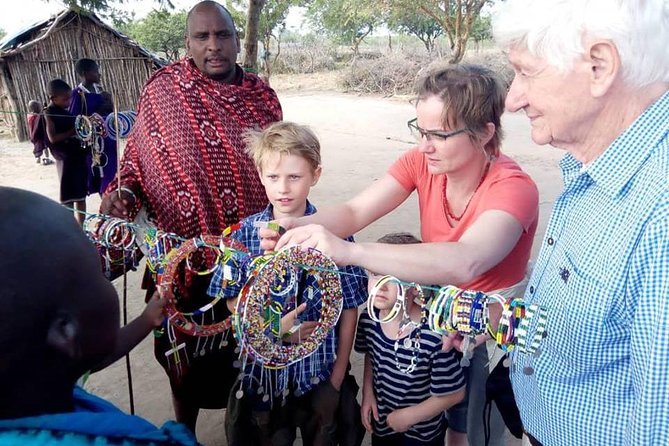
- Meet a Southern Maasai family: The visit takes place at a Maasai boma, where you learn about home life and family organization.
- Learn about age sets and work: The guide explains how age divisions shape duties and daily responsibilities.
- See culture through practical subjects: Food, medicine, healing methods, language, history, and indoor living are all part of the visit.
- Hotel pickup is offered: You do not need to arrange separate transport to the village if pickup is available for your booking.
- Your fee includes the village fund: The price of $30.77 per person includes all stated fees and the village development contribution.
- Keep two hours free: This is a compact introduction, well suited to a tight schedule rather than a full-day cultural program.
Entering a Maasai boma near Mikumi
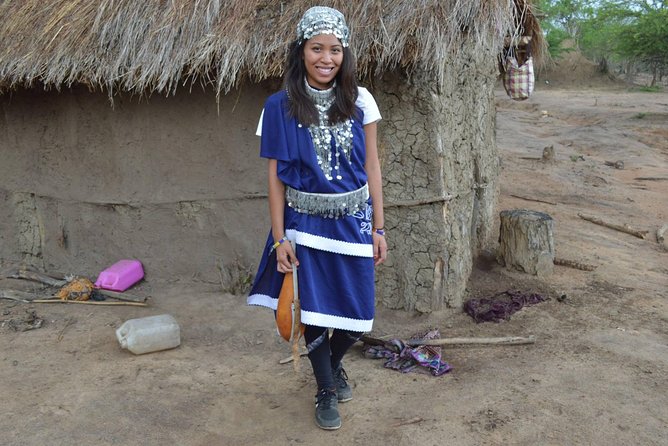
The visit begins with arrival at a Maasai boma, described as a family home or settlement. The setting matters because the subject is not presented only through costumes or a stage. You are learning in the place where the family lives and works.
The tour focuses on Southern Maasai culture. That means your guide may explain the language, local history, homes, food, medicine, healing methods, and everyday routines. The material is broad, but the short duration keeps it approachable for someone who wants a clear first look without committing to a full day.
One guide identified with the experience is Melami, a Maasai guide who lives in the village. That detail is useful. A local guide can connect general explanations to the actual boma around you, and Melami’s role gives the visit a personal link to the community.
You should approach the visit with curiosity and respect. The aim is to listen, ask questions, and notice how practical subjects such as shelter, food, work, and healing connect with social customs. You are not simply checking off a cultural stop. You are being shown how a community understands its own daily life.
A few more Morogoro trips to weigh up
- Zanzibar: Stone Town Historical Cultural Walking Guided Tour
★ 4.5 · 179 reviews - Arusha Guided Walking City Tour, Culture, Lifestyle & History
★ 5.0 · 150 reviews - Stone Town Historical Walking Tour
★ 5.0 · 143 reviews
Understanding age sets and division of labor
One of the more useful subjects here is the Maasai age-set system and its connection to division of labor. The tour explains how age groups relate to duties and responsibilities, giving you a way to understand social structure beyond the familiar images of Maasai clothing and dancing.
This is an important distinction. A cultural tour can easily reduce a people to a few visual symbols. Here, the stated focus includes how the community is organized and how work is shared. That makes the experience more useful for anyone who wants context rather than only a photo opportunity.
The guide also covers nomadic life. The word can sound broad, so listen for the practical details of movement, family life, and work that shape the subject. The available information does not promise a full demonstration of every nomadic activity, so you should think of this as an introduction to the way of life, not a complete field study.
Because the visit lasts about two hours, explanations may move at a lively pace. If a subject interests you, ask about it while you have the chance. Questions are especially valuable in a cultural setting, where a short answer can lead to a better understanding of why a custom matters.
Seeing how homes shape daily life
Indoor living is part of the tour, along with an explanation of Maasai homes. This is one of the most grounded sections because it turns a large topic into something you can observe directly.
A home tells you about more than construction. It can show how people arrange family life, store items, rest, cook, and handle the demands of daily work. The tour does not list every feature you will see, so exact details may depend on the boma and the guide. Still, the chance to learn inside a family setting gives the subject a practical focus.
I recommend giving this part more time than you might expect. Visitors often arrive ready for the lively parts of a cultural visit, such as dancing and jumping, but the home and daily routine section may offer a clearer sense of how people live. It also creates natural openings for respectful questions.
Do not expect a museum display with labels and a fixed route. The experience is built around a local welcome and explanation. That can feel more personal, but it can also mean that the flow is less formal than a standard sightseeing attraction.
Food, medicine, and healing methods
The tour also introduces Maasai food, medicine, and healing methods. These subjects can be especially interesting because they connect culture with everyday needs.
You will learn about food as part of daily life, not just as a tasting course. The information provided does not promise that a meal or food samples are included, so you should not book this expecting lunch. The focus is learning about what the community eats and how food fits into its way of life.
Medicine and healing methods add another layer. A guide can explain how knowledge is passed on and how people understand care and treatment. The description does not specify that you will receive remedies, demonstrations, or medical advice. Treat this as cultural education, not a substitute for professional healthcare.
These topics also call for a thoughtful attitude. You can ask how a practice is used and what it means, while avoiding the assumption that one explanation represents every Maasai family. The tour is about Southern Maasai culture in this setting, and local experience is best understood in its own terms.
Same country, a completely different kind of safari:
- Mikumi National Park Day Trip
★ 5.0 · 76 reviews - 2 Day Safari To Mikumi National Park + transfers from Dar Es Salam
★ 5.0 · 56 reviews - From Zanzibar: Mikumi Safari Day Trip with Flights and Meal
★ 4.5 · 54 reviews - Full-Day Private Safari at Mikumi National Park with Lunch
★ 5.0 · 29 reviews
Dancing, jumping, and the welcome
The visit includes a warm welcome, and dancing and jumping are specifically part of the experience as described by past participants. These activities add energy after the more conversational subjects.
I would treat this as participation offered in a friendly setting, not as the whole purpose of the visit. The strongest value comes from the mix: you see a social expression of culture, then connect it with language, history, homes, work, food, and healing.
Some participants have described being made to feel part of the family rather than kept at a distance. That is a meaningful quality when it happens, but it is wise to keep your expectations flexible. Your experience will depend on the day, the group, the guide, and the boma hosting the visit.
The available feedback also points to enthusiastic guiding and a very welcoming atmosphere. One account described a private visit with only two people, while the official group limit is 25. That means a small group may occur, but you should not assume that every departure will be private.
What the $30.77 price covers
At $30.77 per person, this is priced as a modest, short cultural activity. The value comes from several pieces working together: local guiding, access to a family boma, a two-hour introduction, hotel pickup availability, and the included village development fund.
The fund is the detail I would pay closest attention to. Your ticket contributes to village development, so the cost is not only payment for an activity. It also supports a stated local purpose. The available information does not specify the exact projects or percentage allocated, so you should not assume a particular school, clinic, or building project.
Pickup adds value if you are staying near the operating area and do not want to arrange a taxi or public transport. The tour is also near public transportation, but pickup is the more convenient choice when offered. Confirm the pickup details at booking, since the general information does not name every hotel or pickup zone.
The price looks strongest for someone who wants a compact cultural stop with a direct community connection. It is less suitable if you expect a full meal, an all-day village program, or a detailed specialist course in Maasai history.
Timing, group size, and practical planning
The stated duration is about two hours. That makes the tour easy to place before or after another activity, especially if your schedule includes safari time in the Morogoro Region or near Mikumi.
The maximum group size is 25. That is a medium-sized group, not an intimate private visit by definition. A larger group may make it harder to ask many questions or see every part of an activity, while a smaller group can allow more direct conversation.
The operating hours are listed as Monday through Sunday, from midnight to 11:30 p.m., for the stated availability period. Those broad hours do not mean every departure begins at any time you choose. Confirm the actual start time when booking.
Confirmation is received at the time of booking. Pickup is offered, and the activity is near public transportation. Most people can participate according to the provided information, but no detailed accessibility information is supplied. If you have specific mobility or access needs, ask before paying.
Cancellation is free if you cancel at least 24 hours before the start time. A cancellation made less than 24 hours before the start is not refundable, and changes inside that period are not accepted. The cutoff uses local time.
Who will enjoy this most
I would choose this tour if you want a short, human-scale cultural visit rather than another vehicle-based activity. It suits people who are curious about how homes, work, age groups, food, and healing fit together in Southern Maasai life.
It also works well for a first introduction. You do not need to know much about Maasai history before arriving, and the guide is there to explain the setting. The mix of conversation, observation, welcome, and dancing keeps the two hours varied.
Families and mixed-age groups may find the clear subjects and active elements appealing, though the information provided does not specify a minimum age. People with a tight itinerary will appreciate the duration and pickup option.
I would be more cautious if your main goal is a long, quiet conversation with one family. The group can reach 25, and the tour is designed as a compact introduction. If privacy is important, ask about the group size for your date rather than relying on reports of a two-person visit.
Final decision: book it for context, not spectacle
Book the Maasai Boma Cultural Tour if you want a manageable two-hour visit that connects local people, practical daily life, and community support. The strongest parts are the local setting, the range of subjects, the possible guidance from Melami, and the included village development fund.
Do not book it expecting a full-day cultural program, a guaranteed private visit, or a meal unless those details are confirmed separately. At $30.77, it offers good value for a concise introduction, especially when hotel pickup saves you extra planning.
For a visitor near Mikumi or elsewhere in the Morogoro Region, this is a sensible way to add cultural understanding to a safari-focused trip. Go ready to listen, ask respectful questions, and take the village on its own terms.
FAQ
Where does the Maasai Boma Cultural Tour take place?
The tour takes place at a Maasai boma in the Morogoro Region of Tanzania, near Mikumi.
How long does the tour last?
The experience lasts approximately two hours.
What is the price?
The listed price is $30.77 per person.
Is hotel pickup available?
Yes. Hotel pickup is offered, so you do not need to arrange all transport independently.
What does the tour teach?
You learn about Southern Maasai language, history, homes, food, medicine, healing methods, nomadic life, age-set divisions, division of labor, and daily routines.
Is the village development fund included?
Yes. The stated price includes all fees, including the village development fund.
How many people can join the tour?
The activity has a maximum of 25 participants.
Is the tour offered every day?
The listed opening schedule is Monday through Sunday, from 12:00 a.m. to 11:30 p.m., during the stated availability period.
Can most people participate?
The available information says most people can participate. Detailed accessibility information is not provided.
Can I cancel for a full refund?
Yes, if you cancel at least 24 hours before the experience start time. Cancellations made less than 24 hours before the start time are not refunded, and changes within that period are not accepted.
Just added around Morogoro
- Uluguru mountain overnight 2 nights 3 days★ 5.0 · 9 reviews
- Uluguru Mountains Hiking To The Peak 2 Days 1 Night Camping★ 5.0 · 4 reviews
- Day trip Hiking to Uluguru Mountains-Choma Waterfalls★ 5.0 · 19 reviews
- Dar es salaam to Morogoro To/From transfer with comfortable car★ 5.0 · 19 reviews
- Mikumi National Park in a Day – A Day Tour from Morogoro★ 5.0 · 21 reviews
- Day trip tour to Choma Waterfalls★ 5.0 · 14 reviews
- A day trip to mikumi from morogoro★ 5.0 · 5 reviews
- Day Trip To Lupanga Peak★ 5.0 · 3 reviews
Historical Tours, compared.

Stone Town Historical Cultural Walking Guided Tour
Read our review →
Arusha Guided Walking City Tour, Culture, Lifestyle & History
Read our review →
Stone Town’s Hidden History: Private Guided Walking Tour
Read our review →

Zanzibar Stone Town Historical Tour and Spice Farm Tour
Read our review →Browse the lists this tour appears in