
Reviewed · LEMOSHO ROUTE CLIMBS
climb the KILIMANJARO via Lemosho route
Kilimanjaro’s Lemosho route gives you the mountain in stages: farmland, rainforest, heather, open rock, and finally the cold alpine desert near Uhuru Peak. The route is scenic and demanding, with the Shira Plateau and Barranco Wall adding real character before summit night.
I like the slow climb through several high camps, especially the Lava Tower to Barranco descent, which gives you useful time at altitude before sleeping lower. I also like the private format, since guide Paul Bernad can adjust the pace for your group rather than march everyone to the same schedule. The main caution is simple: this is a serious physical effort, not an easy sightseeing walk, and the itinerary includes long days at high altitude.
Key points to know before you book
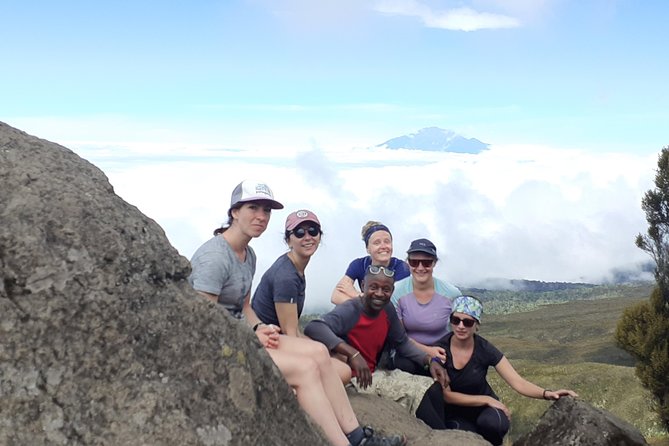
- Lemosho reaches the mountain through rainforest and Shira Plateau, with wildlife sightings possible early in the climb.
- Paul Bernad leads private groups, with the pace adjusted to the abilities of the people climbing.
- Lava Tower and the Barranco descent provide a useful acclimatization pattern before the summit push.
- Summit day reaches Stella Point at 5,756 meters and Uhuru Peak at 5,896 meters, followed by a return to Barafu Hut.
- The price is about $2,564.11 per person, with pickup offered and a mobile ticket provided.
- The tour takes about eight days, and you need moderate physical fitness, cold-weather preparation, and a good attitude toward basic mountain camping.
Why Lemosho is a strong choice for Kilimanjaro
Kilimanjaro is not a technical climb in the sense of ropes and rock gear, but altitude makes it hard. The Lemosho route handles that challenge with a gradual approach. You begin at the Londrossi Gate, around 2,200 meters, then move through the forest and up toward the Shira Plateau before circling toward the summit.
That gradual pattern matters. You are not simply racing uphill from camp to camp. Several days let you walk high and sleep lower, or at least spend time at a higher point before descending to camp. The route also gives you changing scenery, which helps break up the long walking days.
This is a private activity, so only your group takes part. That can be a major benefit if one person needs a slower pace, a longer rest, or extra encouragement. Paul Bernad has guided climbers with different abilities, including a family group with climbers aged 68, 69, 34, and 36. That does not make the mountain easy, but it suggests that careful pacing and a supportive crew are central to the experience.
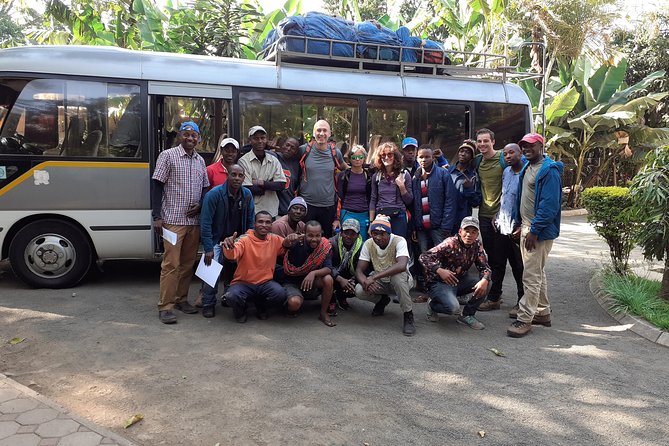
The tour includes pickup from a hotel in Arusha or Moshi. You should confirm the exact pickup details when booking, but the basic plan is straightforward: drive to the western entrance, register, and begin walking from the forest edge.
More Lemosho Route Climbs in Arusha
- 8-Day Small-group Lemosho Kilimanjaro Summit Trekking
★ 5.0 · 186 reviews - 8 Days Mountain Kilimanjaro Lemosho Route
★ 5.0 · 22 reviews - 7 Day Kilimanjaro Climb Lemosho Route & 2 Day Safari
★ 5.0 · 16 reviews
Day 1: Londrossi Gate to Forest Camp
The first day begins with a drive from your Arusha or Moshi hotel to Londrossi Gate, at about 2,200 meters. Registration takes place here, and the route then continues by vehicle toward the walking start.
The drive passes farms and planted areas where crops such as carrots and potatoes grow beneath mixed trees. This is a useful reminder that Kilimanjaro is not only a mountain wilderness. People farm around its lower slopes, and the first part of the trip connects those working communities with the protected park above.
Once you begin walking, expect about 5 kilometers and roughly four hours on foot. The route enters rainforest, where the air is cooler and the trail is shaded. The provided schedule notes possible sightings of elephants, buffalo, and eland, along with birds, smaller animals, and flowers. Wildlife is never guaranteed, so treat these as possibilities rather than promises.
Forest Camp sits around 2,830 meters. The day is listed as taking up to 12 hours, mainly because of the long transfer, registration, and walking start. You will want a small daypack with water, rain protection, and anything you need during the drive and first walk.
Day 2: Forest Camp to Shira 1
The forest gradually gives way to heather and open moorland as you climb toward Shira 1. This is a shorter day by distance, about 7 kilometers and four to six hours of walking, but the elevation gain makes it feel more serious.
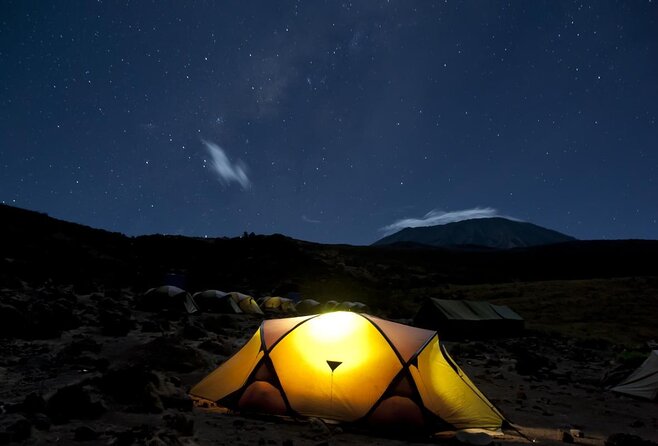
The route climbs toward the Shira Plateau ridge, where Erica plants and open grassland replace the dense lower forest. The views widen here. On a clear evening, you may see Kibo, the main volcanic cone and the high point of Kilimanjaro, from camp.
Shira 1 sits at about 3,509 meters. That altitude can affect you even if the walking feels manageable. Move slowly, drink regularly, and tell the guide early if you develop a headache, nausea, unusual fatigue, or other symptoms. You do not gain anything by hiding a problem until it becomes severe.
This is also where the route begins to feel less like a forest hike and more like a high mountain trip. The combination of open ground, chilly air, and distant views gives the climb a clear change of mood.
Day 3: Shira Cathedral or the higher route
Day 3 has two possible options. One takes four to five hours and covers about 6 kilometers, heading toward Shira Cathedral at approximately 3,920 meters for acclimatization before continuing to Shira 2 Camp at about 3,840 meters.
That option is attractive because you gain extra height during the day and then sleep somewhat lower. The walk to Shira Cathedral adds a worthwhile high point without committing you to a huge distance. You should expect exposed ground and a more rugged feel than on the first two days.
The other option uses a lower route across the rescue road and continues directly toward the Moe Hut area at around 4,200 meters. The schedule gives this as an alternative overnight location. Because the exact route can depend on conditions, group pace, and the guide’s judgment, ask Paul which version is planned for your departure.
This flexibility is useful, but it also means your exact day may not match the outline perfectly. That is normal on a mountain itinerary. The guide needs room to respond to weather, altitude, and the condition of the people in the group.
Same country, a completely different kind of safari:
- Balloon Safari & Bush Breakfast in Serengeti – Miracle Experience
★ 5.0 · 1,646 reviews - Tanzania Classic – 7 Days
★ 5.0 · 1,151 reviews - 4 Days Group Camping Safari
★ 5.0 · 1,101 reviews - 5 Days Group Camping Safari
★ 5.0 · 730 reviews
Day 4: Lava Tower and the Barranco descent
Day 4 is one of the route’s best-designed days. You climb through a rock desert to Lava Tower, reaching about 4,605 meters, stop for lunch, and then descend to Great Barranco Camp at approximately 3,940 meters.
The climb to Lava Tower can feel slow and stark. Vegetation becomes sparse, and the volcanic terrain takes over. The high point gives you time at altitude, while the descent lets you sleep lower than that afternoon’s highest point. For acclimatization, this is a valuable pattern.
The day covers about 9.5 kilometers and takes five to six hours according to the schedule. You may find the descent harder than expected, especially if the loose or uneven rock tires your legs. Trekking poles can be helpful, though the provided information does not state that equipment is supplied, so check before you arrive.
Barranco Camp has dramatic scenery, with the Barranco Wall rising nearby. This is often the point when the mountain feels visually grand rather than simply steep. The camp sits in a basin surrounded by volcanic formations, and the contrast between dark rock and open sky makes it a memorable night.
Day 5: The Barranco Wall to Karanga Camp
After breakfast, you tackle the Barranco Wall. The route climbs to roughly 4,200 meters and then continues toward Karanga Camp, at about 4,000 meters. The walking distance is around 5.5 kilometers, with three to four hours listed for the day.
The phrase rock climbing can sound more technical than it is. The route is a hands-on scramble over rock rather than a technical climbing pitch, but you still need balance, concentration, and a steady pace. Your guide will be important here, especially if anyone in the group is nervous on uneven ground.
Karanga is a short day by distance, which gives you time to rest after the wall and prepare for the summit push. Hot lunch is included in the plan. A warm meal can matter a great deal at this altitude, where appetite and energy often become less reliable.
This is a good point to check your clothing, headlamp, gloves, water, and camera batteries. The summit day starts early, and you will not want to sort through a wet or disorganized pack when you are tired.
Day 6: Barafu Hut and Uhuru Peak
The route climbs from Karanga to Barafu Hut in about three to four hours, covering roughly 5 kilometers. Barafu sits at approximately 4,620 meters in the alpine desert, with little shelter from cold or wind.
The schedule then describes the summit effort as about six hours and 5.5 kilometers to Stella Point at 5,756 meters and Uhuru Peak at 5,896 meters. The timing can vary greatly by pace, weather, rest stops, and altitude, so you should read the figures as a plan rather than a guarantee.
The final approach is physically demanding because the air is thin and the ground is steep. You will likely move slowly. The guide’s job is not only to show the way, but also to watch the group’s condition and keep the pace sensible.
At Uhuru Peak, you have a few minutes for photographs before descending to Barafu Hut in about three hours. Do not depend entirely on your phone for pictures. Cold can drain a battery, and gloves make small devices awkward. Keep the camera or phone protected, and give yourself time to enjoy the summit instead of turning the moment into a hurried photo stop.
The summit day is the main reason to choose this experience, but it is also the biggest drawback. You need to be ready for cold, exhaustion, and a long stretch of walking at extreme altitude. Good preparation matters more than raw enthusiasm.
Day 7: Barafu to Mweka Hut
After rest and food at Barafu, you continue downhill toward Mweka Hut, at about 3,100 meters. The day is listed at roughly six hours and ends with dinner and your final mountain night.
Descending is easier on your breathing, but it can be rough on knees and feet. The mountain does not become effortless after the summit. A pair of well-tested boots, comfortable socks, and poles can make the downhill sections less punishing. Confirm what gear is included and what you need to bring yourself before departure.
Mweka Hut marks the shift toward the finish. You are lower, the air is thicker, and the forest is getting closer. After the summit effort, this night gives you a chance to recover before the final walk out.
Day 8: Mweka Hut to the gate
The last walking day descends about 8 kilometers through rainforest to Mweka Gate, at approximately 1,760 meters. The schedule allows around four hours.
At the gate, you sign out and receive a certificate recognizing the climb. Then the vehicle takes you back to your hotel. The return drive is a practical end to a demanding week, but do not plan an important same-day connection without a generous time cushion.
The forest descent gives you one last change in scenery. After days of rock, open moorland, and high camps, the lower vegetation can feel almost lush. Your legs may be tired, but the route’s full range of environments is now clear.
Food, guides, and the private-group advantage
The crew includes guides and cooks, and the food has been a strong part of the experience for this operator. The exact menu is not specified, so you should tell the company about dietary needs before arrival rather than assume they will know.
Paul Bernad is the guide name associated with this climb. His approach is especially relevant if your group has mixed fitness levels. One successful group included four climbers of very different ages, and another group reached the top after Paul adjusted the pace to match each person’s ability.
A private group also gives you more control than a large shared departure. You can ask questions, request a slower rhythm, and discuss the Day 3 route choice. The tradeoff is that your group carries the responsibility for its own timing and fitness. If you book with friends or family, be honest about the range of ability before setting out.
Is $2,564.11 per person good value?
At about $2,564.11 per person, this is not a casual budget outing. The price needs to be judged against what an eight-day Kilimanjaro climb requires: park access, transport from Arusha or Moshi, guides, cooks, camps, meals, and support on a private route.
The value is strongest if you want a private climb with a gradual route and a dedicated crew. Lemosho offers more variety than a direct approach, and the Lava Tower to Barranco pattern is useful for acclimatization. Hotel pickup also removes one transport task at the beginning.
Ask for a clear list of inclusions before paying. The provided details confirm pickup, admission on some days, guides, cooks, camping support, and the certificate at the end, but they do not spell out every piece of equipment, park fee, tip, drink, or transfer detail. A written breakdown prevents awkward surprises.
The cancellation policy is strict close to departure. You receive a full refund if you cancel at least six full days before the start. Cancellation two to six days before earns 50 percent, while cancellation within two days is nonrefundable. Poor weather or failure to meet the minimum number of climbers can lead to a new date, another experience, or a full refund.
Who should book this climb?
I would choose this route if you want scenery, a measured ascent, and a private guide team rather than the shortest possible path. It suits people who can handle several hours of walking per day and who are comfortable sleeping in mountain camps for a week.
You should have at least moderate physical fitness. More important, you need patience. The best pace on Kilimanjaro is usually slow and steady, and the high camps punish anyone who treats the first days like a race.
This is not the right pick if you want a quick mountain visit, hotel comfort every night, or a firm promise that summit day will follow an exact clock. Weather and altitude can change the plan, and the route requires flexibility.
Practical advice for a better climb
Pack for cold conditions even if Arusha feels warm. The summit zone can be bitterly cold, and the trip’s own advice is clear: do not underestimate the temperature.
Keep essential items in your daypack, including water, rain protection, warm layers, snacks, and any personal medication. Protect your phone or camera from cold and moisture, and carry a backup way to record important information if your device fails.
Use the early days to learn your pace. Eat even when you are not hungry, drink regularly, and report symptoms quickly. Your guide can make better decisions when you give clear information.
Finally, look up from the camera. The summit photograph matters, but the route through farmland, rainforest, Shira moorland, volcanic rock, and alpine desert is the part you will remember for years.
Should you book the Lemosho climb?
I would book this experience if you want an eight-day, privately guided Kilimanjaro climb with varied scenery and a sensible acclimatization design. Paul Bernad’s flexible pacing and the crew’s cooking support are useful advantages, especially for families or small groups with mixed ability.
I would pause before booking if your fitness is uncertain, if you dislike basic camping, or if you need a fixed schedule. The price is fair for the private format and length, but you should confirm every inclusion and prepare seriously for cold and altitude.
For a prepared climber who wants more than a quick route to the summit, Lemosho offers a strong mix of scenery, challenge, and time on the mountain.
FAQ
Where does the Kilimanjaro climb begin?
The trip starts with pickup from a hotel in Arusha or Moshi, followed by a drive to Londrossi Gate for registration. The first walking section begins near the rainforest.
How long does the experience take?
The climb lasts approximately eight days, including the transfer to the mountain, seven nights on the route, the summit effort, and the return to your hotel.
What is the highest point reached?
The route reaches Stella Point at about 5,756 meters and Uhuru Peak, Kilimanjaro’s summit, at approximately 5,896 meters.
Is this a private tour?
Yes. Only your own group participates in the activity. Guide Paul Bernad is named as the guide associated with the climb.
What level of fitness do I need?
You should have a moderate level of physical fitness. The itinerary includes several hours of walking each day, steep sections, high altitude, cold conditions, and a demanding summit day.
What happens if I cancel?
You can receive a full refund if you cancel at least six full days before the start time. Cancellation two to six days before earns a 50 percent refund, while cancellation less than two days before receives no refund. All cut-off times use local time.
Just added around Arusha
- 8 Days Serengeti Migration safari★ 5.0 · 11 reviews
- tarangire, ngorongoro & lake manyara park 3 days private tour★ 5.0 · 11 reviews
- tarangire & ngorongoro 2 days tour★ 5.0 · 14 reviews
- serengeti & ngorongoro 3 days private tour★ 5.0 · 15 reviews
- Mt. Kilimanjaro: Shira plateau to Cathedral point 3872m Day hike★ 5.0 · 7 reviews
- serengeti, ngorongoro & tarangire 4 days private tour★ 5.0 · 18 reviews
- 2 Days Tanzania Midrange Group Join Safari★ 5.0 · 7 reviews
- Best 5 Days Tanzania Private Luxury Safari with luxury Lodges★ 5.0 · 12 reviews
Lemosho Route Climbs, compared.


8-Day Small-group Lemosho Kilimanjaro Summit Trekking
Read our review →





Climbing Kilimanjaro through 8 days Lemosho Route
Read our review →Browse the lists this tour appears in