
Reviewed · CAMPING SAFARIS
Multi-Day Camping Safari Experience in Arusha
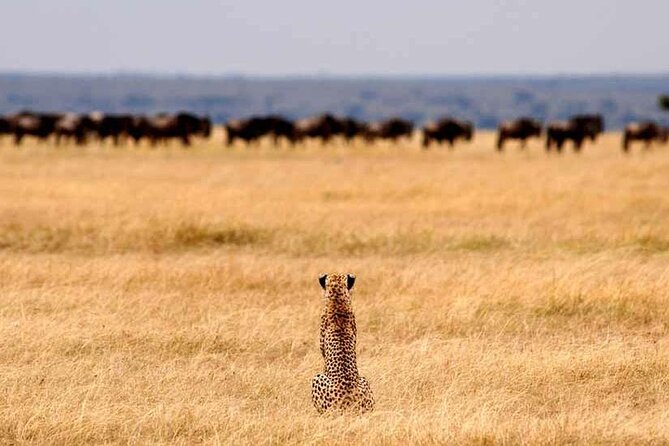
The main event here is the wildebeest calving season, when the short grass plains around Lake Ndutu can fill with thousands of animals. From December through April, you have a real chance to see newborn calves, zebra herds, lions, cheetahs, hyenas, and possibly the sudden drama of a hunt.
I like the small group limit of six and the pop-up-roof jeep, which gives you a good viewing position without turning the safari into a crowded bus ride. I also like the route itself: Tarangire, Ndutu, the central Serengeti, Ngorongoro Crater, and Lake Manyara give you several very different settings in six days.
The main consideration is the amount of driving. Several days run seven to nine hours, and camping means simple nights rather than polished lodge comfort. Also, the overview mentions a biking adventure in Mto wa Mbu, but the day-by-day plan does not show when it takes place, so confirm that before paying.
Key points to know before booking
- Calving-season focus: The strongest wildlife focus is Ndutu and the southern Serengeti from December through April, especially around the main calving period in February.
- Small-group vehicle: The maximum group size is six, and the pop-up roof is designed for open-air game viewing and photography.
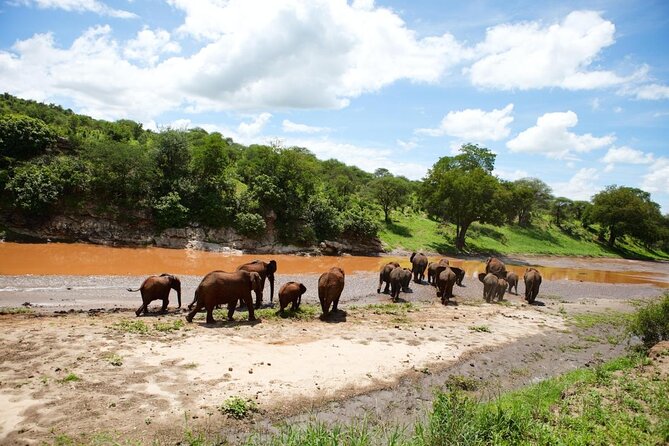
- Five major wildlife areas: You visit Tarangire, Ndutu and the Serengeti, Ngorongoro Conservation Area, and Lake Manyara.
- Long safari days: Planned activity days run about five to nine hours, with early starts and substantial road time between parks.
- Camping with meals included: Breakfast and lunch are included for all six days, with five dinners, unlimited drinking water, and onboard WiFi.
- Guide experience matters: Robert, Swalehe, and Raymond Ayo are names associated with the operation. The strongest praise centers on guiding, logistics, food, and help with animal sightings.
Why Ndutu is the heart of this safari
If you are choosing this trip for one reason, choose it for Ndutu. This area sits within the southern Serengeti ecosystem and the Ngorongoro Conservation Area, where short grass plains provide especially good conditions for the wildebeest calving season.
The timing matters. The migration moves through a broad area, so no operator can promise that the herds will be beside camp on a particular morning. Still, December through April is the period this safari is built around, and February is especially important because much of the calving can happen within a short window of roughly three weeks.
The open grass makes newborn calves easy to see, but it also leaves them exposed. A calf may stand and run within minutes of birth, yet young animals remain tempting targets for lions, cheetahs, hyenas, and other predators. That combination of abundant prey and limited cover is why predator activity can be so intense in Ndutu.
I would set your expectations correctly. You may see a birth, a chase, or a kill, but wildlife never follows a schedule. The more dependable reward is the sheer scale of the herds, with wildebeest and zebra spread across the plains, along with resident elephants, birds, and other animals.
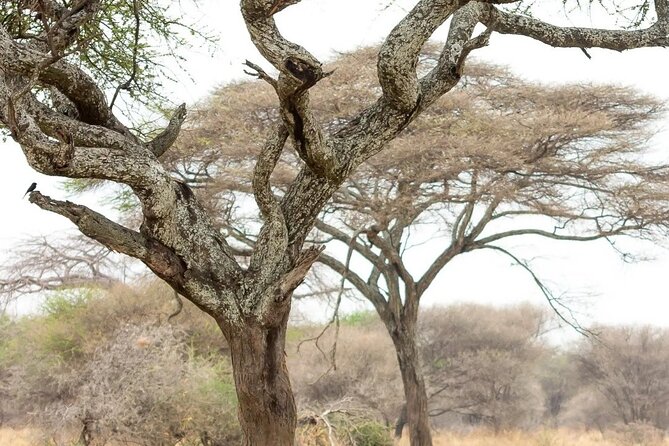
The Ndutu area also gives you more than open grassland. You pass through swamps, woodland, soda lakes, and changing patches of open country. Lake Ndutu is alkaline, and wildlife gathers around the area despite its mineral content. Your guide’s ability to read tracks, animal movement, and radio information will be important here.
More Camping Safaris in Arusha:
- 4 Days Group Camping Safari
★ 5.0 · 1,101 reviews - 5 Days Group Camping Safari
★ 5.0 · 730 reviews - 3 Days Serengeti & Ngorongoro Group Camping Safari
★ 5.0 · 574 reviews
Day 1: Tarangire’s elephants and baobab trees
After breakfast in town, you are picked up and driven toward Tarangire National Park. The day is listed at about eight hours, so this is not a quick introductory outing. It is your first full safari day, with driving, park time, and wildlife viewing combined.
Tarangire is best known for its large elephant herds, striking baobab trees, and the Tarangire River. The river flows throughout the year and acts as a key water source for wildlife, particularly during dry periods. That makes this park a useful opening stop because animals can gather around dependable water even when other parts of the area are drier.
The park is also associated with tree-climbing lions, though sightings are never guaranteed. The baobabs give Tarangire a look unlike the plains of the Serengeti, with thick trunks and unusual silhouettes that make excellent subjects for photographs.
This first day helps you ease into the safari rhythm, but you should be ready for a long ride. If you prefer a slow start or have just arrived after an international flight, ask about the pickup time and road plan before booking. The reward is a park with its own character, not simply a warm-up for the Serengeti.
Day 2: Reaching Ndutu and the southern Serengeti
After breakfast, the route heads toward Ndutu. The planned activity is about five hours, including the journey and an afternoon game drive in the Ndutu area.
This is when the trip begins to match its stated purpose. The southern Serengeti and Ndutu are the key places for finding the migration during calving season. The short grass plains can hold large concentrations of wildebeest and zebra, while nearby water and varied habitat support elephants, birds, and resident wildlife.
An afternoon drive gives you a first look at the area without trying to cover every corner in one go. You might find the herds spread widely across the grass, or you might spend time watching a smaller group near a water source. Ask your guide to explain the difference between migrating animals and resident species. That context makes the scene more meaningful than simply counting animals.
The open sides and roof of the safari jeep should help you watch from above the vehicle, although exact seating can matter in a small group. If photography is important to you, ask how seating is assigned and whether you can change positions during the trip.
Day 3: A full Ndutu game drive during calving season
Day 3 is the most focused wildlife day, with about nine hours exploring Ndutu. You visit a mix of swamps, woodland, soda lakes, and short grass plains, so the day is not limited to one repetitive view.
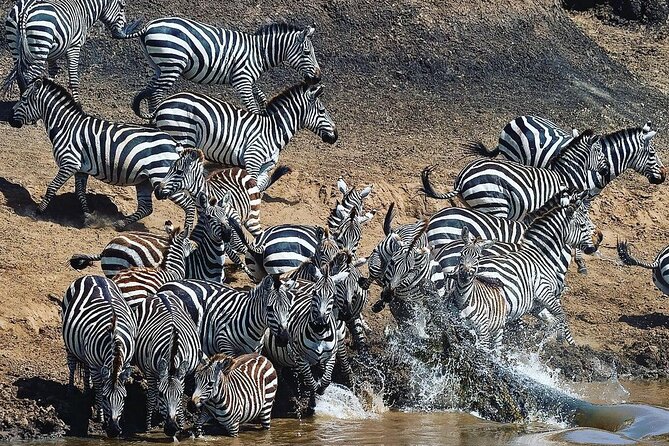
This is where patience pays. Wildebeest herds may appear as a wide moving band across the grass, while zebra often travel nearby. The calving period is especially striking because young animals can be only minutes old, and the herds stay alert to predators.
You may see lions, cheetahs, hyenas, or leopard. The first three are often easier to spot than leopard, which requires careful scanning and a good guide’s eye. The trip information also points to the possibility of predator action, but it is important to treat this as a possibility, not a promise.
A nine-hour game drive can be tiring. Bring sun protection, a warm layer for the morning, and patience for stretches when nothing dramatic happens. The value of this day lies in time spent in the right area during the right season, not in moving constantly from one sighting to another.
A few more Arusha trips to weigh up
- Balloon Safari & Bush Breakfast in Serengeti – Miracle Experience
★ 5.0 · 1,646 reviews - 7-Day Premium Luxury Tanzania Safari All-Inclusive
★ 5.0 · 426 reviews - 3-Day Classic Serengeti Safari
★ 5.0 · 263 reviews - 8 Days Great Wildebeest Calving Migration Safari from Arusha
★ 5.0 · 254 reviews
Day 4: Sunrise in the Serengeti and the road to Ngorongoro
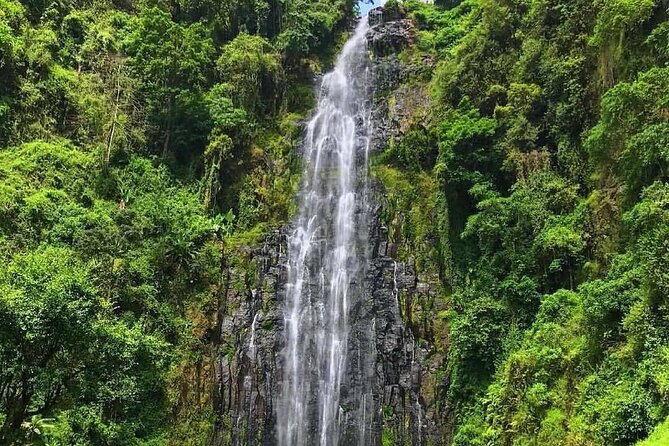
Day 4 begins early, with breakfast at about 5:45 in the morning. You take an early drive until roughly 11:30, return to camp for a hot lunch, pack your belongings into the jeep, and continue through the Serengeti toward Simba Campsite near Ngorongoro.
The sunrise portion is a strong idea. The Serengeti looks different in the first light, and an early start can put you out before the day becomes hot. It also gives you another chance to see active animals before they settle down.
The tradeoff is time. You get a morning drive, a camp return, lunch, packing, and another game drive while heading toward the crater area. The day is listed at about seven hours, but the overall pace may feel longer because you are changing base and covering ground.
You spend the night at Simba Campsite with dinner included. Specific tent facilities are not provided in the tour details, so ask what bedding, showers, toilets, and charging arrangements are supplied. That is a practical question for anyone comparing camping with lodge-based safaris.
Day 5: Descending into Ngorongoro Crater
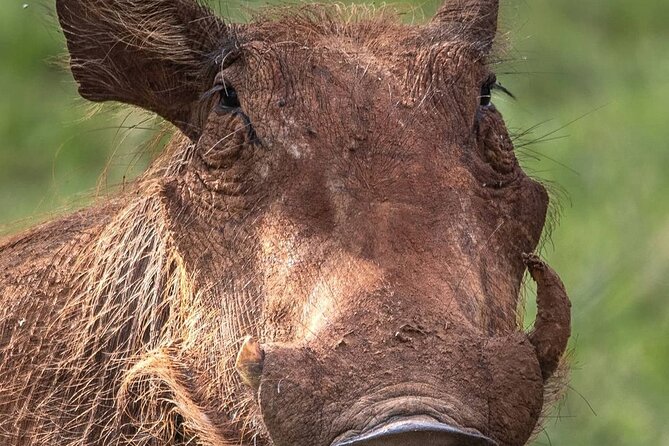
After an early breakfast, you enter the Ngorongoro Conservation Area and descend about 600 meters into the famous crater. The planned day lasts about eight hours and centers on wildlife viewing inside this enclosed volcanic setting.
The crater has a year-round water supply and grazing areas, which support wildebeest, zebra, buffalo, eland, warthog, hippo, and elephants. It is also known for a high concentration of predators, including lions, hyenas, jackals, cheetahs, and the more elusive leopard.
Lake Magadi, a large shallow alkaline lake in the crater, is another important stop. Depending on conditions, you may see flamingos, hippos, and other water birds around it. The crater gives you a compact wildlife experience after the wide-open distances of the Serengeti.
I like the contrast. In the Serengeti, you often search across huge spaces. In Ngorongoro, the crater walls frame the action and several species may appear in the same broad area. The drawback is that the crater can feel busy, and the descent and ascent add road time. Still, it is one of the strongest parts of this route.
Day 6: Lake Manyara’s Rift Valley setting
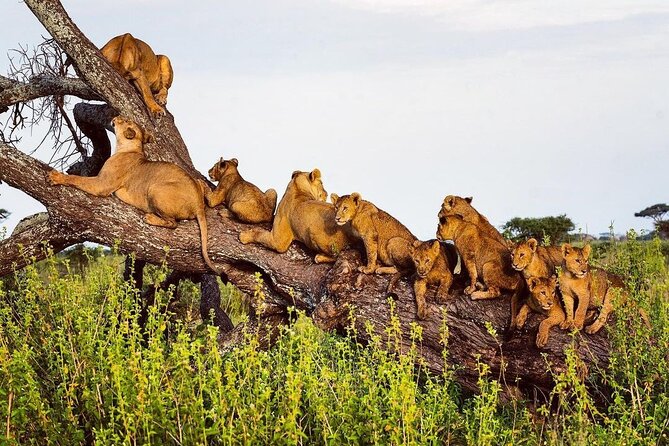
The final day takes you to Lake Manyara National Park after breakfast. The drive and park visit are listed at about nine hours, so you should not think of this as a short stop before returning to Arusha.
Lake Manyara covers about two-thirds of the park, with the Great Rift Valley wall rising behind it. The setting changes again, from Ndutu’s short grass plains and Ngorongoro’s crater floor to a lake-centered park with woodland and wetland habitats.
More than 400 bird species are found here, including pink-hued flamingos. Birdwatchers should keep binoculars ready, while anyone interested in scenery gets a strong final contrast to the earlier safari days.
Lake Manyara is a sensible final park because its game-viewing circuit is compact and varied. Still, the nine-hour schedule means you should confirm your final drop-off time and location. Pickup is offered, but the supplied details do not specify the exact pickup or return address.
What the $1,496 price includes
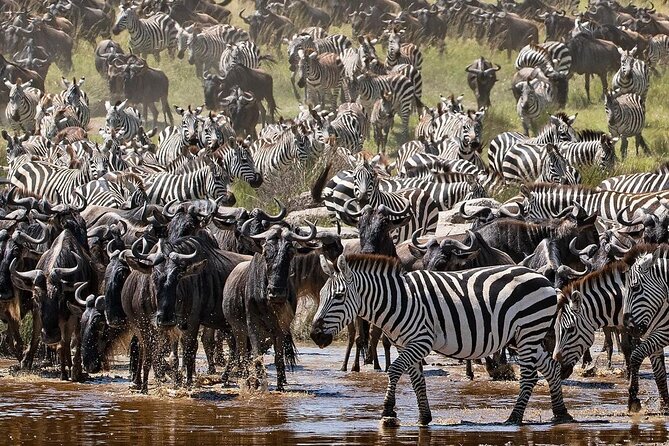
At $1,496 per person, this is not a budget day trip. It is a six-day northern Tanzania safari that includes several major parks, long-distance transport, camping, meals, drinking water, and a dedicated safari jeep with a pop-up roof.
The listed inclusions are:
- Pickup
- WiFi on board
- All fees and taxes
- Pop-up-roof safari jeep
- Unlimited drinking water
- Six breakfasts
- Six lunches
- Five dinners
That bundle gives the price reasonable value if you want the migration season and the Ngorongoro Crater in one trip. Park fees alone can make northern Tanzania expensive, and the route covers a lot of ground.
The price does not include tips, visas, air tickets, personal items, or alcoholic drinks. Plan for those separately. Tipping is not a fixed cost here, so ask the company for current guidance before departure and carry enough money for the guide and camp staff if you decide to tip.
Food is one area where this operator receives especially strong praise. The meals are described as much better than expected, with particular approval for the cooking. That matters on long game-drive days, when a hot lunch at camp can make the difference between feeling worn out and ready for the afternoon.
Guides, group size, and safari style
The group limit is six, which is a useful middle ground. You get a more personal setup than a large coach, but you may still share the vehicle unless you book privately.
Robert is specifically praised for his grasp of animals, scenery, and local culture, along with his ability to find the places visitors want to see. Swalehe is associated with careful effort to locate the Big Five and other animals. Raymond Ayo is connected with safari planning, communication, and helpful service.
Names do not replace clear planning, so ask who will guide your departure and how long that person has worked in the parks. A guide can make a major difference in animal identification, route choices, and how much time you spend at a sighting.
WiFi on board is a useful extra, but do not treat it as a guarantee of strong service in every remote area. The key feature is still the vehicle and guide. The pop-up roof lets you stand or sit higher for viewing and photography, while unlimited drinking water reduces the need to manage bottles during long drives.
Camping comfort and daily pace
This is a camping safari, not a lodge circuit. You should expect a practical base for sleeping between game drives, though the exact tent style and facilities are not specified. Ask about mattresses, bedding, showers, toilets, electricity, and luggage limits before you commit.
The schedule starts early and often runs for most of the day. Day 3 is about nine hours in Ndutu, Day 5 is about eight hours in the crater, and Day 6 is about nine hours at Lake Manyara. That pace suits you if wildlife is the priority and you can handle long drives.
It may not suit you if you need a leisurely holiday with late mornings and generous downtime. The route is ambitious for six days, especially because it combines Tarangire, the migration zone, central Serengeti, Ngorongoro, and Lake Manyara.
The overview also refers to a biking adventure in Mto wa Mbu. Since the six-day schedule does not assign it to a particular day, confirm whether biking is included, optional, or unavailable on your departure. Do not assume it is part of the final program without written confirmation.
Who should choose this safari
I would recommend this trip to you if you want the migration more than luxury, especially if you are visiting between December and April. It is a good match for wildlife photographers, first-time safari visitors who want several famous parks, and people who enjoy active days with plenty of time in the vehicle.
It also works well for small groups and families who value attentive guiding and included meals. The reported strengths are consistent: good communication, timely arrangements, helpful guides, strong food, and memorable sightings of wildebeest, zebra, lions, elephants, and impala.
I would be more cautious if your main goal is comfort, privacy, or a slow schedule. The price includes many essentials, but camping and long drives require flexibility. You should also confirm the exact camp standards, guide assignment, return arrangements, and Mto wa Mbu biking details.
Free cancellation is available when you cancel at least 24 hours before the local start time. Changes or cancellations made within 24 hours are not accepted for a refund, so keep that deadline in mind.
Should you book the six-day Arusha safari?
Book it if you want a focused chance to see the southern Serengeti migration during calving season and you are happy to trade lodge polish for more time in the parks. The route gives you Tarangire’s elephants and baobabs, Ndutu’s newborn wildebeest, Serengeti sunrise, Ngorongoro’s crater floor, and Lake Manyara’s birds and Rift Valley views.
Before booking, get four details confirmed: the exact travel dates, who will guide you, what the camping setup provides, and whether the Mto wa Mbu biking activity is included. If those answers suit you, $1,496 buys a broad and wildlife-heavy safari with a small group, included meals, water, park costs, and a vehicle built for viewing.
FAQ
How long is the safari?
The experience lasts approximately six days.
Where does the safari take place?
The trip is based around Arusha and visits Tarangire National Park, the Ndutu area, Serengeti National Park, Ngorongoro Conservation Area, and Lake Manyara National Park.
When is the best time to see the wildebeest calving season?
The safari is designed for December through April. The main calving period is described as occurring around February and lasting roughly three weeks.
How many people can join the safari?
The maximum group size is six travelers.
Is pickup available?
Yes. Pickup is offered, though the supplied details do not specify the exact pickup location.
Is food included?
Yes. Six breakfasts and six lunches are included, along with five dinners.
Is drinking water included?
Yes. Unlimited drinking water is included.
What is not included in the price?
Tips, visas, air tickets, personal-use items, and alcoholic drinks are not included.
Can I cancel for a full refund?
Yes, if you cancel at least 24 hours before the experience start time based on local time. Cancellations or changes made less than 24 hours before the start are not accepted for a refund.
Just added around Arusha
- 8 Days Serengeti Migration safari★ 5.0 · 11 reviews
- tarangire, ngorongoro & lake manyara park 3 days private tour★ 5.0 · 11 reviews
- tarangire & ngorongoro 2 days tour★ 5.0 · 14 reviews
- Mt. Kilimanjaro: Shira plateau to Cathedral point 3872m Day hike★ 5.0 · 7 reviews
- serengeti, ngorongoro & tarangire 4 days private tour★ 5.0 · 18 reviews
- serengeti & ngorongoro 3 days private tour★ 5.0 · 15 reviews
- 2 Days Tanzania Midrange Group Join Safari★ 5.0 · 7 reviews
- climb the KILIMANJARO via Lemosho route★ 5.0 · 4 reviews
Camping Safaris, compared.



3 Days Serengeti & Ngorongoro Group Camping Safari
Read our review →
5 Days Camping Tarangire, Serengeti & Ngorongoro crater & Visiting Maasai
Read our review →
2 Days Tarangire and Ngorongoro Group Camping Safari
Read our review →

3 Days Tarangire, Ngorongoro & Lake Manyara Group Camping Safari
Read our review →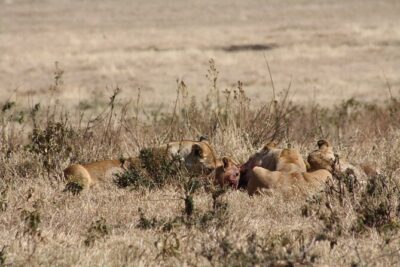
5-Day private Camping Safari Tour in Tanzania
Read our review →Browse the lists this tour appears in