
Reviewed · CAMPING SAFARIS
Affordable 5 days Tanzania budget camping safari (group joining)
The big draw here is the route: four of northern Tanzania’s best-known wildlife areas in five days, with camping and shared transport keeping the price at $1,610 per person. You move from baobab country and elephant herds to the open Serengeti, then down into Ngorongoro Crater and across Lake Manyara’s bird-filled shores.
I like the practical value of a 4×4 Toyota Safari Land Cruiser, daily drinking water, and all meals included. I also like the chance to meet other people on a group trip, with guides such as Moses, Eve, and Geofrey associated with especially well-regarded safari experiences. The main catch is the pace: long road days, basic camping, and a potentially large group mean this is not a quiet, tailor-made safari.
Key points at a glance
- Four famous wildlife areas in five days: Tarangire, Serengeti, Ngorongoro Crater, and Lake Manyara are all included.
- Camping keeps the cost down: You stay at campsites rather than paying for high-end safari lodges.
- Shared travel makes solo booking easier: Joining a group spreads transport and operating costs among participants.
- The Serengeti gets two days: You have an afternoon game drive on arrival and a morning drive before leaving.
- Meals and water are covered: Four breakfasts, four dinners, five lunches, and three liters of mineral water per person per day are included.
- The route is demanding: The days run for about six to eight hours, with long transfers between parks.
Why this five-day route works
This safari gives you a broad look at Tanzania rather than concentrating on one park. That matters because each stop has a different feel and wildlife pattern. Tarangire is known for elephants and baobabs, the Serengeti for its huge open plains, Ngorongoro for close wildlife viewing in a natural bowl, and Lake Manyara for birds and the possibility of tree-climbing lions.
At $1,610 per person, the trip sits in the budget camping part of the Tanzania safari market. The price includes the safari vehicle, park-related fees and taxes, meals, and drinking water. You still need to budget for international or domestic flights, a visa, and tips for the guide and cook.
The group format is the key to the price. You are not paying for an entire vehicle on your own, and the shared setup can make a safari possible for solo visitors or couples who do not want to arrange a private departure. It also means you give up some control over departure times, route choices, and the pace of each game drive.
The listed maximum is 100 participants. That is a large possible headcount, although it does not explain how many people ride in each vehicle. I would ask the operator about the expected group size, vehicle allocation, and campsite arrangements before paying. A group safari can feel friendly and social in a smaller vehicle, but a large operation requires clear organization.
More Camping Safaris in Arusha:
- 4 Days Group Camping Safari
★ 5.0 · 1,101 reviews - 5 Days Group Camping Safari
★ 5.0 · 730 reviews - 3 Days Serengeti & Ngorongoro Group Camping Safari
★ 5.0 · 574 reviews
Tarangire’s elephants and baobab country
The first park is Tarangire National Park, reached after an early departure from Arusha. The schedule gives a departure around 7:30 or 8:00 in the park description, while the meeting details list a 6:00 am start at Shoppers Supermarket in Arusha. That difference is worth confirming before the trip, especially if you are arranging a hotel pickup.
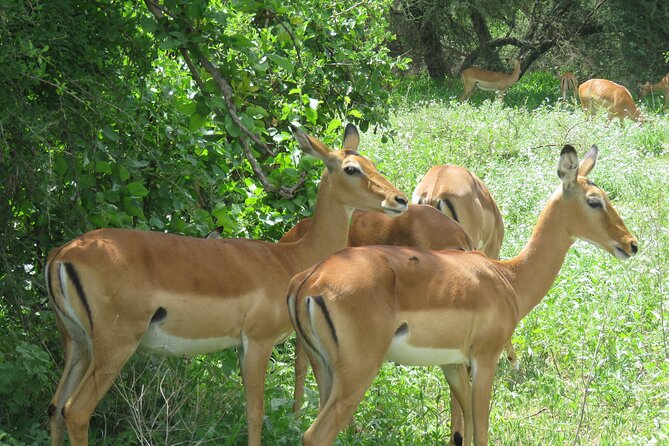
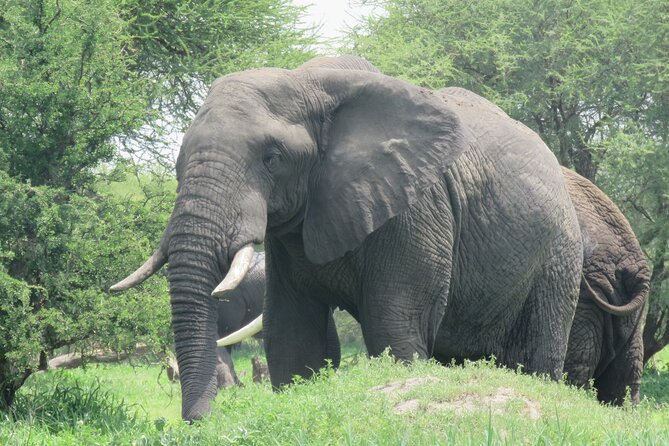
Tarangire is a fine opening act because it looks different from the Serengeti. The park is marked by tall baobabs, tree-covered savannah, and seasonal marshes. Its large elephant herds are the headline attraction, but you could also see giraffes, buffaloes, lions, zebras, wildebeest, antelopes, and gazelles.
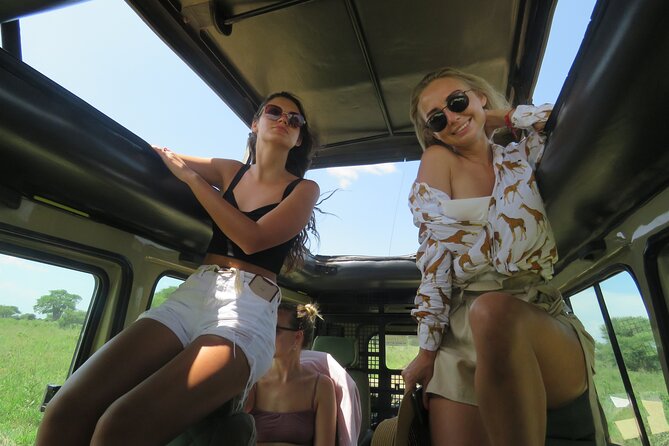
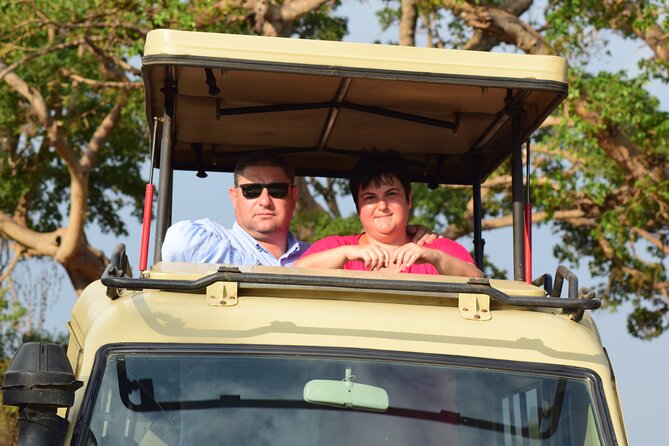
Once the vehicle reaches the park, the roof opens for game viewing. That simple feature makes a big difference. You can scan the grass and trees from a higher position, take photographs, and watch animals without the solid roof blocking your view.
Lunch is served at a picnic spot, followed by more wildlife viewing in the afternoon. You then spend the night at Lake Burunge Tented Camp outside the park. The wording describes this as a tented camp rather than a basic public campsite, so you should confirm the exact accommodation style if sleeping arrangements are important to you.
Tarangire is also a useful reminder that wildlife sightings are never guaranteed. The route includes several strong wildlife parks, but no responsible safari can promise every animal. A guide’s skill in finding animals matters, and the experiences connected with this operation specifically praise guides for locating wildlife across the parks.
The long road to the Serengeti
Day two points the vehicle toward Serengeti National Park. This is one of the trip’s longest-feeling sections, even though the listed park time is about six hours. The Serengeti is famous for broad plains and moving herds, but the route from the Arusha area also gives you a sense of how large northern Tanzania is.
You arrive in the afternoon and begin a game drive rather than waiting until the next morning. That is a good use of the day. You get an early look at the park, then continue to the campsite for dinner and a night outdoors.
Camping in the Serengeti changes the mood of the trip. You are not simply driving through a park and returning to a town hotel. Dinner and sleep take place close to the safari setting, with the sounds of the natural surroundings forming part of the experience. The tradeoff is comfort. This is a budget camping trip, not a luxury lodge circuit, and you should be prepared for simple facilities.
The itinerary does not specify which Serengeti campsite you use, nor does it state the tent type or bathroom setup. Ask for those details before booking if you need private facilities or have concerns about camping. The supplied information confirms camping, meals, and overnight stays, but not the precise standard at each site.
A Serengeti morning before Ngorongoro
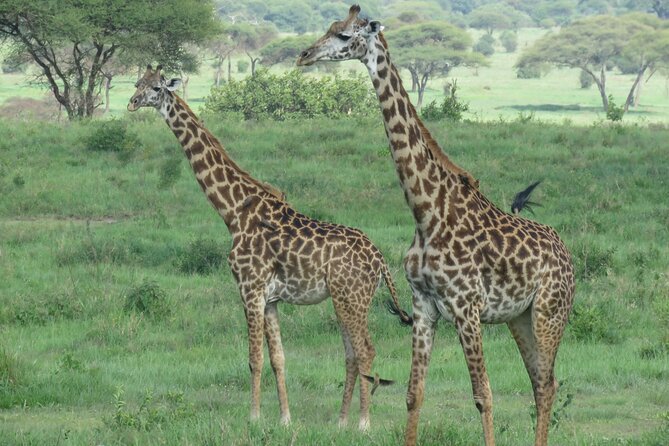
Day three begins with a morning game drive in the Serengeti. This is one of the strongest parts of the plan. Early hours give you a chance to see the plains in soft light, and the schedule lets you enjoy the park before setting off for the Ngorongoro Conservation Area.
The Serengeti receives two separate game-drive periods on this route: an afternoon on arrival and a morning before departure. That is better than a rushed single pass. It still is not a full Serengeti safari, so people whose main goal is extensive time in the park may find the schedule too short. The route has to make room for three other major areas.
After the morning drive, you travel toward Ngorongoro and reach the campsite in the evening. This is another transfer-heavy day. I would keep your expectations realistic: the reward is the variety of parks, not long, relaxed stays in one place.
Dinner and an overnight stay follow at the campsite. Four dinners and four breakfasts are included across the trip, along with five lunches. The food plan is helpful because remote safari days leave few opportunities to buy meals independently. You should still check whether you have dietary needs that need advance notice, since no special-meal information is provided.
A few more Arusha trips to weigh up
- Balloon Safari & Bush Breakfast in Serengeti – Miracle Experience
★ 5.0 · 1,646 reviews - 7-Day Premium Luxury Tanzania Safari All-Inclusive
★ 5.0 · 426 reviews - 3-Day Classic Serengeti Safari
★ 5.0 · 263 reviews - 8 Days Great Wildebeest Calving Migration Safari from Arusha
★ 5.0 · 254 reviews
Ngorongoro Crater’s close wildlife viewing
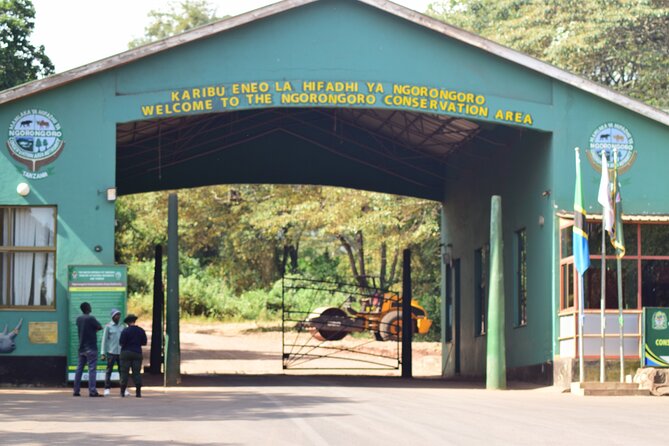
Day four is devoted to Ngorongoro Crater, and it is the most concentrated wildlife day on the schedule. After breakfast, you descend into the crater with a guide. The crater’s enclosed setting often brings wildlife into a relatively compact viewing area, which can make it easier to see several species during one outing.
The plan specifically highlights zebra, wildebeest, and spotted hyenas, along with large game viewed at close range. The crater is also a strong place for photographs because the animals and surrounding walls create a clear sense of place. Your guide’s ability to read animal behavior and position the vehicle will shape the quality of the day.
The crater outing is listed at about eight hours, making it the longest scheduled stop. That gives you substantial time for game viewing, but it also means a full day in the vehicle. Bring sun protection, keep water close, and expect the day to feel busy.
By late afternoon, you ascend from the crater and return to the campsite for dinner and another night. This overnight arrangement is practical, though it adds another camping night instead of a lodge stay. If you want more privacy, quieter meals, or a softer bed after a long crater day, a private or upgraded safari may suit you better.
The value here is clear: Ngorongoro is not treated as a quick photo stop. You receive a substantial crater visit within a route that also covers Tarangire, Serengeti, and Manyara.
Lake Manyara and the return to Arusha
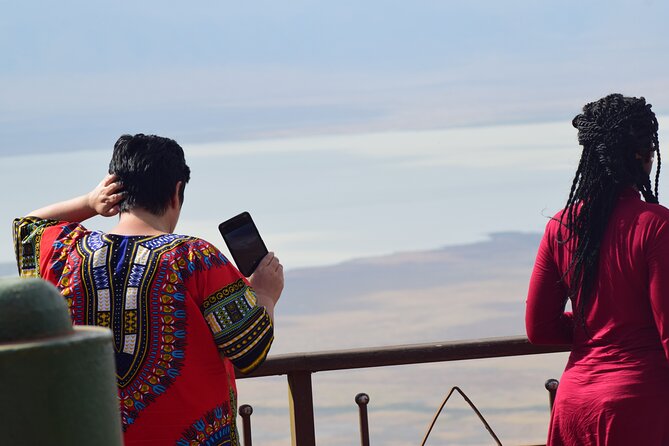
The final park is Lake Manyara National Park. The schedule gives you about eight hours for the visit before the return drive to Arusha. That makes this a full closing day rather than a short stop on the way home.
Lake Manyara is known for birdlife and tree-climbing lions. The park adds a different wildlife focus to the trip, especially after the open plains of the Serengeti and the crater floor at Ngorongoro. The word known is important here: sightings depend on conditions and chance, so tree-climbing lions should be treated as a possibility, not a promise.
You finish the safari by driving back to Arusha and returning to the meeting point. Since pickup is offered, confirm the exact pickup arrangement and return point in advance. The stated meeting point is Shoppers Supermarket in Arusha, and the activity ends back there.
This final day can feel tiring. You have already spent several days on rough park roads and long transfers, then face the journey back to town. It is also a satisfying finish because Lake Manyara provides one last chance for wildlife before the safari ends.
What the $1,610 price really covers
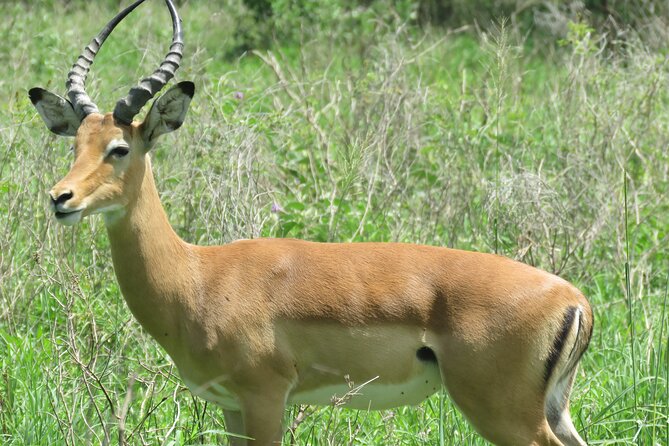
The strongest value comes from the items already built into the price:
- A 4×4 Toyota Safari Land Cruiser
- All fees and taxes
- Five lunches
- Four breakfasts
- Four dinners
- Three liters of mineral water per person per day
The vehicle matters more than it might at first appear. A safari car must handle park roads, and the raised roof provides a better viewing position. The information does not specify whether fuel, campsite fees, or particular park charges are separated from the package, so ask the operator to confirm the full cost before departure. The inclusion of all fees and taxes suggests the main safari charges are covered.
Water provision is generous on paper, especially during long game drives. Three liters per person per day helps you avoid relying on shops in remote areas. You should still bring a reusable bottle if you have one, since the details only state that mineral water is supplied.
Tips are not included. Set aside money for the guide and cook, and ask the operator if it has a suggested tipping range. International and domestic flights, plus visas, are also your responsibility.
Camping, food, and the group experience
Camping is what makes this trip affordable, but it is also the part that demands the most preparation. You spend nights at Lake Burunge Tented Camp and at campsites near the Serengeti and Ngorongoro route. The trip description does not provide tent sizes, bedding details, bathroom arrangements, or electricity information, so do not assume a lodge-style setup.
Food is included throughout the safari. That removes much of the daily planning and keeps you from having to find restaurants between game drives. The four dinners, four breakfasts, and five lunches match the five-day structure, with lunch provided each day.
A group safari can be a pleasure in its own right. You may meet people from different countries, share sightings, and have company during long drives. It can also be less flexible than a private trip. You may need to follow a common schedule, share decision-making, and accept that not every passenger has the same priorities.
The supplied maximum of 100 people is the point I would examine most carefully. It may describe the total booking capacity rather than one vehicle, but the details do not say. Ask how many people are placed in each Land Cruiser and how the operator handles different arrival and departure plans.
Guides can shape the whole safari
Your guide is central to the experience. A good guide does more than drive. The guide watches animal behavior, explains the parks, chooses viewing positions, and helps keep the group moving through a demanding schedule.
Names associated with strong experiences on this operation include Moses, Eve, and Geofrey. If one of those guides is assigned to your vehicle, you can expect a guide-led safari with an emphasis on finding animals and keeping the days pleasant. Still, guide assignment should be confirmed rather than assumed, since the booking information does not promise a specific person.
The operation’s accounts also describe guides who found a wide range of animals and accommodated the group well. That is especially useful on a shared safari, where patience and clear communication matter as much as animal knowledge.
Who should book this safari
I would choose this trip if you want the classic northern Tanzania route at a lower cost and you are comfortable with camping, shared transport, and early starts. It suits solo visitors, friends, and couples who value seeing several parks more than spending extra nights in one location.
It also works for first-time safari visitors who want a broad introduction. Tarangire gives you elephants and baobabs, Serengeti provides the iconic plains, Ngorongoro adds a concentrated wildlife day, and Manyara rounds things off with birds and possible tree-climbing lions.
I would look elsewhere if you want a slow pace, luxury bedding, private guiding, or control over every game-drive decision. Five days is enough to cover a lot, but it leaves little room for rest or unexpected delays.
Booking is firm. The experience is non-refundable and cannot be changed for any reason. If poor weather forces cancellation, the operator offers a different date or a full refund. Confirmation is received at booking, and most people can participate, but you should still ask practical questions about camping and vehicle capacity before committing.
Should you book it?
Book this safari if variety and price matter more than privacy and comfort. The route is ambitious, the wildlife areas are excellent, and the included transport, meals, fees, and water make the $1,610 cost easier to judge.
Before you pay, confirm the 6:00 am meeting time against the later 7:30 to 8:00 departure note, ask how many people share each vehicle, and request the exact camping arrangements. If those details suit you, this is a sensible way to see four major northern Tanzania parks without paying for a private safari.
FAQ
Where does the safari start?
The meeting point is Shoppers Supermarket in Arusha, Tanzania. Pickup is offered, and the listed start time is 6:00 am.
Where does the safari end?
The activity ends back at the meeting point in Arusha.
How long is the safari?
The safari lasts approximately five days.
Which parks are included?
The route includes Tarangire National Park, Serengeti National Park, Ngorongoro Crater, and Lake Manyara National Park.
Is camping included?
Yes. The experience uses camping to keep the safari more affordable. The itinerary also lists an overnight stay at Lake Burunge Tented Camp outside Tarangire.
What meals are included?
The package includes five lunches, four breakfasts, and four dinners.
Is drinking water included?
Yes. Each person receives three liters of mineral water per day.
Are flights, visas, and tips included?
No. International and domestic flights, visas, and tips for the guide and cook are not included.
More 5-Day Experiences in Arusha
- 5-Day Highlights mid-Range Crater, Serengeti, Tarangire
★ 5.0 · 296 reviews - 5 Days Camping Tarangire, Serengeti & Ngorongoro crater & Visiting Maasai
★ 5.0 · 229 reviews - Tanzania Simba Safari – 5 Days
★ 5.0 · 217 reviews - 5 Days Budget Private Safari, Tanzania
★ 5.0 · 191 reviews
Just added around Arusha
- 8 Days Serengeti Migration safari★ 5.0 · 11 reviews
- tarangire, ngorongoro & lake manyara park 3 days private tour★ 5.0 · 11 reviews
- tarangire & ngorongoro 2 days tour★ 5.0 · 14 reviews
- Mt. Kilimanjaro: Shira plateau to Cathedral point 3872m Day hike★ 5.0 · 7 reviews
- serengeti, ngorongoro & tarangire 4 days private tour★ 5.0 · 18 reviews
- serengeti & ngorongoro 3 days private tour★ 5.0 · 15 reviews
- 2 Days Tanzania Midrange Group Join Safari★ 5.0 · 7 reviews
- climb the KILIMANJARO via Lemosho route★ 5.0 · 4 reviews
Camping Safaris, compared.



3 Days Serengeti & Ngorongoro Group Camping Safari
Read our review →
5 Days Camping Tarangire, Serengeti & Ngorongoro crater & Visiting Maasai
Read our review →
2 Days Tarangire and Ngorongoro Group Camping Safari
Read our review →

3 Days Tarangire, Ngorongoro & Lake Manyara Group Camping Safari
Read our review →
5-Day private Camping Safari Tour in Tanzania
Read our review →Browse the lists this tour appears in