
Reviewed · SHOPPING TOURS
Tanzanite experience tour – Tanzanite shopping in Arusha
Arusha is one of the best places to buy Tanzanite, the blue December birthstone mined only in Tanzania. This tour gives you more than a jewellery counter: you begin with the stone’s story, then continue to Shanga Foundation and the Cultural Heritage Centre for crafts, paintings, carvings, and African art. I like the hotel pickup and the help of a local guide, especially when you want to shop without guessing which places are reliable.
I also like the flexible shape of the day. It can take about three to eight hours, depending on how much you browse and buy, and the private group format lets you set a sensible pace. The main drawback is that $35 covers the tour and transport, not the cost of Tanzanite or other purchases. You also need good weather, and the wide range of stops can feel shopping-heavy if you want a more traditional sightseeing tour.
Key points to know before you book
- Tanzanite is mined only in Tanzania: Learn how the stone was formed, named, cut, polished, and graded before you shop.
- The museum comes first: A replica mine shaft and visual displays give you useful context before you face the jewellery counters.
- Shanga Foundation supports disabled artisans: See recycled-material crafts, beads, fabrics, glassware, and handmade gifts.
- Cultural Heritage Centre covers many budgets: Browse Tanzanian jewellery, precious stones, antiques, paintings, sculpture, and local crafts.
- Your guide helps with the day: Hotel pickup and a small private group make shopping around Arusha easier.
- Allow plenty of time for browsing: The advertised duration is three to eight hours, so the final schedule can vary.
Why Tanzanite makes sense as an Arusha souvenir
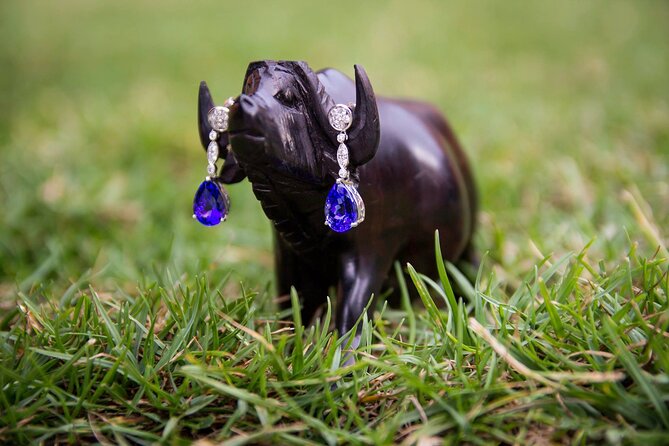
Tanzanite has a strong connection to this part of the world. Unlike stones found in many countries, it is mined only in Tanzania, which gives it a clear sense of place. It is also associated with December birthdays and is known for its blue color, making it a personal gift as well as a holiday souvenir.
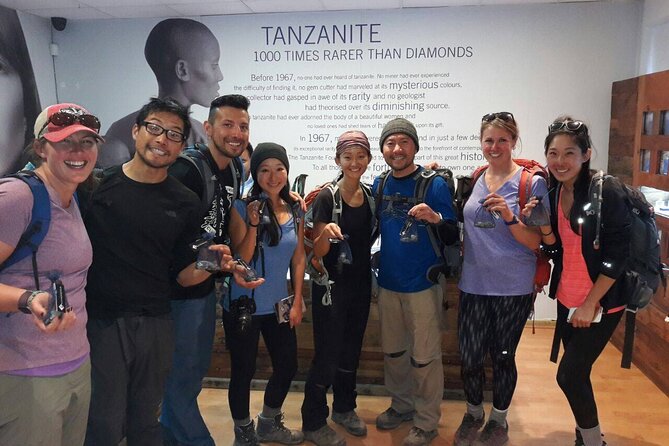
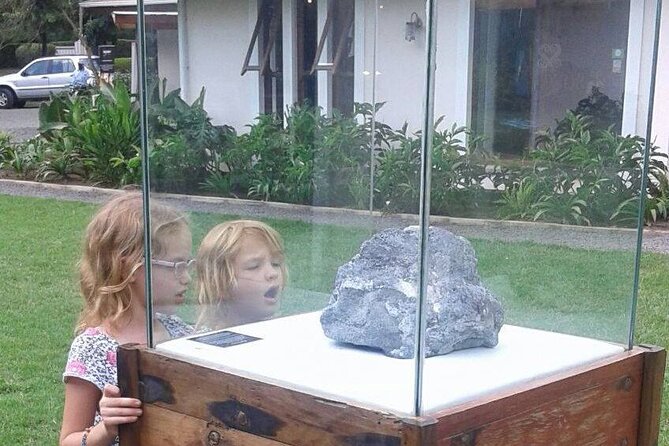
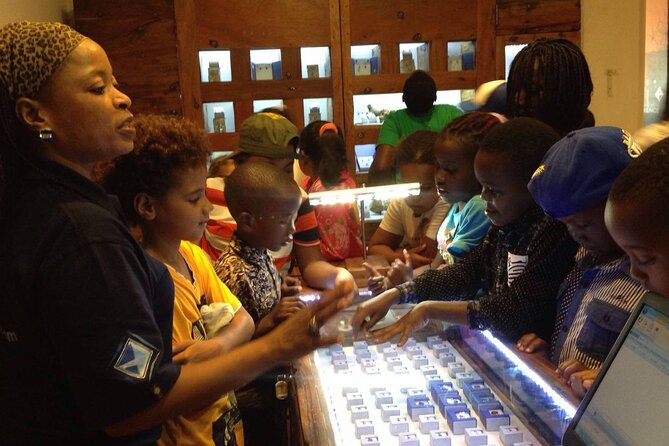
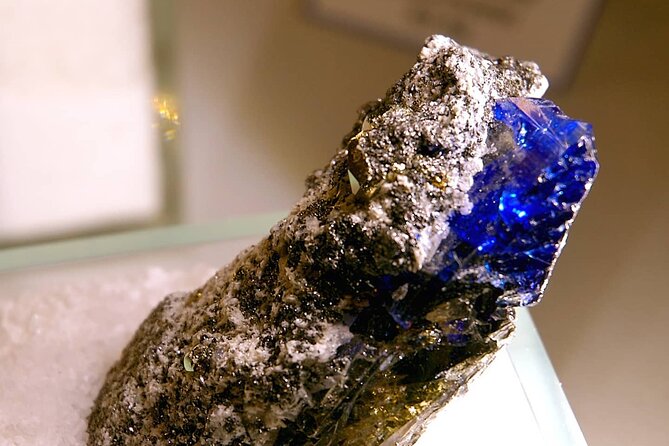
The first stop explains why the stone is so prized. You learn how it was created, how it was named, and how miners bring it from the ground before it is cut and polished. The displays include a replica of a Tanzanite mine shaft, which gives you a simple picture of the working conditions and the route from rough stone to finished jewellery.
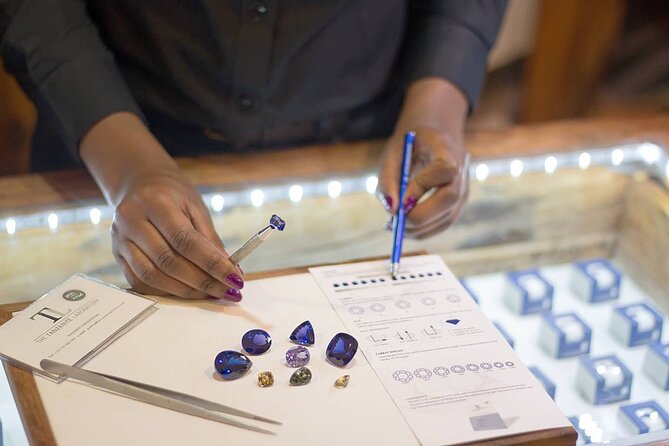
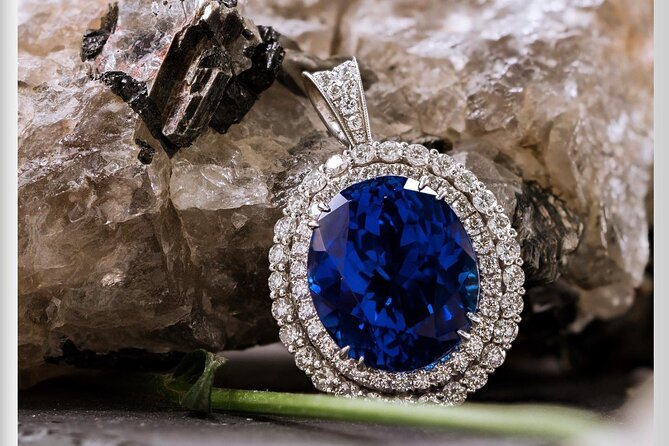
I find this background useful because it gives you a better basis for shopping. A blue stone in a display case can look appealing, but knowing the difference between a rough stone, a cut stone, and a finished piece helps you ask better questions. The experience also covers grading, so you are not shopping with color alone as your guide.
The museum is in central Arusha and has an attached store. Purchases of Tanzanite come with a certificate from The Tanzanite Laboratory. That paperwork matters, particularly if you are spending a serious amount of money or want a clear record of what you bought. Still, you should treat the certificate as part of the buying process, not as a reason to stop comparing color, cut, setting, price, and the exact details written on the document.
A few more Arusha trips to weigh up
- Arusha: Traditional Tanzania Cooking Class & Food Market Tour
★ 5.0 · 34 reviews - Arusha: Traditional Tanzania Cooking class& Food Market Tour
★ 4.9 · 12 reviews - 24 Hours in Arusha—Arusha Museum, Cultural Heritage, Maasai Market, Shanga
★ 5.0 · 4 reviews
Inside the Tanzanite Experience museum
The museum is the most focused part of the outing. Its displays cover the full path of the stone, from formation and mining to polishing and grading. The replica shaft adds a physical element that a row of photographs would not provide, and the visual exhibits keep the introduction fairly easy to follow.
This stop is a good fit for a first-time buyer. You can learn the basic terms before looking at bracelets, necklaces, loose stones, or other jewellery. If you already know a great deal about precious stones, the museum may be a short orientation rather than a major attraction.
The store attached to the museum offers the most direct purchasing opportunity on the tour. Your guide can help you move through the process, and the experience is designed to make buying in Arusha feel more controlled. That is especially helpful if you are concerned about purchasing a stone without a certificate or from a seller you do not know.
Take your time here. Ask to see the certificate details, consider the shade of blue in different light, and decide if you want a loose stone or a piece of jewellery. The information provided does not promise a particular selection or price range, so you should view the shopping as an opportunity rather than a guarantee of finding a specific cut or design.
Shanga Foundation and its recycled-material crafts
The Shanga Foundation changes the mood of the day. Instead of concentrating only on precious stones, you see a craft workshop and store where disabled local artisans produce items such as glassware, beads, paintings, and fabrics.
The use of recycled materials is one of the most memorable details. Walls made from recycled wine bottles catch and magnify the light, while other objects use old clothing and household materials. Stuffed elephants made from reused men’s shirts are the kind of practical, playful souvenir that can mean more than a standard airport purchase.
You might also see artisans making beaded jewellery and cloth items. This gives you a closer look at the work behind the objects for sale, rather than presenting crafts as anonymous decorations. I like this stop for gifts because the goods are lighter and easier to pack than many carved or framed pieces.
Shanga can also be a useful place to continue looking at Tanzanite bracelets and necklaces. The emphasis here is not only on high-value jewellery. You can browse a broader mix of handmade goods, which helps balance the more expensive purchases possible at the museum.
The main thing to remember is that this remains a shopping stop. If you prefer museums, wildlife, or old buildings, the workshop may not hold your attention for long. If you want locally made gifts and a chance to support artisan work, it earns its place on the route.
Cultural Heritage Centre: art, carvings, and precious stones
The Cultural Heritage Centre is the broadest stop. It combines curio shops, a jewellery boutique, a Tanzanite and precious-stone counter, a restaurant, a bargain center, and a large African art gallery.
You can look for Maasai crafts, ebony carvings, paintings, ornaments, antiques, and jewellery in one setting. The selection includes Tanzanian materials and objects from across Africa, so this is the place where your shopping list can change. You may arrive looking for a small stone and leave considering a painting, carved piece, or handmade ornament instead.
The precious-stone collection includes rubies, emeralds, tsavorite, diamonds, sapphires, and opals. The tour information describes it as an unusually broad collection, but you should still expect prices and quality to vary. Ask questions, compare pieces, and remember that a large display does not automatically make one item right for you.
The art gallery is another reason to allow time here. Expert assistants can help with purchases by emerging African artists and with antiques from across the continent. The information available does not specify how long you will spend with an assistant, so your guide’s help with timing may be useful if you have a flight, dinner, or other appointment later.
A restaurant serving traditional African dishes and hummus gives you an option to pause. Food is not the main point of the tour, but it can make a long shopping day easier, particularly when the outing stretches toward the upper end of the three to eight hour range.
Same country, a completely different kind of safari:
- Balloon Safari & Bush Breakfast in Serengeti – Miracle Experience
★ 5.0 · 1,646 reviews - Tanzania Classic – 7 Days
★ 5.0 · 1,151 reviews - 4 Days Group Camping Safari
★ 5.0 · 1,101 reviews - 5 Days Group Camping Safari
★ 5.0 · 730 reviews
How the guide and transport affect the day
Pickup from your Arusha hotel is included, and the listed start time is 9:00 am. That takes away much of the morning planning. You do not need to work out a route between central Arusha, Shanga Foundation, and the Cultural Heritage Centre, and you can carry purchases with you instead of arranging several separate taxi rides.
The experience is limited to your group. That does not mean every stop will take exactly the same length of time, but it does give the day a more personal feel than a large coach outing. You can ask for help comparing purchases, spend more time at a favorite shop, or move on when you have seen enough.
Two drivers named in the available feedback are MPembo and Alfred. MPembo was especially useful to one customer who needed something to do on a final day and also needed airport transportation. The airport ride was arranged for an extra fee, so do not assume it is part of the $35 tour price. Ask about that separately if you need the transfer.
Alfred was praised for combining driving with guiding and for making it easier to shop around Arusha with confidence. That is the practical strength of this experience. It is less about a fixed lecture and more about having a local person help you get between shopping areas and make sensible choices.
What $35 buys you, and what it does not
At $35 per person, the tour offers fair value if you want transport, an introduction to Tanzanite, and several shopping areas in one outing. You are paying for the vehicle, pickup, guide time, museum visit, and the convenience of linking three separate stops.
The value improves if you are short on time. A final day in Arusha can otherwise become an awkward gap between leaving your hotel and heading to the airport. This tour gives that day a purpose, with the option of arranging airport transport separately for an added charge.
The price does not include the goods you purchase. Tanzanite, jewellery, paintings, carvings, and other crafts are extra, and the final bill could be much higher than the tour fee. Set your own spending limit before you leave. A certificate helps document a Tanzanite purchase, but it does not tell you how much you should spend.
The long duration range is another point to weigh. Three hours may be enough for a focused museum visit and quick shopping. Eight hours could suit someone who wants to browse carefully, eat at the Cultural Heritage Centre, and compare several kinds of souvenirs. If you dislike shopping, ask yourself if a half-day version would be enough.
Who will get the most from this experience
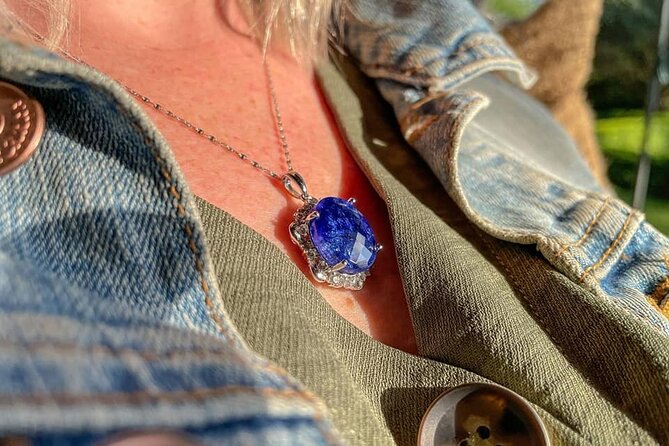
I would recommend this tour to a first-time Tanzanite buyer, a jewellery enthusiast, or anyone who wants a Tanzania-specific souvenir with a clear connection to the country. It also works well for people who want gifts but do not want to search for craft markets and galleries on their own.
Families and mixed-interest groups may find the three stops helpful. One person can look at jewellery while another browses paintings, fabrics, beads, or carvings. The private setup also makes it easier to keep the outing at a pace that suits your group.
It is less suitable if your priority is wildlife, historic sites, or outdoor scenery. The tour is built around shopping and craft production. The museum adds cultural context, but most of the day still involves stores, galleries, and buying decisions.
You should also think about luggage space. Small jewellery and fabric items are easier to pack than ebony carvings or large art pieces. If you are interested in buying a painting or substantial sculpture, ask about practical handling before committing.
Booking, timing, and cancellation details
Confirmation is provided when you book, and a mobile ticket is available. Pickup is offered, with the published start time at 9:00 am. The tour requires good weather, so poor conditions can lead to a new date or a full refund.
You can cancel for a full refund up to 24 hours before the local start time. Cancellations or changes made less than 24 hours before departure are not refunded or accepted, so keep that deadline in mind if your Arusha plans may shift.
Because the duration can range from three to eight hours, do not schedule a tight connection immediately afterward unless you have confirmed the timing with the provider. The airport transfer mentioned in the available feedback cost extra, so include that in your planning and budget.
Should you book the Tanzanite Experience?
Book it if you want a practical Arusha shopping day with a clear focus on Tanzanite and locally made goods. The museum gives you useful buying context, Shanga Foundation adds a human and creative side, and the Cultural Heritage Centre offers the widest choice of art, crafts, jewellery, and stones.
I would be more cautious if you are not interested in shopping or if your schedule cannot handle a tour that may last most of the day. For the right person, though, $35 is a sensible price for hotel pickup, private transport, guide support, and three distinct stops. Go with a budget, ask for certificates and details, and let the day help you find a souvenir that feels tied to Tanzania rather than simply purchased there.
FAQ
Where does the Tanzanite Experience tour take place?
The experience takes place in and around Arusha, Tanzania. It includes the Tanzanite Experience museum, Shanga Foundation, and the Cultural Heritage Centre.
What time does the tour start?
The published start time is 9:00 am.
How long does the experience last?
The tour takes approximately three to eight hours. The length can vary depending on the day’s schedule and how much time you spend shopping.
Is hotel pickup offered?
Yes. Round-trip transfers from your Arusha hotel are offered.
Is the tour private?
The experience is limited to just your group, giving you a more personal shopping day.
Can I buy Tanzanite during the tour?
Yes. The Tanzanite Experience museum has an attached store, and the itinerary also includes other places with Tanzanite and precious-stone counters.
Does purchased Tanzanite come with a certificate?
Tanzanite bought through the museum store is accompanied by a certificate from The Tanzanite Laboratory.
What else can I buy besides Tanzanite?
You can shop for Maasai crafts, ebony carvings, beads, fabrics, glassware, paintings, antiques, ornaments, jewellery, and other precious or semi-precious stones.
Can I cancel for a refund?
Yes. You can cancel at least 24 hours before the experience start time for a full refund. Cancellations or changes made less than 24 hours before the start time are not refunded or accepted.
Just added around Arusha
- 8 Days Serengeti Migration safari★ 5.0 · 11 reviews
- tarangire, ngorongoro & lake manyara park 3 days private tour★ 5.0 · 11 reviews
- tarangire & ngorongoro 2 days tour★ 5.0 · 14 reviews
- Mt. Kilimanjaro: Shira plateau to Cathedral point 3872m Day hike★ 5.0 · 7 reviews
- serengeti, ngorongoro & tarangire 4 days private tour★ 5.0 · 18 reviews
- serengeti & ngorongoro 3 days private tour★ 5.0 · 15 reviews
- 2 Days Tanzania Midrange Group Join Safari★ 5.0 · 7 reviews
- climb the KILIMANJARO via Lemosho route★ 5.0 · 4 reviews
Shopping Tours, compared.
Stone Town Guided Tour: Culture, Slave Market & Spice Market
Read our review →
Traditional Tanzania Cooking Class & Food Market Tour
Read our review →
Stone Town Private Tour with Slave Market Tickets
Read our review →Traditional Tanzania Cooking class& Food Market Tour
Read our review →
Private Market Tour and Tanzanian Cooking Class in Moshi
Read our review →
Stone Town walking tour, shopping, history and culture
Read our review →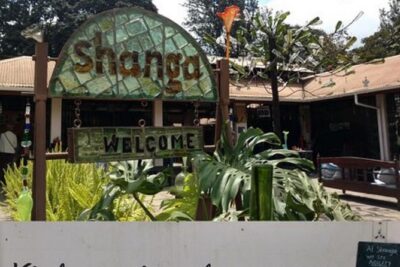
24 Hours in Arusha—Arusha Museum, Cultural Heritage, Maasai Market, Shanga
Read our review →
Full-Day Moshi Private Forest Walk and Local Market Tour
Read our review →Browse the lists this tour appears in