
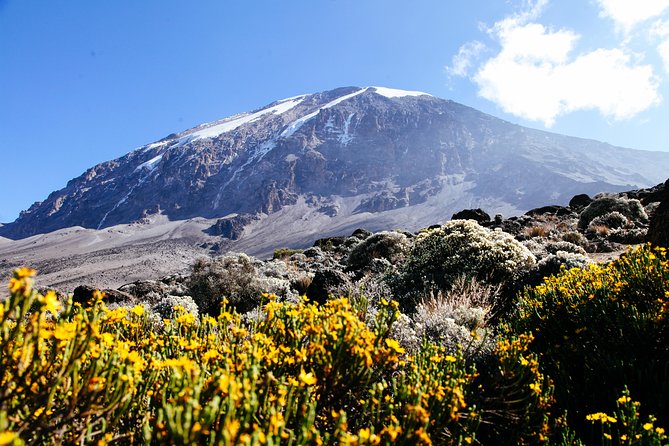
Reviewed · MARANGU ROUTE CLIMBS
Climb Kilimanjaro – Marangu Route 8 Day Program
Marangu is Kilimanjaro’s most straightforward route, but straightforward does not mean easy. You walk through rainforest, heath, and high alpine desert before making a night ascent to Uhuru Peak at 5,895 meters. The hut accommodation gives you more shelter than a tent-based climb, while the extra day at Horombo gives your body a better chance to adjust.
I like the hut stays, especially if you prefer a bed and solid walls after a long day outside. I also like the extra acclimatization day, a smart addition to a route known for attracting people who underestimate the mountain. The main drawback is that you ascend and descend on the same path, and the route’s reputation as the easiest option can tempt underprepared climbers.
Key points to know before you book
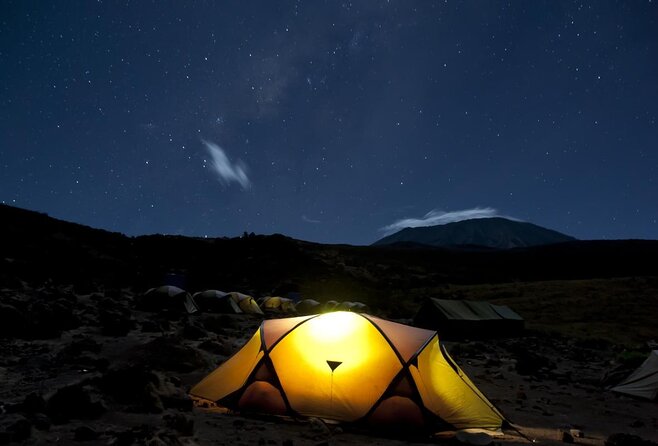
- A sunrise summit attempt: You leave Kibo Hut at about 1:00 a.m. and aim for Uhuru Peak around 8:30 a.m.
- An extra night at Horombo: Day 4 is used for acclimatization, with a walk toward Zebra Rocks at about 4,100 meters.
- Huts instead of tents: Mandara, Horombo, and Kibo provide mountain shelter, though Kibo has no running water.
- A changing route underfoot: Expect rainforest, low heath, an alpine desert saddle, and the rocky summit zone.
- A small group size: The stated maximum is 12 people, with guides, porters, and a cook supporting the climb.
- A full package from Moshi: Park fees, meals, boiled water, mountain accommodation, Wi-Fi, and transport are included.
Why the Marangu Route feels different
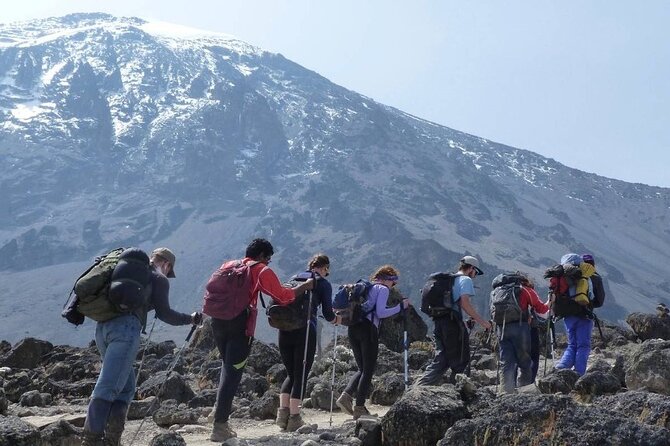
The Marangu Route is often called the tourist route because it has established huts and regular services along the trail. That nickname can undersell the experience. You still face cold, thin air, steep slopes, and a summit day that lasts about 12 hours.
The practical difference is where you sleep. On many Kilimanjaro routes, you camp each night. Here, you use huts at Mandara, Horombo, and Kibo. That can make a big difference when your boots, clothing, or sleeping bag need to stay dry. It also gives the climb a more fixed routine: walk, arrive at a hut, unpack, eat, rest, and prepare for the next day.
The route is also the shortest and is often described as the easiest. I would treat that label carefully. The lower sections are manageable for anyone with moderate fitness, but the summit attempt still reaches 5,895 meters. Altitude, not just trail difficulty, is what defeats many climbers.
This eight-day version improves the route’s basic weakness by adding an acclimatization day at Horombo. Shorter Marangu programs are available, but they give your body less time to adjust. If you are choosing this route, the longer schedule makes much more sense.
More Marangu Route Climbs in Arusha
- Private Full Day Hiking Experience to Marangu Route
★ 5.0 · 61 reviews - From Arusha/Moshi: Kilimanjaro Hike Marangu Route Day Trip
★ 4.5 · 54 reviews - Mount Kilimanjaro Day Hike Through Marangu Route to Mandara Hut
★ 5.0 · 37 reviews
Day 1: A practical start in Moshi
The experience begins with arrival at Kilimanjaro International Airport and a transfer to your hotel in Moshi. The listed meeting point is Springlands Hotel Moshi1990, and pickup is offered.
This first day is intentionally light. You have time to arrive, settle in, and prepare for the mountain instead of trying to squeeze in sightseeing. The hotel is also the point used for trip arrangements, the return after the climb, and summit certificates for successful climbers.
Use this time well. Check your clothing, organize your daypack, and make sure your climbing gear is ready. Gear rental is not included, so you need to bring or arrange those items separately. Visas, health insurance, and personal expenses are also your responsibility.
Day 2: Rainforest to Mandara Hut
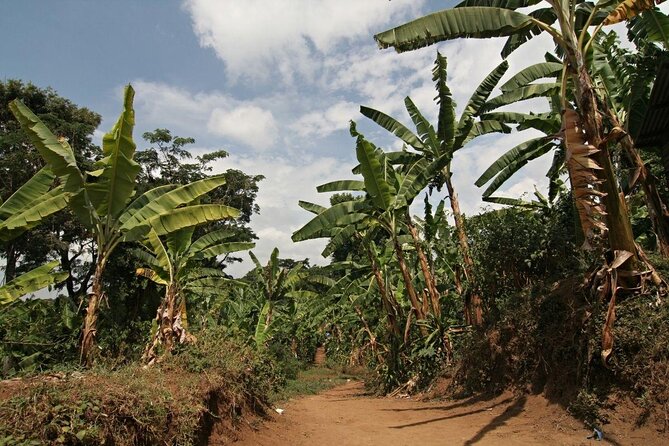
The first mountain day starts with a drive of about 45 minutes from Moshi to Marangu Gate on Kilimanjaro’s eastern side. Park registration and other paperwork take place at the gate, so the hike usually begins around 10:30 a.m.
The trail climbs from about 1,800 meters to Mandara Hut at 2,720 meters. You spend roughly four hours walking through rainforest, with a lunch stop around the halfway point. This is the gentlest-looking section of the climb, but wet conditions can make the path slippery, so good footwear matters.
Mandara Hut normally comes into view around 2 or 3 p.m. After unpacking, you can rest and have tea or coffee before an early dinner at about 7 p.m. Running water is available in the bathrooms, a small comfort that becomes more welcome as the climb continues.
I would make time for the side trip to Maundi Crater. It takes about 15 minutes and provides a fine first look at the surrounding area, including views toward Kenya and northern Tanzania. It is a short walk, but it helps you get your bearings before the higher sections begin.
Day 3: Heathland and views of Mawenzi

After breakfast around 7:30 a.m., you leave Mandara at about 8:30 a.m. The route climbs from 2,720 meters to Horombo Hut at 3,720 meters, with five to six hours of walking.
The rainforest gives way to lower heathland, where small shrubs replace the taller trees. The change is gradual, so pay attention to it. Kilimanjaro is not one unchanging climb. The plants thin out as the altitude rises, and the open views become more important than the shade.
A lunch stop breaks up the day. The big reward is the view of Mawenzi, Kilimanjaro’s jagged secondary peak. From Horombo, you can also see Kibo, the summit cone you will attempt later.
Horombo is an important overnight stop, not just a place to eat and sleep. At 3,720 meters, you may notice headache, tiredness, or a change in appetite. Tell your guide how you feel. The mountain crew is there to watch your condition, but they can only help if you speak honestly.
Same country, a completely different kind of safari:
- Balloon Safari & Bush Breakfast in Serengeti – Miracle Experience
★ 5.0 · 1,646 reviews - Tanzania Classic – 7 Days
★ 5.0 · 1,151 reviews - 4 Days Group Camping Safari
★ 5.0 · 1,101 reviews - 5 Days Group Camping Safari
★ 5.0 · 730 reviews
Day 4: The acclimatization day at 3,720 meters
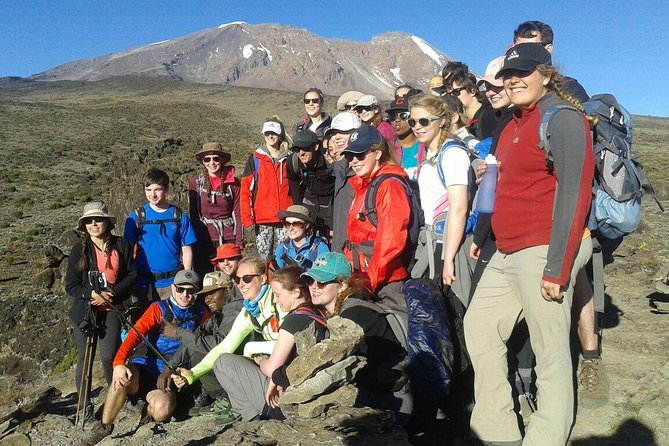
This is the day that makes the eight-day schedule worth considering. You stay at Horombo and take a training walk toward Zebra Rocks, reaching about 4,100 meters before returning to the hut.
The idea is simple: gain altitude during the day, then sleep lower than your highest walking point. That gives your body useful exposure without forcing you to spend another night at the higher elevation.
The walk also lets you see the weather and trail conditions above Horombo. You get more views of Mawenzi and Kibo, and you can test your pace before the summit section. Do not turn this into a race. The value lies in steady movement and returning with energy left.
This is also a good day to sort your pack. Keep warm layers, water, snacks, gloves, and sun protection easy to reach. The summit morning will not be the time to hunt through every bag you own.
Day 5: Across the saddle to Kibo Hut
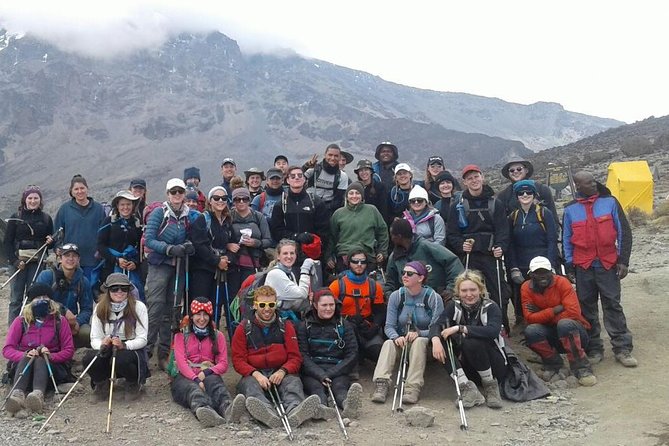
The route leaves Horombo at 3,720 meters and climbs to Kibo Hut at 4,720 meters. Expect six to seven hours of walking, with lunch around the midpoint.
The first part crosses upper heathland. Then the vegetation fades and you enter the broad saddle between Mawenzi and Kibo. This alpine desert feels stark and exposed. The ground becomes more barren, the air thinner, and the summit cone seems both close and frustratingly far away.
The saddle is one of the most memorable sections of the route. Its open, almost lunar appearance gives you a clear sense that you have left the lower mountain behind. It also offers little shelter, so sun, wind, and cold can all matter.
Kibo Hut has no running water. Plan around that fact and use the boiled water provided on the mountain. The guide will continue checking for signs of altitude sickness, but you need to do your part. A worsening headache, unusual weakness, nausea, or confusion should be reported promptly.
You arrive at Kibo with an early night ahead. The summit departure is around 1:00 a.m., so most of your evening should be spent eating, organizing your clothing, and resting.
Day 6: The long night to Uhuru Peak
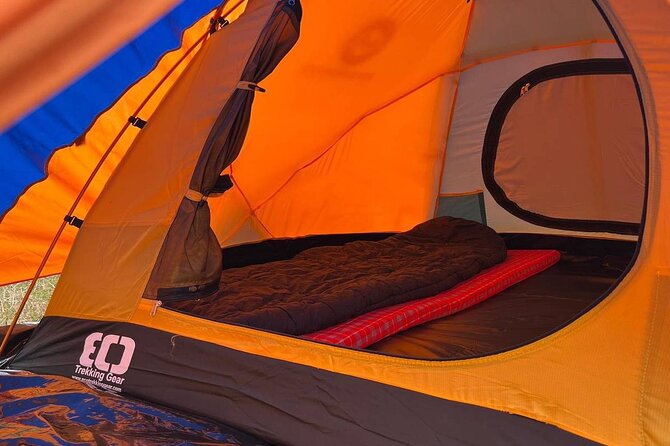
Summit day begins around midnight with a light breakfast. You leave Kibo at about 1:00 a.m., walking in darkness toward Gilman’s Point on the crater rim.
The itinerary allows about seven hours to reach Gilman’s Point, which is at roughly 5,681 meters. From there, another two hours of walking brings you to Uhuru Peak at 5,895 meters, with an expected arrival around 8:30 a.m.
This is the hardest day by far. The coldest hours come before sunrise, and the thin air makes every step feel deliberate. Your guide sets the pace, and the sensible approach is slow, steady movement rather than trying to match someone else.
At Gilman’s Point, you reach the crater rim and get views into the crater area. The final stretch to Uhuru Peak takes time, but reaching Africa’s highest point at sunrise is the central reward of the climb.
Do not linger too long at the summit. Take your photos, enjoy the view, and begin descending as directed. You return to Kibo Hut to collect your belongings, cross the saddle again, and continue to Horombo for the night. The day lasts about 12 hours, so this is not the moment for extra plans.
Day 7: Back through the forest to Moshi
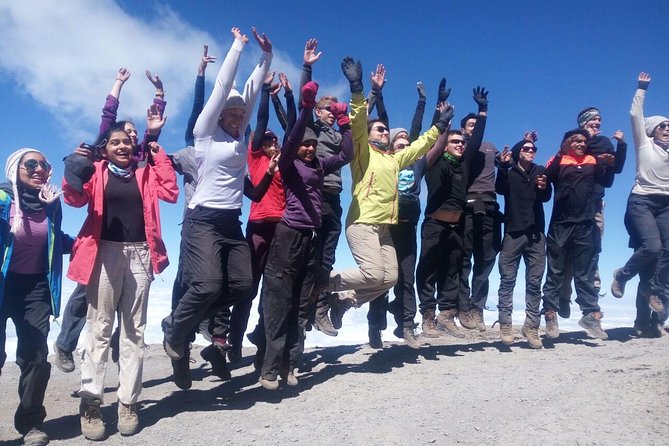
You descend from Horombo to Mandara Hut, stopping there for lunch before continuing to Marangu Gate. The route is familiar, but the direction changes the experience. Going downhill is easier on your lungs, yet it can be tiring on knees and feet after the summit effort.
The gate usually comes around 2 or 3 p.m. Transport then takes you back to Moshi and Springlands Hotel. A hot shower and a proper night indoors will feel well earned.
This is also the customary time to arrange tips for guides, porters, drivers, and the cook. Tips are not included in the price, and the company can help organize them at Springlands Hotel. Successful climbers receive summit certificates there as well.
The support crew is a major part of this kind of climb. Past trips with this operator have included guides named John, Issa, Dustin, and Mmasa, along with porters and cooks. Your own crew may differ, but you should expect a coordinated mountain team rather than a guide working alone.
Day 8: Departure or a second Tanzanian adventure
The final day is for airport departure or onward travel. The company can also arrange additional trips around Moshi and the Kilimanjaro region.
The suggested follow-on choices include a Kenya safari or time in Zanzibar. Those are not part of this climb, but the timing makes sense. After several days at altitude, you may prefer a slower schedule, warm weather, or a few quiet days before returning home.
What the $2,111 price delivers
At $2,111 per person, this is not a cheap mountain walk, but the price covers many of the costs that can make Kilimanjaro expensive. Included items are national park fees, mountain accommodation, qualified guides, porters, a cook, transport to and from the trail, meals, boiled water, and Wi-Fi.
The hut accommodation is an important part of the value. You are not paying for a basic walk with a guide and then arranging everything else yourself. The package covers the permits and support system needed for a multi-day climb.
The included meals are breakfast, lunch, and dinner during the mountain program. The published inclusions list nine breakfasts, eight lunches, and eight dinners, so it is sensible to confirm the exact meal schedule before booking. You should also budget for visas, climbing gear, health insurance, personal items, and tips.
A maximum group size of 12 keeps the trip from becoming a huge procession. It is still large enough to include different walking speeds, so ask how the guides manage the group if people separate on the trail.
Who should choose this climb
I would recommend this program to you if you want Kilimanjaro with more shelter than camping provides and you have enough time for a slower ascent. The extra Horombo day is especially useful if this is your first high-altitude climb or you are unsure how your body will respond.
You should have moderate physical fitness. That means being ready for repeated days of walking, a six to seven-hour approach to Kibo, and a summit day of about 12 hours. The route is easier than some alternatives, but it is not a casual holiday.
This plan may not suit you if you want a different trail for the descent, a wilderness route with fewer established services, or a shorter itinerary. Marangu uses the same path up and down, and its popularity can make it feel less remote than other routes.
The most important point is not to choose it simply because it is called easy. The low success rate associated with Marangu is linked to people attempting the route without enough fitness or acclimatization time. The eight-day version addresses one of those problems, but it cannot replace preparation.
Practical details before booking
Pickup is offered, and the activity begins and ends at Springlands Hotel in Moshi. Booking confirmation is provided at the time of reservation, and the group maximum is 12 people.
The experience is listed as non-refundable and cannot be changed for any reason. Read that condition carefully before paying.
Wi-Fi is included, but do not treat the mountain as an always-connected place. Use it when available, then focus on your pace, your health, and the instructions from the mountain crew.
The operator is World Adventure Tours. The package has received a five-star rating from 10 submitted accounts, with a 100 percent recommendation figure. The praise centers on smooth planning, attentive guides, helpful porters, cooks, and strong support from arrival through the return to Moshi. Names such as John, Issa, Dustin, and Mmasa are associated with particularly positive experiences, though guide assignments can change.
Should you book the eight-day Marangu Route?
Book this climb if hut accommodation, a supported ascent, and an extra acclimatization day matter more to you than having a different descent route. The package gives you a clear schedule, meals, transport, park fees, and a full mountain crew, which makes planning easier.
I would not book it because you expect the easiest possible mountain holiday. The final ascent is cold, long, and demanding, and altitude can affect even fit people. Prepare properly, speak openly with your guide, and respect the slow pace.
For a first Kilimanjaro attempt, this eight-day format is the sensible Marangu choice. It keeps the route’s practical comforts while allowing more time for your body to adjust.
FAQ
Where does the climb begin and end?
The meeting point is Springlands Hotel in Moshi, Tanzania. The activity returns to the same meeting point after the mountain section.
Is airport pickup included?
Pickup is offered from Kilimanjaro International Airport, followed by transfer to the hotel in Moshi.
Where do you sleep on the mountain?
Accommodation on the Marangu Route is in mountain huts at Mandara, Horombo, and Kibo. Kibo Hut does not have running water.
Is there an acclimatization day?
Yes. Day 4 is an extra day at Horombo Hut at about 3,720 meters, with a walk toward Zebra Rocks at about 4,100 meters before returning to the hut.
What is included in the price?
The package includes boiled water on the mountain, qualified guides and mountain crew, national park fees, Wi-Fi, mountain hut accommodation, transport to the trail and back to Moshi, breakfast, lunch, and dinner.
What is not included?
Visas, climbing gear, health insurance, tips for drivers, porters, and guides, and personal items are not included.
Just added around Arusha
- 8 Days Serengeti Migration safari★ 5.0 · 11 reviews
- tarangire, ngorongoro & lake manyara park 3 days private tour★ 5.0 · 11 reviews
- tarangire & ngorongoro 2 days tour★ 5.0 · 14 reviews
- serengeti & ngorongoro 3 days private tour★ 5.0 · 15 reviews
- Mt. Kilimanjaro: Shira plateau to Cathedral point 3872m Day hike★ 5.0 · 7 reviews
- serengeti, ngorongoro & tarangire 4 days private tour★ 5.0 · 18 reviews
- 2 Days Tanzania Midrange Group Join Safari★ 5.0 · 7 reviews
- climb the KILIMANJARO via Lemosho route★ 5.0 · 4 reviews
Marangu Route Climbs, compared.



Private Full Day Hiking Experience to Marangu Route
Read our review →
From Arusha/Moshi: Kilimanjaro Hike Marangu Route Day Trip
Read our review →
Mount Kilimanjaro Day Hike Through Marangu Route to Mandara Hut
Read our review →

Best Kilimanjaro Adventures 6 Days Marangu Route Experience
Read our review →
Kilimanjaro Private Climbing in 6 Days Marangu Route
Read our review →Browse the lists this tour appears in