
Reviewed · CAMPING SAFARIS
4-Day Northern Tanzania Camping Tour Safari
Tarangire’s elephants and baobabs, the open grasslands of Serengeti, and the wildlife-filled floor of Ngorongoro Crater make this a compact but serious introduction to northern Tanzania. You move through three of the country’s best-known safari areas, with early starts and long drives helping you reach the animals.
I like the small group limit of six, since fewer people usually means a better view from the pop-up roof and less crowding around the vehicle. I also like that the price includes park fees, meals, drinking water, a 4×4 safari jeep, airport pickup, and two lodge nights, which makes the $1,040 cost easier to judge.
The main consideration is the schedule. The advertised safari lasts four days, but the full plan takes about five days when the Arusha arrival night is counted. You will also spend several hours on rough, lengthy drives, and the camping nights are a real part of the experience rather than a polished hotel stay.
Key points before you book
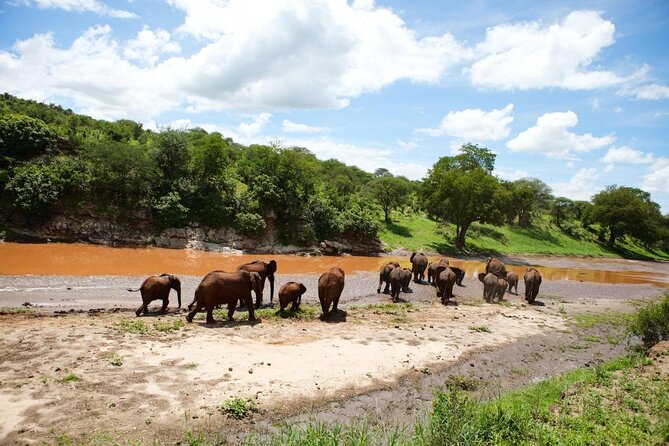
- Tarangire begins with elephants and baobabs: Expect a full game drive in a park known for large elephant groups, the Tarangire River, tree-climbing pythons, and baobab trees.
- Serengeti gets the most time: You reach central Serengeti on Day 3, then continue with a sunrise drive and another wildlife outing on Day 4.
- Ngorongoro is a long final safari: The crater floor receives six to seven hours of game driving, with hopes of seeing black rhinos, flamingos, and the Big Five.
- The group stays small: The vehicle carries no more than six participants, with a pop-up roof for viewing animals.
- Meals and water are covered: Breakfast, lunch, dinner, and unlimited drinking water are included for the safari portion.
- The itinerary includes both camping and lodges: You sleep at Jambo Lodge after Tarangire, camp at Seronera in Serengeti, and use Simba campsite near Ngorongoro.
What this safari really includes
At $1,040 per person, this is priced as a practical group safari rather than a private luxury trip. The important value comes from the number of costly basics already bundled in: park entrance fees, a guide, a safari vehicle, accommodation, and most meals.
You also receive airport pickup from either Arusha Airport or Kilimanjaro Airport, followed by an overnight stay in Arusha. That first night is useful if you arrive late or need help getting settled. Raymond, who has handled some past arrangements, has also helped with practical arrival details such as obtaining a local SIM card.
The vehicle is a 4×4 pop-up safari jeep. That roof opening matters. You can stand or sit with a broad view of the animals and the surrounding plains, rather than looking through a small side window. The group cap of six gives you a reasonable chance of having room to shift position when a lion, elephant, or rhino appears.
The included English-speaking guide is central to the quality of the trip. Names connected with past safari arrangements include Raymond, Patrick Nguye, Muddy, Andrew, and Buga. You should confirm your assigned guide before departure, since the information does not promise one particular person for every booking.
The food plan is substantial. Four breakfasts, four lunches, and four dinners are listed, along with hot lunch and unlimited drinking water. Alcoholic drinks and personal items are not included, and tips are separate. Bring a way to manage personal spending, since the tour price is not designed to cover extras.
More Camping Safaris in Arusha:
- 4 Days Group Camping Safari
★ 5.0 · 1,101 reviews - 5 Days Group Camping Safari
★ 5.0 · 730 reviews - 3 Days Serengeti & Ngorongoro Group Camping Safari
★ 5.0 · 574 reviews
Day 1: Start in Arusha with a simple arrival night
The first day is mainly about getting you into position. Pickup is available from Arusha Airport or Kilimanjaro Airport, followed by an overnight stay at accommodation in Arusha city.
This is not a sightseeing day, so do not treat it as an extra safari day. Its value is practical: you can arrive, rest, organize your bags, and prepare for an 8:00 a.m. hotel pickup the next morning.
The stated duration can cause confusion. The title calls this a four-day safari, while the schedule runs from an arrival night in Arusha through the return to Arusha after Ngorongoro. Plan around five calendar days, especially if you are connecting flights or booking another activity afterward.
Day 2: Tarangire brings the first big wildlife encounter
You leave your Arusha hotel at about 8:00 a.m. and drive roughly three hours to Tarangire National Park. The park lies about 115 kilometers from Arusha and covers approximately 2,800 square kilometers, so the drive is only the beginning of a long day.
Tarangire is shaped by the Tarangire River, a vital water source for wildlife. The park is especially associated with elephants, and the itinerary also highlights baobabs, tree-climbing pythons, lions, leopards, and other animals.
I like this opening day because it starts with a distinct setting rather than treating every park as interchangeable. The baobabs give the drive a strong visual identity, while the river helps explain why animals gather here. You are not simply ticking off a park name. You are seeing how water affects animal movement.
The plan calls for a full-day game drive, followed by dinner and an overnight stay at Jambo Lodge. The eight-hour stop estimate does not include every minute of the transfer, so expect a full day on the road and in the park.
Tarangire can be a good first safari park because it offers a mix of large mammals, birds, and unusual plant forms. Still, wildlife sightings are never guaranteed. The schedule names lions and leopards as possible sightings, not promised ones, so judge the day by the setting and range of species rather than by a fixed checklist.
Day 3: A long transfer into central Serengeti
After breakfast, you pack your luggage into the jeep and set off toward Serengeti. This is a long day, with lunch eaten in the vehicle and game viewing along the route.
The journey includes views of the Great Rift Valley and Ngorongoro Crater before you reach Serengeti at around 3:00 p.m. That timing gives you an evening game drive in central Serengeti, followed by dinner and camping at Seronera campsite inside the park.
The strength of this day is access. Serengeti is not a quick side trip from Arusha, and the long transfer is the price of reaching its broad plains. The downside is equally clear: you spend much of the day moving, and the safari vehicle becomes your dining room for lunch.
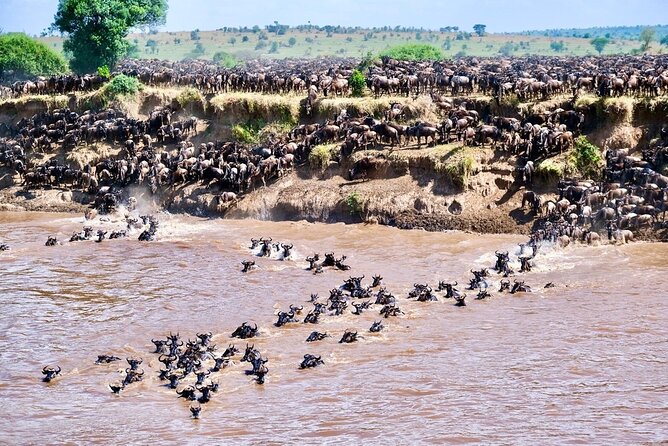
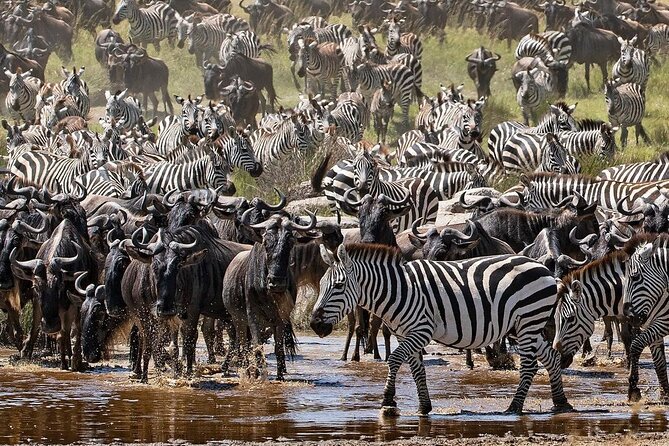
Serengeti is famous for its endless open plains and the annual wildebeest migration. The migration also involves other herbivores and predators that follow the moving herds. Your chance of seeing migration activity depends on the season and location, so ask for current conditions before booking if the migration is your main goal.
Arriving around 3:00 p.m. still leaves time for an evening drive and sunset. That is a worthwhile trade for the long transfer, since the changing light can make the plains feel very different from Tarangire’s river country and baobabs.
Camping at Seronera keeps you inside Serengeti rather than ending the day outside the park. The information provided does not specify the tent setup or bathroom arrangements, so ask those questions before you pay if camp comfort is important to you.
A few more Arusha trips to weigh up
- Balloon Safari & Bush Breakfast in Serengeti – Miracle Experience
★ 5.0 · 1,646 reviews - 7-Day Premium Luxury Tanzania Safari All-Inclusive
★ 5.0 · 426 reviews - 3-Day Classic Serengeti Safari
★ 5.0 · 263 reviews - 8 Days Great Wildebeest Calving Migration Safari from Arusha
★ 5.0 · 254 reviews
Day 4: Sunrise in Serengeti, then onward to Simba campsite
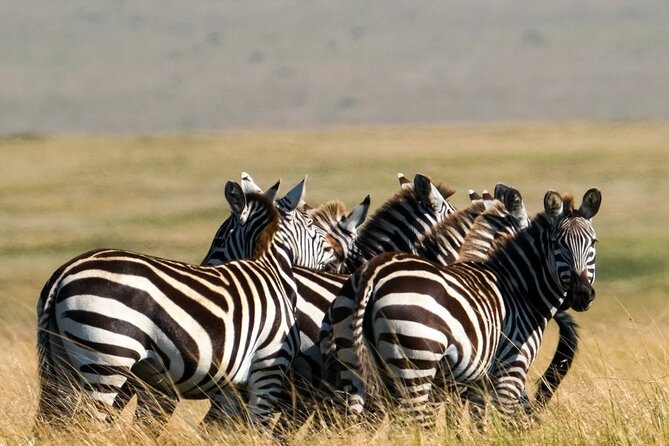
The alarm comes early, around 5:45 a.m., for breakfast and a sunrise game drive. You continue exploring until about 11:30 a.m., then return to camp for a hot lunch and luggage packing.
After lunch, the jeep heads out again with more game viewing on the way to Ngorongoro Crater. Dinner and overnight accommodation are at Simba campsite, near the crater.
This is the most demanding day of the trip. You get some of the best possible safari hours at dawn, when the schedule puts you out early, but you also face another long drive after lunch. If you prefer slow mornings and plenty of downtime, this plan may feel rushed.
I like the way the itinerary gives Serengeti more than one short pass. You have the evening of Day 3, a full early drive on Day 4, and more viewing during the move toward Ngorongoro. That increases your chances of seeing different animals and gives your guide more time to search for the Big Five.
The campsite near Ngorongoro also positions you for an early crater descent. That matters because the following day begins around 5:30 a.m. You will want to keep your luggage organized and your clothing ready the night before.
Day 5: Ngorongoro Crater is the grand finale
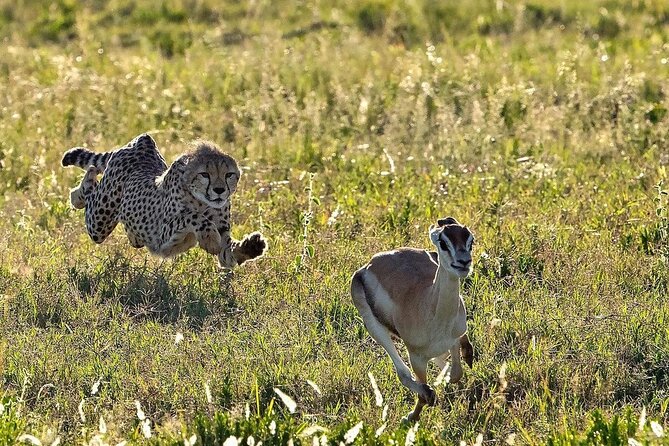
After an early breakfast, you descend to the Ngorongoro Crater floor. The plan allows six to seven hours of game driving, with lunch eaten inside the crater while you continue watching the natural surroundings.
Ngorongoro is described as a Garden of Eden, and the reason is easy to understand from the itinerary: the enclosed crater floor can hold a high concentration of wildlife in a relatively compact area. The day may include the Big Five, different bird species, black rhinos, and flamingos.
Black rhino sightings are particularly notable because they are specifically included among the animals you may see. Again, this is a possibility rather than a guarantee, but the crater is given enough time to make the search worthwhile.
The crater day is not just another drive across open country. You descend, spend most of the day below the rim, and then climb back out. That physical change gives the final day a strong sense of place, but it also means the route is tiring after several early mornings.
After the game drive, you return through the campsite to gather your luggage and drive back to Arusha for the overnight stay. The schedule calls this a seven-hour stop, but the final return drive means you should not assume you will have a relaxed evening.
Camping, lodge nights, and the comfort question
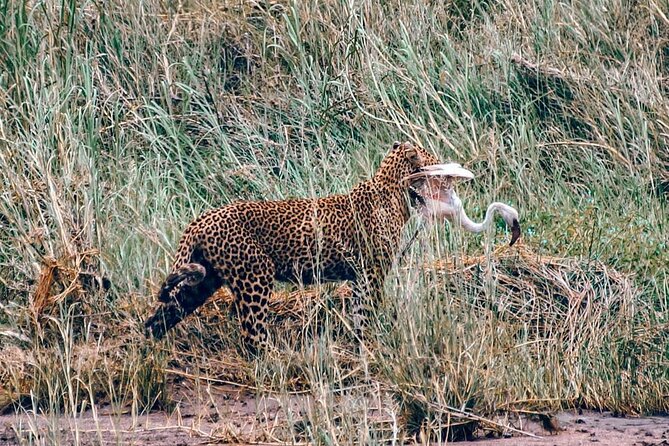
This is a mixed-accommodation safari. Two nights of lodge accommodation are included, while Serengeti and the Ngorongoro area use campsites. Jambo Lodge follows the Tarangire day, Seronera campsite is inside Serengeti, and Simba campsite is used before the crater descent.
That mix helps keep the price down while putting you close to the parks. It also means you should not compare this directly with a high-end lodge safari. The experience is built around early departures, shared logistics, and sleeping near the route rather than luxury facilities.
The supplied details do not state whether camping equipment, bedding, showers, or private tents are provided. Ask the operator for the exact camping setup before booking. The same applies to the two lodge names and room arrangements if you want to know how many people share a room.
The food provision is a plus. Hot lunch is specifically included, and all four breakfasts, lunches, and dinners are covered. Unlimited drinking water is also listed, which reduces the need to buy bottled water during long drives.
The guides can shape the whole experience
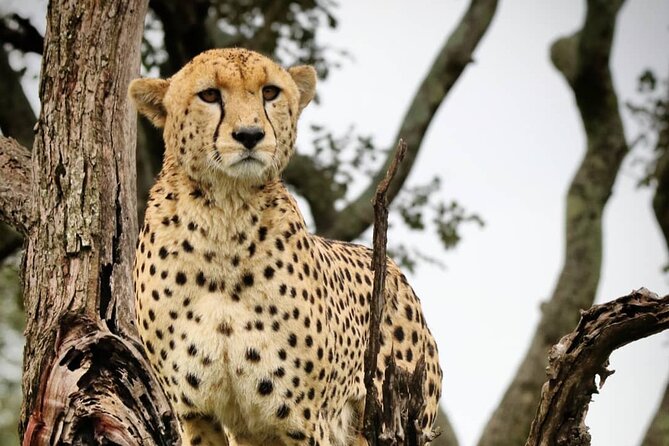
A safari guide does more than steer the jeep. The guide decides how long to wait, where to look, and how to balance animal sightings with the long route between parks.
The names associated with past trips include Raymond, Patrick Nguye, Muddy, Andrew, and Buga. Patrick Nguye and Muddy are praised in the supplied comments for helping with Big Five sightings, while Raymond is noted for prompt communication and airport assistance. These details suggest you should value both wildlife skills and practical organization.
Do not assume that a particular guide will be assigned unless the company confirms it. Instead, ask who will lead your departure, how many people will share the vehicle, and how the guide handles the long transfer days.
The maximum group size is six. That is one of the strongest parts of the package, especially compared with a large coach-style safari. You still need to share the viewing position and seating, but the vehicle should feel more manageable when everyone wants to watch the same animal.
What to pack and what to clarify
The itinerary is early, active, and partly outdoors. Pack light enough to load into the jeep without fuss, with clothing suitable for cool mornings and warmer daytime drives. A small personal bag is useful for the vehicle, while larger luggage can remain packed in the jeep.
Before departure, confirm:
- The exact pickup time and airport transfer details
- Which guide will lead your trip
- The camping tent, bedding, and bathroom arrangements
- The lodge room setup
- What personal items you need to buy yourself
- How tips should be handled
- Current migration conditions if wildebeest are your priority
The tour is described as suitable for most people and near public transportation. That is a broad participation statement, not a promise that the long drives or early starts will suit everyone. If you have mobility concerns, ask the operator directly before booking.
Cancellation and booking value
Confirmation is provided at booking, and free cancellation is available if you cancel at least 24 hours before the local start time. Cancellations or changes made inside that window are not accepted for a refund.
For the price, I see strong value if you want the major northern Tanzania parks in one tightly planned trip. Park fees alone can make safari pricing rise quickly, and this package also includes transport, guiding, meals, water, accommodation, and airport pickup.
The cost becomes less attractive if you want private space, a slow pace, or guaranteed luxury accommodation. It is also worth remembering that the advertised four days include a plan that stretches across roughly five calendar days with the Arusha arrival and return nights.
Who should book this safari?
You should consider it if you want to see Tarangire, Serengeti, and Ngorongoro Crater without arranging separate transfers and park entries yourself. It suits first-time safari visitors who value a small group, a fixed route, and a mixture of lodge and camping nights.
It is also a good fit if you want a realistic chance at the Big Five. The route gives you several game drives in Serengeti and a long crater visit, and past guide assignments have included successful searches for lions, leopards, elephants, buffalo, and rhinos.
You may want another style of safari if you dislike early breakfasts, long road transfers, or basic campsites. The days are packed, and the route favors coverage over leisurely time at one property.
Should you book it?
I would book this safari if your priority is maximum wildlife coverage for a controlled price. Tarangire, Serengeti, and Ngorongoro offer three different settings, and the small group limit makes the shared-vehicle format more appealing.
Before paying, confirm the camping arrangements, assigned guide, exact calendar dates, and the meaning of the four-day title. If those details fit your expectations, this is a practical way to reach northern Tanzania’s major safari areas without paying for a private luxury itinerary.
FAQ
Is this safari four days or five days?
The safari is marketed as four days, but the schedule includes an arrival night in Arusha and a return overnight in Arusha. Plan for approximately five calendar days.
Where does pickup take place?
Pickup is offered from Arusha Airport or Kilimanjaro Airport. The Day 2 departure is from your Arusha hotel at about 8:00 a.m.
How many people can join the safari?
The maximum group size is six travelers.
Which parks are included?
The route includes Tarangire National Park, Serengeti National Park, and Ngorongoro Crater. The schedule also includes views of the Rift Valley and Ngorongoro Crater during the drive toward Serengeti.
Are park fees included?
Yes. Park fees and entrance fees are included in the tour price.
What meals are included?
Four breakfasts, four lunches, and four dinners are included. Hot lunch and unlimited drinking water are also listed as inclusions.
Is accommodation included?
Yes. The package includes two nights of lodge accommodation, camping at Seronera campsite in Serengeti, and an overnight at Simba campsite near Ngorongoro.
Can I cancel for a full refund?
Yes, if you cancel at least 24 hours before the experience start time. Cancellations or changes made less than 24 hours before the start are not refunded or accepted.
More 4-Day Experiences in Arusha
- 4 Days Join Group tour Tarangire Serengeti and Ngorongoro crater
★ 5.0 · 219 reviews - 4-Day Safari from Arusha: Tarangire, Serengeti and Ngorongoro
★ 5.0 · 173 reviews - 4 Days safari Tour Tanzania
★ 5.0 · 159 reviews - 4 Days Tarangire Serengeti Ngorongoro Crater
★ 5.0 · 117 reviews
Just added around Arusha
- 8 Days Serengeti Migration safari★ 5.0 · 11 reviews
- tarangire, ngorongoro & lake manyara park 3 days private tour★ 5.0 · 11 reviews
- tarangire & ngorongoro 2 days tour★ 5.0 · 14 reviews
- Mt. Kilimanjaro: Shira plateau to Cathedral point 3872m Day hike★ 5.0 · 7 reviews
- serengeti, ngorongoro & tarangire 4 days private tour★ 5.0 · 18 reviews
- serengeti & ngorongoro 3 days private tour★ 5.0 · 15 reviews
- climb the KILIMANJARO via Lemosho route★ 5.0 · 4 reviews
- 2 Days Tanzania Midrange Group Join Safari★ 5.0 · 7 reviews
Camping Safaris, compared.



3 Days Serengeti & Ngorongoro Group Camping Safari
Read our review →
5 Days Camping Tarangire, Serengeti & Ngorongoro crater & Visiting Maasai
Read our review →
2 Days Tarangire and Ngorongoro Group Camping Safari
Read our review →

3 Days Tarangire, Ngorongoro & Lake Manyara Group Camping Safari
Read our review →
5-Day private Camping Safari Tour in Tanzania
Read our review →Browse the lists this tour appears in