
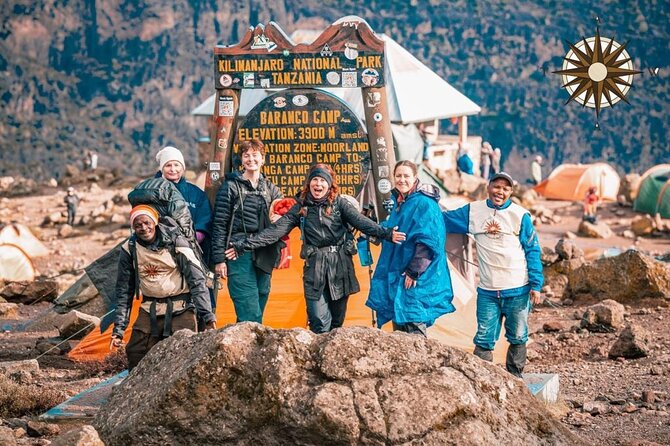
Reviewed · LEMOSHO ROUTE CLIMBS
Climb Kilimanjaro – Lemosho Route 7 Day Climb
The Lemosho route gives you a quieter start on Kilimanjaro, with long views across the Shira Plateau and a real sense of wilderness. The forest near the Lemosho glades is known for wildlife, so an armed ranger accompanies the group during the opening section. This is not just a walk to a summit. It is a gradual change from forest to moorland, then rock, cold, and thin air.
I like the route’s careful acclimatization pattern, especially the high climb to Lava Tower at about 4,600 meters, followed by a descent to Barranco. I also like the practical support included here: airport pickup, two hotel nights, guides, porters, cooks, tents, sleeping mattresses, rescue fees, and mountain meals. The main drawback is the summit day. It can mean more than 15 hours on your feet, with a midnight start, cold, scree, and a long descent afterward.
Key points to know before booking
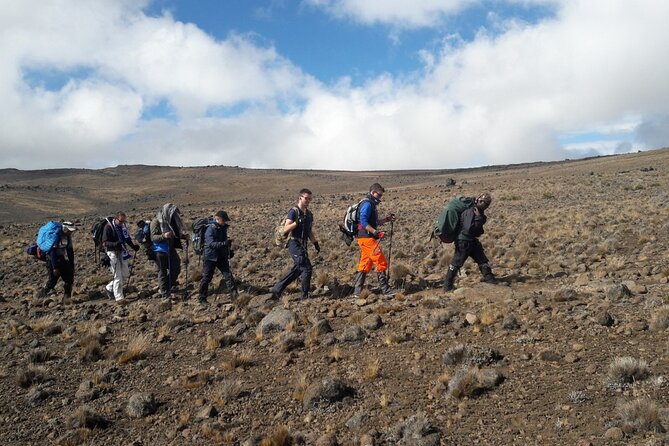
- A remote western approach: The opening walk through the Lemosho glades and Shira Plateau feels less developed than the busier mountain approaches.
- A strong acclimatization day: You climb high to Lava Tower, then sleep much lower at Barranco, a useful pattern for adjusting to altitude.
- A serious summit attempt: You leave around 11:30 p.m., reach Stella Point after about six hours, then continue to Uhuru Peak at 5,895 meters.
- A fully supported camp: Guides, porters, cooks, tents, mattresses, and meals are included, but sleeping bags and other personal gear cost extra to hire.
- A small group limit: The maximum group size is 12 people, large enough for shared energy but still manageable on a mountain route.
- A real budget check: The $2,280 price covers much of the hard infrastructure, but visa costs, insurance, gear hire, single-room lodging, flights, and tips remain outside the headline price.
Why Lemosho is a good way up Kilimanjaro
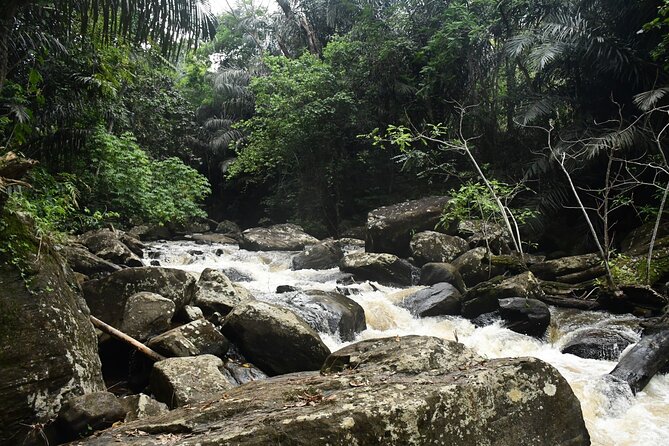
Kilimanjaro is often described as a single climb, but the route you choose shapes the whole experience. Lemosho approaches from the west, beginning in forest and opening toward the Shira Plateau. It is remote, scenic, and less hurried at the start.
That slower beginning matters. You are not thrown straight into a steep ascent. The trail gives you time to find a walking rhythm, watch your breathing, and learn how your guide manages the group. The route later joins the southern circuit near Barranco and follows the approach toward Barafu and the summit.
The wildlife element is unusual. The forest around the Lemosho glades can contain large animals, and an armed ranger accompanies the group during this section. You should not treat this as a safari, but the possibility of wildlife adds a genuine wilderness quality to the first day on the mountain.
The route is listed as a 7-day climb, while the complete program lasts about nine days. The extra time covers airport arrival, a hotel night before the mountain, the hotel night after the descent, and departure. That arrangement is useful because you do not have to rush from the airport directly to the trailhead or fly out immediately after your descent.
More Lemosho Route Climbs in Arusha
- 8-Day Small-group Lemosho Kilimanjaro Summit Trekking
★ 5.0 · 186 reviews - 8 Days Mountain Kilimanjaro Lemosho Route
★ 5.0 · 22 reviews - 7 Day Kilimanjaro Climb Lemosho Route & 2 Day Safari
★ 5.0 · 16 reviews
Arrival in Arusha and the first night
You are collected at Kilimanjaro International Airport and transferred to Springlands Hotel or a similar property. The overnight stay includes bed and breakfast.
The hotel night is more than a soft landing. It gives you a place to sleep, organize your bags, and prepare for the early mountain transfer. A single room costs an additional $50 per person. The basic price assumes the standard accommodation arrangement.
The meeting time is listed as 9:00 a.m., and the group can include up to 12 people. Confirm the exact pickup and departure details when you book, since airport arrival times and hotel arrangements can affect the morning plan.
The company’s administrative support received particular praise, with Gabriel named for clear communication and useful help before the trip. That matters on a climb where gear, airport transfers, visas, and arrival timing all need to line up.
Day 2: Londorosi Gate to Mti Mkubwa
After breakfast, you drive to Londorosi Park Gate. The drive is described as taking about five hours, so this is a long transfer before your boots hit the trail. You then walk roughly 5 kilometers, gaining altitude from about 2,200 to 2,600 meters, with around three hours of hiking.
The route passes through the Shira Plateau, one of the better parts of Kilimanjaro for possible big-game sightings. Again, this is a mountain walk, not a dedicated wildlife drive, so keep expectations sensible. The setting is the attraction: forest, open views, and a less-used western approach.
You spend the night at Mti Mkubwa Camp. The crew sets up camp while dinner is prepared. Having porters handle tents and much of the camp work lets you focus on eating, drinking, and resting.
Day 3: Mti Mkubwa to Shira Camp
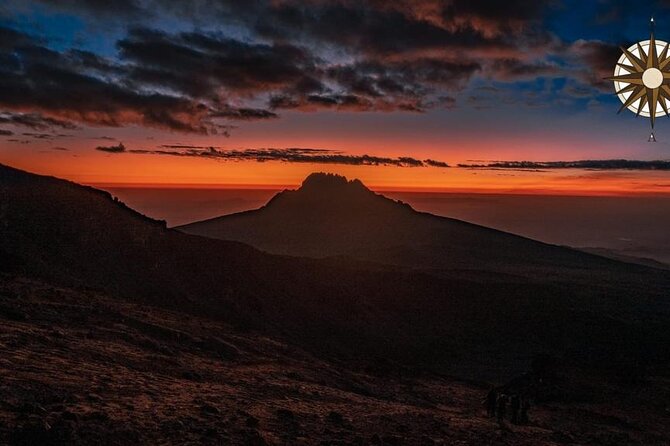
The next walk covers about 10 kilometers and takes four to five hours. Altitude rises from approximately 2,600 to 3,600 meters.
The route crosses lower moorland, where large shrubs and wildflowers replace the thicker forest. Kibo, Kilimanjaro’s main volcanic cone, begins to dominate the view above camp. The mountain feels much closer now, but the pace should remain calm.
This is an important point in the trip. You may feel strong and want to move faster. Resist that urge. The plan calls for a steady pace to help your body adjust. After lunch, you can rest at camp or take a short day walk, depending on the guide’s plan and conditions.
The five-hour hiking estimate is reasonable for a fit person moving steadily, but altitude affects everyone differently. The right goal is not speed. It is arriving able to eat, drink, and sleep.
Same country, a completely different kind of safari:
- Balloon Safari & Bush Breakfast in Serengeti – Miracle Experience
★ 5.0 · 1,646 reviews - Tanzania Classic – 7 Days
★ 5.0 · 1,151 reviews - 4 Days Group Camping Safari
★ 5.0 · 1,101 reviews - 5 Days Group Camping Safari
★ 5.0 · 730 reviews
Day 4: Shira Camp to Shira Camp 2
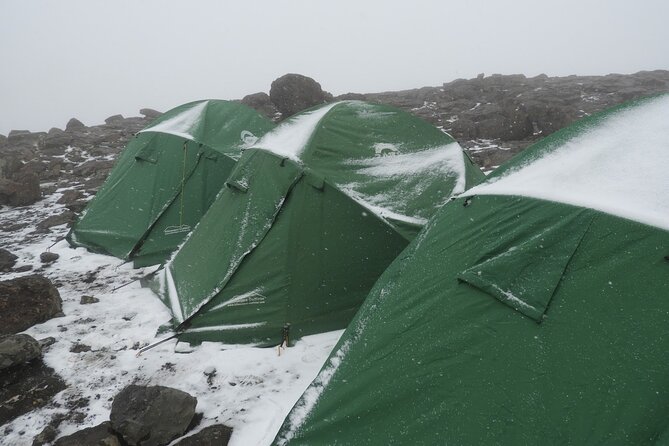
This is another acclimatization-focused day. You walk about 10 kilometers from roughly 3,600 to 3,840 meters, with five to six hours on the trail.
The climb is relatively short in altitude terms, which gives you time to adapt before the route becomes more demanding. Shira’s open, rocky setting feels very different from the forest below. You have wider views and fewer trees, but also more exposure to wind and weather.
This stage can feel easy, which is precisely why it is useful. A comfortable day gives you a chance to check your clothing, water system, boots, and sleeping setup before the harder section. Tell your guide early if you develop a headache, unusual breathlessness, or nausea. Do not wait for symptoms to become severe.
Day 5: Lava Tower and the descent to Barranco
This is the key acclimatization day and one of the hardest walks before the summit. The route covers about 11 kilometers and takes seven to eight hours, though the high point and varied terrain can make it feel longer.
You move east into a dry, rocky area around Lava Tower. After about five hours, you reach approximately 4,600 meters. The listed camp elevation for the day is around 3,940 meters, because the route then drops about 680 meters to Barranco.
That high point followed by a lower night is valuable. Your body gets time at altitude without forcing you to sleep as high as Lava Tower. Some climbers first feel breathlessness, headaches, or irritability around this section. These symptoms deserve attention, not jokes or bravado.
The descent to Barranco can be a relief for your breathing, but it still uses tired legs. Eat lunch, drink often, and keep your pace controlled. This is also a good day to ask the guide about the summit schedule, clothing, headlamp, water, and battery storage.
Day 6: Barranco preparation and the high camp
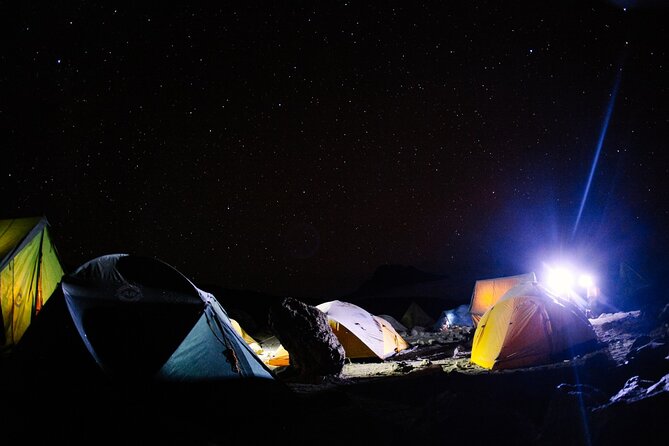
The supplied schedule describes a long day at roughly 3,960 to 4,640 meters, covering about 11 kilometers in seven to eight hours. It also emphasizes a narrow, stony ridge where tents may be exposed to strong winds.
You should take the camp location seriously. Familiarize yourself with the ground before dark, especially if you need to move around the tents at night. Loose stones, wind, and darkness are a poor combination.
The summit is about 1,345 meters higher from this point. You prepare for the night attempt by organizing warm clothes, ski sticks or trekking poles, headlamp batteries, camera batteries, and water. A thermal flask is a smart idea because water can freeze during the summit push.
The schedule advises turning in around 7:00 p.m. and resting for no more than five hours. That sounds strange if you are used to a normal night, but the midnight departure makes it necessary. You may not sleep much. Lying down in warm clothing, with your equipment ready, is still useful.
The altitude figures and camp names in the supplied schedule are not perfectly clear, so ask the operator to confirm the exact camp sequence before departure. The central plan is clear: sleep high, leave around midnight, reach the crater rim, continue to the summit, and descend the same day.
Day 7: Stella Point, Uhuru Peak, and the long descent
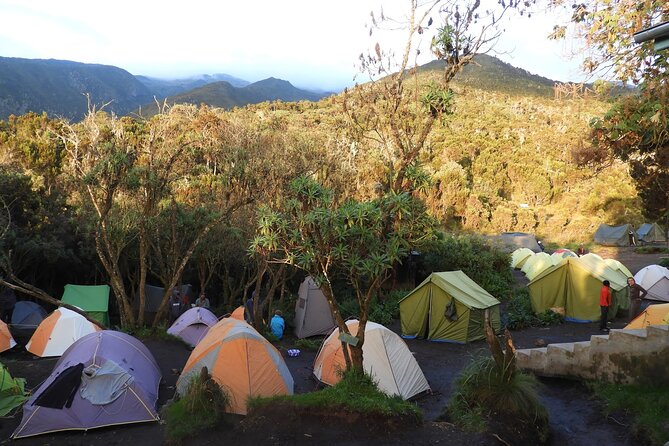
Summit day begins around 11:30 p.m. with tea and biscuits. You climb through heavy scree toward Stella Point on the crater rim, gaining from about 4,670 meters to 5,685 meters.
The walk to Stella Point takes around six hours and is often the most physically demanding part of the climb. Scree shifts beneath your boots, the air is thin, and the darkness hides the scale of the slope. A slow pace is essential. Your guide’s job here is not to make you hurry. It is to help you move safely and steadily.
At Stella Point, you pause and may see sunrise across the crater rim, weather permitting. From there, you continue through possible snow for about two hours to Uhuru Peak at 5,895 meters, the highest point in Africa.
Keep your summit stop brief. The cold, altitude, and fatigue can build quickly. Take your certificate photographs, enjoy the moment, and begin the descent when the guide says it is time.
The full day is listed at 17 kilometers and more than 15 hours, with the altitude dropping to about 3,100 meters by the end. That descent is not an easy walk after the summit. Your knees and feet may be tired, and the trail can feel endless. This is why the previous acclimatization days and a well-packed day bag matter.
Day 8: Mweka Gate, a shower, and your certificate
After breakfast, you descend from Mweka Gate toward Mweka village. The walk is described as about five hours and can be muddy, especially on the lower section.
At the village, a vehicle takes you back to Springlands Hotel. A hot lunch and a long shower are included, and you spend another night at the hotel.
Successful climbers receive certificates there. Reaching Stella Point earns a green certificate, while reaching Uhuru Peak earns a gold certificate. The distinction gives you a clear record of how far you reached, which is useful if weather, altitude, or exhaustion prevents a full summit.
Tips can be given to the guide at the hotel. The suggested amount is $250 to $350 per person for guides, porters, and the cook. It is described as optional, but you should budget for it as a likely part of the total cost if the support team serves you well.
Day 9: Airport transfer and the true cost
After an early breakfast, you are transferred to Kilimanjaro International Airport. The listed transfer takes about 30 minutes.
The price is $2,280 per person. For a supported Kilimanjaro climb, that includes major costs: park and other fees, airport pickup, hotel nights, mountain transport, rescue fees, tents, mattresses, guides, porters, cooks, and meals on the mountain.
Six dinners, nine breakfasts, and six lunches are listed. The mountain meals are part of the package, which removes one major planning task. The food is prepared by a cook, and Salim was specifically praised for his cooking. You should still confirm the meal plan if you have allergies or strict dietary needs, since those details are not provided here.
Your final budget must also include:
- International or domestic flights
- A Tanzanian entry visa, listed at $50
- Travel and health insurance
- Sleeping bag, clothing, and shoe hire if needed
- A $50 single-room supplement
- Suggested guide, porter, and cook tips of $250 to $350
That makes the trip cost noticeably more than the advertised figure. Still, the inclusion of staff wages, rescue fees, transport, camping equipment, and food gives the base price solid value for a first Kilimanjaro climb.
Guides, porters, and camp support
The people around you will shape the climb as much as the mountain. Kimbi was specifically praised as an excellent guide, while Izadin was noted for being helpful and informed. Those names indicate the operator has experienced staff, but you should confirm who will lead your particular departure.
The porter team carries much of the camp equipment, and the cook prepares meals on the mountain. This support lets you carry a smaller personal load, though you still need a day pack with water, warm layers, snacks, sun protection, and personal medication.
Porter welfare is worth considering when you choose a Kilimanjaro company. The supplied package states that guides and porters receive salaries, and it covers their accommodation and mountain entry fees. Ask how luggage limits and tipping are handled before the climb.
The group limit of 12 is a practical size. A bigger group can offer more company, but it may move at different speeds. A smaller group can feel more personal, but it may offer less social energy. Twelve is a reasonable middle ground.
Who should book this climb?
This route suits you if you have moderate physical fitness, enjoy several days of camping, and can handle a long summit night. You do not need technical climbing skills based on the information provided, but you do need stamina, patience, and a willingness to walk slowly.
It is a good choice if you want a quieter beginning, wildlife potential in the forest, and strong acclimatization built into the route. It also suits first-time high-altitude climbers who want the main logistics handled by a guide team.
Think twice if you dislike cold nights, shared camp routines, rough ground, or uncertain sleep. The midnight summit start is not a small detail. Neither is the 15-hour-plus summit day.
The experience is non-refundable and cannot be changed after booking. That makes travel insurance especially important, along with careful checking of your dates, health, flights, and equipment before you pay.
Should you book the 7-day Lemosho climb?
I would choose this climb if you value a scenic western approach, full mountain support, and a route that gives acclimatization serious attention. The Lava Tower ascent followed by the Barranco descent is one of the strongest parts of the plan.
The price is reasonable once you account for the included transport, accommodation, staff, meals, rescue fees, tents, and park costs. Add the visa, insurance, gear, flights, and likely tips before comparing it with other Kilimanjaro packages.
Book it if you are ready for a demanding but carefully paced mountain trip. Before confirming, ask for the final camp schedule, the name of your lead guide, porter baggage limits, meal arrangements, gear rental prices, and the exact airport pickup plan. Those answers will tell you whether this is the right operator for your climb.
FAQ
How long does the full Kilimanjaro experience last?
The complete program lasts approximately nine days. It includes one hotel night before the climb, the seven-day climbing program, one hotel night after the descent, and airport transfers.
How much does the climb cost?
The listed price is $2,280 per person. Flights, a Tanzanian visa, insurance, gear hire, a single-room supplement, and guide, porter, and cook tips are not included.
What route does the climb use?
The climb uses the Lemosho route, approaching Kilimanjaro through the Lemosho glades and across the Shira Plateau before continuing toward Lava Tower, Barranco, the summit, and the Mweka descent.
Is airport pickup included?
Yes. Airport pickup from Kilimanjaro International Airport is included, as is the transfer to the hotel and the return airport transfer at the end.
What is included on the mountain?
The package includes guides, porters, cooks, their mountain entry fees and accommodation, tents, sleeping mattresses, rescue fees, and all meals on the mountain.
Is a sleeping bag included?
No. Sleeping bags and other mountain gear, including clothing and shoes, are available to hire at an additional cost.
How many people can join the group?
The maximum group size is 12 people.
What fitness level is required?
You should have a moderate level of physical fitness. The summit day involves about 17 kilometers of hiking, a midnight start, an ascent to 5,895 meters, and more than 15 hours of walking.
More 7-Day Experiences in Arusha
- 7-Day Premium Luxury Tanzania Safari All-Inclusive
★ 5.0 · 426 reviews - Group Safari 7 Days in Tanzania’s Main Parks
★ 5.0 · 240 reviews - 7 Days Tanganyika Wilderness Safari
★ 5.0 · 159 reviews - 7-Day Machame Kilimanjaro Summit Tour from Arusha
★ 5.0 · 125 reviews
Just added around Arusha
- 8 Days Serengeti Migration safari★ 5.0 · 11 reviews
- tarangire, ngorongoro & lake manyara park 3 days private tour★ 5.0 · 11 reviews
- tarangire & ngorongoro 2 days tour★ 5.0 · 14 reviews
- Mt. Kilimanjaro: Shira plateau to Cathedral point 3872m Day hike★ 5.0 · 7 reviews
- serengeti, ngorongoro & tarangire 4 days private tour★ 5.0 · 18 reviews
- serengeti & ngorongoro 3 days private tour★ 5.0 · 15 reviews
- 2 Days Tanzania Midrange Group Join Safari★ 5.0 · 7 reviews
- climb the KILIMANJARO via Lemosho route★ 5.0 · 4 reviews
Lemosho Route Climbs, compared.


8-Day Small-group Lemosho Kilimanjaro Summit Trekking
Read our review →





Climbing Kilimanjaro through 8 days Lemosho Route
Read our review →Browse the lists this tour appears in