
Reviewed · CAMPING SAFARIS
Best Of Six Days Safari Camping safari
The main reason to choose this six-day safari is its focus on the Great Wildebeest Migration during calving season. You spend time in the southern and central Serengeti, including the Ndutu area, then add three of Tanzania’s best wildlife parks. I like the strong mix of migration viewing and classic safari stops, and I like that park fees, meals, water, and airport transfers are included. The main consideration is the pace: several days involve long drives, and the accommodation shifts from a lodge to budget camping.
I also like the small group limit of six people, which matters when everyone wants a clear view from the vehicle. Raymond Ayo is the named trip contact and has been praised for quick replies and help with arrangements, while guides including Rhinocent and Mud… have received warm comments for their care and professionalism. Still, confirm the exact camping setup and the night-by-night accommodation before paying, since the published plan gives limited detail for one night.
Key points to know before booking
- Calving-season focus: The route is designed around the Ndutu area and the southern and central Serengeti, where wildebeest are commonly found during calving.
- Four major wildlife areas: You visit Tarangire National Park, Serengeti National Park, Ngorongoro Crater, and Lake Manyara National Park.
- Small shared group: The safari has a maximum of six people, a useful limit for viewing wildlife and sharing the vehicle.
- Budget-friendly inclusions: Park fees, drinking water, five breakfasts, five lunches, four dinners, and airport pickup and drop-off are included.
- Mixed accommodation: The plan lists Jambo Lodge for Tarangire and budget camping in the Serengeti, with less detail for the remaining nights.
- Strong personal service: Raymond Ayo is noted for fast communication, while guides such as Rhinocent and Mud… are praised for helping make the trip run smoothly.
Why the wildebeest calving season changes the safari
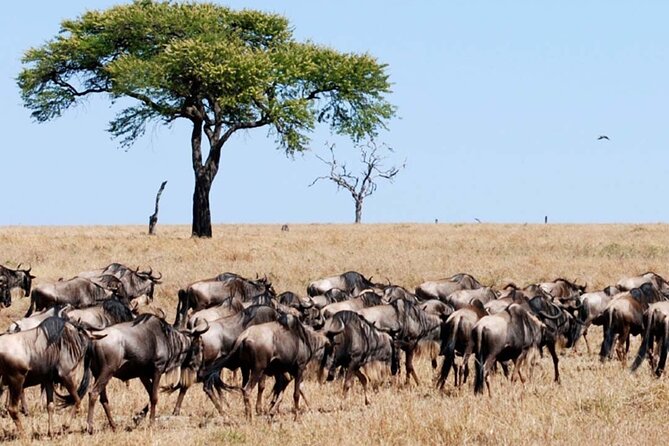
Calving season gives this safari a clear purpose. Instead of simply crossing Tanzania and hoping to find animals, you are aiming for the southern Serengeti and Ndutu, the areas linked with the annual birth of thousands of wildebeest calves.
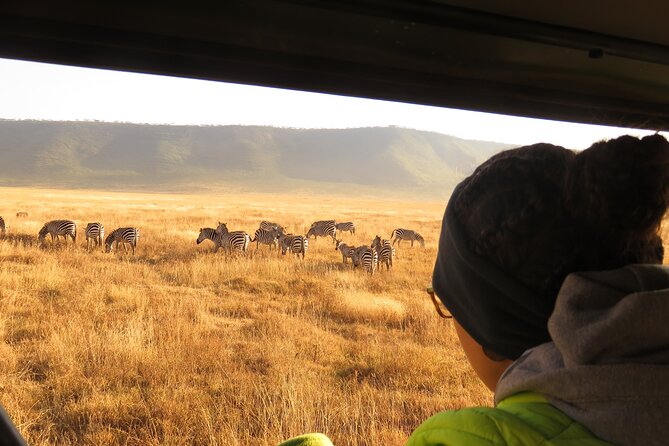
That focus can produce some of the most moving wildlife scenes in Tanzania. You may see large herds spread across open grassland, young calves close to their mothers, zebras moving nearby, and predators watching for an easy meal. The migration is not just a procession of animals. It is a cycle of birth, hunger, movement, and survival.
The timing matters greatly. The tour is specifically designed for calving, but wildlife never follows a strict calendar. You should treat the migration focus as a strong plan rather than a guarantee of a particular sighting on a particular day.
Two full days are assigned to the Serengeti, which gives your guide more time to search. That is useful because the park is vast, and animal sightings can be spread far apart. The published schedule also mentions game drives while traveling through the Ngorongoro area and late-day drives in the Serengeti.
More Camping Safaris in Arusha:
- 4 Days Group Camping Safari
★ 5.0 · 1,101 reviews - 5 Days Group Camping Safari
★ 5.0 · 730 reviews - 3 Days Serengeti & Ngorongoro Group Camping Safari
★ 5.0 · 574 reviews
Day 1 in Arusha: a practical start
Your first day takes place in Arusha. A staff member from Serengeti Landmark Tours picks you up, brings you into town, and briefs you about the safari before your first major park visit.
This is not a wildlife day, but it has value. Arusha is the usual starting point for northern Tanzania safaris, and a quiet night gives you time to settle in, sort your bags, and prepare for early departures. Airport pickup and drop-off are included, which makes arrival simpler if your flight schedule fits the arrangement.
The schedule lists about eight hours for Day 1, though the actual time you spend on activities may depend on your arrival and pickup details. Ask for the exact meeting point and overnight plan before you arrive. Raymond Ayo has been praised for being quick and accommodating with questions, so this is the right time to confirm the practical details.
Day 2: elephants and baobabs in Tarangire
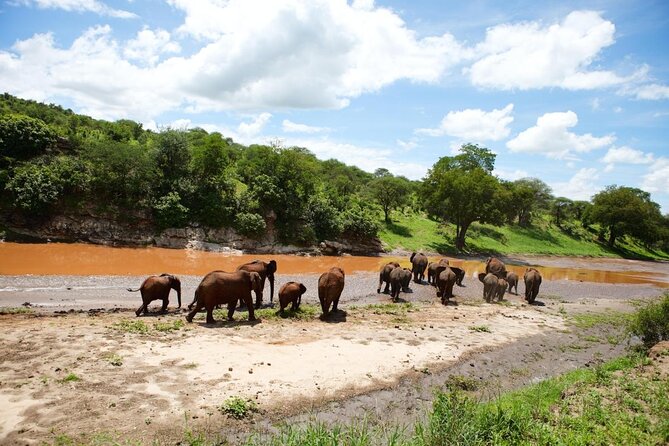
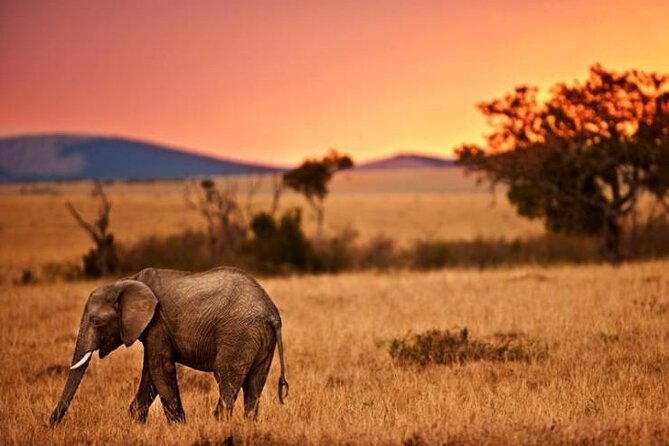
After breakfast, you drive to Tarangire National Park. The park is known for large elephant herds, baobab trees, and the Tarangire River, which provides a dependable water source during the dry season.
Tarangire is a good first wildlife stop because it offers more than one headline animal. You may see elephants, giraffes, zebras, lions, and other wildlife, with the possibility of spotting tree-climbing lions. The baobabs give the park a distinctive look and make even a quiet game drive memorable.
The river is especially important to the way animals gather. During dry periods, water can draw wildlife into more concentrated areas, although the exact quality of viewing depends on the season. You should expect a full day, with roughly eight hours assigned to the stop.
Your listed accommodation here is Jambo Lodge. That gives you a more settled night before the safari moves into camping. Since the overall price is $1,190 per person, having one lodge night alongside the tented stays helps keep the cost in reach without making the entire trip a basic camping trip.
Days 3 and 4: reaching the Serengeti and searching for herds
Day 3 takes you toward the Serengeti with a picnic lunch. The schedule includes a game drive en route in the Ngorongoro area, followed by a later game drive in the Serengeti.
This is one of the longer and more important travel days. The Serengeti is famous for huge herds of wildebeest and zebra, but its size means you may spend substantial time driving between wildlife areas. That is part of the tradeoff in a safari built around migration viewing. You cover more ground, but you also need patience.
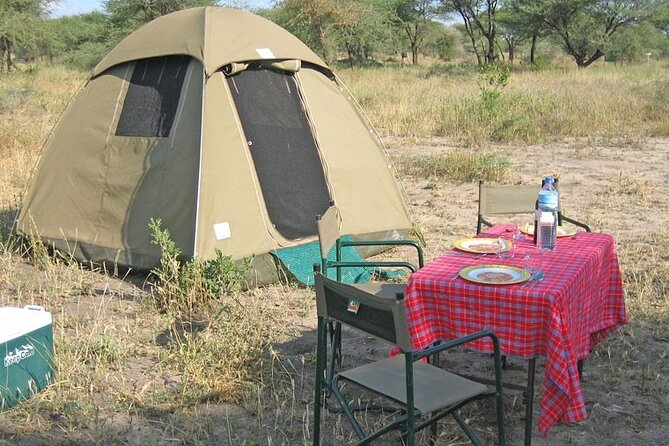
Accommodation is listed as budget camping for the Serengeti nights. The plan does not provide full details about the camps, tent type, bathrooms, or whether the camp is permanent or mobile. Ask those questions before booking, especially if you have never camped in Tanzania.
Day 4 gives you another Serengeti game-drive day. This second day is valuable because your guide can adjust the search based on what was found the previous day. If herds were farther south, you may spend more time in that direction. If predators or other wildlife were active elsewhere, the plan can shift.
The published wording for Days 3 and 4 is quite similar, so do not assume every hour follows the same pattern. Confirm whether Day 4 is a full day in the Serengeti or includes another movement through the Ngorongoro area. Either way, you should expect long drives, picnic meals, and budget camping rather than lodge comfort.
The strongest part of this section is the chance to focus on the migration instead of treating the Serengeti as a quick stop. Two nights give you a better chance of finding the animals and enjoying the changing light of morning and late afternoon.
A few more Arusha trips to weigh up
- Balloon Safari & Bush Breakfast in Serengeti – Miracle Experience
★ 5.0 · 1,646 reviews - 7-Day Premium Luxury Tanzania Safari All-Inclusive
★ 5.0 · 426 reviews - 3-Day Classic Serengeti Safari
★ 5.0 · 263 reviews - 8 Days Great Wildebeest Calving Migration Safari from Arusha
★ 5.0 · 254 reviews
Day 5: the Ngorongoro Crater’s concentrated wildlife
On Day 5, you head toward the Ngorongoro Crater area for an early game drive. The crater is a UNESCO World Heritage Site and the world’s largest caldera, with a broad floor that holds a notable concentration of wildlife.
This is a different kind of safari from the Serengeti. The Serengeti rewards long searches across open country. Ngorongoro gives you a more enclosed setting where many animals can be found within the crater. The day’s plan specifically highlights the possibility of seeing the Big Five.
The crater is also one of the most scenic parts of the route. High crater walls surround the floor, and the change from open Serengeti plains to this enormous volcanic bowl gives the safari variety. The morning timing is sensible, since early hours often offer cooler conditions and active wildlife.
The listed duration is about seven hours, and the park admission fee is included. One practical point needs clarification: the plan does not specify the accommodation for the night after Ngorongoro. Ask where you will sleep on Day 5 and how much driving remains before the next morning.
Day 6: Lake Manyara and the return to town
Your final park visit is Lake Manyara National Park. The lake covers much of the park, while the wall of the Great Rift Valley rises behind it. This creates a compact setting with water, woodland, and open areas close together.
Lake Manyara is particularly appealing if you enjoy birds. More than 400 species are recorded in the park, including pink-hued flamingos. The itinerary also describes Manyara as having a compact game-viewing circuit, so this stop can work well after several demanding days on the road.
The park is linked with Ernest Hemingway’s admiration for its scenery, but the practical reason to include it is variety. After the huge scale of the Serengeti and the enclosed wildlife area of Ngorongoro, Manyara gives you a shorter final circuit with a strong birding angle.
The return to town begins in the evening. The day is listed at about seven hours, and park admission is included. Because the final drive follows a morning park visit, confirm your drop-off time if you have a flight or another connection soon afterward.
What the $1,190 price really covers
At $1,190 per person, this safari offers useful value for a six-day northern Tanzania route. The price includes park and entry fees, unlimited drinking water, airport pickup and drop-off, five lunches, five breakfasts, and four dinners.
Those inclusions matter. Park fees can take up a large share of a Tanzania safari budget, and water is a daily necessity in a hot, dusty environment. Having meals included also reduces the need to arrange food during long drives.
The value is strongest if you want a shared safari with a small maximum group of six. A shared vehicle usually costs less than a private departure, while six people still leaves a reasonable amount of room for wildlife viewing. The experience is not a luxury safari, however. Budget camping is part of the plan, and the accommodation details are not equally clear for every night.
You still need to budget for tips, alcoholic drinks, and a visa. Tips are not included, and the tour does not state an amount, so ask the company for current guidance. Alcohol is also excluded, which is normal for a budget-focused safari.
Guides, communication, and the human side of the trip
The strongest personal detail connected with this safari is the attention from Raymond Ayo. He is described as responsive, helpful with questions, and accommodating when plans need adjusting. One specific example includes help with an invitation letter for a visa application, though you should still check the current visa rules yourself.
The named guide feedback includes Rhinocent and Mud…, with comments about professionalism, care, and helping people get good wildlife views. The available name for Mud… is incomplete, so confirm your assigned guide before departure if that matters to you.
A good guide affects nearly every part of a safari. The guide chooses routes, watches animal behavior, handles the long road days, and helps the group stay organized. A small group can make that relationship easier, but it also means you should communicate clearly about your priorities, such as migration herds, birds, elephants, or the Big Five.
The overall rating provided for the experience is 4.9 from nine reviews. That is a strong signal, though the sample is small. The repeated themes are organization, quick communication, friendly service, and satisfying wildlife viewing.
Who should book this safari
I would recommend this trip to you if you want a first Tanzania safari with a strong migration angle but also want to see the country’s major northern parks. It suits people who can handle long drives, early starts, picnic lunches, and a change from lodge accommodation to budget camping.
It is also a good fit if you care about price and want key park fees and meals included. The maximum group size of six gives you a more manageable shared experience than a large coach-style departure.
I would be more cautious if you want a luxury camp, short driving days, or a fully itemized accommodation plan. The itinerary leaves some nights unclear, and the budget camping description is brief. Get the exact lodging, tent facilities, departure times, and route for Days 3 through 6 in writing.
Most travelers can participate, and the activity is near public transportation. The company also offers free cancellation if you cancel at least 24 hours before the local start time. Cancellations or changes made later are not refunded or accepted.
Should you book this six-day safari?
Book it if the calving-season migration is your main goal and you value a broad route at a moderate price. The combination of Ndutu, the Serengeti, Ngorongoro Crater, Tarangire, and Lake Manyara gives you a lot of wildlife variety in six days.
Before you commit, ask three questions: where you sleep on Day 5, what the Serengeti camping facilities include, and how the Ngorongoro game drive fits into Days 3 and 4. If the answers suit your comfort level, the price and small group size make this a sensible choice for an active, budget-conscious safari.
FAQ
How long is the safari?
The safari lasts six days, with daily activities generally listed as lasting about seven or eight hours.
Which parks and areas does the safari visit?
The route includes Tarangire National Park, the southern and central Serengeti including the Ndutu area, Ngorongoro Crater, and Lake Manyara National Park.
Is airport pickup included?
Yes. Airport pickup and drop-off are included in the price.
How many people can join the safari?
The maximum group size is six travelers.
Which meals and drinks are included?
The price includes five breakfasts, five lunches, four dinners, and unlimited drinking water. Alcoholic drinks are not included.
Can I cancel for a full refund?
Yes, if you cancel at least 24 hours before the experience start time. Cancellations made less than 24 hours in advance are not refunded, and late changes are not accepted.
More 6-Day Experiences in Arusha
- Tanzania Wildlife Encounters – 6 Days
★ 5.0 · 277 reviews - Private 6-Day Tarangire Manyara Crater and Serengeti with Mid-Range Lodges
★ 5.0 · 238 reviews - 6 Days Private Budget Safari
★ 5.0 · 163 reviews - 6 Days Tanzania Budget Camping Safari
★ 5.0 · 145 reviews
Just added around Arusha
- 8 Days Serengeti Migration safari★ 5.0 · 11 reviews
- tarangire, ngorongoro & lake manyara park 3 days private tour★ 5.0 · 11 reviews
- tarangire & ngorongoro 2 days tour★ 5.0 · 14 reviews
- Mt. Kilimanjaro: Shira plateau to Cathedral point 3872m Day hike★ 5.0 · 7 reviews
- serengeti, ngorongoro & tarangire 4 days private tour★ 5.0 · 18 reviews
- serengeti & ngorongoro 3 days private tour★ 5.0 · 15 reviews
- climb the KILIMANJARO via Lemosho route★ 5.0 · 4 reviews
- 2 Days Tanzania Midrange Group Join Safari★ 5.0 · 7 reviews
Camping Safaris, compared.



3 Days Serengeti & Ngorongoro Group Camping Safari
Read our review →
5 Days Camping Tarangire, Serengeti & Ngorongoro crater & Visiting Maasai
Read our review →
2 Days Tarangire and Ngorongoro Group Camping Safari
Read our review →

3 Days Tarangire, Ngorongoro & Lake Manyara Group Camping Safari
Read our review →
5-Day private Camping Safari Tour in Tanzania
Read our review →Browse the lists this tour appears in