
Reviewed · LEMOSHO ROUTE CLIMBS
Lemosho Route 7 Days Trekking at Mount Kilimanjaro
Kilimanjaro’s Lemosho Route gives you a long, scenic approach to Africa’s highest peak, beginning in rainforest and ending among rock, ice, and thin air at Uhuru Peak. I like the quieter route and the smart acclimatization stop at Lava Tower before Barranco Camp.
I also like the short fourth day, which gives your legs a break before Barafu and the summit push. The main caution is simple: seven days sounds manageable, but summit night is a hard, cold, exhausting test of altitude, even for fit people.
Key points to know before booking
- Lemosho starts in the rainforest: The route begins at Londorossi Gate and climbs through thick forest to Big Tree Camp.
- Lava Tower helps with acclimatization: Day 3 takes you up to 4,600 meters before sleeping lower at Barranco Camp.
- Summit day is the real challenge: You begin around midnight and climb to Uhuru Peak at 5,895 meters.
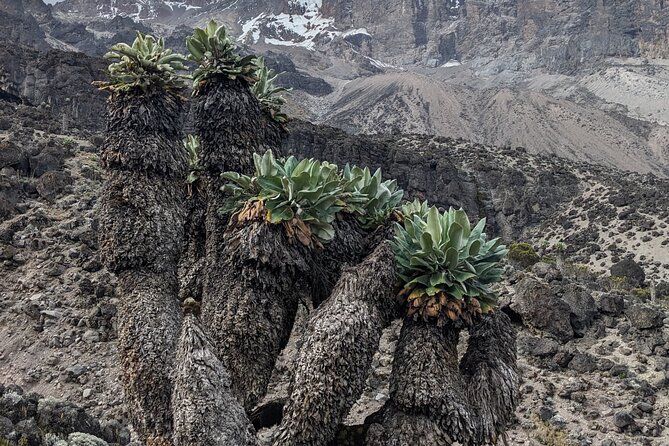
- The route changes scenery daily: Expect rainforest, heath, moorland, alpine desert, and a final descent through forest.
- The group limit is eight: The advertised maximum keeps the trekking group relatively small, though the full support team may be larger.
- Guides are a major part of the experience: Freddy, Mike, Modest, and Teacher are among the guides associated with this operation.
Why the seven-day Lemosho Route works well
The Lemosho Route is a good choice if you want more than a straight uphill march. It approaches Kilimanjaro from the west, giving you a gradual change in scenery and altitude before joining the upper mountain routes.
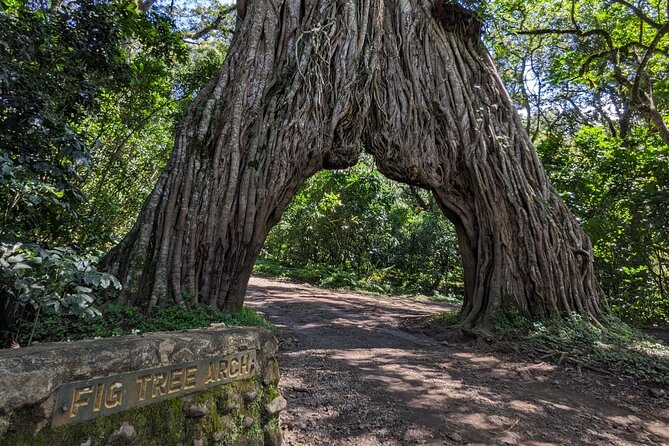
You begin in Arusha and ride in a 4×4 Land Cruiser or Land Rover toward Kilimanjaro National Park. The drive to Londorossi Gate takes about an hour, followed by registration and permit arrangements. From there, you continue to the Lemosho starting point at about 2,100 meters.
The route is less crowded than some of Kilimanjaro’s better-known approaches, although conditions and group traffic can vary. I would choose it for the scenery and the slower first few days, not because it makes the summit easy. At nearly 5,900 meters, altitude remains the main opponent.
The advertised price is $2,800 per person. That is a serious investment, but it covers a seven-day guided climb with six breakfasts, seven lunches, six dinners, park access as listed, and transport at the beginning and end. International flights, departure taxes, and medical, travel, and luggage insurance are not included.
Before paying, ask Suricata Safaris to confirm exactly what is covered beyond the listed items. The supplied information names a certified guide and meals, while accounts of this trip also describe cooks and porters. Those support roles matter greatly on Kilimanjaro, so you should get the porter arrangement, equipment list, hotel details, and tipping guidance in writing.
More Kilimanjaro Climbs in Arusha
- 8-Day Small-group Lemosho Kilimanjaro Summit Trekking
★ 5.0 · 186 reviews - 7-Day Machame Kilimanjaro Summit Tour from Arusha
★ 5.0 · 125 reviews - 4 days Best experience Kilimanjaro Hike, Serengeti &Ngorongoro
★ 5.0 · 54 reviews
Day 1: Arusha to Big Tree Camp at 2,750 meters
Your first mountain day starts with the ride from Arusha to Londorossi Gate. Registration and permit processing take about an hour, so the morning is not all walking. The drive then continues to the Lemosho trailhead, where the trek begins at roughly 2,100 meters.
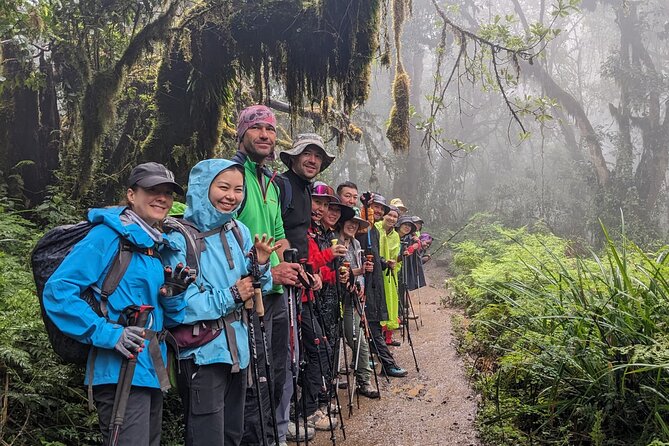
The first six kilometers lead through rainforest to Mti Mkubwa Camp, also called Big Tree Camp. The walk takes about three hours and climbs 650 meters. This is a pleasant introduction, but wet forest conditions can make the trail slippery, especially during rainy periods.
The forest is one of the route’s best features. It gives you shade and a strong sense of entering a wild mountain area, rather than beginning on open, dry ground. You will have dinner and sleep at the campsite.
The first day is listed at about four hours, including the walking portion and the transition to camp. Do not judge the entire climb by this opening stage. The pace becomes more demanding as the altitude rises.
Day 2: Heath and moorland to Shira One
After breakfast, the forest gives way to heath and moorland. You climb 1,100 meters over 13 kilometers to Shira One Camp at approximately 3,500 meters.
This is a longer day than the first, and the steady uphill walking can test your pacing. The sensible approach is slow and even. Kilimanjaro rewards patience, and rushing early in the trip can leave you tired when the altitude becomes serious.
The changing plant life is part of the appeal. You move from trees into more open ground, with broader views and cooler air. The walk takes about six hours, followed by dinner and a campsite night.
I would pay attention to how your body responds here. Headache, nausea, unusual tiredness, or poor coordination should be reported to your guide. You are not trying to prove anything on day two. You are preparing for day six.
Day 3: Lava Tower acclimatization and Barranco Camp
Day three is one of the most important parts of the itinerary. You climb toward Lava Tower at 4,600 meters, then descend to Barranco Camp at 3,940 meters.
The idea is to go high and sleep lower. That change gives your body useful exposure to altitude without forcing you to spend the night at the highest point reached that day. It is a sensible design for a seven-day schedule.
The total walking distance is about 10.75 kilometers, and the day takes six to seven hours. A picnic lunch is provided along the way. The route crosses more open, stark ground, with the mountain environment becoming rockier and less forgiving.
Barranco Camp is memorable because of its position below the Barranco Wall. You will see the steep section waiting for you the next morning. It looks intimidating from camp, but the route is taken on foot rather than by technical climbing equipment according to the supplied itinerary.
This is also where the trip may begin to feel properly demanding. You have gained altitude quickly over three days, and the combination of walking time and thin air can catch up with you at night.
More Lemosho Route Climbs in Arusha
- 8 Days Mountain Kilimanjaro Lemosho Route
★ 5.0 · 22 reviews - 7 Day Kilimanjaro Climb Lemosho Route & 2 Day Safari
★ 5.0 · 16 reviews - 8-Day Private Kilimanjaro Trekking via Lemosho Route from Arusha
★ 5.0 · 11 reviews - Kilimanjaro Climb- Lemosho Route
★ 5.0 · 9 reviews
Day 4: The Barranco Wall and a short walk to Karanga
After breakfast, you tackle the Barranco Wall, reaching about 4,250 meters before continuing to Karanga Camp at 4,000 meters. The day covers only 4.25 kilometers and takes about three to four hours.
That short distance is valuable. You still gain about 250 meters, but you are not asked to spend another long day on the trail. A hot lunch is served at Karanga, followed by rest and an acclimatization walk.
This is the itinerary’s breathing space. I like that it gives you time to recover before the high camps. The phrase short day does not mean effortless, though. The Barranco Wall can feel steep and exposed, and you will already be carrying several days of fatigue.
Use the afternoon well. Eat, drink, organize your summit clothing, and rest. The next day takes you to Barafu Camp, where the final ascent begins in the middle of the night.
Day 5: Barafu Camp at 4,600 meters
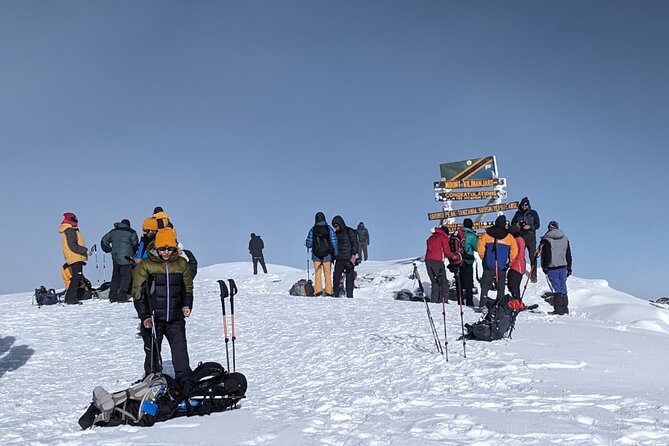
The walk from Karanga to Barafu Camp is another short stage, about 4.25 kilometers and three to four hours. You climb 600 meters through heath and moorland to 4,600 meters.
A hot lunch follows arrival, then rest and an early dinner. You are expected to sleep for a few hours before waking at around midnight. That schedule is not glamorous, but it is practical. Your body needs every bit of rest before the summit attempt.
Barafu means ice in Swahili, and the camp’s high, exposed setting signals that the easy part is over. The supplied information does not promise a particular view or sleeping arrangement, so ask what tents, mattresses, and luggage access are provided.
Pack only what you need for summit night. Keep warm layers, gloves, a hat, water, and snacks within easy reach. You will not want to sort through a large bag at midnight.
Day 6: Midnight climb to Uhuru Peak
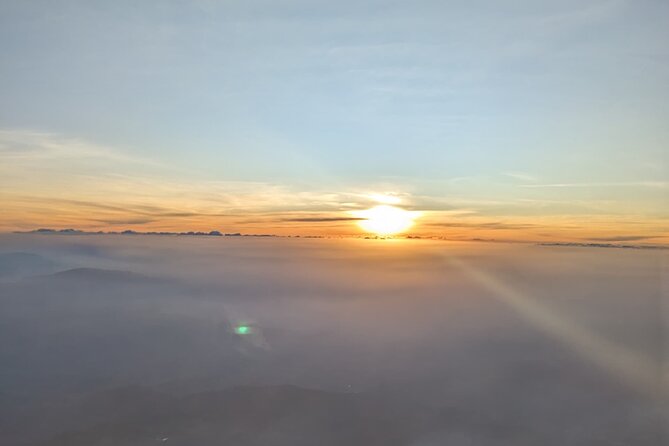
Summit day is the reason to take the route, and it is also the section you must respect most. You wake around midnight, have hot drinks and snacks, and begin the climb from Barafu Camp.
The ascent to Uhuru Peak takes about six to seven hours. You cover 4.86 kilometers and gain roughly 1,295 meters, reaching 5,895 meters, the highest point in Africa.
The figures do not fully express the strain. The distance is short by normal hiking standards, but the altitude, darkness, cold, steep ground, and lack of sleep make this a major physical effort. One useful piece of advice from the supplied accounts is that the summit is difficult even if you are in very good shape. Fitness helps, but it does not remove altitude risk.
Your guide’s judgment matters here. Freddy and Mike are names associated with this climb, while Modest and Teacher have also been part of the guiding team. The precise guide assignment can change, so confirm it before departure if that matters to you. What you need most is a guide who monitors your pace and condition rather than pushing blindly toward the top.
At Uhuru Peak, you will have time for the summit moment and photographs, weather permitting. Then you descend to Barafu Camp in about three hours for breakfast and a period of rest.
The day is not finished. After a hot lunch, you continue downhill through alpine desert, heath, and moorland to Mweka Camp at 3,100 meters. The section from Uhuru Peak through Barafu to Mweka totals about 11.5 kilometers and drops 2,795 meters.
The itinerary lists seven hours, but the described schedule includes the midnight ascent, descent, breakfast, rest, lunch, and continued walking to Mweka. In practical terms, expect a very long summit day. Build your mental plan around that reality.
Day 7: Mweka Gate and return to Arusha
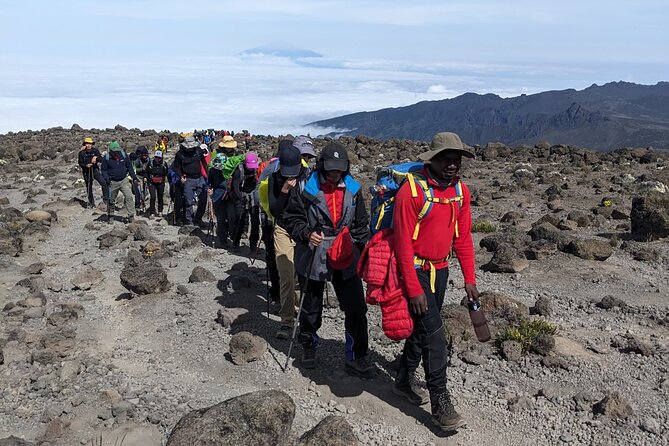
The final walking stage follows the rainforest downhill to Mweka Gate at 1,800 meters. The distance is about 9.1 kilometers, with a 1,400-meter descent, and the walk takes roughly three to four hours.
Your knees may complain more than your lungs here. Descending after summit day can be surprisingly tiring, especially on wet or uneven ground. Take your time and use trekking poles if you have them.
At the gate, successful summiters receive a certificate. You then meet the vehicle and transfer to Jevas Hotel in Arusha for drop-off. The return to town is a useful finish because it gives you a clear endpoint rather than leaving you to arrange transport after a demanding descent.
The full trip begins and ends in Arusha, and pickup is offered. The exact pickup time and hotel arrangements should be confirmed when booking.
Guides, group size, and the human side of the climb
A Kilimanjaro climb is not only about the route. Your guide, cook, and porters shape your daily experience, especially when rain, fatigue, and altitude make simple tasks harder.
The advertised maximum is eight trekkers. That is a reasonable size for communication and group pacing. Still, one account describes a support team of 25 people for a smaller climbing group, including guides, a cook, and nine porters. That suggests you should ask how Suricata counts group size and staff.
The names Freddy, Mike, Modest, and Teacher come up in connection with the operation. Freddy is described as experienced and wise, while Mike is associated with strong mountain guidance. I cannot promise that any particular person will lead your departure, but you can request the assigned guide names before you travel.
Rain has also been part of some departures, including periods of almost continuous wet weather. Pack for changing conditions, not just the sunny photographs used to sell the mountain. Weather can affect comfort, walking speed, and summit visibility.
What the $2,800 price really buys
At $2,800, this is not a budget day hike. The price needs to be judged against the length of the trip, park access, meals, guiding, mountain transport, and the support needed to move a group through seven days of changing altitude.
The value is strongest if you want a planned climb with a certified guide and meals arranged each day. The Lemosho Route also gives you a slower opening and a useful high point at Lava Tower before the night at Barranco.
The value is less clear if you expect every possible cost to be bundled. Flights, departure taxes, and insurance are excluded. The supplied details do not list gear rental, tips, porter costs, airport transfers, hotel nights beyond the stated Arusha drop-off, or emergency arrangements.
Ask these questions before booking:
- Are porters and a cook included in the price?
- What camping equipment is supplied?
- What luggage weight limits apply?
- Are airport transfers and hotel nights included?
- What is the recommended tipping amount?
- What happens if the guide decides you should descend?
Those answers can change the true cost more than the advertised price alone.
Who should choose this Kilimanjaro trip?
This climb suits you if you have a moderate level of physical fitness, enjoy multi-day camping, and want a scenic route with time for acclimatization. You should be comfortable walking for several hours on consecutive days and accepting basic mountain conditions.
It is not a casual sightseeing outing. The summit day begins at midnight and includes a major altitude gain, followed by a long descent. If you dislike cold, early starts, camping, or uncertain weather, you may find the experience punishing.
The seven-day schedule is a sensible middle ground, but an extra day can sometimes provide more acclimatization time. That option is not part of this package, so ask whether Suricata offers longer versions if you are concerned about altitude.
Booking has free cancellation if you cancel at least 24 hours before the local start time. Within 24 hours, the payment is not refunded, and late changes are not accepted.
Should you book the Lemosho Route with Suricata Safaris?
I would choose this trip if your priority is a quieter, scenic approach with a clear seven-day plan, a certified guide, meals, and a small advertised trekking group. The route’s best design feature is the progression from rainforest to moorland, then the high Lava Tower acclimatization walk and the short recovery day at Karanga.
I would book only after confirming the support details. The biggest question is not the route itself. It is exactly what the $2,800 includes, who will guide your departure, how porters are handled, and what help is available if altitude becomes a problem.
Choose it if you want a serious but organized attempt at Africa’s highest peak. Skip it if you are looking for an easy adventure or a fully itemized luxury package without asking extra questions.
FAQ
How long does the Lemosho Route trekking experience last?
The experience lasts approximately seven days, beginning and ending in Arusha.
What is the highest point reached on the trek?
You climb to Uhuru Peak at 5,895 meters, the highest point in Africa.
Is pickup offered?
Yes. Pickup is offered, and the trip includes transport from Arusha toward Kilimanjaro National Park and a return transfer to Jevas Hotel in Arusha after the climb.
What meals are included?
The package includes six breakfasts, seven lunches, and six dinners.
How many people can join the trekking group?
The advertised maximum is eight trekkers.
What is not included in the price?
International flights, departure taxes, and medical, travel, and luggage insurance are not included.
More 7-Day Experiences in Arusha
- Tanzania Classic – 7 Days
★ 5.0 · 1,151 reviews - 7-Day Premium Luxury Tanzania Safari All-Inclusive
★ 5.0 · 426 reviews - Group Safari 7 Days in Tanzania’s Main Parks
★ 5.0 · 240 reviews - 7 Days Tanganyika Wilderness Safari
★ 5.0 · 159 reviews
More Hiking & Trekking in Arusha
- Mountain Kilimanjaro Day Hike
★ 5.0 · 102 reviews - Private Full Day Hiking Experience to Marangu Route
★ 5.0 · 61 reviews - 4 Days Mount Meru Trekking
★ 5.0 · 55 reviews - From Arusha/Moshi: Kilimanjaro Hike Marangu Route Day Trip
★ 4.5 · 54 reviews
Just added around Arusha
- 8 Days Serengeti Migration safari★ 5.0 · 11 reviews
- tarangire, ngorongoro & lake manyara park 3 days private tour★ 5.0 · 11 reviews
- tarangire & ngorongoro 2 days tour★ 5.0 · 14 reviews
- Mt. Kilimanjaro: Shira plateau to Cathedral point 3872m Day hike★ 5.0 · 7 reviews
- serengeti, ngorongoro & tarangire 4 days private tour★ 5.0 · 18 reviews
- serengeti & ngorongoro 3 days private tour★ 5.0 · 15 reviews
- 2 Days Tanzania Midrange Group Join Safari★ 5.0 · 7 reviews
- climb the KILIMANJARO via Lemosho route★ 5.0 · 4 reviews
Lemosho Route Climbs, compared.


8-Day Small-group Lemosho Kilimanjaro Summit Trekking
Read our review →





Climbing Kilimanjaro through 8 days Lemosho Route
Read our review →Browse the lists this tour appears in