
Reviewed · HISTORICAL TOURS
Arusha; Walking City Tour History, Culture & Lifestyle
Arusha’s best stories are often found away from safari vehicles, in its markets, side streets, museums, and ordinary daily routines. This walking tour brings you into that side of town with local guides such as Israel, Daudi, and Innocent, who explain the city while helping you move through it with confidence.
I like the mix of formal sights and street-level life. The Natural History Museum and Tanzanite Experience give you useful context, while the Central Food Market and Maasai Market show how Arusha works today. I also like the flexible pace, which has allowed families, solo visitors, and people with special interests to shape the day around questions and local food stops. The main thing to consider is the amount of walking, plus the extra cost for pickup if your hotel is well beyond the city center.
Key points to know before walking Arusha
- The Central Food Market is a highlight: You see local produce, spices, food stalls, and the everyday rhythm of the city.
- The guides make the difference: Israel, Daudi, Innocent, John, and others bring personal knowledge, humor, and practical help.
- The tour covers more than sightseeing: You can learn about politics, history, art, religion, food, language, and daily life.
- The Tanzanite stop includes shopping: You can learn how the gemstone is connected to Tanzania and buy a stone if you wish.
- Plan for a half-day on foot: The advertised visit is about four and a half hours, but the full experience can last four to eight hours depending on the plan.
- Pickup is limited by distance: Hotel pickup and return are included near central Arusha, with an extra charge for hotels farther out.
Why a walking tour is useful in Arusha
Many people arrive in Arusha for a safari and see very little of the city itself. That is a shame. Arusha is a meeting point for northern Tanzania, East African politics, tourism, trade, and many different communities. A walking tour gives you a way to understand the place before or after your time in the parks.
The key benefit is scale. You are not looking through a vehicle window. You can stop to look at a shop, practice a Swahili greeting, ask about a building, watch market trade, or speak with people you meet along the way. Your guide helps you do this politely and comfortably.
This is not a quiet heritage walk. Arusha is a working city, and you should expect traffic, open-air commerce, uneven walking conditions, and plenty of activity. That is part of the point. The tour connects well-known landmarks with ordinary streets, so you get both the official story and the lived-in one.
The guides also appear to adjust the experience to the group. Families with young children have been accommodated, solo visitors have felt safe, and people interested in food, Tanzanian history, or local customs have received extra attention. If you want a fixed script with every minute controlled, this may feel loose. If you prefer conversation and local explanation, that flexibility is a strength.
A few more Tanzania trips to weigh up
- Zanzibar: Stone Town Historical Cultural Walking Guided Tour
★ 4.5 · 179 reviews - Arusha Guided Walking City Tour, Culture, Lifestyle & History
★ 5.0 · 150 reviews - Stone Town Historical Walking Tour
★ 5.0 · 143 reviews
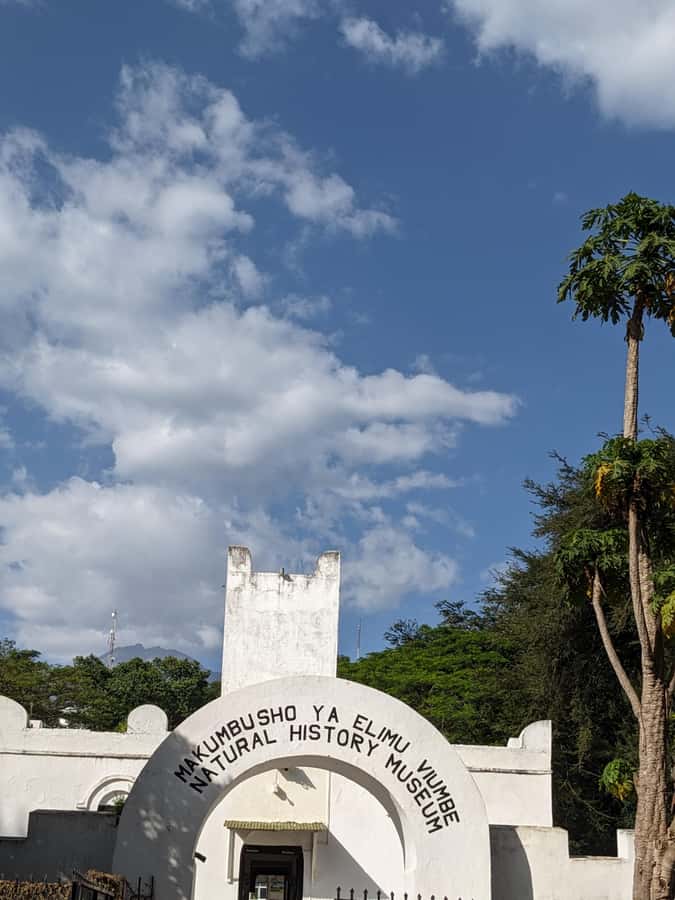
Starting at the Natural History Museum
The Natural History Museum occupies a colonial-era German fort, giving the first stop a setting as interesting as its exhibits. You can learn about human evolution, local wildlife, and the earlier history of the region before heading into the city streets.
The museum entrance is not included in the tour price. The stated cost is $6 per adult, so bring cash or confirm the current fee before you go. This is a small extra expense, but it matters when you are comparing the advertised $28 price with the likely total.
I find this a sensible opening stop because it gives your guide material to build on. Tanzania is often reduced to wildlife and safaris, yet this museum places people, animals, colonial rule, and scientific study in the same frame. The visit also adds indoor time early in the walk, which can be welcome on a hot day.
Allow some patience here. The museum is not presented as a quick photo stop, and your time inside may depend on your guide’s explanation and the group’s interests. If museums are not your priority, tell your guide early so the walking portion can receive more attention.
Government buildings and the modern city center
From the museum, the walk continues through central Arusha and its governmental district. You pass the East African Community Headquarters, Mount Meru Hospital, and the Arusha International Conference Centre, commonly called the AICC.
These buildings help explain why Arusha matters beyond tourism. The East African Community connects several countries through regional cooperation, while the AICC is linked with diplomacy and major meetings. A guide can turn what might look like ordinary office buildings into clues about the city’s place in East Africa.
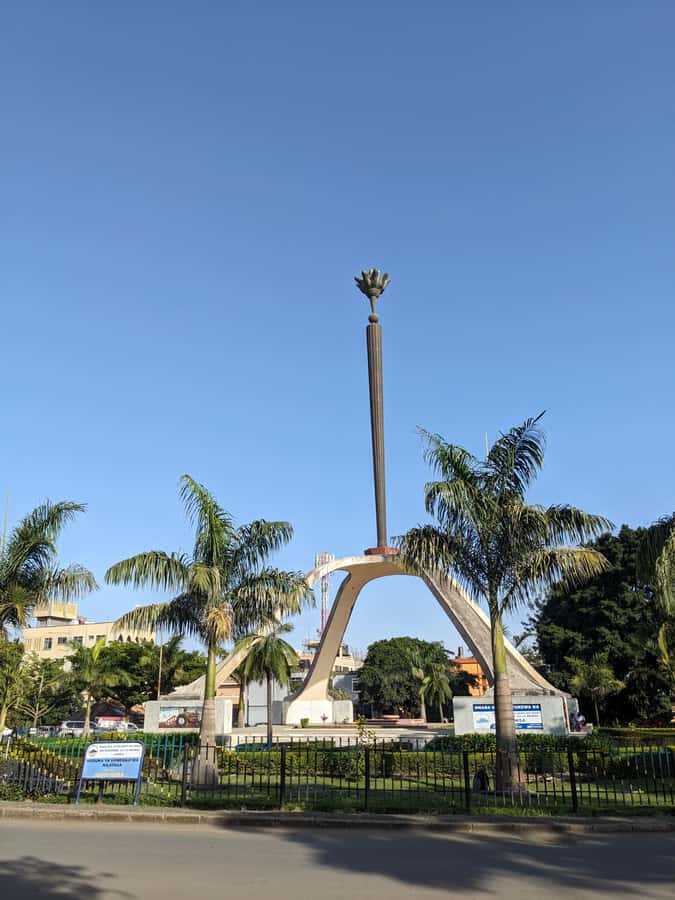
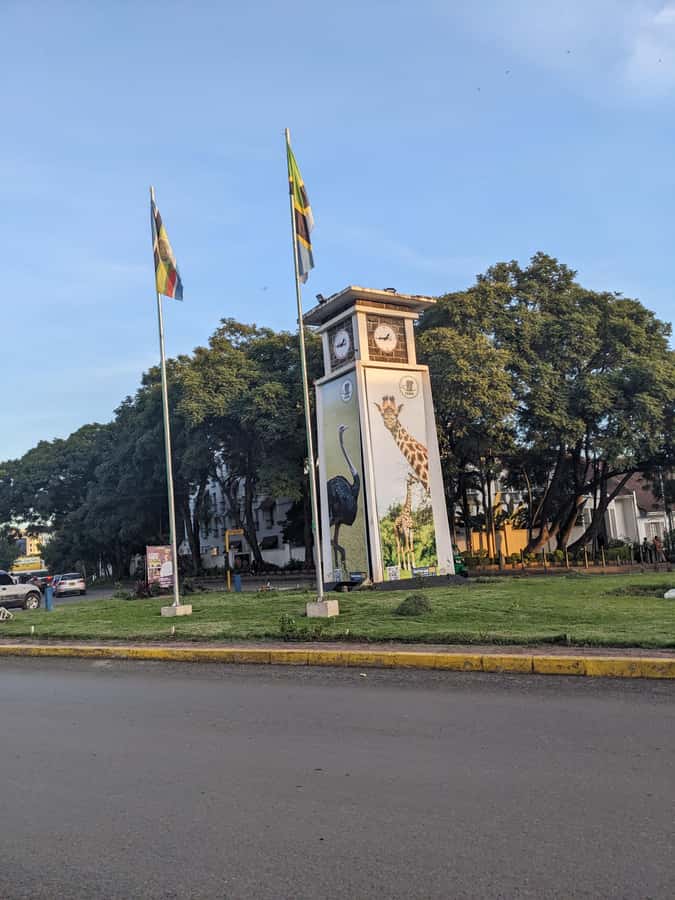
The walk also passes the Arusha Clock Tower, one of the city’s best-known reference points. It is associated with the midpoint between Cairo and Cape Town, a detail that gives the landmark symbolic weight as well as practical value. You will likely hear more about the Torch of Freedom too, since it is another important civic marker in the city.
This section is useful for first-time visitors because it helps you build a mental map. After the tour, you should have a better sense of where central Arusha sits and how its major public spaces connect. Bring water and wear shoes with good support. The distance itself may not sound demanding, but standing, crossing streets, and walking on varied surfaces add up.
The Tanzanite Experience and the question of shopping
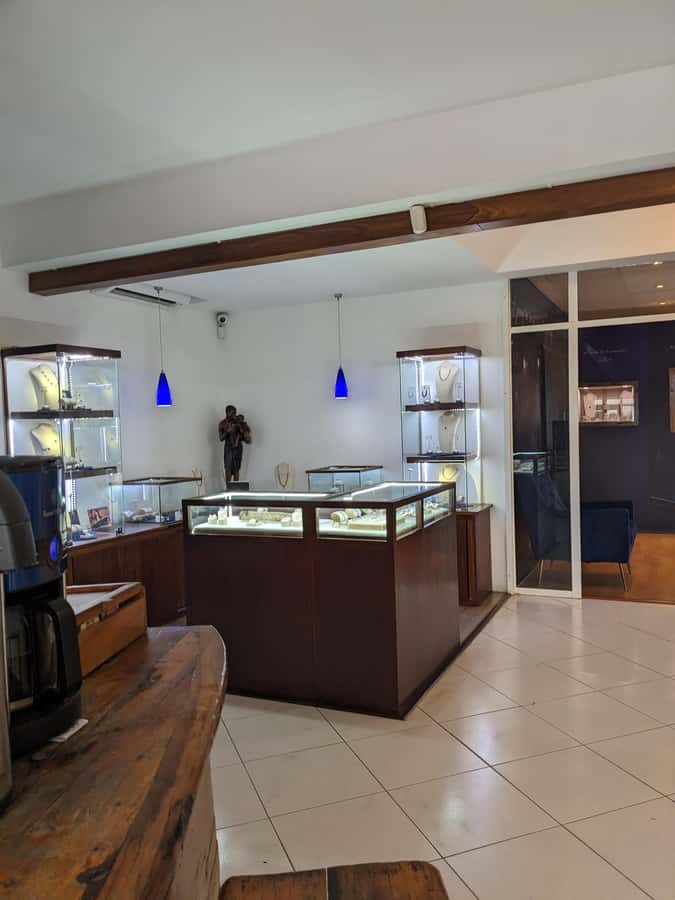
The Tanzanite Experience Museum focuses on Tanzania’s famous blue gemstone. The stop explains the stone’s background and its connection to the country, then gives you the chance to shop if you want to buy one.
You do not have to purchase anything. That distinction is important. The tour includes the museum experience, and the group can pause for souvenirs, but shopping remains your choice. One useful point from the feedback is that some people appreciated the gift stops, while another visitor found them less appealing. If you are not shopping, simply say so and keep the visit brief.
If you are considering a purchase, do not rush. Ask about the stone, its documentation, pricing, and return arrangements before spending money. The supplied information does not promise a particular stone, certification process, or shopping guarantee, so you should treat this as an introduction rather than a reason to buy on the spot.
For many people, the value here is the explanation. Tanzanite is strongly tied to Tanzania’s identity and export economy, and the museum gives you a clearer idea of why the stone attracts attention. It also adds a different subject to a day otherwise focused on public buildings, markets, and art.
Same country, a completely different kind of safari:
- Serengeti Balloon Safari and authentic bush breakfast
★ 5.0 · 2,480 reviews - Balloon Safari & Bush Breakfast in Serengeti – Miracle Experience
★ 5.0 · 1,646 reviews - From Zanzibar: Mikumi Safari Day Trip with Flights and Meal
★ 4.7 · 1,470 reviews - Zanzibar: Quad Bike Adventure departing from Kendwa or Nungwi
★ 4.9 · 1,233 reviews
Maasai Market: crafts, color, and a little pressure
The Maasai Market brings you into the craft-shopping side of Arusha. You can browse jewelry, textiles, carvings, and other traditional items, with your guide nearby to explain products and help with communication.
Markets are rarely passive sightseeing. Sellers may approach you, prices may need discussion, and the range of goods can feel repetitive after a while. That is normal. Go in with a clear idea of what you might buy, and do not feel obliged to purchase anything simply because you stop to look.
The tour’s useful feature is the ability to hold the group while someone shops for souvenirs. You do not need to split away from the walk or arrange a separate shopping trip. Your guide may also help you understand what you are seeing, although you should still ask questions about materials, workmanship, and whether an item is locally made.
This is one of the places where the tour feels more practical than a sightseeing bus. You learn how the city’s visitor economy works, but you also have a chance to support local makers and take home something with a connection to Tanzania. Keep your cash secure and keep your purchases manageable, since you still have more walking ahead.
The Central Food Market and local flavors
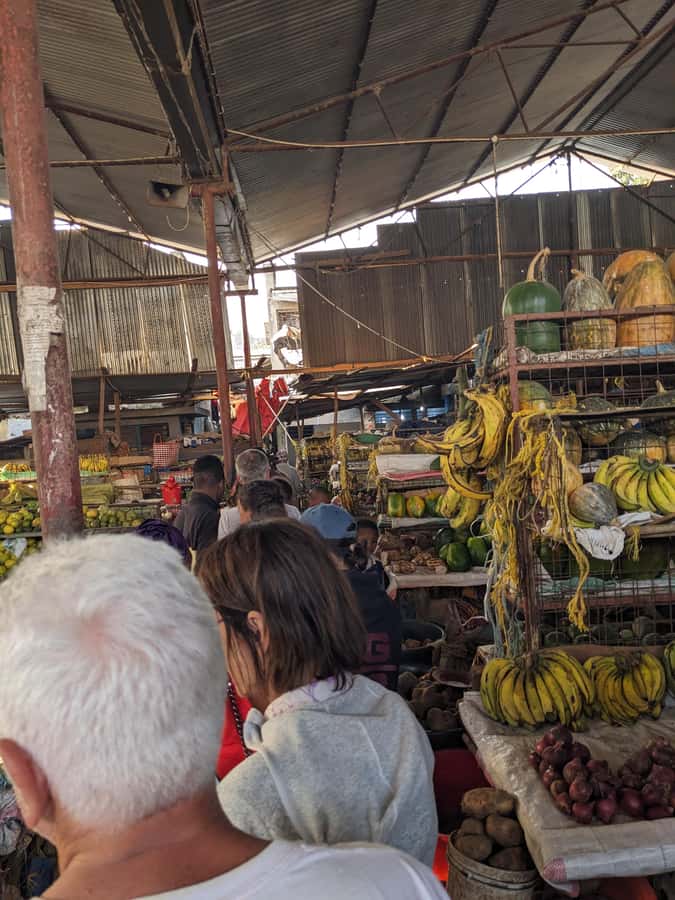
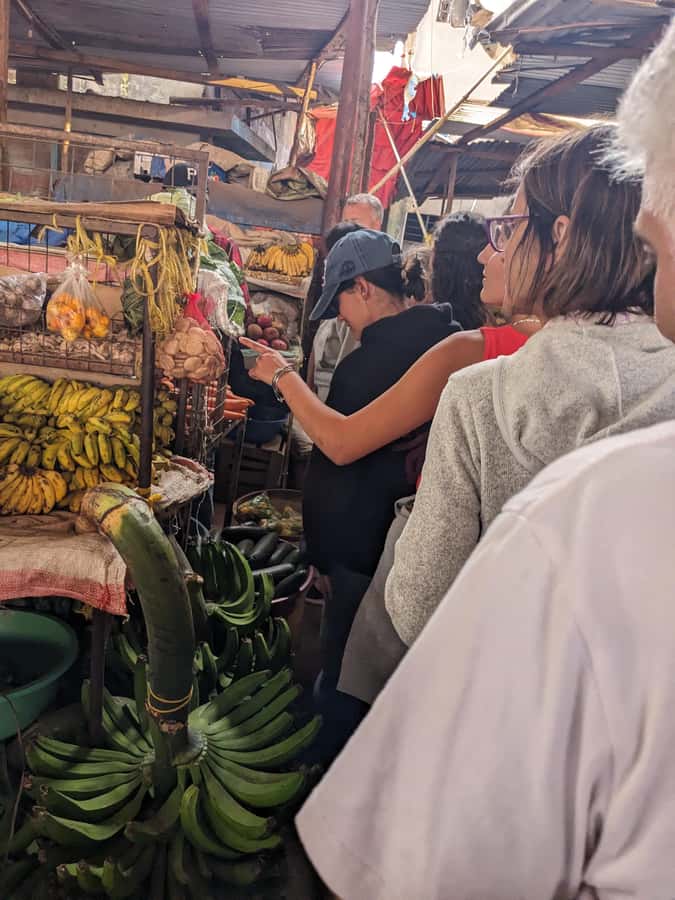
The Central Food Market is likely the most revealing stop for anyone who wants to understand Arusha’s daily life. Here you encounter produce, spices, food stalls, colors, smells, and the steady movement of people buying what they need.
Your guide can explain unfamiliar fruits and ingredients, and the food market has been a major highlight for people interested in eating locally. Some tours include a chance to try street food or stop at a local place for lunch, but food and drinks are not included in the price. Bring money if you want to eat.
The market is not designed for polished tourism. You may find crowded passages, strong smells, uneven floors, and a lot happening at once. That is exactly why a local guide helps. You can ask before tasting anything, learn how it is normally eaten, and avoid guessing about unfamiliar products.
I would schedule this tour early in your Arusha stay if food and city orientation matter to you. You can pick up ideas for later meals, learn the names of foods, and get comfortable with the city’s rhythm before setting off for other parts of Tanzania. If you are sensitive to crowds or prefer a tidy market hall, this may be the most demanding section of the walk.
African art and the Cultural Heritage Centre
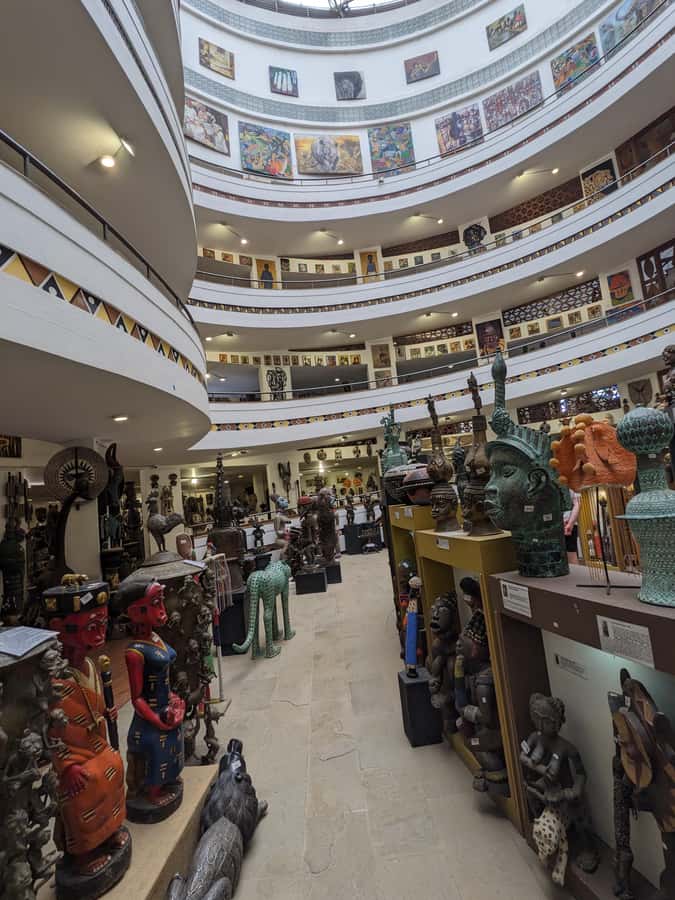
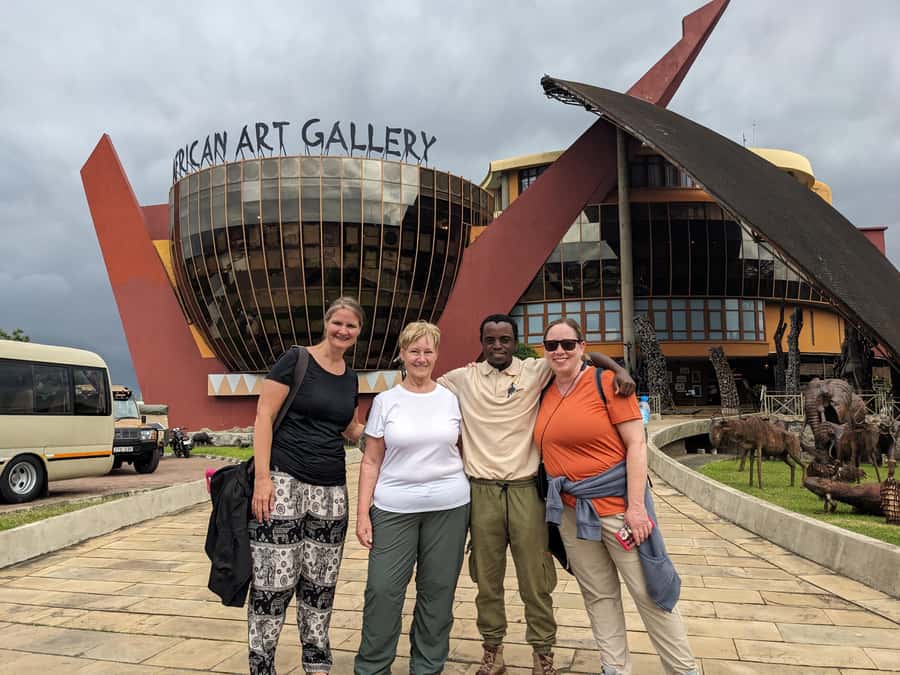
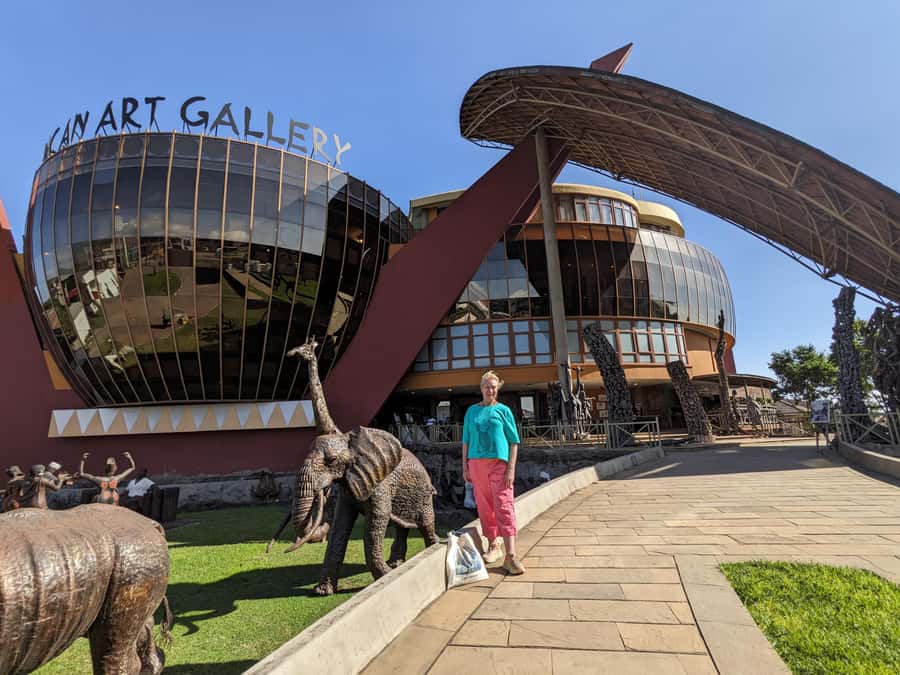
The final major cultural stop is the African Art Gallery and Cultural Heritage Centre. The collection includes a large range of African art, and the visit gives the tour a slower, more reflective finish after the markets.
The art collection can feel overwhelming, especially if you try to see everything quickly. Let your guide help you focus on pieces or themes that interest you. You might prefer sculpture, painting, carving, textiles, or the broader story of how African art is collected and displayed.
This stop broadens the day. You have already looked at civic buildings, gemstones, food, and crafts. The gallery adds questions about artistic traditions, cultural identity, and the way African objects are presented to visitors. It is not just another shopping stop, although you may see items for sale in or around the center.
The amount of art also means this part can expand or shrink according to your energy. After several hours on foot, you may appreciate a shorter visit. If art is a priority, tell your guide at the start so the schedule leaves enough time here.
What the guides add to the experience
The strongest part of this tour is the guide’s role. Names associated with the experience include Israel, Daudi, Innocent, John, Jackson, and others. The feedback describes guides who explain local history, answer questions, use humor, and adjust the day instead of pushing everyone through the same checklist.
Israel is especially noted for broad knowledge of Tanzania, from wildlife and history to politics, economics, food, and daily life. Daudi has been praised for warmth, clear explanations, and helping people feel at ease on the streets. Innocent is known for shaping the walk around personal interests. These details matter because the same route can feel flat or fascinating depending on how well it is explained.
Practical help is another benefit. One solo visitor received help with a SIM card, while other people appreciated assistance after the tour with local problems. That help is not listed as a formal service, so do not book expecting unlimited errands. Still, it shows why a local guide can be useful beyond the official sights.
The tone appears friendly and personal rather than formal. You may spend more time than planned if the conversation is good or if you ask to stop for food. Confirm your timing if you have a flight, transfer, or other fixed appointment later that day.
Time, walking effort, and pickup details
The tour is advertised at four to eight hours, with the main city visit described as about four and a half hours. That is a wide range. The actual length can depend on your interests, food stops, museum time, shopping, and the guide’s flexible approach.
Free hotel pickup and drop-off apply to hotels near central Arusha. The information gives slightly different distance limits, referring to around three to four kilometers in one place and more than five kilometers in another. The safe advice is to provide your exact hotel when booking and confirm the pickup charge in advance if you are staying outside central Arusha.
Private transport is not included, but it can be arranged for an extra cost. The tour itself is a walking experience, so transport is mainly relevant for reaching the center or returning to a distant hotel.
Wear comfortable shoes and light clothing suited to the weather. Carry water, sunscreen, a hat, a camera, and cash. The tour is not suitable for pregnant women, wheelchair users, or people with mobility impairments, and the description warns you to expect a moderate amount of walking.
Is $28 a fair price?
At $28 per person, the tour offers good value if you want several parts of Arusha handled in one outing. You receive a walking guide, central hotel pickup when eligible, the Tanzanite Experience, the food market visit, the African art and Cultural Heritage Centre, and the Maasai Market. The Natural History Museum fee is extra, as are food, drinks, purchases, accommodation, and distant transport.
The real value comes from combining stops that would be awkward to arrange alone. You could visit a museum or market by yourself, but you would lose much of the explanation and might spend time working out where to go next. A local guide also makes it easier to ask questions and interact with people respectfully.
The price is less attractive if you only want a short landmark walk or dislike shopping-related stops. In that case, some of the day may feel longer than necessary. You should also budget for the museum fee, lunch or snacks, and any souvenirs.
The booking terms are friendly for uncertain schedules: you can cancel up to 24 hours ahead for a full refund, and reserve now while paying later. Check available start times before booking, especially if you are fitting this between a safari, airport transfer, or hotel checkout.
Who should book this Arusha city walk?
I would recommend it most strongly for first-time visitors, people arriving before a safari, and anyone with a spare half-day in Arusha. It is also a good fit for solo visitors who want a local point of contact, families who prefer a flexible guide, and curious walkers who want more than a list of monuments.
Food lovers should make the Central Food Market a priority and bring cash for a possible snack or meal. Art lovers should ask for enough time at the gallery. Shoppers can use the Maasai Market and Tanzanite stop, but should make their limits clear.
You may want another plan if walking is difficult, if you use a wheelchair, or if you need a tightly timed schedule. The route also requires some tolerance for markets, street activity, and informal pacing. This is a city experience, not a polished theme park.
Should you book it?
Book this tour if you want to understand Arusha as a working city, not just as the place where your safari begins. The combination of museums, government landmarks, markets, food, art, and local streets gives you a useful first picture of northern Tanzania.
I would book it near the start of your stay if possible, then tell your guide what matters most: history, food, shopping, photography, art, or local life. Bring water and cash, confirm your hotel pickup distance, and allow more time than the shortest advertised estimate.
Skip it if you want a quick, private transfer-style outing or cannot manage several hours of walking. For most able walkers with a free half-day, though, $28 is a sensible way to get oriented and meet Arusha on foot.
FAQ
How much does the Arusha walking city tour cost?
The tour costs $28 per person. The Natural History Museum entrance fee is not included and is listed as $6 per adult.
How long does the tour last?
The activity is listed as lasting four to eight hours. The main city tour is described as approximately four and a half hours, but the timing can vary with stops and personal interests.
Which language is the tour offered in?
The live tour guide service is offered in English.
Is hotel pickup included?
Pickup and drop-off are included for hotels near central Arusha. Hotels farther from the center may require an additional charge, so provide your hotel details and confirm the cost before the tour.
Which places are included?
The route includes the Natural History Museum, Tanzanite Experience Museum, Arusha Clock Tower area, Maasai Market, Central Food Market, African Art Gallery, Cultural Heritage Centre, and other central landmarks.
Is the Natural History Museum entrance included?
No. The entrance fee is separate and listed as $6 per adult.
Are food and drinks included?
No. Food and drinks are not included. Bring cash if you want to buy food at the Central Food Market or elsewhere during the walk.
What should I bring?
Bring comfortable walking shoes, a sun hat, sunscreen, water, a camera, and cash. Wear clothing suitable for the weather.
Can I cancel the booking?
Yes. You can cancel up to 24 hours in advance for a full refund. The reserve-now, pay-later option is also available.
Just added around Tanzania
- Zanzibar: Mikumi Wonderful Safari with Open Jeeps★ 4.9 · 15 reviews
- Zanzibar: Maasai World Tour with Cultural Practices★ 4.0 · 4 reviews
- Zanzibar: Maasai village and Nungwi turtles experience trip★ 4.9 · 16 reviews
- Zanzibar: Mnemba Atoll, Spice farm, Jozani forest & Lunch★ 3.9 · 3 reviews
- Zanzibar: Kendwa Beach Professional Photoshoot★ 5.0 · 5 reviews
- Zanzibar: Maalum Cave Natural Swimming Pool Tour in Paje★ 4.4 · 3 reviews
- Zanzibar: Jozani Forest Watching Colobus Monkeys Guided Tour★ 4.1 · 7 reviews
- ZANZIBAR: Jozani Forest,Salaam Cave, The Rock & Blue Lagoon★ 4.8 · 8 reviews
Historical Tours, compared.

Stone Town Historical Cultural Walking Guided Tour
Read our review →
Arusha Guided Walking City Tour, Culture, Lifestyle & History
Read our review →
Stone Town’s Hidden History: Private Guided Walking Tour
Read our review →



Zanzibar Stone Town Historical Tour and Spice Farm Tour
Read our review →
Browse the lists this tour appears in