
Reviewed · CAMPING SAFARIS
6 Days Tanzania Budget Camping Safari
The great appeal here is range. In six days, you move from Tarangire’s baobabs and elephants to the open grasslands of the Serengeti, then down into Ngorongoro Crater and on to Lake Manyara. I like the small maximum group of six, which gives you a better chance of getting a window seat and asking your guide to pause for wildlife. I also like the Mto wa Mbu cultural visit, where the safari includes food, banana plantations, and everyday village life rather than only animals.
The main consideration is the pace. Some days put eight to ten hours on the road or in the safari vehicle, and the camping is simple. The migration is never guaranteed at a fixed place or date, so book this for a broad northern Tanzania safari, not only for a promised river crossing.
Key points to know before booking
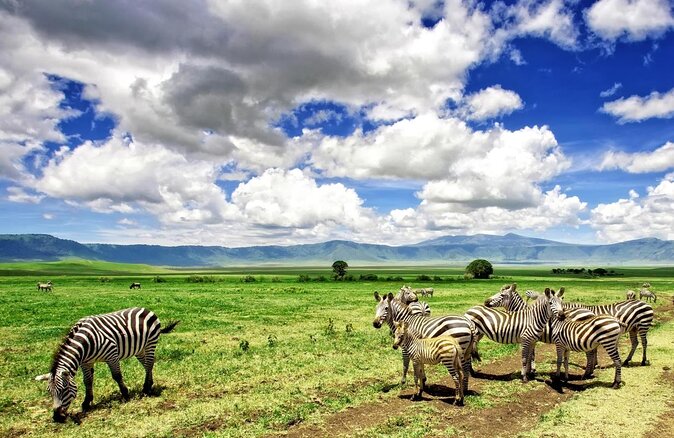
- Four major wildlife areas in six days: Tarangire, Serengeti, Ngorongoro Crater, and Lake Manyara give you a varied safari rather than one repeated park.
- Small-group setup: The vehicle carries no more than six participants, a useful size for wildlife viewing and long drives.
- Camping plus lodge nights: The plan combines campsite stays with lodge accommodation, though you should confirm the exact night-by-night arrangement before paying.
- A real migration window: June through September offers the best chance for major movement, while January through March is the main calving period.
- Strong guiding is central: Guides named in the tour’s feedback include Nuru, Mohamed, Robert, and Florian, with repeated praise for animal spotting and route decisions.
- Good practical inclusions: Hotel pickup, meals, mineral water, Wi-Fi in the safari jeep, and AMREF Flying Doctors emergency rescue are included.
What $1,600 buys you in northern Tanzania
At $1,600 per person, this is priced as a budget safari, but it covers a lot of ground. Your price includes six nights of accommodation, meals listed in the schedule, a driver-guide, hotel pickup and drop-off, park-related taxes and handling charges, coffee and tea, unlimited mineral water, Wi-Fi in the safari jeep, and AMREF Flying Doctors emergency rescue cover.
That matters because safari costs rise quickly once you add park access, food, transport, and overnight stays. Here, you are not arranging separate transfers between Arusha and each park, nor buying lunch on the road each day. Alcohol is extra, and flights are not included.
The word budget mainly describes the style of accommodation, not a lack of major sights. You spend nights in campsites and some nights at lodges such as Jambo Lodge, with Seronera and Simba campsite listed along the route. The exact accommodation pattern appears to vary in practice, with some arrangements using two nights in a lodge and three nights camping. I would ask for a written room and campsite plan before booking, especially if you expect six nights in a particular mix.
This is a value choice for someone who wants the classic northern circuit without paying lodge-safari rates. You trade private comfort for a lower price and a fuller schedule.
More Camping Safaris in Arusha:
- 4 Days Group Camping Safari
★ 5.0 · 1,101 reviews - 5 Days Group Camping Safari
★ 5.0 · 730 reviews - 3 Days Serengeti & Ngorongoro Group Camping Safari
★ 5.0 · 574 reviews
Day 1: Tarangire’s elephants and baobabs
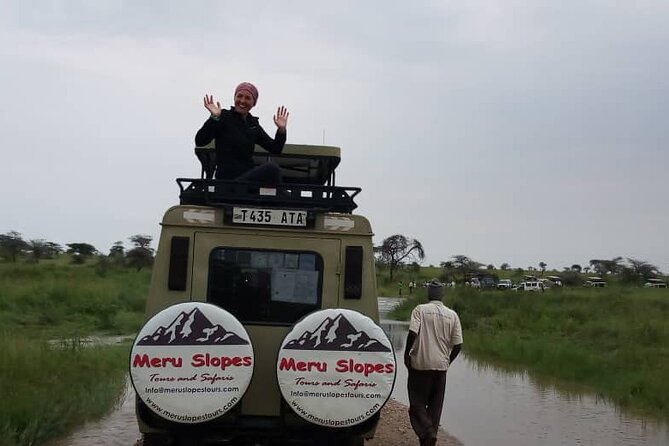
Pickup from an Arusha hotel is scheduled for 8 a.m. Tarangire National Park is about 115 kilometres from Arusha, though the drive takes roughly three hours in the stated plan. Once inside the park, you have a full-day game drive before dinner and overnight accommodation at Jambo Lodge.
Tarangire is a fine first park because it looks and feels different from the Serengeti. The park covers about 2,800 square kilometres and takes its name from the Tarangire River, an important water source for wildlife. Large elephant herds are a major draw, and the baobab trees give the park a memorable shape.
You might also see lions, leopards, pythons that climb trees, and other animals during the day. The promise of a full-day drive gives your guide time to work different parts of the park instead of rushing through for a quick look.
The tradeoff is a long opening day. After hotel pickup, the drive, park entry, and hours in the vehicle, you may reach the lodge ready for an early night. Keep your first-day expectations sensible: the value is in beginning the safari at once, not in having a leisurely transfer.
Day 2: The long road into the Serengeti
After breakfast, you pack your luggage into the safari jeep and travel toward Serengeti National Park. Lunch is eaten in the vehicle, and the route includes views toward the Rift Valley and Ngorongoro Crater before you reach the Serengeti around 3 p.m.
This is one of the trip’s longer travel days, listed at about ten hours. The road time is not dead time, since the approach to the Serengeti gives you changing scenery and the first sense of its enormous open plains. Still, you should be comfortable spending much of the day seated in a safari vehicle.
An evening game drive in central Serengeti follows arrival. Sunset is part of the plan, then dinner and overnight camping at Seronera campsite inside the park. Staying inside the park is valuable: you are already among the wildlife zone rather than commuting from a town each morning.
The Serengeti is famous for the annual movement of roughly 1.5 million wildebeest and other grazing animals, followed by predators. The route may put you near migration activity, but animal movements change from year to year. A good guide’s radio contacts and local judgment matter more than a fixed promise on a brochure.
Day 3: Your best full day for the Serengeti
Day three is devoted to a full game drive in the Serengeti. Breakfast comes early, and your guide takes you toward key areas, adjusting the route according to animal activity and seasonal movement.
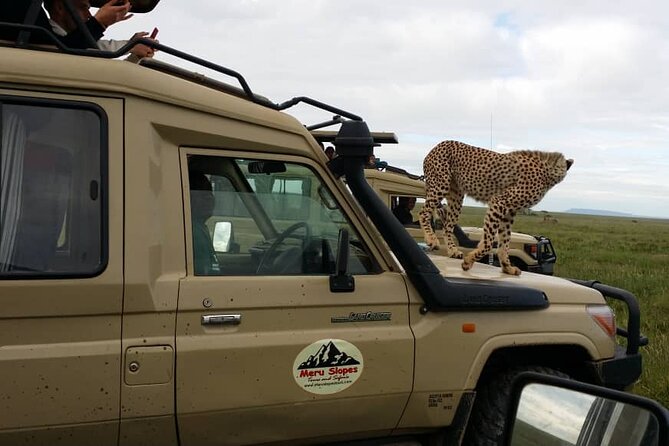
This is likely to be one of the strongest wildlife days because you are not packing up for another park until later. The open plains can produce classic sightings of lions, cheetahs, leopards, and grazing herds, while the scale of the Serengeti makes every drive feel different.
The tour places special emphasis on following the wildebeest migration. From June through September, the best chance of seeing the main migration activity is generally in the northern Serengeti, including the possibility of a Mara River crossing. From January through March, the calving season offers a different kind of spectacle.
You need to read that promise carefully. The migration is a moving natural event, not a scheduled performance. Even in the right month, the herds may be elsewhere, and river crossings depend on timing, water, and animal behavior. The more reliable reason to include the Serengeti is the park itself, with its wide plains and strong year-round wildlife potential.
A few more Arusha trips to weigh up
- Balloon Safari & Bush Breakfast in Serengeti – Miracle Experience
★ 5.0 · 1,646 reviews - 7-Day Premium Luxury Tanzania Safari All-Inclusive
★ 5.0 · 426 reviews - 3-Day Classic Serengeti Safari
★ 5.0 · 263 reviews - 8 Days Great Wildebeest Calving Migration Safari from Arusha
★ 5.0 · 254 reviews
Day 4: Sunrise in the Serengeti, night near Ngorongoro
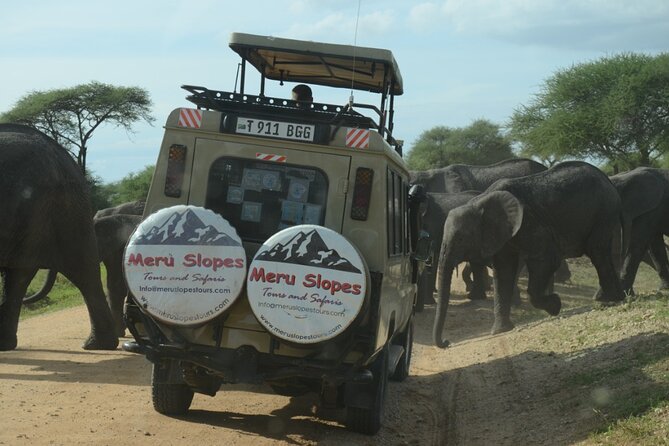
The fourth day begins early, with breakfast planned around 5:45 a.m. You have a morning drive until about 11:30, giving you a chance to see the Serengeti in the cooler hours and watch the sun rise inside the park.
After returning to camp for a hot lunch and packing, you continue with another game drive while heading toward the Ngorongoro area. Dinner and overnight accommodation are at Simba campsite.
This day combines a final taste of Serengeti with the practical need to reposition for the crater. It is a smart route for a six-day schedule, but it is another demanding day, listed at around ten hours. You will spend less time at rest than on a slow, lodge-based safari.
The early start is worth taking seriously. Bring warm layers for the morning, keep water handy, and do not count on sleeping late simply because you stayed in a tent. The included breakfast, lunch, dinner, tea, coffee, and mineral water help keep the day manageable.
Day 5: Ngorongoro Crater and Mto wa Mbu
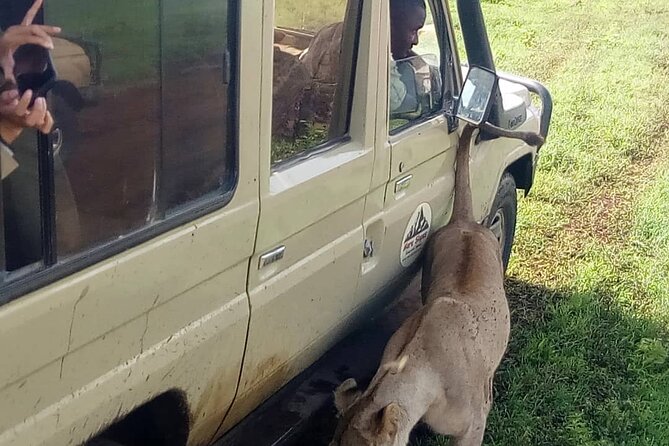
Breakfast is scheduled for about 5:30 a.m., followed by a descent to the floor of Ngorongoro Crater. The crater is one of the trip’s most concentrated wildlife areas, and the plan allows six to seven hours for a game drive.
You may see the Big Five here, including the black rhino, along with many bird species. Flamingos can gather around the water, and lunch is served inside the crater while you continue watching the surroundings.
Ngorongoro is a different experience from the Serengeti. Instead of open horizons, you have a contained natural setting with steep crater walls and a high concentration of animals. That makes sightings feel more focused, although the crater can also feel busy when many vehicles gather around a popular animal.
After the crater, the route continues to Mto wa Mbu for a walking cultural tour. You can see banana plantations, learn about local life, taste Tanzanian food, and visit community projects. I consider this one of the most worthwhile parts of the schedule because it adds people, food, and agriculture to a trip otherwise centered on wildlife.
You then return to Jambo Lodge for dinner and overnight accommodation. The combination of an early crater start, hours of wildlife viewing, and a village walk makes this another full day, but the change of subject in Mto wa Mbu helps break up the driving.
Day 6: Lake Manyara and the return to Arusha
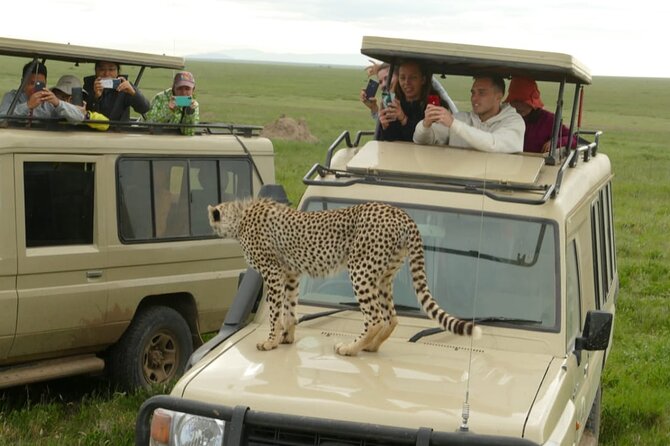
After breakfast, you head to Lake Manyara National Park for a full-day game drive. The park is known for tree-climbing lions and flamingos drawn to the lake’s algae. The schedule also includes a hot spring and a Maasai boma visit, where you can learn about Maasai traditions and daily life.
Lake Manyara works well as the final park because it offers a different setting from the Serengeti and Ngorongoro. The lake, birdlife, forested areas, and possible tree-climbing lions give you one more set of sights before returning to Arusha.
The schedule lists about eight hours for the day, followed by the drive back to Arusha for dinner and overnight accommodation. The stated meeting point is Arusha Tourist Inn on Sokoine Road, and the activity ends back at the meeting point. Hotel pickup and drop-off are included, so confirm your exact pickup location if you are staying somewhere else in Arusha.
A small point needs checking here: the schedule says the tour ends with dinner and overnight accommodation in Arusha, while the meeting information says the activity ends back at the meeting point. Ask the operator to confirm the final night and your actual departure time if you have a flight or another tour the next morning.
Camping, lodges, and daily comfort
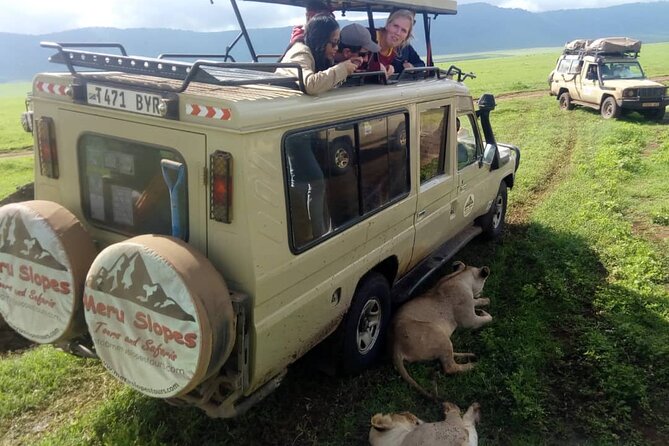
This is not a luxury safari. Camping is part of the appeal, but it also sets the limits of comfort. The plan includes nights at Seronera and Simba campsites, as well as lodge accommodation, and meals are supplied throughout the trip.
The useful comforts are practical ones: hot meals, unlimited mineral water, coffee and tea, and Wi-Fi inside the safari jeep. Wi-Fi can be helpful for checking messages between parks, but I would not plan your trip around a constant connection.
The safari vehicle is where you spend much of your day. A maximum of six people is a meaningful advantage, since crowded vehicles can make photography and simple sight lines frustrating. You still share the vehicle, though, so this suits people who can be flexible about stops, meal times, and the pace set by the group.
The operator lists guides including Nuru, Mohamed, Robert, Florian, and others. The strongest praise centers on guides who spot animals, know where activity is developing, answer questions clearly, and are willing to stop or reposition the vehicle for photographs. That is exactly what you want in Tanzania, where the guide can shape the quality of an ordinary drive.
The best parts, and the parts to weigh carefully
The safari’s most praised qualities are organization, helpful communication, and the guides’ ability to find wildlife. Specific guide names connected with especially strong experiences include Nuru, Mohamed, Robert, and Florian, while Gift and Jerome are noted for handling arrangements and extra requests.
The route also produces impressive wildlife possibilities. Sightings described across the experience include the Big Five, cheetahs, leopards, rhinos, lions hunting, and close encounters with animals in genuinely wild settings. None of these sightings is guaranteed, but the four-park route gives you several chances.
The drawbacks are mostly built into the budget format. You have early starts, long drives, shared transport, and basic camping. The schedule also contains some timing and accommodation details that do not line up perfectly, so clarification before departure is sensible rather than fussy.
You should also allow for dust, changing temperatures, and bumpy roads. The supplied information does not specify tent facilities or bedding details, so ask what is provided and what you need to bring. The same applies to the exact number of lodge and campsite nights.
Who should book this safari?
I would choose this trip if you want the classic northern Tanzania route and prefer to spend your money on park time rather than upscale rooms. It suits first-time safari visitors, photographers on a budget, couples or friends comfortable with camping, and people who want a small group rather than a large coach.
It is especially appealing if your dates fall between June and September and you want a chance at migration activity, or between January and March for calving season. The safari still makes sense outside those periods because Tarangire, Serengeti, Ngorongoro, and Lake Manyara are worthwhile for their resident wildlife and scenery.
I would think twice if you need a slow schedule, private transport, guaranteed lodge accommodation, or a fixed promise of seeing a river crossing. Six days is enough for a strong introduction, but it is not enough to explore every corner of these parks at an unhurried pace.
Children must be accompanied by an adult, and most people can participate. The group limit is six. The operator also offers the experience in multiple languages, so request your preferred language when arranging the trip.
Final booking advice
I would book this safari if you want maximum park variety for a controlled price and can accept camping, early mornings, and long vehicle days. The inclusion of meals, water, transfers, rescue cover, and a professional guide makes the $1,600 price look fair for the route.
Before confirming, get three details in writing: the exact lodge and campsite plan, what camping equipment is supplied, and where you sleep after the final Lake Manyara drive. If those answers suit you, this is a strong budget route through Tanzania’s most famous northern parks, with the added benefit of a small group and a genuine cultural stop in Mto wa Mbu.
Free cancellation is available up to 24 hours before the start time. Poor weather can also lead to a new date or a full refund.
FAQ
How long is the Tanzania budget camping safari?
The experience lasts approximately six days and returns to Arusha at the end.
Which parks and places does the safari visit?
The route includes Tarangire National Park, Serengeti National Park, Ngorongoro Conservation Area and Crater, Lake Manyara National Park, and Mto wa Mbu village.
Is accommodation included?
Yes. Six nights of accommodation are included, with the schedule combining campsite stays and lodge accommodation. Confirm the exact night-by-night arrangement before booking.
Are meals included?
Yes. The package includes breakfast, lunch, and dinner according to the schedule, along with coffee, tea, and unlimited mineral water during the safari.
How many people can join the safari?
The activity has a maximum of six participants.
Is hotel pickup available?
Yes. Pickup and drop-off from accommodation are included. The listed meeting point is Arusha Tourist Inn on Sokoine Road, and the activity ends back at the meeting point.
More 6-Day Experiences in Arusha
- Tanzania Wildlife Encounters – 6 Days
★ 5.0 · 277 reviews - Private 6-Day Tarangire Manyara Crater and Serengeti with Mid-Range Lodges
★ 5.0 · 238 reviews - 6 Days Private Budget Safari
★ 5.0 · 163 reviews - Tanzania Enticing Explorations – 6 Days
★ 5.0 · 106 reviews
Just added around Arusha
- 8 Days Serengeti Migration safari★ 5.0 · 11 reviews
- tarangire, ngorongoro & lake manyara park 3 days private tour★ 5.0 · 11 reviews
- tarangire & ngorongoro 2 days tour★ 5.0 · 14 reviews
- serengeti & ngorongoro 3 days private tour★ 5.0 · 15 reviews
- Mt. Kilimanjaro: Shira plateau to Cathedral point 3872m Day hike★ 5.0 · 7 reviews
- serengeti, ngorongoro & tarangire 4 days private tour★ 5.0 · 18 reviews
- 2 Days Tanzania Midrange Group Join Safari★ 5.0 · 7 reviews
- climb the KILIMANJARO via Lemosho route★ 5.0 · 4 reviews
Camping Safaris, compared.



3 Days Serengeti & Ngorongoro Group Camping Safari
Read our review →
5 Days Camping Tarangire, Serengeti & Ngorongoro crater & Visiting Maasai
Read our review →
2 Days Tarangire and Ngorongoro Group Camping Safari
Read our review →
3 Days Tarangire, Ngorongoro & Lake Manyara Group Camping Safari
Read our review →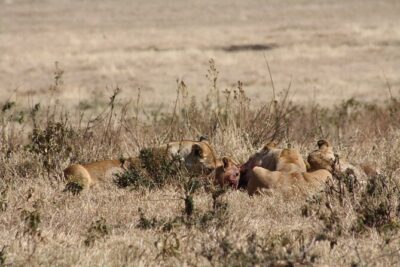
5-Day private Camping Safari Tour in Tanzania
Read our review →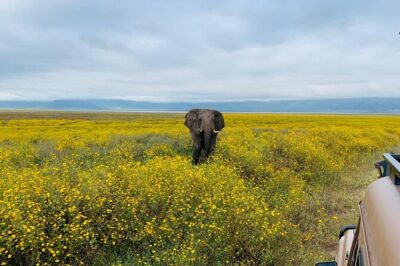
03 days Serengeti and Ngorongoro Crater group (camping)
Read our review →Browse the lists this tour appears in