
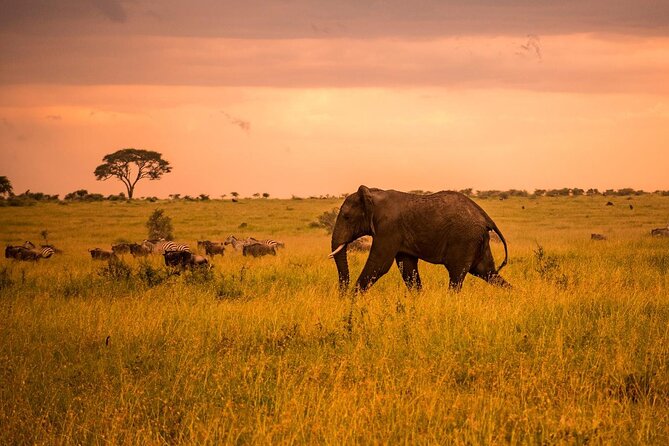
Reviewed · CAMPING SAFARIS
5 Days Safari in Tanzania | Camping and Lodge Safaris
The strongest part of this safari is the change of scenery: baobab-filled Tarangire, endless Serengeti plains, and the steep-walled Ngorongoro Crater all fit into five busy days. I like the early game drives, which give you a better shot at close wildlife sightings, and the small maximum group size of seven. The main catch is the amount of time spent on the road, especially on the long transfer from Tarangire to the Serengeti.
I also like that the price includes park fees, private transportation, all meals, and four nights of dinner and breakfast. Guides including Amani, Sam, Frankie, Meshack, Isaac, Frank, and David have been singled out for their care, communication, and driving skills. Just confirm your exact lodging plan before paying, since this trip can use either camps or lodges and the advertised route mentions Lake Manyara, while the day-by-day schedule focuses on Tarangire, Serengeti, and Ngorongoro.
Key points to know before booking
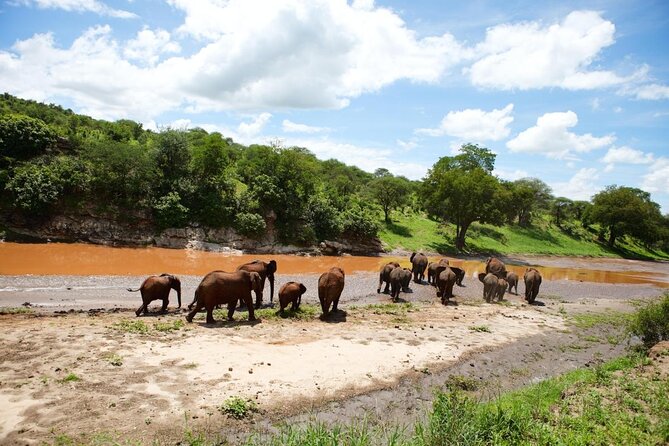
- Three major safari areas in five days: The detailed route centers on Tarangire National Park, Serengeti National Park, and Ngorongoro Conservation Area.
- Elephants are a major attraction: Tarangire is known for large elephant herds and broad baobab trees.
- Two full Serengeti days: You get an afternoon drive on arrival, a full day on Day 3, and a final morning drive on Day 4.
- Early starts matter: Sunrise in the Serengeti and an early descent into Ngorongoro Crater are suggested for better wildlife viewing.
- Small group format: The vehicle carries no more than seven people, with private transportation included.
- Strong practical inclusions: Park fees, WiFi on board, five lunches, four breakfasts, and four dinners are included.
What this five-day Tanzania safari really covers
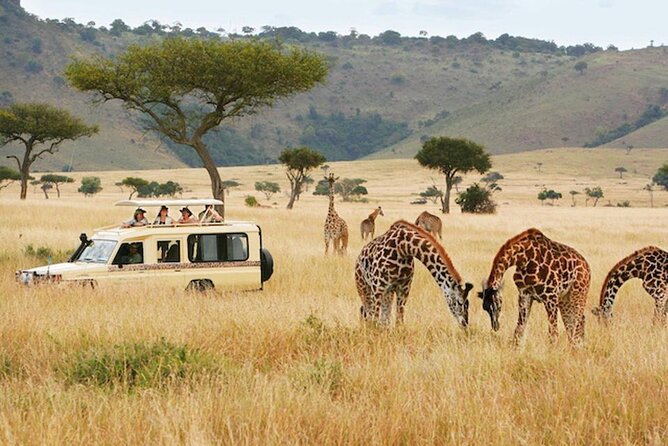
This is a classic northern Tanzania route built around the country’s best-known wildlife areas. You leave Arusha, head toward Tarangire, continue through the Ngorongoro region to the Serengeti, then return to the crater area for a final wildlife morning before going back to Arusha.
The appeal is variety. Tarangire gives you elephant country and giant baobabs. The Serengeti offers broad plains and several chances to search for lions, leopards, cheetahs, wildebeest, and other animals. Ngorongoro Crater packs a large amount of wildlife into a contained area, giving you one of the better chances to see several major species in a single morning.
The schedule is full. You should think of this as a proper safari, not a gentle lodge holiday with a short wildlife outing each day. Several days run for roughly 12 hours, including drives between parks, game drives, meals, and check-in. That pace is part of the value, but it also means you need to be comfortable sitting in a safari vehicle for long stretches.
The tour begins and ends at Travel Wise Safari in Arusha. Pickup is offered, and the company can accommodate a maximum of seven people. Group discounts are available, so the cost may become more attractive if you are traveling with family or friends.
More Camping Safaris in Arusha:
- 4 Days Group Camping Safari
★ 5.0 · 1,101 reviews - 5 Days Group Camping Safari
★ 5.0 · 730 reviews - 3 Days Serengeti & Ngorongoro Group Camping Safari
★ 5.0 · 574 reviews
Day 1: Arusha to Tarangire and the baobab country
Your first morning begins in Arusha, Tanzania’s main northern safari base. The drive toward Tarangire takes about two hours, with a stop at a supermarket along the way if you need last-minute personal supplies.
That small shopping stop is useful. Safari days are long, and it is better to sort out snacks or personal items before reaching the park. The route also passes through the Masai Steppe, giving you a first look at the countryside beyond Arusha before the wildlife portion begins.
At Tarangire’s gate, your driver handles the entry paperwork. Then the first game drive begins. Tarangire is especially appealing if elephants are high on your list. The park is known for large herds, and its baobab trees give the setting a distinct look that differs from the open grasslands of the Serengeti.
Lunch is taken at a designated picnic site. Afterward, you continue with afternoon game drives until sunset, then check into a lodge or camp for dinner and the night.
This is an efficient first day. You get from Arusha into a major wildlife area quickly, rather than spending the whole day on a transfer. The tradeoff is that the afternoon can feel packed, particularly if there are delays at the gate or on the road. Still, Tarangire is a sensible opening park because it provides a strong first chance to see elephants without requiring a very long drive from Arusha.
Accommodation details can vary, so ask whether your booking uses a permanent lodge, a tented camp, or another camping arrangement. The title presents both camping and lodge safaris, but the exact property is not fixed in the information provided.
Day 2: The long road from Tarangire to Serengeti
Day 2 is both scenic and demanding. After breakfast, you travel across the floor of the Great Rift Valley, climb the escarpment, and pass through the Ngorongoro Conservation Area on the way to Serengeti National Park.
This is not simply dead travel time. The route offers broad views and a sense of how the parks connect geographically. You move from the Tarangire area toward the higher ground and open country around Ngorongoro before continuing west into the Serengeti.
The drive takes much of the day. Lunch is generally planned at a picnic site, most likely near Naabi Hill Gate, where you can stretch your legs before entering the Serengeti. The schedule then allows for an afternoon game drive until late afternoon.
You should set your expectations carefully here. The Serengeti is a long way from Tarangire by road, so Day 2 is not a full day of wildlife watching. It is a transfer day with a valuable afternoon safari added at the end. The benefit is that you reach the Serengeti without sacrificing a separate night in another park.
After the drive, you check into a camp or lodge, have dinner, and spend the night. A campfire may be part of the evening program. If sleeping in a tented camp appeals to you, confirm the setup and facilities before booking. If you prefer more conventional rooms, ask for the lodge option and the exact property.
Day 3: A full day on the Serengeti plains
Day 3 is the heart of the trip. You can get up early for a sunrise game drive, then return for breakfast before spending the rest of the day exploring the Serengeti.
The early drive is worth taking seriously. The schedule points to nocturnal animals and early-rising species, as well as wildlife gathered near roadsides to avoid the morning dew. No sighting is guaranteed, but the cooler hours often provide the best conditions for watching animals before the heat of the day.
After breakfast, you spend the day on game drives across the Serengeti. The name comes from a Maasai word meaning plains without end, and the sense of space is a major part of the experience. You are not visiting a small enclosure with a predictable circuit. Your guide must search a wide area, using experience and radio contact with other safari vehicles to decide where to go.
The Serengeti is the place to hope for big cat sightings, along with wildebeest, zebras, giraffes, elephants, and a wide range of smaller animals and birds. The company’s guides are frequently praised for their driving, communication, and ability to keep looking when an animal is difficult to find. Frankie, in particular, has been credited with making the day enjoyable through calm driving and strong field skills. Amani and Sam are also named for organizing a smooth trip and helping a party see the Big Five.
That phrase needs a little perspective. Seeing the Big Five in one safari is possible, but it is never something a responsible operator can promise. The vehicle radio system gives the guide useful information from other drivers, yet wildlife remains unpredictable. A leopard can appear for a few minutes, while a rhino may stay out of sight all day.
You will spend many hours in the vehicle. Bring patience, a camera with spare battery power, and clothing that works for changing temperatures. The included lunch keeps the day moving, but it also means you are eating at a picnic site rather than returning to a lodge for a long midday break.
A few more Arusha trips to weigh up
- Balloon Safari & Bush Breakfast in Serengeti – Miracle Experience
★ 5.0 · 1,646 reviews - 7-Day Premium Luxury Tanzania Safari All-Inclusive
★ 5.0 · 426 reviews - 3-Day Classic Serengeti Safari
★ 5.0 · 263 reviews - 8 Days Great Wildebeest Calving Migration Safari from Arusha
★ 5.0 · 254 reviews
Day 4: One last Serengeti drive and a night near Karatu
After breakfast, you check out and take one more game drive in the Serengeti. The guide may focus on the Seronera River Valley, an area known for wildlife and bird life, or choose another section based on current conditions and recent radio reports.
This final Serengeti drive is important because it gives you one more chance to find an animal you missed earlier. It also prevents the Serengeti from feeling like a rushed overnight stop. By the time you leave, you have had an afternoon drive on arrival, a full day, and a final morning outing.
Later in the afternoon, you drive back toward the Ngorongoro Conservation Area and spend the night near Karatu. The suggested mid-range properties include Marera Valley Lodge and Country Lodge, though the exact accommodation should be confirmed at booking.
Karatu is a practical base for the next morning’s crater visit. Sleeping nearby means you do not need to make the entire trip from the Serengeti to the crater floor in one push. Dinner and overnight accommodation are included, as are breakfast and lunch for the day.
The main drawback is the amount of road time. By Day 4, you may be tired from early starts and rougher park roads. If you want more time in the Serengeti, you could ask about replacing another stop with an additional night there, but that would change the five-day plan and may affect the price.
Day 5: Ngorongoro Crater and the final wildlife search
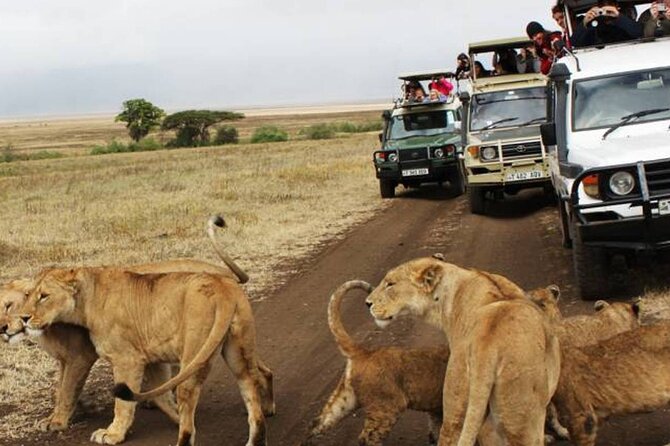
The last safari morning takes place in Ngorongoro Crater. After breakfast at the lodge, you descend into the crater for game drives. The schedule also allows for a packed breakfast if you want to reach the crater floor earlier.
An early descent is a smart choice. It gives you more time in the crater and may improve your chance of seeing animals that are harder to find later in the day, including black rhinos. Sightings are never certain, but the crater’s enclosed setting makes wildlife viewing more concentrated than in the open Serengeti.
The crater walls rise roughly 600 to 650 meters, creating a dramatic natural bowl. The area is often described as one of Africa’s best places for a dense mix of wildlife, and it is possible to see members of the Big Five in a single day if conditions cooperate.
You spend most of the morning on the crater floor, stopping for a picnic lunch before the return journey. This is a strong final act because the crater offers a different type of safari from the Serengeti. Instead of searching across vast open plains, you explore a smaller area bordered by high walls, with varied wildlife habitats packed into one setting.
The information supplied does not spell out the exact final return time to Arusha. Plan for the day to remain flexible, since the crater drive, lunch, and road transfer can take much of the day. The activity ends back at the Arusha meeting point.
Camping, lodges, and the comfort question
The tour can use camping or lodge accommodation, but the details are not fully fixed. Some nights may be in a camp, while the Karatu night is described as a mid-range lodge such as Marera Valley Lodge or Country Lodge.
This matters because accommodation changes the feel of the safari. Lodge rooms give you a more conventional overnight stay. Camping can bring you closer to the setting, but you should ask about tent type, bathrooms, hot water, electricity, and meal arrangements before you commit.
Past bookings have included comfortable camps and lodges, with one described as being in the middle of the Serengeti. Other bookings have included airport transfers, extra Arusha hotels, and domestic flights from Zanzibar, but those are additional arrangements rather than part of this five-day package.
Ask these questions in writing:
- Which nights are in a lodge and which are in a camp?
- What are the names of the properties?
- Is the safari private or shared with other bookings?
- Is camping equipment supplied?
- Are airport transfers or extra Arusha nights available at an added cost?
The vehicle carries no more than seven people, which is a useful limit. A smaller group gives you more room than a packed safari vehicle and makes it easier to adjust the day around the group’s interests. The tour is described as using private transportation, so confirm whether your party has a dedicated vehicle or whether the vehicle is shared under the selected booking arrangement.
What the $1,800 price includes
At $1,800 per person, this safari is priced as a substantial multi-park package rather than a budget day trip. The value comes from the number of major park areas covered, the five lunches, four breakfasts, four dinners, park fees, taxes, transportation, and four nights of overnight arrangements.
WiFi is included on board, though you should not treat that as a guarantee of a strong connection in every remote area. It is a useful extra for checking messages when the signal allows.
International flights, personal expenses, extra accommodation before or after the safari, and gratuities are not included. The suggested tipping guideline is $10 per person per day, so budget at least $50 per person for five days if you choose to follow it.
The price makes the most sense for you if you want the major northern Tanzania highlights in one compact trip and do not want to arrange park permits, meals, drivers, and accommodation separately. It is less suitable if your main goal is a slow safari with long mornings at one camp. The route covers a lot of ground.
The overview also refers to Lake Manyara National Park and its baboons and flamingos, but the detailed five-day schedule does not include a Lake Manyara stop. Ask for clarification before booking if that park is important to you. You should also confirm whether the itinerary has changed seasonally.
Guides, communication, and the human side of the trip
A safari vehicle is only as good as the person behind the wheel and the guide making decisions. The strongest pattern in the supplied feedback is praise for communication, organization, kindness, and practical problem solving.
Several names appear repeatedly in connection with successful trips. Meshack is described as quick to respond and helpful with planning. Bruno is credited with answering questions, changing arrangements, and helping with extra transfers or hotels. Guides named Amani, Sam, Frankie, Isaac, Frank, and David are praised for driving, field knowledge, patience, and effort during wildlife searches.
That does not mean every day will run perfectly. One account describes a delayed vehicle pickup, and other experiences mention a hot water problem and a flight delay. Those details are useful reminders that safari travel in remote areas can involve changes. The company’s strong point appears to be staying in contact and working through problems, but you should still leave room in your wider travel plans.
The guide’s use of VHF radio contact with other safari vehicles is another practical advantage. It can help the driver locate wildlife and choose productive areas. It does not turn the Serengeti into a guaranteed checklist, but it improves the information available during a game drive.
Who should book this safari
I would recommend this trip to a first-time safari visitor who wants three famous northern Tanzania areas without planning a complicated private itinerary. It also suits couples, families, and small groups who value a maximum of seven people and want meals and park fees handled in advance.
You should be comfortable with early mornings, long drives, picnic lunches, and a schedule that stays busy for roughly 12 hours on several days. The trip is not ideal if you need a slow pace, guaranteed lodge standards, or a short transfer between every park.
Wildlife lovers will find the route especially appealing. Tarangire offers elephants and baobabs, the Serengeti provides the broadest search area and the best chance for dramatic predator encounters, and Ngorongoro gives you a concentrated final morning with a possible Big Five showing.
Should you book it?
Book this safari if you want a well-packed introduction to northern Tanzania, appreciate strong guide communication, and accept that the route involves long road transfers. The combination of Tarangire, multiple Serengeti drives, and Ngorongoro Crater gives you good variety for five days.
Before paying, confirm the exact accommodation, whether the safari is fully private or shared, and whether Lake Manyara is actually included. If those details match your expectations, the $1,800 package offers a practical way to reach three of Tanzania’s major wildlife areas with transport, meals, and park costs arranged for you.
Free cancellation is available up to 24 hours before the start time. Changes made within 24 hours are not accepted, and a minimum group requirement applies.
FAQ
Where does the safari start and finish?
It starts at Travel Wise Safari in Arusha Urban, Arusha, Tanzania, and ends back at the meeting point.
How long is the safari?
The experience lasts approximately five days.
Which national parks and conservation areas are included?
The detailed daily schedule includes Tarangire National Park, Serengeti National Park, and the Ngorongoro Conservation Area, including Ngorongoro Crater.
Is Lake Manyara included?
Lake Manyara is mentioned in the general description, but it does not appear as a stop in the detailed five-day schedule. Confirm this point before booking.
How many people can join the tour?
The maximum group size is seven people.
What meals are included?
The package includes five lunches, four breakfasts, and four dinners.
Is transportation included?
Yes. Private transportation and pickup are included. The meeting point is in Arusha.
Are flights and extra hotel nights included?
No. International flights, personal expenses, and extra accommodation before or after the safari are not included.
How much should I budget for tips?
The stated tipping guideline is US$10 per person per day. For five days, that equals US$50 per person if you follow the guideline.
More 5-Day Experiences in Arusha
- 5-Day Highlights mid-Range Crater, Serengeti, Tarangire
★ 5.0 · 296 reviews - 5 Days Camping Tarangire, Serengeti & Ngorongoro crater & Visiting Maasai
★ 5.0 · 229 reviews - Tanzania Simba Safari – 5 Days
★ 5.0 · 217 reviews - 5 Days Budget Private Safari, Tanzania
★ 5.0 · 191 reviews
Just added around Arusha
- 8 Days Serengeti Migration safari★ 5.0 · 11 reviews
- tarangire, ngorongoro & lake manyara park 3 days private tour★ 5.0 · 11 reviews
- tarangire & ngorongoro 2 days tour★ 5.0 · 14 reviews
- serengeti & ngorongoro 3 days private tour★ 5.0 · 15 reviews
- Mt. Kilimanjaro: Shira plateau to Cathedral point 3872m Day hike★ 5.0 · 7 reviews
- serengeti, ngorongoro & tarangire 4 days private tour★ 5.0 · 18 reviews
- 2 Days Tanzania Midrange Group Join Safari★ 5.0 · 7 reviews
- climb the KILIMANJARO via Lemosho route★ 5.0 · 4 reviews
Camping Safaris, compared.



3 Days Serengeti & Ngorongoro Group Camping Safari
Read our review →
5 Days Camping Tarangire, Serengeti & Ngorongoro crater & Visiting Maasai
Read our review →
2 Days Tarangire and Ngorongoro Group Camping Safari
Read our review →

3 Days Tarangire, Ngorongoro & Lake Manyara Group Camping Safari
Read our review →
5-Day private Camping Safari Tour in Tanzania
Read our review →Browse the lists this tour appears in