
Reviewed · STONE TOWN WALKING TOURS
Zanzibar: Stone Town City Tour and Spice Farm with Lunch
Stone Town and a Zanzibar spice farm make a useful pair: one shows you the island’s layered past, while the other brings its famous crops to your nose and fingertips. You’ll move from slave-trade history and grand waterfront buildings to cinnamon, cloves, nutmeg, black pepper, jackfruit, and coconuts.
I like the hands-on farm work, especially making coconut milk and tasting young coconuts picked from the tree. I also like the chance to see the City Market and fish auction, places that feel more connected to daily life than a quick parade of monuments. The main concern is timing: late pickups, long drives from northern resorts, extra entrance fees, and pressure to tip or shop have affected some bookings.
Key points to know before booking
- Stone Town’s old slave market and Anglican Church provide important context for Zanzibar’s past.
- The spice farm is more than a garden visit, with cassava harvesting, coconut milk making, tastings, and lunch.
- Fresh jackfruit and young coconuts add memorable food stops to the day.
- The listed price is $32 per person, but the slave market and spice farm entrance fee is another $10 per person, paid in cash.
- Pickup details matter, especially from Nungwi and other places outside Stone Town, where transfers cost extra and the drive can make the day very long.
- Capuchino is a named guide praised for patience and clear answers, but you should confirm your guide and language before setting out.
Stone Town’s old streets and many influences
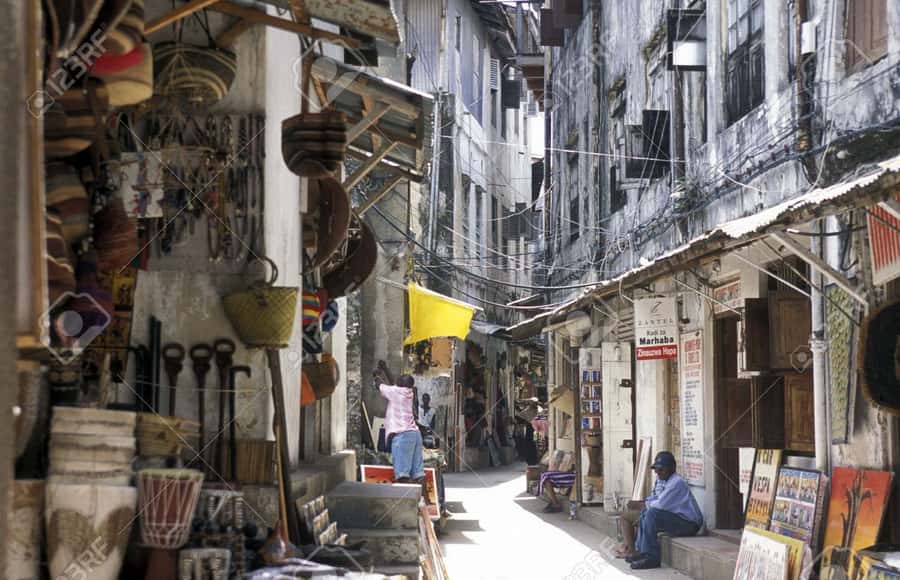
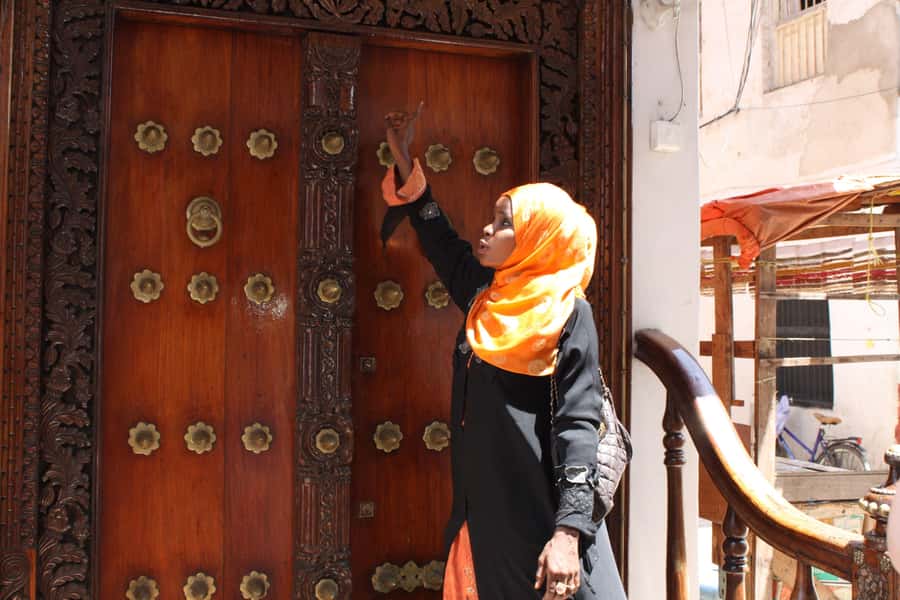
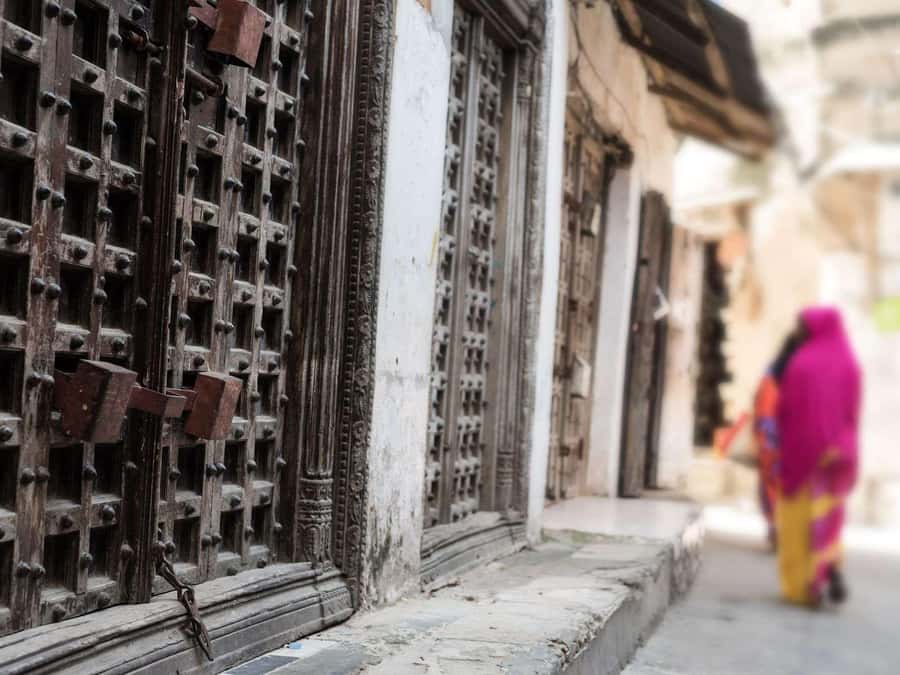
Stone Town is the historic heart of Unguja, Zanzibar’s main island. Its 19th-century buildings show Arab, Persian, Indian, European, and Swahili influences, all pressed into a compact town of narrow lanes, carved doors, old trading houses, and open market spaces.
I find the town most rewarding when you look beyond the photo stops. The architecture tells you about trade, religion, colonial rule, and the movement of people across the Indian Ocean. You will not simply see one style of building. You will see several cultures meeting in stone, plaster, wood, and coral.
The private format can help here. A guide can adjust the pace, explain details as you go, and answer questions without a large group waiting. Languages offered are English, French, German, and Italian. If you need French, German, or Italian, confirm the language before the day begins. One booking involving a requested French-speaking guide went badly because the assigned person did not match that request.
Stone Town became a UNESCO World Heritage Site in 2000. That label matters, but the visit is not a polished museum route from start to finish. Streets can be tight, the market can be crowded, and the experience depends heavily on clear communication with your guide.
More Stone Town Walking Tours in Zanzibar City
- Zanzibar: Stone Town, Spice Tour, Prison Island with Lunch
★ 4.4 · 1,219 reviews - Zanzibar: Prison Island, Stone Town, & Spice Farm Tour
★ 4.5 · 579 reviews - Zanzibar: Stone Town, Spice tour & Prison Island with Lunch
★ 4.6 · 453 reviews
The slave market and Anglican Church
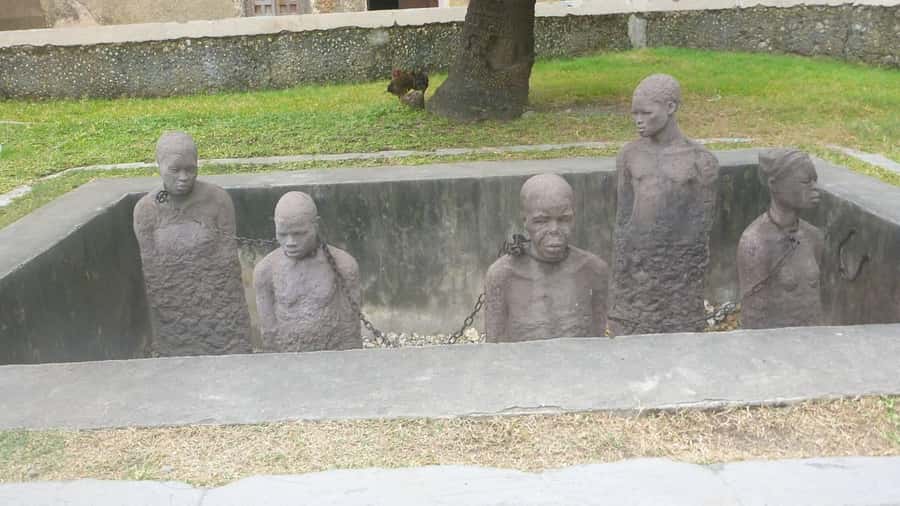
The tour begins with the former slave market site and the Anglican Church. This is the most serious part of the Stone Town visit, and it deserves more than a quick photograph.
Zanzibar was once a major center in the East African slave trade. The church was built on the site of the old market, creating a direct link between the island’s commercial past and the effort to remember the people who suffered there. Your guide should explain the setting and its meaning, rather than rushing you toward the next landmark.
The entrance fee for the slave market and the spice farm is listed as $10 per person, paid in cash on the spot. This is separate from the $32 tour price, so carry enough money. The extra fee is easy to miss when planning your budget.
City Market, fish auctions, and local produce
From the old market site, you walk through Stone Town’s narrow streets toward the City Market. This gives you a closer look at ordinary trade: fresh produce, food stalls, fish, and locals buying and selling goods.
The fish auction is one of the most useful stops for understanding the town as a living port rather than an outdoor museum. You may see the quick, practical rhythm of fish being presented, assessed, and sold. Conditions can be busy and smells can be strong, so this is not the stop for anyone seeking a quiet, polished food hall.
The market also gives you a chance to see fruits and vegetables that may not appear at your hotel. Jackfruit is a highlight. It is often described as the world’s largest fruit, and you can sample it during the day. The fruit has a distinctive texture and sweet flavor, so this is a small but memorable food lesson.
Palace Museum, House of Wonders, and the Old Fort
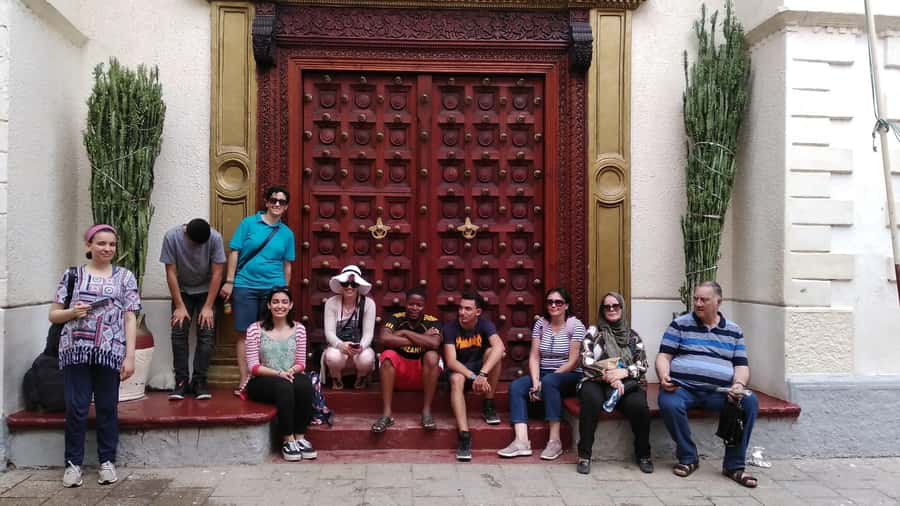
The sightseeing route continues to several of Stone Town’s best-known buildings. The Palace Museum, also called the Sultan’s Palace, helps explain the former royal world of Zanzibar. It is a useful counterpoint to the market, showing how the island’s ruling families lived while trade shaped the streets outside.
You also see the House of Wonders, or Bait-al-ajab. It is described as the largest and tallest building in Stone Town, and its scale is hard to miss among the older lanes. The building is an important visual marker even if your time inside is limited or the exact visit depends on the day’s arrangements.
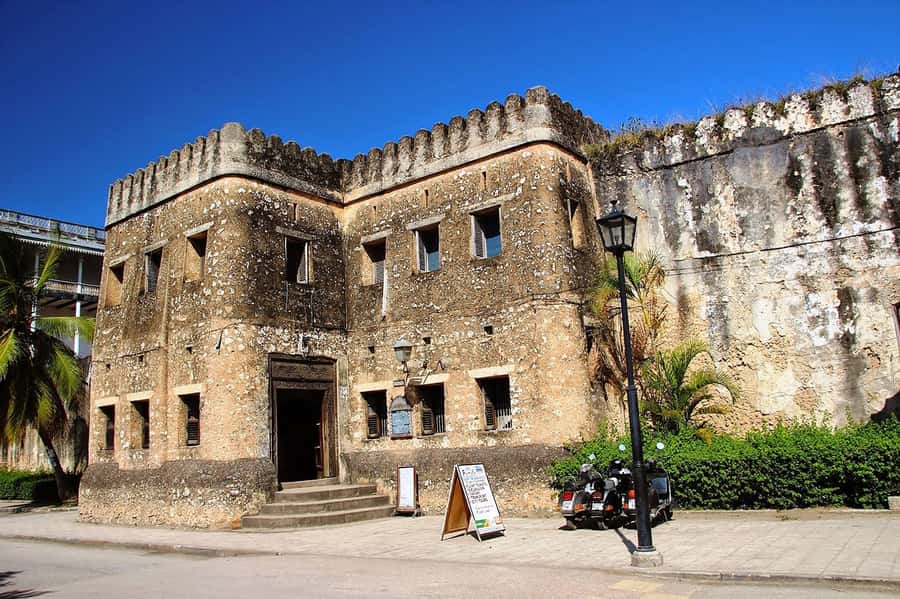
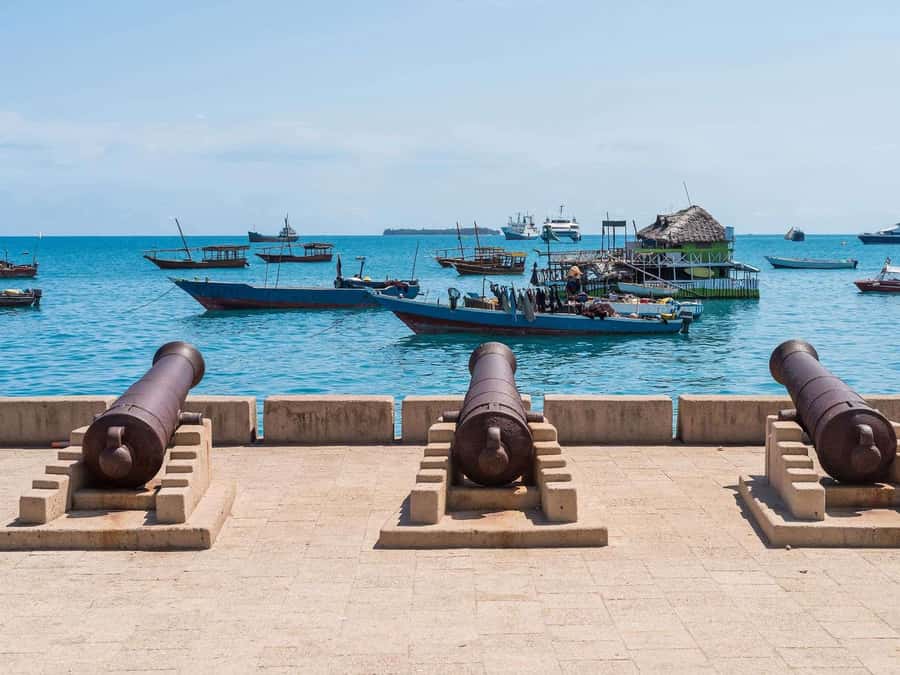
The Old Fort is another central stop. Built as a defensive structure, it now forms part of Stone Town’s public life and cultural setting. You will also pass Tippu Tip’s House, connected with one of the most famous traders in Zanzibar’s past.
Freddie Mercury’s House adds a modern pop-culture note to the route. The singer was born in Zanzibar, and the stop is brief compared with the town’s major historic sites. Still, it gives the tour a personal connection that many people recognize immediately.
The Peace Memorial and Natural History Museum round out the town portion. Together, these places broaden the visit beyond royal buildings and colonial-era architecture. You get reminders of conflict, public memory, and the island’s natural world.
Do not expect a full museum study at every stop. The value is in seeing several landmarks in one route and having a guide connect them. If you want long interior visits at every building, ask about the plan before booking, since delays or long transfers can shorten the walking portion.
More Zanzibar Spice Farm Tours in Zanzibar City
- Full-Day Private Stone Town +Spice Farm and Prison Island Tour
★ 4.5 · 216 reviews - Zanzibar: Spice Tour & Stone Town Walking Tour
★ 4.8 · 115 reviews - Zanzibar: The Swahili Spice Experience – Spice Tour + Culinary Journey
★ 4.7 · 96 reviews - Zanzibar full day Jozani forest + Spice farm and stone town
★ 4.7 · 90 reviews
From Stone Town to the Spice Islands
After Stone Town, the tour turns to agriculture. Zanzibar and Tanzania’s Mafia Island are known as the Spice Islands because of crops such as cloves, nutmeg, cinnamon, and black pepper.
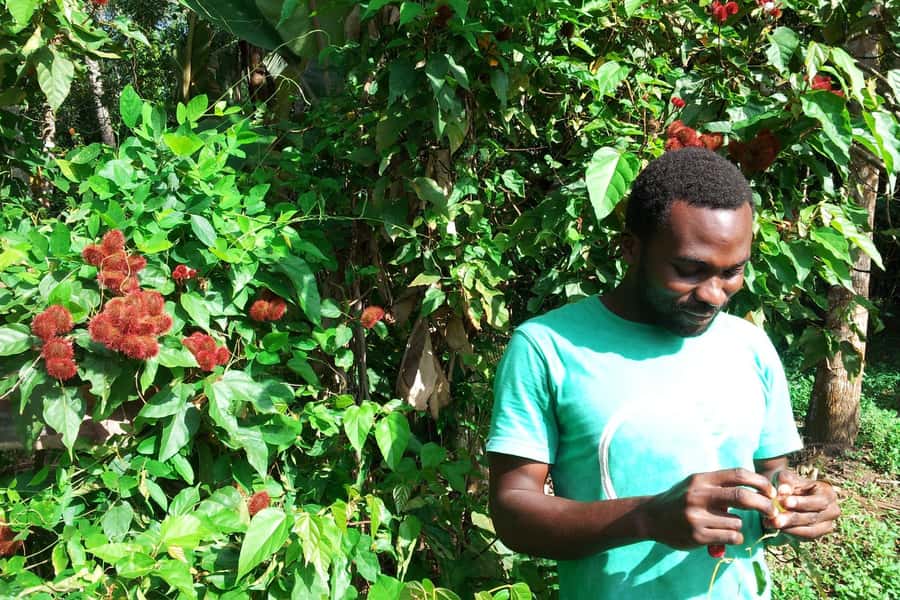
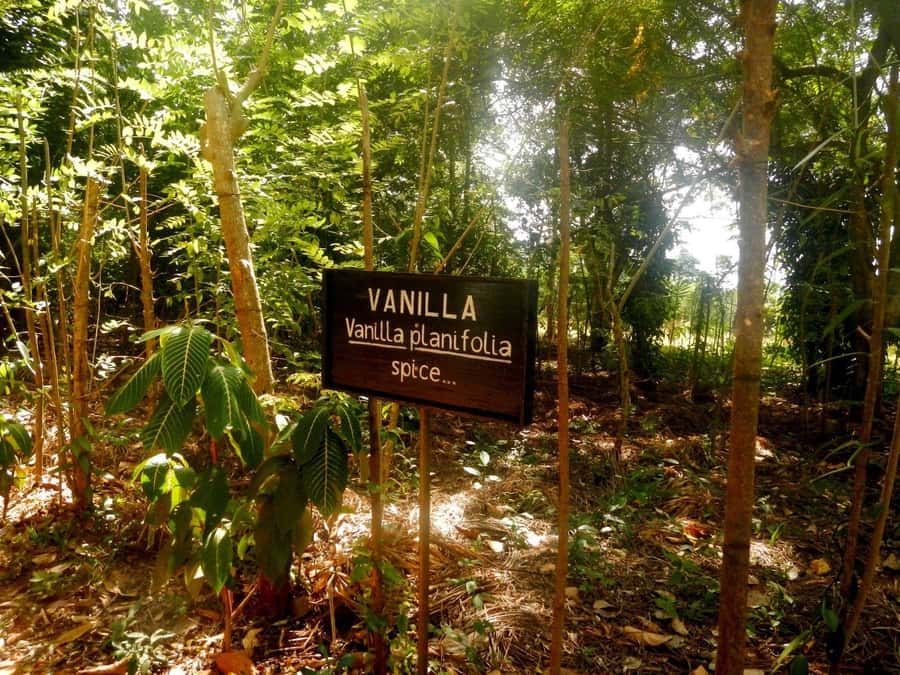
At an organic spice farm, you get to touch, smell, and taste plants rather than only seeing dried packets in a shop. The guide explains how spices grow and how people use them in cooking and traditional medicine. This is where the tour becomes more sensory and more relaxed.
Cinnamon, nutmeg, cloves, and black pepper are familiar names, but seeing the plants helps you understand the difference between the living crop and the finished kitchen spice. Smelling leaves, bark, seeds, or fruit can also make the information easier to remember.
The farm visit does have a commercial side. There is a spice shop, and cash is required if you want to buy products. Bring money if you plan to shop, but do not assume you must purchase anything. Some people have felt pushed to buy souvenirs or support the farm, and that pressure can take away from an otherwise worthwhile visit.
Cassava, coconut milk, and lunch at the farm
The farm is not limited to a guided walk. You may take part in harvesting cassava leaves, making coconut milk, and practicing simple cooking techniques. These activities show how ingredients move from plant to meal, which is more useful than a short explanation beside a row of spice trees.
The coconut demonstration is a highlight. A climber picks young coconuts from the tree, and you can drink the fresh coconut water. You may also help with the process of making coconut milk. It is a simple activity, but it connects food, labor, and local agriculture in a way a restaurant meal cannot.
Lunch is included and takes place at a local restaurant at the spice farm. The supplied information does not give a fixed menu, so you should not book this expecting a particular dish. The meal is best understood as part of the farm experience, giving you a chance to taste food linked to the ingredients you have just seen.
The $32 price and what it really covers
At $32 per person, the tour looks inexpensive for a private Stone Town and spice farm day. The price includes a professional guide, water, lunch, the Stone Town visit, and the spice farm visit. Hotel pickup and drop-off are included only when that option is selected.
The extra charges change the calculation. The slave market and spice farm entrance fee is $10 per person in cash. Transfers from outside Stone Town cost extra, and one booking from a northern resort reported an additional pickup charge of about $20 per person. Treat the advertised price as a starting point, not necessarily the full amount for a Nungwi hotel.
Value also depends on how long you spend in transit. One day began with a long delay, reached Stone Town around midday, started the walking tour around 1 p.m., and did not return to Nungwi until shortly after 8 p.m. That is a very long day for a tour that can lose several hours to road transfers.
A second booking began 35 minutes late and received only about four hours of touring instead of the expected seven. Delays can happen, but they matter here because Stone Town and the farm are in different areas. Confirm your pickup time, meeting point, estimated return, and transfer cost before paying.
Guides, communication, and the human factor
A good guide can make this tour much better. Capuchino is specifically praised for patience, kindness, and answering questions throughout the day. That is exactly the sort of guide you want in Stone Town, where a building’s importance is not always obvious from its exterior.
The experience has also shown uneven guide coordination. One booking involved a guide arriving barefoot and apparently unsure of the arrangement, followed by an improvised replacement who spoke only a few words of the requested language. That is not a small inconvenience when the tour depends on historical explanation.
Confirm these points in advance:
- The guide’s name and language
- The exact pickup time
- Whether hotel pickup is included for your accommodation
- The full price of any transfer from outside Stone Town
- The $10 entrance fee per person
- The expected return time
- Whether lunch and water are included in your selected option
A clear message with your hotel name and room number is required so the pickup time can be sent to you. Wear comfortable clothes, since the day includes walking, market visits, and time outdoors at the farm.
Who will get the most from this Zanzibar day
I would choose this tour if you want a broad introduction to Zanzibar in one outing. It suits you if you like history, markets, local food, and practical farm activities more than a slow beach day.
It is also a good fit for people who want a private guide and a mixture of serious and light stops. The slave market and church offer difficult historical context. The fish auction shows daily commerce. The farm adds food, plants, and hands-on work. Freddie Mercury’s House provides a short modern connection.
I would be cautious if you are staying far north and dislike long road journeys. A Stone Town visit and spice farm trip from Nungwi can become an all-day commitment, especially with late pickup or traffic. You may also prefer another option if you dislike shopping stops or repeated requests for tips.
The tour is less suitable for anyone expecting a tightly timed museum program. The route covers many places, but the quality of each explanation depends on the guide and the time left after transport.
Should you book the Stone Town and spice farm tour?
Book it if the $32 base price is confirmed for your hotel, you budget the extra entrance fee, and you want a wide sample of Zanzibar in one day. The mix of Stone Town landmarks, market life, spice plants, fresh coconut, jackfruit, and lunch gives you more variety than a simple city walk.
Before booking, get the transfer price and pickup plan in writing. Ask for the language and guide assignment, and bring cash for the $10 entrance fee and any spice purchases. If the operator can provide a reliable guide such as Capuchino and keep the schedule on track, this can be a good-value introduction to the island. If timing is vague, the low headline price may not compensate for a late start and a very long return.
FAQ
What is included in the $32 tour price?
The listed inclusions are a professional guide, water, lunch at a local restaurant, a Stone Town visit, and a spice farm visit. Hotel pickup and drop-off are included only if that option is selected.
Is the slave market entrance fee included?
No. The slave market and spice farm entrance fee is listed as $10 per person, paid in cash on the spot.
Is transportation from Nungwi included?
Transfers from outside Stone Town cost extra. Confirm the exact amount before booking, since one reported pickup arrangement from a northern resort cost about $20 per person.
Which languages are available?
The tour is offered in English, French, German, and Italian. Confirm your requested language and guide before the tour.
What food and farm activities are included?
You can taste jackfruit and fresh young coconuts, take part in cassava leaf harvesting, make coconut milk, practice cooking techniques, and have lunch at the spice farm.
What should I bring?
Wear comfortable clothes and bring cash for the entrance fee. Cash is also needed if you want to buy spices from the farm shop.
More Farms in Zanzibar City
- Zanzibar Private Spice Farm and Stonetown Tour(Include Lunch)
★ 5.0 · 53 reviews - STONE TOWN, PRISON ISLAND AND SPICE FARM ( Lunch included )
★ 5.0 · 53 reviews - Full Day Holiday Package (Prison Island-Stone Town-Spice farm)
★ 5.0 · 33 reviews - Zanzibar: Jozani forest tour & Spice farm tour with lunch
★ 4.5 · 31 reviews
More Lunch Experiences in Zanzibar City
- Zanzibar: Prison Island and Nakupenda Sandbank With Lunch
★ 4.2 · 208 reviews - Zanzibar: Nakupenda Sandbank and Prison Island Tour & Lunch
★ 3.9 · 89 reviews - Zanzibar: Nakupenda Sandbank & Prison Island Trip with Lunch
★ 4.6 · 69 reviews - From Paje/Jambian: Safari Blue Snorkelling with Lunch
★ 3.7 · 67 reviews
Just added around Zanzibar City
- Zanzibar: Mikumi Wonderful Safari with Open Jeeps★ 4.9 · 15 reviews
- Zanzibar: Maalum Cave Natural Swimming Pool Tour in Paje★ 4.4 · 3 reviews
- Zanzibar: Jozani Forest Watching Colobus Monkeys Guided Tour★ 4.1 · 7 reviews
- Zanzibar: Jozani Forest, Salaam Cave & The Rock Restaurant★ 3.0 · 4 reviews
- Zanzibar: Jozani Forest Guided Tour,Red Colobus and transfer★ 3.9 · 6 reviews
- Zanzibar: Jozani Chwaka Bay National Park and Spice Farm …★ 4.6 · 5 reviews
- Zanzibar: Horse Riding and Kayaking with Video and Photos★ 4.9 · 10 reviews
- Zanzibar: Half-Day Private in Prison Island Tours★ 5.0 · 4 reviews
Stone Town Walking Tours, compared.

Stone Town, Spice Tour, Prison Island with Lunch
Read our review →
Stone Town, Spice tour & Prison Island with Lunch
Read our review →

3 Hours Private Stone Town walking Tour with Guide
Read our review →
Full-Day Private Stone Town +Spice Farm and Prison Island Tour
Read our review →
Stone Town Historical Cultural Walking Guided Tour
Read our review →