
Reviewed · STONE TOWN WALKING TOURS
Stone Town & Spice Tour, Zanzibar secrets with Lunch – Zanzibar
Stone Town and Zanzibar’s spice farms make a natural pair: one explains the island’s past, while the other brings its most famous products to life. You’ll walk through old streets, see carved doors and balconies, then smell and taste cloves, cinnamon, vanilla, cardamom, and black pepper at a working spice farm.
I like the home-cooked Tanzanian lunch and the chance to sample local spices instead of simply seeing them in a shop. I also like the easy mix of culture and hands-on fun, including spice tea and a guided coconut-palm climb.
The main caution is the heat and the uneven quality of the Stone Town explanations. One strong guide can make the historic walk memorable, while a tired group or less detailed commentary may leave the city portion feeling thin. There was also a reported pickup delay, so confirm the meeting plan clearly.
Key points to know before you book
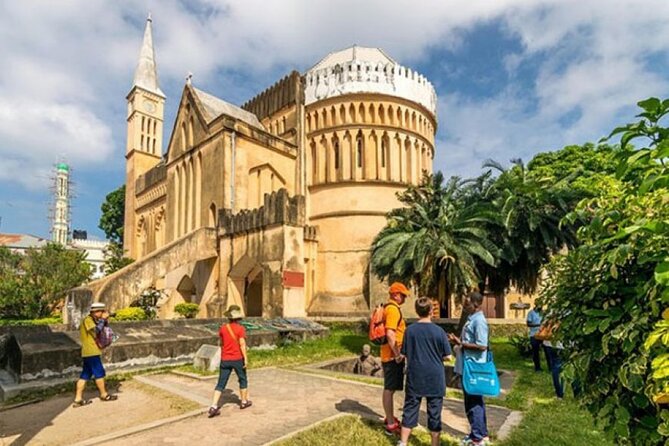
- Stone Town in one walking route: See the Old Fort, House of Wonders, Tippu Tip House, Africa House, Old Dispensary, Palace Museum, and the former Slave Market area.
- A real sensory stop: Touch and smell black pepper, cardamom, cinnamon, nutmeg, cloves, and vanilla at the spice farm.
- Lunch is part of the day: A Tanzanian meal cooked with local spices is included.
- Budget an extra $10: The stated entrance charge for the Slave Market and spice farm is not included.
- Guides shape the experience: Abraham, Haji, Muda, Ibrahim, and Mike are among the names associated with guiding and driving duties.
- Allow about seven hours: Pickup is available if selected, and groups can reach 20 people.
Stone Town starts with streets, markets, and carved doors
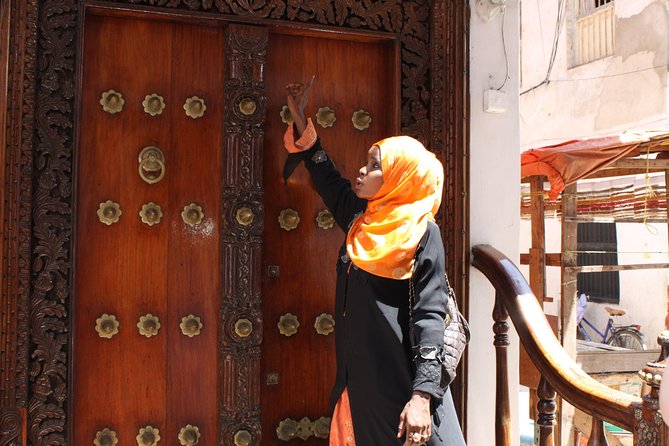
The Stone Town portion gives you a compact introduction to Zanzibar City. You walk through narrow lanes where the buildings sit close together, with carved wooden doors, balconies, old trading houses, and busy market life providing most of the visual interest.
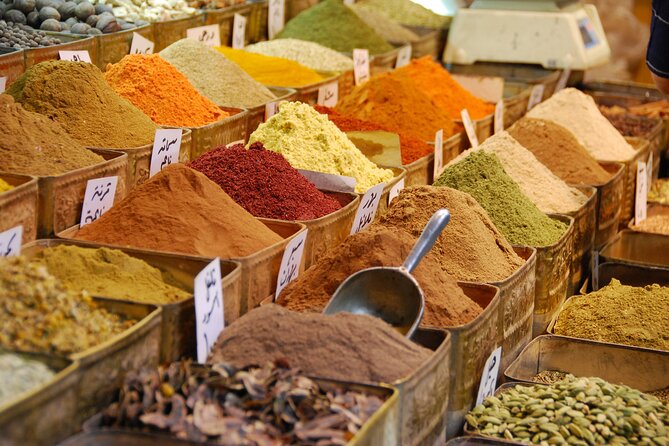
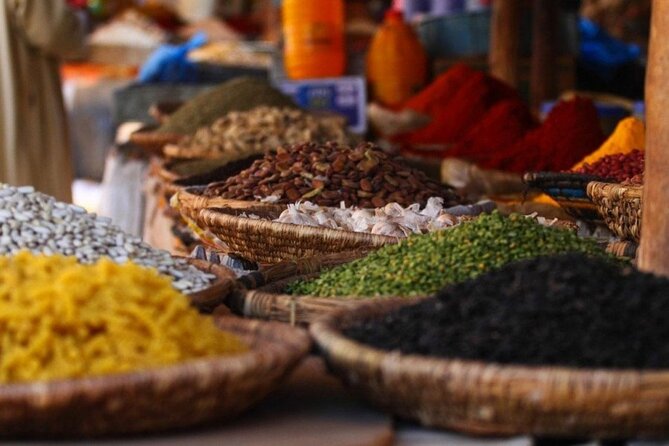
The route includes the Old Market, opened in 1903. Its sections for fish, meat, vegetables, and fruit give you a quick look at ordinary commerce in the city. Outside, a spice market adds the smells that have long helped define Zanzibar.
This is not a quiet museum visit. The market can be crowded, warm, and strongly scented. That is part of its value, but it may not suit you if you want a polished or slow-paced introduction. Keep your expectations practical: the appeal is seeing the city at work, not browsing a perfectly arranged exhibit.
Your guide should help connect the market to Zanzibar’s trading past. The quality of that explanation matters. Mike is praised for adjusting the pace when the heat became uncomfortable, while Muda, Ibrahim, and another trainee guide are noted for patient and helpful service. Abraham, sometimes called Abracadabra, is associated with a playful style and stories during the spice portion.
More Stone Town Walking Tours in Zanzibar City
- Zanzibar: Stone Town, Spice Tour, Prison Island with Lunch
★ 4.4 · 1,219 reviews - Zanzibar: Prison Island, Stone Town, & Spice Farm Tour
★ 4.5 · 579 reviews - Zanzibar: Stone Town, Spice tour & Prison Island with Lunch
★ 4.6 · 453 reviews
The landmarks reveal several sides of Zanzibar
The walk passes a long list of important buildings, but you will not spend equal time at all of them. The House of Wonders, also called the National Museum in the tour details, is one of the major landmarks on the route. It helps frame Zanzibar’s royal and political past, even if the exact visit inside can depend on access and timing.
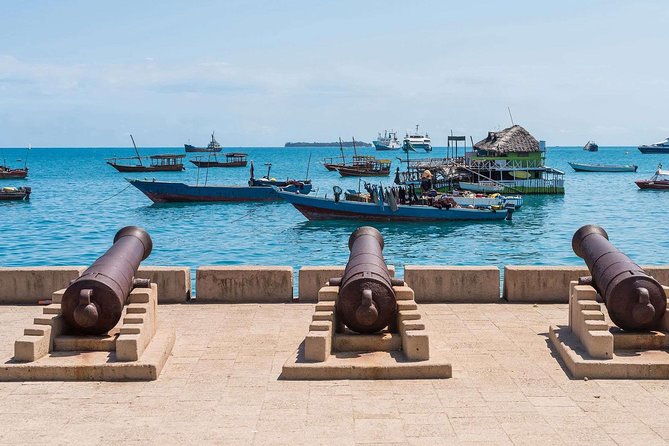
You also see Tippu Tip House, linked to one of Zanzibar’s best-known traders, along with Africa House, once an English Club. The Old Fort gives you another view of the island’s defensive past and is one of the easiest places to recognize during a first visit.
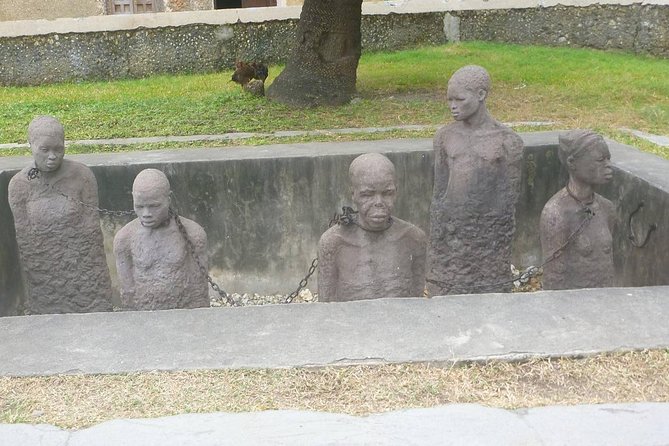
The Old Dispensary adds a different architectural note, with detailed decoration and a strong Indian Ocean trading influence. The Palace Museum and former Slave Market area bring more serious subjects into the walk, including the human cost of the region’s trade networks.
I would treat the Stone Town walk as an orientation rather than a complete study of every building. The route covers a lot of ground in limited time, and the heat can wear down both the guide and the group. If your main goal is detailed architectural or slavery history, a separate private walking tour may serve you better.
Still, this section has clear value. You see how Stone Town fits together, learn the names of major sites, and get a feel for the tight lanes that are hard to understand from a car window. Wear shoes suited to walking and dress for the heat, since much of the experience takes place outdoors.
The spice farm turns ordinary ingredients into a story
The spice farm is the strongest part of the experience for many people, and I can see why. Instead of meeting spices only as dried powders in a market, you see the plants themselves and learn how they grow.
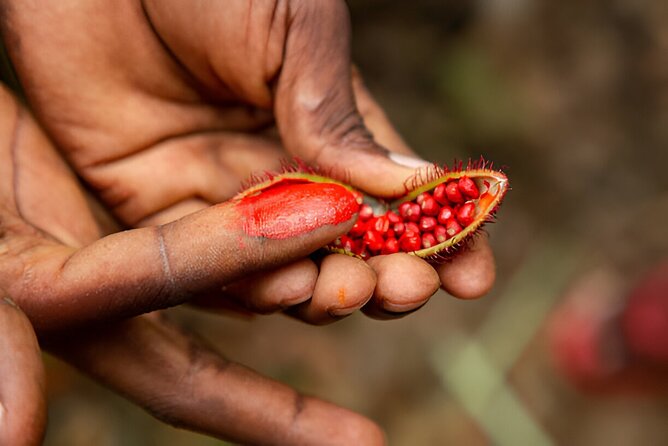
The tour may show you black pepper vines, cardamom bushes, cinnamon trees, nutmeg, clove trees, and vanilla vines. You also encounter herbs, roots, leaves, and tropical fruit trees. The guide explains ways some spices are used in cooking and for medicinal purposes, giving you a more useful picture than a simple shopping stop.
The sensory element is the point. You can smell leaves, touch bark, examine pods, and taste selected items. Cinnamon looks very different as bark on a tree than it does in a kitchen jar. Vanilla vines and pepper plants also make more sense when you see their growing form.
You receive a cup of spice tea during the visit. It is a small but welcome pause, especially after walking through Stone Town. The pace at the farm is usually more relaxed, with time to look closely and ask questions.
You should also expect a sales element. The chance to buy locally grown spices is part of the appeal, but do not confuse a farm visit with a completely commercial-free outing. If you want gifts, this is a convenient place to compare products and take home flavors tied directly to Zanzibar.
A coconut climb adds fun without requiring a full adventure tour
One of the more unusual parts of the day is the chance to climb a coconut palm with guidance from local spice workers, sometimes referred to as spice boys. You may also see them demonstrate their agility and provide a light, humorous break from the plant explanations.
This activity is optional in spirit, even if it is included in the tour description. You should only attempt it if you feel comfortable with the physical effort. The provided information says most people can take part in the activity, but it does not give a detailed fitness requirement or age rule.
I like this addition because it changes the rhythm of the day. Stone Town asks you to look at buildings and listen. The farm asks you to smell and taste. The coconut climb gives you something active to do with your hands and body.
Do not book this solely for the climb. The real reason to choose the tour is the combination of Stone Town, plants, food, and local guiding. The palm activity is an extra moment of fun, not a standalone attraction.
More Zanzibar Spice Farm Tours in Zanzibar City
- Full-Day Private Stone Town +Spice Farm and Prison Island Tour
★ 4.5 · 216 reviews - Zanzibar: Spice Tour & Stone Town Walking Tour
★ 4.8 · 115 reviews - Zanzibar: The Swahili Spice Experience – Spice Tour + Culinary Journey
★ 4.7 · 96 reviews - Zanzibar full day Jozani forest + Spice farm and stone town
★ 4.7 · 90 reviews
Lunch is a genuine reason to protect enough time
The included Tanzanian lunch gives the farm visit a satisfying center. The meal is described as homemade and cooked with local spices, and it has received particularly warm praise for both taste and freshness.
That matters because lunch is not just a box checked on a schedule. A meal prepared with the same ingredients you have just seen helps connect the farm to daily cooking. You get a clearer sense of how cloves, cinnamon, cardamom, and other spices move from plant to plate.
The meal also gives you a chance to rest. Seven hours of walking, driving, market visits, and outdoor time can feel long in Zanzibar’s heat. A proper pause is much better than trying to rush straight from the farm back into the city.
The exact dishes are not specified, so you should not book this expecting a particular menu. The safe expectation is a Tanzanian lunch prepared with local flavoring. If you have dietary restrictions, ask the operator before booking, since the supplied information does not list special meal arrangements.
Transport makes a major difference to the day
Round-trip hotel pickup and drop-off are offered when you select the transfer option. The vehicle is described as air-conditioned, which is a welcome detail after a hot walk through Stone Town or a sunny farm visit.
Read the transfer wording carefully. Pickup from outside Stone Town city costs extra, and transfers are not automatically the same for every booking option. Confirm that your accommodation is covered and that you selected the pickup option you need.
Allow room for communication on the morning of the tour. One booking had a reported one-hour pickup delay, followed by a taxi arrangement and another wait to meet the guide. That appears to be an exception rather than the whole story, but it is enough reason to keep your phone available and confirm the pickup time and place in advance.
The named staff give you a useful sense of the human side of the operation. Haji is associated with friendly driving, while guides including Muda, Ibrahim, and Mike have been praised for patience, friendliness, and flexibility. Abraham is known for humor and stories, especially during the farm visit.
Because guide assignment can change, do not book on the assumption that one specific person is guaranteed unless the operator confirms it. What you want is a guide who can explain the sites clearly, manage the heat, and keep the group moving without rushing.
The $30 price is good, with one important extra
At $30 per person, the tour offers a lot for the money: about seven hours, a Stone Town walk, a spice farm visit, lunch, guiding, the coconut activity, and possible hotel transfers. For someone who wants a broad first look at Zanzibar without arranging several separate outings, this is a strong package.
The main cost issue is the stated $10 per-person entrance fee for the Slave Market and spice farm. That fee is listed as not included, so budget at least $40 per person before any extra transfer charge for accommodation outside Stone Town.
Group size can reach 20 people. A larger group keeps the price low, but it can make it harder to hear in narrow streets or at the farm. It may also reduce the time available for individual questions. If you want a slower pace and more detailed commentary, ask if a private option is available before booking.
Group discounts are offered, which may improve the value for families or friends traveling together. Free cancellation is available if you cancel at least 24 hours before the start time. Changes or cancellations within 24 hours are not refunded, so keep that deadline in mind.
Who will get the most from this Zanzibar day
I would choose this tour if you want variety. You get architecture, markets, serious historical sites, plants, food, and a little physical activity in one outing. It suits a first visit, a short stay, or a day when you want the main cultural highlights arranged for you.
It is also a good fit if you enjoy food and sensory experiences. The spice farm is not just a photo stop. You smell and taste ingredients, drink spice tea, and see how plants grow before they reach the kitchen.
Families and groups may appreciate the simple structure and the coconut climb, though you should judge that activity according to your own fitness. Service animals are allowed, and the activity states that most people can participate.
I would hesitate if your priority is deep, academic explanation of Stone Town. The city portion can feel brief, especially when the group is hot and tired. You may prefer to pair this outing with a separate, slower walking tour focused only on the city.
I would also hesitate if you dislike shopping opportunities. The farm includes the chance to purchase spices, and that is part of the normal rhythm of the visit. You can enjoy the plants and lunch without buying anything, but expect the option to be presented.
Should you book Stone Town and the Spice Tour?
Book it if you want an affordable, well-rounded introduction to Zanzibar, especially if lunch, transport, and a spice farm sound as appealing as old city streets. The spice farm, tea, lunch, and coconut climb are the most distinctive parts, while Stone Town supplies useful context and major landmarks.
Go in with realistic expectations. This is a group day that may include up to 20 people, the $10 entrance fee is extra, and the quality of the city commentary depends heavily on the guide assigned. Confirm pickup details, allow for the possibility of heat and delays, and choose it for the mix of experiences rather than for a detailed study of every historic building.
FAQ
How long does the Stone Town and Spice Tour last?
The experience lasts about seven hours.
Is hotel pickup included?
Hotel pickup and drop-off are available when the transfer option is selected. Pickup from outside Stone Town city costs extra.
Is lunch included?
Yes. The tour includes a Tanzanian lunch prepared with local spices.
Are entrance fees included?
No. The stated entrance charge for the Slave Market and spice farm is $10 per person.
What can I see at the spice farm?
You can see black pepper vines, cardamom bushes, cinnamon trees, nutmeg, clove trees, vanilla vines, herbs, and tropical fruit trees. The visit also includes spice tasting, spice tea, and the chance to buy local spices.
Can I climb a coconut palm?
Yes. The tour includes the opportunity to climb a coconut palm with guidance from local spice workers.
How many people can join the tour?
The maximum group size is 20 people.
More Lunch Experiences in Zanzibar City
- Zanzibar: Prison Island and Nakupenda Sandbank With Lunch
★ 4.2 · 208 reviews - Zanzibar: Nakupenda Sandbank and Prison Island Tour & Lunch
★ 3.9 · 89 reviews - Zanzibar: Nakupenda Sandbank & Prison Island Trip with Lunch
★ 4.6 · 69 reviews - From Paje/Jambian: Safari Blue Snorkelling with Lunch
★ 3.7 · 67 reviews
Just added around Zanzibar City
- Zanzibar: Mikumi Wonderful Safari with Open Jeeps★ 4.9 · 15 reviews
- Zanzibar: Maalum Cave Natural Swimming Pool Tour in Paje★ 4.4 · 3 reviews
- Zanzibar: Jozani Forest Watching Colobus Monkeys Guided Tour★ 4.1 · 7 reviews
- Zanzibar: Jozani Forest, Salaam Cave & The Rock Restaurant★ 3.0 · 4 reviews
- Zanzibar: Jozani Forest Guided Tour,Red Colobus and transfer★ 3.9 · 6 reviews
- Zanzibar: Jozani Chwaka Bay National Park and Spice Farm …★ 4.6 · 5 reviews
- Zanzibar: Horse Riding and Kayaking with Video and Photos★ 4.9 · 10 reviews
- Zanzibar: Half-Day Private in Prison Island Tours★ 5.0 · 4 reviews
Stone Town Walking Tours, compared.

Stone Town, Spice Tour, Prison Island with Lunch
Read our review →
Stone Town, Spice tour & Prison Island with Lunch
Read our review →

3 Hours Private Stone Town walking Tour with Guide
Read our review →
Full-Day Private Stone Town +Spice Farm and Prison Island Tour
Read our review →
Stone Town Historical Cultural Walking Guided Tour
Read our review →