
Reviewed · STONE TOWN WALKING TOURS
Stone Town Guided Tour from Zanzibar
Stone Town is best understood on foot, one shaded lane at a time. This private three-hour tour takes you from the noisy food stalls of Darajani Bazaar to the Old Fort and the former slave market, with carved doors, verandahs, and centuries of African, Arab, Indian, Persian, and European influence along the way. I like the mix of major sights and ordinary street life, and I like that hotel pickup and entrance fees are included. The main caution is time: three hours can feel rushed if your guide gives only brief explanations.
I also like the built-in 30-minute shopping break, which gives you room to browse instead of marching from monument to monument. Past arrangements have involved guides and drivers such as Said Faki and Seif Ali, while another booking praised Omar for clear English. Guide quality matters here, so ask for fuller historical explanations if the commentary starts sounding like a list of doors and buildings.
Key things to know before you book
- Darajani Bazaar is a working food market: Expect seafood, meat, fruit, grains, spices, clothing, and everyday goods rather than a market designed only for tourists.
- The Old Fort is both historic and commercial: Its Omani walls and courtyard now hold craft shops and an open-air performance space.
- The former slave market adds necessary context: Christ Church was built on the site, with access to underground holding chambers beside the cathedral.
- Carved doors are part of the visual appeal: Stone Town’s wooden doors reflect the city’s blended African, Arab, Indian, Persian, and European character.
- Hotel transport is included: Pickup and drop-off make this easier to arrange from a Zanzibar hotel, especially for a short stay.
- Conservative clothing is required: Women should cover their shoulders and wear long skirts or trousers while walking through Stone Town.
Why Stone Town deserves a guided walk
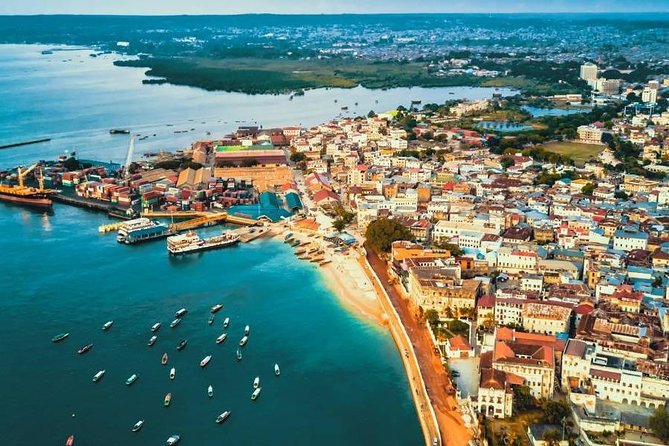
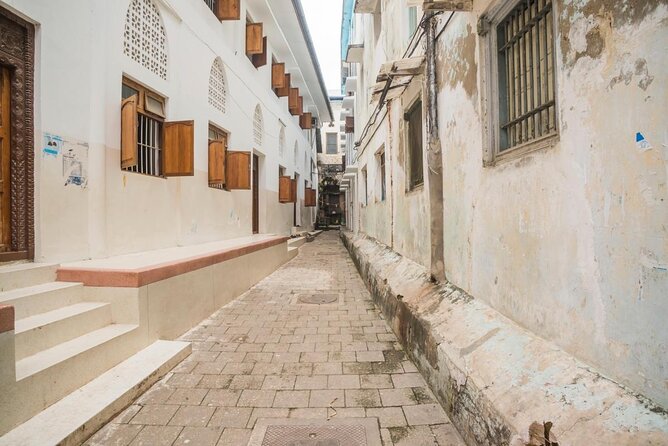
Stone Town can look compact on a map, yet its narrow lanes are easy to follow in the wrong direction. A guide gives the streets a sequence and helps connect what you see: a carved doorway, a balcony, a market stall, a mosque, a palace, and a church can all point to different chapters of Zanzibar’s past.
The city’s character comes from several cultures meeting in one port. African traditions sit beside Arab and Indian trading influences, while Persian and European connections appear in architecture, religion, and commercial life. You do not need to know the full story before arriving. You need someone who can explain why the details matter.
I would choose a guided walk over wandering alone if this is your first visit or if you have only a short time in Zanzibar. The tour is private, so only your group takes part. That gives you a better chance to pause, ask questions, and request a little extra time at a site than you would get in a large group.
Still, the experience depends heavily on the guide. One past account described an excellent driver named Said Faki, while another praised Seif Ali’s English and historical explanations. Those names do not guarantee who will lead your tour, but they show why it is worth confirming the guide’s language and asking for context rather than accepting a hurried sightseeing loop.
More Stone Town Walking Tours in Zanzibar City
- Zanzibar: Stone Town, Spice Tour, Prison Island with Lunch
★ 4.4 · 1,219 reviews - Zanzibar: Prison Island, Stone Town, & Spice Farm Tour
★ 4.5 · 579 reviews - Zanzibar: Stone Town, Spice tour & Prison Island with Lunch
★ 4.6 · 453 reviews
Darajani Bazaar, where Stone Town shops for itself
The tour begins at Darajani Bazaar, Stone Town’s main market. The market is also known as Estella Market and, in Swahili, Marikiti Kuu, meaning main market. Its principal structure was built in 1904 by Bomanjee Maneckjee for Sultan Ali bin Hamud, and it was later extended and restored.
This is not just a souvenir stop. Darajani is mainly a food market, with seafood, meat, fruit, grains, and spices. You may also see shops selling clothing, electronics, and other everyday goods. That mix makes it a useful introduction to the city because you are seeing a place used for daily shopping, not a display arranged for sightseeing.
The scheduled visit is about 15 minutes, which is short. I would use the time to notice the different sections, watch the movement of goods, and take in the smells of spices and fresh produce. If you want to study every stall or take photographs, you may feel hurried.
Market etiquette matters. Dress conservatively, ask before photographing people, and keep your belongings close in crowded areas. The information provided does not promise a food tasting, so do not expect lunch or drinks to be part of the stop. Food and beverages are not included in the tour price.
The Old Fort and its Omani defenses
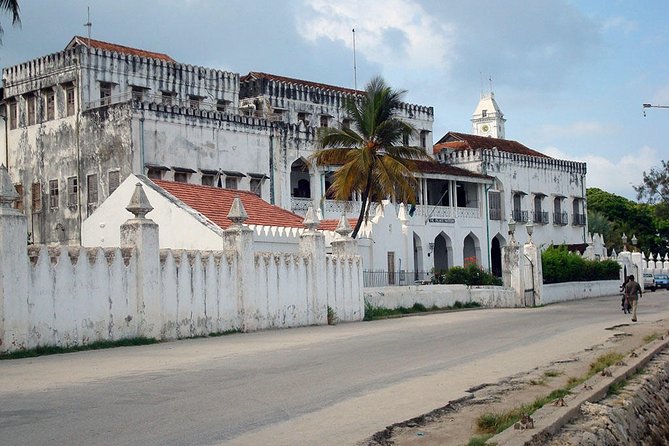
Next comes the Old Fort, also called Ngome Kongwe. Built by the Omanis in the 17th century as a defense against the Portuguese, it is described as the oldest standing structure in Stone Town. Its high brown walls, crenelated battlements, pointed arches, and inner courtyard give it a strong military shape.
The fort no longer functions simply as a defensive building. Its courtyard has become a cultural center with curio shops, and you may find tingatinga paintings and traditional handicrafts for sale. The open-air amphitheater can also host performances.
The planned visit lasts about 10 minutes. That is enough to enter, see the basic structure, and understand its role in Stone Town, but not enough for a slow architectural study or a long shopping session. The fort is also tied to the tour’s shopping time, so you may have a chance to browse here or at nearby markets.
I like this stop because it gives the walk a clear physical anchor. Darajani shows you the city’s daily trade, while the Old Fort shows how power and defense shaped the port. The contrast is useful. You are not simply collecting old buildings.
The fort can also feel like a quick photo stop if your guide gives little explanation. Ask about the Omani connection, the Portuguese conflict, and how the inner courtyard is used today. Those questions should turn ten minutes into a more meaningful visit.
Christ Church and the former slave market
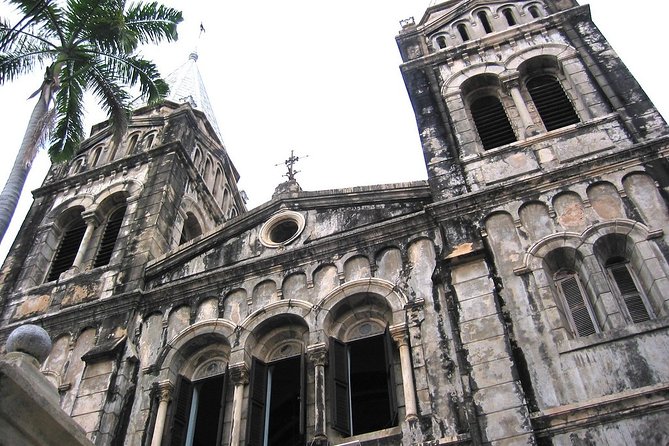
The most serious stop is the former slave market beside the Anglican Cathedral of Christ. The coral-stone church was built from 1873 to 1883 on the site of the old market, when Zanzibar was a major center of the slave trade under the Muscat and Oman Sultanate, with British support.
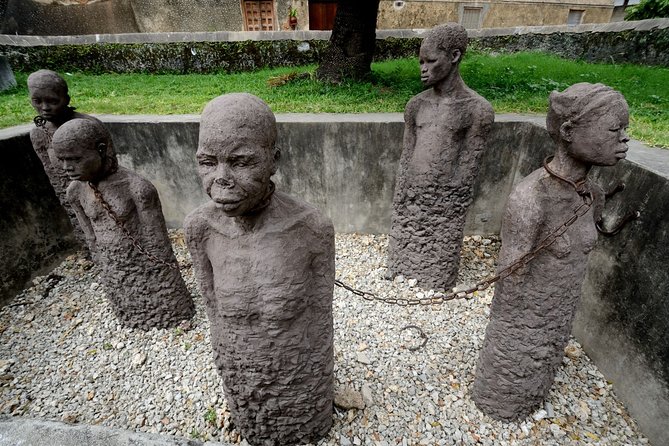
The church’s altar is believed to occupy the site of the former whipping post. In the churchyard, a concrete sculpture shows enslaved people leaving an underground holding cell. You can also enter slave chambers in the cellars of the former Anglican Mission House, now used as a hostel.
This part of the tour deserves more than a quick photograph. The cathedral, the chambers, the sculpture, and the altar location create a difficult but important connection between Zanzibar’s religious buildings and its painful past. If your guide moves too quickly, ask for time to understand what happened at the site.
The cathedral also contains a cross made from the tree under which David Livingstone’s heart was buried in 1873. The building remains an active church and has a large rectangular bell tower with a clock.
The scheduled visit is about 10 minutes, another tight window for a place with this much to explain. The short timing is the clearest weakness in the published plan. A thoughtful guide can provide useful context, but you should not expect an extended lecture or a long visit to every part of the complex.
Same country, a completely different kind of safari:
- From Zanzibar: Mikumi Safari Day Trip with Flights and Meal
★ 4.7 · 1,470 reviews - From Zanzibar: Day Selous Game Reserve Safari with Flights
★ 4.7 · 1,025 reviews - Quad Adventures in Zanzibar: Nungwi / Kendwa
★ 4.9 · 640 reviews - Stone Town Private Walking Tour
★ 5.0 · 371 reviews
Doors, balconies, and the city between the stops

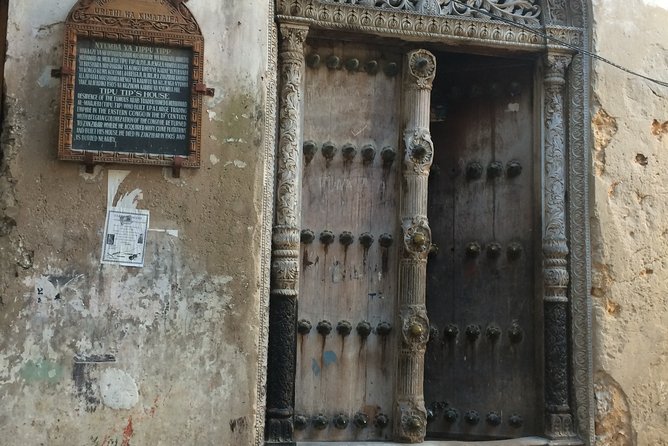
Some of Stone Town’s best details appear while you are walking from one main site to another. Look for beautifully carved wooden doors, shaded lanes, elegant balconies, and verandahs. These features reflect the city’s mixed cultural influences, though each doorway has its own design and degree of upkeep.
The tour description promises a series of carved doors, but it does not name specific houses or guarantee entry into private buildings. You should treat the doors as part of the walking route rather than a separate museum visit. A good guide can explain what to notice in the carvings and how the architecture reflects Zanzibar’s trading connections.
The narrow streets are also why comfortable shoes and a moderate level of fitness are sensible. The tour is a walking experience through an old walled city, not a vehicle-based sightseeing ride. The information does not provide a distance or accessibility rating, so anyone concerned about mobility should ask the operator before booking.
Stone Town can be hot and sweaty, especially during the warmer part of the day. The choice of morning or afternoon departure lets you pick the time that fits your schedule, though no specific temperature advantage is promised. Bring water, since drinks are not included.
The Sultan Palace and the wider royal story
The overview includes the Sultan Palace among the sights you will see, although the timed itinerary gives exact visits only for Darajani Bazaar, the Old Fort, and the former slave market. That means the palace may be viewed or discussed from the route rather than visited as a long interior stop.
This is worth clarifying before departure. The Sultan Palace helps explain Zanzibar’s royal past and the authority of the sultans, but the available information does not state whether an entrance ticket or extended palace visit is included separately. All stated entrance fees are included, yet the timing remains compact.
I would ask your guide at the start which palace views or buildings are planned. That simple question can prevent disappointment and help you understand how the three-hour schedule is being divided.
Shopping for Zanzibar souvenirs
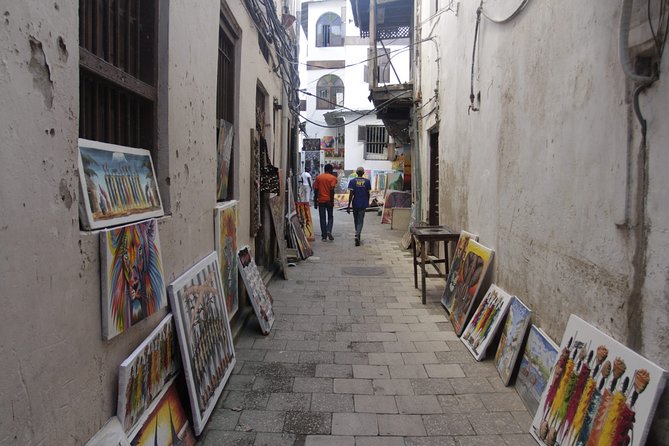
The tour includes a 30-minute shopping break. This is a useful addition because Stone Town’s markets and small shops offer items connected with Zanzibar, including handicrafts, paintings, clothing, spices, and other goods. The Old Fort is one possible place to browse, with shops selling tingatinga paintings and traditional crafts.
The break is not a meal stop, and souvenir purchases are extra. Take your time comparing prices and inspect the item before paying. The tour provides access to shopping time, not a guaranteed discount or a fixed list of stores.
I like the pause because it gives the walk a more relaxed rhythm. You can buy something meaningful, or simply look around without trying to keep up with the guide. If shopping is not your priority, use the time to ask for another look at nearby architecture, but the exact arrangement depends on the guide.
Souvenir photographs are also not included, though they may be available to purchase. Bring a camera or phone if you want your own pictures, and remember that people in the market should be treated with respect.
What the $85 price covers
At $85 per person, this is not the cheapest way to see Stone Town, especially if you are already staying nearby and could arrange a walk independently. The price makes more sense if you value private transport, a dedicated guide, included entrance fees, and the ease of hotel pickup and drop-off.
The private format is important. Your group is the only group on the activity, so you are not sharing the guide with a large coach party. For couples, families, or friends who want to ask questions and set a comfortable pace, that can justify the cost.
The tour lasts about three hours. That is enough for a useful introduction, not a full study of Stone Town. You pay for a focused half-day outing with transport and access to key sites, not an all-day cultural program.
Food, drinks, and souvenir photographs are extra. A minimum of two people is required per booking, so a solo visitor cannot book this experience alone under the stated terms. Confirmation is sent within 48 hours, subject to availability.
Dress, timing, and guide expectations
The dress code is formal, meaning conservative clothing is expected in Stone Town. Women should cover their shoulders and wear long skirts or trousers. This is especially important near Christ Church and in the market, where respectful clothing helps you move through the city without drawing unwanted attention.
The guide may be multilingual. If you need a specific language, confirm it before booking rather than assuming it will be available. English-language guiding has been praised in past arrangements, including a guide named Seif Ali, but the assigned guide can vary.
Ask for explanations about the slave market, the Omani fort, the Sultan Palace, and the carved doors. This tour works best when you treat it as a conversation. If the guide simply points and names buildings, you may finish feeling that three hours was too much money for too little information.
The driver can also shape the experience. Said Faki has been singled out for excellent service in connection with hotel pickup and broader Zanzibar arrangements. Again, that does not mean he will be assigned to your group, but it is useful to know that transport and guiding may be handled by different people.
Who should book this Stone Town tour?
I would recommend it to a first-time visitor staying outside Stone Town who wants an organized introduction without spending a full day in the city. Hotel pickup and drop-off remove much of the transport planning, and the private format is convenient for a small group.
It also suits anyone interested in architecture, markets, royal history, and the difficult story of the slave trade. The route gives you a clear first look at several sides of Zanzibar, from everyday food shopping to military buildings and religious sites.
I would be more cautious if you want long museum visits, slow photography, or detailed historical teaching at every stop. The three-hour schedule is tight, and the main stops are timed at 10 to 15 minutes each. You may need to request extra explanation and accept that some sights will be viewed briefly.
The tour is also less appealing if you are already based in Stone Town and are comfortable arranging your own guide. In that case, the $85 fee mainly buys private transport, organization, and included admissions.
Should you book it?
Book this tour if you want a convenient, private introduction to Stone Town, especially from a hotel elsewhere on Zanzibar. The strongest reasons are the working Darajani market, the Old Fort, the former slave market and cathedral, included entrance fees, and a proper shopping break.
Before paying, confirm the pickup time, guide language, and how much time will be given to the Sultan Palace and the cathedral complex. Go with modest clothing, comfortable shoes, water, and realistic expectations. You are buying a focused overview, not an exhaustive history course.
If your guide provides clear context, this can be a valuable first meeting with Zanzibar’s old city. If the commentary is thin, the short schedule may leave you wishing for more. The experience is worth considering, but its real value rests on the quality of the person leading your walk.
FAQ
How long is the Stone Town guided tour?
The tour lasts approximately three hours.
Is hotel pickup and drop-off included?
Yes. Hotel pickup and drop-off are included.
Is this a private tour?
Yes. Only your group participates in the activity.
What places are included in the route?
The route includes Darajani Bazaar, the Old Fort, and the former slave market beside the Anglican Cathedral of Christ. The overview also includes the Sultan Palace and carved wooden doors among the sights.
Are entrance fees included?
Yes. All entrance fees specified for the tour are included.
Is there time for shopping?
Yes. The experience includes a 30-minute shopping break for browsing local souvenirs and goods.
Can I choose the departure time?
Yes. You can choose a morning or afternoon departure.
What should I wear?
Dress conservatively. Women should cover their shoulders and wear long skirts or trousers while walking through Stone Town.
Are food and drinks included?
No. Food and drinks are not included.
How many people are needed to book?
A minimum of two people is required per booking.
Can I cancel for a full refund?
Yes, if you cancel at least three full days before the experience start time. Cancellations made less than three full days before the start time are not refunded.
Just added around Zanzibar City
- Zanzibar: Mikumi Wonderful Safari with Open Jeeps★ 4.9 · 15 reviews
- Zanzibar: Maalum Cave Natural Swimming Pool Tour in Paje★ 4.4 · 3 reviews
- Zanzibar: Jozani Forest Watching Colobus Monkeys Guided Tour★ 4.1 · 7 reviews
- Zanzibar: Jozani Forest, Salaam Cave & The Rock Restaurant★ 3.0 · 4 reviews
- Zanzibar: Jozani Forest Guided Tour,Red Colobus and transfer★ 3.9 · 6 reviews
- Zanzibar: Jozani Chwaka Bay National Park and Spice Farm …★ 4.6 · 5 reviews
- Zanzibar: Horse Riding and Kayaking with Video and Photos★ 4.9 · 10 reviews
- Zanzibar: Half-Day Private in Prison Island Tours★ 5.0 · 4 reviews
Stone Town Walking Tours, compared.

Stone Town, Spice Tour, Prison Island with Lunch
Read our review →
Stone Town, Spice tour & Prison Island with Lunch
Read our review →

3 Hours Private Stone Town walking Tour with Guide
Read our review →
Full-Day Private Stone Town +Spice Farm and Prison Island Tour
Read our review →
Stone Town Historical Cultural Walking Guided Tour
Read our review →
Browse the lists this tour appears in